This Florida Beach Town Is So Small It Still Feels Like a Secret
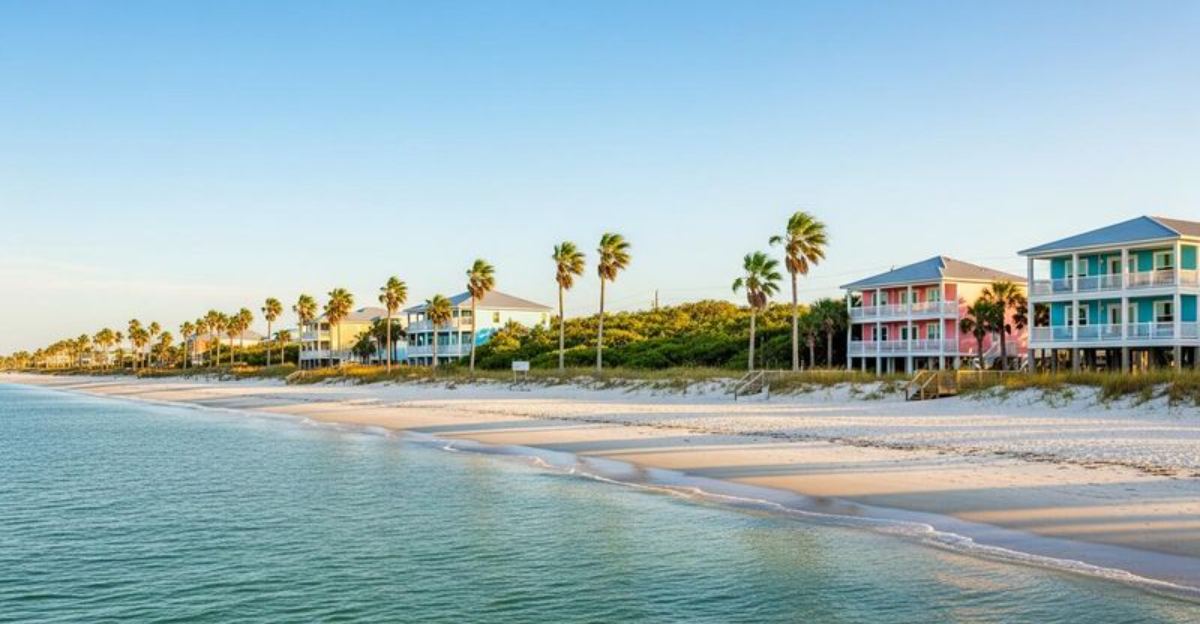
Mexico Beach sits tucked along the Florida Panhandle like a quiet treasure waiting to be discovered. With fewer than 1,000 residents, this tiny coastal town feels worlds away from the crowded tourist hubs that line most of Florida’s shoreline. While bigger beach towns get all the attention, Mexico Beach remains refreshingly untouched, offering sugar-white sand, emerald waters, and the kind of laid-back charm that makes you feel like you’ve stumbled onto something special.
1. A Population That Barely Breaks Four Digits
Only 916 people call Mexico Beach home according to the latest census count. That number actually dropped from over 1,000 a decade ago, making this one of the few Florida beach towns shrinking instead of exploding with development. Walking through the quiet streets, you’ll notice what’s missing: no high-rise condos blocking the horizon, no chain restaurants on every corner, no bumper-to-bumper traffic crawling along the coast.
The small population creates an atmosphere you won’t find in Panama City Beach or Destin. Locals recognize each other at the handful of shops and restaurants. Visitors can actually find parking without circling for twenty minutes.
The beaches never feel packed, even during peak season.
This isn’t a place where developers have swooped in to build massive resorts. The town maintains strict building codes that keep construction low and unobtrusive. Most buildings stay under four stories, preserving those uninterrupted Gulf views that make the Panhandle so stunning.
Hurricane Michael tested this community in 2018, and the rebuilding process has been intentionally slow and thoughtful. Rather than rushing to overdevelop, Mexico Beach has carefully reconstructed itself while keeping that small-town character intact. The result feels authentic in a way that’s increasingly rare along Florida’s coast.
2. 26 Miles of Breathing Room from Panama City
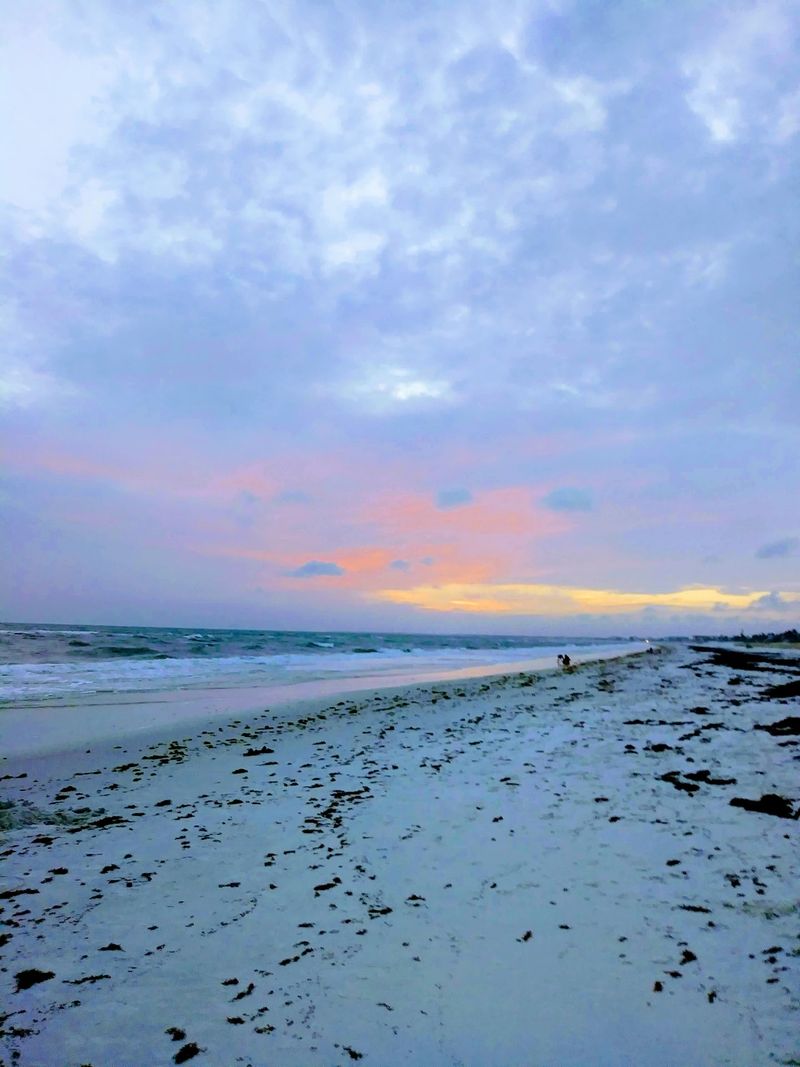
Mexico Beach sits about 25 miles southeast of Panama City, which might as well be a world away in terms of atmosphere. That half-hour drive creates just enough separation to keep the crowds at bay while still offering access to bigger-city amenities when you need them. You get the best of both situations without the chaos that comes with staying in the thick of tourist central.
The location along Highway 98 makes Mexico Beach an easy stop, but most travelers blow right past it heading toward more famous destinations. That geographic sweet spot works in the town’s favor. You’re close enough to Panama City Beach for restaurants, shopping, and entertainment, but far enough away that the spring break madness and endless traffic never reach your doorstep.
Being part of the Panama City metro area technically puts Mexico Beach on the map, but it operates on its own quiet frequency. No boardwalks packed with souvenir shops. No neon signs competing for attention.
Just a straightforward beach town where the main attraction is the beach itself.
The drive between the two towns follows the coast and offers stunning water views most of the way. Unlike other stretches of Florida highway lined with commercial development, this route still feels relatively unspoiled. That buffer zone of natural landscape reinforces the sense that you’re escaping to somewhere genuinely different.
3. Sugar-White Sand That Squeaks Under Your Feet
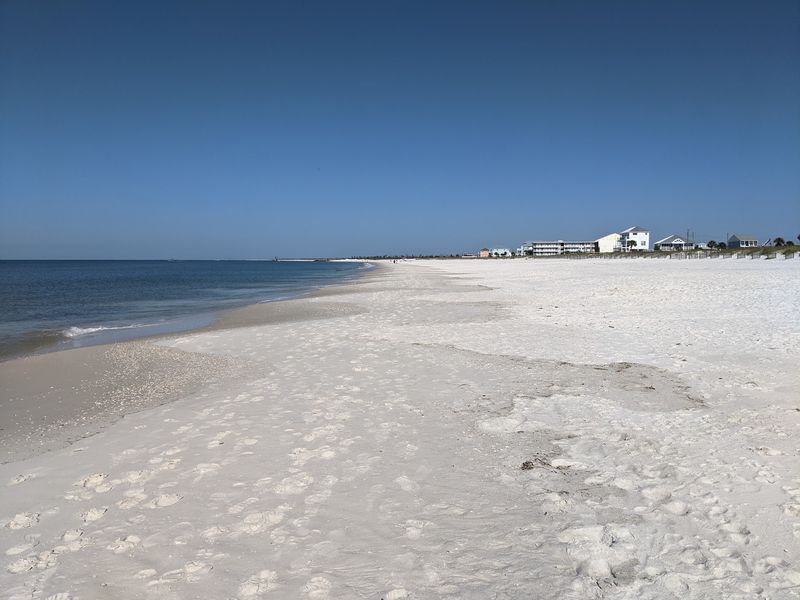
Mexico Beach boasts some of the whitest sand on Florida’s Panhandle, and locals will tell you it actually squeaks when you walk on it. That sound comes from the high quartz content in the sand, which creates a unique texture you won’t find everywhere. The grains are incredibly fine and soft, almost powder-like, making barefoot beach walks feel luxurious instead of gritty.
Compared to beaches on Florida’s east coast, this sand stays noticeably cooler even in summer heat. The light color reflects sunlight rather than absorbing it, so you can comfortably walk without burning your feet. Parents appreciate this detail when kids want to spend hours building sandcastles or playing at the water’s edge.
The beaches here stretch wide and flat during low tide, giving you plenty of space to spread out. You’ll rarely deal with the shoulder-to-shoulder umbrella situation that plagues more popular beaches. Even on holiday weekends, finding your own stretch of sand isn’t a challenge.
Because Mexico Beach avoided the worst of overdevelopment, the shoreline remains relatively natural. You won’t see massive erosion problems or artificial beach restoration projects. The sand replenishes naturally with Gulf currents, maintaining that pristine appearance year-round.
Sunrise and sunset both look spectacular against this white canvas, with colors reflecting off the sand in ways that make every photo look professionally edited.
4. Emerald Waters Without the Emerald Coast Prices
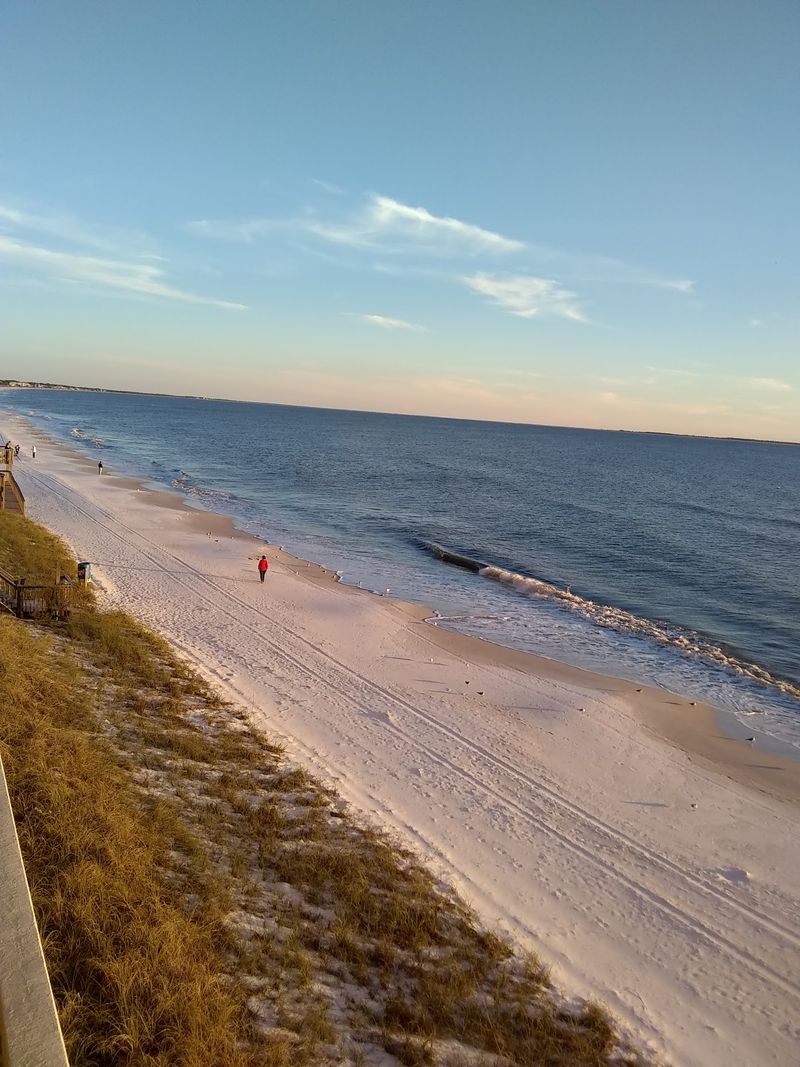
The water color at Mexico Beach rivals anything you’ll see in Destin or along the famous Emerald Coast, but without the inflated price tags. That brilliant turquoise-green hue comes from the same Gulf currents and white sand bottom that create the effect farther west. Sunlight filters through the shallow water and reflects off the sandy floor, producing those Instagram-worthy shades that make tropical destinations so appealing.
Water clarity here stays consistently impressive throughout most of the year. You can wade out waist-deep and still see your toes clearly. Snorkeling near the shore reveals small fish, sand dollars, and occasional shells worth collecting.
The gentle slope of the beach means the water stays shallow for quite a distance, making it perfect for families with young children.
Unlike some Gulf beaches where seaweed and debris pile up, Mexico Beach maintains relatively clean water. The small population means less runoff and pollution compared to heavily developed areas. Local residents take pride in keeping their beaches pristine, organizing regular cleanup efforts that maintain the natural beauty.
Hotel and vacation rental rates run significantly lower than comparable properties in nearby tourist hotspots. You get the same stunning water views and beach access without paying premium prices. That affordability extends to restaurants and activities too, making Mexico Beach an attractive option for budget-conscious travelers who refuse to compromise on natural beauty.
5. Fishing Piers That Still Feel Old Florida
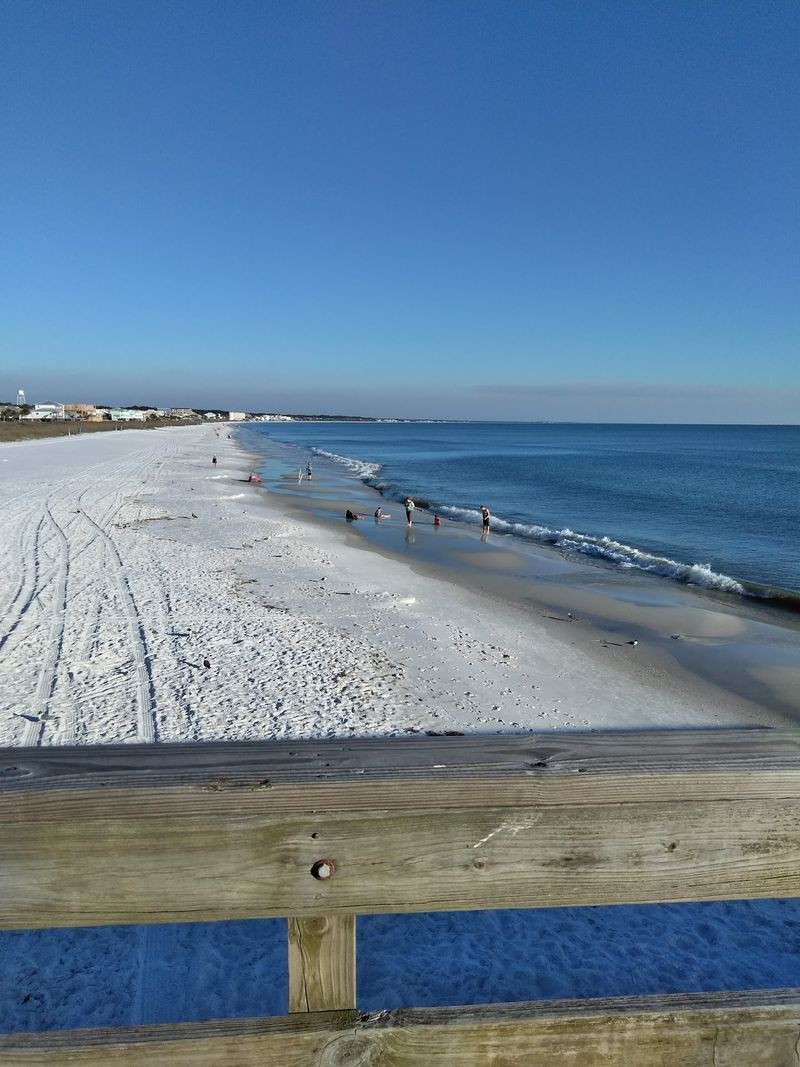
Mexico Beach maintains several fishing piers that capture the essence of old Florida before everything became commercialized. These weathered wooden structures extend into the Gulf, offering perfect spots to drop a line without needing a boat. Locals gather here early morning and late evening, sharing tips about what’s biting and swapping stories that give you a genuine taste of fishing culture.
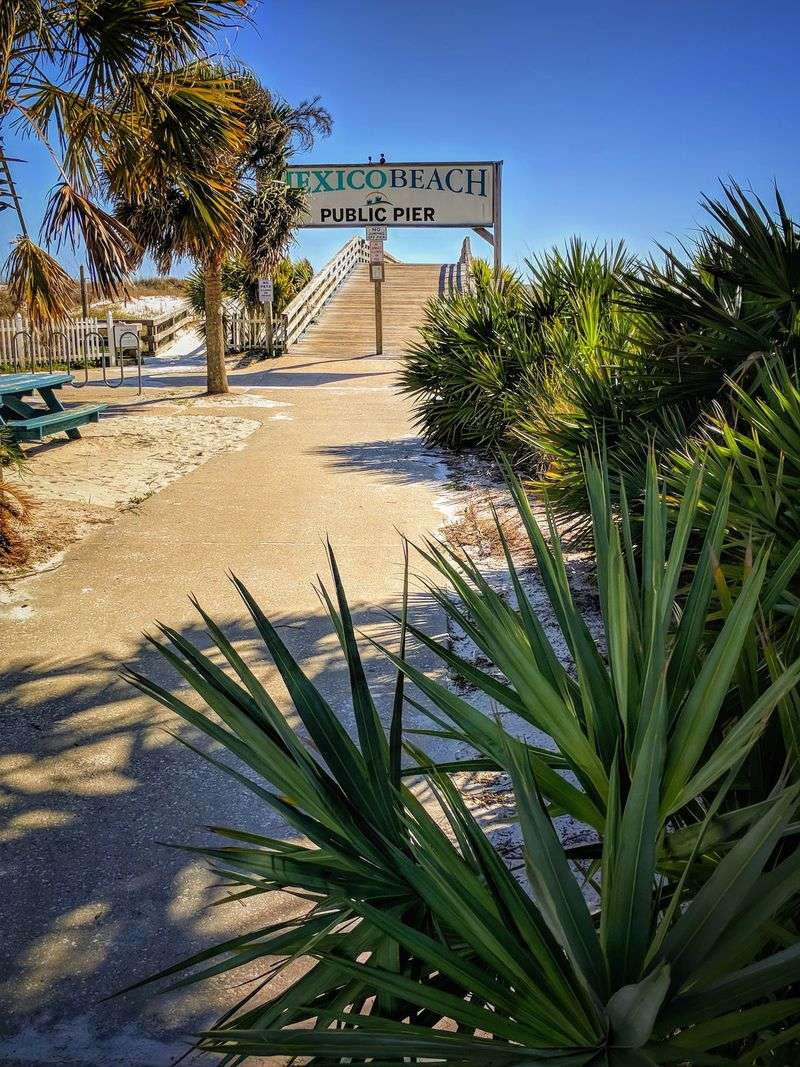
The Mexico Beach Pier survived Hurricane Michael and stands as a community landmark. Unlike fancy sport fishing operations, pier fishing keeps things simple and affordable. You can rent basic equipment if you didn’t bring your own, grab some bait, and spend hours trying your luck.
Redfish, Spanish mackerel, and pompano all run through these waters depending on the season.
What makes these piers special is the lack of pretense. You’ll find retired fishermen who’ve been coming here for decades alongside first-time tourists getting their lines tangled. Everyone offers advice freely, and there’s an unspoken camaraderie that develops when you’re all hoping for that satisfying tug on your line.
The views from the pier rival any expensive restaurant deck. Watching dolphins swim past while you wait for a bite, or seeing pelicans crash into the water hunting fish, adds entertainment beyond just catching dinner. Sunset from the pier paints the sky in colors that make the small pier fee feel like the bargain of the century.
6. Local Restaurants Where Everybody Knows Your Name
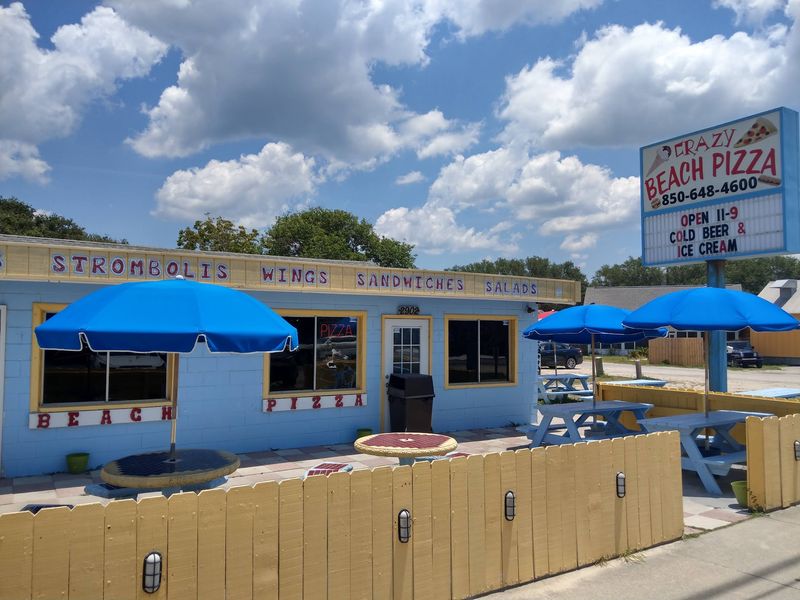
With such a tiny population, Mexico Beach’s restaurant scene operates more like a neighborhood gathering spot than anonymous tourist dining. After visiting the same place twice, servers start recognizing your face. By the end of a week-long stay, they’re asking if you want your usual order.
That personal touch disappeared from most Florida beach towns decades ago.
The handful of restaurants here focus on fresh Gulf seafood prepared without unnecessary fuss. Grouper, shrimp, and oysters come straight from local waters to your plate. You won’t find extensive menus trying to be everything to everyone.
Instead, these spots do a few things really well, changing offerings based on what the boats brought in that day.
Killer Seafood and Sharon’s Cafe represent the kind of establishments that define Mexico Beach dining. Both serve excellent food in casual atmospheres where wearing flip-flops and sandy feet feels perfectly appropriate. Prices stay reasonable because these places don’t need to gouge tourists to survive, they rely on repeat business from locals and returning visitors.
The slower pace extends to service too. Don’t expect rushed meals or servers hovering trying to flip your table. Dining here encourages lingering over conversation, watching the sunset, and enjoying the meal without feeling pressured.
That unhurried approach to eating matches the overall vibe of a town that refuses to operate on the frantic schedule most vacation destinations maintain.
7. Rebuilding After Michael With Intentional Restraint
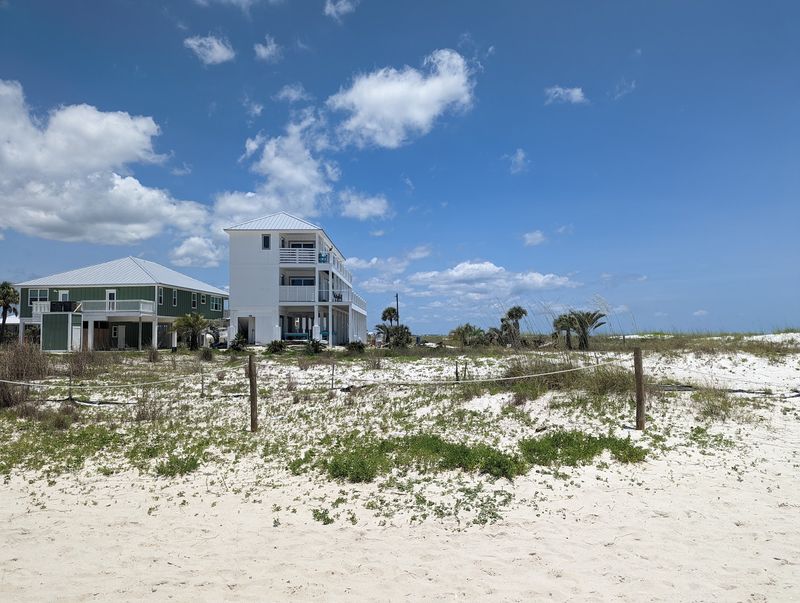
Hurricane Michael slammed into Mexico Beach in October 2018 as a Category 5 monster, devastating much of the town. The storm surge and 160 mph winds destroyed homes, businesses, and infrastructure. Many communities would have used that disaster as an opportunity to rebuild bigger and flashier, chasing tourism dollars.
Mexico Beach chose a different path.
The rebuilding process has been deliberately measured, prioritizing quality over speed and maintaining the town’s essential character over maximizing profit. New construction follows strict codes requiring storm-resistant design, but height restrictions and density limits remain in place. The goal wasn’t to transform Mexico Beach into another high-rise beach resort, it was to bring back what made it special in the first place.
Walking through town now, you’ll see a mix of new and restored buildings that blend together respectfully. Modern storm-resistant homes sit alongside carefully repaired older structures. The new construction uses materials and designs that nod to traditional beach architecture rather than imposing generic condo aesthetics.
This thoughtful approach to recovery has actually strengthened the town’s appeal to visitors seeking authenticity. People who remember pre-Michael Mexico Beach find it remarkably similar in feel despite the physical changes. That continuity of character, even after such catastrophic damage, demonstrates a community commitment to preserving what matters most about this place rather than selling out to the highest bidder.
8. Zero Traffic Lights and Zero Apologies
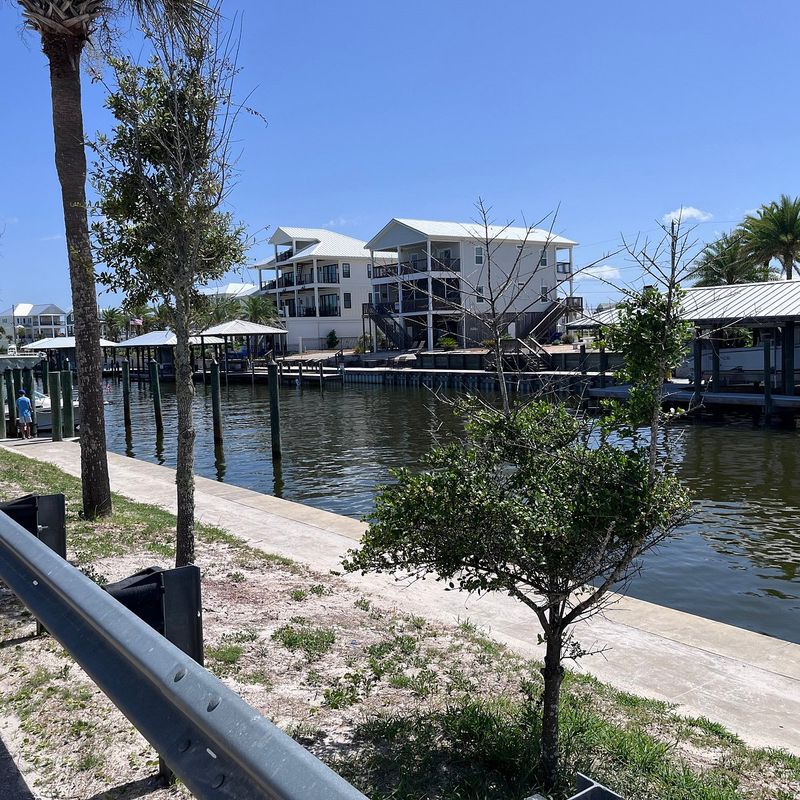
Mexico Beach doesn’t have a single traffic light. Not one. That detail tells you everything about the pace of life here.
Traffic flows according to courtesy and common sense rather than automated signals controlling your every move. The lack of lights isn’t an oversight or a sign of underdevelopment, it’s proof that some places genuinely don’t need them.
Driving through town takes minutes even if you’re going the speed limit. The main drag along the beach never gets congested enough to require traffic management beyond a few stop signs. During peak times, you might wait behind two or three cars instead of one, hardly the gridlock that defines beach towns just a short drive away.
This absence of traffic infrastructure extends to parking meters, paid beach access, and other revenue-generating schemes common elsewhere. Public beach access remains free and plentiful. You won’t spend vacation time feeding meters or worrying about parking tickets.
The town operates on a refreshingly simple model where enjoying the beach doesn’t require navigating a complex system of fees and regulations.
The no-traffic-light situation becomes a point of pride for residents and a pleasant surprise for visitors. It symbolizes Mexico Beach’s resistance to the kind of growth that would necessitate such things. As long as those lights stay absent, you know the town hasn’t crossed the line into overdevelopment that ruins so many coastal communities.