Most People Drive Right Past This Florida Spot Without Knowing What’s Hiding Inside
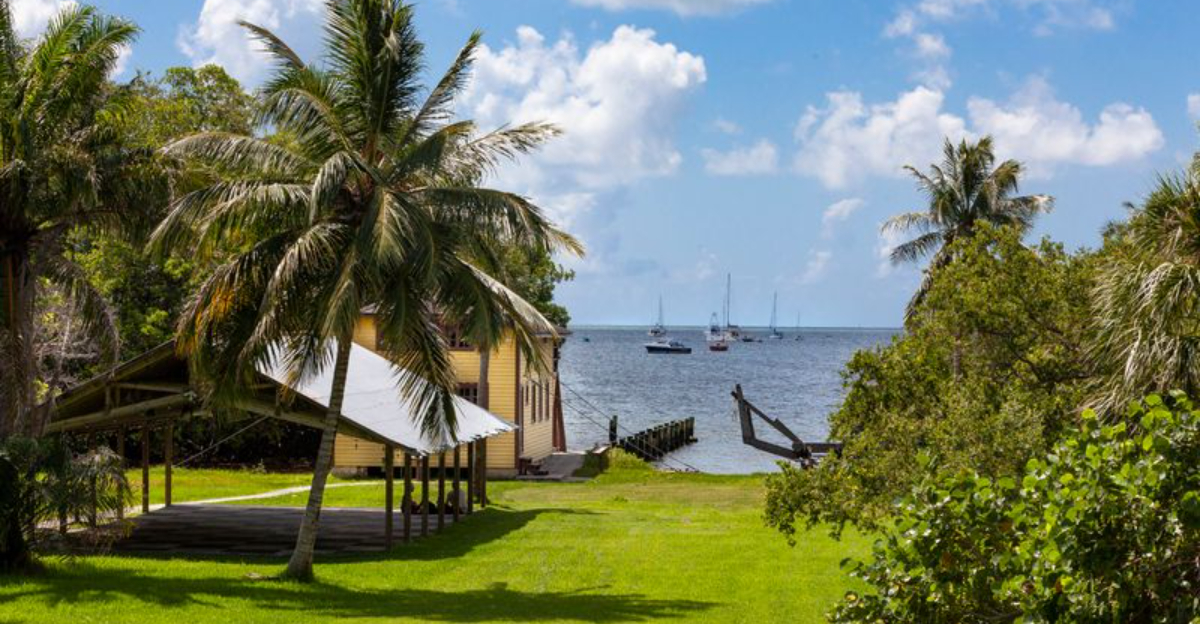
Tucked away in the heart of Coconut Grove, just off Main Highway, sits a five-acre treasure that most Miami visitors and even locals zoom right past without a second glance. The Barnacle Historic State Park preserves the oldest house in Miami-Dade County still standing in its original location, built back in 1891 by a brilliant boat builder and photographer named Ralph Middleton Munroe. For just two dollars, you can step through a canopy of ancient trees and find yourself transported to Old Florida, where Biscayne Bay sparkles beyond a historic boathouse and the stories of Miami’s earliest pioneers come alive.
1. A Victorian Home That Outsmarted Five Hurricanes
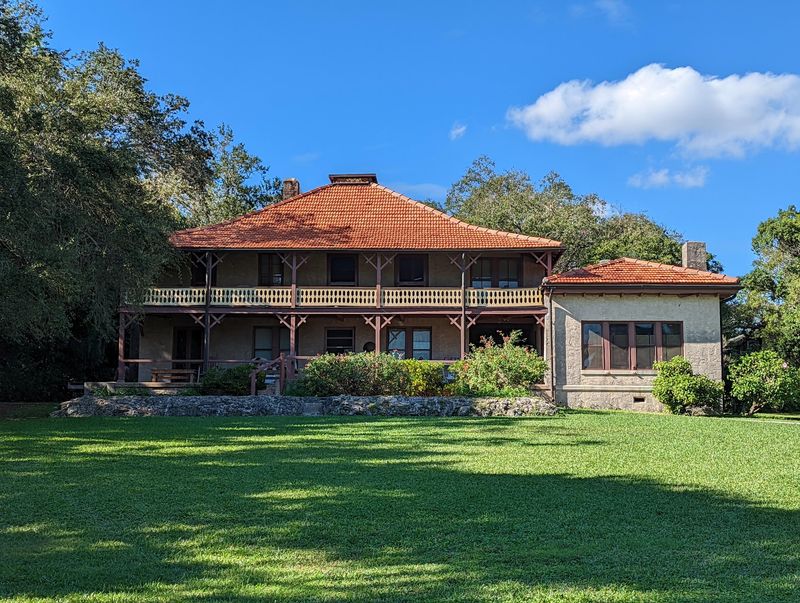
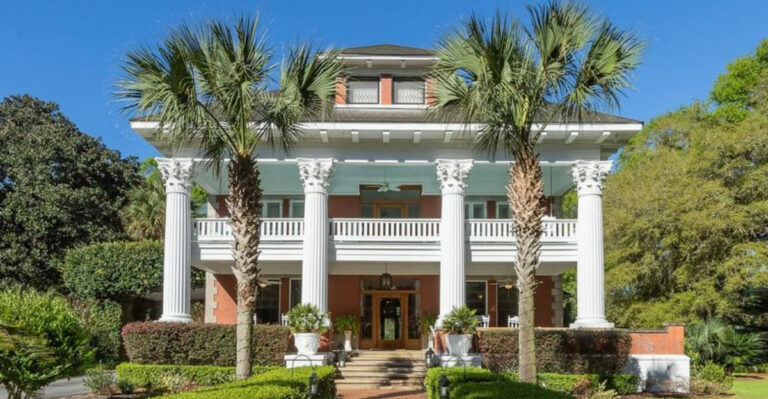
Ralph Middleton Munroe wasn’t just any homeowner. He was an engineer with a mind sharp enough to design a house that could laugh in the face of Category 4 and 5 hurricanes. Built entirely by hand in 1891, The Barnacle features a construction style so clever that it’s survived more than four major storms without crumbling.
The secret lies in Munroe’s innovative design choices. He positioned the house to catch cross breezes from every direction, keeping it naturally cool even during Miami’s brutal summers. The roof angles and structural supports were calculated to deflect wind rather than resist it head-on.
Walking through the rooms during a ranger-led tour feels like stepping into a time capsule. Nearly everything you see, from the furniture to the tools to early electrical appliances from the 1920s, is completely original. That’s almost unheard of in historic homes.
The woodwork alone will make architecture buffs weak in the knees. Intricate detailing covers the walls and ceilings, all handcrafted by Munroe himself. For just three dollars extra beyond the park admission, you get a 30 to 40-minute guided tour that reveals how this brilliant pioneer built a home that would outlast generations.
Rangers share stories about the Munroe family and early Coconut Grove that you won’t find in any guidebook.
2. The Last Slice of Natural Shoreline on Biscayne Bay
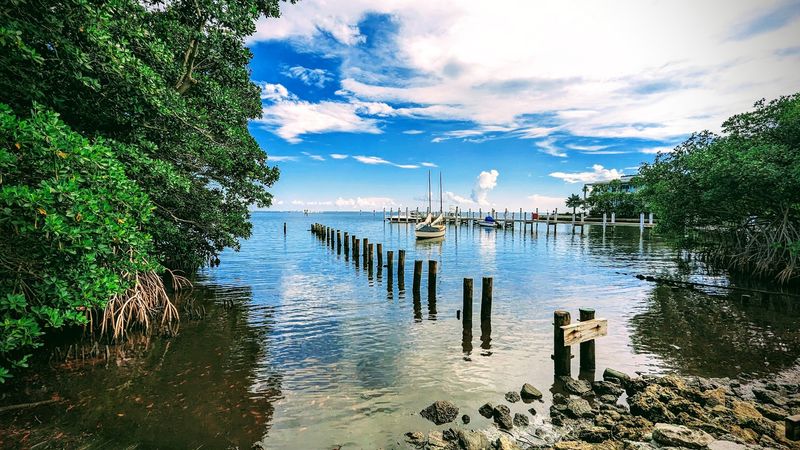
Finding untouched bayfront property in modern Miami is like spotting a unicorn. The Barnacle protects one of the last remaining stretches of natural Biscayne Bay shoreline, complete with mangrove forests and the kind of views that developers would pay millions for.
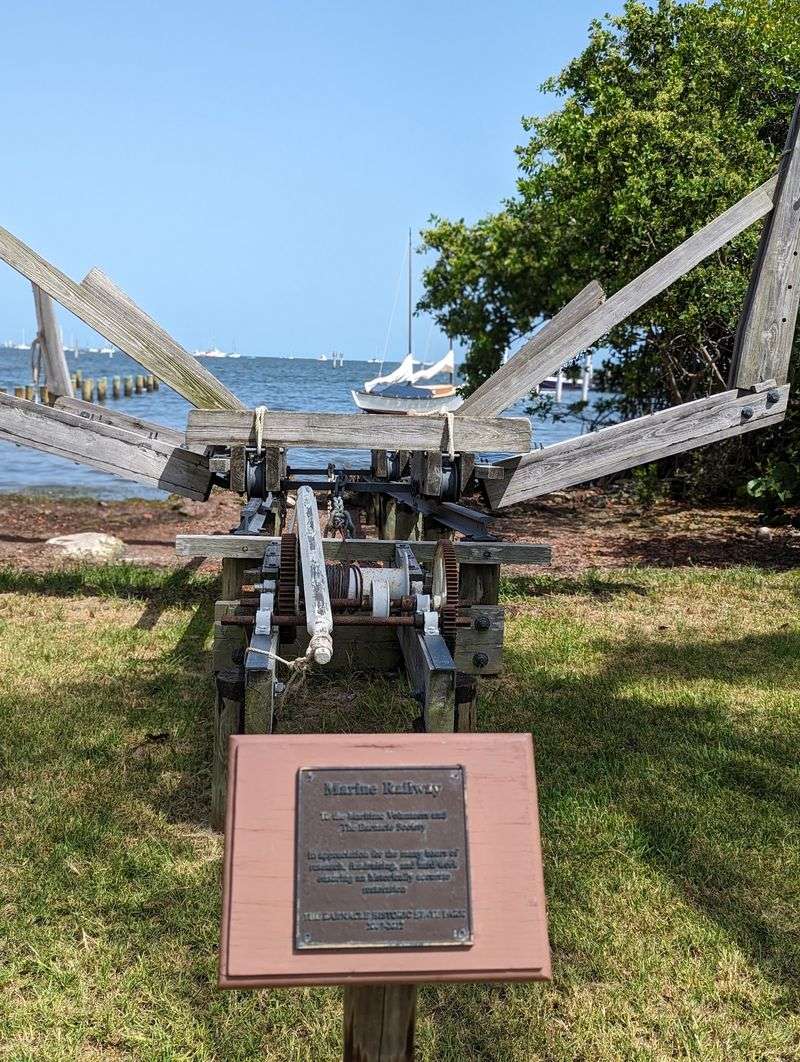
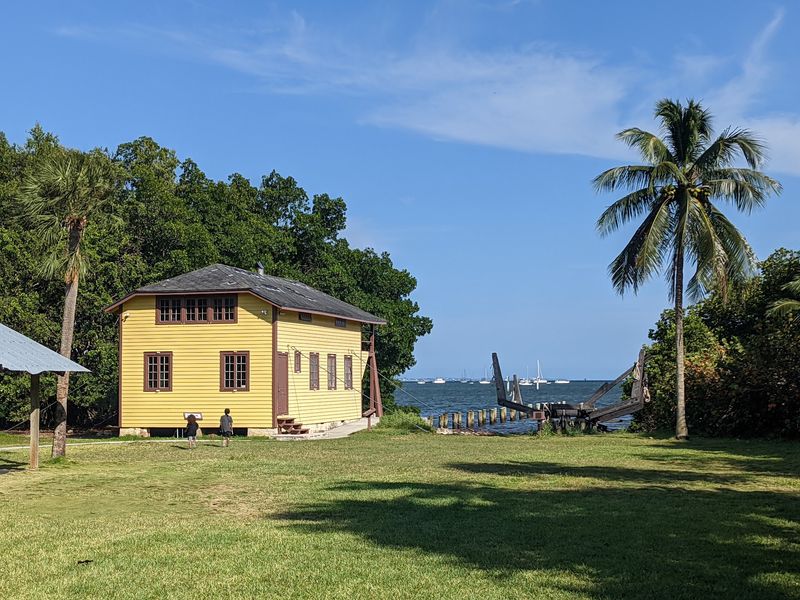
From the grounds near the old boathouse, you can watch sailboats glide across the water just like they did when Munroe launched his own handcrafted vessels over a century ago. The remnants of the original boat launch rails are still visible, a reminder of when this spot served as a trading point between Bahamian sailors and Seminole communities.
The waterfront area offers several benches and tables perfect for picnics or simply sitting and soaking in the tranquility. Unlike the packed beaches and busy marinas elsewhere in Miami, this feels genuinely peaceful.
Photographers love the golden hour here when sunlight filters through the trees and dances on the bay. The combination of historic structures, tropical vegetation, and sparkling water creates compositions you can’t replicate anywhere else in South Florida. Bird watchers also frequent this area since the natural habitat attracts mockingbirds, herons, and other native species that have been pushed out of more developed parts of Miami.
3. A Tropical Hardwood Hammock That Feels Like Another Century
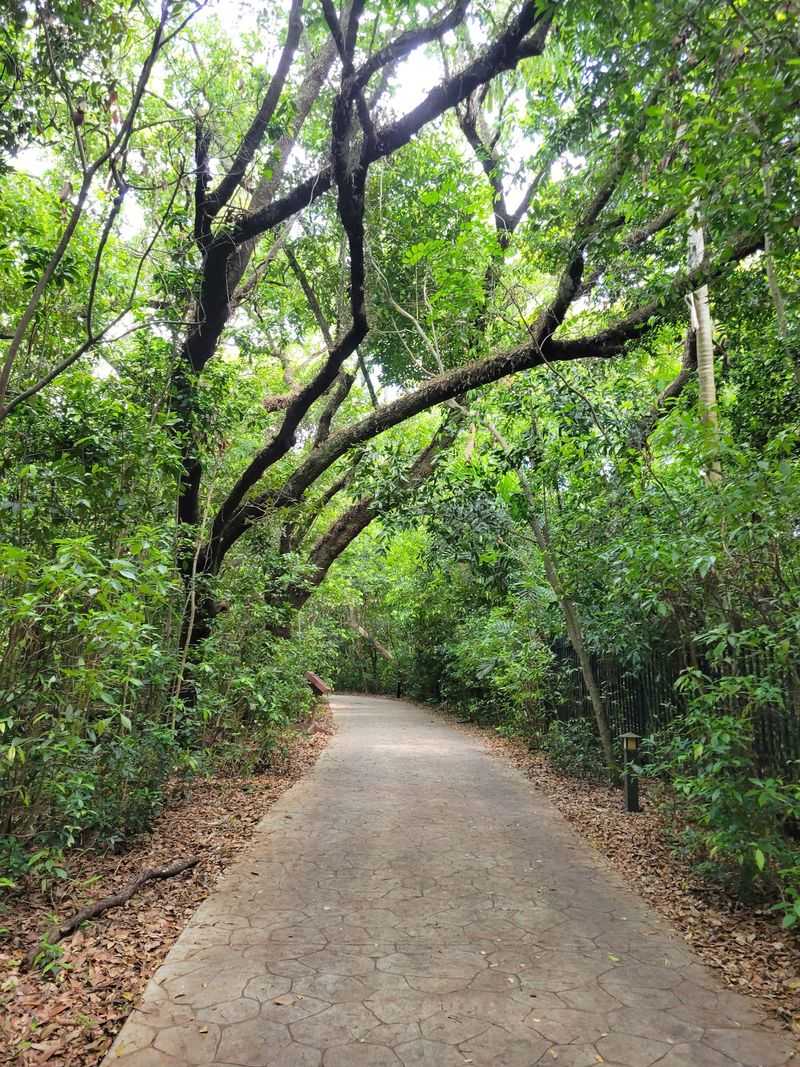
The moment you step off busy Main Highway and onto the shaded path leading into The Barnacle, the city noise fades like someone turned down the volume knob. You’re walking through a rare tropical hardwood hammock, one of the few remaining patches of old-growth forest in urban Miami.
These aren’t your typical Florida palm trees. We’re talking massive, ancient specimens with thick trunks and sprawling canopies that have been here since before Miami was even incorporated as a city. The shade they provide is so dense that even on scorching summer days, the temperature drops noticeably.
Information boards line the walkway, teaching visitors about the medicinal properties of various tree barks and plants that indigenous Seminoles and Bahamian traders once used. Some mushrooms and bark boiled from these hammocks were known to cure stomach ailments, a fascinating glimpse into natural medicine practiced here for centuries.
The path stretches about 30 yards before opening into a clearing where the historic buildings stand. That short walk does something magical, creating a buffer between modern Coconut Grove and the pioneer era you’re about to experience. Visitors consistently mention feeling transported back in time during this simple stroll, making it one of the most effective natural transitions any historic site could ask for.
4. The Ingenious Boat Builder Who Started It All
Ralph Middleton Munroe arrived in South Florida during the 1870s, back when Miami didn’t exist and Coconut Grove was just a handful of settlers scratching out a living. He fell in love with Biscayne Bay and decided this wild, beautiful place would become his home.
As a master boat builder, Munroe designed and constructed wooden sailboats perfectly suited to Florida’s shallow waters and unpredictable weather. His vessels became famous throughout the region for their craftsmanship and seaworthiness. He also served as founder and Commodore of the Biscayne Bay Yacht Club, cementing his status as a maritime legend.
But boats weren’t his only passion. Munroe was an accomplished photographer who documented early South Florida life through his lens, capturing images of Seminole communities, pioneer families, and the raw landscape before development transformed it. His photographs now provide invaluable historical records.
Perhaps most impressively, Munroe became an early conservationist after watching Miami’s explosive growth during the 1920s boom. He fought to preserve natural areas and practiced sustainable living long before it became trendy. That’s why his property contains so many old trees and untouched habitat.
The ranger-led tours share stories about his multifaceted life, revealing a Renaissance man whose influence shaped Coconut Grove and Miami in countless ways.
5. Events That Bring History to Life Under the Stars
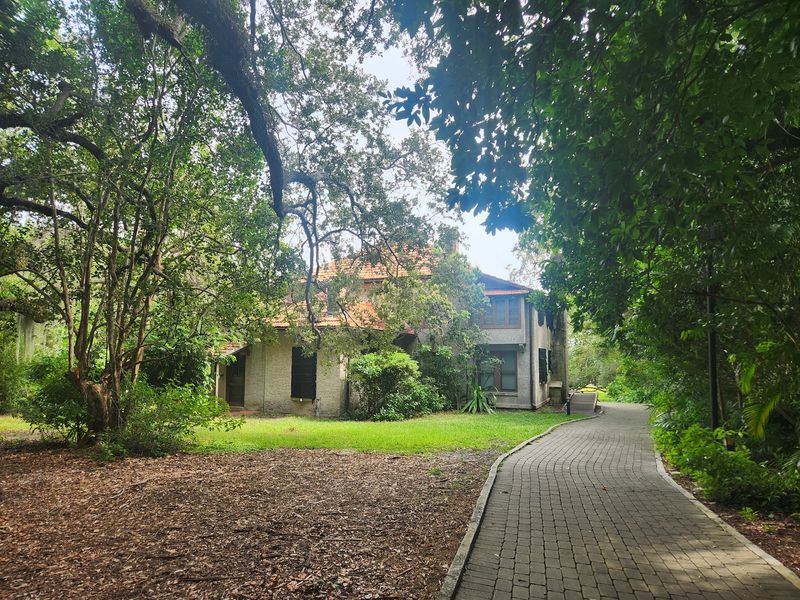
The Barnacle isn’t just a static museum where you look but don’t touch. Throughout the year, the park hosts Moonlight Concerts that transform the grounds into an enchanting evening venue where live music floats across the bay under the stars.
These concerts draw locals who spread blankets on the soft grass and settle in for performances ranging from classical to contemporary. The combination of historic architecture, tropical setting, and quality music creates an atmosphere you won’t find at typical South Florida venues.
Movie nights are another popular offering, with classic films projected outdoors while families lounge on the lawn. There’s also an annual regatta that celebrates Munroe’s sailing legacy, comedy nights that fill the grounds with laughter, and dog festivals including The Holiday Barkzaar each November.
These events give visitors a completely different perspective on the park compared to daytime tours. The historic house takes on a magical quality when lit up at night, and the bay breezes feel even more refreshing after sunset. Admission to most events is very affordable, keeping with the park’s mission to remain accessible to everyone.
Check thebarnacle.org for the current events calendar, because experiencing this place during a special program adds layers of enjoyment beyond the standard visit.
It’s how The Barnacle stays relevant and beloved by multiple generations of Miami residents.
6. A Junior Ranger Program for Young Explorers
Parents struggling to get their kids excited about history museums should know about The Barnacle’s junior ranger program. This isn’t some boring worksheet activity. It’s a hands-on adventure that turns children into active participants rather than bored observers tagging along with adults.
The visitor center provides activity materials designed to engage young minds with the park’s history and ecology. Kids explore the grounds on missions to identify native plants, learn about Munroe’s inventions, and discover how pioneer families lived without modern conveniences.
Rangers are particularly skilled at connecting with children, answering endless questions with patience and enthusiasm. They understand that a wiggly toddler might not sit still for a full house tour, so they offer alternatives that let families with little ones still enjoy the park.
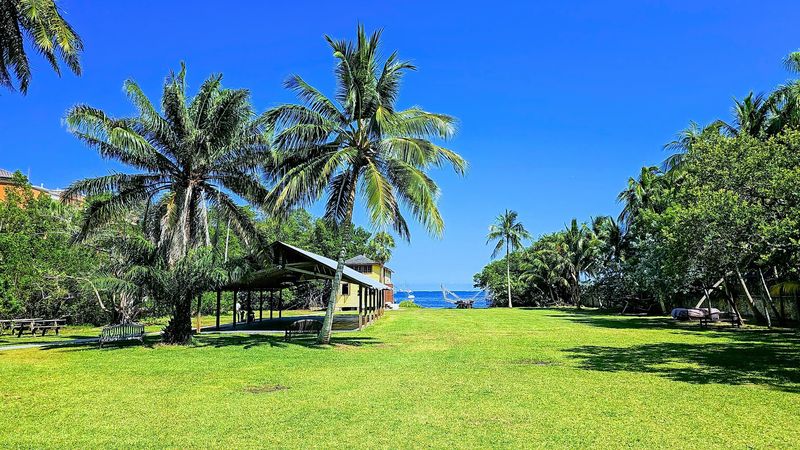
The grounds themselves are perfect for burning off energy. Unlike many historic sites that feel stuffy and restrictive, The Barnacle encourages families to wander the open spaces, examine the boathouse, and get close to the bay. Parents mention in reviews how their kids loved exploring while they soaked in the history and scenery.
For just two dollars per person entry, it’s one of the most affordable family outings in Miami. The junior ranger program adds educational value without feeling like school, making it a win for both kids and parents looking for activities that combine learning with genuine fun.
7. The Hidden Gem Locals Didn’t Even Know Existed
Here’s the thing that blows people’s minds: lifelong South Florida residents drive past The Barnacle entrance for decades without realizing it’s there. The park sits right on Main Highway in one of Miami’s most visited neighborhoods, yet it remains practically invisible to tourists heading toward Commodore Plaza’s shops and restaurants.
There’s no giant sign or flashy billboard screaming for attention. Just a modest entrance that blends into the tree line, easy to miss if you’re not specifically looking for it. That’s actually part of the charm, though it does mean this incredible resource stays underutilized.
Reviews are filled with locals expressing shock that they never knew about this place despite living nearby their entire lives. One couple mentioned growing up in South Florida and only discovering The Barnacle as adults. Another visitor couldn’t believe such a peaceful, historically significant spot existed in the middle of bustling Coconut Grove.
The lack of crowds is both a blessing and a concern. Visitors love having the grounds almost to themselves on weekday mornings, creating an intimate experience impossible at major tourist attractions. However, park staff worry that without more awareness, people miss out on understanding Miami’s roots.
If you’re visiting during the Coconut Grove Art Show or other busy neighborhood events, the park sometimes offers free admission to attract curious passersby.
It’s their way of saying, “Hey, stop scrolling past us and come see what you’re missing.”
8. The Best Five Dollars You’ll Spend in Miami
Two dollars gets you into the park. Three more dollars gets you the guided house tour. That’s five bucks total for an experience that rivals attractions charging ten times as much.
Multiple visitors call it the best value in all of Miami, and it’s hard to argue with that assessment.
Compare that to South Beach parking alone, which can cost 10 dollars per hour, or theme park admissions running 100 dollars and up. The Barnacle proves that meaningful experiences don’t require massive budgets or corporate sponsorships.
What makes it worth every penny is the authenticity. You’re not getting a recreated pioneer village with actors in period costumes. This is the real deal, with original furnishings, tools, and family possessions that survived over 130 years.
The rangers conducting tours are genuinely knowledgeable, not reading from scripts.
Even if you skip the house tour and just wander the grounds, that two-dollar admission gives you access to rare natural beauty, bay views, peaceful picnic spots, and a slice of Old Florida increasingly hard to find. Street parking in Coconut Grove can be expensive and scarce on weekends, so some savvy visitors park at Dadeland North garage for about six dollars all day and take the Metrorail to Coconut Grove station, then walk the remaining eight-tenths of a mile. The park is open Thursday through Monday from 9 AM to 5 PM, with tours offered four times daily.