Florida Locals Are Quietly Buying Homes in These 10 Towns for Under $200,000
While everyone’s attention stays glued to Miami condos and Tampa Bay’s soaring prices, a quieter real estate story is unfolding across North Florida and the Panhandle. Local Floridians who know the state beyond the beach resorts are scooping up entire houses—not tiny apartments—for less than the cost of a luxury sedan. These aren’t fixer-uppers in the middle of nowhere, either; they’re real communities with town squares, local diners, and neighbors who actually wave hello.
1. Madison
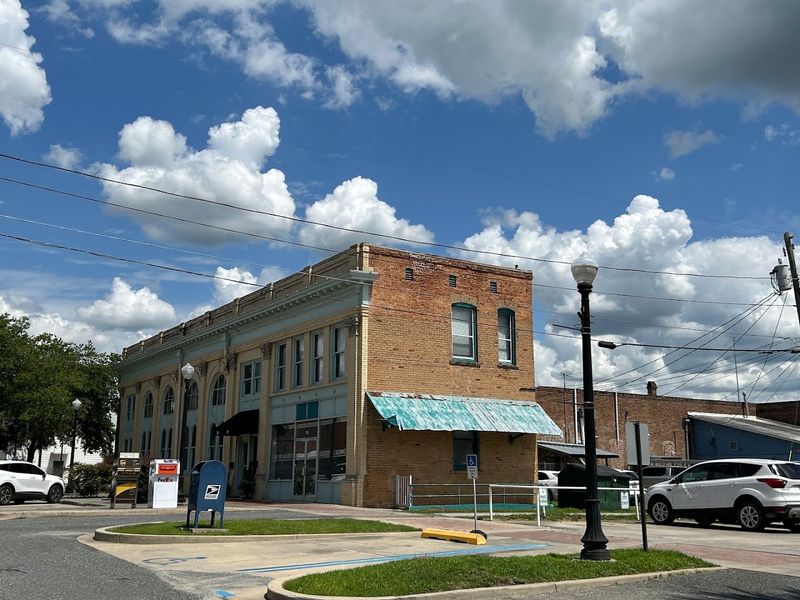
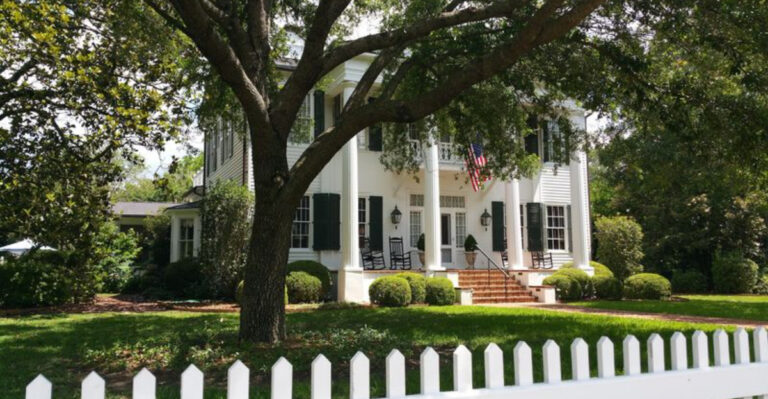
Madison sits tucked away in North Florida, where oak trees drape over brick sidewalks and the courthouse square still feels like the town’s beating heart. Locals here aren’t chasing Instagram-worthy sunsets or crowded farmer’s markets. They’re buying Victorian-era homes with wraparound porches for prices that make Tampa buyers weep into their overpriced lattes.
Madison County’s median home price hovers around $105,900, which translates to actual houses with yards, not studio apartments with a view of a parking lot. The historic downtown area features independently owned shops, a few solid restaurants, and the kind of community events where people genuinely know each other’s names. It’s not trying to be trendy, and that’s precisely the appeal.
The town’s location near I-10 keeps you connected without the traffic nightmares of larger cities. You’ll find Spanish moss hanging from century-old oaks, front porches made for evening conversations, and a pace of life that lets you actually breathe. Retirees and remote workers are particularly drawn here, discovering that affordable doesn’t mean isolated.
Madison offers something increasingly rare in Florida: authenticity without the tourist markup. The schools serve local families, not transplants hunting for the next hot zip code. If you want elbow room, history, and a mortgage payment that won’t consume your entire paycheck, Madison delivers without apology.
2. Perry
Perry gives you that Old Florida vibe without the Old Florida price tag. This Taylor County community sprawls comfortably between Tallahassee and the Gulf Coast, offering access to both without the chaos of either. Locals appreciate the lack of pretension—no one’s installing pink flamingo lawn ornaments ironically here.
The town maintains a genuinely laid-back atmosphere where rush hour means waiting for two cars at the stoplight. You’re close enough to the coast for weekend fishing trips but far enough inland that hurricane insurance won’t bankrupt you. Perry’s housing market remains refreshingly affordable compared to anything within sniffing distance of salt water.
Downtown Perry features the basics—a courthouse, local businesses, and restaurants where the waitstaff remembers your usual order. It’s not trying to become the next trendy destination, which keeps both tourists and inflated real estate prices at bay. The Forest Capital Museum State Park sits nearby, celebrating the region’s timber heritage with actual substance instead of manufactured charm.
What makes Perry particularly appealing is its position as a working town rather than a retirement village or beach colony. Real people with real jobs live here, creating a community that functions year-round. The affordability attracts young families and first-time buyers who want space and stability without sacrificing their financial future for a zip code.
3. Bonifay
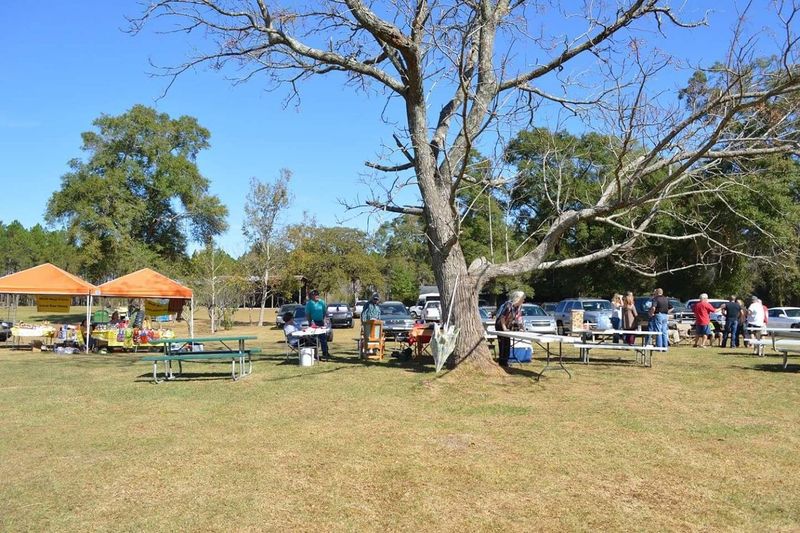
Bonifay operates on a completely different frequency than most of Florida. As the Holmes County seat, it’s surrounded by working farmland and genuine countryside—not the manufactured pastoral scenes developers slap on gated community brochures. This is where Floridians come when they’re done with the coastal circus.
Holmes County recently earned recognition as Florida’s least expensive county, with median home prices hovering around $101,000. That’s not a typo, and it’s not because the houses are falling apart. It’s because Bonifay hasn’t been discovered by the real estate speculators who’ve turned other small towns into investment portfolios.
The town itself remains small and straightforward, with a compact downtown that serves local needs rather than tourist fantasies. You’ll find hardware stores, not boutique candle shops. The community revolves around agriculture, church socials, and high school football—the real trinity of rural Florida life.
Bonifay’s appeal lies in what it doesn’t have: traffic, crowds, pretension, or astronomical property taxes. The trade-off is equally clear: you won’t find sushi restaurants, craft breweries, or yoga studios on every corner. What you will find is space, quiet, and the financial freedom that comes from a mortgage payment lower than most people’s car notes.
For buyers prioritizing affordability and acreage over amenities, Bonifay delivers.
4. Blountstown
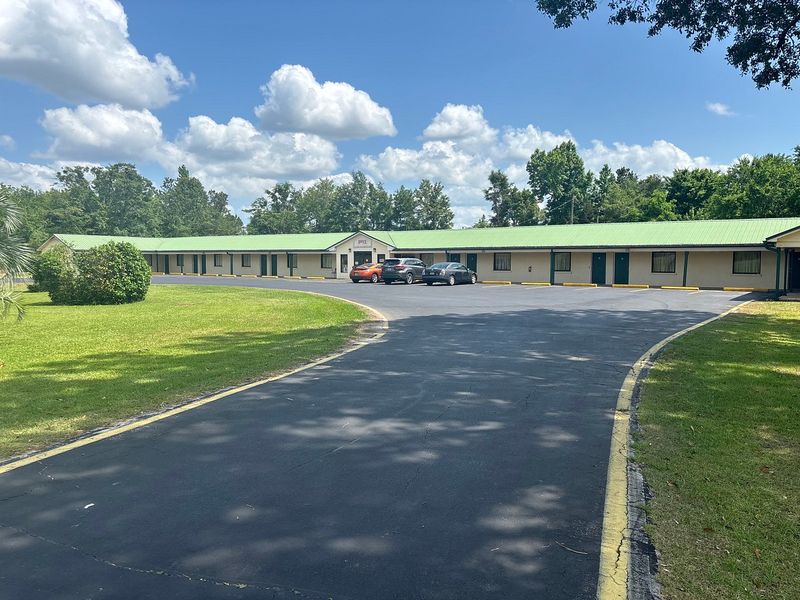
Blountstown perches along the Apalachicola River in a part of the Panhandle that most Florida tourists accidentally skip. This tiny community offers something increasingly precious: actual space for your money. While Miami buyers celebrate finding a one-bedroom condo under half a million, Blountstown residents are buying entire houses with yards for a fraction of that.
The town’s location along the river provides natural beauty without the coastal premium. Older single-family homes here come with square footage that would cost a fortune near any major metro area. We’re talking three bedrooms, real yards, and driveways—not shared hallways and assigned parking spots.
Blountstown doesn’t pretend to be something it’s not. The downtown area serves practical needs, the pace stays unhurried, and neighbors still chat over fences. The Apalachicola River offers fishing, kayaking, and natural scenery for outdoor enthusiasts who prefer actual nature over manicured parks.
What draws locals here is the combination of affordability and authenticity. The town hasn’t been gentrified, rebranded, or turned into someone’s vision of small-town charm. It simply exists as a functional community where people can afford to own property without working three jobs.
For buyers tired of being priced out of Florida’s more famous markets, Blountstown represents a practical alternative where homeownership remains achievable rather than aspirational.
5. Jasper
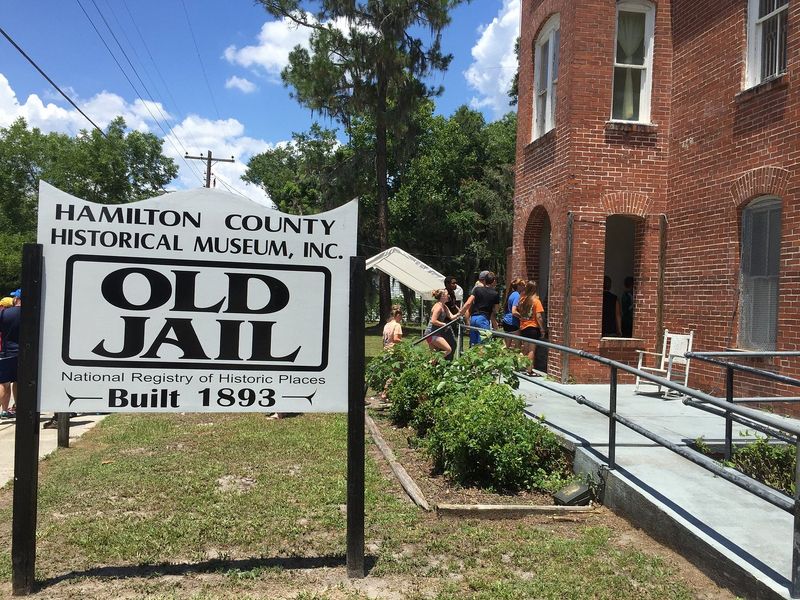
Jasper sits so close to the Georgia border that you could practically spit across it—not that anyone here would do something so uncouth. This Hamilton County town moves at a pace that makes other small towns look frantic. Historic houses line quiet streets, many featuring yards large enough to actually use rather than just mow.
The town’s rural setting appeals to buyers seeking genuine separation from urban sprawl. You won’t find chain restaurants colonizing every intersection or traffic lights stretching to the horizon. Jasper remains defiantly itself, a community where agriculture still matters and everyone knows which churches serve the best Wednesday night suppers.
Housing prices here stay remarkably low, reflecting both the town’s location and its resistance to trendy development. The historic homes offer character and space, often needing some updating but never requiring a second mortgage just for the privilege of ownership. Large yards mean room for gardens, workshops, or simply space to think without hearing your neighbor’s television.
Jasper’s proximity to the Georgia border makes it convenient for anyone with ties to both states, while its small size ensures you’ll never waste an hour sitting in traffic. The town attracts buyers who value peace, property, and affordability over proximity to shopping centers. It’s not for everyone, but for those seeking a slower pace and lower costs, Jasper delivers both without compromise or apology.
6. Cross City
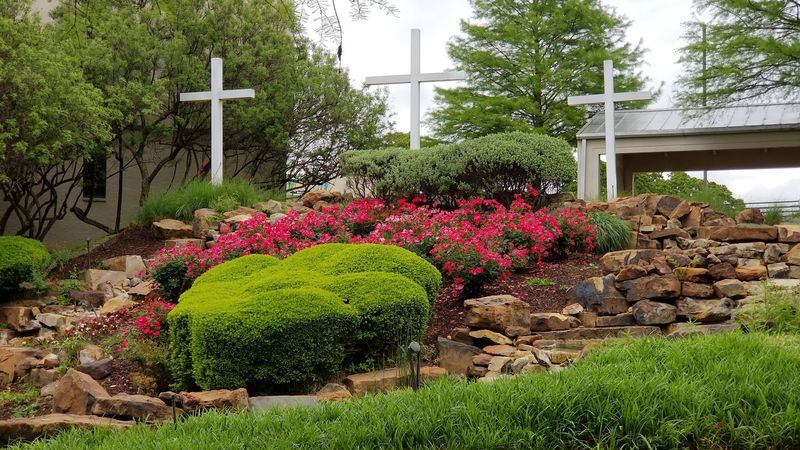
Cross City works perfectly for a specific type of buyer: someone who’d rather be near springs and forests than shopping malls and chain restaurants. Located in Dixie County along Florida’s Nature Coast, this community prioritizes affordability and outdoor access over urban conveniences. If you need a Starbucks on every corner, keep driving.
The town’s housing market reflects its rural character and distance from major metros. Properties here cost significantly less than anything near Florida’s coasts or cities, making homeownership accessible for buyers on modest budgets. You’re trading proximity to entertainment districts for proximity to actual nature—springs, rivers, and wildlife that haven’t been turned into tourist attractions.
Cross City’s downtown area covers the essentials without pretending to be a destination. Local businesses serve community needs, and the atmosphere stays decidedly low-key. The surrounding area offers exceptional outdoor recreation for fishing, hunting, and exploring natural Florida before developers got their hands on it.
What makes Cross City appealing is its honesty about what it offers. This isn’t a town trying to rebrand itself as the next hot market or attract remote workers with manufactured charm. It’s simply an affordable place to own property near some of Florida’s best natural resources.
Buyers who prioritize affordability, outdoor recreation, and solitude over restaurants and nightlife find Cross City refreshingly straightforward and surprisingly affordable.
7. Chipley
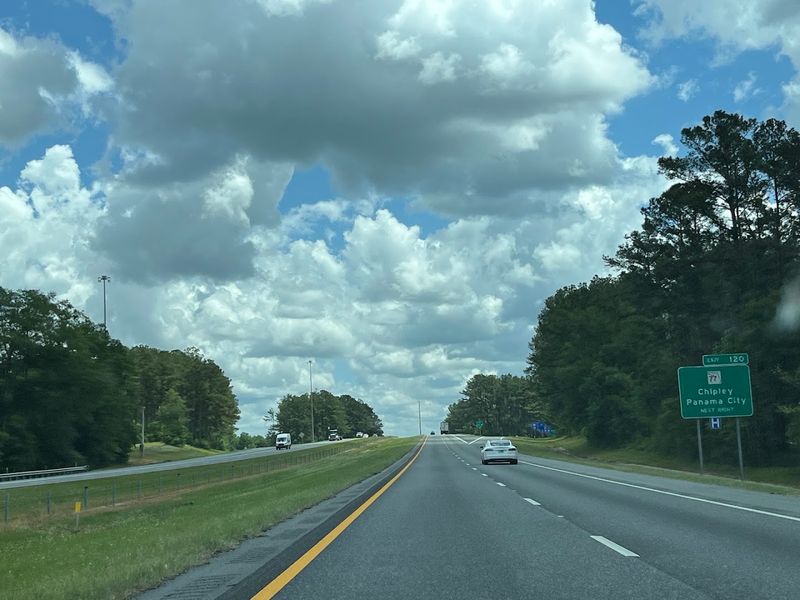
Chipley manages something increasingly rare among small Florida towns: a genuinely walkable historic downtown that wasn’t created by a marketing committee. The Washington County seat features classic Southern homes, locally owned businesses, and convenient access to Falling Waters State Park—Florida’s only waterfall, for those keeping score.
The town’s housing market remains among Florida’s more affordable, with prices that let first-time buyers actually enter the market without requiring family loans or lottery winnings. The historic core showcases traditional architecture and tree-lined streets, offering character without the tourist-trap markup that’s infected other historic Florida communities.
Chipley’s location in the Panhandle keeps it connected via major highways while maintaining distance from the congestion plaguing larger cities. The downtown area features independently owned shops and restaurants, the kind that close on Sundays and actually know their regular customers. Falling Waters State Park sits just minutes away, providing natural beauty and recreation without admission fees or crowds.
What distinguishes Chipley is its balance between small-town affordability and actual amenities. You’re not sacrificing everything for low prices; you’re simply choosing a community that hasn’t been discovered and inflated by real estate speculators. The town attracts buyers seeking traditional Southern charm, outdoor access, and housing costs that won’t consume their entire income.
Washington County continues to offer opportunities for affordable homeownership while larger markets spiral beyond reach for average buyers.
8. Marianna
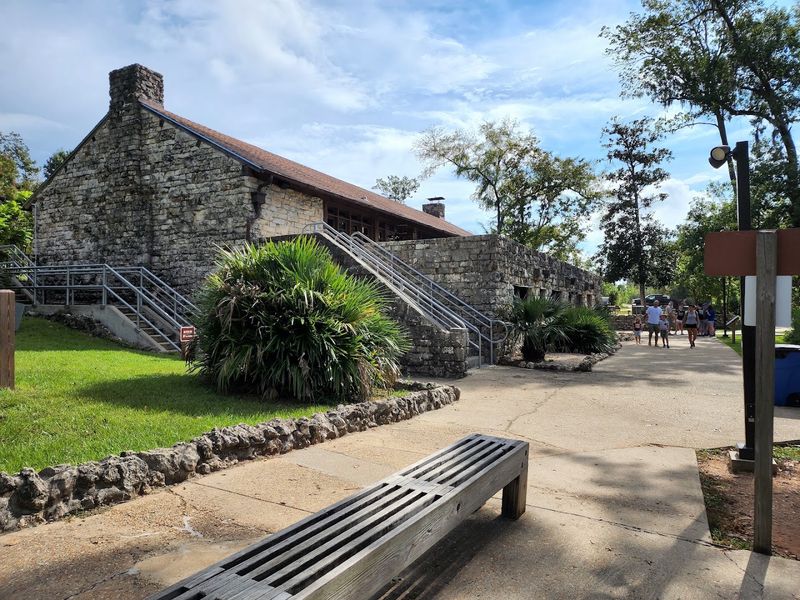
Marianna brings more infrastructure than most towns on this list, offering hospitals, established retail, and dining options while maintaining that slower Panhandle lifestyle. As the Jackson County seat, it’s larger and more developed than its rural neighbors, but still affordable by any reasonable standard outside the Panhandle itself.
The town’s size means you’ll find actual services—medical facilities, grocery chains, and restaurants beyond the gas station variety. Yet Marianna hasn’t crossed into the realm of congestion or inflated pricing that plagues Florida’s coastal and metro areas. Jackson County consistently ranks among Florida’s most affordable counties, keeping housing prices accessible for local buyers.
Downtown Marianna features a traditional courthouse square surrounded by local businesses, maintaining that small-town structure without feeling isolated or limited. The community supports a year-round population with real jobs rather than seasonal tourism, creating stability that’s increasingly rare in Florida’s boom-and-bust markets.
What makes Marianna particularly practical is its combination of affordability and functionality. You’re not sacrificing basic services or driving an hour for medical care. The town offers enough infrastructure to support daily life comfortably while keeping costs reasonable.
Buyers seeking affordability without total isolation find Marianna’s balance appealing—lower prices than major markets but more amenities than truly rural communities. It’s a practical choice for families, retirees, or anyone tired of paying premium prices for basic Florida living.
9. Quincy
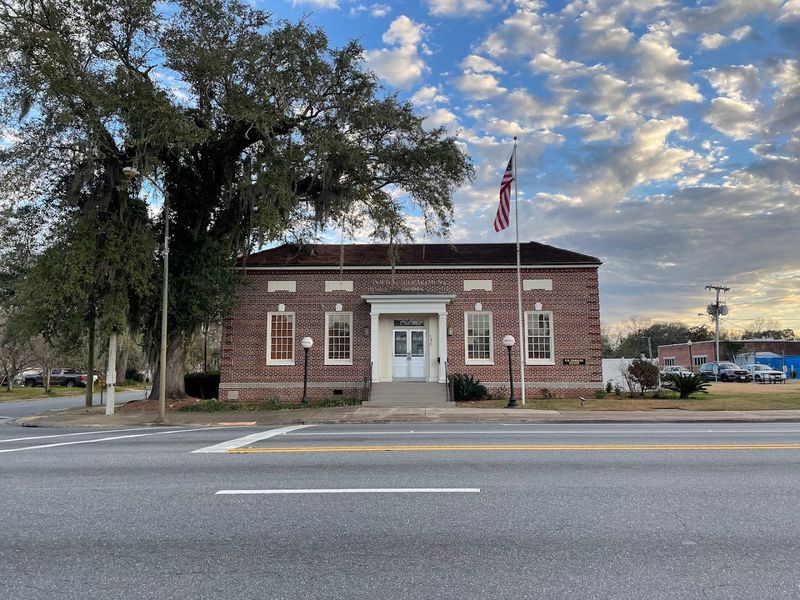
Quincy unfolds west of Tallahassee like a Victorian-era time capsule, complete with an attractive courthouse square and architecture that actually predates air conditioning. The town’s historic character isn’t manufactured for tourists—it’s simply what happens when a community maintains its buildings rather than bulldozing them for parking lots.
The real estate market here presents interesting opportunities for buyers willing to consider older homes needing updates. Properties below $200,000 still appear regularly, particularly houses requiring some renovation work. For handy buyers or those with patience for gradual improvements, Quincy offers character and affordability that’s vanished from most Florida markets.
The town’s proximity to Tallahassee provides access to capital city amenities without capital city prices. You can commute to Tallahassee for work or services while returning home to a community where Victorian mansions and historic homes line quiet streets. The courthouse square maintains its traditional layout, surrounded by local businesses that serve residents rather than tourists.
Quincy attracts buyers who appreciate historic architecture and don’t mind investing sweat equity into older properties. The town’s character and lower prices appeal to first-time buyers, retirees downsizing, or anyone seeking alternatives to cookie-cutter subdivisions. While some properties need work, the underlying value and historic charm offer something increasingly rare: affordable homeownership in a community with genuine character and architectural interest rather than generic Florida sprawl.
10. Mayo
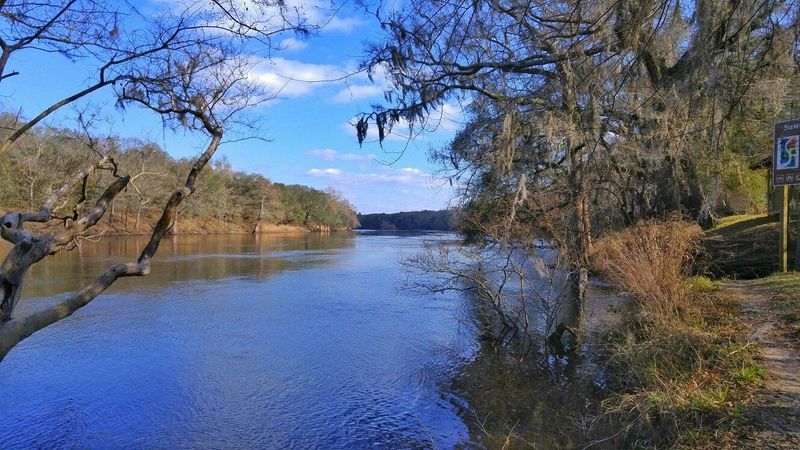
Mayo operates at a scale that makes other small towns look positively metropolitan. As the Lafayette County seat, it’s one of Florida’s smallest incorporated communities, surrounded by springs, rivers, and rural land that developers haven’t discovered yet. If you’re seeking solitude and affordability, Mayo delivers both in abundance.
Lafayette County ranks among Florida’s most affordable places to own property, with prices reflecting the area’s rural character and distance from urban centers. You’re not paying for proximity to shopping centers, entertainment districts, or trendy restaurants—because none of those exist here. What you are paying for is land, space, and access to some of Florida’s best natural resources.
The town itself covers basic needs without pretense or excess. Mayo isn’t trying to become anything other than what it is: a quiet community where people know their neighbors and the natural world sits right outside the door. Springs and rivers throughout Lafayette County offer fishing, swimming, and kayaking without crowds or commercialization.
Mayo’s appeal is entirely straightforward: extreme affordability in a genuinely rural setting. This isn’t for buyers seeking culture, nightlife, or urban conveniences. It’s for people who prioritize property ownership, outdoor recreation, and financial freedom over proximity to civilization.
The tiny community offers rock-bottom prices and authentic rural Florida living for buyers willing to embrace isolation and simplicity over amenities and entertainment.