This Florida Trail Ends at a Hidden Beach Most People Never See
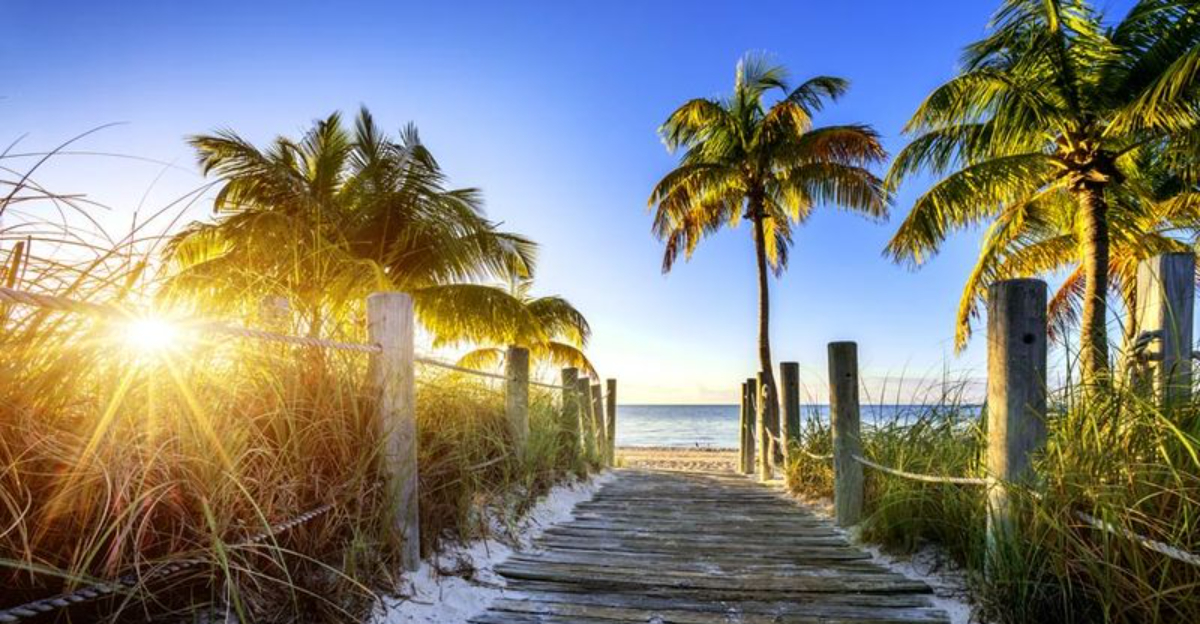
Situated in Jacksonville’s coastal landscape sits a 450-acre treasure that most beachgoers drive right past without a second glance. Kathryn Abbey Hanna Park holds more than just another sandy shore—it guards a secluded stretch of Atlantic coastline that rewards those willing to explore its winding trails. Whether you arrive for the mountain biking, the freshwater lake, or the promise of uncrowded waves, this park delivers an outdoor experience that feels worlds away from typical Florida beach scenes.
1. The Secret Beach Trail That Locals Guard
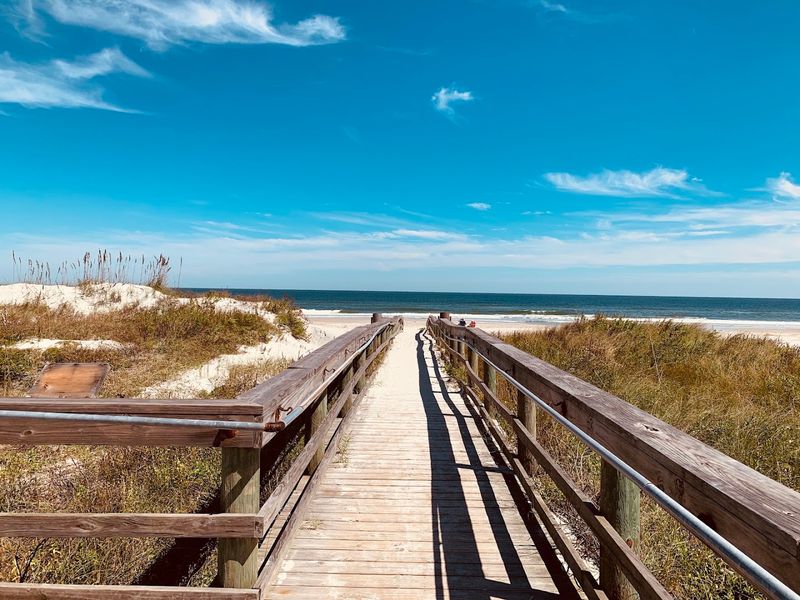
Most visitors stick to the main beach access and never discover what lies beyond the campground’s shaded pathways. A network of trails winds through palm forests and coastal vegetation, eventually opening onto a stretch of beach that sees a fraction of the foot traffic. The walk takes just seven minutes from certain campsites, but that short distance makes all the difference.
Early morning brings the best conditions—smooth sand, gentle waves, and maybe a handful of surfers who know the break. The beach here curves slightly, creating natural pockets where families spread out without feeling cramped. Unlike the packed public beaches further south, you can actually hear the waves over the sound of crowds.
Pack everything you need because services are limited once you reach this section. The isolation is the whole point. Bring water, snacks, and bug spray for the walk back through the trails.
The park charges five dollars at the gate, but that small fee keeps the experience relatively uncrowded. Weekdays offer even more solitude, with stretches of sand that feel almost private. This is Florida beach life before it became a tourist industry—just salt air, natural dunes, and room to breathe.
2. Mountain Biking Routes Through Coastal Jungle
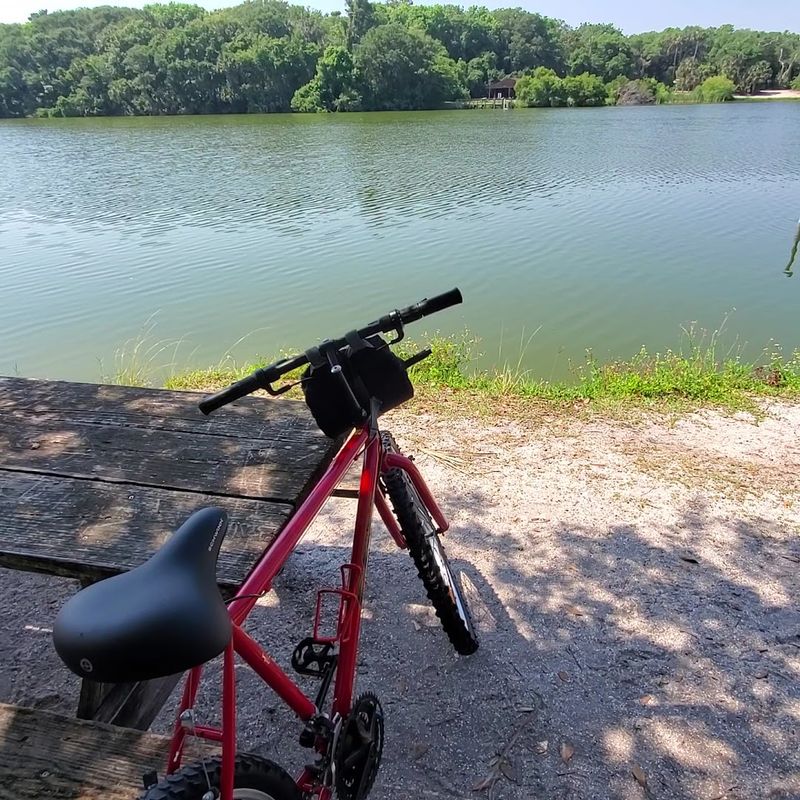
The park’s trail system has earned serious respect among mountain bikers across the Southeast. Miles of dedicated single-track weave through what feels like a coastal jungle—palms overhead, roots underfoot, and enough technical features to keep experienced riders engaged. The trails are separated from hiking paths, so you can really open up without worrying about surprising someone around the next bend.
Beginners find plenty of manageable routes, while advanced riders tackle sections with drops, berms, and tight turns. The sandy soil drains quickly after Florida’s afternoon thunderstorms, meaning trails reopen faster than you’d expect. Regular maintenance keeps everything rideable, and the local biking community treats this place like sacred ground.
Rentals are available at the park shop if you’re visiting without your own equipment. The staff knows the trail system inside out and can point you toward routes matching your skill level. Bring extra water—the humidity hits hard under that canopy, even on cooler days.
The combination of beach access and quality mountain biking makes this park unusual for Florida. You can ride hard in the morning, rinse off in the ocean by afternoon, and still have energy left for exploring the freshwater lake before sunset.
3. The 60-Acre Freshwater Lake Nobody Mentions
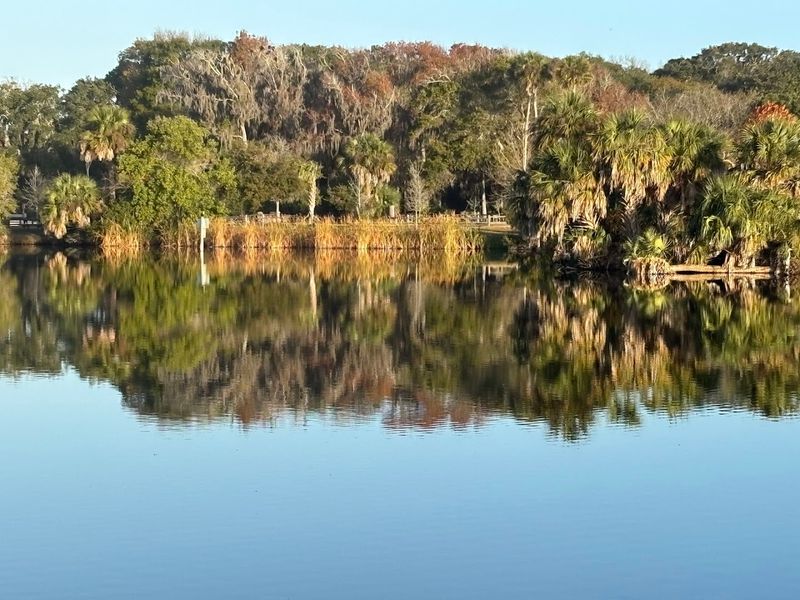
While everyone focuses on the Atlantic coastline, a massive freshwater lake sits on the opposite side of the park, largely ignored by casual visitors. This 60-acre body of water offers fishing, kayaking, and paddleboarding without the salt and waves. The shoreline features numerous picnic areas—some with pavilions you can reserve, others with single tables available first-come, first-served.
Fishing requires a Florida license, but the lake holds decent populations of bass and bream if you know where to cast. Early mornings see anglers scattered around the banks, working the shaded spots under overhanging trees. The park rents kayaks, canoes, and four-seat paddle boats from the shop, making it easy to get on the water without hauling your own gear.
The lake provides a completely different atmosphere than the beach—calmer, quieter, more contained. Families with young kids often prefer this area because the water is predictable and the setting feels safer. No currents, no jellyfish, no worries about rip tides.
The contrast between ocean and lake within a single park creates options most Florida destinations can’t match. You can literally choose your water adventure based on your mood that day, switching between saltwater and fresh without leaving the property.
4. Camping Under a Canopy of Ancient Oaks
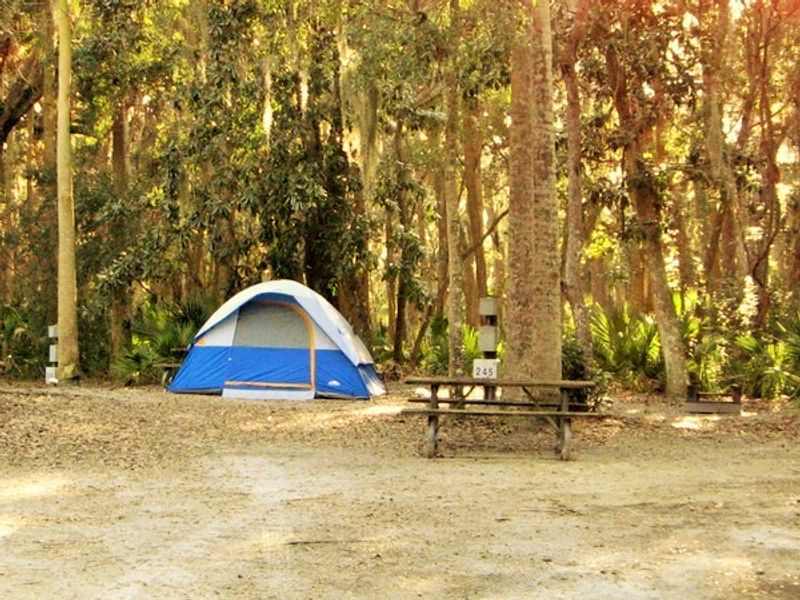
The campground here operates on a different level than typical Florida RV parks. Sites meander through palm and oak forests, with massive tree canopies providing shade that drops temperatures noticeably. Many spots measure wide enough to fit a 43-foot RV plus a full-size truck with room left over.
The natural spacing between sites—sometimes 30 feet of forest on each side—creates privacy you won’t find at crowded commercial campgrounds.
Full hookups include water, 50-amp power, and sewer connections. Each site comes with a fire ring and picnic table, though some reviewers note the ground can be uneven. The lack of concrete pads means dirt and sand track inside after rain, but that’s the trade-off for camping in an actual forest instead of a paved lot.
The campground sits within walking distance of both the beach and the lake. A well-stocked store sells supplies, camping gear, and snacks. There’s a small playground, laundry facilities, and clean bathrooms.
Security gates provide peace of mind after dark. The whole setup feels more like a state park than a city facility, especially considering the nightly rates run significantly lower than private campgrounds. Dog-friendly policies mean your pets can enjoy the trails and beach alongside you.
For the price and location, campers return year after year.
5. Surfing Breaks That Stay Under the Radar
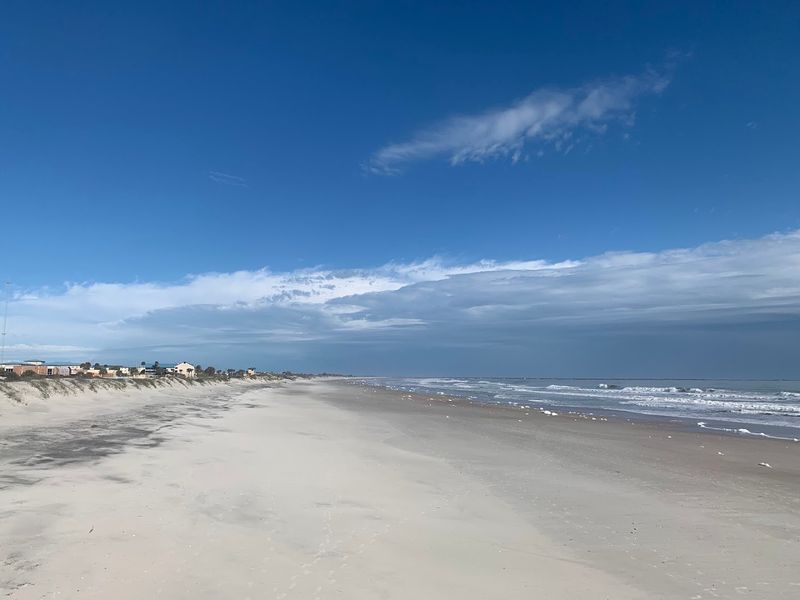
Local surfers know this beach produces consistent breaks without the crowds that plague more famous Florida surf spots. The park’s mile and a half of Atlantic coastline catches swells that create rideable waves for various skill levels. You won’t find contest-quality barrels here, but you will find uncrowded lineups where you can actually catch waves instead of fighting for position.
The beach faces east, picking up swells from tropical systems and nor’easters alike. Sandbars shift with the seasons, creating different break patterns throughout the year. Fall and winter generally bring the best conditions, though summer sees plenty of rideable days.
The relatively undeveloped coastline means fewer structures interfering with wave formation.
Parking sits close enough to the water that you can check conditions without committing to the full unload. The five-dollar gate fee keeps casual crowds down, especially on weekdays. You’ll share the water with a core group of regulars who respect the lineup and know the local etiquette.
Beginners find forgiving waves for learning, while intermediate surfers enjoy sessions without constant interference. The lack of surf shops and beach vendors nearby preserves the low-key vibe. This is surfing for people who actually want to surf, not for people who want to be seen surfing.
That distinction matters more than you might think.
6. The Kiddie Splash Park Hidden in the Woods
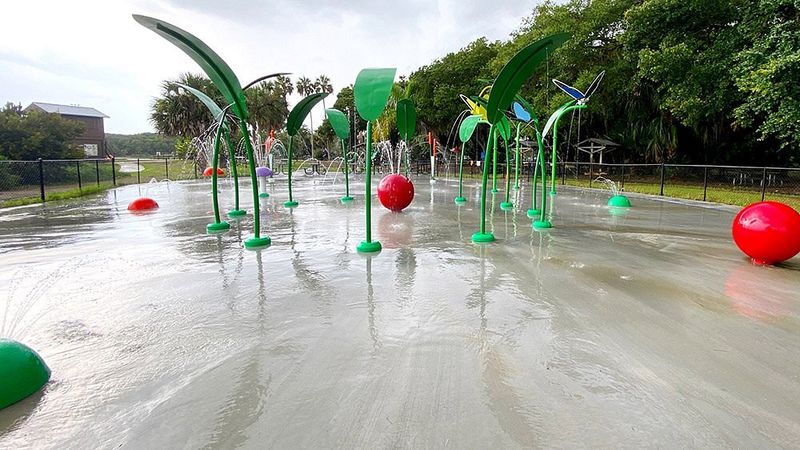
Families with young children discover a small water play area tucked away from the main beach and lake attractions. This kiddie splash zone features sprinklers, sprayers, and water features designed for smaller humans who find ocean waves intimidating. The setup gives parents a break from constant ocean supervision while kids burn energy in a controlled environment.
The location under tree cover provides natural shade during the hottest parts of the day. Picnic tables nearby let parents sit within eyeshot while kids run through the water features. It’s not elaborate—don’t expect a full-scale water park—but it serves its purpose perfectly for families camping in the park or spending a full day exploring the grounds.
Many visitors miss this amenity entirely because it doesn’t appear in most online descriptions. The park staff rarely promotes it heavily, perhaps to keep it from becoming overcrowded. Combine the splash area with the playground, the calm lake, and the beach, and you have enough variety to keep kids entertained for hours.
Parents appreciate having multiple options when attention spans wane. The splash park also provides a quick rinse-off spot after sandy beach time, though proper showers are available at the campground facilities. This little feature exemplifies what makes Hanna Park special—layers of amenities that reveal themselves slowly to those who take time to explore.
7. Hiking Trails That Form a Natural Maze
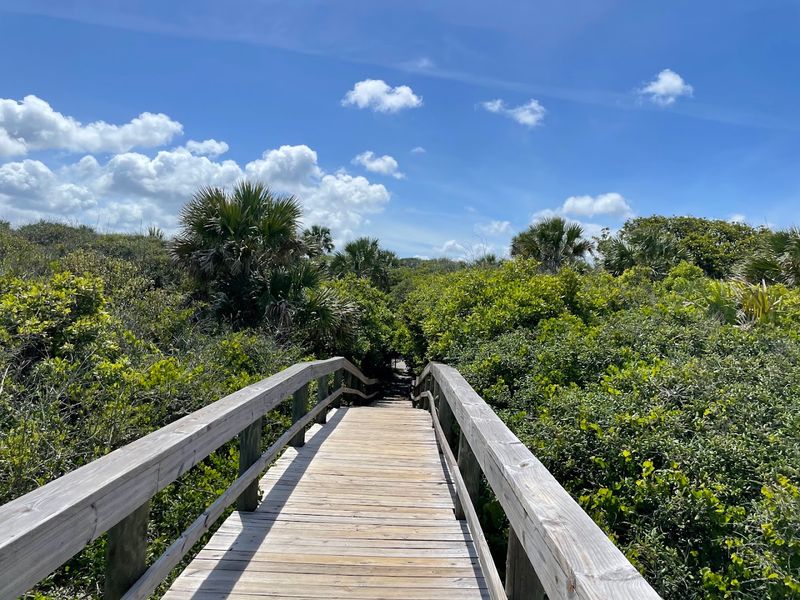
Separate from the mountain biking routes, dedicated hiking trails loop through the park’s 450 acres in patterns that can confuse first-time visitors. The paths wind through palm forests, coastal scrub, and hammock ecosystems without many signs marking directions. Some people find this frustrating; others consider it part of the adventure.
Either way, bring bug spray—mosquitoes thrive in the shaded sections.
The trail network connects various parts of the park, linking the campground to the beach, the beach to the lake, and the lake back to the entrance. You can hike for miles without retracing your steps if you choose routes strategically. The natural setting feels surprisingly wild considering the park sits within Jacksonville city limits.
Birds, small wildlife, and occasional deer appear along the quieter sections.
Handicapped-accessible paths provide options for visitors with mobility challenges. The terrain stays mostly flat, making the trails manageable for casual hikers who want exercise without serious exertion. Families with older kids use the trail system to explore the park’s full scope.
The maze-like quality that some reviewers complain about actually enhances the sense of discovery. You’re not following a paved boardwalk with interpretive signs every hundred feet—you’re actually hiking through Florida’s coastal environment. Getting slightly turned around just means you spend more time in the woods.
For people seeking genuine outdoor experiences close to urban areas, these trails deliver exactly what they promise.
8. The Five-Dollar Gate Fee Worth Every Penny
Some visitors grumble about the five-dollar entrance fee, especially when comparing it to free public beaches nearby. That charge is precisely what keeps Hanna Park from becoming overcrowded and trashy. The modest fee funds maintenance, staffing, and upkeep that reviewers consistently praise.
Clean facilities, well-maintained trails, and responsive staff don’t happen without funding.
Annual passes are available for residents who visit frequently, dropping the per-visit cost significantly. The gate creates a security checkpoint that adds peace of mind for campers staying overnight. You’re not dealing with random people wandering through at all hours.
The controlled access maintains the park’s character and prevents the degradation that plagues many free Florida beaches.
Compare the experience here to any free beach parking lot after a summer weekend—trash overflowing, bathrooms destroyed, sand tracked everywhere. Hanna Park avoids that fate specifically because the entrance fee filters out people who won’t respect the space. The five dollars buys you access to a mile and a half of beach, 60 acres of lake, extensive trail systems, maintained facilities, and a genuinely pleasant outdoor experience.
That’s better value than most movie tickets. Resident permits reduce costs further for locals. The fee structure works because it creates a system where users contribute to maintaining what they enjoy.
Parks that try to be free to everyone often end up degraded and unpleasant for everyone. Sometimes the smallest barrier makes the biggest difference.