10 Florida Paddleboarding Spots Where the Water Is Almost Too Calm to Be Real
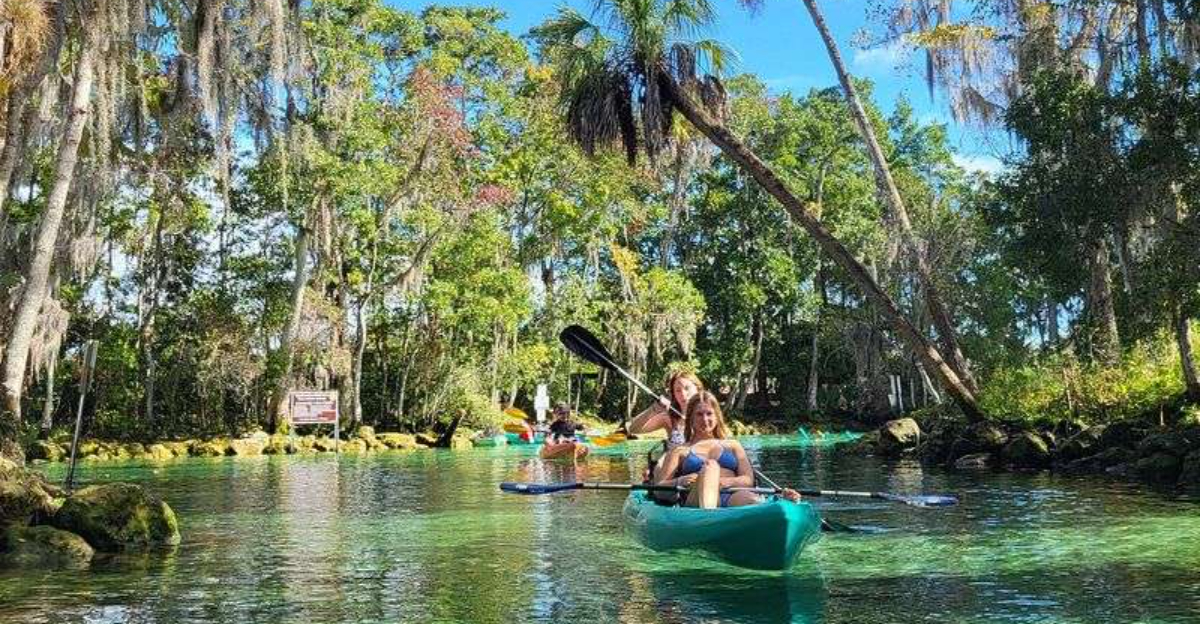
Florida’s paddleboarding scene offers way more than just ocean waves and beach breaks. Tucked throughout the state are spring-fed rivers, protected bays, and glassy lakes where the water sits so still you’ll wonder if someone hit the pause button on nature. These spots deliver that rare combination of crystal-clear visibility and mirror-smooth surfaces that make every paddle stroke feel effortless.
Whether you’re chasing manatees through spring runs or gliding under cypress canopies, these ten locations prove that Florida’s calmest waters might just be its most beautiful.
1. Rainbow River (Dunnellon)
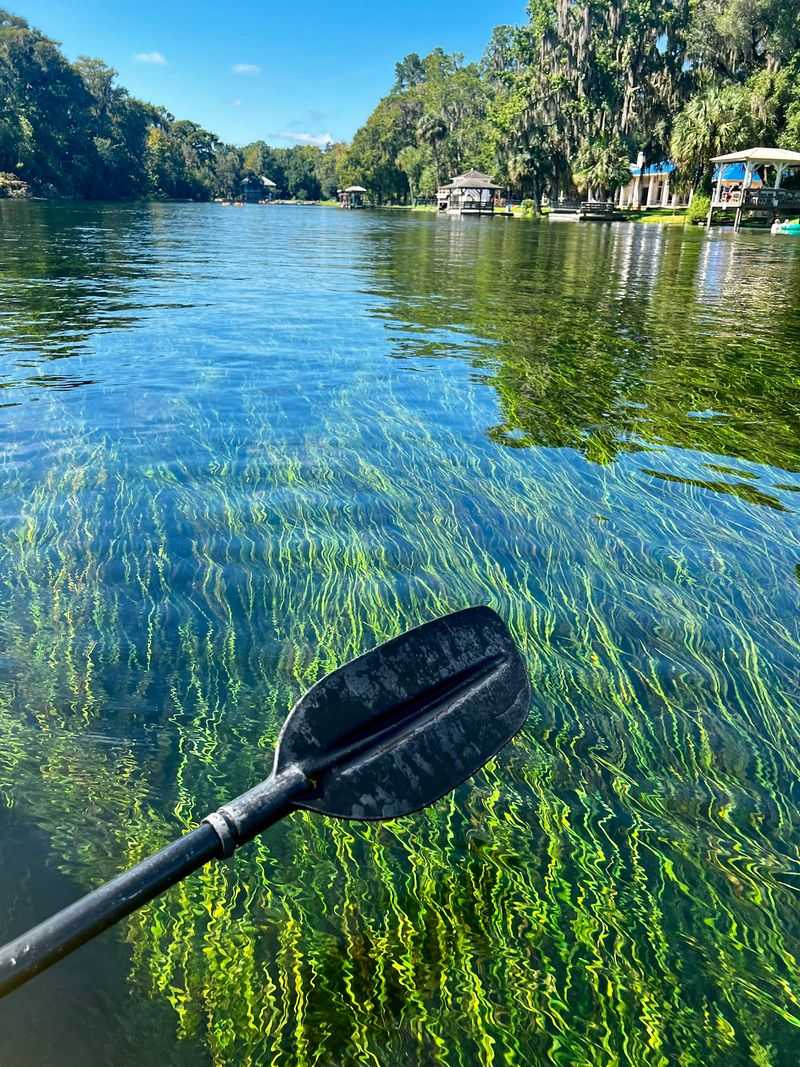
Rainbow Springs pumps out nearly 500 million gallons of water daily, creating a river so transparent that paddling here feels like hovering over an aquarium. The current moves gently enough that beginners can handle it without much effort, yet it keeps things interesting as you wind through the designated aquatic preserve.
Rainbow Springs State Park rents stand-up paddleboards right on-site, making logistics refreshingly simple. You’ll paddle beneath towering cypress trees draped in Spanish moss, with turtles surfacing around you and fish darting below your board in full view.
The water temperature holds steady around 72 degrees year-round, fed by those constant springs. That makes winter paddling surprisingly comfortable while summer sessions feel downright refreshing.
Weekdays offer the calmest experience with fewer tubers and kayakers sharing the waterway. The designated paddling route stretches for miles, giving you plenty of room to explore without backtracking.
Submerged eelgrass sways gently in the current below, creating mesmerizing patterns visible through the gin-clear water. Wildlife sightings happen constantly, from wading birds along the banks to otters playing in the shallows.
The park opens early, and sunrise paddles deliver some of the most peaceful moments you’ll find anywhere in Florida. Just remember that alcohol isn’t permitted, keeping the vibe family-friendly and the water genuinely serene.
2. Ichetucknee River (Fort White)
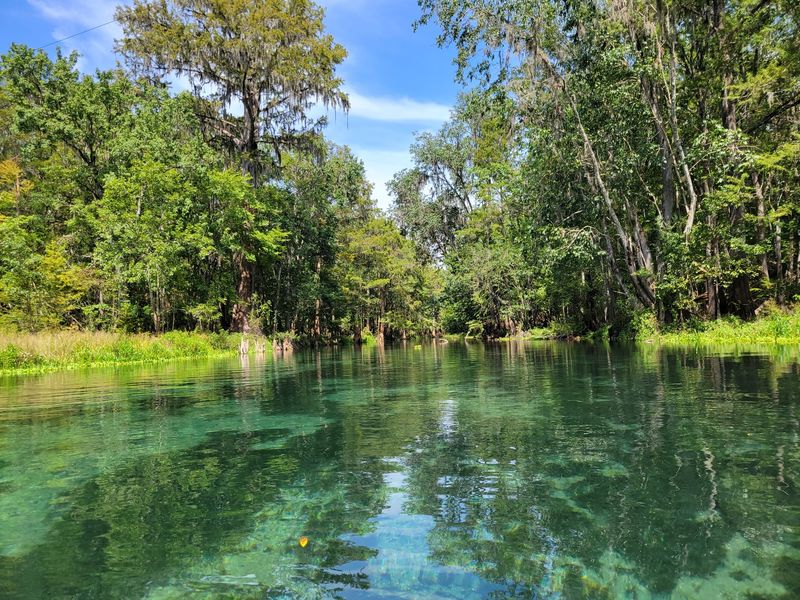
Six major springs and dozens of smaller ones feed the Ichetucknee, creating water so clear it rivals anything you’d find in the Caribbean. The upper river sections stay incredibly calm, especially in the stretches between Blue Hole Spring and the Midpoint.
Ichetucknee Springs State Park handles paddleboard rentals and offers year-round launch access from designated spots. The northern launch points give you the calmest water, while the full river run adds a bit more current for those wanting gentle movement.
Overhanging tree canopies create natural tunnels in several sections, offering shade and a genuinely magical atmosphere. Sunlight filters through the leaves in shifting patterns that dance across the water’s surface.
The river bottom stays visible nearly everywhere you paddle, with limestone formations and spring vents creating fascinating underwater landscapes. Schools of mullet and bass cruise beneath your board, completely unbothered by your presence overhead.
Summer brings the biggest crowds, but early morning launches let you claim stretches of river all to yourself. The park limits daily visitors during peak season, which actually helps preserve that peaceful quality.
Water depth varies from knee-deep sandbars to deeper pools near spring vents, but the clarity never wavers. Bring a waterproof camera because the combination of clear water and lush scenery creates photo opportunities around every bend in this winding river paradise.
3. Silver Springs State Park (Silver Springs)
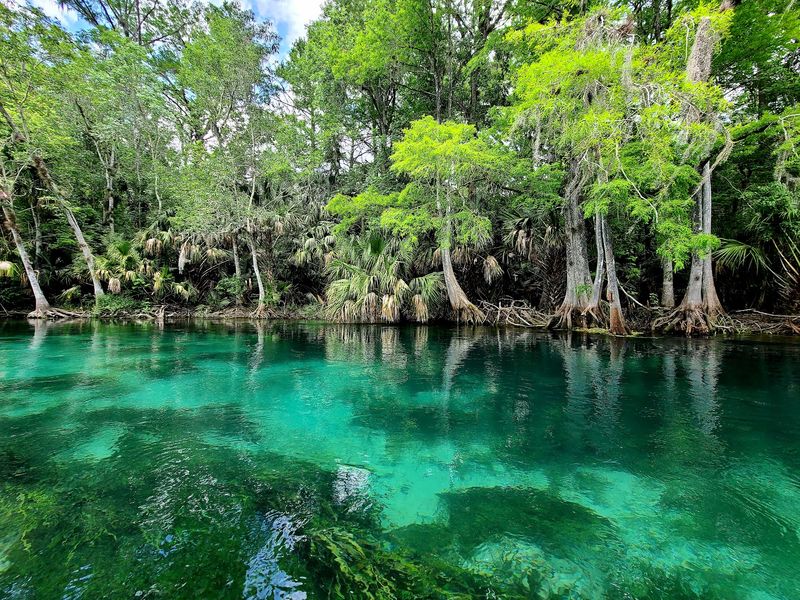
Silver Springs earned fame as one of the world’s largest artesian spring formations, and paddling here means floating over geological features you can study in perfect detail. The springs bubble up from depths exceeding 80 feet, yet you can see straight down to where the water emerges from limestone caverns.
The park currently rents SUPs and maps out a five-mile Silver River paddle route that showcases the best spring views. This isn’t a challenging paddle; the water moves slowly enough that you control your pace completely.
Glass-bottom boat tours share the water, but they stick to predictable routes that paddleboarders can easily avoid. The real magic happens when you venture into quieter coves where springs create their own miniature ecosystems.
Submerged logs and limestone ledges appear in sharp focus beneath your board, often with fish hovering in the current or turtles resting on the bottom. The water maintains that signature blue-green tint that made Silver Springs a Hollywood filming location for decades.
Weekday mornings offer the smoothest water and best visibility before afternoon breezes kick up minor ripples. The park opens at 8 a.m., giving early risers a solid window of premium paddling conditions.
Wild monkeys occasionally appear along the riverbanks, descendants of releases from old Tarzan movie shoots. Between the wildlife, the springs, and that ridiculous water clarity, Silver Springs delivers an experience that feels almost too cinematic to be a random Tuesday paddle.
4. Emerald Cut at King’s Landing (Apopka)
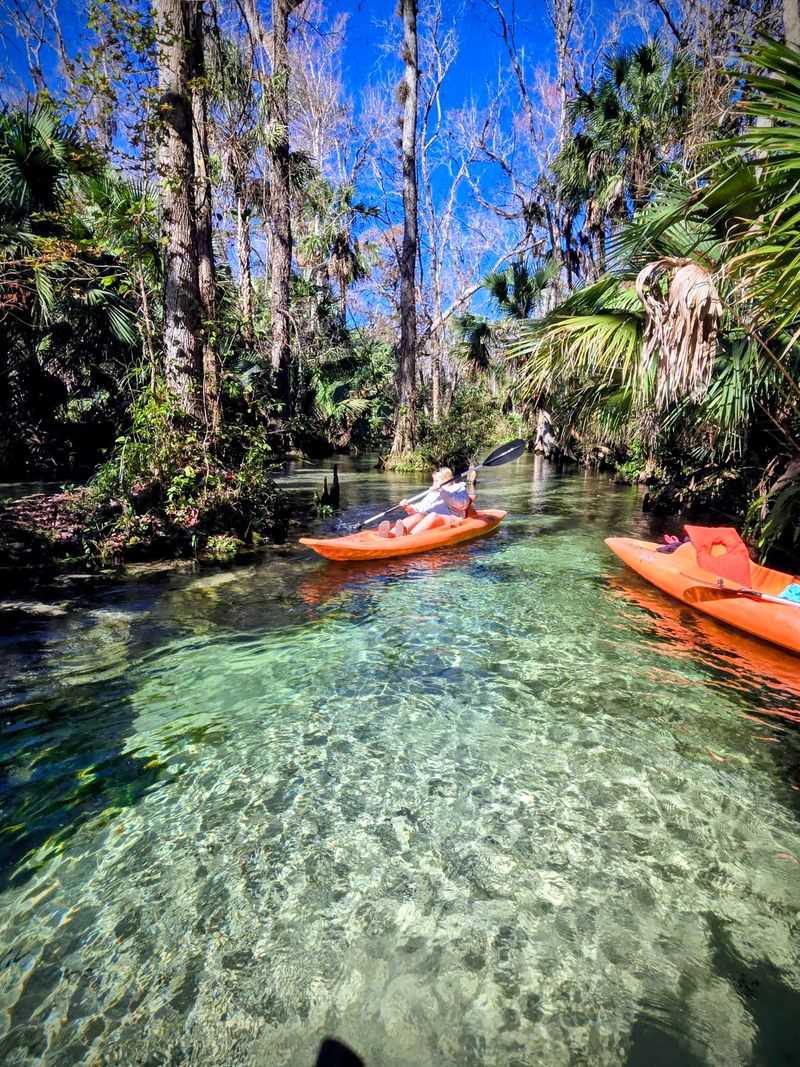
Rock Springs Run squeezes into a channel so narrow and vividly colored that paddlers nickname this section the Emerald Cut. Thick vegetation crowds both banks, creating a tunnel effect that blocks wind completely and leaves the water surface like polished glass.
King’s Landing rents stand-up paddleboards seven days a week and provides shuttle service for longer runs. The facility sits right on the water, so you’re paddling within minutes of arrival without any complicated logistics.
That emerald color comes from the spring water’s mineral content interacting with sunlight filtered through the dense canopy overhead. The effect intensifies in certain light conditions, turning the entire channel into something that looks Photoshopped even when you’re standing right there.
Water depth varies but rarely exceeds waist-high in most sections, giving nervous paddlers extra confidence. The sandy bottom stays visible almost everywhere, with occasional patches of aquatic grass swaying gently in the minimal current.
This location attracts photographers constantly because the scenery genuinely looks unreal. Cypress knees poke up along the banks, ferns drape over the water’s edge, and the whole scene feels more like a movie set than an actual Florida waterway.
Summer weekends get busy, but the narrow channel spreads people out naturally. Midweek visits or early morning launches give you long stretches where you’ll paddle alone through that surreal green corridor, with only bird calls and paddle splashes breaking the silence.
5. Three Sisters Springs & Kings Bay (Crystal River)
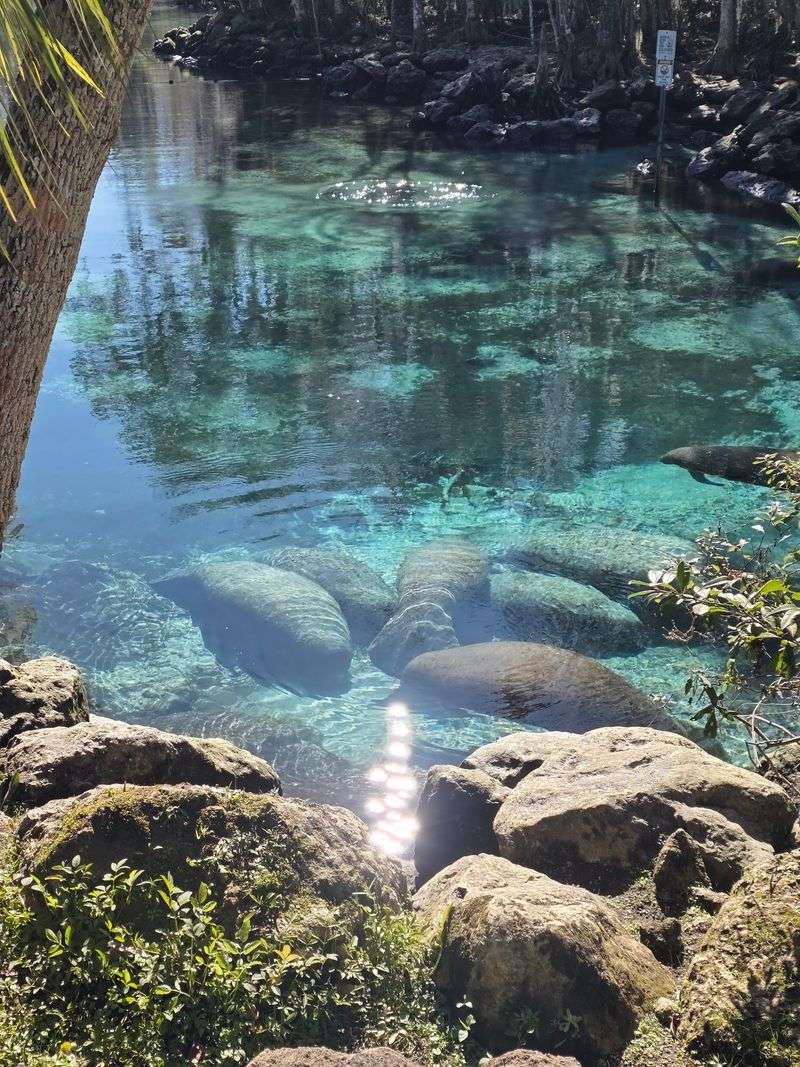
Three Sisters Springs functions as a manatee sanctuary during winter months, and paddleboarding the protected canals around it offers wildlife encounters that border on ridiculous. The spring water stays calm even when Kings Bay gets choppy, thanks to natural barriers that block wind and boat wakes.
Local tourism guides specifically recommend paddleboarding here because the protected routes avoid open-water challenges while delivering premium scenery. You’ll navigate narrow channels where manatees surface right next to your board, often close enough to see individual whiskers and scars.
The springs themselves pump out water so clear that underwater spring vents appear in sharp detail. Limestone formations create miniature canyons and caves that you can peer into from your board, watching fish dart in and out of shadowy spaces.
Winter brings the highest manatee concentrations as hundreds gather in the warm spring water. Paddleboarding regulations protect the animals, but you’ll still get incredible views as they cruise past or rest in the shallows.
Summer paddling shifts the focus to pure water clarity and peaceful exploration without the manatee crowds. The canals wind through residential areas and natural zones, offering variety without requiring any serious paddling skills.
Early morning launches catch the calmest conditions and best light for photography. The water often sits so still that your board’s reflection appears perfectly mirrored on the surface, and manatee backs break through without creating more than gentle ripples that fade almost instantly.
6. Weeki Wachee River (Weeki Wachee)
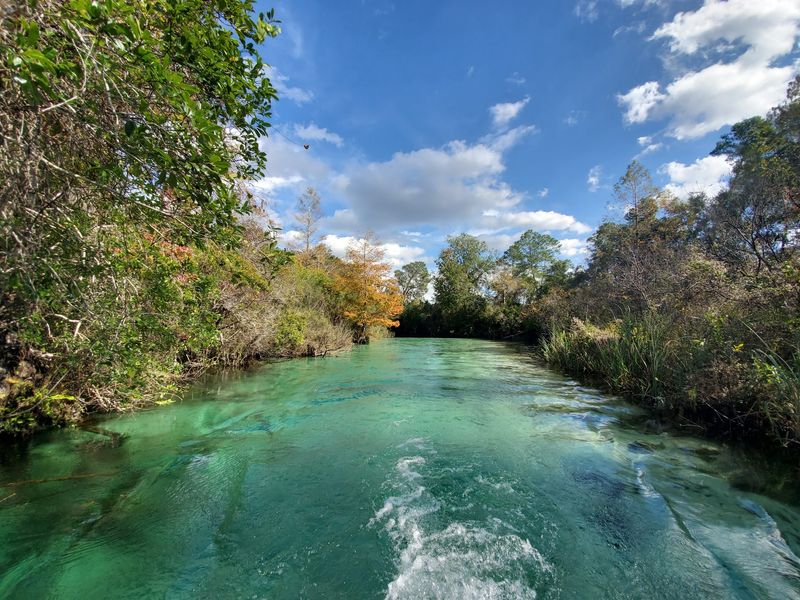
Weeki Wachee’s spring pumps out water tinted that signature aquamarine that made the area famous for mermaid shows. Paddleboarding the upper river sections puts you in water so calm and clear that your board seems to float on colored air rather than liquid.
Weeki Wachee Springs State Park handles paddleboard rentals, though reservations get recommended because this spot’s reputation brings steady visitor traffic. The sandy bottom stays visible throughout most of your paddle, creating a bright backdrop that amplifies the water’s blue-green glow.
Lush riverbanks crowd the waterway with palms, cypress, and dense undergrowth that blocks any breeze. The result feels like paddling through a protected channel even though you’re technically on a river that eventually reaches the Gulf.
Wildlife sightings happen constantly, from herons stalking the shallows to turtles basking on logs. The water temperature holds around 74 degrees year-round, making this a comfortable paddle even during Florida’s brief winter months.
The current moves gently enough that beginners handle it easily, yet it provides enough push that you can drift lazy sections without constant paddling. Deeper pools near spring vents show darker blue patches where the bottom drops away, creating visual variety along the route.
Weekday paddles offer the most peaceful experience, especially if you launch early. The park’s mermaid theater sits near the headspring, but once you paddle upstream, the scene shifts to pure wilderness with water so clear it almost seems artificial.
7. Dixie Lake at Lake Louisa State Park (Clermont)
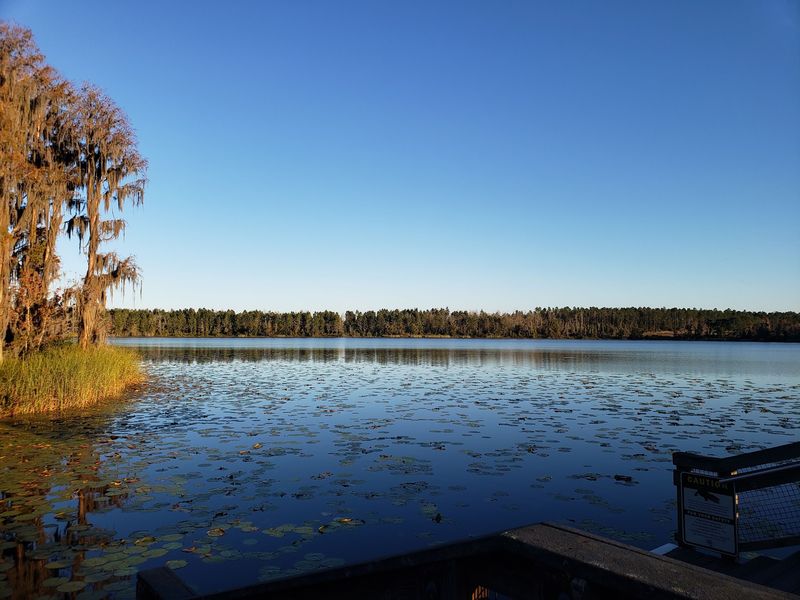
Dixie Lake delivers true lake paddling rather than another river run, and Florida State Parks highlights it specifically for calm-water conditions. The protected basin rarely sees significant wave action, even when afternoon breezes pick up across the larger Lake Louisa next door.
Dixie Lake Outpost currently rents paddleboards right at the water’s edge, eliminating any transport hassle. The lake sits small enough that you can explore the entire perimeter in a single session without exhausting yourself.
Cypress trees line portions of the shoreline, creating scenic backdrops and occasional shade. The water clarity doesn’t match the spring-fed rivers, but on calm mornings the surface turns into a perfect mirror that reflects clouds and trees in stunning detail.
This spot works beautifully for beginners who want to build confidence on genuinely flat water. The lake’s protected nature means you won’t face boat traffic, strong currents, or unpredictable conditions that challenge new paddlers.
Rolling hills surround the park, creating a landscape that feels almost un-Florida-like. The scenery shifts with the seasons more noticeably than in South Florida, with trees showing color changes and migratory birds passing through.
Early morning sessions often catch the lake at its glassiest, with fog hovering over the water and wildlife actively feeding along the edges. The peaceful atmosphere makes this a perfect meditation paddle, where the focus shifts from adventure to pure relaxation on water that barely moves beneath your board.
8. Oleta River State Park (North Miami Beach)
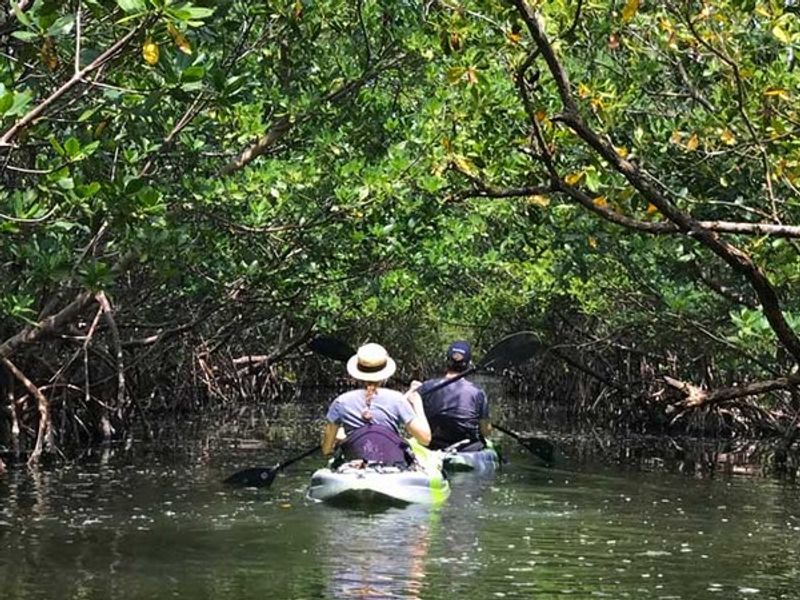
Mangrove tunnels create naturally protected paddling routes that block wind and waves completely, and Oleta River State Park offers some of the most accessible mangrove paddling in South Florida. The narrow channels wind through dense vegetation, creating an intimate experience that feels remote despite the urban location.
The park specifically markets these routes as suitable for people without paddling experience, and that assessment holds up. The protected waterways stay calm even when Biscayne Bay churns with boat traffic and afternoon chop.
Paddleboard rentals happen on-site, and the staff provides route maps showing which channels offer the calmest conditions. The mangrove sections vary from tight tunnels where branches nearly touch overhead to wider channels with better visibility.
Calmer portions of Biscayne Bay connect to the mangrove system, giving you options to venture into more open water if conditions allow. Most paddlers stick to the protected routes where the scenery stays interesting and the effort stays minimal.
Fish, crabs, and wading birds populate the mangroves constantly, creating wildlife encounters throughout your paddle. The roots visible underwater create fascinating patterns, and the filtered light through the canopy shifts constantly as you move through different sections.
This location works perfectly for urban residents wanting a quick nature escape without driving hours. The contrast between Miami’s skyline visible in the distance and the wild mangrove tunnels creates a surreal juxtaposition that makes the calm water feel even more special.
9. John Pennekamp Coral Reef State Park (Key Largo)
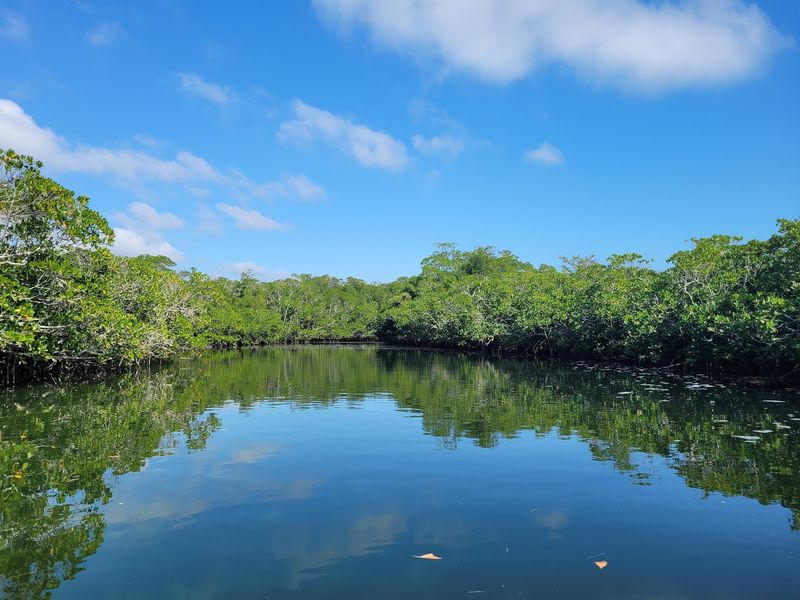
Skip the exposed ocean sections and focus on Pennekamp’s marked mangrove paddling trails for water calm enough that ripples from your paddle strokes take forever to dissipate. The protected waterways deliver that signature Keys turquoise color without requiring you to battle open-water conditions.
Paddleboard rentals happen right at the park, and staff can direct you toward the calmest routes based on current wind and tide conditions. The mangrove trails wind through shallow water where the bottom stays visible, creating a tropical aquarium effect.
The park’s location in the Keys means you get that distinctive coral-sand clarity and brilliant blue-green water tint. Small fish schools dart beneath your board constantly, and the occasional ray glides past in the shallows.
These protected trails let you experience Keys scenery without advanced paddling skills or ocean-going confidence. The routes stay well-marked, and the narrow channels prevent you from wandering into rougher water accidentally.
Mangrove roots create natural barriers that block wave action from the bay, keeping the interior channels glassy even when the outside world gets choppy. The vegetation overhead provides shade during midday heat, making this a comfortable paddle even in summer.
Morning paddles catch the calmest conditions and best visibility before afternoon winds arrive. The park opens early enough to grab those premium hours, and weekday visits avoid the weekend crowds that pack this popular destination. Wildlife sightings range from herons and pelicans to juvenile fish using the mangroves as nursery habitat.
10. Rocky Bayou at Fred Gannon Rocky Bayou State Park (Niceville)
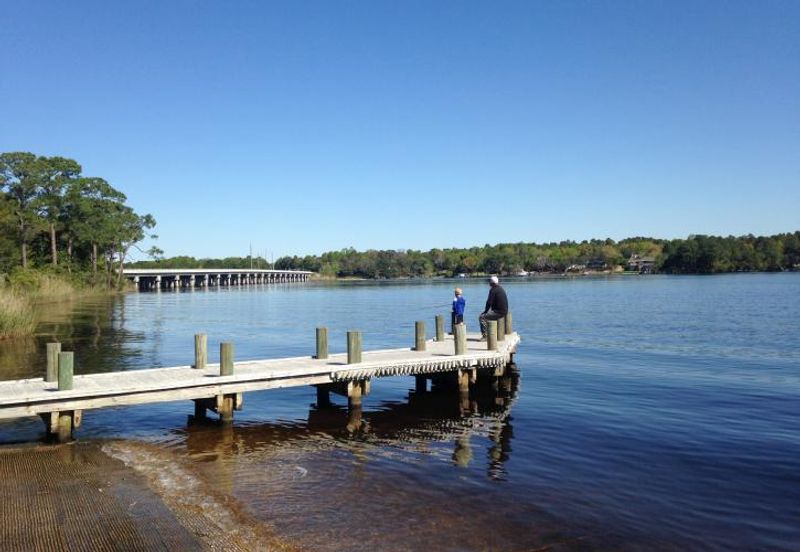
Rocky Bayou sits tucked into the Panhandle near Niceville, offering geographic variety from the usual Central Florida spring runs. Florida State Parks describes this as a lazy aquatic preserve where calm water and wildlife sightings combine into a genuinely peaceful paddle.
The bayou connects to Choctawhatchee Bay but stays protected enough that wave action rarely becomes an issue. Coastal pines and hardwoods line the shores, creating a different visual aesthetic than the tropical scenery farther south.
Dolphins cruise through regularly, often approaching paddleboarders with curious interest. Wading birds stalk the shallows, and turtles surface throughout the bayou with that slow, deliberate movement that matches the overall vibe perfectly.
The water clarity doesn’t match the spring-fed rivers, but the calm surface and protected nature make this ideal for relaxed paddling. The bayou’s lazy current barely registers, letting you control your pace and direction without fighting any flow.
This location sees fewer visitors than more famous Florida paddling spots, which means you’ll often share the water with just a handful of other people. That quiet atmosphere amplifies the natural sounds of birds calling, fish jumping, and your paddle dipping into glassy water.
Morning launches catch the bayou at its stillest, with mist sometimes hovering over the surface and wildlife actively feeding. The park provides easy water access, and the gentle conditions make this perfect for anyone wanting calm-water paddling with a distinctly different Florida landscape than the usual suspects deliver.