You’d Never Guess What Awaits Beyond This Ordinary Florida Roadside Pullover
Most people blow right past Kirby Storter Roadside Park on their way through the Big Cypress Preserve, thinking it’s just another boring rest stop along Tamiami Trail. But pull over for a minute and you’ll discover something completely unexpected: an elevated boardwalk that winds through a genuine cypress swamp teeming with wildlife, towering ancient trees, and some of the darkest night skies in South Florida. This unassuming little park packs way more adventure than its simple parking lot suggests, and it’s open 24 hours a day for whenever the mood strikes.
A Boardwalk That Takes You Into Another World
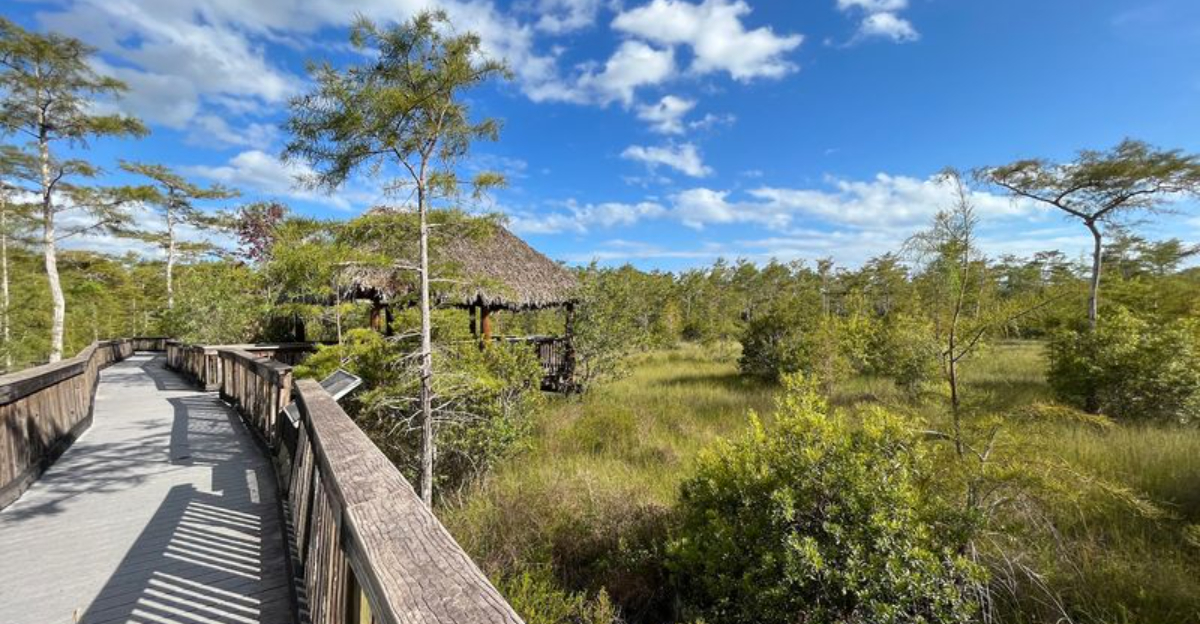
The moment you step onto the boardwalk at Kirby Storter, you leave the highway noise behind and enter a completely different universe. This elevated pathway starts out crossing open prairie grassland where the sun beats down and you can spot butterflies dancing around wildflowers. Then everything changes as you enter the shaded cypress dome, where massive trees create a cool, dim canopy overhead.
The boardwalk stretches about half a mile out and back, making it perfect for a quick nature fix without committing to a major hike. You don’t need any special gear or hiking boots since the entire path is flat, accessible, and easy enough for kids, grandparents, or anyone just wanting to stretch their legs. Educational signs pop up along the way, explaining the different habitats you’re walking through and the creatures that call them home.
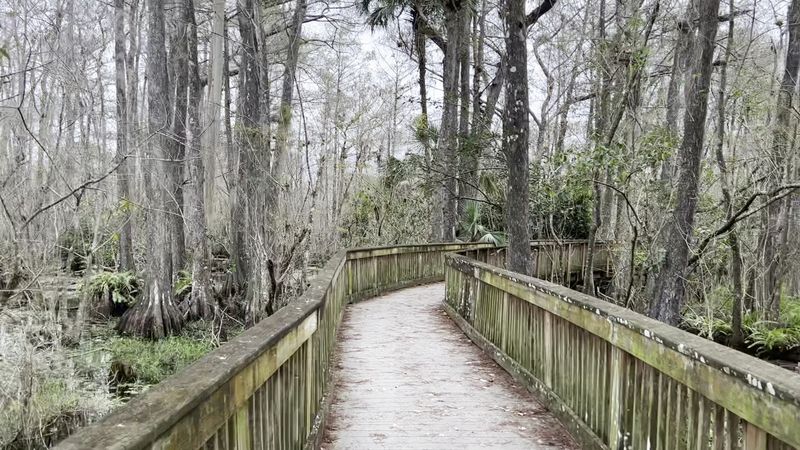
One of the coolest parts happens midway through when you’re surrounded by those giant cypress trees, some centuries old, rising from the dark water like ancient guardians. The atmosphere gets almost mystical here, especially in early morning or late afternoon when the light filters through the canopy just right. You might spot bromeliads blooming on tree branches, adding splashes of red and orange to the green landscape.
Fair warning though: recent fire damage has shortened the trail, so it now ends at about 0.3 miles instead of going all the way to the deeper gator pond it once reached. Some sections show wear and tear, but the experience remains magical. The part you can access still offers incredible views and wildlife encounters.
Pack bug spray because mosquitoes consider the shaded sections their personal territory, and they’re not shy about welcoming visitors with enthusiasm.
Wildlife Encounters You Won’t Believe
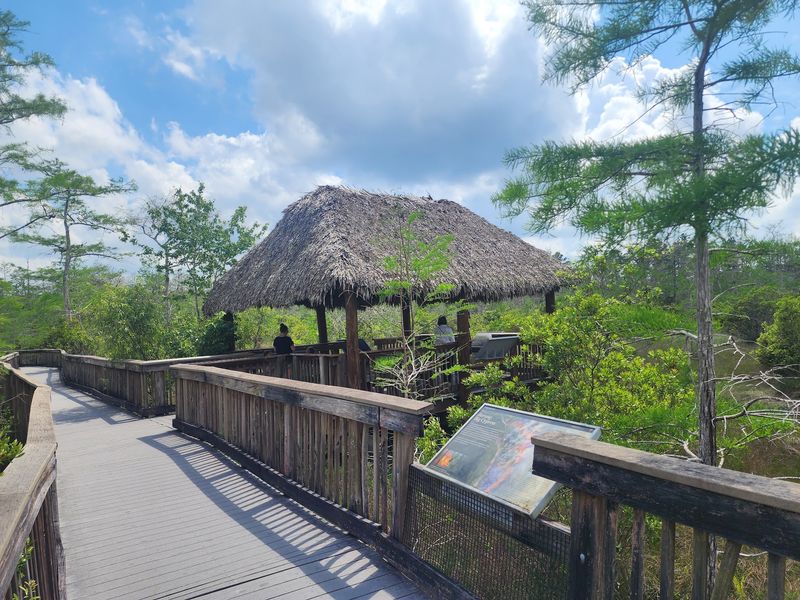
Forget the zoo because Kirby Storter delivers wildlife sightings that feel like you’ve stumbled onto a nature documentary set. Alligators cruise through the dark water, sometimes so still they look like floating logs until they suddenly move. Turtles pile onto fallen branches to sunbathe, creating adorable turtle towers that collapse into splashing chaos when startled.
Fish swirl in schools beneath the boardwalk, their silvery bodies flashing in the tannin-stained water.
Bird watchers absolutely love this spot because different habitats along the trail attract different species. The open prairie sections draw hawks and other raptors hunting for small prey. The cypress swamp areas host woodpeckers hammering away at tree trunks, their rhythmic pecking echoing through the forest.
One lucky visitor even witnessed a hawk snatching a bullfrog right out of the swamp, a reminder that nature here plays by its own dramatic rules.
Early morning visits typically offer the best wildlife viewing since animals are most active before the Florida heat kicks in. You might spot geckos doing their hilarious push-up displays on the boardwalk railings, establishing territory with tiny reptilian confidence. Ring snakes occasionally make appearances, swimming gracefully through the water.
Even the sounds tell stories, with mysterious calls from deeper in the swamp hinting at creatures you can’t quite see.
The variety of life here changes with the seasons and even the time of day. Cold weather sends alligators into the deeper water where they stay warm, making them harder to spot but not impossible. Rainy days bring out different birds seeking shelter in the cypress canopy.
Summer evenings fill with frog choruses that sound like nature’s own symphony orchestra warming up for a performance nobody wants to miss.
Those Massive Cypress Trees Will Blow Your Mind
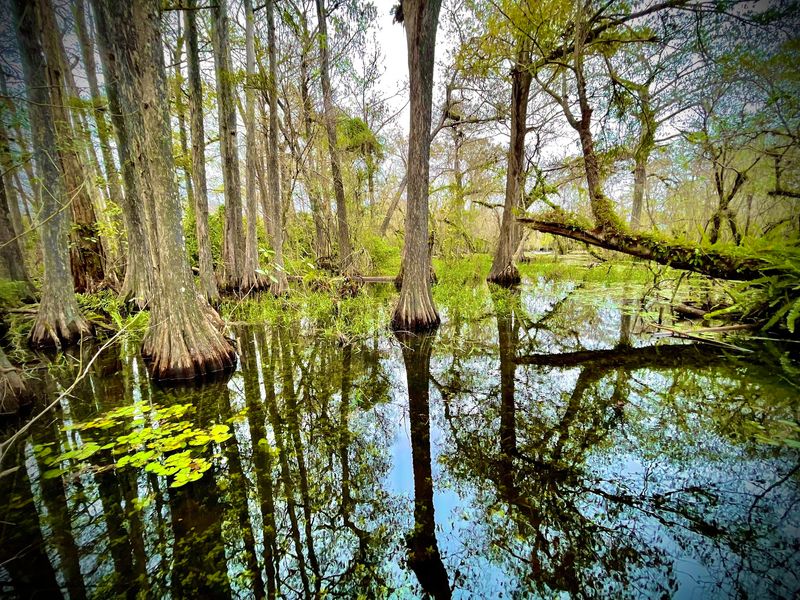
Walking into the cypress dome section feels like entering a cathedral built by nature itself. These aren’t your average trees; we’re talking about massive bald cypress specimens that have stood here for hundreds of years, their enormous trunks rising from the water like pillars holding up the sky. Their distinctive “knees” poke up from the water around them, creating an otherworldly landscape that photographs can’t quite capture.
The size of these trees genuinely surprises first-time visitors who expected something more modest from a roadside park. Some trunks measure several feet across, their bark deeply furrowed and covered with patches of moss and lichen. Spanish moss drapes from their branches like nature’s own curtains, swaying gently in whatever breeze manages to penetrate the canopy.
The overall effect makes you feel small in the best possible way.
What makes cypress trees so special is how perfectly adapted they are to standing in water year-round. Those knobby knees actually help the tree breathe, bringing oxygen down to the roots submerged in oxygen-poor swamp water. The trees shed their needles in winter (hence “bald” cypress), turning a beautiful rusty orange before dropping, then green up again each spring.
This deciduous behavior in a conifer makes them unusual and adds seasonal interest to repeat visits.
The ecosystem these trees create supports countless other organisms. Bromeliads grow on their branches, holding water that becomes miniature ponds for tree frogs and insects. Woodpeckers excavate nest holes in the trunks.
Fish hide among the submerged roots. Standing quietly among these giants, you realize you’re witnessing a complex community that’s been functioning here long before highways and parking lots showed up, and will hopefully continue long after.
Stargazing That Rivals Professional Observatories
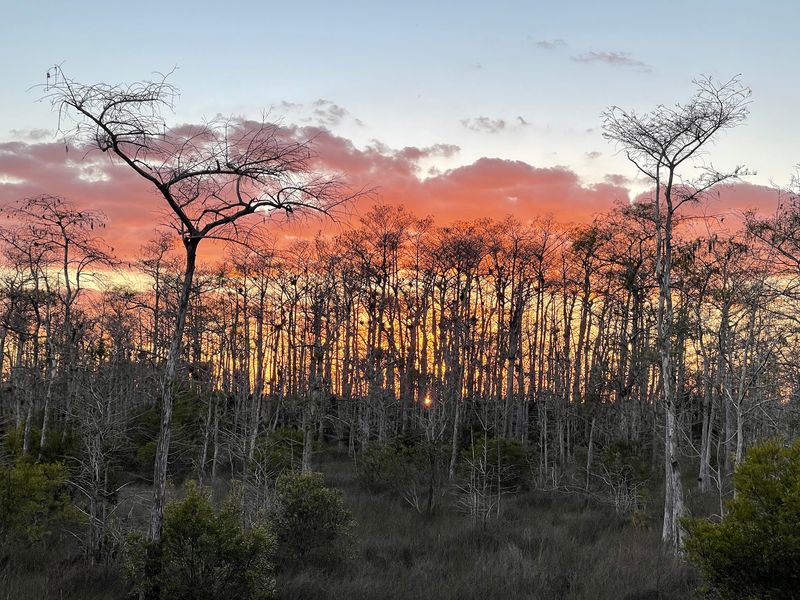
Here’s something totally unexpected: Kirby Storter ranks as one of the best stargazing locations in Central Florida, achieving a Bortle 3 rating that astrophotographers dream about. Most people think you need to drive hours into remote wilderness for truly dark skies, but this little roadside park delivers cosmic views just off the Tamiami Trail. The surrounding Big Cypress Preserve protects it from light pollution, creating an island of darkness in an increasingly bright world.
Astronomy enthusiasts have quietly claimed this spot as their own, setting up telescopes and cameras in the parking lot to capture stunning images of the Milky Way, planets, and deep-sky objects. The lack of artificial light lets your eyes fully adapt to the darkness, revealing thousands of stars invisible from most Florida locations. Meteor showers become spectacular events here, with shooting stars streaking across an unobstructed sky in every direction.
The 24-hour access makes Kirby Storter perfect for late-night sky watching sessions when conditions are optimal. New moon phases offer the darkest skies, while full moons create enough light to walk the boardwalk without a flashlight, casting silvery shadows through the cypress trees. Photography buffs particularly love how the dark swamp landscape provides dramatic foreground elements for their celestial shots, creating images that showcase both earth and sky.
If you plan to stargaze here, follow basic courtesy rules that the astronomy community has established. Turn off your headlights before pulling into parking spots to avoid ruining other observers’ night vision. Use only red-filtered flashlights when necessary since red light preserves dark adaptation better than white light.
Give other stargazers plenty of space for their equipment. The shared respect among nighttime visitors creates a welcoming atmosphere where everyone can appreciate the universe together.
Picnic Tables and Facilities That Actually Work
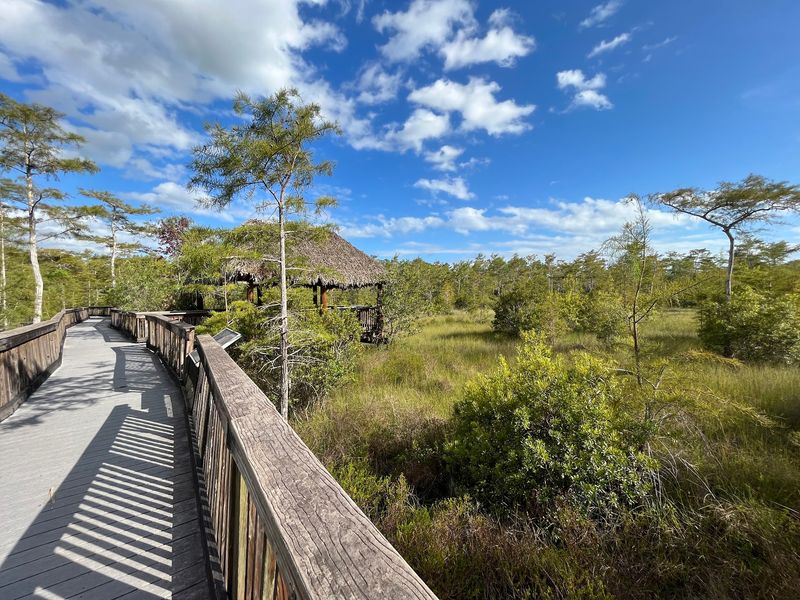
Unlike many roadside stops that offer nothing but a patch of grass and broken benches, Kirby Storter provides genuinely useful facilities that make visiting comfortable. Several covered picnic tables offer shaded spots to eat lunch, spread out a map, or just take a break from driving. The covered areas protect you from Florida’s intense sun and sudden afternoon thunderstorms, making this a practical stop regardless of weather conditions.
The parking lot offers plenty of space, so you won’t be circling endlessly looking for a spot even during busy times. RVs and vehicles pulling trailers can park easily without complicated maneuvering. The lot stays well-maintained, and while there’s no official guard or gate, most visitors report feeling safe here.
Some travelers even use it for overnight rest stops, though technically it’s not designated as a campground.
Restroom facilities exist in the form of composting toilets, which admittedly aren’t the Ritz but serve their purpose when nature calls far from civilization. They’re basic vault toilets without running water, so manage expectations accordingly. Still, having any facilities at all beats the alternative when you’re miles from the nearest gas station.
Park staff clean them regularly, and they’re generally maintained in acceptable condition.
The combination of amenities makes Kirby Storter work perfectly as a multi-purpose stop. Families can let kids burn energy on the boardwalk while parents relax at picnic tables. Road-trippers can stretch cramped legs and use facilities before continuing their journey.
Photographers can use the tables as stable surfaces for organizing gear. The setup encourages people to actually spend time here rather than just snapping a quick photo and leaving, which means you experience more of what makes this place special.
Perfect Location for Breaking Up Long Drives
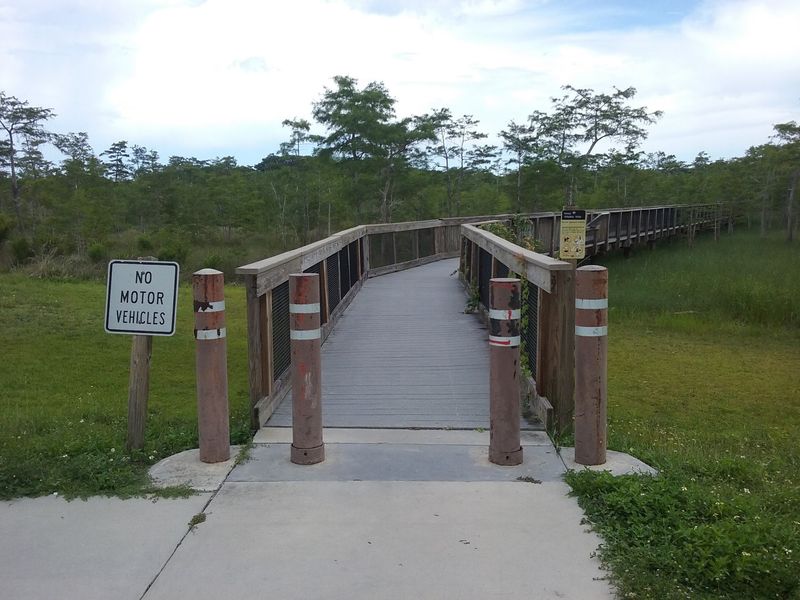
Driving the Tamiami Trail between Naples and Miami can feel endless, with miles of wetlands and sparse development creating highway hypnosis. Kirby Storter appears at exactly the right moment, roughly halfway through Big Cypress Preserve, offering the perfect excuse to pull over and reset your brain. The park sits at mile marker 52.5 on Highway 41, easy to spot with its marked entrance and parking area.
The quick boardwalk walk gets blood flowing back into legs that have been stuck in driving position too long. Just 15-20 minutes of strolling among cypress trees and watching wildlife can completely refresh your mental state for the remaining drive. Kids especially benefit from the break, getting to explore and spot animals instead of being strapped into car seats watching scenery blur past.
Strategic location also makes Kirby Storter an excellent base for exploring other Big Cypress attractions nearby. Several other trails, scenic loops, and visitor centers sit within short driving distances. You can easily combine a stop here with visits to other preserve highlights, creating a fuller day of Everglades exploration.
The park essentially serves as a gateway experience, showing you what Big Cypress offers without requiring major time commitment or planning.
Many travelers discover Kirby Storter by accident, noticing the sign and deciding to investigate out of curiosity. Those spontaneous stops often become trip highlights, with people raving about the unexpected beauty they found at what looked like just another pullover. The accessibility matters too since you don’t need permits, reservations, or entrance fees.
Just pull in whenever you want, stay as long as you like, and leave when ready. That simplicity and flexibility make it ideal for road trips where schedules stay loose and discoveries happen organically.
Seasonal Changes That Keep Every Visit Different
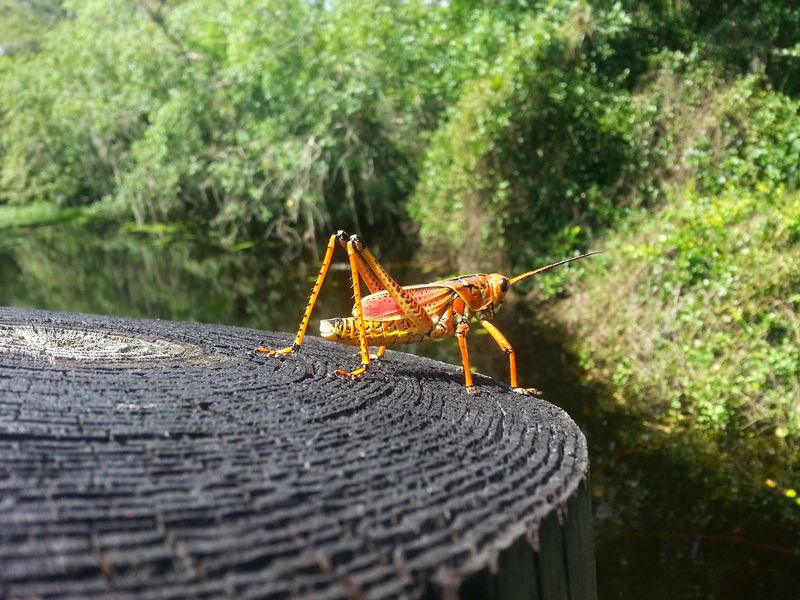
Kirby Storter transforms throughout the year in ways that make repeat visits feel like exploring completely different places. Winter brings cooler temperatures that make walking the boardwalk comfortable without drowning in sweat, though you might need a light jacket during cold fronts when temperatures drop into the 50s. The cypress trees turn that gorgeous rusty orange before shedding their needles, creating a completely different visual palette than the lush green of summer.
Spring explodes with new growth and blooming bromeliads that add bright red and orange splashes to the tree canopy. Bird activity increases dramatically as migratory species pass through and resident birds begin nesting. Water levels typically stay high from winter rains, creating those perfect mirror reflections in the swamp that photographers love.
Wildflowers bloom in the prairie sections, attracting butterflies that dance along the first part of the boardwalk.
Summer brings intense heat and afternoon thunderstorms that roll through with dramatic regularity. Morning visits work best during these months, catching wildlife before temperatures soar. The dense vegetation reaches peak lushness, creating that jungle-like atmosphere where you feel completely surrounded by nature.
Mosquitoes reach their most enthusiastic levels, so bug spray becomes absolutely essential equipment rather than a suggestion.
Fall transitions gradually in Florida, but you’ll notice water levels dropping as the dry season approaches, concentrating fish and attracting more wading birds. Alligators become more visible as they move around looking for deeper water. The light changes too, with lower sun angles creating those golden-hour conditions that last longer and happen more predictably.
Each season offers something unique, so there’s never a bad time to visit, just different experiences waiting to be discovered depending on when you show up.