This Peaceful Florida Small Town Reveals a Different Side Once the Sun Goes Down
Monticello might look like your typical sleepy Southern town during daylight hours, with its historic courthouse and quiet streets lined with oak trees. But once the sun dips below the horizon, this Jefferson County gem transforms into something entirely different. From ghost stories echoing through antebellum mansions to local haunts buzzing with evening energy, Monticello’s nighttime personality offers surprises that most visitors never expect to find in such a small place.
The Opera House Takes Center Stage After Dark
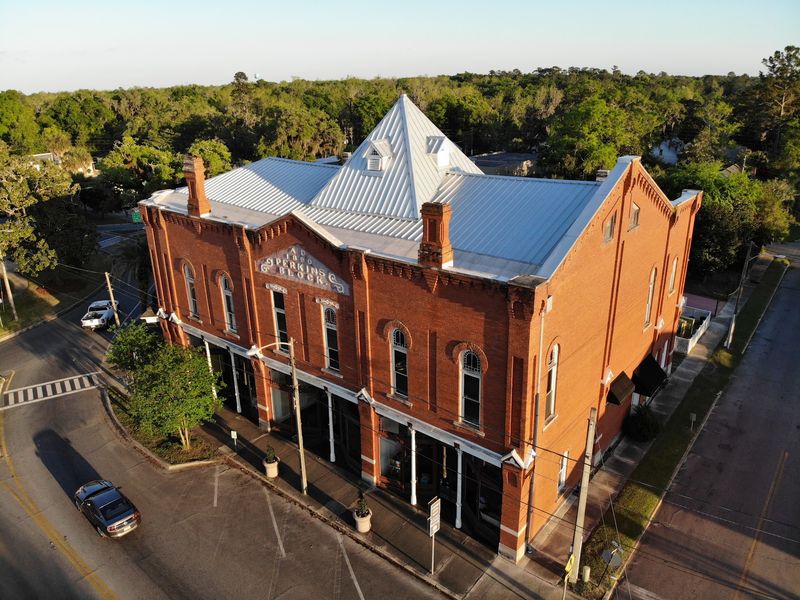
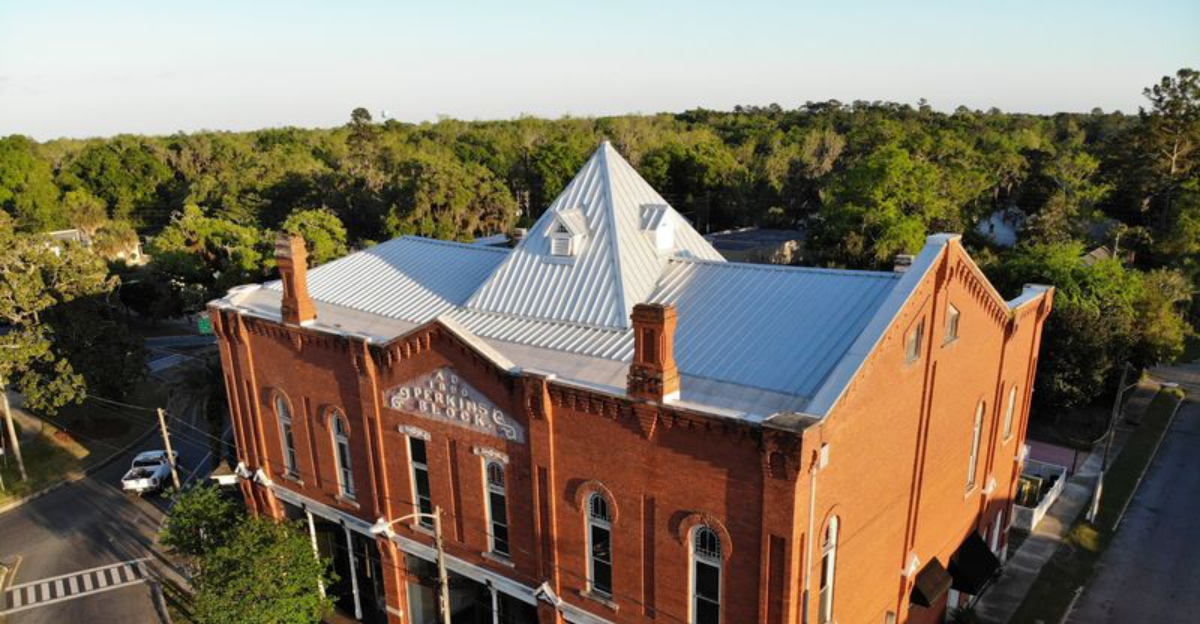
Built in 1890, the Monticello Opera House becomes an entirely different creature when evening performances light up its historic stage. The building’s Victorian architecture takes on an almost magical quality under the glow of street lamps, while inside, the restored theater buzzes with energy that daylight tours simply can’t capture. Local theater groups and traveling performers bring everything from murder mysteries to classic plays to life in this intimate venue.
What makes nighttime shows here special goes beyond the performances themselves. The creaky wooden floors and original tin ceiling create acoustics that make every whisper, every footstep, part of the experience. Audience members often mention feeling transported to another era, especially during period productions that match the building’s 19th-century charm.
The Opera House doesn’t limit itself to traditional theater either. Comedy nights draw crowds from surrounding counties, turning the historic space into a laughter-filled gathering spot. Music performances range from bluegrass to jazz, with the building’s natural sound quality making even small ensembles sound rich and full.
Between shows, the lobby becomes a social hub where locals catch up over intermission refreshments. First-time visitors quickly realize that attending an evening performance here isn’t just about entertainment but about experiencing a piece of living history. The building’s restoration preserved quirks like uneven stage floors and original light fixtures, adding authentic character that modern theaters can’t replicate.
Getting tickets often requires planning ahead, especially for popular productions. The intimate seating capacity means shows sell out quickly, but that same small size creates an immediacy between performers and audience that larger venues lack. Every seat feels close to the action, making even quiet dramatic moments land with impact.
After the final curtain, attendees often linger on the sidewalk outside, discussing the performance under Monticello’s star-filled sky. This post-show tradition has become as much a part of the Opera House experience as the performances themselves, cementing the venue’s role as the town’s evening cultural heartbeat.
Downtown’s Historic District Glows With Southern Gothic Atmosphere

Walking through downtown Monticello after sunset feels like stepping onto a movie set designed for Southern Gothic tales. The Jefferson County Courthouse, modeled after Thomas Jefferson’s famous estate, becomes dramatically illuminated against the night sky. Spanish moss drapes from ancient live oaks create swaying shadows that dance across brick facades and historic storefronts, giving the entire district an otherworldly quality.
The architecture tells stories that daylight softens but darkness amplifies. Antebellum homes with their columned porches take on a more mysterious presence when lit from within, their windows glowing like watchful eyes. Local historians love sharing tales about these buildings during evening walking tours, when the atmosphere naturally lends itself to stories about Civil War intrigue and Reconstruction-era drama.
Several buildings in the historic district claim resident ghosts, and nighttime brings out both believers and skeptics. The old Perkins Opera House block reportedly hosts unexplained footsteps and door closings after business hours. Whether you buy into paranormal activity or not, there’s no denying that Monticello’s downtown possesses an eerie beauty once darkness falls.
Street lighting has been carefully designed to preserve the historic character while providing safety. Vintage-style lamp posts cast pools of warm light that create pockets of brightness separated by deeper shadows. This thoughtful approach maintains the district’s period atmosphere while keeping sidewalks navigable for evening strollers.
Local restaurants with outdoor seating take full advantage of this ambiance. Dining al fresco under the oaks, surrounded by 19th-century architecture, becomes an experience rather than just a meal. The cooler evening temperatures make outdoor dining comfortable most of the year, and the visual backdrop beats any deliberately designed restaurant decor.
Photography enthusiasts find endless subjects in the interplay of historic architecture and artificial light. The contrast between illuminated buildings and shadowy surroundings creates dramatic images that capture Monticello’s dual nature, showcasing why this small town’s evening personality differs so dramatically from its daytime presentation.
Local Restaurants Transform Into Community Gathering Spots
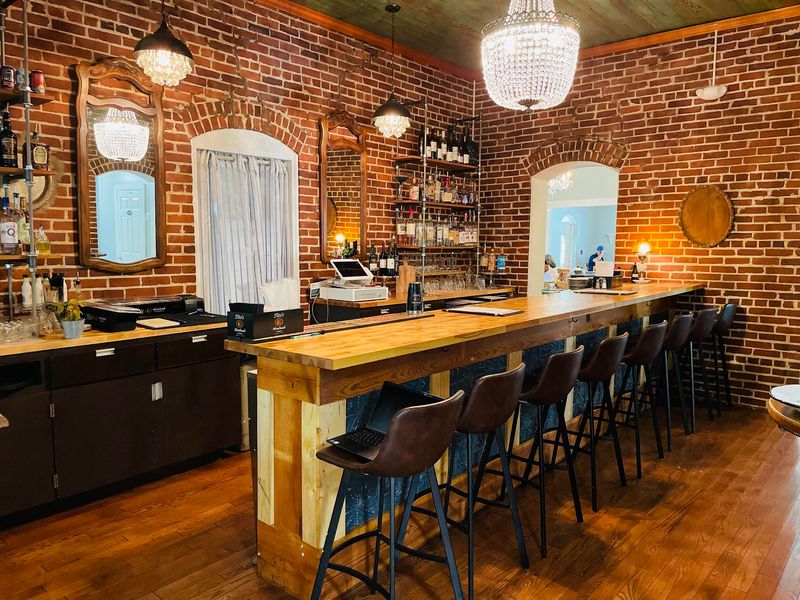
Monticello’s dining scene undergoes a personality shift when dinner service begins. What might seem like ordinary small-town eateries during lunch become genuine community living rooms after dark. Regulars claim their favorite tables, conversations flow between booths, and the pace slows to something refreshingly unhurried.
Visitors expecting typical tourist-trap restaurants get surprised by the authentic local flavor these establishments serve alongside their actual food.
The Rare Door stands out as a prime example of this transformation. By day, it operates as a pleasant enough lunch spot, but evening service brings a different energy entirely. The lighting dims slightly, the music gets a touch louder, and suddenly you’re not just eating dinner but participating in a nightly ritual.
Locals treat it like an extension of their homes, greeting newcomers with genuine Southern hospitality.
Southern comfort food dominates most menus, but the evening hours often feature specials that don’t appear during daylight service. Fried catfish, slow-cooked collard greens, and cornbread that actually tastes homemade rather than mix-based become the stars. Portions lean generous, reflecting a culture where feeding people well matters more than trendy plating techniques.
What really sets Monticello’s evening dining scene apart is the intergenerational mixing that happens naturally. Families with young children sit near retired couples who’ve been coming for decades, while young professionals grab quick dinners before heading to other activities. This demographic blend creates an atmosphere that feels genuinely inclusive rather than segmented by age or income.
Several establishments feature live music on weekend evenings, though nothing too loud or performance-focused. A guitarist in the corner or a small acoustic duo provides background ambiance rather than demanding full attention. This approach keeps the focus on conversation and connection while adding another layer to the evening atmosphere.
Service moves at a pace that urban visitors might initially find slow but eventually appreciate. Servers know most diners by name and aren’t rushing anyone out to turn tables. Lingering over coffee and dessert is expected, not tolerated, making dinner an event rather than just a meal to check off the list.
The Courthouse Square Hosts Unexpected Evening Events
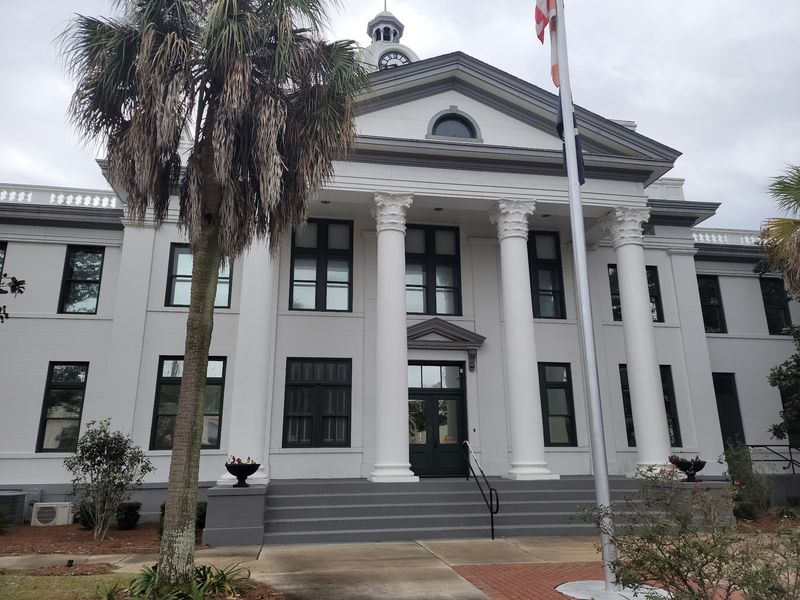
Most people assume courthouse squares shut down when government offices close, but Monticello’s central gathering space comes alive with surprising regularity after dark. The lawn surrounding the Jefferson-inspired courthouse transforms into an event venue that hosts everything from outdoor movie screenings to seasonal festivals. What looks like empty green space during business hours becomes the town’s living room once the sun sets.
Summer brings Movies on the Square, where families spread blankets across the grass while a large screen shows family-friendly films. Kids run around before the movie starts, their energy barely contained, while adults chat and unpack picnic dinners. The courthouse itself provides a stunning backdrop, its columns and dome creating a uniquely Southern setting for this slice of Americana.
Holiday seasons turn the square into something from a storybook. Christmas decorations transform the courthouse and surrounding trees into a twinkling wonderland that draws visitors from neighboring towns. The annual tree lighting ceremony packs the square with locals singing carols and sipping hot chocolate, creating the kind of Norman Rockwell scene that many assume no longer exists in modern America.
Spring and fall bring farmers markets that extend into evening hours, offering a different vibe than typical morning markets. Vendors selling everything from local produce to handmade crafts set up under string lights, creating a festive marketplace atmosphere. Live music often accompanies these events, with local musicians providing entertainment that ranges from bluegrass to contemporary acoustic covers.
The square also serves as a gathering point during less structured times. Teenagers hang out on the courthouse steps on weekend evenings, continuing a tradition that spans generations. Young couples take evening walks around the perimeter, while dog owners let their pets socialize on the grass.
This informal use of public space reflects a small-town trust and comfort level that feels increasingly rare.
What makes these evening activities special is their accessibility and inclusivity. Events are typically free or very low-cost, removing financial barriers to participation. The casual, come-as-you-are atmosphere means everyone from farmers in work clothes to families in church attire mingles without self-consciousness, united by shared community rather than divided by demographics.
Ghost Tours Reveal the Town’s Haunted History
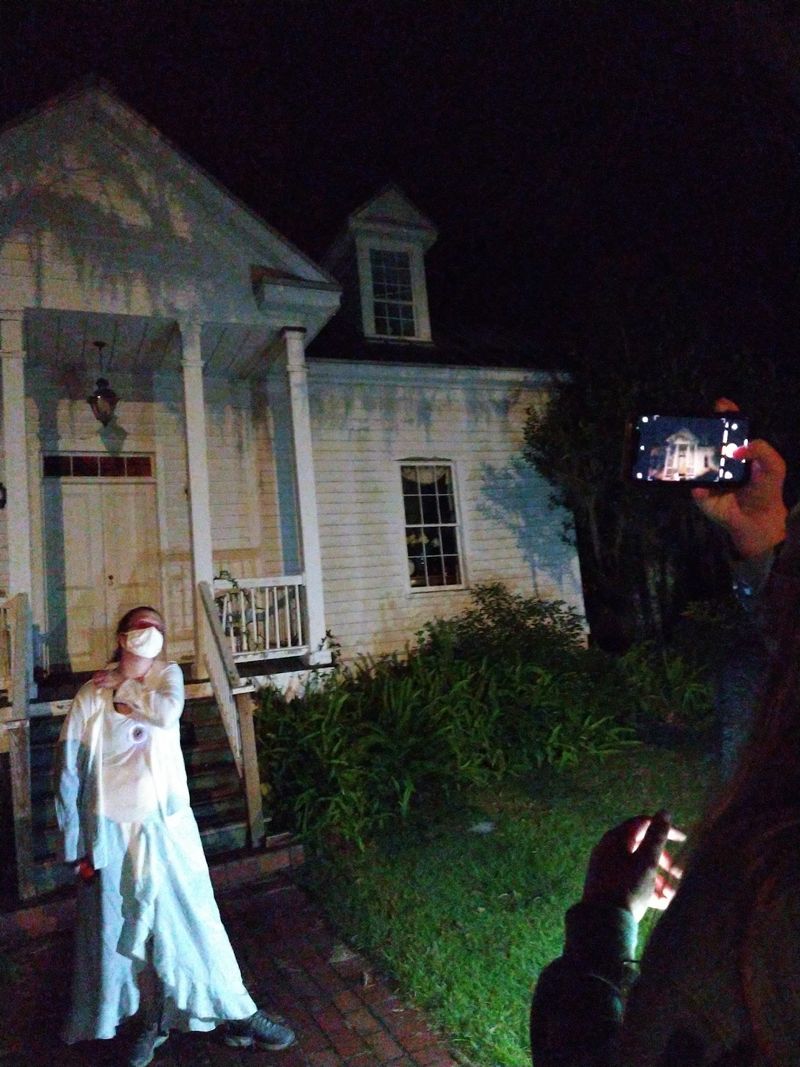
Skeptics and believers alike find themselves looking over their shoulders during Monticello’s ghost tours, which operate exclusively after dark for maximum atmospheric effect. Local guides lead small groups through the historic district, sharing tales of Civil War soldiers, jilted lovers, and tragic accidents that allegedly left spiritual impressions on various buildings. Whether the stories are true becomes almost secondary to the experience of hearing them in the actual locations where events supposedly occurred.
The tour route includes several private residences whose owners have reported unexplained phenomena for generations. One antebellum home features a staircase where footsteps regularly echo when no one is present. Another property includes a bedroom where the temperature inexplicably drops twenty degrees regardless of season.
Guides share these accounts with a mix of reverence and entertainment, acknowledging that not everyone will believe but inviting open-minded consideration.
What separates Monticello’s ghost tours from cheesy tourist traps is the historical grounding behind each story. Guides reference specific dates, names, and documented events rather than relying on vague legends. This attention to historical detail appeals even to those who dismiss paranormal claims, as the tours double as engaging history lessons about the town’s past.
The Opera House features prominently on most tours, with multiple reported sightings of a woman in Victorian dress watching performances from the balcony. Staff members have shared experiences of hearing music when the building sits empty and finding props moved overnight despite locked doors. These firsthand accounts from locals add credibility that generic ghost stories lack.
Tour groups remain intentionally small, typically capped at twelve people, which maintains an intimate atmosphere conducive to storytelling. Larger groups would break the spell that darkness and quiet streets naturally create. The limited size also allows participants to ask questions and share their own experiences without disrupting the flow.
Photography enthusiasts often join tours hoping to capture orbs or other anomalies on camera. While most photos show nothing unusual, the occasional unexplained light or shadow keeps hopes alive. Guides neither encourage nor dismiss these efforts, maintaining a neutral stance that lets participants draw their own conclusions about what they might have documented.
Backroad Adventures Lead to Unexpected Discoveries
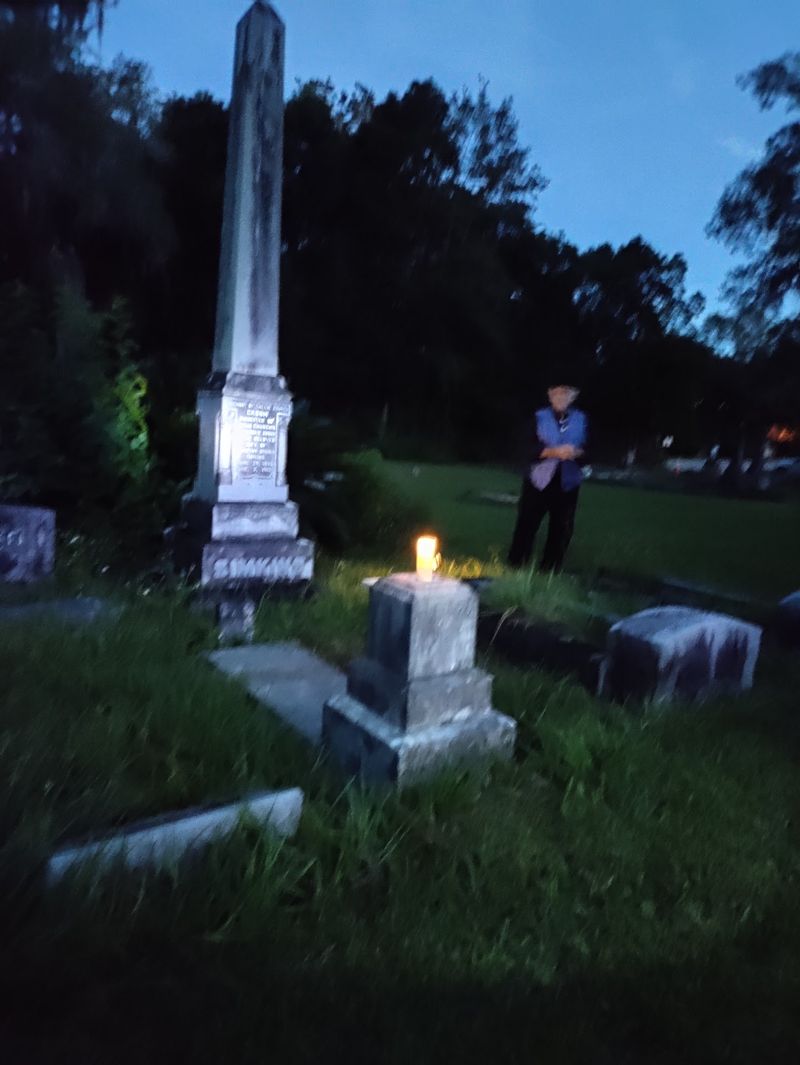
Monticello’s surrounding countryside reveals a completely different character after sunset, when backroads become pathways to experiences that daylight hides. The canopy roads draped with ancient oaks and Spanish moss create natural tunnels that moonlight filters through in silvery patterns. Driving these routes at night requires slower speeds and heightened attention, but that forced pace allows appreciation for details that blur past during daytime travel.
Local teenagers have known for generations that certain backroads offer the best stargazing in North Florida. With minimal light pollution once you get a few miles from town center, the night sky explodes with stars that urban dwellers rarely see. Pull-offs along less-traveled roads become impromptu observation points where you can actually see the Milky Way stretching overhead, a sight that stops even jaded smartphone scrollers in their tracks.
Wildlife activity increases dramatically after dark, though caution is definitely warranted. Deer, wild hogs, and even the occasional black bear cross roads with little warning. This danger adds an element of adventure that some find thrilling, though sensible drivers keep speeds low and attention high.
The trade-off for this vigilance is sometimes spotting animals behaving naturally, unaware of human observation.
Several old country churches dot the backroads, their white clapboard exteriors glowing softly when evening services fill them with light and hymn singing. Passing one of these small congregations mid-service offers a glimpse into rural religious traditions that remain vibrant despite societal changes. The sound of voices raised in traditional Southern gospel carries across fields, adding an unexpected soundtrack to nighttime drives.
Abandoned structures take on mysterious qualities after dark, though trespassing is never advisable. Old tobacco barns, defunct gas stations, and farmhouses slowly returning to nature become silhouettes against the night sky. These decaying reminders of earlier economic eras tell stories about how rural Florida has changed, serving as unintentional monuments to the past.
The experience of driving Monticello’s backroads at night isn’t for everyone. It requires comfort with darkness, isolation, and the unknown. But for those willing to embrace these elements, the reward is a genuine connection with North Florida’s rural character that carefully curated tourist experiences can never replicate.
Friday Night Lights Bring the Community Together
Friday nights during fall transform Monticello into a town with singular focus as seemingly everyone heads to Aucilla Christian Academy or nearby school stadiums for high school football. The stadium lights create a beacon visible for miles, drawing families, alumni, and casual fans who treat these games as essential social events rather than optional entertainment. Bleachers fill with multiple generations who’ve been attending games at the same field for decades.
The atmosphere rivals college games in intensity despite the small-town setting. Marching bands perform with earnest enthusiasm, cheerleaders execute routines they’ve practiced for weeks, and players leave everything on the field knowing half the town is watching. This isn’t professional sports with millionaire athletes but something more genuine: kids representing their community with pride that adults recognize and respect.
Concession stands do brisk business selling hot dogs, nachos, and candy to fund various school programs. The smell of grilled food mixes with fall air and fresh-cut grass, creating a sensory experience that triggers nostalgia even in first-time visitors. Lines at the concession window become social opportunities where neighbors catch up on news and gossip between plays.
What happens in the stands often rivals the action on the field in terms of entertainment value. Rivalries between schools run deep, with good-natured trash talk flying between sections. Grandparents explain plays to grandchildren, passing down football knowledge and family traditions simultaneously.
Teenagers use games as excuse to socialize away from direct parental supervision, continuing courtship rituals that have played out at these stadiums for generations.
Winning or losing affects the town’s mood well into the following week. A victory means Monday morning conversations at local businesses buzz with excitement and replay analysis. A loss brings philosophical discussions about character building and next week’s opportunities.
Either outcome, the game provides shared experience that bonds community members across demographic divides.
The post-game exodus creates a mini traffic jam that Monticello’s streets aren’t designed to handle, but no one seems to mind much. Cars inch toward exits while occupants continue discussing key plays and controversial referee calls. This slow departure extends the evening’s social aspect, turning even the drive home into part of the Friday night tradition.
Nighttime Nature Sounds Create an Unexpected Symphony
City dwellers visiting Monticello often comment on the noise level after dark, though not from traffic or sirens. The natural world cranks up its volume once the sun sets, creating a layered soundscape that takes adjustment for those accustomed to urban quiet. Chorus frogs, cicadas, owls, and countless other creatures produce a symphony that pulses and shifts throughout the evening hours, reminding humans they’re sharing space with thriving ecosystems.
Spring brings the loudest performances when frogs gather at every pond, ditch, and wetland to advertise for mates. The collective sound can reach surprising volumes, a biological imperative played out in amphibian voices that carry across fields and into town. Different species contribute distinct calls, from deep croaks to high-pitched trills, creating complex harmonies that sound almost orchestrated.
Summer cicadas take over the soundtrack with their buzzing drone that rises and falls in waves. Some find the sound meditative while others consider it maddening, but everyone agrees it’s impossible to ignore. The cicada chorus serves as natural white noise that masks smaller sounds, creating an acoustic blanket that defines summer evenings in North Florida.
Barred owls contribute occasional punctuation with their distinctive calls that sound remarkably like “Who cooks for you?” Hearing one of these large owls calling from nearby trees startles newcomers who don’t expect such loud, almost aggressive-sounding vocalizations. Locals barely register the sound anymore, though even longtime residents sometimes pause to listen when owls engage in back-and-forth conversations.
The soundscape changes with weather patterns in ways that attentive listeners learn to interpret. Increased insect activity often precedes rain, while certain bird calls signal temperature changes. This natural forecasting requires no technology, just willingness to pay attention to patterns that rural residents have tracked for generations.
Some properties near wooded areas or water bodies experience such intense nighttime nature sounds that conversation becomes difficult without raising voices. Rather than viewing this as a problem, most residents consider it a feature of rural living worth preserving. The alternative, artificial quiet created by eliminating natural habitats, represents a loss that Monticello residents hope to avoid.
For visitors trying to sleep in unfamiliar surroundings, the nighttime nature chorus can initially prevent rest. But most people adapt within a night or two, finding the sounds become soothing rather than disruptive. Some even report missing the natural soundtrack when they return to quieter urban environments.