It Should Be Illegal to Drive Through These 11 Florida Towns Without Stopping
Most people race across Florida on the interstate, eyes locked on the next theme park or beach resort. That is a mistake, because some of the best parts of the state are tucked into small towns you could pass in under five minutes. These places have oyster shacks, brick streets, sponge docks, and porches that practically beg you to sit down.
Pull off the highway, park the car, and give these towns the time they deserve.
1. Micanopy: Old Florida Frozen in Time
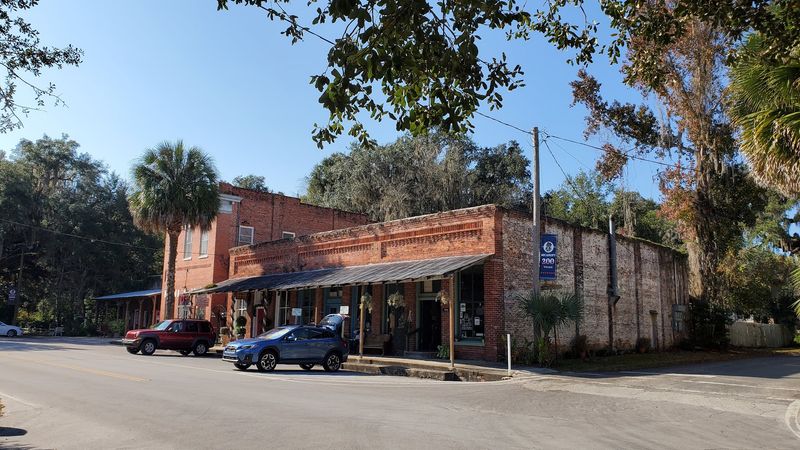
Picture a street so shaded by live oaks that the sunlight looks green. Micanopy, just south of Gainesville, feels like someone pressed pause on Florida about a hundred years ago and forgot to hit play again.
The main drag, Cholokka Boulevard, is lined with antique shops, used bookstores, and old brick buildings that look right out of a movie set. In fact, the town has shown up on screen before, which makes sense once you see it. Browsing here is slow and happy work, so give yourself at least an hour.
Bookworms should hunt down the dusty shelves of the local secondhand book shops. You can lose track of time flipping through old maps, postcards, and paperback mysteries. Grab a cold drink, then wander side streets where the moss hangs low enough to brush your hat.
Nature lovers get a bonus. Paynes Prairie Preserve State Park sits right next door, and it is famous for wild horses, bison, and plenty of alligators. Climb the observation tower for a view that stretches across wide open grassland.
Here is a smart move: visit on a weekday morning. Shops are calmer, parking is easy, and you can chat with owners who know every story behind their old treasures. Micanopy rewards anyone willing to slow way, way down.
2. Mount Dora: Hills, Lakes, and Lots of Charm
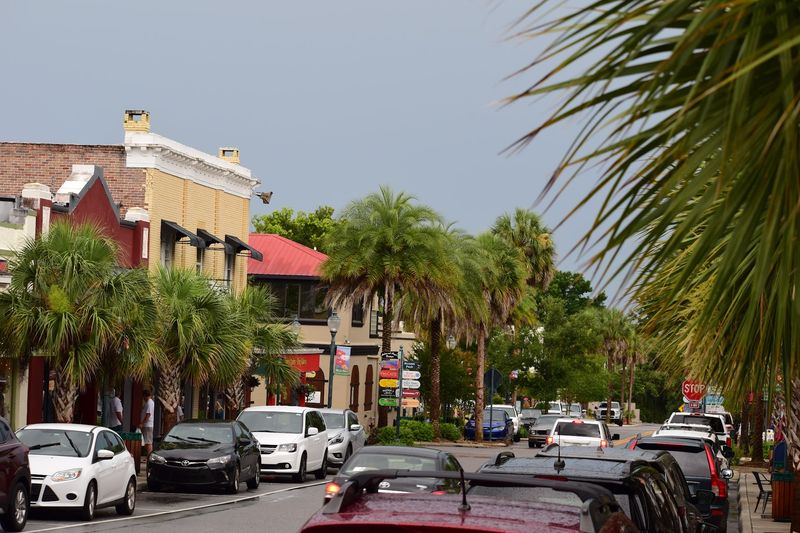
Yes, Florida has hills. Okay, small ones, but Mount Dora wears them proudly, and the town sits on a gentle rise above Lake Dora about 45 minutes northwest of Orlando.
Downtown is a walker’s dream. Brick sidewalks connect cozy boutiques, tea rooms, art galleries, and cafes with outdoor tables. You could spend an entire afternoon popping in and out of shops without ever moving your car.
Then head down to the water. Grim’s Point area and the little lighthouse at Gilbert Park make a great spot for sunset photos. Boat tours run through the nearby Dora Canal, a narrow waterway packed with cypress trees, turtles, herons, and the occasional sleepy gator.
Timing matters here. Mount Dora is known for its big festivals, including art shows, craft fairs, and holiday light displays that turn downtown into a glowing postcard. Those weekends get crowded, so arrive early or plan for a quieter weekday trip.
Hungry? Locals love lingering over long lunches on shaded patios. Order something light, people-watch for a bit, then grab dessert for the stroll back to the lake.
Quick tip: wear comfy shoes. Those charming hills sneak up on you after a few blocks, and you will want to keep exploring well past what you planned.
3. Cedar Key: Where Clocks Go to Nap
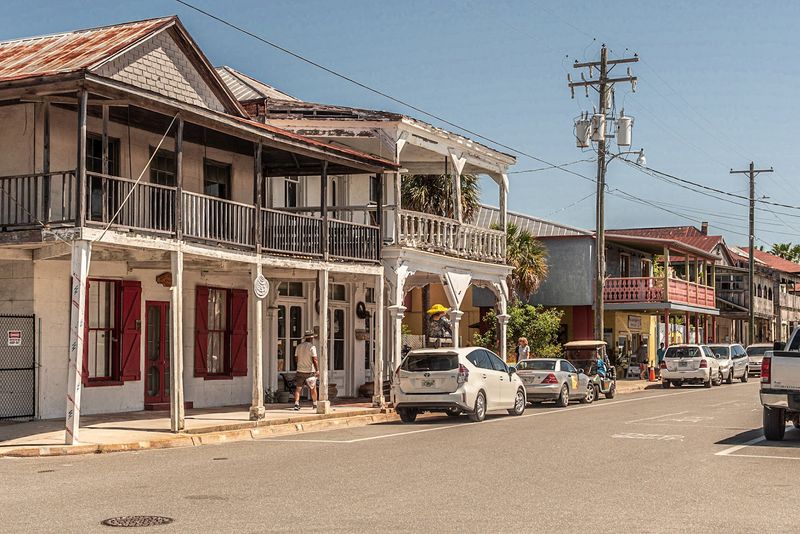
There is no chain hotel. There is no big mall. There is barely a traffic light, and honestly, nobody in Cedar Key seems to miss any of it.
This tiny island town sits at the end of a long causeway on the Gulf coast, and the drive in feels like leaving the modern world behind. Wooden buildings perch on stilts over the water, pelicans guard every piling, and golf carts outnumber fancy cars.
Food is the main event. Cedar Key is famous for farm-raised clams, and you will find them steamed, in chowder, and tossed in pasta all over town. Order the clam chowder at a waterfront spot and watch boats drift by while you eat.
Want adventure? Rent a kayak and paddle out to the small islands of the Cedar Keys National Wildlife Refuge. Birds are everywhere, and the water is often calm enough for beginners.
Sunsets here are a nightly ritual. People gather along the docks and the little city beach to watch the sky turn orange, pink, and purple over the Gulf.
Pack light and plan to do very little. That is the whole point. Bring bug spray for evenings, cash for small shops, and zero expectations of fast service.
Cedar Key moves at island speed, and that slower pace is exactly the gift it gives you.
4. Apalachicola: Oyster Country Soul
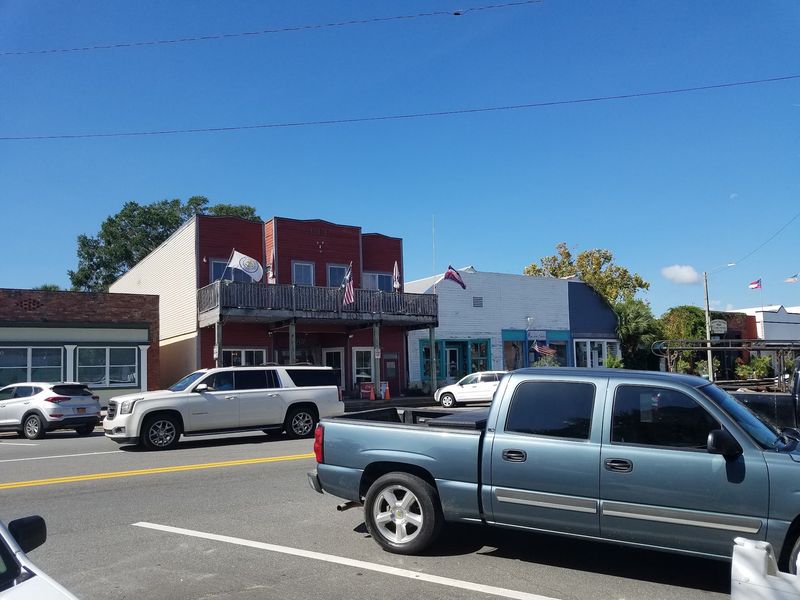
Shrimp boats bob at the docks. Old brick warehouses line the riverfront. And somewhere nearby, someone is definitely shucking something delicious.
Apalachicola sits on Florida’s Forgotten Coast, a stretch of the Panhandle that skipped the high-rise craze. The town was once a busy cotton port, and many of its historic buildings still stand, now filled with seafood restaurants, galleries, and quirky gift shops.
For generations, the area was famous for Apalachicola Bay oysters. The wild harvest has faced serious struggles in recent years, so ask restaurants where their seafood comes from. Local shrimp and Gulf fish are still worth ordering, and many menus proudly share what is fresh that day.
History buffs, take note. The town has a small museum honoring Dr. John Gorrie, a local doctor who worked on early ice-making and cooling machines in the 1800s. Next time you blast your car air conditioning, you can thank a little Panhandle town.
Stroll the walkable grid of streets and admire old homes with wide porches. Then cross the bridge to nearby St. George Island for wide, quiet beaches with fine white sand.
Visitor tip: book a room early during fall seafood festival season. Apalachicola is small, lodging fills fast, and you will definitely want to stay overnight rather than rush away.
5. Fernandina Beach: Victorian Streets Meet the Sea
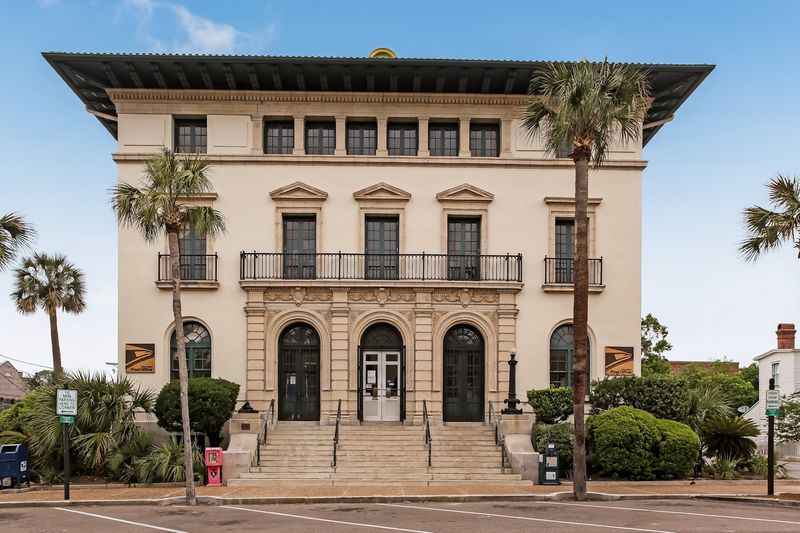
Eight flags have flown over Amelia Island. That is the claim locals love to share, and it tells you this place has collected a lot of stories over the centuries.
Fernandina Beach, the main town on the island, sits near the Georgia border in Florida’s top corner. Centre Street runs from the harbor through a historic district packed with Victorian buildings, old-timey lamp posts, and shops selling everything from fudge to fancy hot sauce.
Thirsty? Stop by the Palace Saloon, often called the oldest bar in Florida. Even if you only order a soda, the dark wood and old murals make it worth a peek.
The town also has deep shrimping roots. Many people say the modern shrimping industry got its start right here, and you can still see working boats near the waterfront. Every spring, the Isle of Eight Flags Shrimp Festival celebrates that heritage with food, art, and pirates.
Beach time is close, too. Fort Clinch State Park offers a brick Civil War-era fort, shady trails, and a long beach great for shark tooth hunting. Kids love scanning the sand for tiny black fossils.
Best plan: shop downtown in the morning, explore the fort after lunch, then catch sunset over the marshes at the harbor. It is a full day, and it never feels rushed.
6. Dunedin: A Little Scotland on the Gulf
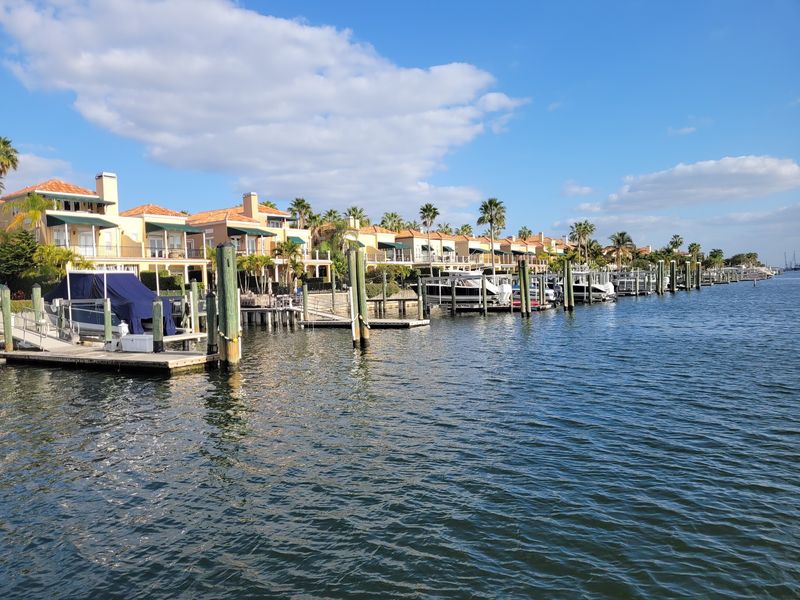
Bagpipes in Florida? Absolutely. Dunedin was founded by Scottish settlers, and the town still celebrates that heritage with Highland games, kilts, and a high school marching band that plays pipes and drums.
Located just north of Clearwater, Dunedin has a downtown that feels lively without being loud. Colorful shops, ice cream spots, and small breweries line Main Street, and the Pinellas Trail cuts right through the middle. Bikers, walkers, and skaters roll past all day.
Speaking of breweries, Dunedin Brewery is known as one of Florida’s oldest craft breweries. Several other spots have popped up nearby, so grown-ups can easily turn an afternoon into a casual tasting tour.
Families have plenty to do as well. Spring training baseball brings the Toronto Blue Jays to town, and catching a game in a smaller ballpark is a fun way to see pros up close.
Here is the real secret: Honeymoon Island and Caladesi Island sit just offshore. Caladesi is reachable only by ferry or boat, and its beaches regularly land on best-of lists for their soft sand and clear water.
Rent a bike, cruise the trail into downtown, grab lunch, then ferry out to Caladesi for the afternoon. Few towns pack this much variety into such a walkable, friendly little spot.
7. Tarpon Springs: Sponges, Greek Food, and Big Smiles
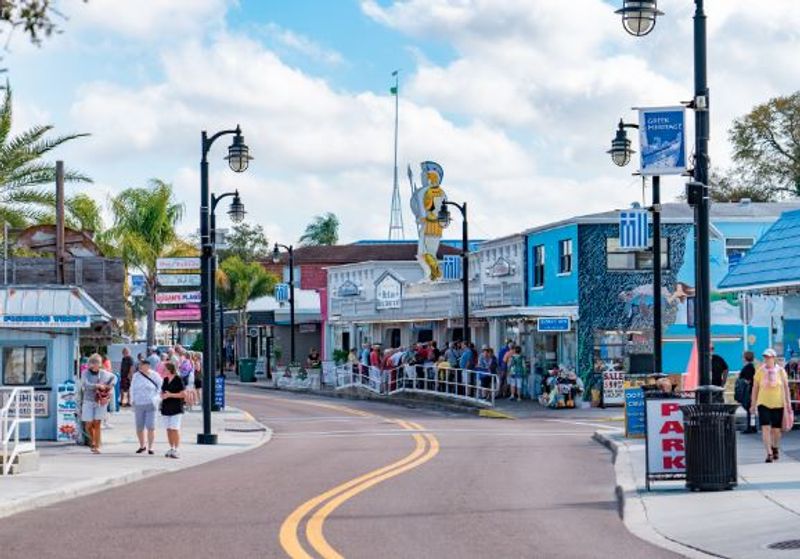
Opa! Walk onto the Sponge Docks in Tarpon Springs, and you might hear Greek music before you even find parking.
Greek divers arrived here in the early 1900s to harvest natural sponges from the Gulf, and their families shaped the town into what it is today. Tarpon Springs is often said to have one of the highest percentages of Greek Americans in the country, and you can feel it everywhere.
Start with the food, because you will not be able to resist. Bakeries sell flaky baklava, spanakopita, and honey-soaked pastries, while restaurants serve grilled octopus, gyros, and lemony Greek salads. Come hungry and share plates so you can try more.
Next, browse shops overflowing with natural sea sponges in every size. They make great souvenirs, and some shop owners will happily explain how sponges are harvested and cleaned. Boat tours sometimes include a sponge diving demo with old-style diving gear.
Do not skip the historic downtown, a short walk away. St. Nicholas Greek Orthodox Cathedral is stunning inside, and every January it hosts a famous Epiphany celebration where young men dive for a cross in Spring Bayou.
Pro move: buy a pastry box for the drive home. Trust us, you will regret it if you leave empty-handed.
8. Stuart: Riverside Cool on the Treasure Coast
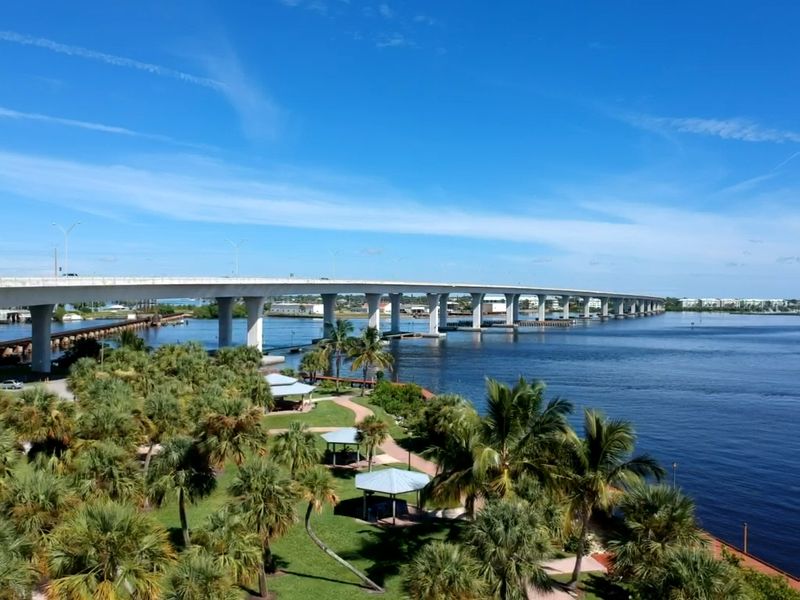
Anglers have long called it the Sailfish Capital of the World. One glance at the water around Stuart, and you understand why fishing boats leave the docks before sunrise.
This Treasure Coast town sits where the St. Lucie River meets the Indian River Lagoon, about an hour north of West Palm Beach. Downtown has a relaxed, artsy vibe, with a riverwalk boardwalk, indie shops, and restaurants with patio seating facing the water.
Take a slow walk along the Riverwalk. You might spot manatees in cooler months, pelicans diving for lunch, and sailboats gliding past. Benches are placed perfectly for snack breaks.
Curious about history? The Elliott Museum on Hutchinson Island showcases local stories and a fun collection of classic cars. Nearby, the House of Refuge at Gilbert’s Bar is one of the oldest buildings in the county, once used to rescue shipwrecked sailors.
Beaches are only minutes away. Stuart Beach and Bathtub Reef Beach are local favorites, and Bathtub Reef has shallow, calm water protected by a natural reef, which makes it popular with young swimmers and snorkelers.
Here is a smart order for your day: museum in the morning, beach at midday, then dinner downtown as the river glows at sunset. Stuart gives you a little bit of everything without feeling crowded.
9. DeLand: College Town With Big Personality
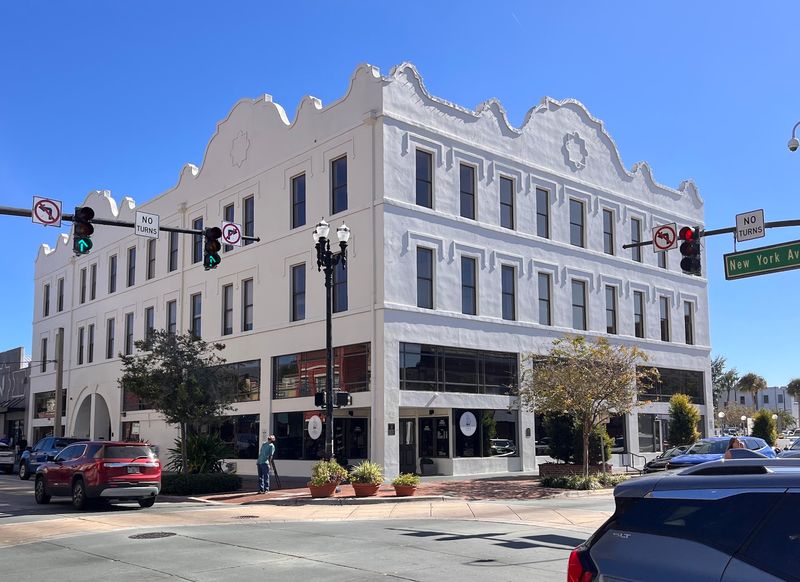
Murals pop up on brick walls. Students sip coffee on sidewalk benches. Somewhere above, a skydiver is probably floating down toward the airport.
DeLand, about halfway between Orlando and Daytona Beach, is home to Stetson University, Florida’s oldest private university. That college energy keeps downtown fresh, with bookstores, coffee shops, cafes, and live music spilling onto Woodland Boulevard.
Downtown DeLand has won national awards for its Main Street, and walking it explains why. Historic buildings are well cared for, shops are mostly locally owned, and the colorful murals tell stories about the town’s past. Snap a few photos as you explore.
Thrill seekers, listen up. DeLand is famous in the skydiving world, and its airport is a busy drop zone. Even if you keep both feet on the ground, watching jumpers land is a blast.
Nature is close, too. Blue Spring State Park, a short drive away, is one of the best spots in Florida to see manatees during winter. On chilly mornings, dozens of them crowd into the warm, clear spring water.
Plan your trip around a Friday or Saturday evening if you can. Downtown buzzes with diners and live music, and the brick streets glow under string lights. It is small-town Florida with a fun, youthful twist.
10. Sebring: Engines Roar, Lakes Sparkle
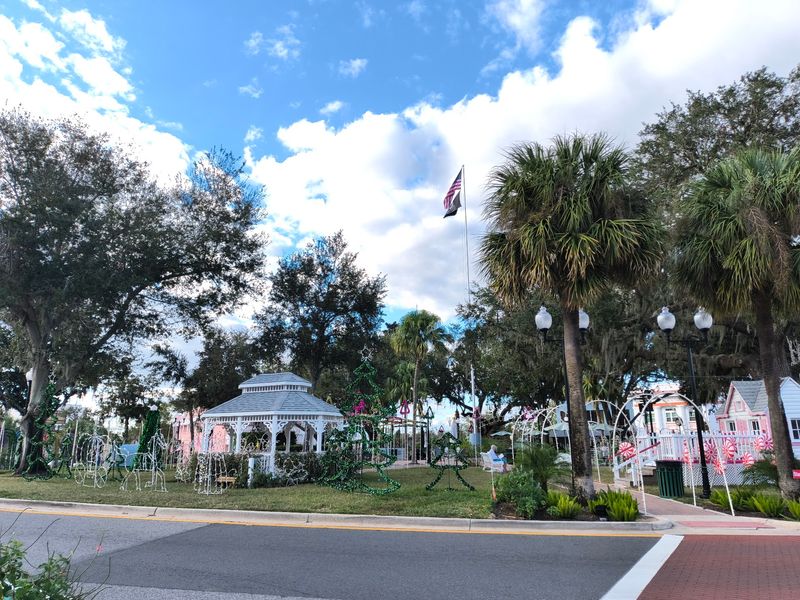
Most towns have a main street. Sebring has a main circle. The historic downtown is built around Circle Park, a round green space with shops and old buildings wrapped around it like a clock face.
Located in the heart of the state, Sebring feels far from the busy coasts. Lake Jackson sits right next to downtown, and the whole region is dotted with lakes, citrus groves, and quiet country roads.
Racing fans already know the name. Sebring International Raceway hosts the famous 12 Hours of Sebring, one of the oldest endurance races in the United States. Race week brings huge crowds, roaring engines, and a party atmosphere, so book lodging early if you plan to attend.
Prefer something calmer? Highlands Hammock State Park, just west of town, is one of Florida’s oldest state parks. Boardwalk trails wind through cypress swamps and old-growth forest, and you may spot deer, turtles, or gators along the way.
Back downtown, browse antique stores and grab lunch at a local diner. Walking the circle takes only a few minutes, but popping into shops can easily fill an afternoon.
Bonus tip: pack a picnic for Lake Jackson. Grab a shady spot by the water and enjoy a slower slice of central Florida that most travelers zoom right past.
11. Matlacha: Florida’s Most Colorful Pit Stop
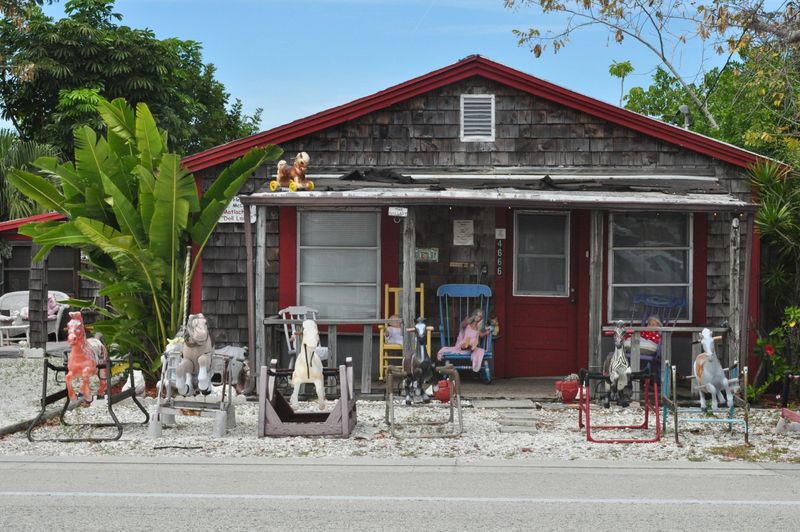
Hot pink, lime green, electric blue. Matlacha (say it like mat-luh-SHAY) looks like a box of crayons exploded across a tiny fishing village, and that is exactly why people fall for it.
This little community sits on the road between Cape Coral and Pine Island, west of Fort Myers. Blink and you might miss it, which would be a real shame. Brightly painted cottages hold art galleries, funky gift shops, and seafood spots with water views.
Fishing is a big deal here. The drawbridge is nicknamed the Fishingest Bridge in the USA, and you will often see people lined up with rods, chatting and waiting for a bite. Grab a spot and watch, or bring your own gear.
Paddlers love Matlacha, too. Kayak rentals give access to mangrove tunnels and quiet waters where dolphins, manatees, and wading birds hang out. Mornings are calmest and coolest.
Shopping here is pure fun. Local artists sell paintings, jewelry, and quirky sculptures, often in studios where you can meet the creators. Expect lots of tropical themes and a few delightfully odd surprises.
Heads up: the area has been rebuilding after hurricane damage, so check ahead about which shops are open. Supporting local businesses helps this cheerful little village keep its bright colors shining for years.