These 12 Florida Swimming Holes Are So Clear You’ll Want to Jump Right In
Florida’s freshwater springs are nature’s way of showing off. These crystal-clear swimming holes stay a refreshing 72 degrees year-round, fed by underground aquifers that filter water through limestone rock for decades before it bubbles up to the surface. From hidden jungle-like settings to family-friendly parks, these twelve springs offer some of the clearest water you’ll find anywhere in the world, perfect for swimming, snorkeling, and escaping the summer heat.
1. Ichetucknee Springs State Park – Fort White
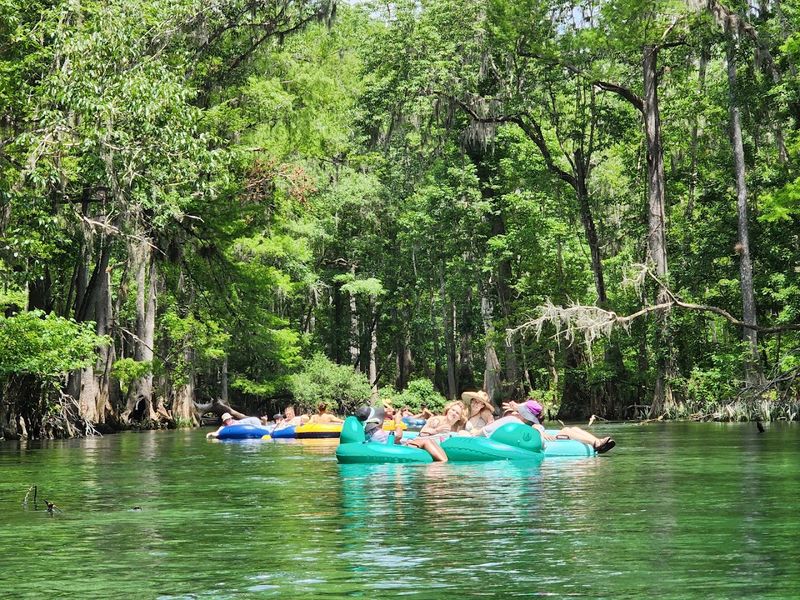
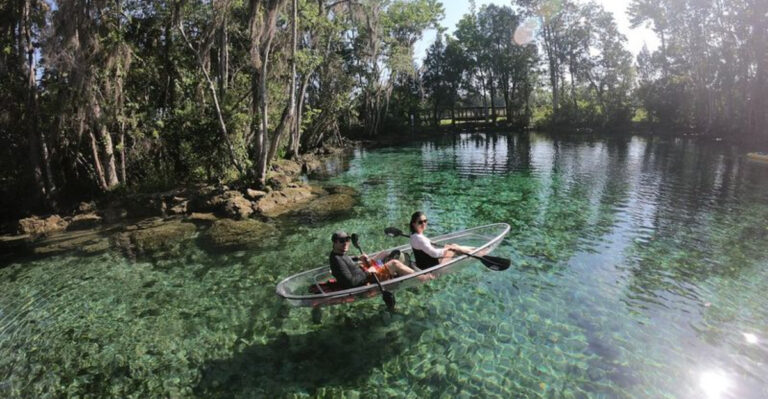
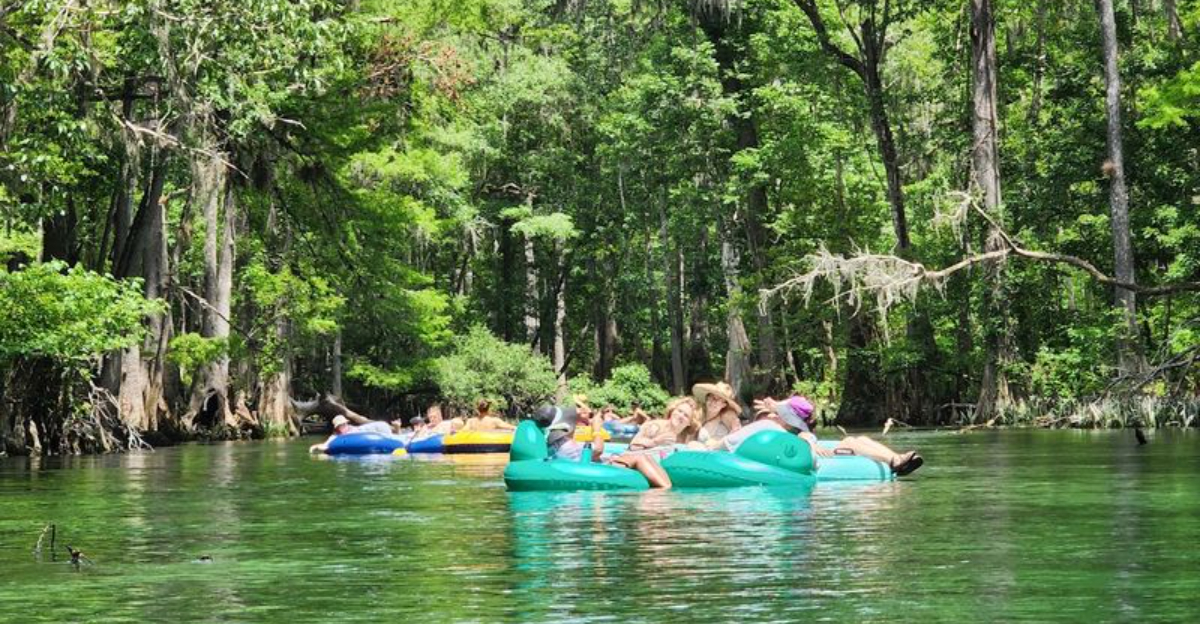
North Florida’s crown jewel flows through three miles of pristine river that looks like liquid glass. The water here is so transparent you can count every fish swimming below your feet. Thousands of visitors arrive each summer with inner tubes, ready to float downstream through tunnels of cypress trees and Spanish moss.
Six major springs feed this river system, pumping out millions of gallons of fresh water daily. The temperature holds steady at 72 degrees whether it’s January or July. You’ll spot turtles sunbathing on logs, fish darting between underwater plants, and occasionally even otters playing along the banks.
The park limits daily visitors to protect this fragile ecosystem, so weekends fill up fast during peak season. Get there early if you want to snag a tube rental and a good parking spot. The north entrance offers the full three-mile float, while the south entrance provides a shorter one-mile option perfect for families with younger kids.
No disposable containers are allowed on the river, which helps keep the water pristine. Bring reusable water bottles and pack out everything you bring in. The current moves at a lazy pace, giving you plenty of time to relax and soak in the scenery.
Wildlife viewing opportunities abound throughout your float. Keep your eyes peeled for wading birds fishing in the shallows and deer coming down to drink at the water’s edge. This isn’t just a swim—it’s a journey through one of Florida’s most protected natural treasures.
2. Ginnie Springs Outdoors, LLC – High Springs
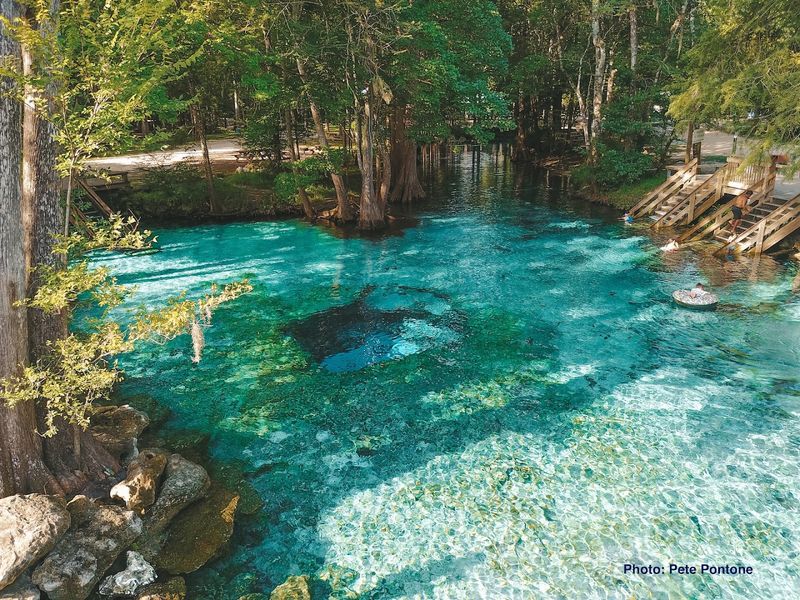
Divers travel from around the globe to explore the underwater cave systems here. But you don’t need scuba gear to appreciate what makes this place special. The main spring basin offers swimming, snorkeling, and some of the most photographed water in the entire state.
Seven springs dot this privately-owned property along the Santa Fe River. Devil’s Eye and Devil’s Ear attract experienced cave divers, while the main spring welcomes swimmers of all skill levels. Rent a kayak or paddleboard if you want to explore beyond the swimming area.
Camping facilities range from primitive tent sites to full RV hookups, making this a popular weekend destination. The spring stays open year-round, and winter visits offer a completely different experience with fewer crowds and morning mist rising off the warm water. Manatees sometimes wander up from the river during cold snaps.
The clarity here rivals anything you’ll see in the tropics. Sunlight penetrates deep into the spring basin, illuminating every rock and plant below. Snorkelers can follow fish through forests of eelgrass without ever losing sight of the surface.
Tube rentals let you float down the Santa Fe River for a different perspective. The river moves faster than most spring runs, adding a bit of adventure to your day. Multiple entry and exit points mean you can customize your float length.
Weekends bring a party atmosphere, especially during summer months. If you prefer a quieter experience, visit on weekdays or during the off-season when you might have entire springs nearly to yourself.
3. Rainbow Springs State Park – Dunnellon
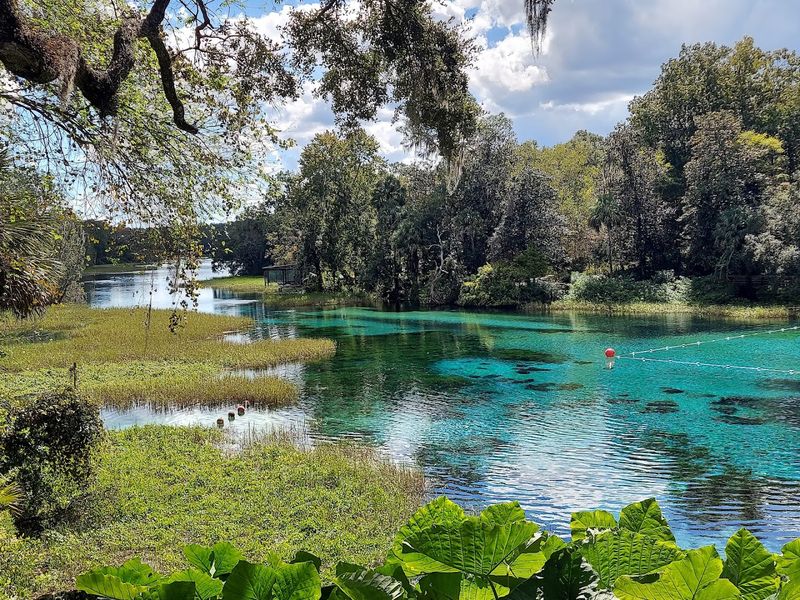
Fourth-largest spring in Florida pumps out nearly 500 million gallons daily, creating a river that shimmers in shades of blue and green. The headspring area features a designated swimming zone where families spread out on the grassy banks between dips in the cool water. Azalea gardens and waterfall features add to the park’s appeal beyond just the springs.
The Rainbow River extends for several miles downstream, offering tubing and kayaking opportunities through untouched Florida wilderness. Rent tubes at the park or bring your own for a leisurely float. The current moves gently enough for beginners but provides enough momentum to keep things interesting.
Underwater visibility often exceeds 100 feet on calm days. Snorkelers discover a whole world beneath the surface—schools of mullet, bass hiding in vegetation, and turtles cruising along the sandy bottom. The spring vents create mesmerizing patterns as water boils up from deep underground.
Historic gardens planted in the 1930s still bloom throughout the park. Walk the nature trails between swim sessions to spot wildlife and enjoy the shade. A separate tubing entrance downstream offers a different starting point if you want to skip the headspring crowds.
Summer weekends see the heaviest use, with families claiming picnic tables early in the day. The park enforces a no-alcohol policy and doesn’t allow disposable styrofoam, helping maintain the natural beauty. Lifeguards staff the swimming area during peak season.
Photography enthusiasts arrive at sunrise when mist hovers over the water and light filters through the trees. The combination of crystal-clear water and lush vegetation creates postcard-perfect scenes around every bend.
4. Gilchrist Blue Springs State Park – High Springs
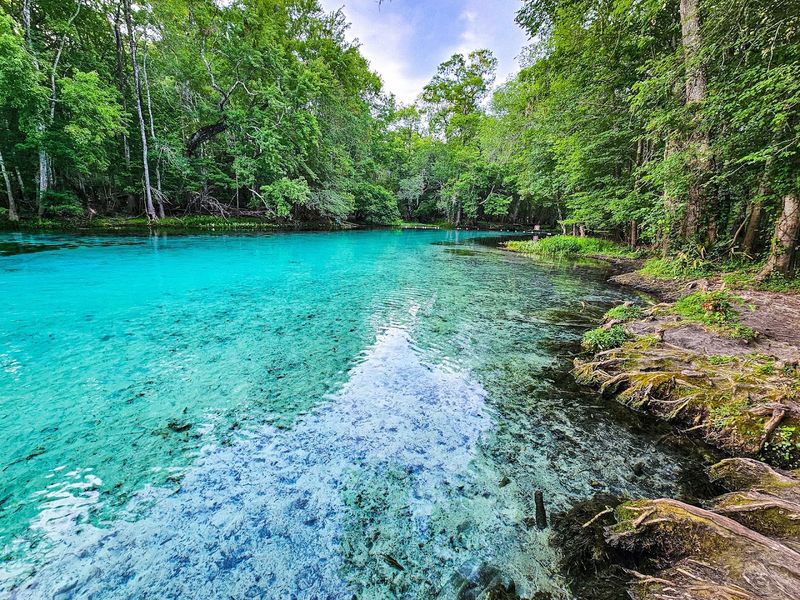
Tucked away near the Santa Fe River, this newer state park protects a spring that glows an otherworldly shade of blue. The color comes from the depth and clarity of the water—over 40 feet deep in the main basin. A wooden platform gives you a perfect view into the spring’s heart before you take the plunge.
Recently opened to the public after years of restoration work, Gilchrist Blue feels less developed than some of Florida’s more famous springs. That’s part of its charm. Boardwalks wind through the property, but the overall vibe remains wild and natural.
The spring run flows only a short distance before joining the Santa Fe River. This makes it ideal for swimming rather than tubing, though you can explore the river by kayak. The compact size means you can see everything the park offers in a single visit without feeling rushed.
Cooler months bring the possibility of manatee sightings when these gentle giants seek refuge in the warm spring water. Rangers ask visitors to observe from a distance and never chase or touch the manatees. Their presence adds an extra layer of magic to an already special place.
Picnic facilities and restrooms keep things comfortable without overdeveloping the site. The park limits daily attendance to prevent overcrowding, so weekends can reach capacity during summer. Arriving early or visiting on weekdays increases your chances of getting in.
Native fish populations thrive in these protected waters. Watch for gar surfacing to gulp air and schools of bream cruising the shallows. The ecosystem here represents what Florida’s springs looked like before development, offering a glimpse into the state’s natural heritage.
5. Madison Blue Spring State Park – Lee
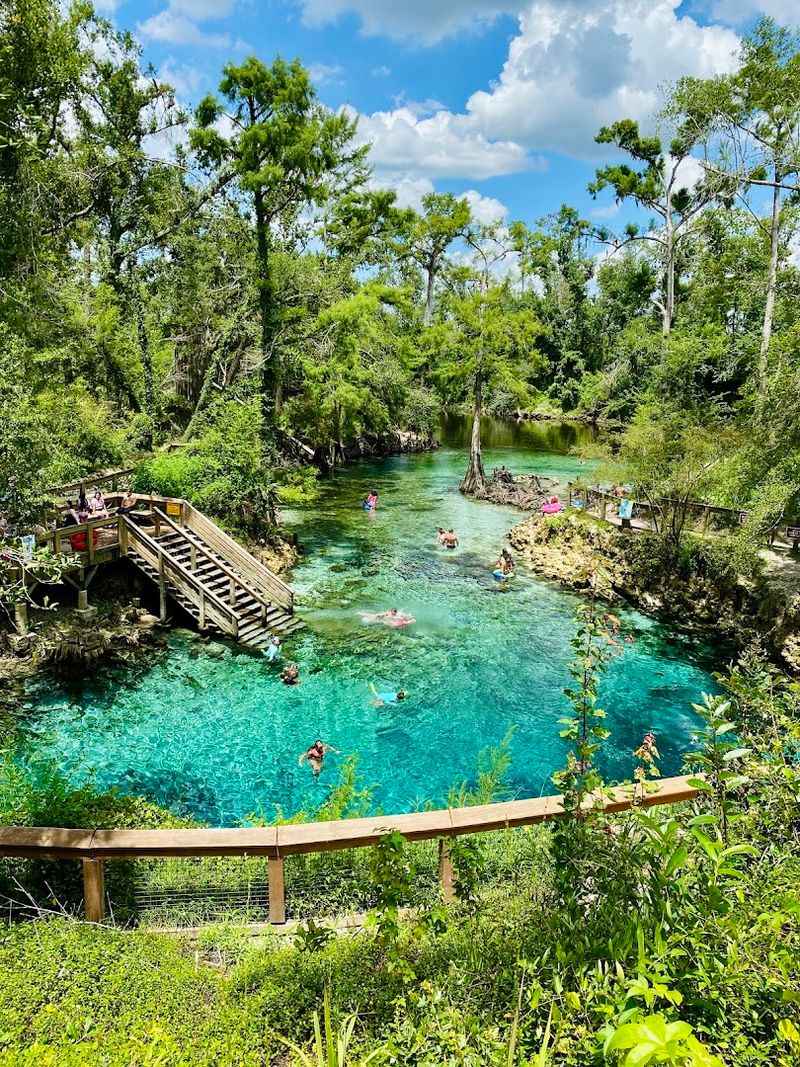
Way up in North Florida where the Panhandle meets the peninsula, this spring surprises first-time visitors with its intensity of color. The blue here looks almost artificial, like someone dumped food coloring in the water. But it’s completely natural, created by the spring’s depth and the way sunlight interacts with dissolved minerals.
Cave divers explore the underwater passages that extend hundreds of feet back into the limestone. Surface swimmers stick to the spring basin and the run leading to the Withlacoochee River. The short boardwalk trail offers views of both the spring and the surrounding hardwood forest.
This park sees fewer visitors than springs closer to major cities, which means you might have the place nearly to yourself on weekday mornings. The peaceful setting makes it perfect for anyone seeking a quieter spring experience away from the crowds.
Bring your snorkel gear to investigate the spring’s edges where fish congregate. The water stays clear enough to see straight to the bottom even in the deepest sections. Cypress knees poke up around the perimeter, creating interesting formations to explore.
Picnic areas overlook the spring, providing shaded spots to relax between swims. The park maintains clean facilities but keeps amenities minimal, preserving the natural atmosphere. No tube rentals are available onsite, though you can bring your own for floating down to the river.
The Withlacoochee River here flows dark with tannins, creating a dramatic contrast where it meets the spring run. Paddlers enjoy the mix of clear and dark water as they explore upstream and down. The remote location means you’ll encounter more wildlife than people during most visits.
6. Devil’s Den Prehistoric Spring – Williston
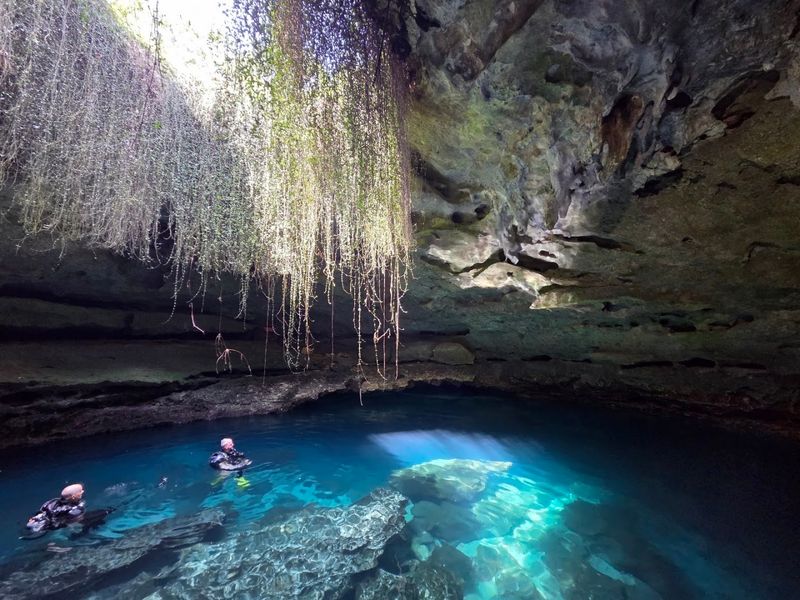
Step through a crack in the earth and descend into an underground chamber that feels like another world. This prehistoric spring sits inside a dry cave, with a pool of crystal-clear water illuminated by sunlight filtering through the opening above. It’s unlike any other swimming hole in Florida.
Fossils embedded in the limestone walls tell stories of ancient animals that roamed here thousands of years ago. The cave maintains a constant comfortable temperature, making it a year-round destination. Wooden platforms and stairs make access easy for swimmers and snorkelers of all ages.
Scuba certification opens up even more exploration opportunities. Divers descend into passages beneath the main pool, discovering rock formations and crystal-clear visibility that extends for dozens of feet. Even if you don’t dive, snorkeling at the surface reveals incredible underwater topography.
The privately-owned site offers camping facilities ranging from tent sites to cabins. Staying overnight means you can swim early in the morning before day visitors arrive, experiencing the cave in near silence. The water temperature holds steady around 72 degrees regardless of outside weather.
Photographers love the way light plays across the water and limestone walls. Bring an underwater camera to capture the unique perspective of looking up toward the opening from below the surface. The blue-green hues create stunning images.
Devil’s Den requires an admission fee and reservations for camping. Day passes sell out quickly during summer weekends, so book ahead. The intimate size of the cave means they limit the number of swimmers at any given time, ensuring everyone has space to enjoy this natural wonder.
Snorkel gear rentals are available if you don’t have your own. Even without equipment, swimming in this underground spring creates memories that last a lifetime.
7. Weeki Wachee Springs State Park – Spring Hill
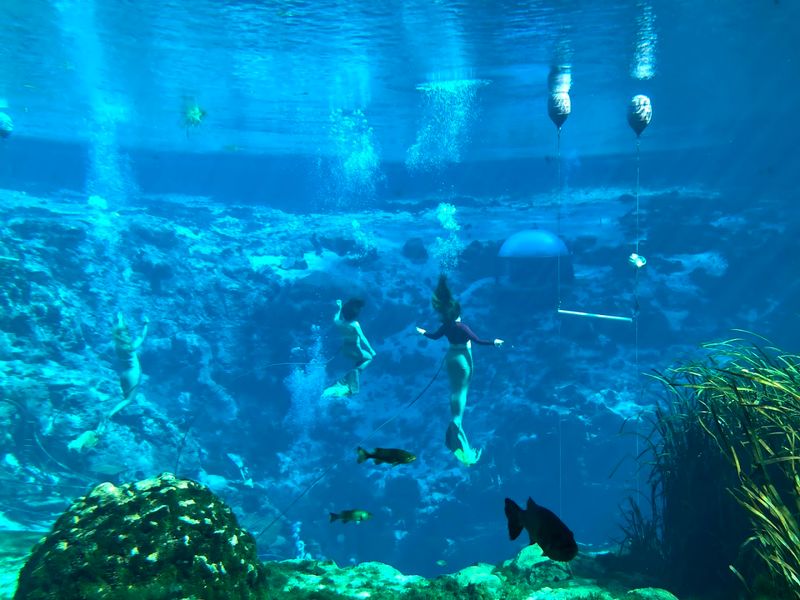
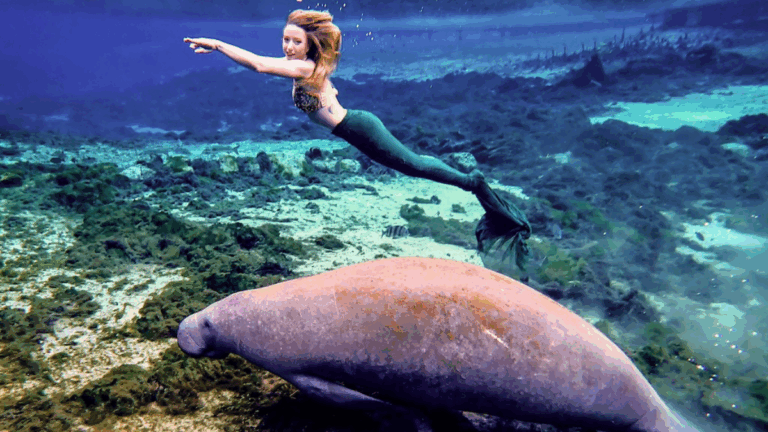
Famous for its live mermaid shows since 1947, this spring offers way more than just entertainment. The spring itself produces over 100 million gallons of fresh water daily, creating a river perfect for kayaking and observing wildlife. Yes, you can watch mermaids perform underwater ballet, but you can also paddle through some of the most pristine waterway in the state.
The spring head sits too deep for swimming, but the river downstream welcomes kayakers and paddleboarders. Crystal-clear water reveals every detail of the river bottom as you glide along. Manatees, turtles, and countless fish species call this river home.
Buccaneer Bay water park provides swimming opportunities if you want to get wet without paddling. The park combines natural spring water with water slides and a sandy beach area. It’s a nice compromise for families who want both nature and amenities.
Kayak rentals launch from the park, offering self-guided trips down the Weeki Wachee River. The five-mile paddle takes about two hours at a leisurely pace. You’ll wind through untouched wilderness where the only sounds come from birds and the occasional splash of a jumping fish.
The mermaid shows run multiple times daily during peak season. Performers swim in the spring itself, visible through underwater windows in the theater. It’s kitschy Florida tourism at its finest, but the spring’s natural beauty shines through regardless.
Arrive early on summer weekends as parking fills up quickly. The park offers more activities than most springs, making it a full-day destination. Pack a lunch and plan to explore both the river and the attractions.
Wildlife viewing opportunities increase during early morning or late afternoon paddles. The river supports a healthy ecosystem thanks to the constant flow of clean spring water.
8. Blue Spring State Park – Orange City
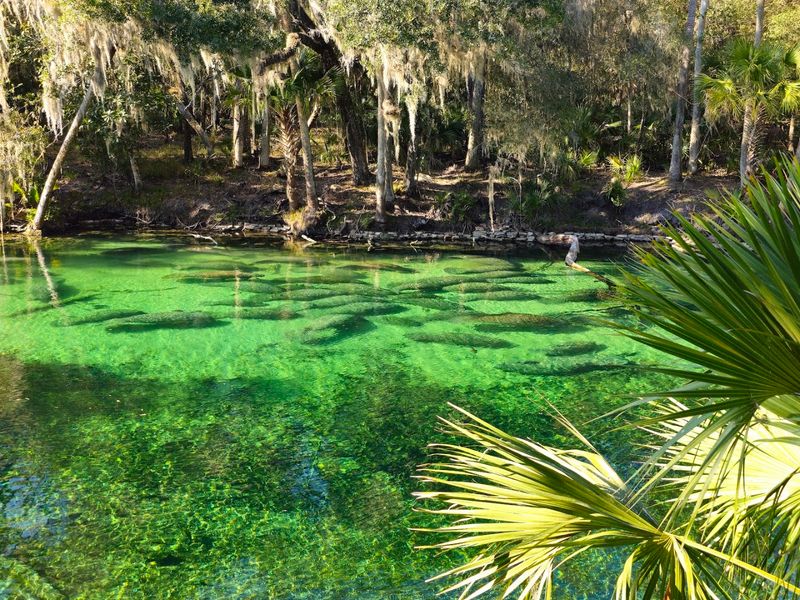
Winter transforms this spring into manatee central. Hundreds of these gentle giants crowd into the warm water when temperatures drop, seeking refuge from the cold St. Johns River. The boardwalk alongside the spring run puts you at eye level with manatees as they surface to breathe, creating unforgettable wildlife encounters.
Swimming is only allowed when manatees aren’t present, typically from late spring through early fall. The crystal-clear water makes for incredible snorkeling when the park opens it to swimmers. You’ll share the spring with fish, turtles, and the occasional alligator sunning on the opposite bank.
The spring pumps out over 100 million gallons daily, maintaining that perfect 72-degree temperature. On hot summer days, the cool water provides instant relief. The spring run extends for about half a mile before joining the St. Johns River, creating a beautiful corridor of clear water through the forest.
Camping facilities make this a popular weekend destination. Rent a canoe or kayak to explore the St. Johns River beyond the spring. The river’s dark tannin-stained water contrasts dramatically with the spring’s clarity where they meet.
During manatee season (roughly November through March), swimming is prohibited to protect the animals. But viewing from the boardwalk offers even better opportunities to observe these magnificent creatures. Rangers provide educational talks about manatee conservation and answer questions from visitors.
The park includes several miles of hiking trails through pine flatwoods and along the river. Ancient live oaks draped in Spanish moss create shaded picnic areas. It’s one of the more developed spring parks, offering amenities while preserving the natural setting.
Photography opportunities abound, especially during manatee season when you can capture these endangered animals in their natural habitat.
9. Rock Springs Run at Kelly Park – Apopka
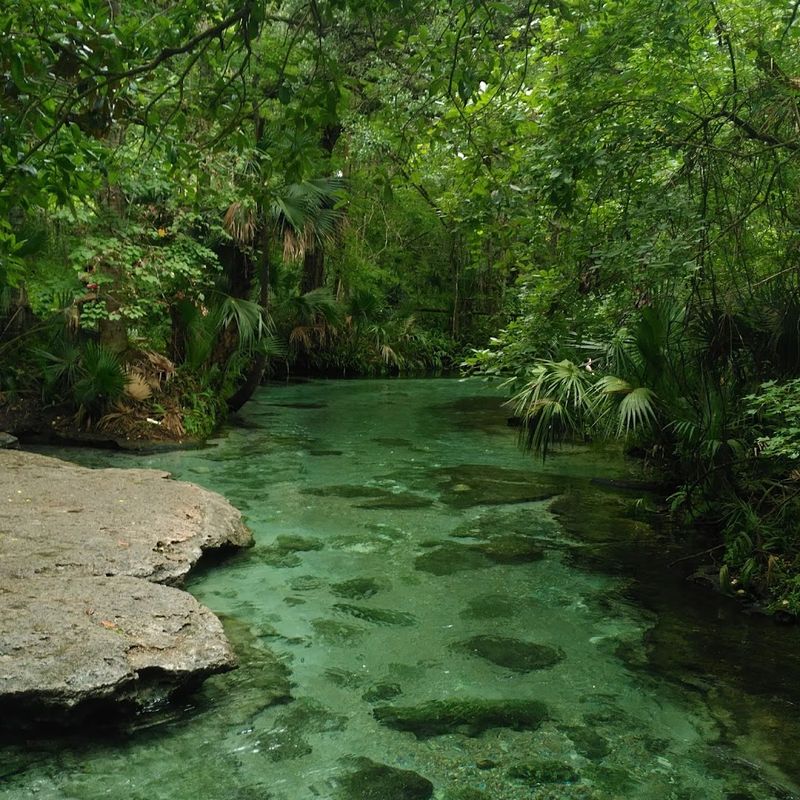
Just outside Orlando, this local favorite offers a lazy river experience without the theme park price tag. The spring feeds a crystal-clear run perfect for tubing through natural Florida landscape. Unlike some springs where you float to a distant takeout, this run loops back near the start, making multiple runs easy.
The spring itself bubbles up at 26,000 gallons per minute, creating a constant flow downstream. Rent tubes at the park or bring your own for the gentle float. The run winds through overhanging vegetation, creating a shaded tunnel effect that keeps you cool even on the hottest days.
Swimming is allowed in designated areas near the spring head. The water stays shallow enough for kids to touch bottom in most spots, making it family-friendly. Visibility remains excellent, letting you watch fish and turtles going about their business below.
Kelly Park gets packed on summer weekends with locals who know this hidden gem. The park limits daily attendance, so arriving early is crucial if you want guaranteed entry. Once inside, you’ll find picnic pavilions, grills, and plenty of shaded areas to claim as home base.
The tubing run takes about 20 minutes from start to finish, depending on water levels and how often you stop to swim. Most visitors make multiple trips down, perfecting their route and discovering favorite spots along the way. The current moves steadily without any scary rapids or obstacles.
No alcohol is permitted, keeping the atmosphere family-oriented. Lifeguards patrol the swimming areas during peak season. The park enforces rules about proper swim attire and requires life jackets for young children on tubes.
Weekday visits offer a completely different experience with smaller crowds and a more relaxed pace. The spring’s proximity to Orlando makes it perfect for a quick nature escape without driving hours.
10. Alexander Springs Recreation Area – Altoona
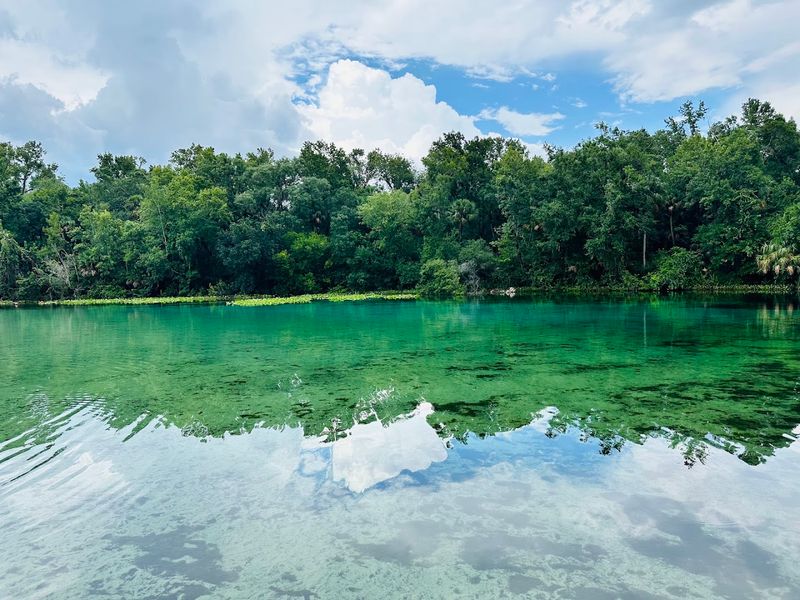
Deep in the Ocala National Forest, this spring creates a massive pool that looks like nature’s own swimming complex. The sandy-bottomed basin stretches wide enough to accommodate crowds without feeling cramped. Palm trees and pines ring the spring, creating a tropical atmosphere in the middle of the forest.
The spring run flows for several miles through the national forest before joining the St. Johns River. Rent a canoe for a peaceful paddle through wilderness where you’re more likely to see wildlife than other people. The clear water reveals every detail of the sandy bottom and aquatic plants swaying in the current.
Camping and cabin rentals make this an ideal basecamp for exploring the Ocala National Forest. The spring stays open year-round, though summer brings the biggest crowds. Fall and winter visits offer cooler temperatures and the chance to have the spring nearly to yourself.
Snorkeling here reveals an active ecosystem. Fish patrol the spring’s edges while turtles bask on logs in the sun. The spring vent creates fascinating patterns in the sand as water boils up from underground.
Bring an underwater camera to capture the clarity.
The beach area provides easy entry for swimmers of all abilities. Lifeguards staff the swimming zone during summer months. Picnic areas with grills let you make a full day of your visit without leaving for meals.
Hiking and biking trails extend throughout the national forest surrounding the spring. After your swim, explore the backcountry on foot or rent a bike to cover more ground. The forest offers a different perspective on Florida beyond the springs.
Day-use fees are reasonable, and the facilities stay well-maintained despite the remote location. This spring sees fewer visitors than those closer to major cities, preserving a sense of discovery when you arrive.
11. Juniper Springs Recreation Area – Silver Springs
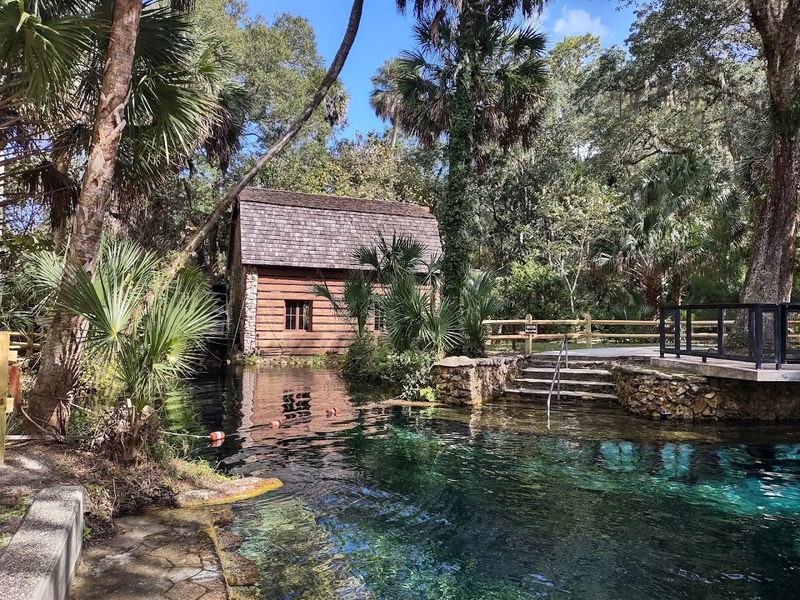
Possibly the most beautiful spring in Florida, Juniper glows with an emerald-green hue that seems almost unreal. The subtropical jungle surrounding the spring creates an atmosphere unlike anywhere else in the state. Ancient stone walls built by the Civilian Conservation Corps in the 1930s add historic character to the natural setting.
The spring pool itself is relatively small, but the run extends for several miles through pristine wilderness. Rent a canoe for the paddle downstream—it’s considered one of the best canoe runs in Florida. The narrow waterway winds through dense vegetation where you’ll spot birds, turtles, and possibly even black bears along the shore.
Swimming is allowed in the spring pool, where the water stays refreshingly cool year-round. The depth drops quickly from the edges, so confident swimmers enjoy this spot most. Snorkeling reveals underwater vegetation and fish adapted to the spring’s unique conditions.
The historic bathhouse and mill house add charm to your visit. These Depression-era structures were built to last and still serve visitors nearly a century later. Picnic areas nestle under massive live oaks draped with Spanish moss.
Juniper Springs sits deep in the Ocala National Forest, making it a true escape from civilization. Cell service is spotty at best, encouraging visitors to disconnect and immerse themselves in nature. The drive in takes you through some of Florida’s most scenic forest roads.
Canoe rentals book up quickly on weekends, so reservations are recommended. The paddle downstream takes about two hours, with a shuttle bringing you and your canoe back to the start. It’s a workout but worth every paddle stroke for the scenery alone.
Camping facilities nearby let you extend your visit into a weekend adventure exploring multiple springs and forest trails in the area.
12. Manatee Springs State Park – Chiefland
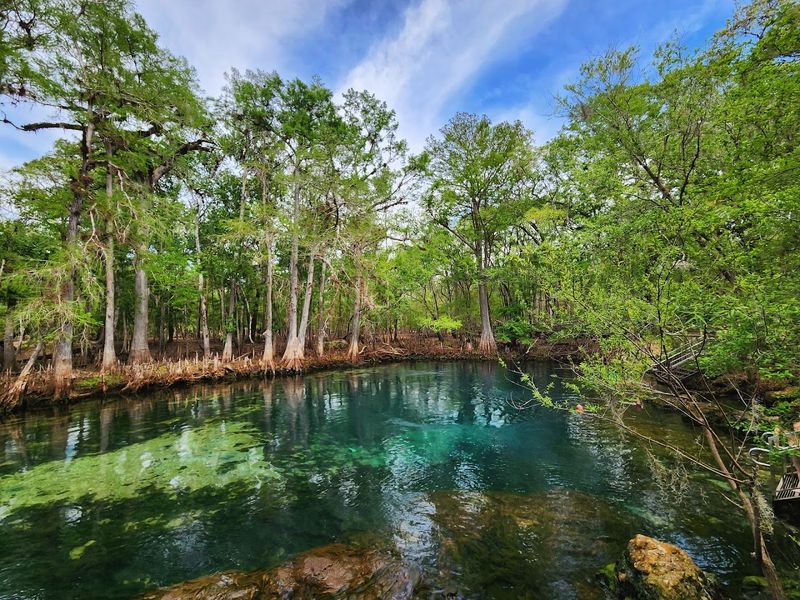
Where the spring run meets the mighty Suwannee River, you’ll find one of North Florida’s most impressive first-magnitude springs. Over 100 million gallons of crystal-clear water pour from the spring daily, creating a dramatic contrast with the tannin-dark Suwannee. Swimming is allowed in the spring and along the run, though manatees take priority when they visit during cooler months.
The boardwalk along the spring run provides excellent wildlife viewing even if you don’t get in the water. Turtles stack up on every available log, fish patrol the shallows, and wading birds hunt for their next meal. During winter, manatees congregate in the warm spring water, and swimming restrictions protect these endangered animals.
Camping facilities range from tent sites to full RV hookups. The park’s location on the Suwannee makes it popular with paddlers exploring Florida’s most famous river. Rent a kayak to venture upstream or down, discovering the river’s wild character beyond the spring.
The spring basin offers plenty of room for swimmers when it’s open. The water clarity lets you see straight to the bottom in the deepest sections. Snorkelers discover a thriving ecosystem of fish, turtles, and aquatic plants adapted to the spring’s conditions.
Several miles of hiking trails wind through the park, offering chances to spot deer, wild turkeys, and countless bird species. The trails connect to the larger nature coast trail system for more adventurous hikers. Bring binoculars for better wildlife viewing.
Summer weekends bring crowds, but the large swimming area prevents overcrowding. Weekday visits or off-season trips offer more solitude. The park’s natural beauty shines through regardless of when you visit, making it a worthy destination any time of year.