More Than 700 Vendors Make This Massive Florida Flea Market a Bargain Hunter’s Dream
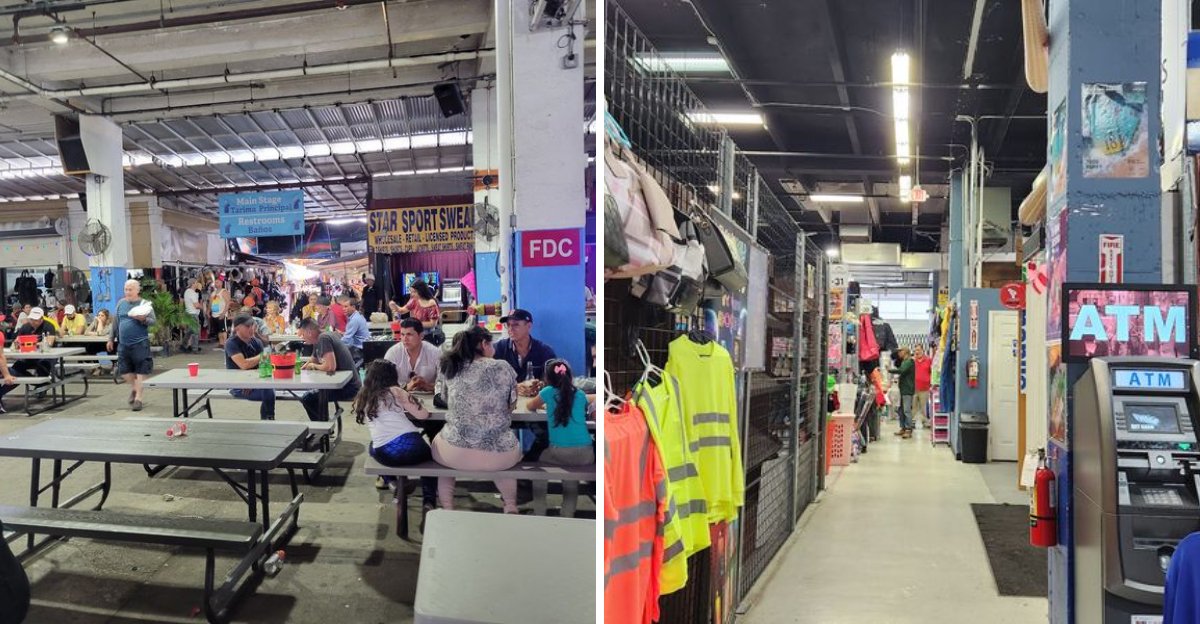
Bargain hunters could easily lose track of time inside Opa Locka Indoor Flea Market, a sprawling shopping destination in Opa-locka where hundreds of vendors create the feeling of an enormous year-round treasure hunt. With more than 700 vendors associated with the market, the sheer variety is a major reason shoppers keep exploring aisle after aisle. Unlike a traditional outdoor flea market that depends heavily on good weather, this indoor setup makes browsing much easier during Florida’s hottest and rainiest days.
Once inside, visitors encounter a colorful mix of merchandise ranging from clothing and shoes to jewelry, accessories, electronics, household items, beauty products, toys, and unexpected finds. Part of the fun is never knowing what the next vendor might have. One section may be packed with fashion and accessories, while another offers practical everyday goods or unusual items you didn’t know you wanted until you spotted them.
Prices and inventory can vary from stall to stall, adding to the classic flea-market experience of searching for a particularly good deal. The atmosphere is busy, casual, and distinctly different from shopping at a polished mall. Independent vendors fill the market with personality, and the enormous selection encourages visitors to take their time rather than rush through with a strict shopping list.
For travelers who enjoy markets as much as traditional attractions, Opa Locka Indoor Flea Market offers an interesting glimpse at another side of South Florida shopping. Come prepared to browse, compare prices, and wander—you may arrive looking for one bargain and leave carrying several discoveries you never expected to find.
Designer Labels at Discount Prices
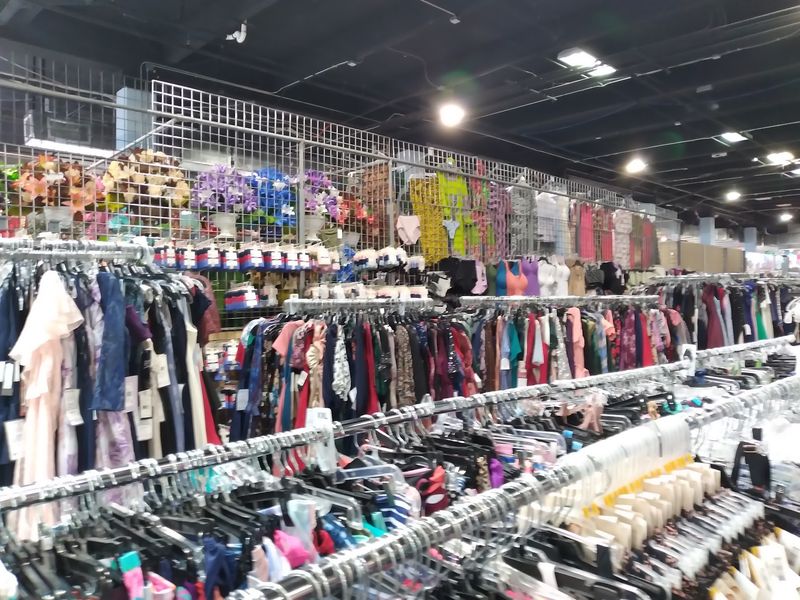
Walking through the clothing section feels like stumbling into a secret outlet store where the prices got slashed by mistake. Shoppers regularly spot pieces from Macy’s, Nordstrom, and other department stores selling for a fraction of their original tags. One visitor couldn’t believe finding high-end brands at prices that made her do a double-take at the receipt.
The clothing vendors know their stuff and keep inventory rotating constantly. You might find a blazer one week and a completely different selection the next time you visit. Smart shoppers come prepared to dig through racks because the best finds often hide behind less exciting pieces.
Sizes run the full spectrum, which makes this spot refreshingly inclusive compared to typical discount stores. From petite to plus-size options, the variety means almost everyone walks away with something that fits. The key is patience and a willingness to hunt through multiple stalls.
Don’t expect pristine department store organization here. Clothes hang somewhat haphazardly, and you’ll need to search through crowded racks. But that’s part of the thrill for bargain hunters who treat shopping like a treasure hunt rather than a chore.
Weekday visits tend to offer better browsing conditions with fewer crowds blocking the aisles. Vendors also seem more willing to negotiate prices when business is slower. Bringing cash can sometimes unlock even better deals since many sellers prefer avoiding card transaction fees.
The real magic happens when you combine multiple vendor stops into one shopping trip. One rack might have the perfect top while another stall three rows over has jeans that match perfectly. By the time you finish exploring all the clothing sections, you’ve essentially shopped an entire mall without the mall prices or attitude.
Lingerie and Undergarment Heaven
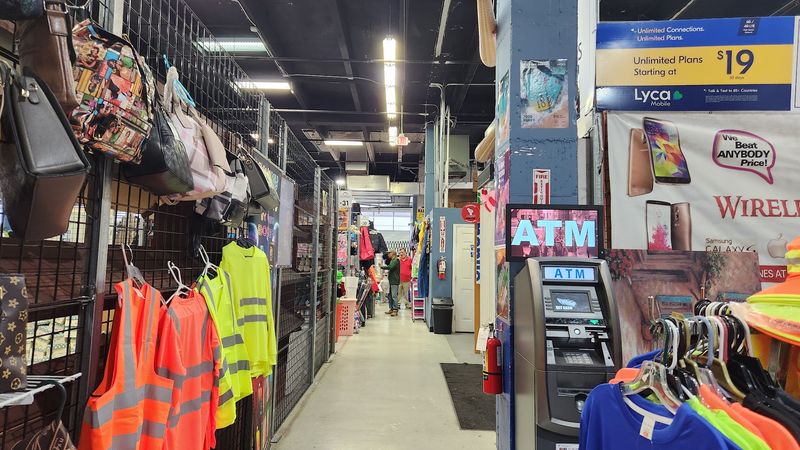
Forget awkward department store fitting rooms with judgmental mirrors. The undergarment section at this flea market has earned cult status among locals who know where to find quality bras without the boutique markup. Vendors stock an impressive range of sizes that puts many specialty stores to shame.
Multiple shoppers have raved about the selection, particularly praising how vendors help customers find the right fit despite occasional language barriers. The staff genuinely wants you to leave happy, which creates a surprisingly comfortable shopping experience for something as personal as undergarments. You can try things on and get honest feedback without feeling rushed.
Prices make this section especially attractive for anyone tired of spending forty dollars on a single bra. Here you’ll find comparable quality at a fraction of typical retail costs. One visitor specifically mentioned loving the pricing structure, which makes stocking up on essentials actually affordable.
The variety extends beyond basic styles into specialty items that usually require ordering online or visiting expensive boutiques. Whether you need sports bras, nursing bras, or something fancy for a special occasion, chances are good you’ll find options here. Sizes that typically sell out quickly at regular stores often remain in stock longer.
Shopping for undergarments at a flea market might sound unconventional, but the quality and selection make converts out of skeptics. Vendors understand their niche and stock accordingly, paying attention to what customers actually want rather than following corporate buying trends. That customer-focused approach shows in the repeat business they generate.
Plan to spend some time in this section because rushing through means missing great finds. The layout encourages browsing, and vendors happily answer questions about fit, fabric, and care instructions. This personal attention combined with unbeatable prices explains why people drive from across Miami-Dade County specifically for this department.
Fresh Food and Produce Galore
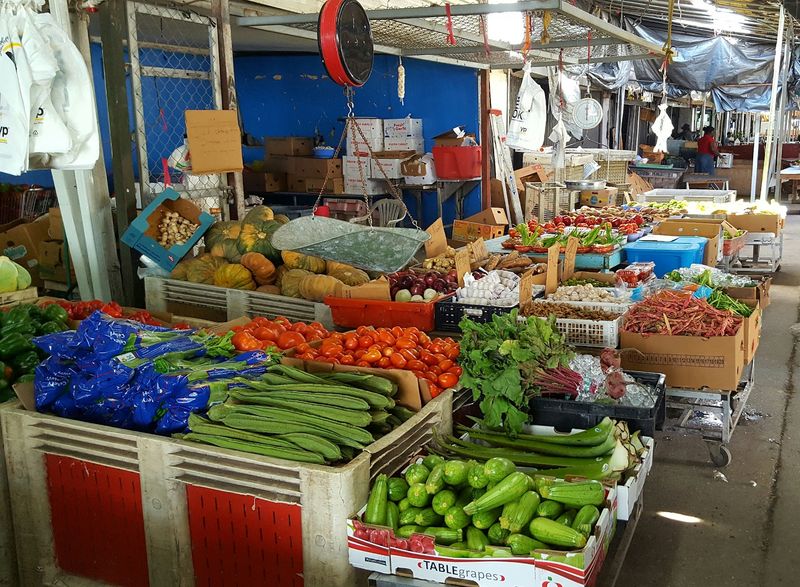
The produce section rivals any farmer’s market with tropical fruits and vegetables you won’t find at your average supermarket. Vendors bring in goods from all over, creating a mini international grocery experience tucked inside the flea market complex. Fresh coconut water gets mentioned repeatedly in reviews, with vendors often cracking coconuts right in front of customers.
Beyond standard grocery items, you’ll discover specialty ingredients used in Caribbean and Latin American cooking. These hard-to-find items usually require trips to multiple ethnic markets, but here they’re all in one convenient location. Prices undercut typical grocery stores while offering fresher options since turnover happens quickly.
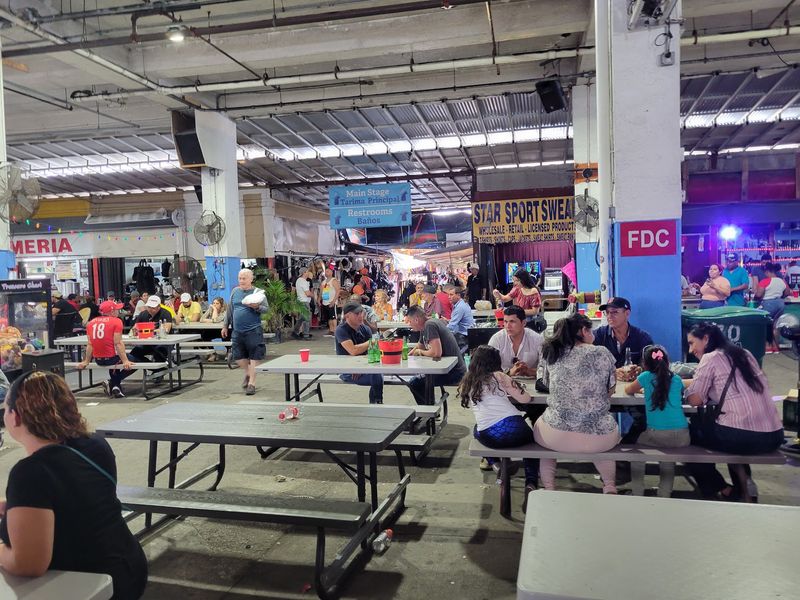
The food vendor situation extends beyond raw ingredients into ready-to-eat options that smell amazing as you walk past. Roasted corn, prepared meals, and snacks from various cultures create a food court atmosphere without the chain restaurant blandness. Visitors often mention the yummy food as a highlight of their shopping trips.
Quality varies by vendor like anywhere else, so regulars know which stalls consistently deliver the best produce. Building relationships with specific vendors can lead to insider tips about when certain items come in or which fruits are at peak ripeness. That personal connection adds value beyond just the transaction.
Bringing your own bags makes sense since you’ll likely buy more than planned once you see the selection and prices. The produce stays fresh thanks to the indoor climate control in certain sections and quick inventory turnover. Nothing sits around long enough to get sad and wilted like at some discount grocers.
Weekends bring the fullest selection as vendors stock up knowing crowds will be heavier. However, weekday shoppers sometimes score better deals as vendors look to move inventory before the next shipment arrives. Either way, the produce section alone justifies the trip for anyone who enjoys cooking with fresh, diverse ingredients.
Exotic Birds and Pet Paradise
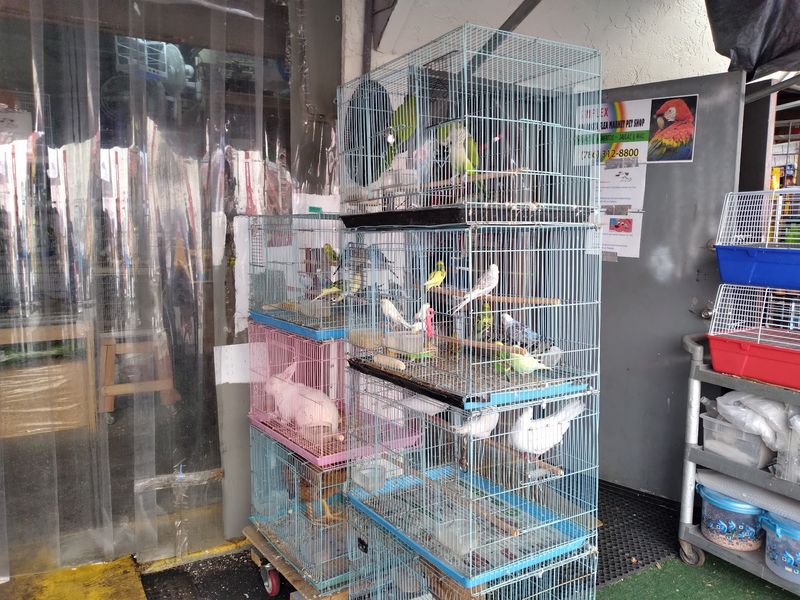
The pet section draws animal lovers and curious browsers alike with displays of tropical birds that look like they flew straight out of a rainforest. Parrots, cockatiels, and more exotic species fill this area with color and sound. Some visitors come specifically to see the birds even if they’re not planning to buy.
Beyond birds, you’ll find rabbits, fish, and occasionally more unusual pets that make this section feel like a mini zoo. The variety impresses first-time visitors who didn’t expect such an extensive animal marketplace inside a flea market. One reviewer mentioned seeing baby Rhea birds, which are ostrich-like creatures rarely found in typical pet stores.
However, this section generates mixed feelings among visitors. Some reviews express concern about animal welfare, noting that conditions don’t always meet ideal standards. Cages sometimes appear small, and questions arise about proper care and the origin of some exotic species.
These concerns are worth considering if animal welfare matters to you.
Despite controversies, the pet section remains popular with families and bird enthusiasts. Prices typically run lower than pet stores, which attracts budget-conscious animal lovers. Vendors often provide care advice and supplies, creating a one-stop shop for new pet owners.
The selection changes regularly as animals sell and new stock arrives. Serious buyers should visit multiple times to see the full range of what’s available. Building rapport with vendors can lead to better information about upcoming arrivals and care requirements.
Anyone considering purchasing a pet here should research proper care requirements beforehand and inspect the animal’s health carefully. Ask vendors about health guarantees, diet recommendations, and return policies. Responsible vendors will answer questions thoroughly and show genuine concern for their animals’ welfare beyond just making a sale.
Tools and Work Equipment Central
Contractors, DIY enthusiasts, and weekend warriors find serious value in the tool sections scattered throughout the market. Vendors stock everything from basic hand tools to specialized equipment that typically costs double at hardware stores. One reviewer specifically mentioned finding work boots alongside tools, making it easy to gear up completely in one stop.
The selection rivals dedicated tool stores with both new and gently used equipment available. Experienced shoppers know to inspect items carefully and test anything with moving parts before buying. Most vendors allow reasonable inspection and will demonstrate tools if asked.
Prices create the main draw here, with savings that add up quickly when outfitting a workshop or replacing worn equipment. Professional contractors sometimes stock up on backup tools at these prices rather than paying retail when something breaks on a job site. The savings justify the drive even from farther parts of Miami-Dade County.
Beyond standard hammers and wrenches, you’ll discover specialized tools for specific trades that rarely show up at big-box stores. Vendors often have professional backgrounds themselves and can offer advice about which tools work best for particular jobs. That expertise adds value beyond the purchase price.
Negotiating is expected in this section, especially when buying multiple items. Vendors would rather make a bulk sale at slightly reduced prices than have inventory sitting around. Bringing cash strengthens your bargaining position since card processing fees cut into already-thin margins.
The tool sections tend to be male-dominated spaces, but female shoppers shouldn’t feel intimidated. Vendors treat serious buyers with respect regardless of gender, and many appreciate customers who ask intelligent questions about tool specifications and applications. Knowledge matters more than demographics when it comes to getting good deals and helpful advice.
Shoes and Work Boots for Every Need
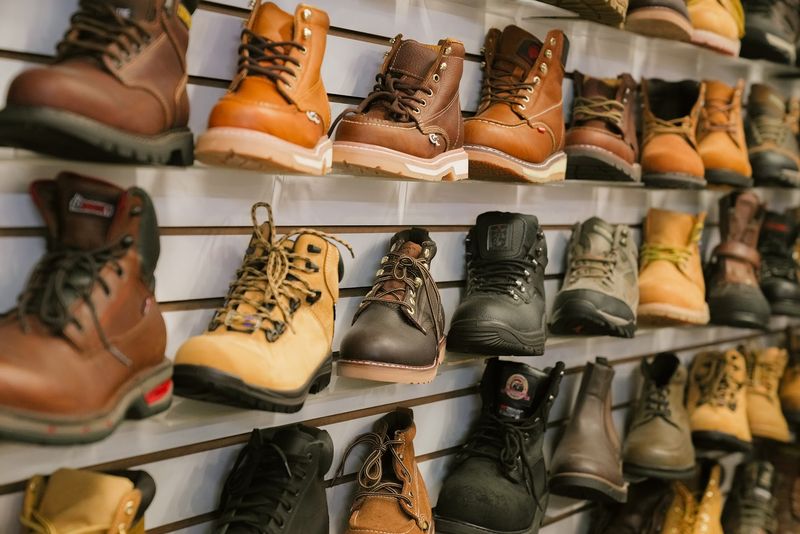
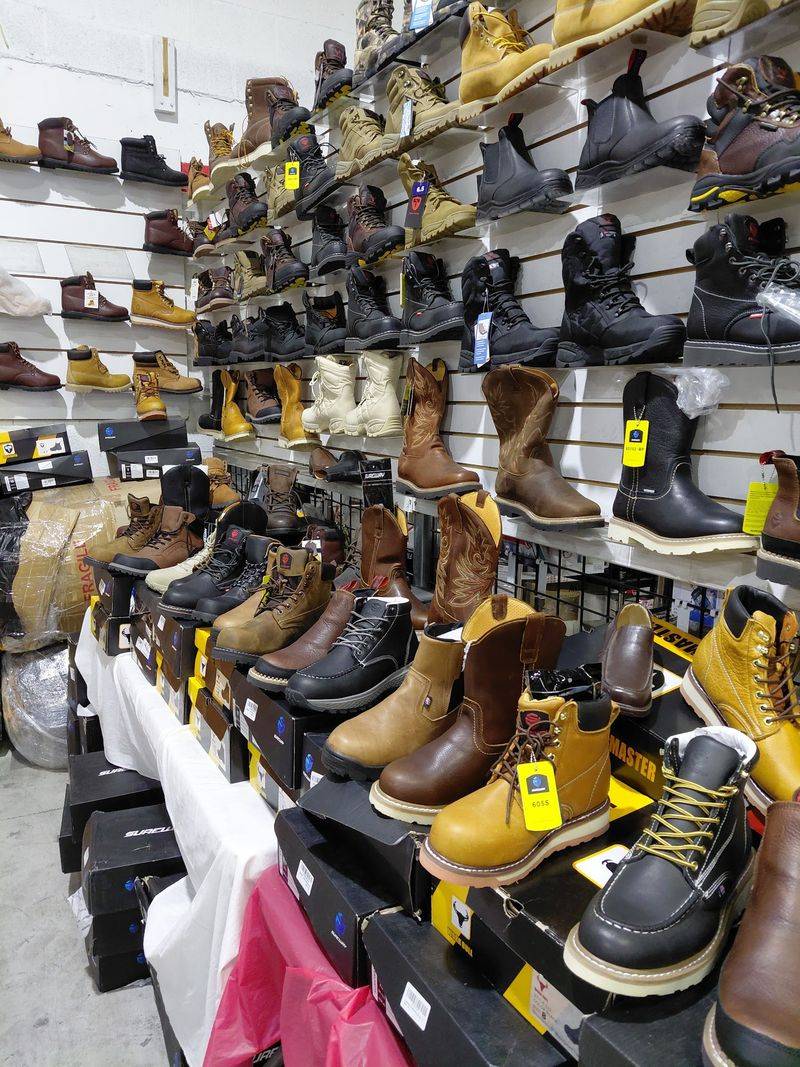
Footwear fanatics could spend hours browsing the impressive shoe selection that spans from work boots to dress shoes to athletic sneakers. Twenty different reviews mention shoes specifically, which tells you something about the variety and value available. Whether you need steel-toed boots for construction work or comfortable sneakers for daily wear, multiple vendors compete for your business.
Work boots particularly stand out as a category where savings become substantial. Quality boots that last through tough job site conditions normally cost over a hundred dollars, but here you’ll find comparable options at half that price. Construction workers and landscapers stock up, knowing they’ll wear through boots eventually and appreciating the affordable replacement options.
Athletic shoes from recognizable brands appear regularly, though selection varies by visit. Some shoppers have scored name-brand sneakers at prices that make you wonder if there’s a catch. The catch is simply that inventory comes from various sources including overstock, returns, and closeouts that vendors purchase in bulk.
Sizing runs the full spectrum with many vendors carrying extended sizes that disappear quickly from regular shoe stores. Kids’ shoes also feature prominently, which makes sense given how fast children outgrow footwear. Parents appreciate finding quality shoes without the markup that comes with mall shopping.
Try before you buy since return policies vary by vendor and might not be as flexible as retail stores. Most vendors keep chairs nearby and encourage customers to walk around in shoes before committing. This try-on policy helps ensure satisfaction and reduces buyer’s remorse.
The shoe sections get busy on weekends when working families have time to shop together. Weekday visits offer more elbow room and sometimes better negotiating opportunities. Vendors know their inventory and can often retrieve specific sizes from storage if what you want isn’t immediately visible on the display racks.
Furniture Finds and Home Goods
Furnishing an apartment or refreshing your home decor becomes surprisingly affordable when you know about the furniture sections at this market. Twenty reviews specifically mention furniture, indicating a substantial presence that goes beyond a few random pieces. Vendors offer everything from complete bedroom sets to individual accent pieces that add character to any room.
The mix of new and vintage items creates interesting browsing where you might find a brand-new couch next to a retro coffee table with serious style. Eclectic decorators love this variety because it allows mixing periods and styles without paying boutique prices. Even if you’re not buying, the furniture areas provide serious inspiration for home projects.
Prices vary dramatically based on condition, age, and vendor markup strategies. Negotiation is absolutely expected when buying furniture since vendors factor haggling into their initial prices. Bringing a truck or arranging delivery ahead of time shows you’re a serious buyer, which can help negotiations go smoother.
Quality ranges from particle board basics to solid wood pieces that will last decades with proper care. Inspect items carefully, checking joints, drawer slides, and upholstery condition before committing to a purchase. Vendors generally allow thorough inspection and understand that furniture represents a bigger investment than most flea market purchases.
Some vendors specialize in specific furniture categories like outdoor patio sets or children’s bedroom furniture. These specialists often provide better selection and knowledge in their niche compared to vendors who carry a little bit of everything. Building relationships with specialist vendors can lead to alerts when items matching your needs come in.
Delivery services exist but aren’t always included in the purchase price. Clarify delivery costs upfront to avoid surprises later. Some vendors offer delivery within certain radius zones while others expect buyers to handle their own transportation.
That trunk-or-truck decision matters when furniture shopping here.
Cell Phone Repair and Electronics
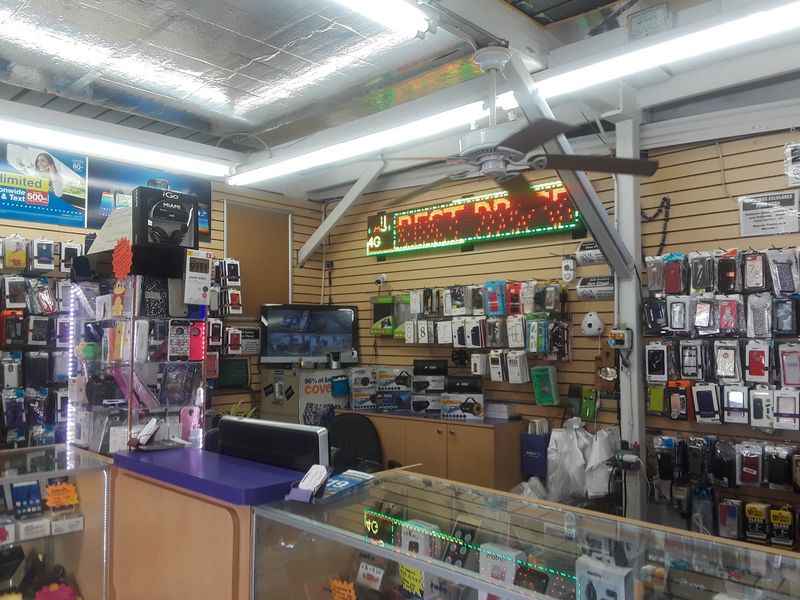
Cracked screens and charging port issues don’t require expensive carrier store visits when you know about the electronics repair vendors here. Several stalls specialize in smartphone repairs, offering services like screen replacements, battery swaps, and software troubleshooting at prices that won’t make you cry. Turnaround time often happens while you shop other areas of the market.
Beyond repairs, electronics vendors sell accessories like cases, chargers, and screen protectors at prices significantly below mall kiosks. The selection includes options for older phone models that big retailers stopped carrying years ago. This makes the market valuable for anyone holding onto a perfectly functional older device.
Quality of repair work varies by vendor, so asking around for recommendations makes sense before trusting someone with your device. Regular customers know which technicians do solid work and which ones to avoid. Some vendors even offer warranties on their repair work, which provides peace of mind worth asking about.
The electronics section extends beyond phones into tablets, laptops, and various gadgets that need fixing or upgrading. Technicians often have skills acquired through years of hands-on experience rather than formal training, but results matter more than credentials. Many can diagnose problems quickly and quote prices on the spot.
Pricing transparency varies, with some vendors clearly posting service costs while others prefer discussing prices individually. Don’t hesitate to ask for written estimates before authorizing work, especially for more expensive repairs. Comparing prices between vendors takes just a few minutes and could save significant money.
Parts quality represents another variable worth discussing. Some technicians use original manufacturer parts while others install compatible third-party components that cost less but might not match original specifications exactly. Understanding what you’re getting ensures the repair meets your expectations and budget requirements.
Climate-Controlled Indoor Comfort
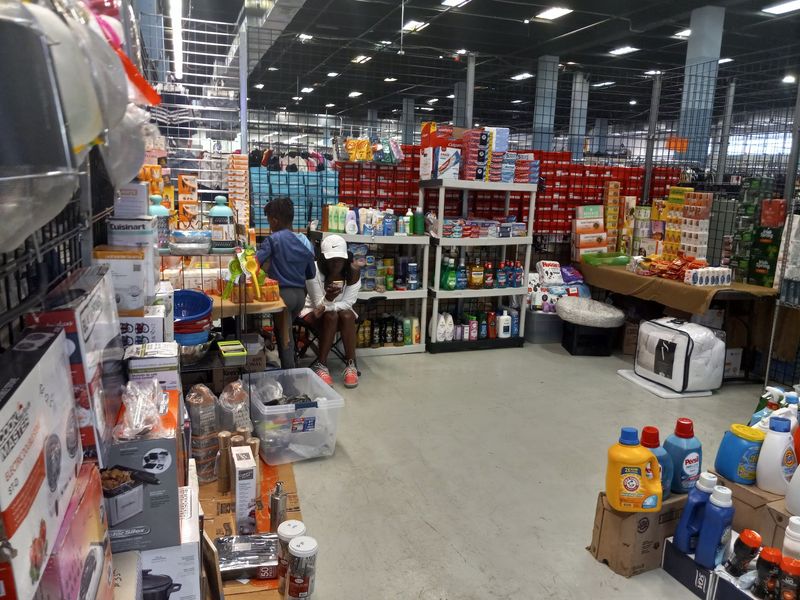
Florida heat can make outdoor shopping miserable, but the indoor sections here offer blessed air conditioning that keeps you comfortable while browsing. Multiple reviews specifically praise the climate control, which matters enormously when you’re planning to spend several hours exploring hundreds of vendors. The AC works hard and actually keeps things cool rather than just taking the edge off.
Clean restrooms in multiple locations add another comfort factor that outdoor markets can’t match. Reviewers consistently mention the bathroom situation, which tells you something about how rare decent facilities are at flea markets. Having accessible, maintained restrooms means you can shop longer without planning your day around bathroom availability.
The indoor layout protects merchandise and shoppers from sudden Florida rainstorms that pop up without warning. You won’t find yourself sprinting for cover or watching helplessly as your purchases get soaked. Vendors can display delicate items without weather worries, which means better selection in categories like electronics and paper goods.
Lighting inside stays bright and even, making it easier to inspect items carefully and see true colors. Good lighting matters especially when shopping for clothing, where fabric quality and color accuracy affect purchase decisions. The professional lighting setup beats dim outdoor market conditions hands down.
Accessibility improves dramatically in the indoor sections with smooth floors that accommodate wheelchairs and strollers easily. Parents with young children appreciate not wrestling strollers over uneven ground or through muddy patches after rain. The indoor environment simply makes shopping more pleasant for everyone regardless of mobility considerations.
The combination of climate control, good lighting, and proper facilities transforms the flea market experience from endurance test to enjoyable outing. You can focus on finding deals rather than fighting discomfort. That comfort factor keeps people browsing longer, which usually means buying more and feeling happier about the whole experience.
Ample Parking and Easy Access
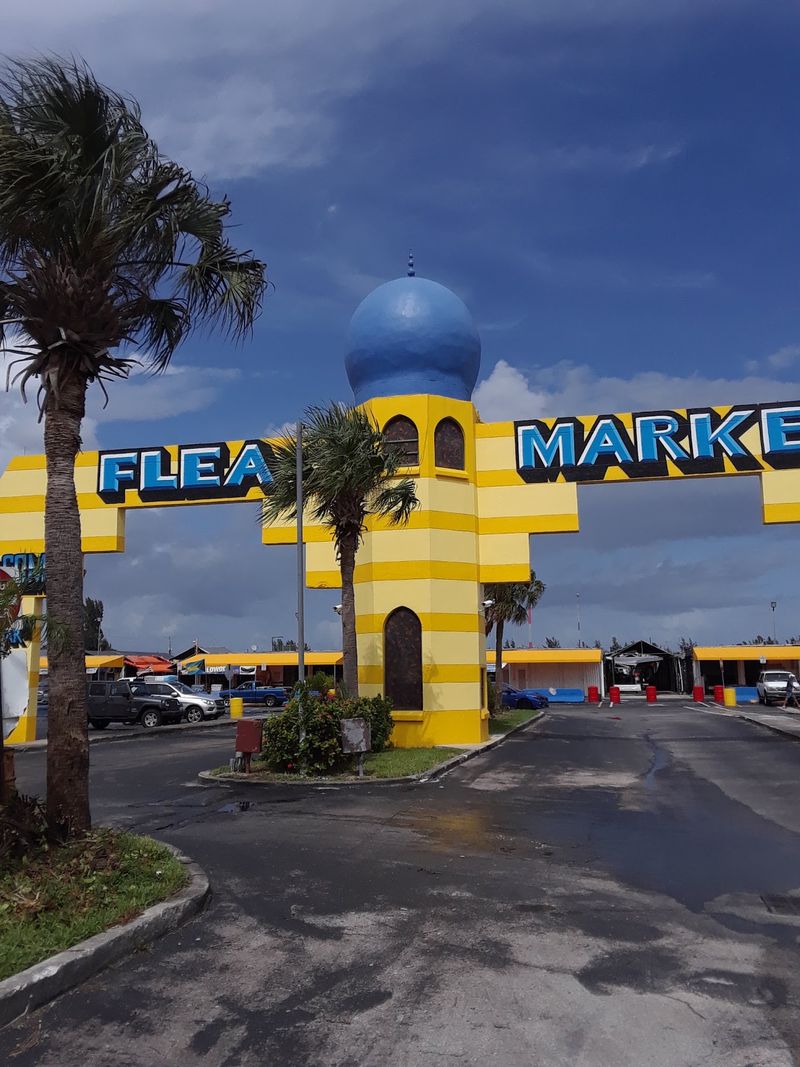
Nothing kills a shopping trip faster than circling forever looking for parking, but this market provides a giant lot that handles even weekend crowds. Reviews mention easy parking repeatedly, which matters more than people realize when choosing where to spend shopping time. The lot accommodates everything from compact cars to trucks hauling trailers for furniture purchases.
Security presence in the parking area provides peace of mind when you’re inside shopping for extended periods. Knowing someone’s keeping an eye on the lot means you can relax and focus on finding deals rather than worrying about your vehicle. That security justifies the small parking fee that helps maintain the facility.
Handicapped parking gets marked clearly and located conveniently near entrances. One reviewer specifically mentioned that handicapped placards mean free parking, which shows thoughtful accommodation for shoppers with mobility challenges. These small details demonstrate management that actually considers customer experience.
The parking layout makes sense with clear traffic flow that prevents the chaotic bottlenecks common at poorly planned markets. You can get in, find a spot, and start shopping without the frustration that sometimes accompanies popular shopping destinations. Easy exit access means leaving doesn’t involve sitting in gridlock either.
Space between parking rows allows opening doors fully without dinging neighboring vehicles. Trucks and SUVs fit comfortably without hanging into driving lanes. These practical considerations might seem minor until you’ve struggled with cramped parking lots where every door opening risks paint damage.
The parking situation alone gives this market an advantage over competitors where parking becomes a nightmare. Shoppers can arrive confident they’ll find a spot within reasonable walking distance of entrances. That confidence removes a barrier that sometimes keeps people from visiting markets during peak times when deals are often best.
Seven Days a Week Operation
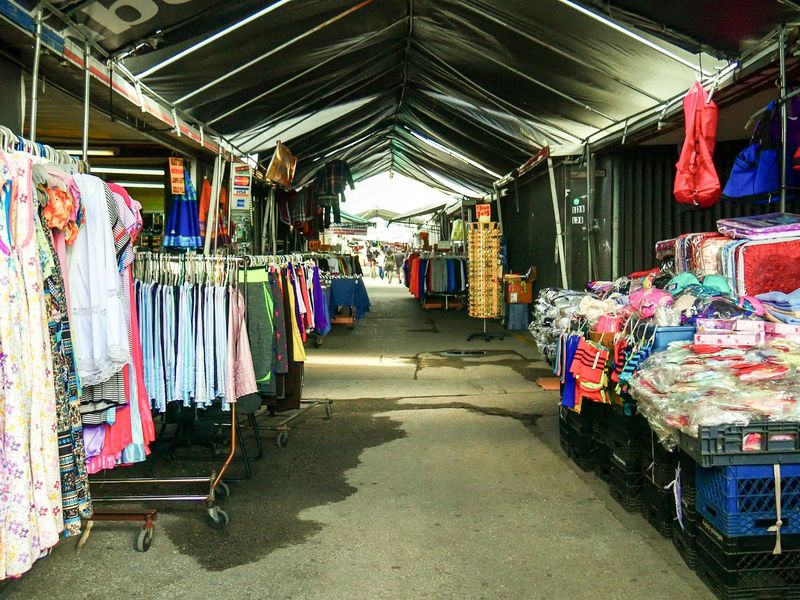
Most flea markets limit operations to weekends, but this place opens every single day from 9 AM to 6 PM. That daily schedule means you don’t have to rearrange your life around limited shopping windows. Weekday visits often provide the best experience with fewer crowds and more vendor attention.
The consistent hours make this market reliable for both shoppers and vendors who depend on steady traffic. Vendors can build real businesses rather than treating market sales as occasional side income. That stability shows in how seriously many vendors approach their stalls with professional displays and customer service.
Opening at 9 AM gives early birds first crack at fresh inventory and newly arrived items. Serious bargain hunters know that arriving when doors open means seeing merchandise before crowds pick through everything. However, arriving an hour before closing can also yield deals as some vendors prefer selling at discounts rather than packing items away.
The daily operation accommodates shift workers, retirees, tourists, and traditional nine-to-fivers who can stop by after work. This flexibility builds a diverse customer base that keeps things interesting. You’ll encounter people from all walks of life united by the love of a good deal.
Consistent hours also mean vendors can plan inventory and staffing reliably. They know which days bring heavy traffic and which tend slower, allowing them to optimize their operations. That professional approach benefits shoppers through better stocked stalls and more knowledgeable staff.
Extended hours from morning to evening accommodate different shopping styles. Some people prefer browsing leisurely all day while others want to pop in quickly for specific items. The nine-hour window gives everyone flexibility to shop on their own schedule without feeling rushed or missing out because they arrived at the wrong time.
Hidden Gems in the Back Sections
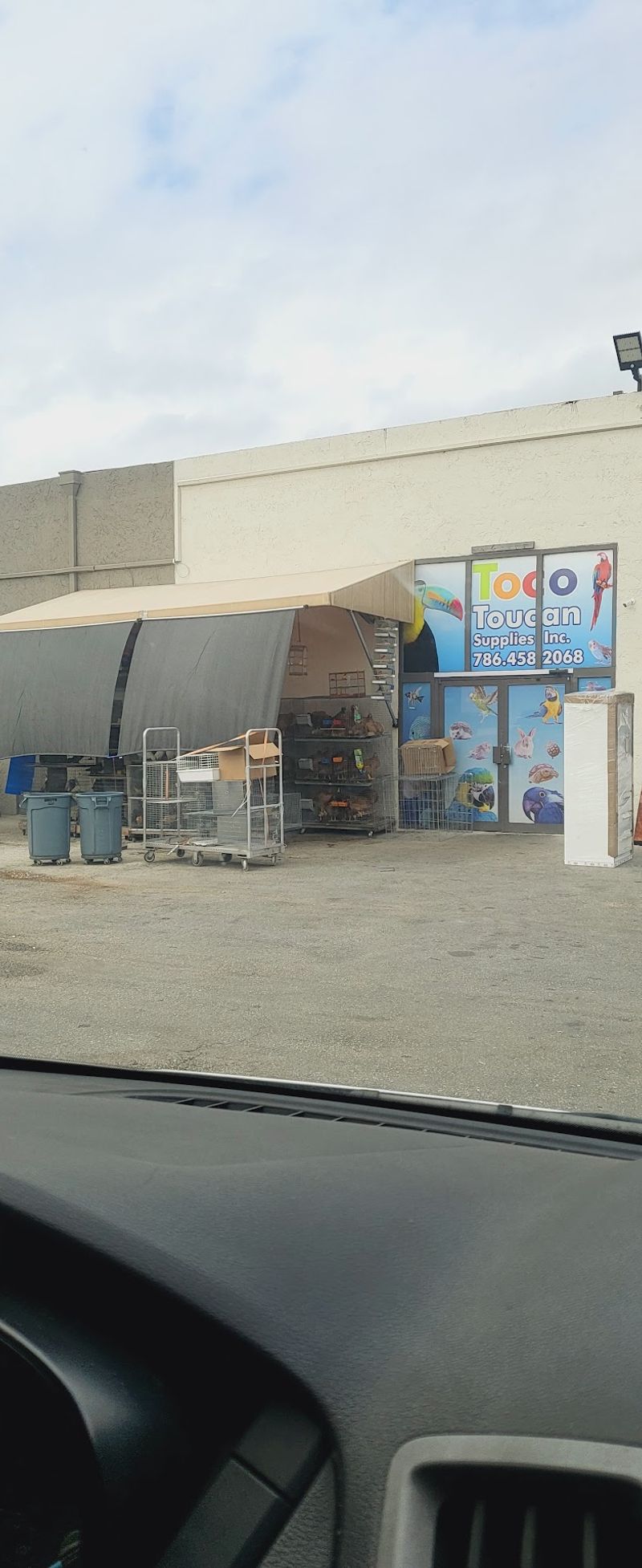
Here’s an insider tip that too many first-time visitors miss: the best stuff often hides in the back sections past the initial vendor rows. One helpful reviewer specifically mentioned that people make the mistake of staying in front without realizing more market exists behind the walls. Walking all the way back reveals entire additional sections with different merchandise categories.
The layout can confuse newcomers who assume the first areas they see represent the whole market. Vendors in back sections sometimes offer better deals since they work harder to attract shoppers who made it past the front stalls. That extra effort translates into more negotiable prices and unique inventory you won’t find duplicated up front.
Food vendors, animals, and furniture concentrate more heavily in certain back areas according to reviews. If you’re specifically shopping those categories, heading straight to the rear sections saves time wandering through unrelated merchandise. However, the journey through front sections often yields unexpected finds that make the walk worthwhile.
Asking vendors or staff about market layout prevents missing sections entirely. Most people working there genuinely want visitors to see everything and will happily provide directions to specific vendor types. That local knowledge beats wandering randomly hoping you’ll stumble across what you need.
The back sections tend to feel less crowded even on busy days since many shoppers never make it past the initial rows. This creates a more relaxed browsing environment where you can take time examining items without people constantly bumping past. Vendors in quieter sections often have more time for conversations about their products.
Exploring the full market requires commitment since the place truly is massive. Comfortable shoes become essential gear, not optional. Plan for at least a couple hours minimum if you want to see everything properly.
Rushing through means missing the hidden gems that make this market special compared to smaller, simpler alternatives.