Explore Florida’s Only Remaining Plantation Mansion At This Beautiful State Park
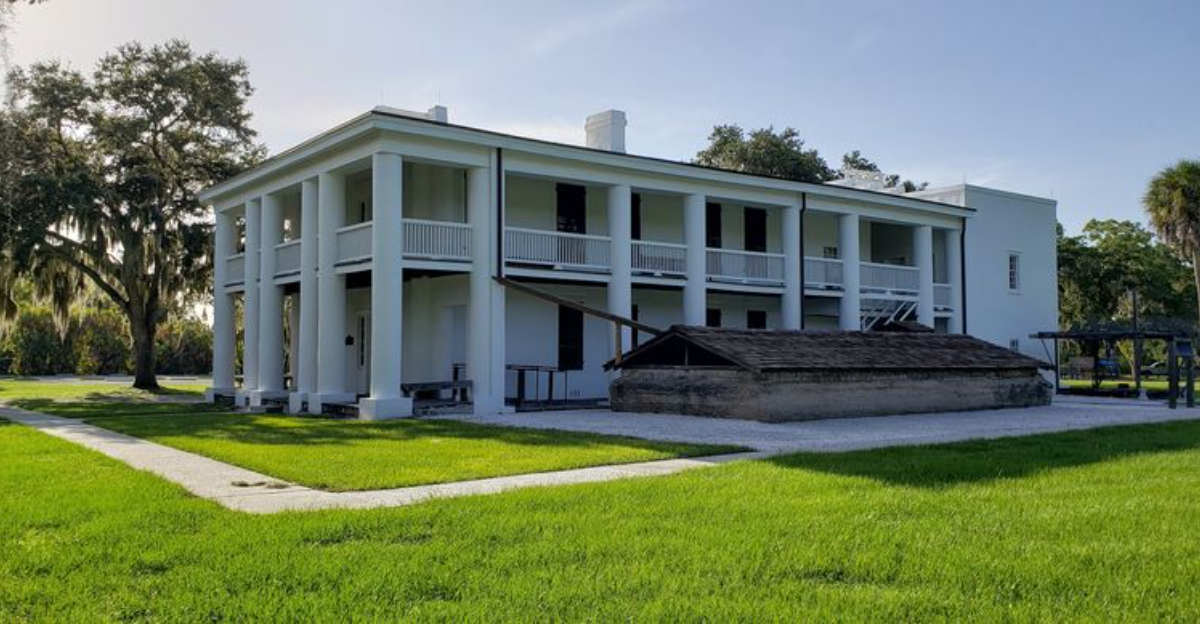
Standing tall in Ellenton since the 1840s, the Gamble Plantation mansion represents a rare piece of Florida history that somehow survived when all others disappeared. This antebellum home is the last of its kind in the entire state, offering visitors a chance to step back in time and experience what life looked like during a complicated era.
The surrounding park grounds provide peaceful walking paths, shaded picnic spots, and fascinating stories that connect Florida to national history in unexpected ways.
Florida’s Last Standing Plantation Mansion
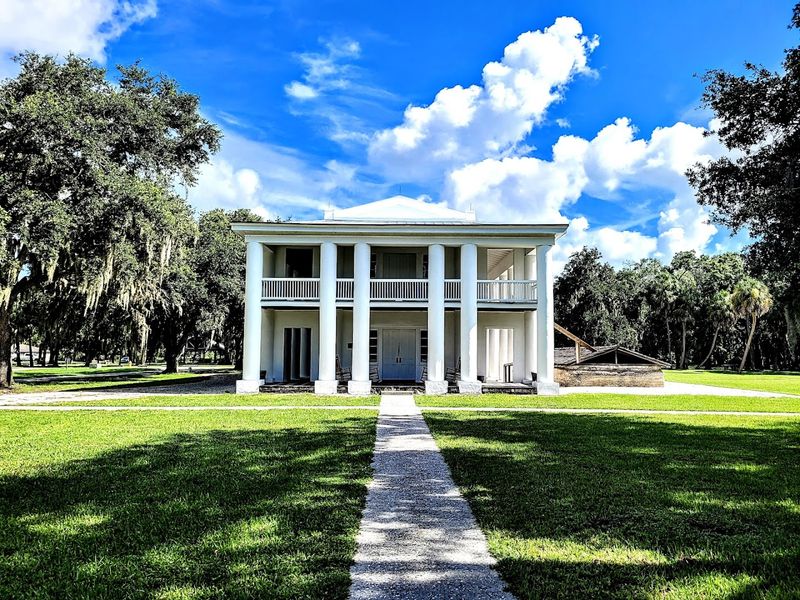
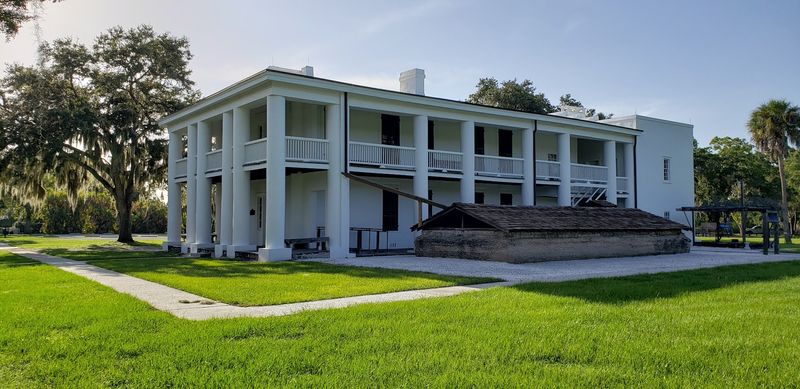
Walking up to this two-story mansion feels like crossing into another century. Built around 1845 by Major Robert Gamble, this structure used tabby construction—a mixture of oyster shells, lime, sand, and water—that proved tough enough to outlast hurricanes, fires, and 180 years of Florida weather.
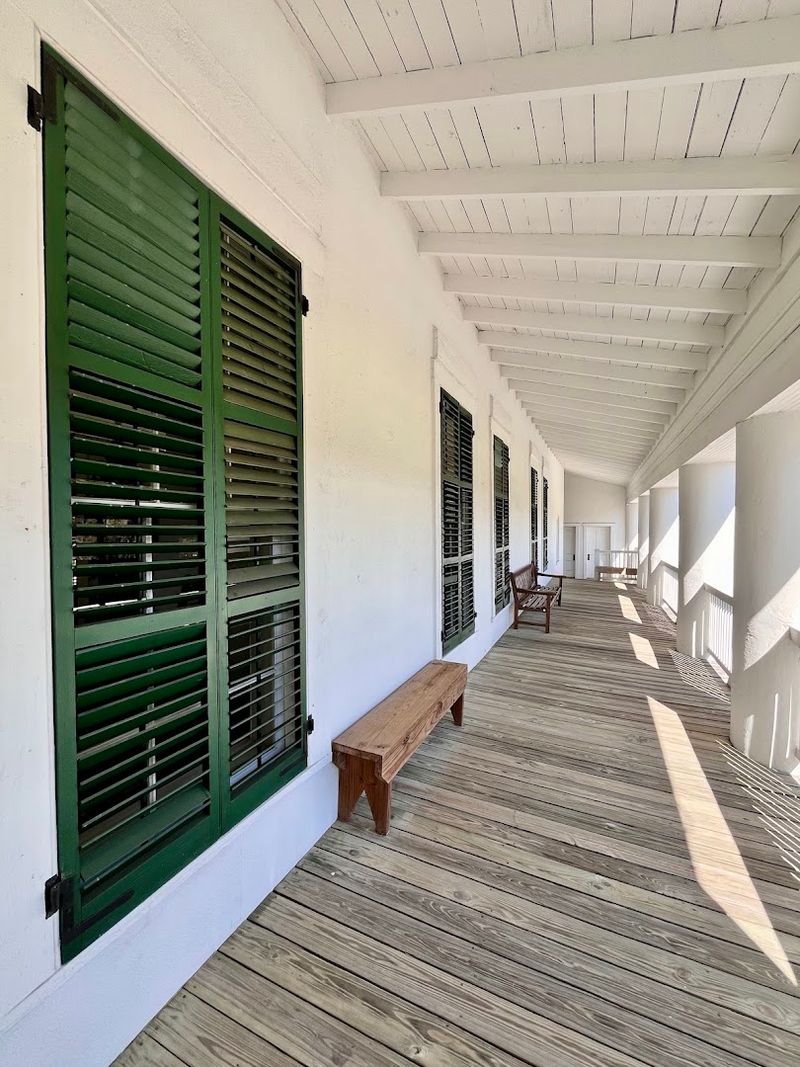
The architectural style screams Old South with its sweeping verandas, tall columns, and high ceilings designed to catch every breeze in the pre-air conditioning era.
What makes this place truly special isn’t just its age but its survival story. Every other plantation home in Florida either burned down, got demolished, or crumbled under the state’s harsh climate.
This one made it through purely because of how it was built and a bit of luck. The thick tabby walls kept it standing when wooden structures around it vanished.
Tour guides love explaining how those sky-high ceilings weren’t just for show. Heat rises, so rooms with twelve-foot ceilings stayed cooler than modern homes with eight-foot ones.
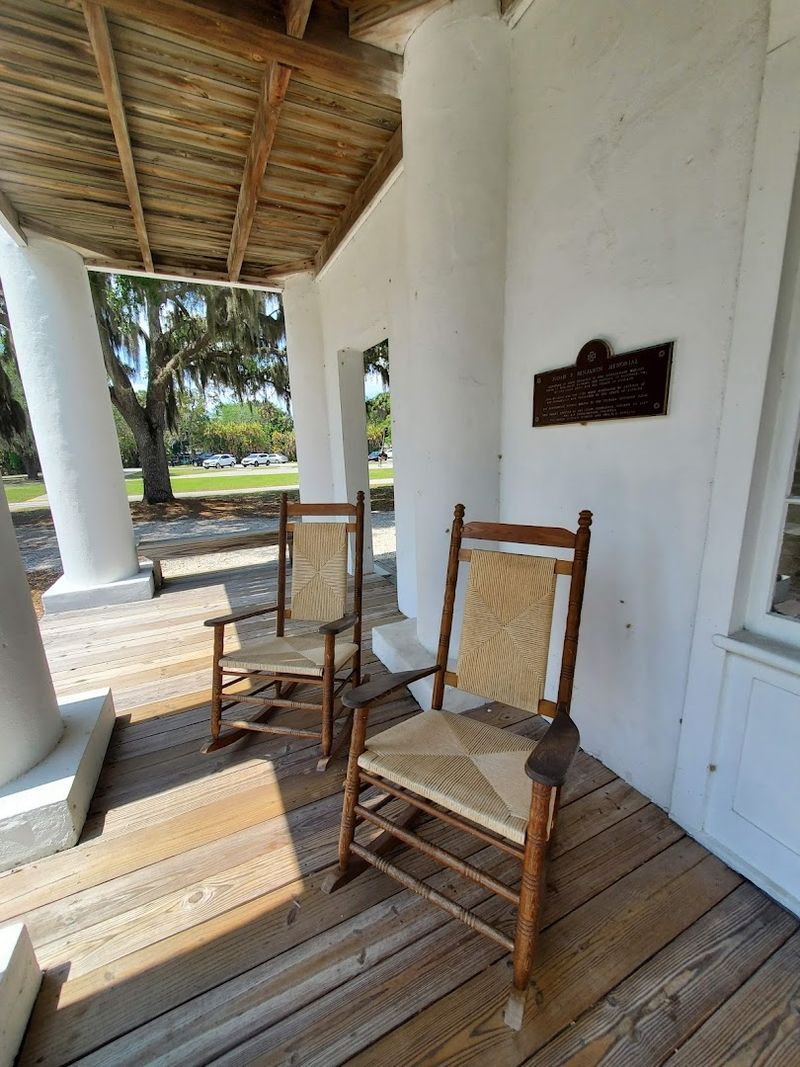
Windows positioned across from each other created cross-ventilation that actually worked. Even the wide porches served a purpose beyond looking pretty—they provided shade and outdoor living space during brutal summer months.
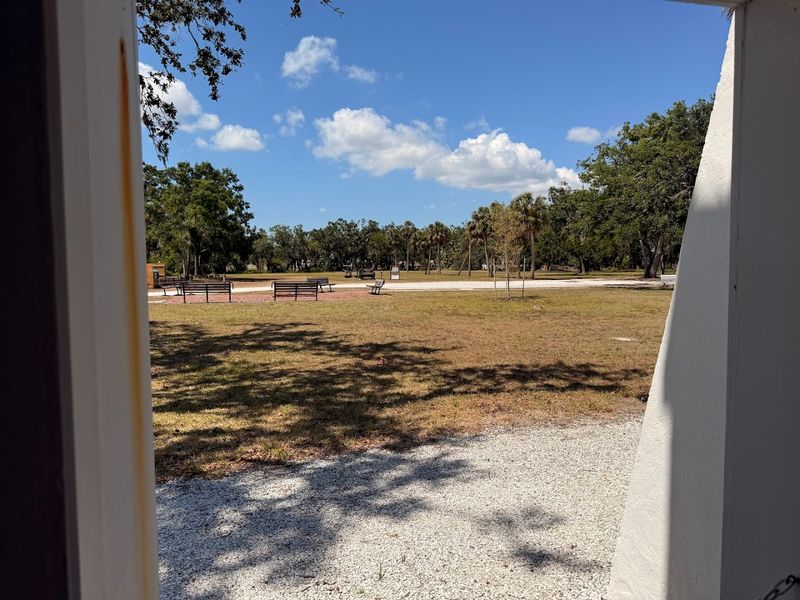
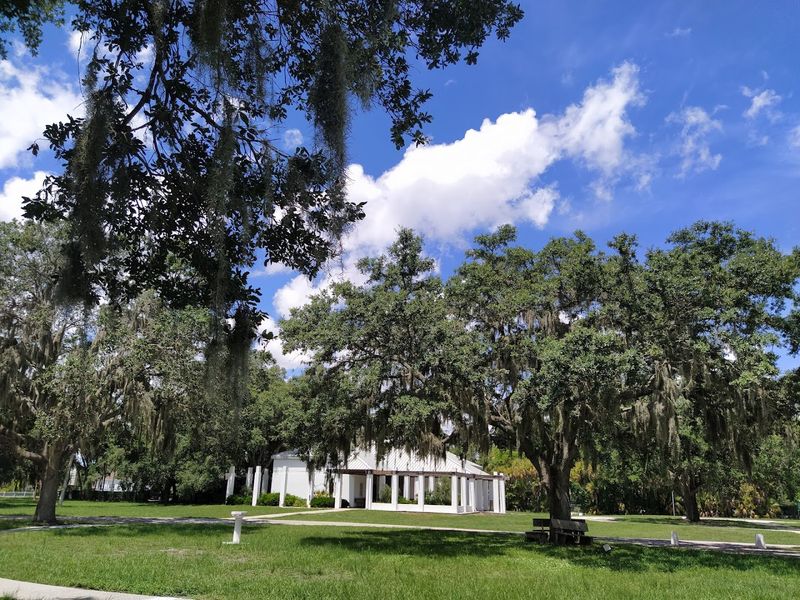
The mansion sits on beautifully maintained grounds that invite exploration before or after your tour. Massive oak trees draped with Spanish moss create natural shade, while the manicured lawn stretches out in every direction.
You can almost picture the original layout of outbuildings, gardens, and work areas that once surrounded the main house. Photography enthusiasts go nuts here because every angle offers something worth capturing.
Inside, period furnishings help visitors imagine daily life during the plantation era. While not all pieces are original to the Gamble family, they accurately represent the time period and social class.
Rangers share stories about construction techniques, family dynamics, and historical events that unfolded within these walls, making the tour educational without feeling like a boring lecture.
The Judah P. Benjamin Confederate Connection
Here’s where the story gets wild. After the Civil War ended in 1865, Confederate Secretary of State Judah P.
Benjamin needed to disappear fast. Union forces wanted to arrest him, and Florida became his escape route.
He hid out at the Gamble Plantation for several weeks before sneaking down to the coast and eventually making it to England.
Benjamin wasn’t just any Confederate official—he served as Secretary of War, Attorney General, and Secretary of State under Jefferson Davis. Some historians call him the “brains of the Confederacy,” which made him a high-value target when everything fell apart.
The mansion’s remote location and the Gamble family’s sympathies made it the perfect hideout spot during those desperate weeks.
The park’s full official name—Judah P. Benjamin Confederate Memorial at Gamble Plantation Historic State Park—reflects this connection.
A monument on the grounds honors the enslaved people who lived and worked here, adding necessary context to the complete story. Modern interpretations don’t shy away from the difficult parts of this history, acknowledging both the architectural significance and the human cost of the plantation system.
Tour guides share fascinating details about Benjamin’s escape route and his later life in England, where he became a successful barrister despite starting over at age 54. His story intertwines with international politics since Britain’s stance on the Confederacy played a huge role in the war’s outcome.
These connections to Queen Victoria’s England surprise visitors who expect a purely local history lesson.
The memorial aspect sparks important conversations about how we remember and interpret the past. Rangers handle these discussions thoughtfully, presenting facts while acknowledging different perspectives.
Visitors consistently mention appreciating the balanced approach that doesn’t glorify the Confederacy but doesn’t ignore the historical significance either. It’s history presented straight, letting people form their own conclusions while understanding the full context of what happened here.
Guided Tours That Bring History Alive
Forget boring museum experiences where you shuffle past roped-off rooms reading tiny plaques. Tours here run about 45 minutes to an hour and feel more like storytelling sessions than lectures.
Rangers and guides who lead these tours genuinely love their jobs, and it shows in how they present information. They’ve mastered the art of making 1840s Florida interesting to modern audiences.
George, Jesse, and other guides mentioned in reviews have developed reputations for memorable tours. They don’t just recite dates and names—they explain where common phrases like “don’t throw the baby out with the bathwater” and “pop goes the weasel” originated.
These little tangents make the experience stick in your memory long after you leave. Kids who normally zone out during history lessons actually pay attention when guides share these quirky details.
Tours typically run a few times daily, though schedules vary by season and day of the week. The mansion stays closed Tuesdays and Wednesdays, so plan accordingly.
Showing up during tour times matters because you can’t explore the interior on your own—guided tours are mandatory for mansion access. The $6 admission fee is ridiculously reasonable considering what you get, though remember to bring cash for tipping your guide.
Small group sizes create an intimate atmosphere where you can actually ask questions without holding up fifty people. Some lucky visitors arrive when they’re the only ones there and score a private tour.
Rangers adjust their presentations based on group composition, going deeper into architectural details with adults while keeping things lighter and more interactive when kids are present.
The no-touch policy exists for good reason—preserving these furnishings and the house itself requires careful management. While this might disappoint very young children who want to explore hands-on, most families find the tour engaging enough to hold attention spans.
Guides demonstrate patience with questions and genuine enthusiasm for even the hundredth time explaining something, which keeps the experience fresh rather than feeling like a scripted performance.
Museum and Visitor Center Exhibits
Before stepping into the mansion, smart visitors hit the museum at the park entrance. This small but well-curated space sets the stage for everything you’re about to see.
Exhibits cover the Seminole Wars, sugar plantation operations, and the broader context of antebellum Florida that helps you understand why this place mattered economically and politically.
The displays don’t sugarcoat the reality of plantation life. You’ll find information about the 160 enslaved people who did the brutal work that made the Gamble family wealthy.
Their names are memorialized on the grounds, giving recognition to people who typically got erased from historical narratives. This honest approach adds depth that purely architectural tours often miss.
Artifacts, photographs, and interpretive panels walk you through the sugar production process that drove the plantation’s economy. Growing, harvesting, and processing sugar cane required enormous labor under Florida’s punishing heat.
The museum explains the economics that made slavery seem profitable to plantation owners while showing the human cost of that system. It’s educational content that respects both historical accuracy and human dignity.
Spending twenty minutes in the museum before your tour transforms the experience. You’ll catch references and understand context that might otherwise fly over your head.
Guides appreciate when visitors arrive informed because it allows for deeper discussions rather than covering absolute basics. The museum also provides air conditioning, which feels amazing on hot Florida days before you venture back outside.
Interactive elements and visual displays keep things interesting for various learning styles. You’re not just reading walls of text—there are objects to examine and images that illustrate what life looked like.
Temporary exhibits sometimes rotate through, offering return visitors something new even if they’ve toured before. The staff clearly put thought into making this space informative without being overwhelming, striking a balance that works for casual tourists and serious history buffs alike.
Beautifully Maintained Grounds and Walking Paths
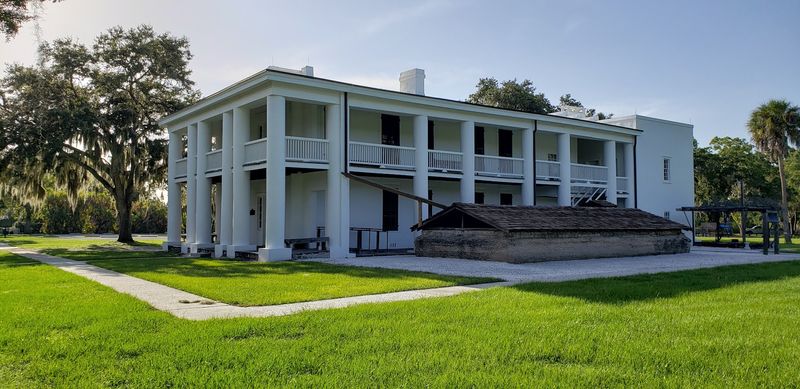
The mansion gets top billing, but the surrounding property deserves equal attention. Sprawling lawns maintained to golf course standards stretch out from the main house, punctuated by massive live oaks that have witnessed nearly two centuries of Florida history.
Spanish moss drapes from branches like natural curtains, creating that quintessential Old Florida atmosphere you see in paintings but rarely experience in person anymore.
Walking paths loop around the property, letting you explore at whatever pace suits you. Some visitors power through in thirty minutes while others spend hours photographing, picnicking, or just sitting under shade trees.
The grounds stay open during park hours even when the mansion is closed for tours, making this a flexible destination that works for spontaneous stops or planned visits.
Covered picnic areas with tables provide perfect lunch spots for families packing their own food. Several reviews mention bringing picnic baskets and making a whole afternoon of it, combining the educational tour with outdoor relaxation.
The setting feels peaceful rather than crowded, even on busier weekends. You’re not fighting for space or dealing with theme park chaos.
Photographers love this place because every season offers different lighting and colors. Spring brings blooming flowers, summer delivers intense green growth, fall provides softer light, and winter showcases the evergreen landscape that makes Florida special.
Wedding photographers particularly favor the grounds for portraits—that classic Southern mansion backdrop with natural beauty surrounding it creates images that look expensive without requiring tropical resort prices.
The park’s maintenance crew clearly takes pride in their work. Grass stays trimmed, paths remain clear, and the overall presentation shows respect for the site’s historical importance.
This attention to detail enhances rather than distracts from the experience, letting you focus on the history and architecture without dodging overgrown weeds or navigating neglected areas. It’s the kind of care that turns a good park into a great one worth recommending to others.
Practical Visitor Information and Accessibility
Getting here is straightforward—the park sits right on US-301 in Ellenton at 3710 US-301, with plenty of free parking that handles even busy days without overflow issues. No entrance fee exists for the grounds, though mansion tours cost $6 per person.
This makes it budget-friendly for families or anyone watching their wallet while still wanting quality educational experiences.
Operating hours run Thursday through Monday from 8 AM to 5 PM, with closures on Tuesdays and Wednesdays. Tour schedules vary, so calling ahead at 941-723-4536 or checking the official Florida State Parks website prevents wasted trips.
Some visitors have mentioned confusion about posted hours versus actual availability, making that phone call worth the two minutes it takes.
The park’s location between Tampa and Sarasota makes it an easy addition to Gulf Coast road trips. You’re not driving hours out of your way to reach some remote historical site—it’s positioned where you might already be traveling.
Interstate 75 runs nearby, so access from major routes takes minimal time. This convenience factor explains why many visitors describe stopping here as a pleasant break from highway monotony.
Accessibility considerations matter for planning purposes. The grounds themselves are relatively flat and manageable for most mobility levels, though touring the mansion interior involves stairs without elevator alternatives.
Families with strollers can explore outside areas easily but might need to take turns if one parent wants the house tour while another stays with very young children.
Amenities stay basic but functional—restrooms, parking, picnic tables, and the visitor center cover essential needs without fancy extras. You won’t find gift shops full of souvenirs or food vendors, so bring your own snacks and drinks.
This stripped-down approach keeps admission costs low while focusing resources on maintaining the historical site itself. The lack of commercial development actually enhances the experience, letting you imagine the past without modern distractions breaking the spell.
It’s refreshingly uncommercialized compared to many Florida attractions that feel like outdoor shopping malls with history as an afterthought.
Why This Park Matters for Florida History
Florida’s rapid development over the past century erased most physical evidence of its plantation past. Hurricanes, fires, and bulldozers eliminated the architectural record, leaving historians with documents but few actual buildings to study.
The Gamble Plantation stands as the lone survivor, making it irreplaceable for understanding this chapter of state history. You can’t rebuild authenticity once it’s gone.
This site connects Florida to larger national narratives about the Civil War, slavery, agriculture, and Southern identity. The Judah P.
Benjamin story links this remote Florida location to international politics involving Britain and the Confederacy. Sugar production here tied into Caribbean trade networks and global commodity markets.
What seems like a local attraction actually illustrates how Florida participated in much bigger historical movements.
Educational value extends beyond school field trips, though plenty of those happen here. Adults consistently mention learning things they never knew about Florida history, even lifelong residents who thought they understood their state.
The plantation system’s economics, the Seminole Wars’ impact on settlement patterns, and architectural adaptations to Florida’s climate all come into focus through exploring this site.
Preservation efforts require ongoing work and funding to maintain both the physical structure and the quality of interpretation. Florida State Parks manages the property, balancing public access with conservation needs.
Every visitor admission helps fund these efforts, making your $6 tour fee an investment in keeping this history available for future generations. Supporting places like this through visits and donations ensures they survive another 180 years.
The park also serves as a community resource beyond tourism. Local events like the twice-yearly car shows mentioned in reviews bring people together around the shared space.
School programs provide hands-on history education that beats textbooks for engagement. Photography permits allow professionals and amateurs to use the grounds for creative projects.
These multiple uses demonstrate how historical sites can remain living, active places rather than dusty museums frozen in time, connecting past and present in ways that keep history relevant and accessible to everyone.