This Scenic 8-Mile Florida Trail Leads Straight To A Ghost Town Time Forgot
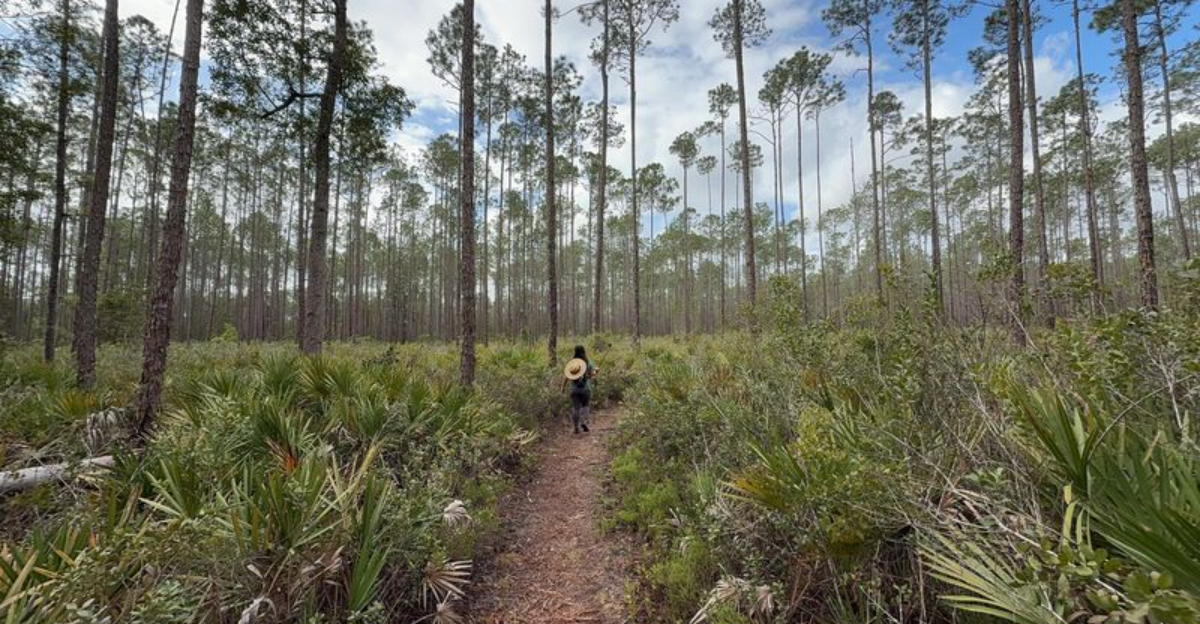
Deep in the heart of DeLand, a mysterious 8-mile loop trail winds through wild Florida forests and leads hikers to the forgotten remains of St. Francis, a ghost town swallowed by time and nature. The St. Francis Yellow Trail offers adventurers a chance to step back into history while exploring diverse ecosystems along the St. Johns River. This isn’t your typical paved park path—it’s a genuine wilderness experience where wooden boardwalks cross wetlands, towering tree canopies provide natural shade, and the remnants of a once-thriving settlement wait at the journey’s end.
1. Planning Your Journey to a Forgotten Settlement
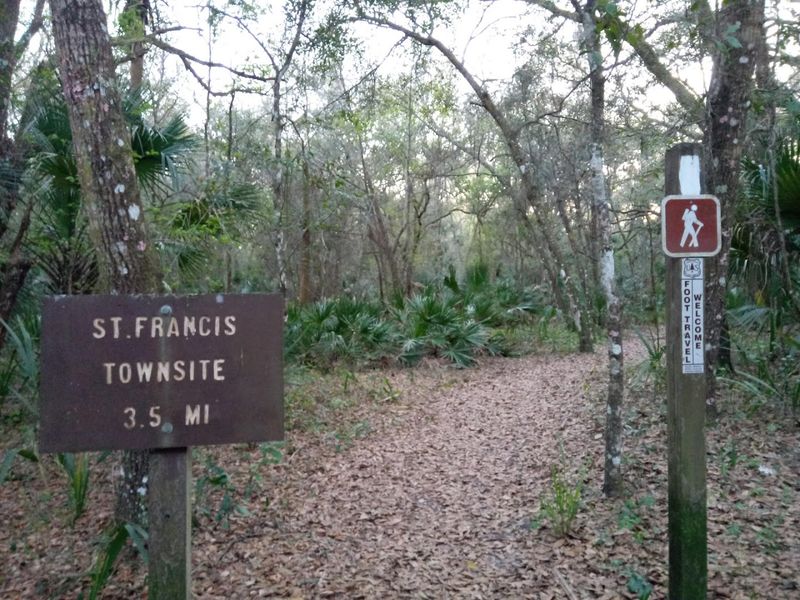
St. Francis was a real community that existed along the St. Johns River before nature reclaimed it, and reaching this ghost town requires a solid 3.5-mile trek from the trailhead. The entire loop stretches nearly 8 miles, so pack accordingly with plenty of water since there are no facilities or water sources once you start hiking. Most visitors complete the full loop in about three to four hours, depending on how many stops you make to explore.
The trailhead sits off River Forest Boulevard with ample parking that feels secure enough to leave your vehicle for several hours. Getting there early in the morning gives you cooler temperatures and helps you avoid the afternoon heat that can make Florida hiking pretty miserable. Spring and fall are absolutely the best seasons for this adventure when temperatures drop and the bug population calms down considerably.
Bring a printed map or download offline directions since cell service gets spotty once you’re deep in the woods. The trail connects with the larger Florida Trail system, so paying attention at intersections keeps you from accidentally adding miles to your day. Look for the yellow blazes that mark your route—if you stop seeing white blazes, you’ve wandered off course and need to backtrack.
2. Navigating the Well-Marked Wilderness Path
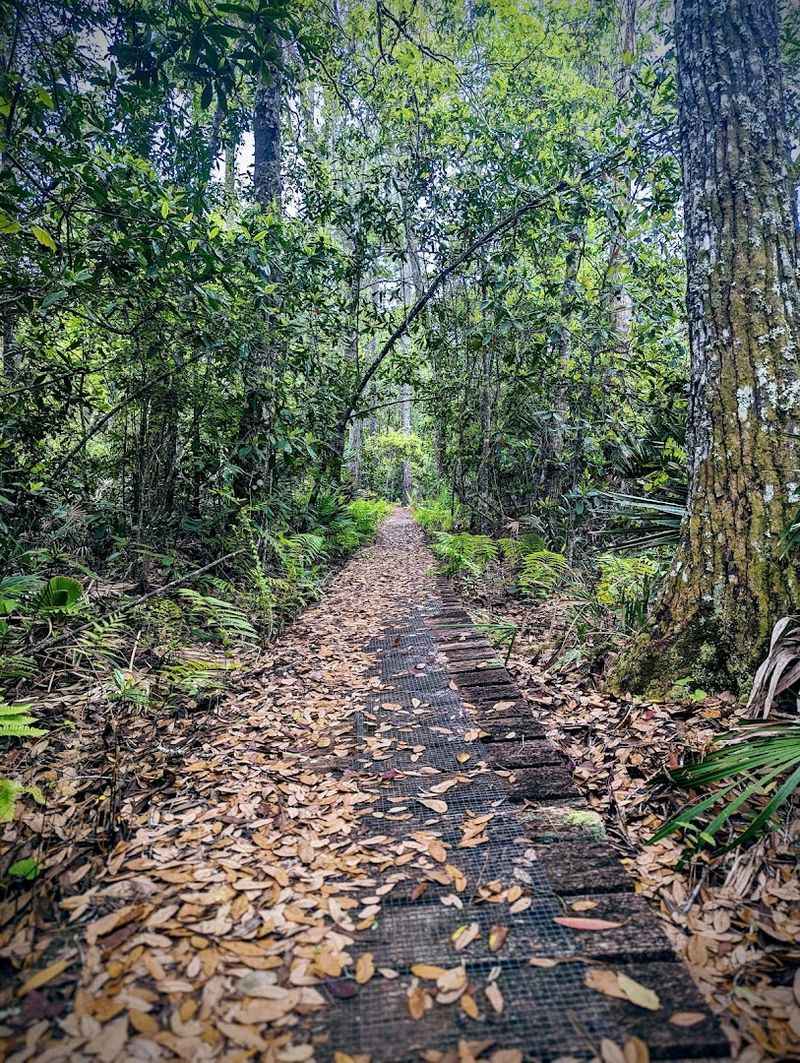
One thing hikers consistently praise about this trail is how well-marked it stays throughout the entire loop. Yellow blazes painted on trees guide you along the designated path, making it nearly impossible to get truly lost if you’re paying attention. That said, a few intersections with other trails require you to stay alert and look for those yellow markers to confirm you’re still on the right track.
The path itself varies from packed dirt to sandy sections, with occasional roots and fallen logs adding a bit of challenge to keep things interesting. During wet seasons, some areas turn muddy despite the boardwalks installed to help you cross the worst spots. Wearing waterproof hiking boots gives you confidence to tackle whatever conditions you encounter without worrying about soggy socks ruining your day.
Trail maintenance happens regularly enough that the path stays passable, though some sections can get slightly overgrown between clearing sessions. Spider webs sometimes span the trail in the early morning hours, so being the first hiker of the day means you might walk face-first into a few sticky surprises. Carrying a hiking stick helps you clear webs ahead of you and provides extra stability on slippery boardwalks that can get treacherous even with good footwear.
3. Crossing Boardwalks and Wetland Bridges
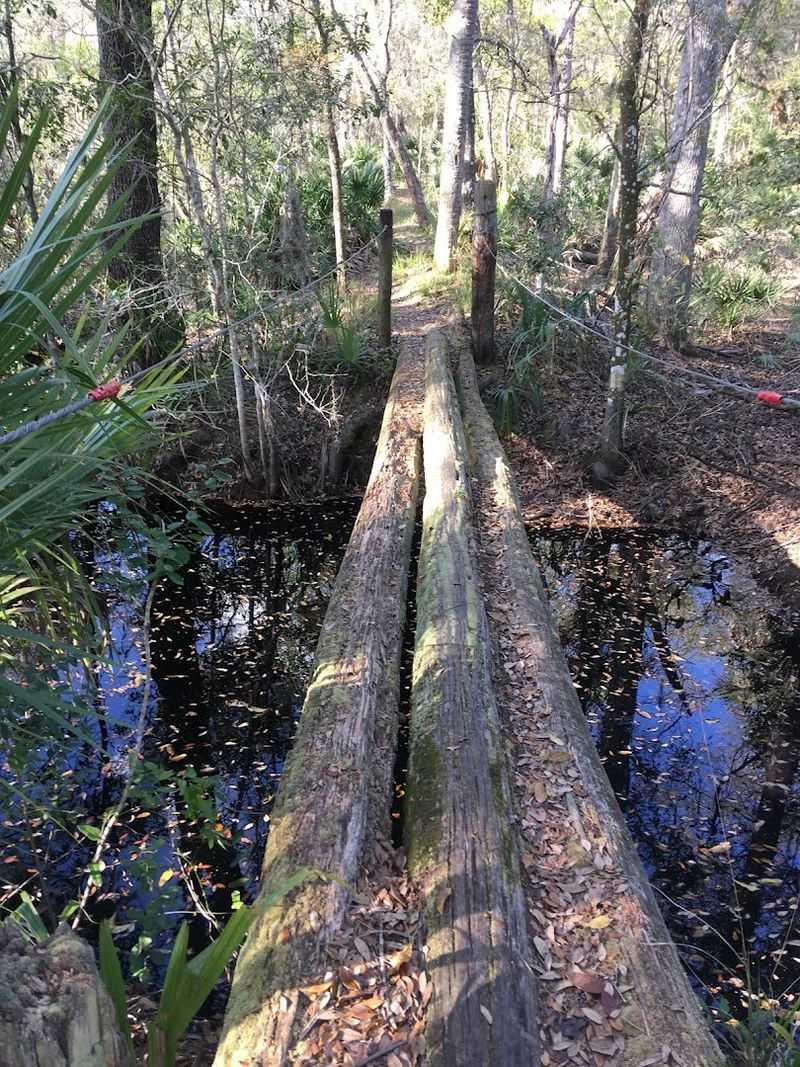
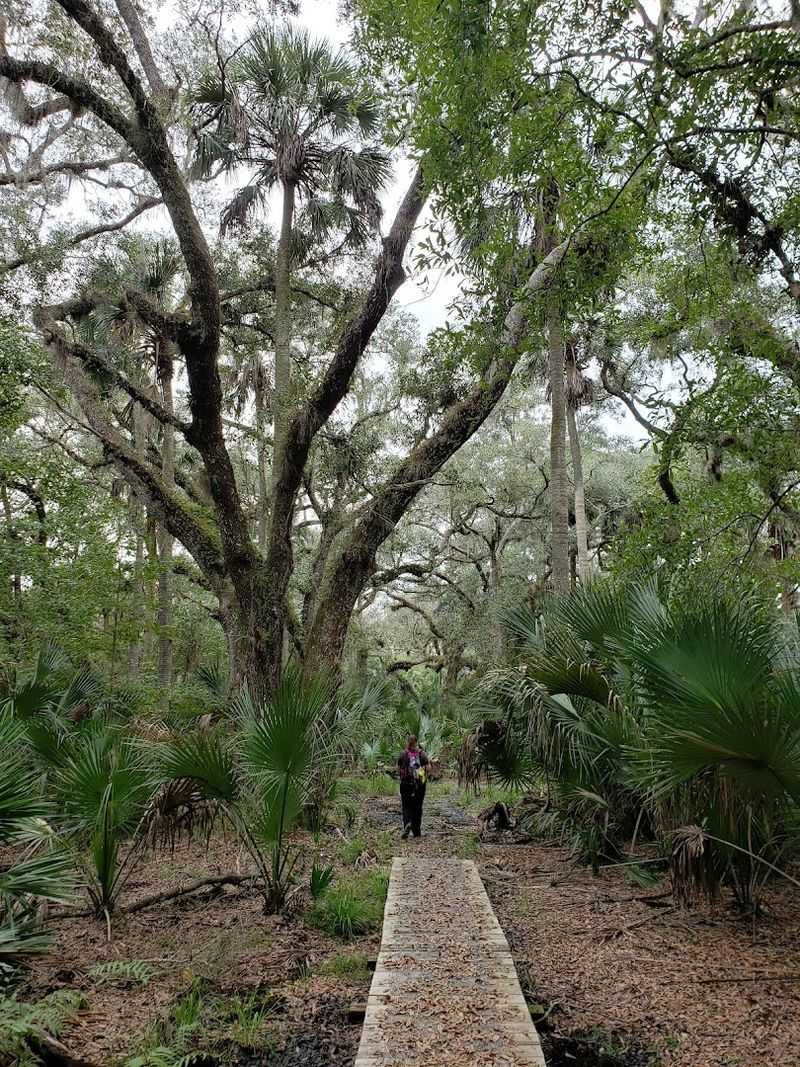
The trail features numerous wooden boardwalks and puncheon sections that keep you above the wettest areas, though their condition varies from sturdy to slightly sketchy. Some boardwalks feel rock-solid under your feet, while others have loose boards that shift or creak as you cross them. Walking down the center of these structures rather than along the edges gives you the most stable footing and helps avoid any boards that might have worked loose over time.
Even with these elevated pathways, you’ll still encounter muddy patches and occasional standing water that requires careful navigation. After heavy rains, some sections flood enough that the boardwalks become submerged, turning parts of your hike into a wet slog no matter how carefully you step. Checking recent weather and trail reports before you go helps you know what to expect and whether you should wait for drier conditions.
One particularly cool feature is a log bridge that crosses a creek, offering a fun little challenge that breaks up the standard walking. These creek crossings provide excellent photo opportunities and give you a chance to spot aquatic wildlife if you’re patient and quiet. The bridges also mark natural resting spots where you can pause to enjoy the sounds of running water and forest birds without the constant crunch of your footsteps on the trail.
4. Battling the Infamous Tick Population
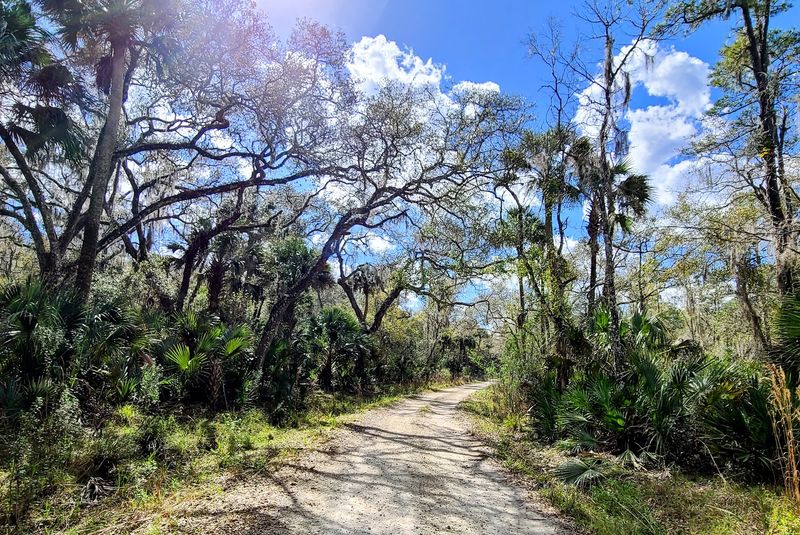
Here’s the uncomfortable truth that dominates trail reviews: ticks are absolutely everywhere on this trail, and they’re aggressive little hitchhikers looking for a free meal. Multiple hikers report finding dozens of ticks crawling on their shoes, pants, and exposed skin after just a couple miles of hiking. These aren’t just the large, easy-to-spot deer ticks either—tiny seed ticks swarm in numbers that can quickly become overwhelming if you’re not prepared.
Wearing long pants tucked into your socks looks dorky but provides essential protection against these persistent pests. Treating your clothes and gear with permethrin before your hike creates a chemical barrier that kills or repels ticks on contact. Applying DEET-based repellent to exposed skin adds another layer of defense, though even heavy-duty bug spray doesn’t guarantee complete protection on this particular trail.
Plan for regular tick checks every mile or so, stopping to brush off any hitchhikers before they have time to latch on and start feeding. Hiking with a partner makes these checks easier since you can inspect each other’s backs and other hard-to-see areas. After finishing your hike, do a thorough full-body check in your car before driving home, and toss your clothes directly into a hot dryer for 20 minutes to kill any stowaways.
Some hikers decide the tick situation makes this trail not worth the hassle, especially during warmer months when populations peak.
5. Discovering Multiple Ecosystem Zones
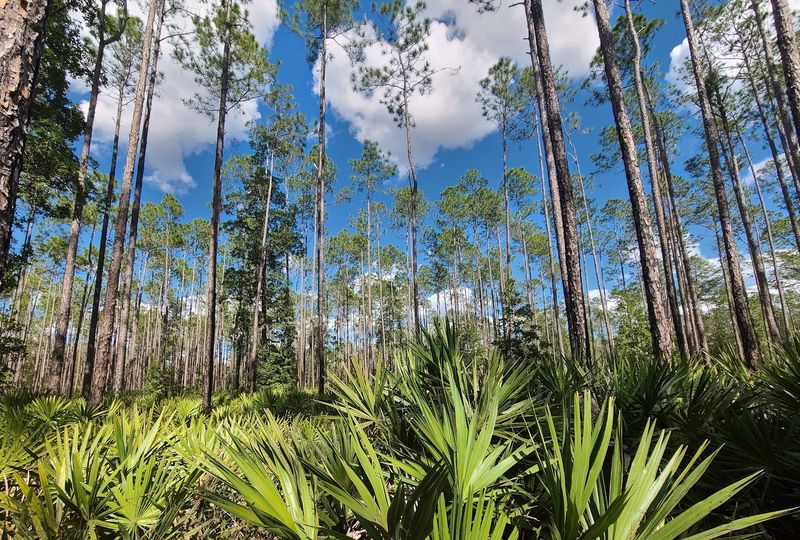
What makes this hike particularly special is how it takes you through several distinct Florida ecosystems within a single 8-mile loop. You’ll start in pine flatwoods where longleaf pines tower overhead and saw palmetto creates dense ground cover. As you progress deeper into the trail, the landscape transitions into hardwood hammocks where massive live oaks draped in Spanish moss create a completely different atmosphere.
The tree canopy provides almost continuous shade for most of the route, which is a blessing during Florida’s brutal summer months. Even on cloudless days, you’ll stay relatively cool under this natural umbrella of leaves and branches. The shade also supports different plant communities than you’d find in more exposed areas, with ferns and moisture-loving species thriving in the filtered light.
As you approach the St. Johns River area, the environment shifts again into river swamp habitat where cypress trees emerge from standing water. These changing ecosystems mean you’re constantly seeing new plant species, different soil types, and varied terrain that keeps the long miles from feeling monotonous. Birdwatchers particularly appreciate this diversity since different species prefer different habitats, giving you opportunities to spot everything from woodpeckers in the pines to wading birds near the water.
The ecological variety turns this hike into an educational experience where you can observe how subtle elevation changes create dramatically different growing conditions.
6. Reaching the Ghost Town of St. Francis
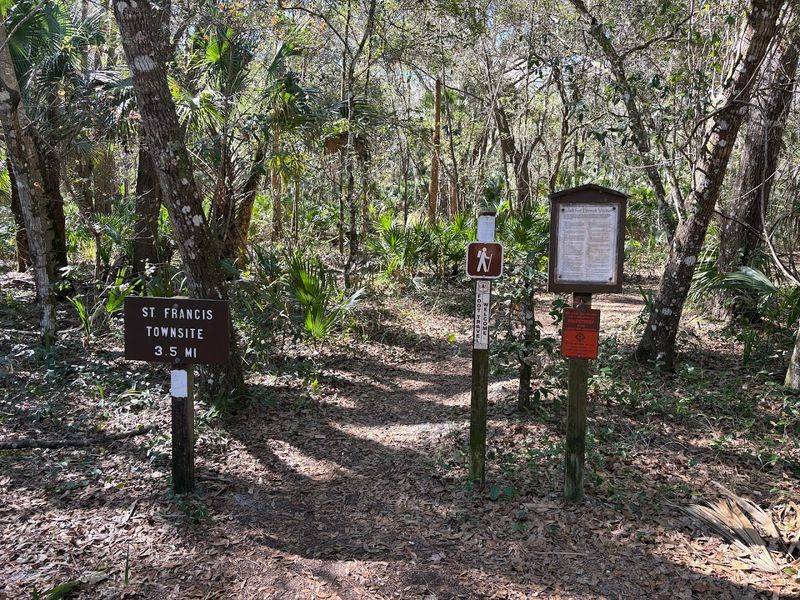
After hiking 3.5 miles from the trailhead, you’ll reach the approximate location of St. Francis, though don’t expect to find much in the way of obvious ruins or structures. Time and nature have done their work thoroughly here, reclaiming what was once a small community along the St. Johns River. The settlement existed in the late 1800s and early 1900s before being abandoned and gradually swallowed by the surrounding wilderness.
Trail signs indicate when you’ve reached the general area of the old town site, but identifying specific features requires imagination and careful observation. Foundation remnants might be visible if you know what to look for, though most evidence has decomposed or become buried under decades of leaf litter and new growth. Some hikers feel disappointed by the lack of dramatic ruins, while others appreciate the subtle way history has merged back into the landscape.
The real reward at this point is reaching the St. Johns River itself, which provided the original reason for St. Francis to exist in this remote location. A service road leads down to the riverfront where you can rest, eat lunch, and watch the dark water flow past. This makes an excellent turnaround point if you’re not completing the full loop, giving you a destination and sense of accomplishment before retracing your steps back to the trailhead through the shaded forest.
7. Wildlife Watching Opportunities and Challenges
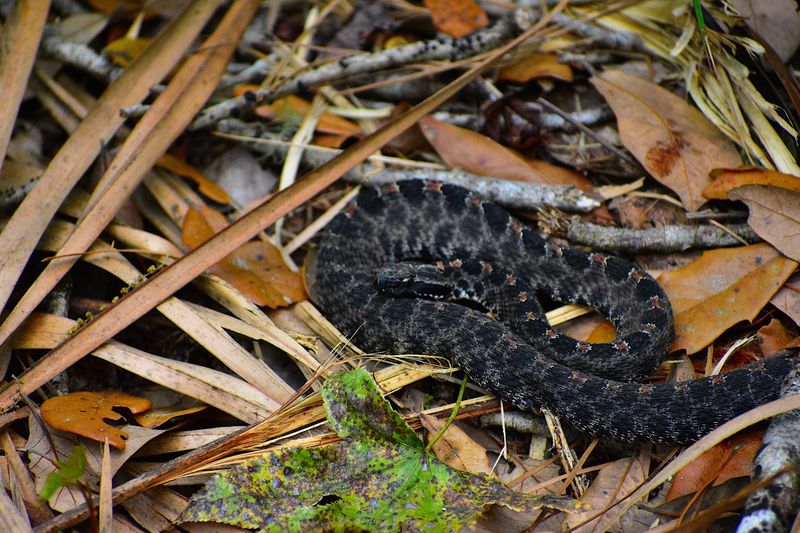
Wildlife sightings on this trail can be hit or miss depending on the season, time of day, and how quietly you move through the forest. Some hikers complete the entire loop without spotting anything larger than a squirrel, while others encounter deer, wild turkeys, or even the occasional black bear. Early morning and late afternoon offer the best chances for animal activity since most creatures avoid the midday heat just like smart humans do.
Bird species are probably your most reliable wildlife entertainment, with everything from colorful woodpeckers to soaring hawks making appearances throughout the hike. The diverse habitats support different bird communities, so keeping your eyes and ears open rewards you with varied sightings. Bringing binoculars lets you identify species from a distance without disturbing them or leaving the trail to get closer looks.
The river areas naturally attract more wildlife since all animals need water, making those sections particularly good for patient observers. Turtles sun themselves on logs, wading birds stalk the shallows for fish, and alligators occasionally make appearances in the quieter backwater areas. Remember that you’re hiking through genuine wilderness where animals live their normal lives, so respecting their space and observing from a distance keeps both you and them safe.
The relative lack of human traffic on this trail compared to more popular destinations means animals behave more naturally here than in heavily visited parks.
8. Seasonal Timing and Weather Considerations
Choosing the right season makes the difference between a miserable slog and an enjoyable adventure on this trail. Winter months from December through February offer the most comfortable temperatures and dramatically reduced bug populations, making them ideal for tackling the full 8-mile loop. Spring and fall provide moderate conditions that most hikers find pleasant, though you’ll need to be more vigilant about tick checks and mosquito protection during these shoulder seasons.
Summer hiking here borders on masochistic unless you’re extremely heat-tolerant and start at dawn before temperatures climb. The humidity combined with minimal breeze under the tree canopy creates a sweltering environment where heat exhaustion becomes a real concern. If you must hike during summer, bring twice as much water as you think you’ll need and plan for frequent rest breaks in whatever shade you can find.
Rain transforms this trail significantly since the wetland areas flood quickly and the sandy soil turns into slippery mud. Checking the weather forecast and recent rainfall reports helps you avoid the worst conditions, though Florida’s afternoon thunderstorms can surprise you even on days that start sunny. The boardwalks become especially treacherous when wet, requiring careful footing to avoid slipping into the muck below.
Some hikers actually enjoy the challenge of wet conditions and don’t mind getting muddy, while others prefer waiting for drier weather when the trail shows its best side without the added difficulty of navigating flooded sections.