Sleeping at This Florida Hotel Starts With a 21-Foot Dive Beneath the Surface
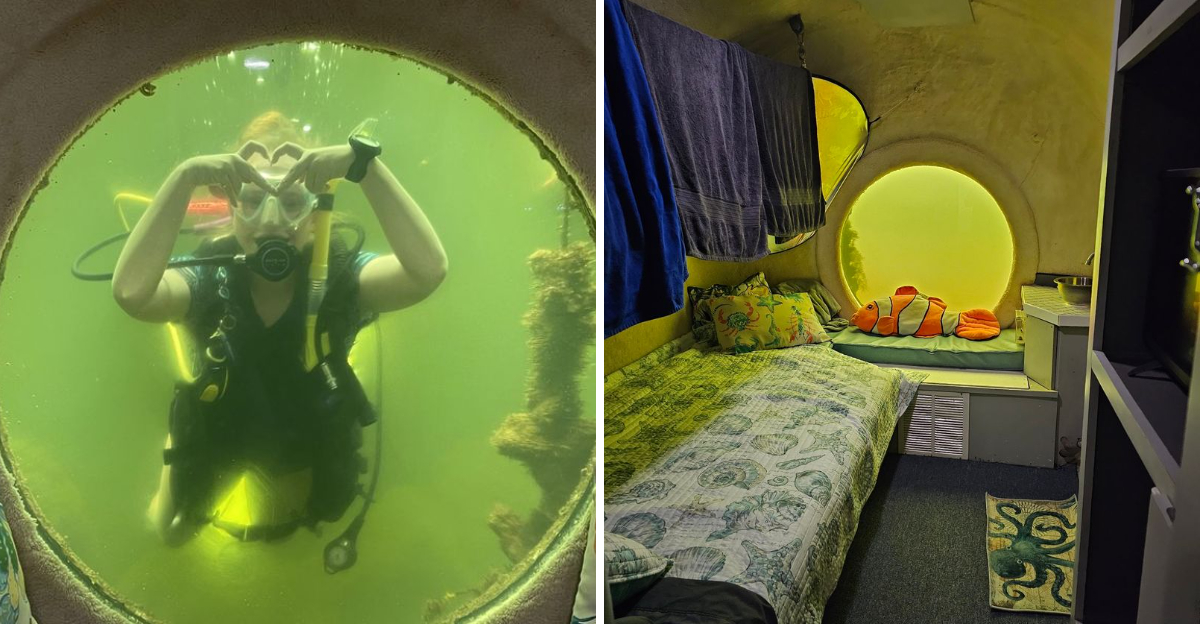
Most hotels hand you a room key at the front desk. Jules’ Undersea Lab hands you scuba gear and points you toward the water. Sitting 21 feet below the surface in Key Largo’s protected lagoon, this underwater habitat is the only place in the United States where you can sleep surrounded by fish instead of tourists.
Originally built as a research station, it has transformed into a bucket-list destination that combines serious dive experience with the surreal comfort of hot pizza delivery and streaming TV, all while parrotfish peer through your bedroom window.
You Actually Have to Scuba Dive to Check In
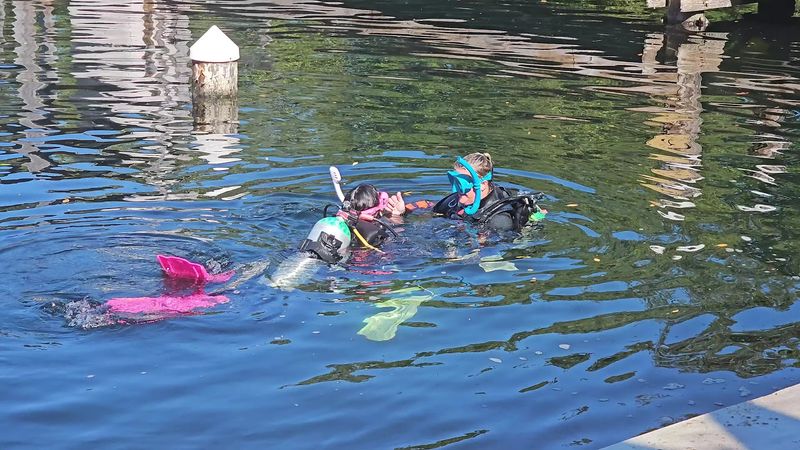
Forget valet parking and lobby elevators. Getting to your room at Jules’ Undersea Lab requires full scuba certification and a descent through what’s called a moon pool, an opening in the floor of the habitat that stays open to the water below. The entrance sits about 21 feet down in a sheltered lagoon, which means your check-in process involves fins, a regulator, and a dive briefing instead of a bellhop.
The lagoon itself is calm and protected, making it an ideal spot for divers who might be a little nervous about their first underwater hotel stay. Visibility varies depending on conditions, but the bottom can get stirred up easily since it’s a training site used by local dive shops. Joe and the team at MarineLab walk you through everything before you go down, and the whole process feels surprisingly chill once you’re geared up.
Once you surface inside the habitat through that moon pool, you’re officially underwater but breathing normal air. The structure operates as an ambient pressure habitat, meaning the air pressure inside matches the water pressure outside. That’s the same science that lets you stay down longer without worrying about decompression, assuming you don’t leave and come back up too soon.
Guests who stay overnight can achieve full saturation, a rare experience for recreational divers. It’s essentially living at depth long enough that your body fully equalizes with the surrounding pressure. The staff provides all the cylinders you need for exploring the lagoon during your stay, and the gear they rent out is top-notch according to multiple reviews.
Even if you’re just doing a tour and not spending the night, you still dive down to see the habitat from the inside. It’s a quick but unforgettable peek into what it’s like to live beneath the waves, and it beats any hotel lobby you’ve ever walked through.
The History Behind This Quirky Habitat
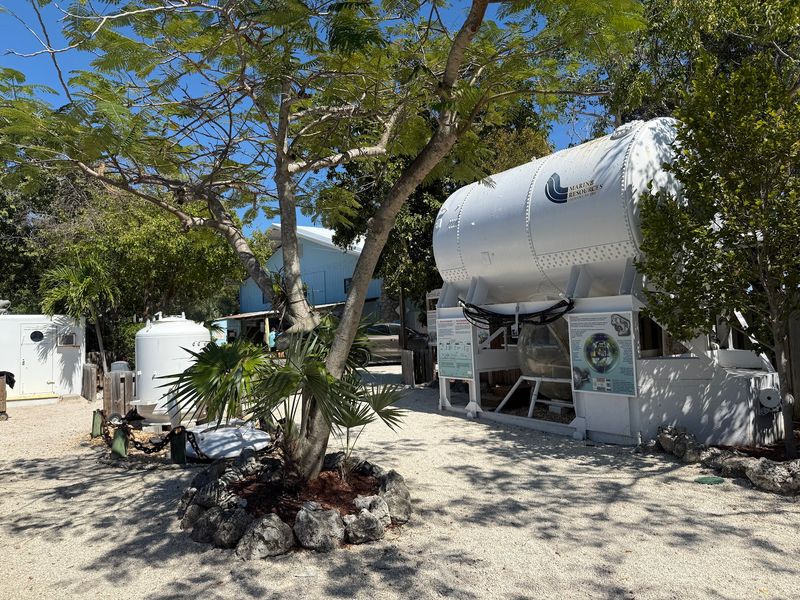
Jules’ Undersea Lab didn’t start as a hotel. It was originally built as La Chalupa, an underwater research laboratory used to study the ocean and test what it was like for humans to live beneath the surface for extended periods. Scientists and researchers spent days at a time down there, conducting experiments and proving that people could actually function in an underwater environment.
The habitat was later moved to its current location in Key Largo and renamed after Jules Verne, the author who dreamed up underwater adventures long before scuba gear existed. That literary nod fits perfectly with the slightly fantastical experience of sleeping 21 feet below the surface while schools of grunts and parrotfish drift past your window.
Today, MarineLab operates the site as both an educational hub and a one-of-a-kind overnight experience. The organization focuses on marine science education, offering programs for students and dive groups alongside the aquanaut certification stays. The whole setup has this fascinating mix of serious research history and playful adventure tourism that you don’t find anywhere else in the country.
Guests often mention how much they enjoy learning about the habitat’s past during their visit. Joe, one of the main guides, is known for sharing stories and details that make the experience feel even more special. You’re not just staying in a quirky hotel; you’re stepping into a piece of diving and scientific history that has hosted researchers, filmmakers, and curious adventurers for decades.
The place has been lovingly maintained over the years, and it shows. Everything from the vintage portholes to the modern amenities inside reflects a deep respect for what this habitat represents. It’s a living museum that you get to sleep in, and that combination of nostalgia and novelty is hard to beat.
What It’s Actually Like to Sleep Underwater
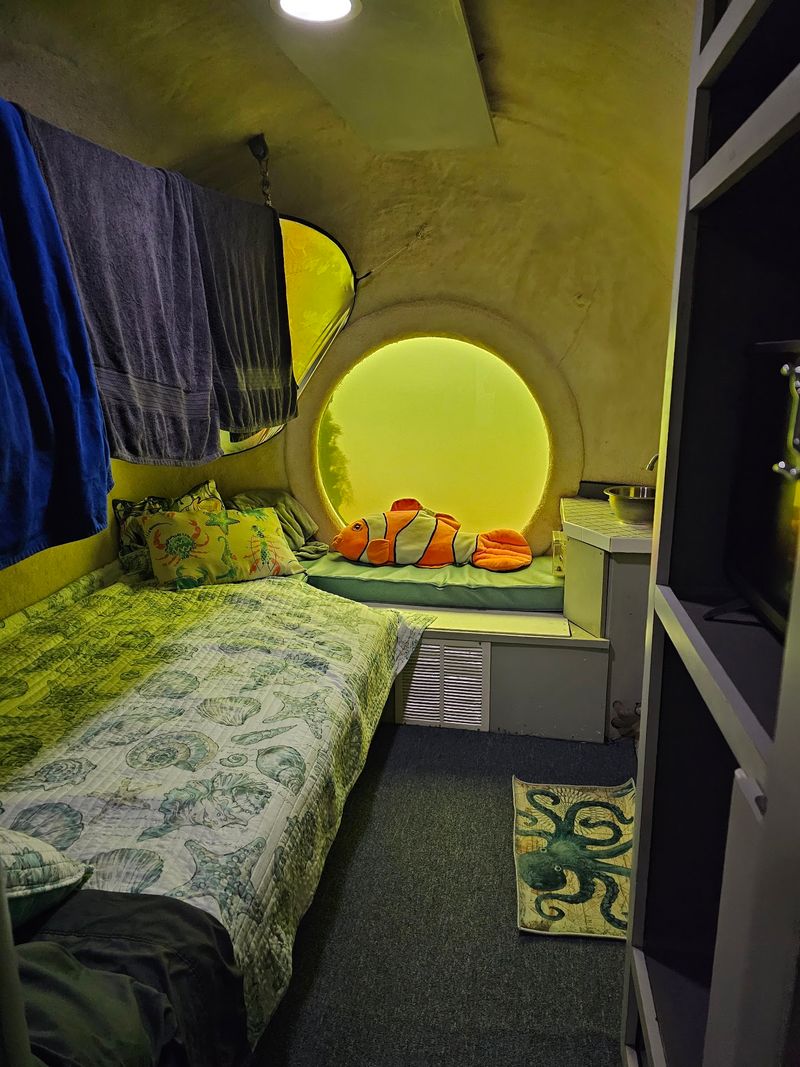
Spending the night at Jules’ means waking up to hundreds of fish schooling right outside your window. Guests consistently mention the surreal experience of going to sleep staring at an empty porthole and waking up to snappers, parrotfish, and the occasional curious hogfish checking them out. One reviewer even had a regular visitor who kept popping by throughout the day like an underwater neighbor.
The habitat itself is surprisingly comfortable. There are two bedrooms, real beds with linens, air conditioning, running water, a bathroom, and a full kitchen setup with a fridge and microwave. You also get hot showers, which feels almost ridiculous when you’re 21 feet underwater, but it’s all part of the experience.
The whole place is outfitted with Smart TVs and a massive selection of ocean-related movies if you want entertainment between dives.
And yes, pizza delivery is real. Divers bring down hot food in watertight containers, and somehow it arrives dry and still warm. Multiple guests mention this as a highlight, and honestly, eating fresh pizza while fish swim past your dining table is about as Florida as it gets.
The atmosphere inside is peaceful and slightly otherworldly. The hum of the life support systems becomes white noise, and the silence of the deep water creates a calming environment that’s hard to replicate on land. Some guests compare it to living inside an aquarium, except you’re the one on display for the marine life outside.
Overnight stays also give you access to extra dive cylinders so you can explore the lagoon as much as you want. The water is calm and protected, making it a great spot to practice skills, take photos, or just float around enjoying the fact that you’re living underwater. It’s the kind of experience people talk about for the rest of their lives.
The Lagoon Is a Protected Dive Playground
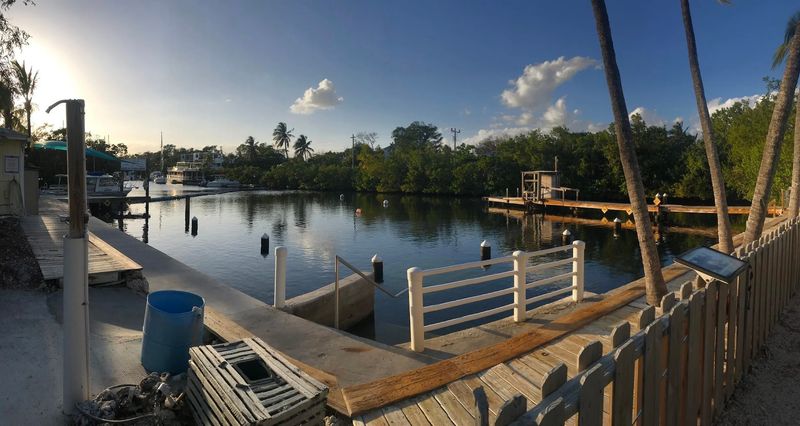
The lagoon surrounding Jules’ Undersea Lab is a sheltered gem that offers consistently diveable conditions even when the ocean is throwing a tantrum. Multiple reviews mention how the site saved the day when rough seas made offshore diving impossible. It’s a go-to backup for dive instructors and a favorite spot for checkout dives and scuba certifications.
The water is emerald green and relatively shallow, making it beginner-friendly and easy to navigate. You’ll see schools of grunts, parrotfish, barracudas, snappers, and even the occasional upside-down jellyfish drifting along the bottom. Some visitors have spotted manatees cruising through, which is always a bonus when you’re underwater in Florida.
Because it’s a popular training site, the bottom can get kicked up and visibility can drop, especially after a busy day of classes. But the trade-off is worth it for the convenience and safety of a controlled environment. Dive shops throughout the Keys use this lagoon for open water certifications, and the staff at MarineLab keeps everything organized and clean.
The facility itself is set up perfectly for divers. There are plenty of gear setup areas, bathrooms, rinse stations, and shaded spots to relax between dives. Everything is designed to get you in and out of the water quickly and comfortably, which is a big deal when you’re doing multiple dives in one day.
Tour groups and overnight guests also get guided dives around the lagoon, often led by Joe or other knowledgeable staff who point out interesting marine life and share fun facts about the habitat. The whole experience feels low-pressure and welcoming, even if you’re still getting comfortable with your scuba skills. It’s a great place to build confidence underwater without the stress of currents, waves, or deep drop-offs.
The Staff Makes the Experience Unforgettable
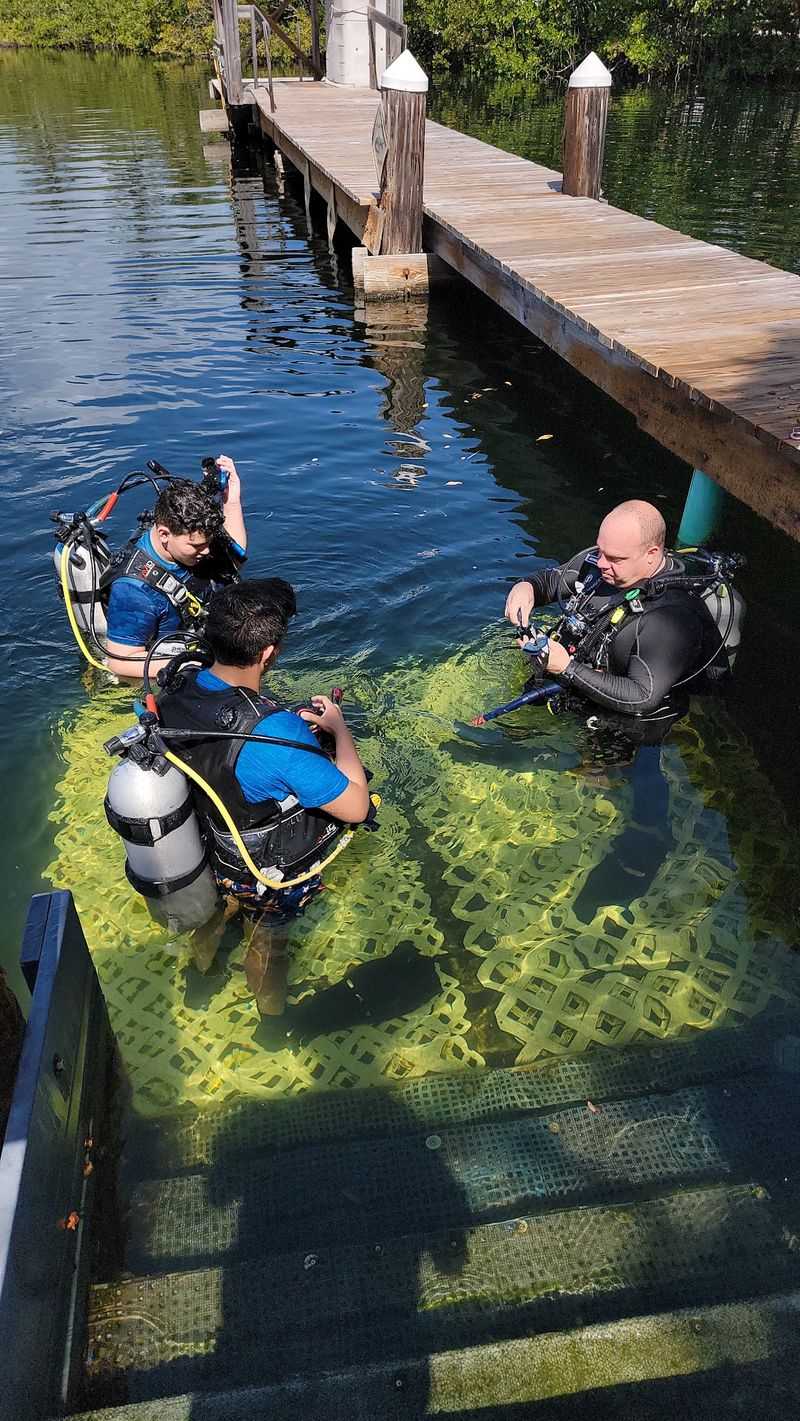
Joe gets mentioned in nearly every glowing review, and for good reason. He’s the kind of guide who makes everything feel effortless, from the initial briefing to the lagoon tour to making sure your pizza arrives hot. Guests consistently praise his passion, professionalism, and ability to make even nervous divers feel completely at ease.
Ozlem is another staff member who earns frequent shout-outs for her warm welcome and attention to detail. The whole team at MarineLab clearly loves what they do, and that enthusiasm is contagious. They’re not just running a business; they’re sharing something they genuinely care about, and it shows in every interaction.
The crew is also incredibly organized. Divers mention how quickly they were able to get in the water thanks to the staff’s efficiency, and how well-maintained the rental gear is. Everything from the cylinders to the wetsuits to the dive computers is in great condition, which is a huge relief when you’re trusting your equipment 21 feet underwater.
Captain Jim also gets a nod in older reviews for his knowledge and friendly demeanor during boat trips around the area. The guides are clearly well-versed in local marine life, dive safety, and the history of the habitat, and they love sharing that knowledge with visitors.
Even the gift shop staff are mentioned for being helpful and generous with local tips and recommendations. Whether you’re there for a quick tour or a full overnight stay, the people at Jules’ make sure you feel welcome and well cared for. That level of service is what turns a cool novelty into a truly memorable experience.
Aquanaut Certification Is a Bucket-List Achievement
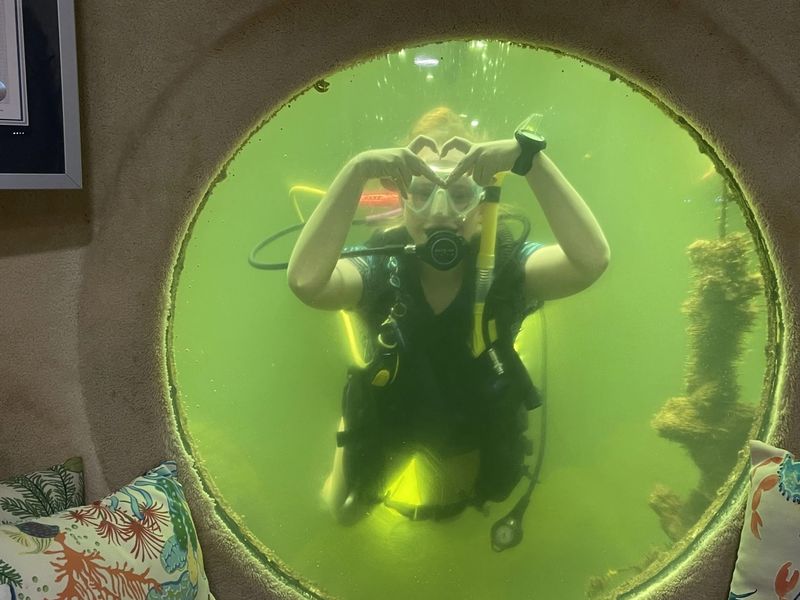
Staying overnight at Jules’ isn’t just a quirky vacation; it’s also a chance to earn your Aquanaut certification, a specialty credential that recognizes you’ve lived and worked underwater in a saturation habitat. It’s a rare achievement in the recreational diving world, and it comes with serious bragging rights.
The certification process involves spending at least 24 hours submerged, completing specific tasks and dives, and learning about the science behind ambient pressure habitats. You’ll explore the lagoon, help with small projects or observations, and get a deep understanding of what it takes to function underwater for extended periods.
Guests who’ve completed the program describe it as one of the most rewarding experiences of their diving careers. The combination of education, adventure, and novelty creates a sense of accomplishment that goes way beyond just checking into a hotel. You’re joining a small club of people who’ve actually lived beneath the surface, and that’s something you carry with you forever.
The habitat is stocked with everything you need for a comfortable stay, including plenty of food, drinks, and snacks. One couple mentioned they had enough supplies to stay for three days if they wanted. The fridge is fully loaded, and the kitchen has all the basics for preparing meals, though most guests opt for the legendary underwater pizza delivery at least once.
Between dives, you can watch ocean documentaries on the Smart TVs, look out the portholes at passing marine life, or just relax in the air-conditioned comfort of your underwater suite. It’s a strange mix of adventure and luxury that somehow works perfectly. And when you surface after your stay, you’ll have stories that nobody else at the dinner table can top.
How to Plan Your Visit and What to Expect
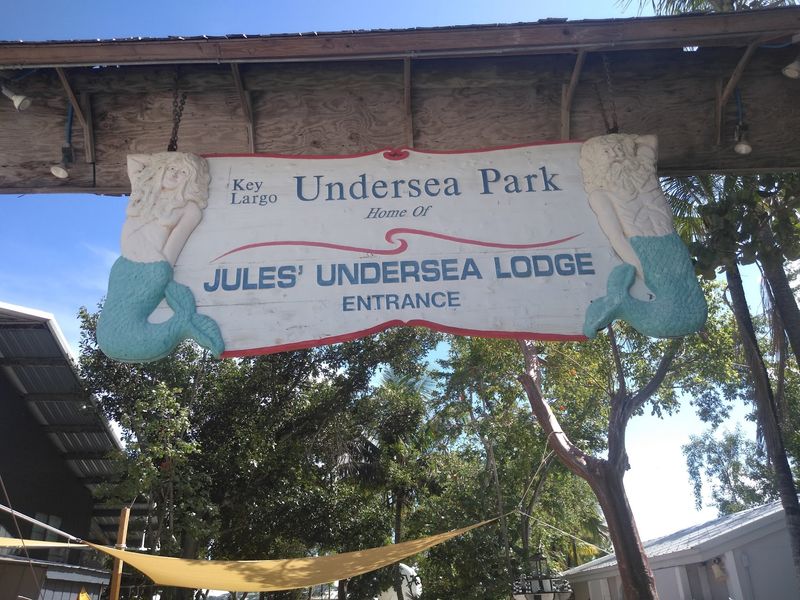
Jules’ Undersea Lab is located at 51 Shoreland Drive in Key Largo, and it’s open seven days a week from 8 AM to 3 PM. You’ll want to call ahead at 305-451-2353 or check their website to book a tour or overnight stay, since availability can fill up quickly, especially during peak dive season.
If you’re planning an overnight aquanaut experience, make sure your scuba certification is current and that you’re comfortable with basic open water skills. The staff will walk you through everything, but you need to be able to handle your own gear and manage a simple descent and ascent. If you’re rusty, consider doing a refresher course before your visit.
Tours of the habitat are also available if you’re not ready to commit to a full overnight stay. You’ll still get to dive down, explore the inside of the lab, and learn about its history and science. It’s a great way to experience the novelty without the time and cost commitment of a full aquanaut program.
The lagoon is also used for scuba instruction, so if you’re working on your open water certification or need a place to complete checkout dives, this is a fantastic option. Dive shops throughout the Keys partner with MarineLab, and the protected conditions make it ideal for learning and skill practice.
Don’t skip the gift shop on your way out. It’s stocked with unique underwater-themed gear, local souvenirs, and dive equipment. The staff are friendly and happy to share recommendations for other things to do in the area, from nearby reefs to restaurants worth checking out.
Whether you’re a seasoned diver or just curious about what it’s like to sleep with the fish, Jules’ Undersea Lab delivers an experience you won’t find anywhere else in the country.