Few Florida Homes Preserve Plantation-Era History Like This Remarkable Mansion
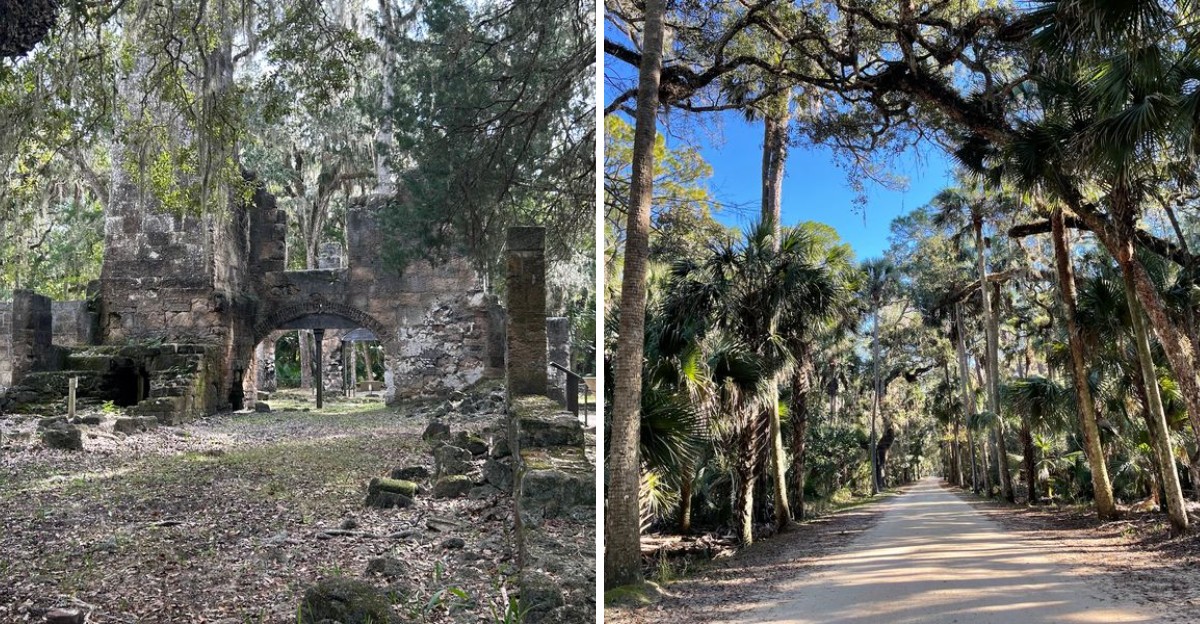
Bulow Plantation Ruins Historic State Park near Flagler Beach preserves the remains of one of East Florida’s largest 19th-century sugar plantations. Rather than an intact mansion, visitors encounter haunting coquina ruins that reveal a complicated chapter of the region’s past. The Bulow family established the plantation in the early 1800s, eventually producing sugar cane, cotton, rice, and indigo.
Its operation depended on the forced labor of enslaved people, an essential part of the site’s history and the wealth the plantation generated. The property was destroyed during the Second Seminole War in 1836, leaving behind substantial ruins of the sugar mill. Today, towering trees and dense vegetation surround the weathered stone structures, giving the park a quiet atmosphere that contrasts sharply with its history.
Visitors can explore trails, view the mill ruins, and learn more about the people and events connected to the property. For travelers interested in seeing beyond Florida’s beaches and modern attractions, Bulow Plantation Ruins Historic State Park offers a thought-provoking look at the state’s plantation era. Its crumbling walls remain a powerful reminder of both the industry that once operated here and the enslaved people whose labor sustained it.
The Towering Coquina Sugar Mill Ruins
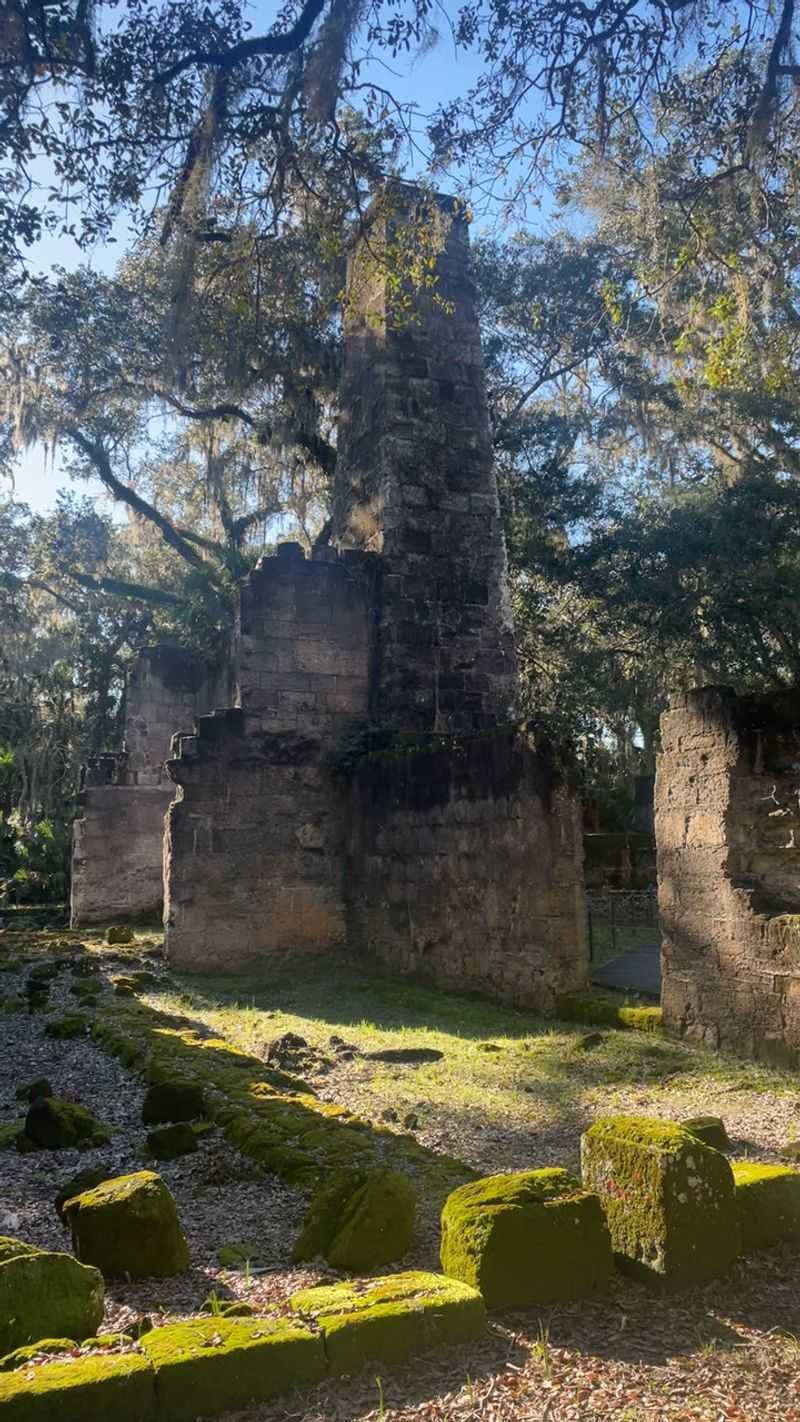
Standing before the massive coquina walls of the sugar mill feels like discovering a secret fortress hidden in the Florida woods. These aren’t your typical crumbling stones. The mill’s walls rise dramatically from the ground, built from coquina shell stone that has somehow survived nearly two centuries of hurricanes, humidity, and history.
The structure once housed the entire sugar-making operation for what became the largest plantation in East Florida. Enslaved workers processed sugar cane through a grueling series of steps that the park’s information plaques explain in sobering detail. The massive grinding wheels, boiling kettles, and refining equipment have long disappeared, but the architectural bones remain impressive.
Walking through the archways and around the exterior, you can still see where different rooms served specific functions in the sugar production process. The thickness of those coquina walls kept the interior cooler during the brutal Florida summers when enslaved people worked in unbearable conditions. Each stone tells part of a story that’s both fascinating from an engineering perspective and deeply troubling from a human one.
Information displays around the ruins don’t sugarcoat the harsh realities of plantation life. They acknowledge the forced labor that made this operation profitable and the violence that eventually destroyed it during the Second Seminole War in 1836. The Seminole fighters who burned the plantation weren’t random raiders but people fighting against the expansion of slavery into their territories.
Photography enthusiasts find endless angles here as sunlight filters through the empty window frames and doorways. The contrast between the enduring stone architecture and the encroaching Florida jungle creates an almost mythical atmosphere. Some visitors report feeling the weight of history pressing down as they stand where so much suffering and conflict unfolded generations ago.
The Haunting Foundation of the Plantation House
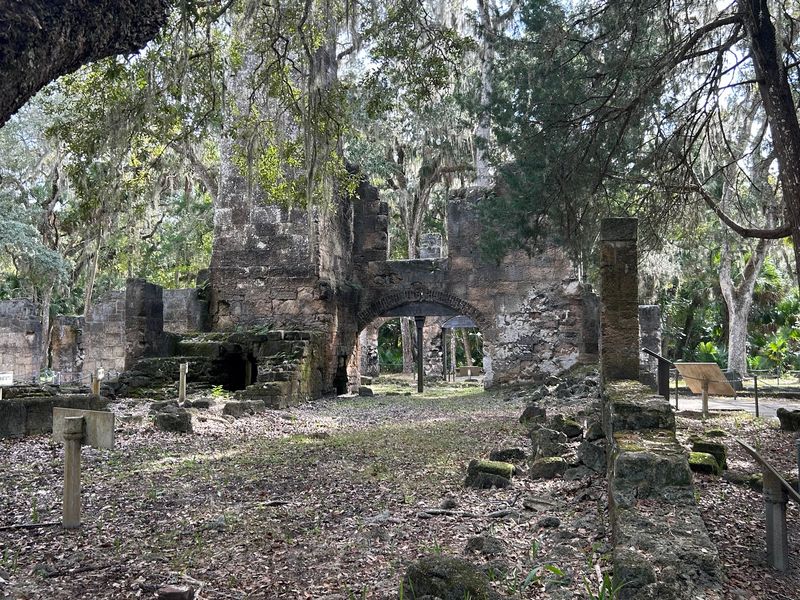
Only a ghostly outline remains where the grand plantation house once stood overlooking the property. The foundation stones mark the footprint of what was reportedly an impressive two-story mansion that served as the Bulow family’s home and the administrative center of their sugar empire. Walking the perimeter feels like tracing the edges of a life that vanished completely.
Unlike the sugar mill, which retained its walls, the main house was destroyed so thoroughly that visitors need imagination to picture the rooms, staircases, and porches that once existed here. Interpretive signs help fill in the gaps, describing how the house would have been furnished and how daily life unfolded for the plantation owners. The contrast between their comfort and the enslaved workers’ conditions becomes starkly clear.
What makes this foundation particularly poignant is its location. The Bulows chose this spot carefully, positioning their home to oversee the entire operation while enjoying breezes from Bulow Creek. Standing here, you understand the strategic thinking behind plantation layouts and how architecture reinforced social hierarchies.
The foundation sits along a short trail from the parking area, shaded by massive live oaks that may have witnessed the plantation’s destruction. During the Second Seminole War, Seminole fighters and their Black Seminole allies burned the house as part of their resistance to the plantation system. The fire that consumed this building represented more than property destruction but a direct challenge to the slave economy.
Some visitors find this spot even more affecting than the more dramatic sugar mill ruins. There’s something about the absence, the complete erasure of what was once someone’s home, that drives home how thoroughly that world ended. Nature has reclaimed the space, with ferns and palmettos growing where parlors and bedrooms once stood, creating a scene that feels purposefully left to decay as a memorial to a system that deserved to fall.
The Tabby Slave Cabins Hidden in the Woods
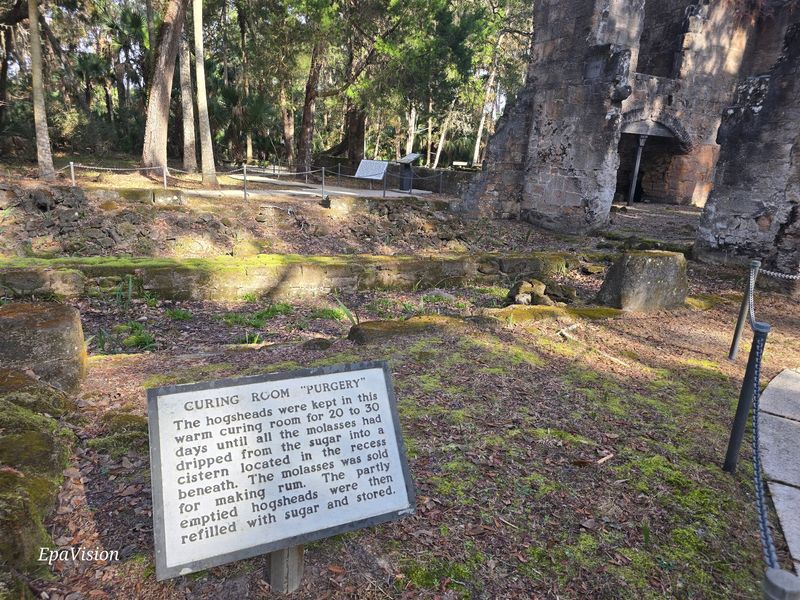
Most visitors miss the slave cabin ruins entirely because they’re tucked away on a small trail behind the picnic area. That’s a shame because these crumbling tabby walls represent the most important story this park has to tell. Finding them requires a bit of exploring, but the effort connects you to the human reality behind the plantation’s operation in ways the grander structures cannot.
Tabby is a concrete-like material made from oyster shells, lime, sand, and water that was commonly used for slave quarters throughout the coastal South. The Bulow Plantation had multiple cabin structures where enslaved workers lived in conditions that the physical evidence makes painfully clear. These weren’t homes but holding cells between shifts of brutal labor in the cane fields and sugar mill.
The cabin walls that remain are low and fragmentary, barely recognizable as buildings to the untrained eye. Information plaques explain what archaeologists have learned from studying the site, including details about the cramped quarters, lack of privacy, and minimal shelter these structures provided. Families were crowded into spaces barely large enough for one person by modern standards.
Standing among these ruins hits differently than viewing the mill or house foundation. This is where real people slept, raised children, and tried to maintain dignity and community under impossible circumstances. The cabin area feels more personal and more haunting because of that human scale.
You’re not looking at industrial architecture or wealthy people’s homes but at the bare minimum shelter provided to human beings treated as property.
The trail to the cabins winds through beautiful coastal hammock, which creates a jarring contrast. Birds sing, butterflies flutter past, and dappled sunlight creates a peaceful atmosphere that feels wrong given what happened here. That dissonance is important.
It prevents visitors from romanticizing the ruins or treating them as just another historical curiosity to check off a list.
The Winding Nature Trails Through Coastal Hammock
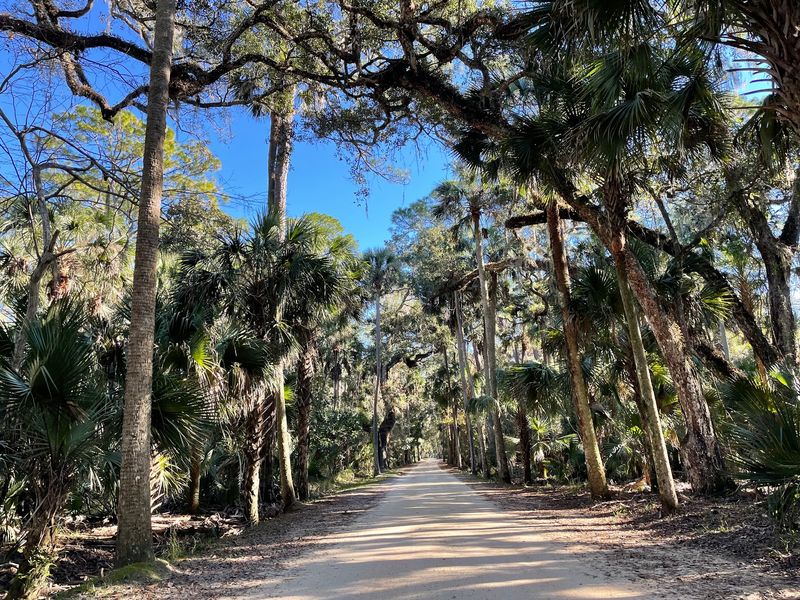
Beyond the historical structures, Bulow Plantation offers miles of trails that showcase why the Bulows chose this location in the first place. The coastal hammock ecosystem here is spectacular, with towering live oaks draped in Spanish moss creating a canopy that keeps the trails relatively cool even on hot days. Walking these paths, you experience the same landscape that existed before, during, and after the plantation era.
The main trail system includes a 6.8-mile loop that takes hikers deep into the park’s natural areas, though shorter options exist for those wanting a quick nature fix. These aren’t manicured paths but genuine Florida wilderness trails where roots cross the path and the vegetation presses close on both sides. You might spot deer, armadillos, or various bird species that thrive in this protected habitat.
What makes these trails particularly interesting is how they connect the historical sites. You can hike from the sugar mill ruins through the forest to the boat ramp area, experiencing the full scope of what was once a working plantation landscape. The trails follow some of the same routes that enslaved workers would have traveled between the fields, the mill, and the living quarters.
Several reviews mention Cedar Creek as a highlight along the longer trail routes, where a footbridge provides beautiful water views and a chance to catch your breath. The creek was essential to the plantation’s operations, providing transportation routes and water for the sugar-making process. Now it’s just a peaceful waterway supporting fish, wading birds, and the occasional kayaker.
Trail conditions vary depending on recent weather, and some sections can get muddy or buggy, so come prepared with appropriate footwear and insect repellent. The park doesn’t sanitize the wilderness experience. You’re walking through real Florida forest, which means dealing with the humidity, insects, and occasional rough patches that make the state’s natural areas authentic rather than theme-park perfect.
The Scenic Bulow Creek Kayak Launch and Waterfront
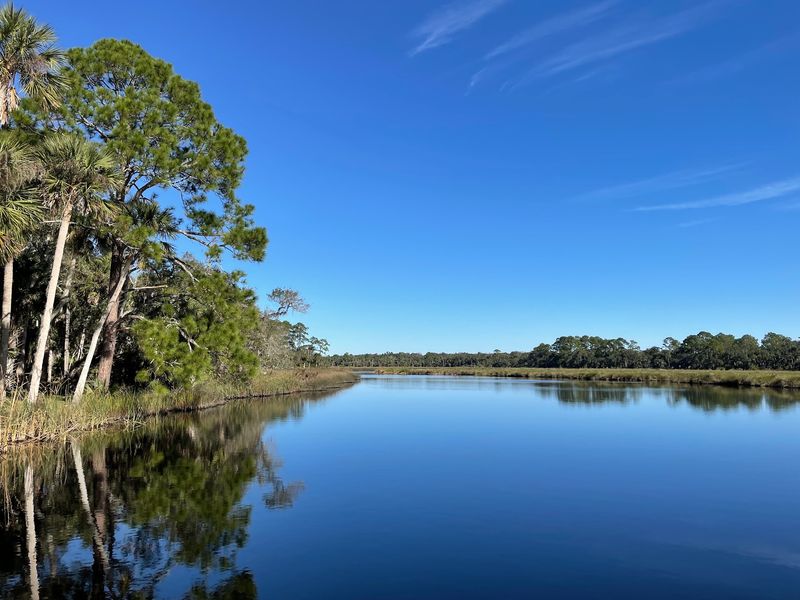
Bulow Creek served as the plantation’s highway to the outside world, and today it offers some of the best paddling in Flagler County. The park maintains a boat ramp and kayak launch that provides access to miles of scenic waterway winding through salt marshes and hardwood swamps. Launching here feels like entering a different Florida, one where nature dominates and human presence fades into the background.
The creek’s dark tannin-stained water reflects the overhanging trees like a mirror on calm days. Paddling upstream or down, you’ll navigate narrow channels where the vegetation creates a tunnel effect and wildlife appears around every bend. Herons, egrets, and osprey are common sights, while manatees occasionally wander into the creek from the Intracoastal Waterway.
For those without their own watercraft, canoe rentals have been available periodically, though it’s worth calling ahead to confirm current options. The launch area includes parking for vehicles with trailers, picnic tables, and benches where non-paddlers can enjoy the waterfront atmosphere. Some visitors come just to sit by the water and watch the light change through the trees.
The creek was crucial to the plantation’s economy, allowing boats to transport raw sugar and other products to markets in St. Augustine and beyond. Enslaved workers loaded those boats under the same trees that now shade recreational paddlers. That historical layer adds depth to what might otherwise be just a pretty paddle, reminding visitors that even natural Florida landscapes carry human stories.
Fishing from the dock or shoreline is popular, with various freshwater and brackish species available depending on the tide and season. The mix of fresh and salt water creates a unique ecosystem that supports diverse aquatic life. Early morning visits offer the best combination of comfortable temperatures, active wildlife, and that special quality of light that makes Florida waterways so photogenic.
The Educational Exhibits and Artifact Displays
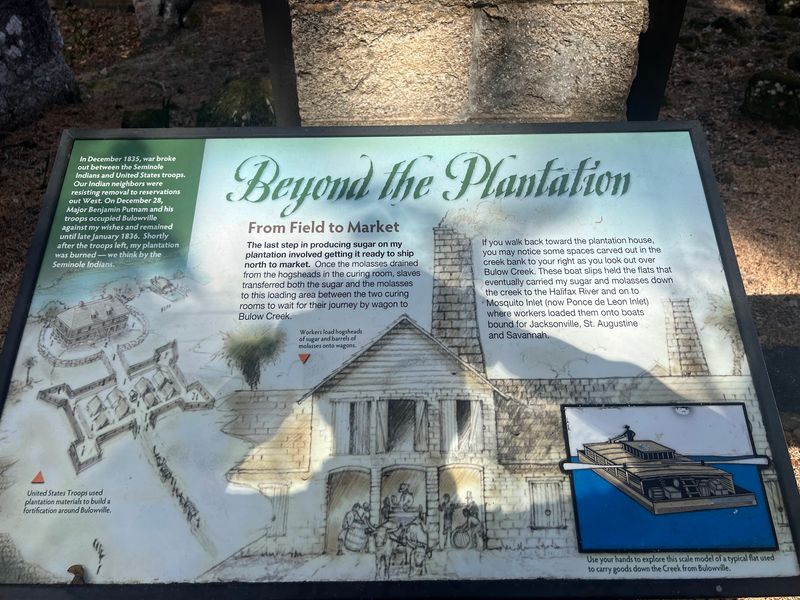
The park doesn’t just show you ruins and expect you to figure things out. Thoughtfully designed exhibits throughout the site explain the sugar-making process, plantation economics, and the historical context that led to the plantation’s destruction. Information plaques near the sugar mill break down each step of converting sugar cane into refined sugar, a process so labor-intensive and dangerous that it’s almost unimaginable by modern standards.
Behind protective glass near the ruins, you’ll find actual tools and household items recovered from the site or representative of the period. These artifacts bring the historical narrative down to human scale in ways that stone walls cannot. Seeing the actual implements used in daily work makes the past tangible rather than abstract.
The exhibits don’t shy away from difficult subjects. They address the reality of slavery directly, explaining how the plantation system functioned and why it ultimately provoked violent resistance. The Second Seminole War context is particularly well presented, helping visitors understand that the plantation’s destruction wasn’t random violence but part of a larger conflict over slavery’s expansion into Florida.
Some reviewers note that portions of the displays could use updating, and that’s fair. This is a state park operating on limited budgets, not a major museum with constant renovation funds. Even so, the core information remains valuable and well-researched.
The park rangers occasionally offer guided tours that provide even deeper context and can answer specific questions that static displays cannot address.
What’s most impressive about these educational elements is how they balance multiple perspectives. The exhibits acknowledge the entrepreneurial ambition that drove John Bulow to establish this massive operation while never losing sight of the human cost that made it possible. They explain the Seminole perspective on the conflict and why Black Seminoles fought alongside Native Americans to resist the plantation system’s expansion.
This nuanced approach to history feels increasingly rare and valuable.
The Atmospheric Entry Road Through Old Florida
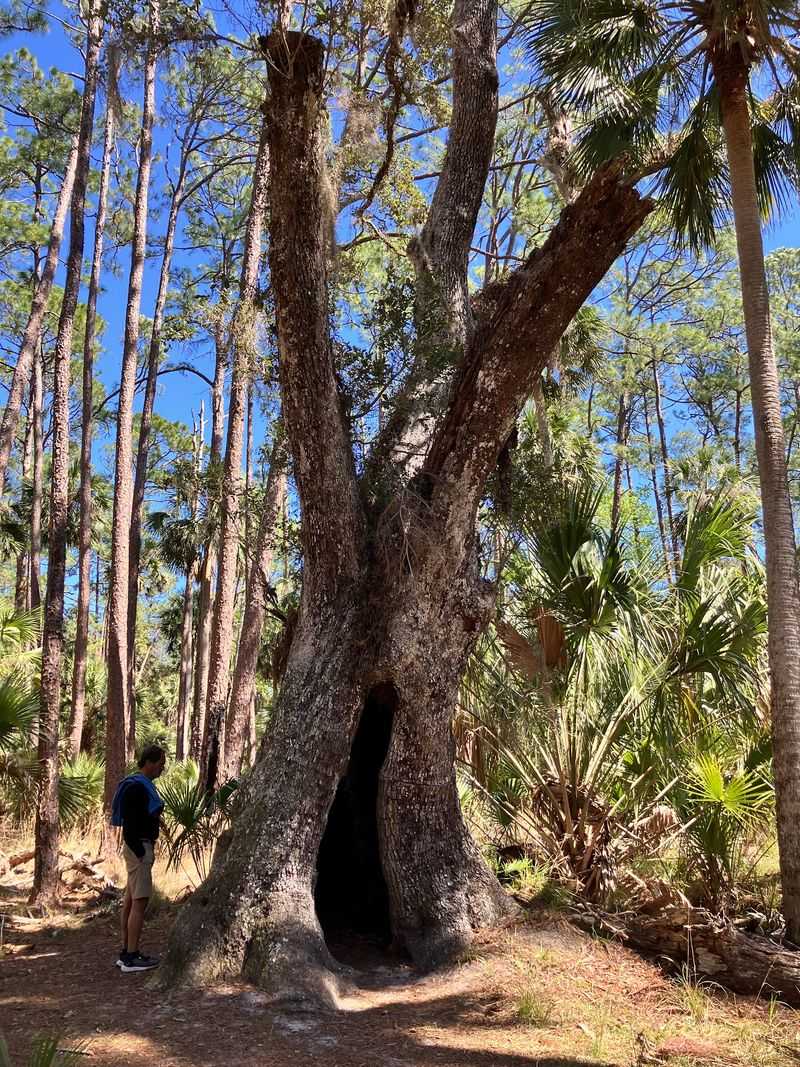
Before you even reach the ruins, the park prepares you for something special. The entrance road stretches for what feels like miles through classic Old Florida landscape, a narrow dirt track tunneling through dense vegetation with occasional glimpses of marshland. This isn’t a paved highway with clear signage every hundred yards but a genuine back-road experience that immediately transports you away from modern Florida’s strip malls and beach condos.
Multiple reviews specifically mention this entrance road as a highlight of the visit, which tells you something about how rare authentic Florida experiences have become. The road follows what was originally the plantation’s main avenue, the formal approach that visitors and supply wagons would have taken to reach the main house. Driving it now, you’re literally following in the tracks of history.
The length and condition of the road serve a purpose beyond just access. By the time you reach the parking areas, you’ve left the contemporary world behind psychologically as well as physically. That transition matters when you’re visiting a site meant to commemorate difficult history.
You arrive in a different headspace than you would if you’d just pulled off a busy highway into a parking lot.
The road can get rough after heavy rains, and it’s definitely not suited for low-clearance sports cars or vehicles you’re worried about scratching. That’s part of the filtering process. Bulow Plantation isn’t trying to be a high-volume tourist attraction with bus tours and gift shops.
It’s a place that rewards visitors willing to make a small effort to reach something genuine.
On the drive out, after spending time among the ruins and walking the trails, the long entrance road provides time to process what you’ve seen. The return to modern civilization happens gradually rather than abruptly, giving you space to think about the layers of Florida history and how the landscape both preserves and conceals the past.