You’d Never Expect to Find This Striking Chinese Monastery in Florida Minutes From Orlando’s Airport
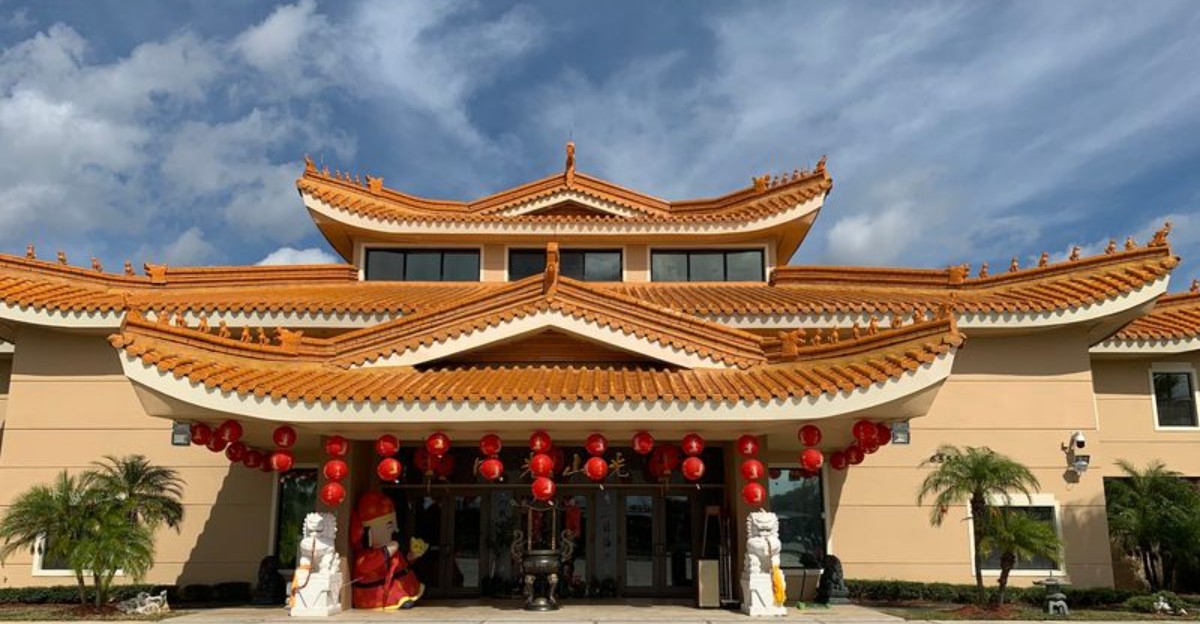
Fo Guang Shan Guang Ming Temple offers a surprisingly peaceful escape just a short drive from Orlando International Airport. Its traditional Chinese architectural details, spacious interior, and serene atmosphere make it feel worlds away from the traffic and theme-park energy nearby. The temple is part of the Fo Guang Shan Buddhist organization and serves as both a place of worship and a cultural center.
Visitors can admire ornate design elements, Buddhist artwork, statues, and quiet spaces intended for reflection. The building’s multi-level layout adds to its impressive presence, especially considering how easily travelers can pass through the surrounding area without realizing it is there. Beyond its architecture, the temple hosts religious services, cultural programs, meditation activities, and community events throughout the year.
Those who visit respectfully can gain a deeper look at Buddhist traditions while enjoying a calm setting that feels very different from Orlando’s more familiar attractions. For travelers with a little extra time before a flight or anyone searching for an unexpected Central Florida stop, Fo Guang Shan Guang Ming Temple delivers history, culture, and tranquility in one memorable visit.
Stunning Traditional Architecture That Commands Attention
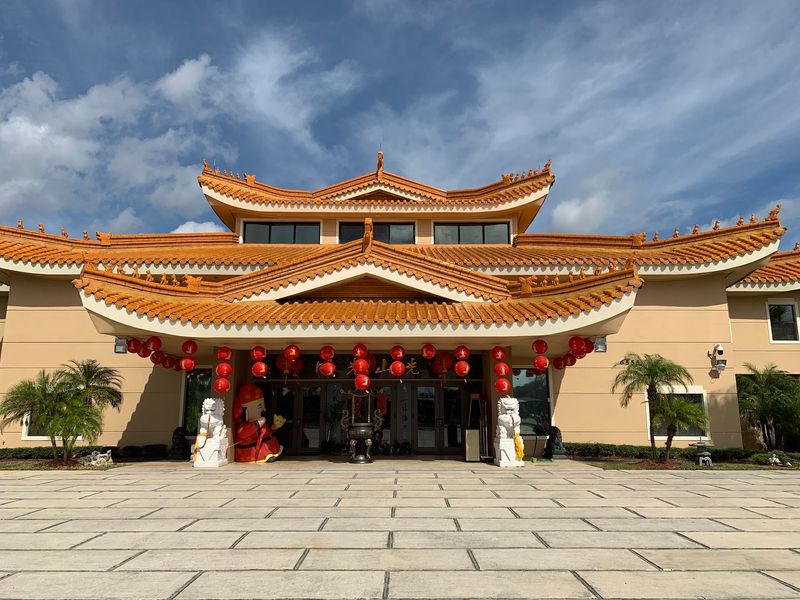
The moment you turn onto Hoffner Avenue, the temple’s silhouette grabs your attention like nothing else in the neighborhood. Bright red pillars rise toward the sky, supporting curved tile roofs that mirror centuries-old Chinese design. Golden accents catch the sunlight, and intricate carvings detail every corner of this architectural wonder.
Built to honor traditional Buddhist temple design, the structure feels worlds away from Orlando’s typical landscape. The main building stands multiple stories tall, with each level featuring distinct architectural elements that tell stories through their craftsmanship. Visitors often mention stopping their cars just to photograph the exterior, amazed that such an authentic piece of Eastern culture exists so close to theme parks and highways.
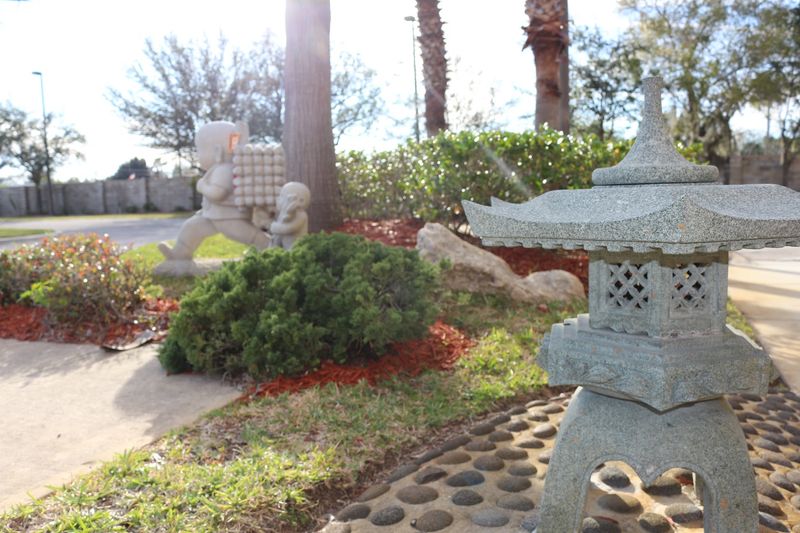
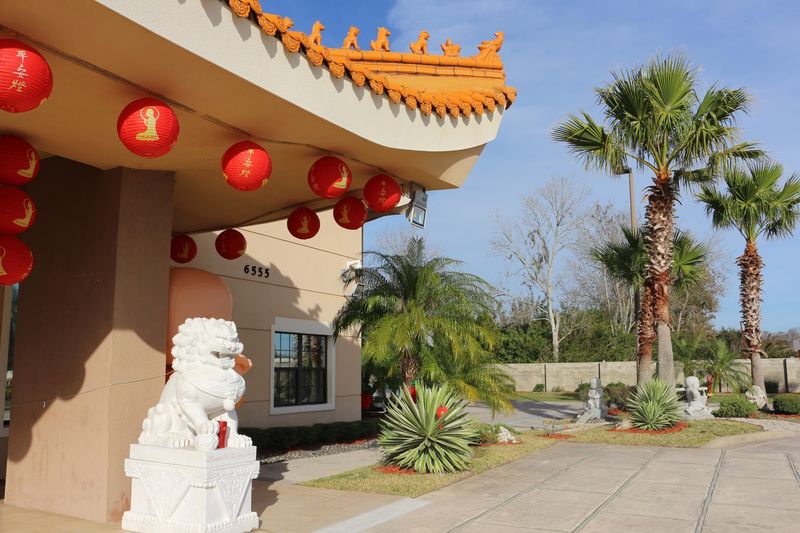
The temple grounds include carefully maintained gardens and pathways that guide visitors toward the main entrance. Stone lions stand guard at strategic points, their expressions both fierce and protective. Even the parking area feels intentional, with attendants who greet guests warmly and help orient newcomers to this special space.
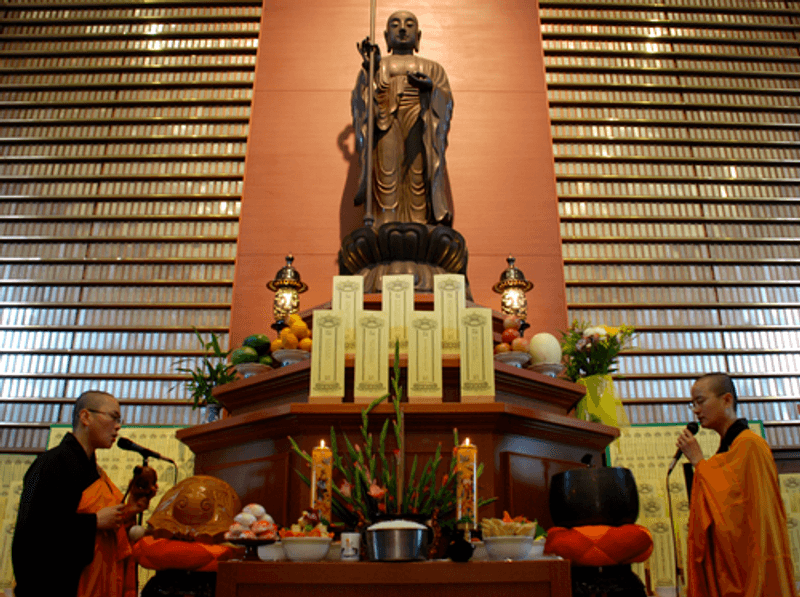
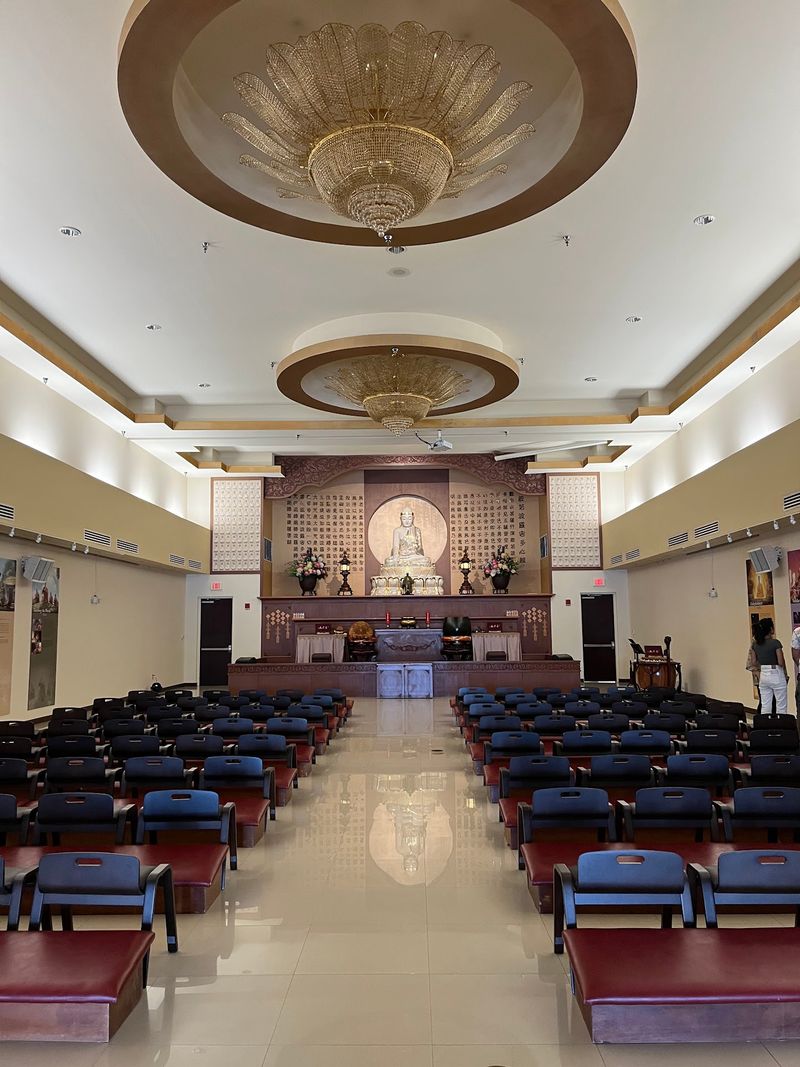
Inside, the design continues to impress with soaring ceilings, ornate altars, and spaces dedicated to different practices. The main prayer hall showcases Buddhist statues adorned with offerings of fresh flowers and fruit. Natural light filters through carefully placed windows, creating an atmosphere that feels both sacred and welcoming.
What makes the architecture even more remarkable is its accessibility. Unlike museums where you observe from a distance, this is a living, breathing temple where people practice daily. The building serves its community while also opening doors to curious visitors who want to experience something beyond Orlando’s usual attractions.
The attention to authentic detail extends from the roof tiles imported from Asia to the hand-carved wooden elements throughout the interior. Every design choice reflects the temple’s commitment to preserving traditional Buddhist aesthetics while creating a functional space for modern practitioners and visitors alike.
Incredibly Welcoming Community of Volunteers and Monastics
Walking through the temple doors for the first time can feel intimidating, but that nervousness dissolves the instant someone greets you. Volunteers and Buddhist nuns staff the information desk, ready to answer questions, offer tours, and share tea with anyone who shows genuine interest. Their warmth transforms what could feel like intruding into a sacred space into feeling like you’ve been invited to a friend’s home.
The monastics here practice Humanistic Buddhism, a tradition that emphasizes engagement with the world rather than isolation from it. This philosophy shows in how eagerly they welcome newcomers, regardless of religious background. One volunteer named Cristian has been mentioned repeatedly in reviews for his knowledge and kindness, spending hours with visitors over jasmine tea, explaining the temple’s history and Buddhist concepts in accessible language.
Many first-time guests express surprise at how the community goes out of its way to make everyone comfortable. They don’t pressure anyone to convert or participate beyond their comfort level. Instead, they offer information, answer questions honestly, and let curiosity lead the way.
This approach has helped countless nervous visitors relax and genuinely engage with what the temple offers.
The nuns themselves bring wisdom, compassion, and surprisingly good humor to their interactions. They lead chanting services, teach classes, and provide guidance to both longtime practitioners and complete beginners. Their presence adds authenticity to the experience while also making Buddhist practice feel approachable rather than mysterious or exclusive.
Regular attendees describe the community as a second family, gathering for events, celebrations, and study sessions. The temple hosts activities designed to bring people together, from New Year celebrations with music and food to weekly discussion groups. Even casual visitors often find themselves returning, drawn by the genuine human connections as much as the spiritual aspects.
This welcoming spirit extends to people of all backgrounds, ages, and belief systems. The temple truly embodies its mission of universal compassion, creating a space where differences are celebrated and everyone finds a place at the table.
Free Tours That Reveal Hidden Spaces and Deep History
Ask at the information desk and someone will happily guide you through spaces most people never see from the street. These free tours last as long as your curiosity holds, with guides tailoring the experience to your interests and knowledge level. One visitor spent over four hours exploring, asking questions, and learning about Buddhism from patient volunteers who never rushed the conversation.
The tour typically begins in the main prayer hall, where guides explain the significance of the various Buddha statues and the proper etiquette for this sacred space. They’ll show you how to light incense if you wish, though participation is never required. The explanations come without religious pressure, focusing instead on cultural context and historical background that helps visitors appreciate what they’re seeing.
Beyond the main hall, the temple contains surprises around every corner. There’s a yoga room for movement practices, classrooms for study sessions, and a cafe-style space where people gather for tea and conversation. The library stocks books on Buddhism and related topics, while a small gift shop offers incense, religious items, and educational materials.
A separate memorial room provides a quiet place for remembering deceased loved ones.
The crown jewel sits on the top floor where a special tea ceremony room awaits. This traditional space hosts formal tea ceremonies that blend meditation, mindfulness, and the ancient art of tea preparation. The room’s design and furnishings transport visitors to another time and place, offering a complete sensory experience that goes far beyond simply drinking tea.
Guides share stories about the temple’s founding, its connection to the larger Fo Guang Shan Buddhist order, and how this Orlando location serves both local Chinese communities and Americans curious about Buddhist practice. They explain the differences between Buddhist traditions and how Humanistic Buddhism applies ancient wisdom to modern life challenges.
These tours cost nothing but can be worth everything to someone seeking peace, knowledge, or simply a break from Orlando’s commercial tourist scene.
Chanting Services That Create Harmonious Community Experiences
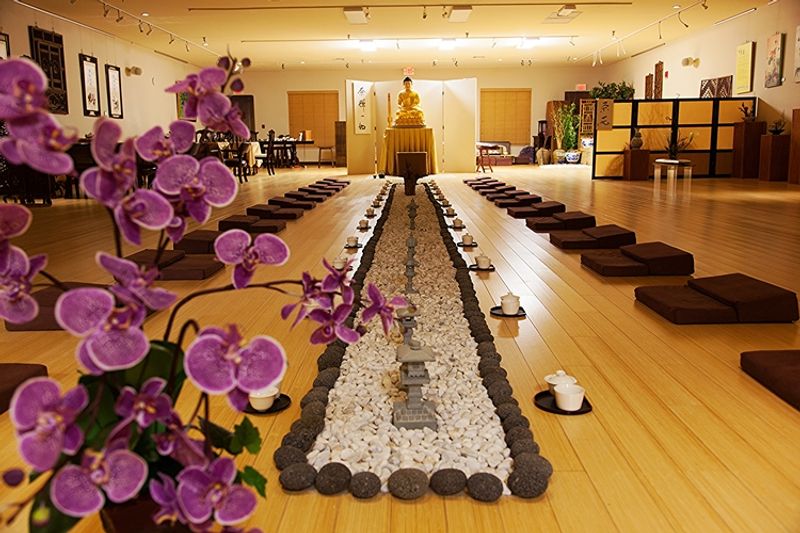
Sunday mornings bring the temple to life with chanting services that fill the prayer hall with resonant voices moving in unison. Even if you don’t understand the Chinese words, the experience carries you along on waves of sound that create something beyond language. First-timers often describe feeling unexpectedly moved by the harmonious energy, even when they arrived skeptical or uncertain about participating.
The temple offers both Chinese and English services, with the English option held once monthly to accommodate non-Chinese speakers. But attending the Chinese service doesn’t mean exclusion. Helpful practitioners often share prayer books with phonetic guides, and the welcoming atmosphere makes it clear that stumbling through unfamiliar words matters less than showing up with an open heart.
Chanting in Buddhist practice serves multiple purposes beyond worship. The repetitive nature quiets the racing mind, the rhythmic breathing promotes relaxation, and the communal aspect builds connection among participants. You don’t need to be Buddhist to appreciate these benefits or to join in the experience respectfully.
Services typically last about an hour, beginning with settling into the space and ending with a sense of peace that lingers long after. The nuns lead the chanting from the front, their experienced voices providing a steady anchor for everyone else to follow. Incense smoke curls upward, candles flicker before the altar, and the outside world’s chaos feels very far away.
What strikes many visitors is the lack of judgment or pressure. You can participate fully, observe quietly, or something in between, and everyone remains equally welcome. This flexibility allows people to engage at their own comfort level while still feeling part of something larger than themselves.
After services, people often linger to chat, share vegetarian snacks, or simply enjoy the peaceful atmosphere before returning to their regular Sunday routines. Many attendees mention that this weekly practice has become essential to their mental health, providing balance against daily stress and a community that genuinely cares about their wellbeing.
Vegetarian Lunches That Nourish Body and Community Bonds
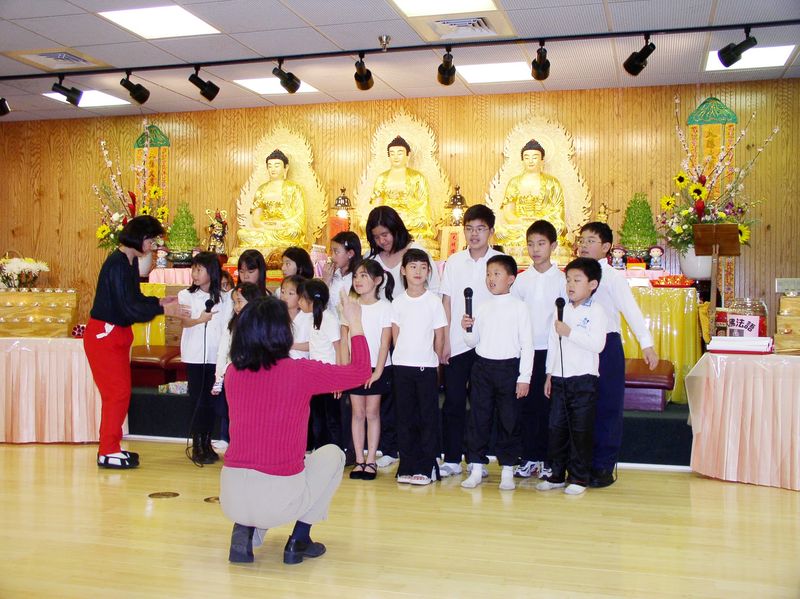
Every Sunday after chanting services, the temple provides free vegetarian lunch to anyone present, regardless of whether they attended the service or practice Buddhism. Long tables fill with homemade dishes that showcase how delicious plant-based eating can be when prepared with care and traditional recipes. The food alone would be worth the visit, but combined with the welcoming atmosphere, these meals become something special.
The menu changes weekly but always reflects Buddhist vegetarian principles, meaning no meat, fish, or eggs. You’ll find dishes inspired by Chinese cuisine alongside creative preparations that might surprise your palate. Fresh vegetables, tofu prepared in various styles, flavorful rice dishes, and soups that warm you from the inside out.
Everything is prepared by volunteers who view cooking as an act of compassion and service.
These communal meals serve purposes beyond nutrition. Sharing food breaks down barriers between strangers, creates opportunities for conversation, and embodies the Buddhist value of generosity. Longtime members sit beside first-time visitors, swapping stories and answering questions while passing serving spoons around the table.
The temple doesn’t require donations for these meals, though a donation box sits available for those who wish to contribute. This approach ensures that anyone can participate regardless of financial circumstances. Some visitors mention feeling humbled by this generosity, especially in a world where free rarely means truly free with no strings attached.
Beyond Sunday lunches, the temple occasionally hosts special meals for holidays and celebrations. The New Year feast draws particularly large crowds, with parking attendants helping manage the influx of people coming to celebrate with traditional foods, music, and community spirit. These events showcase the temple’s role as a cultural center preserving Chinese traditions while welcoming anyone interested in experiencing them.
For many regulars, these meals represent the highlight of their week. The combination of nourishing food, genuine human connection, and peaceful surroundings creates an experience that feeds more than just the body. It’s a reminder that slowing down to share a meal with others can be its own form of meditation.
Classes and Workshops That Make Ancient Wisdom Accessible
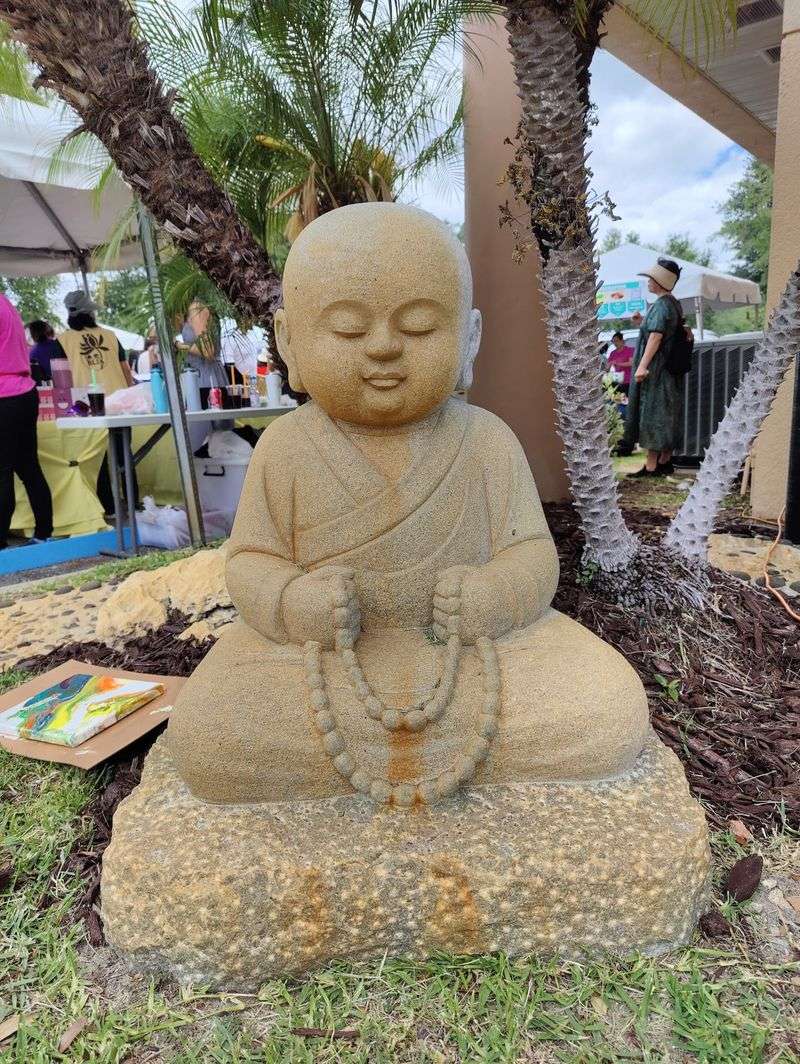
The temple functions as an educational center offering classes that range from meditation basics to formal tea ceremony instruction. These sessions welcome complete beginners, with teachers who excel at translating complex Buddhist concepts into language that makes sense to modern Americans. No prior knowledge or religious affiliation is required, just genuine curiosity and willingness to learn.
Meditation classes teach practical techniques for quieting the mind and finding calm amid life’s chaos. Instructors guide students through breathing exercises, body scans, and mindfulness practices that you can take home and use whenever stress strikes. The classes emphasize meditation as a tool for mental health rather than exclusively a religious practice, making them accessible to people from any background.
Tea ceremony classes offer something entirely different but equally valuable. These sessions teach the traditional Chinese art of tea preparation as a meditative practice. You’ll learn proper techniques for brewing different tea varieties, the significance of each step in the ceremony, and how slowing down to prepare and enjoy tea can become a form of moving meditation.
Students often describe these classes as surprisingly profound, finding depth in what initially seemed like simply making tea.
Discussion groups meet regularly to explore Buddhist teachings and how they apply to contemporary life challenges. These aren’t lectures but genuine conversations where participants share perspectives and learn from each other’s experiences. The groups create space for asking difficult questions and wrestling with philosophical concepts in a supportive environment.
The temple also offers language classes for those interested in learning Chinese, yoga sessions that combine physical movement with mindfulness, and special workshops around holidays or specific topics. The schedule varies, so checking their website or calling ahead helps ensure you don’t miss classes that interest you.
What makes these offerings special is their quality combined with accessibility. The teachers bring deep knowledge and authentic training, yet they present information without condescension or assuming prior expertise. Whether you attend one introductory class or commit to regular study, you’ll walk away with practical tools and new perspectives that enrich your life beyond the temple walls.
Peaceful Atmosphere That Offers Refuge From Daily Stress
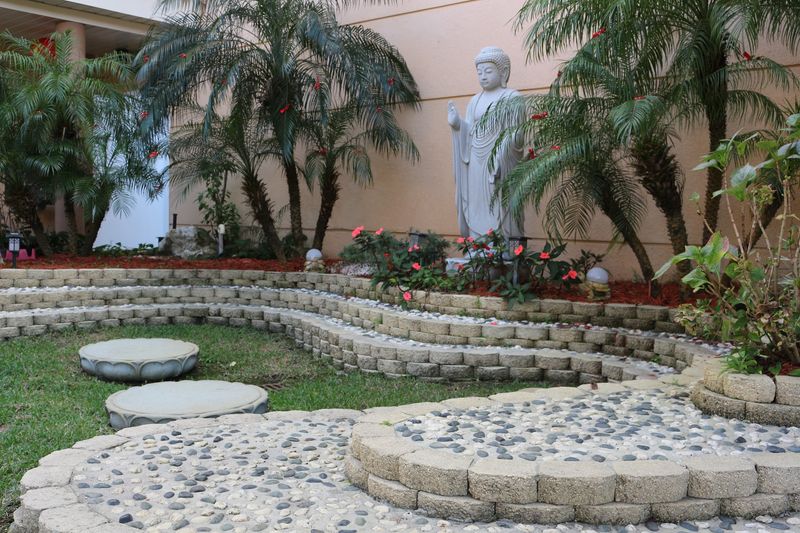
Step inside and the world’s noise fades to a distant hum. The temple’s atmosphere wraps around you like a soft blanket, inviting your shoulders to drop and your breathing to slow. This isn’t accidental but the result of intentional design, from the architecture that promotes flow to the mindful way people move through the space.
Natural elements contribute to the sense of calm. Incense smoke carries subtle fragrances that signal to your brain that this space differs from the outside world. Soft lighting avoids harsh fluorescents, instead creating gentle illumination that feels restful to tired eyes.
Even the temperature seems carefully maintained to promote comfort without distraction.
The sounds within the temple tell their own story. You might hear distant chanting, quiet conversations conducted in respectful tones, or simply silence broken by the rustle of robes as nuns move through their daily routines. These sounds never jar or demand attention but instead create a sonic environment that supports inner quiet.
Many visitors mention the temple’s energy, describing it as palpable peace that affects them physically. Tension they didn’t realize they were carrying releases. Racing thoughts slow to a manageable pace.
The constant pressure to be productive or entertaining takes a break, replaced by permission to simply be present in the moment.
This peaceful quality makes the temple valuable beyond its religious function. People come specifically to escape Orlando’s intensity, finding here a free refuge that asks nothing except basic respect. Some sit quietly in the prayer hall for a few minutes.
Others wander the grounds, soaking in tranquility before returning to their demanding lives.
The temple’s location near the airport creates an interesting contrast. Planes occasionally pass overhead, reminding you that the busy world continues just beyond these walls. Yet somehow that makes the peace inside feel even more precious, a genuine oasis that exists not despite Orlando’s chaos but as an antidote to it.
Regular visitors credit this atmosphere with supporting their mental health, providing essential balance against work stress, family demands, and the general anxiety of modern life.
Special Events That Celebrate Culture and Build Connections
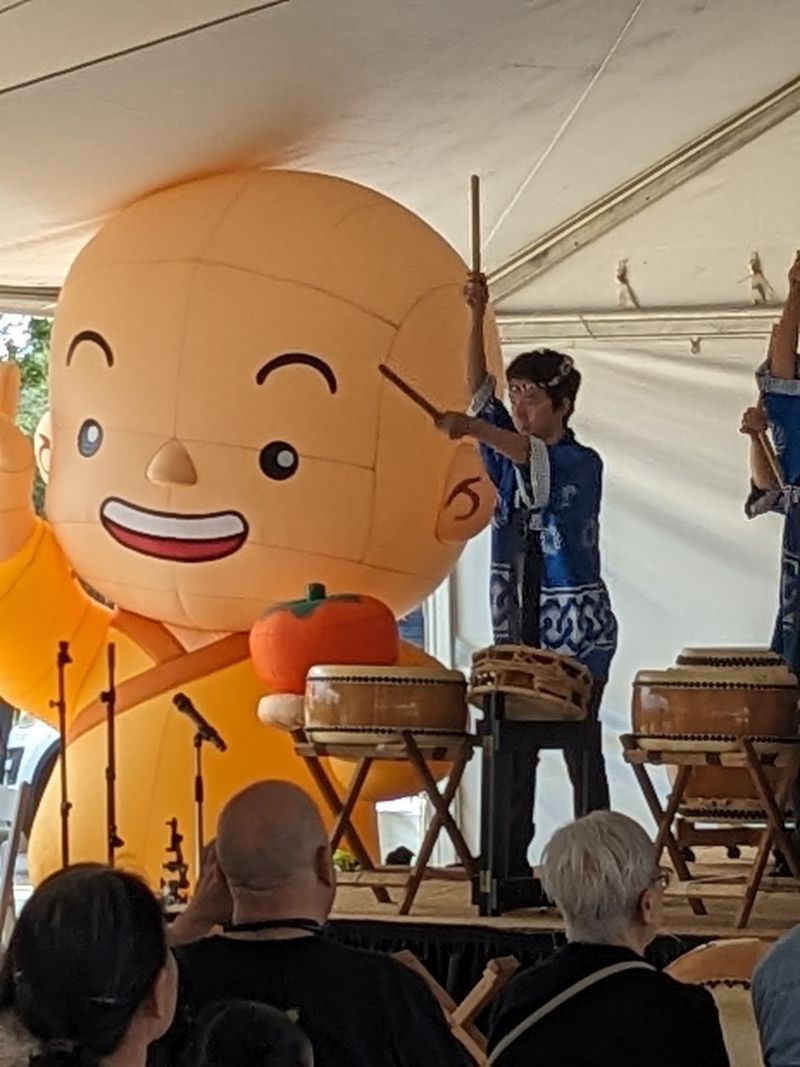
Throughout the year, the temple hosts events that transform the space into a vibrant celebration of Chinese culture and Buddhist traditions. The Chinese New Year celebration stands out as a particular highlight, drawing crowds who come for music performances, traditional foods, and the chance to experience authentic cultural festivities. Parking attendants work overtime during these events, helping manage the enthusiastic turnout.
These celebrations open to everyone, not just temple members or Buddhist practitioners. Families bring children to experience cultural traditions different from their own. Curious individuals show up alone and leave having made new friends.
The temple’s commitment to inclusivity shines brightest during these gatherings when diversity becomes visible and celebrated.
Food plays a central role in most events, with volunteers preparing special dishes that reflect holiday traditions. You might encounter dumplings shaped for good fortune, sweet treats that symbolize prosperity, or elaborate vegetarian feasts that showcase culinary artistry. The generosity flows freely, with enough prepared to ensure everyone eats well regardless of how many people attend.
Cultural performances add entertainment and education to these events. Traditional music fills the prayer hall, played on instruments many attendees have never seen before. Sometimes there are demonstrations of calligraphy, martial arts, or other Chinese arts that help preserve cultural knowledge while sharing it with new audiences.
The temple also hosts events focused on Buddhist practice rather than cultural celebration. Silent meditation retreats offer intensive experiences for those seeking deeper practice. Women’s fasting weekends provide structured time away from regular life’s demands.
These more serious events attract dedicated practitioners but maintain the same welcoming spirit toward newcomers willing to commit to the experience.
Seasonal observances mark important dates in the Buddhist calendar, with special services and teachings that help participants understand the religion’s rhythms and traditions. Even if you only attend one event out of curiosity, you’ll likely find yourself moved by the community’s joy in sharing their traditions and the genuine care they show for every person who walks through the door.
Library and Gift Shop Stocked With Spiritual Resources
A small but thoughtfully curated library occupies space within the temple, offering books on Buddhism, meditation, Chinese philosophy, and related topics. Unlike commercial bookstores where spirituality sections feel like afterthoughts, this library was built by people who genuinely want to share knowledge. Visitors can browse freely, and many materials are available to take home without charge.
The selection ranges from beginner-friendly introductions to Buddhism to more advanced texts for serious students. You’ll find books explaining different Buddhist traditions, meditation instruction manuals, and works exploring how ancient wisdom applies to contemporary challenges. Some materials come in multiple languages, reflecting the temple’s diverse community.
Adjacent to the library, the gift shop sells items that serve both practical and spiritual purposes. Incense in various scents allows you to bring the temple’s peaceful atmosphere into your home. Prayer beads offer tools for meditation practice.
Small Buddha statues range from simple to ornate, suitable for personal altars or simply as beautiful reminders of Buddhist principles.
The shop also stocks items specific to Chinese culture and Buddhist practice that might be hard to find elsewhere in Orlando. You can purchase proper attire for attending services, ceremonial items for home practice, or educational materials for children learning about Buddhism. Prices remain reasonable, with the shop operating more to provide access than to generate profit.
What makes both the library and shop special is the knowledgeable assistance available. Staff and volunteers can recommend books based on your interests, explain the significance of various items, or help you find exactly what you need for your practice or study. They’ll also honestly tell you when something isn’t necessary, prioritizing your genuine needs over making sales.
Many visitors mention leaving with armfuls of free materials, surprised by the temple’s generosity in sharing resources. The approach reflects Buddhist values of spreading knowledge and supporting others on their spiritual journeys, whatever form those journeys might take. Even if you’re just browsing out of curiosity, you’ll find the library and shop offer windows into a rich tradition worth exploring.
Convenient Location That Makes Tranquility Surprisingly Accessible
Finding profound peace usually requires driving hours into remote areas, but this temple sits just minutes from Orlando International Airport on Hoffner Avenue. The convenient location means you can visit during a layover, stop by after work, or make it part of a regular routine without dedicating your entire day to the journey. This accessibility makes the temple’s offerings available to people who might never experience them if they required significant travel.
The neighborhood around the temple is typical Orlando suburbia, with strip malls, residential areas, and busy roads. This ordinariness makes the temple’s presence even more remarkable. You’re not escaping to some isolated mountaintop but finding sanctuary right in the middle of regular life.
That proximity serves as a powerful reminder that peace doesn’t require perfect conditions or exotic locations.
Parking is plentiful and free, with attendants often present during busy times to help visitors find spots and orient themselves. The temple opens Tuesday through Sunday with varying hours, closed only on Mondays. This schedule accommodates people with traditional work weeks while also serving those with different schedules.
Calling ahead or checking the website ensures you don’t arrive during closed hours or special private events.
The phone number listed online has occasionally caused confusion, with some callers reaching a personal line instead of the temple. If that happens, try the website for updated contact information or simply visit during open hours when staff will be available to help in person. Most people find the in-person experience more rewarding anyway than trying to gather information remotely.
Getting to the temple is straightforward whether you’re local or visiting Orlando. The address at 6555 Hoffner Avenue is easy to find with GPS, and the building’s distinctive architecture means you won’t miss it once you’re close. Many people report driving past for years before finally stopping, then wishing they’d visited sooner.
This combination of convenient location and genuine substance makes the temple a rare find. You don’t have to choose between accessibility and authenticity. Both exist together here, creating opportunities for rushed modern Americans to experience something timeless without requiring major lifestyle changes or travel commitments.