Handmade Wooden Booths and K-Pop Give This Tampa, Florida Korean Restaurant Serious Personality
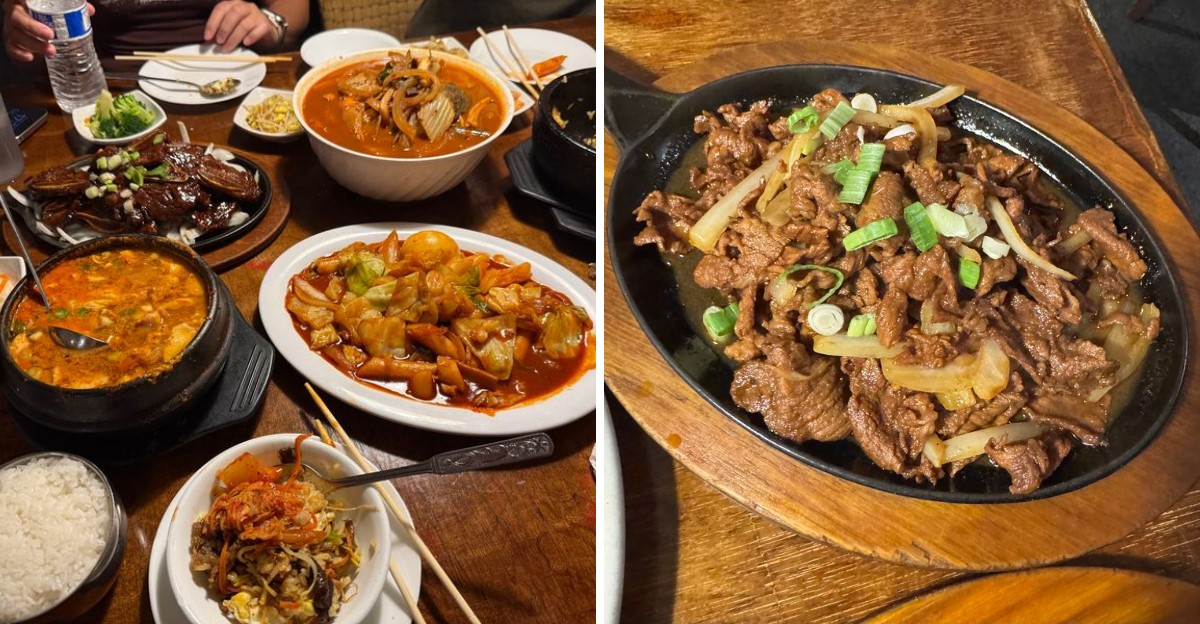
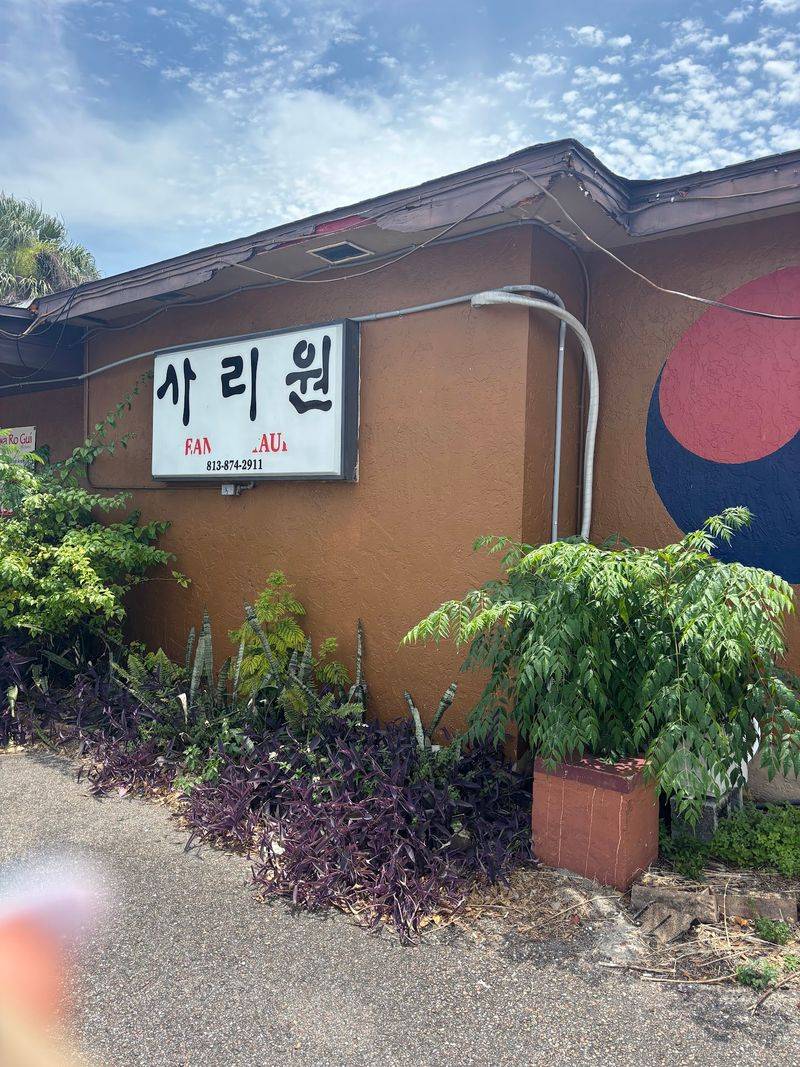
Walking into Sarione Korean Restaurant feels less like entering a typical dining spot and more like stepping into someone’s welcoming home on the outskirts of Seoul. Tucked away on West Cypress Street in Tampa, this cozy spot has been serving authentic Korean flavors since way before Korean food became trendy in Florida. The handcrafted wooden booths, K-pop tunes floating through the air, and that unmistakable smell of sizzling bulgogi create an atmosphere that loyal customers have been coming back to for over a decade.
Handmade Wooden Booths That Feel Like Home
The moment you slide into one of Sarione’s handmade wooden booths, you’ll notice something different. These aren’t mass-produced restaurant fixtures shipped from some wholesale catalog. Each booth was built with care, giving the entire space that converted-house vibe that makes you feel like you’re dining at a relative’s place rather than just another commercial eatery.
Regulars mention how the booths add to that nostalgic, old-school charm that hasn’t changed in over a decade. The blond wood surroundings keep things bright and unpretentious, perfect for a casual lunch or relaxed dinner. You won’t find fancy upholstery or Instagram-worthy neon signs here, just honest craftsmanship that prioritizes comfort over flash.
This setup works especially well for groups and families. Korean dining culture revolves around sharing, and these booths provide the perfect setup for spreading out banchan, soups, and grilled meats family-style. Kids can settle in comfortably while adults pass dishes around without feeling cramped.
Some visitors compare the atmosphere to dining in a repurposed home, which isn’t far off. The building itself has that quirky, converted-residence character that adds personality without trying too hard. Sure, you might notice some questionable building skills if you look closely, but that’s part of the charm that keeps this place feeling genuine.
The booths also create natural separation between tables, giving diners a bit of privacy even when the restaurant fills up during peak hours. On cold Tampa evenings (yes, they happen), settling into one of these wooden booths with a steaming bowl of tofu soup feels particularly satisfying. The casual, unpretentious seating matches the food philosophy perfectly: authentic, comforting, and made with care rather than concerned with trends or appearances.
K-Pop Soundtrack Sets the Cultural Vibe
K-pop beats provide the soundtrack at Sarione, creating an authentic cultural atmosphere that transports diners straight to Seoul. The music isn’t just background noise, it’s part of the experience that makes this spot feel genuinely Korean rather than a watered-down American interpretation. BTS fans have even mentioned running into fellow ARMY members during their visits, turning dinner into an impromptu fan meetup.
The musical choices reflect the restaurant’s commitment to authenticity. Instead of playing generic Asian fusion background tracks, Sarione embraces contemporary Korean culture in a way that resonates with both Korean customers and K-drama enthusiasts. One reviewer specifically mentioned coming here after attending a BTS concert, finding the atmosphere a perfect continuation of their Korean cultural experience.
For newcomers to Korean cuisine, the K-pop soundtrack actually serves as a gentle introduction to the culture beyond just the food. You’re not just tasting bibimbap, you’re immersing yourself in the sights and sounds that make Korean dining special. Families with teenagers especially appreciate this touch, as kids who might otherwise be skeptical about trying new foods often connect with the familiar music.
The volume stays at a comfortable level where you can still have conversations without shouting. This balance matters because Korean meals tend to be communal, social affairs where talking and sharing stories is just as important as the food itself. The music enhances rather than overwhelms the dining experience.
Long-time customers note how the K-pop element has remained consistent even as the restaurant has stayed a time capsule of its original vision. While other restaurants chase trends, Sarione keeps doing what it does best: serving traditional food in an atmosphere that feels both nostalgic and culturally current. The combination of handcrafted booths and contemporary Korean music creates a unique blend of old-meets-new that you won’t find at flashier, more modern Korean spots around Tampa.
Bulgogi That Brings Customers Back for Years
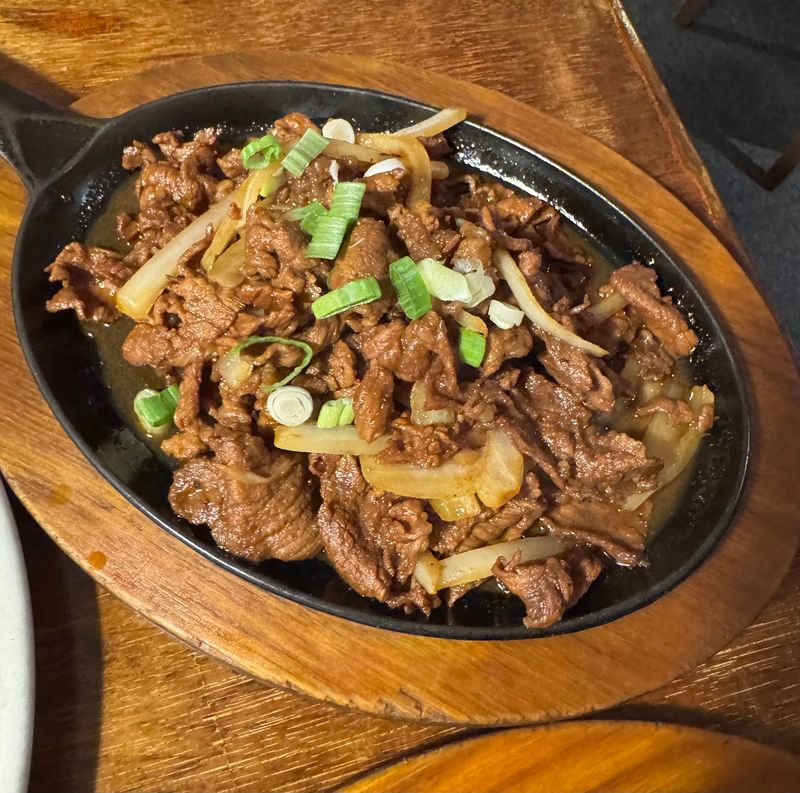
With 83 mentions across customer reviews, bulgogi stands as Sarione’s undisputed champion dish. Both beef and pork versions have earned devoted followings, with the pork bulgogi earning particular praise for being exceptionally well-seasoned and flavorful compared to other Tampa Korean restaurants. One regular called it their favorite pork bulgogi by far, which says plenty considering Tampa’s growing Korean food scene.
The beef bulgogi arrives perfectly marinated, tender, and caramelized just right. Unlike some spots that drown the meat in overly sweet sauce, Sarione strikes a balance that lets the quality of the beef shine through. Portions come generous enough for sharing, staying true to Korean communal dining traditions where multiple people dig into the same plates.
First-timers often order bulgogi as their entry point into Korean cuisine, and Sarione doesn’t disappoint. The dish provides all the savory, slightly sweet, garlicky flavors that make Korean BBQ famous without being too adventurous for cautious eaters. Served with rice and banchan side dishes, it becomes a complete meal that introduces newbies to how Korean dining works.
Long-time patrons appreciate how consistently good the bulgogi stays year after year. One reviewer mentioned eating here since 2012, and even after leaving Tampa, they make Sarione a mandatory stop whenever visiting. That kind of loyalty doesn’t happen by accident but through delivering the same quality time and again.
The bulgogi works equally well for lunch or dinner, and the lunch box version offers serious value at around $21 with generous portions. You’ll get your main dish plus soup, banchan, and rice, making it one of the better deals for authentic Korean food in the area. Whether you’re a Korean food veteran or someone who just watched their first K-drama and wants to taste what the characters are always eating, Sarione’s bulgogi delivers exactly what you’re hoping for.
Galbi Short Ribs Worth the Splurge
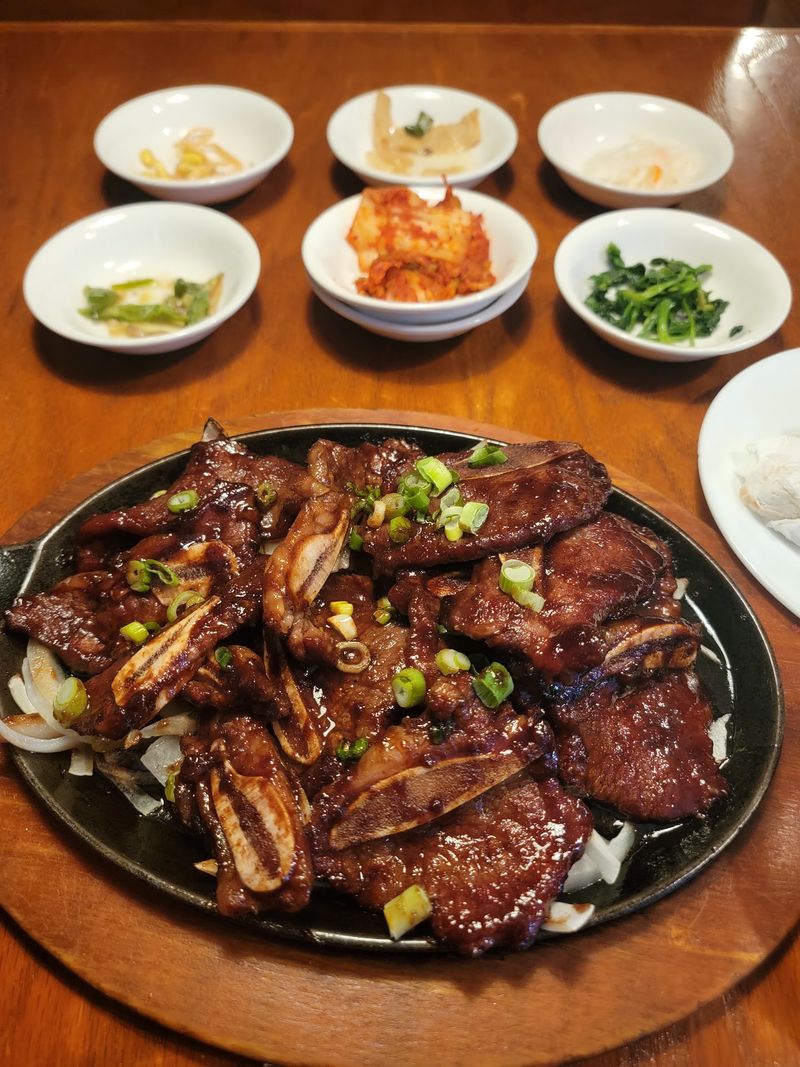
LA galbi commands a premium price at $34.95, but regulars insist the tender, flavorful short ribs justify every dollar. These aren’t your average ribs. The Korean-style marinade penetrates deep into the meat, creating layers of sweet, savory, and umami flavors that make each bite memorable.
Multiple reviews specifically call out the short ribs as delicious and worth ordering again.
The preparation stays traditional, with the meat grilled to develop those crispy, caramelized edges while keeping the interior juicy. When done right, as Sarione typically does, galbi becomes fork-tender enough to pull apart easily but still has enough texture to feel substantial. The bone adds extra flavor and makes the presentation impressive when it arrives at your table.
Fair warning: experiences with the galbi can vary depending on when you visit and how busy the kitchen is. A few reviewers mentioned receiving overcooked or overly sweet versions, though these seem to be exceptions rather than the rule. Most customers rave about the quality and flavor, with some making galbi their go-to order every single visit.
The portion size makes sense for sharing, which helps justify the price point. Korean dining culture encourages ordering several dishes for the table, and galbi typically serves as the centerpiece protein that everyone samples. Paired with rice, soup, and the complimentary banchan, one order can easily satisfy two people or serve as part of a larger family-style spread.
First-timers should know that galbi comes already cooked, not as a DIY tabletop grill situation. This makes it more approachable for Korean food newbies who might feel intimidated by cook-it-yourself BBQ spots. You can focus on enjoying the flavors rather than worrying about grilling technique.
After tax and the automatic gratuity for larger parties, expect to pay around $44 for the galbi, but most customers find the quality matches the price for this traditional Korean specialty.
Seafood Pancake Sized for Sharing
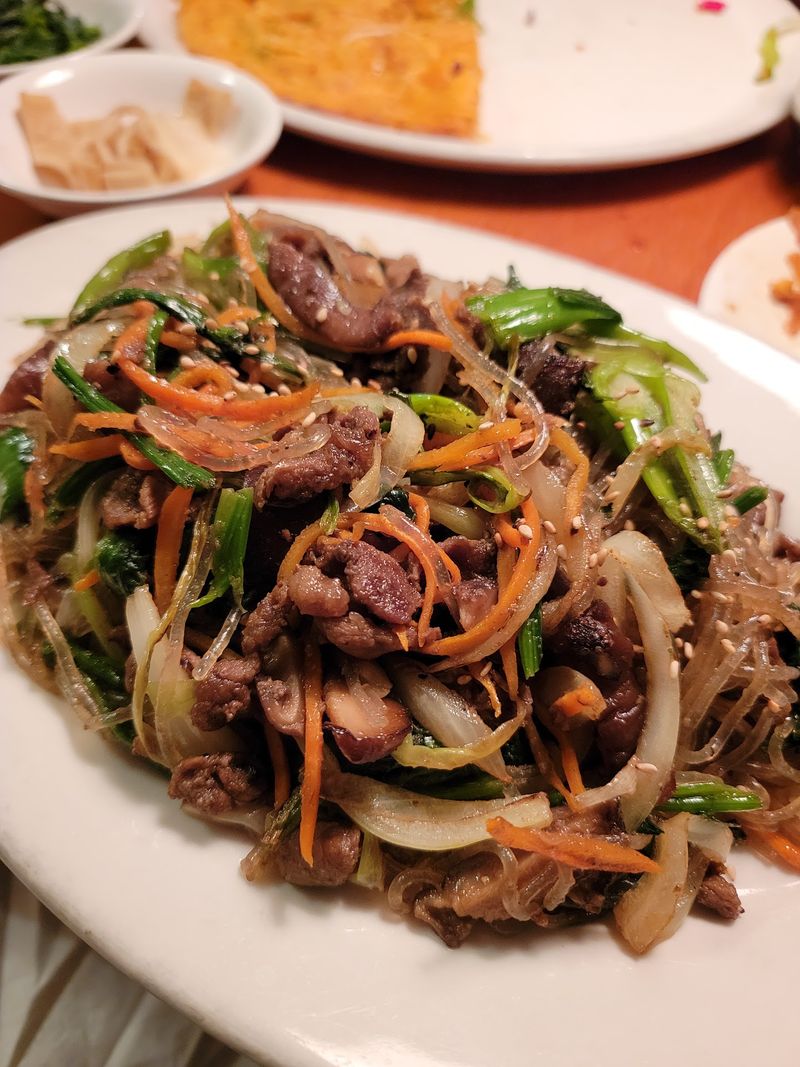
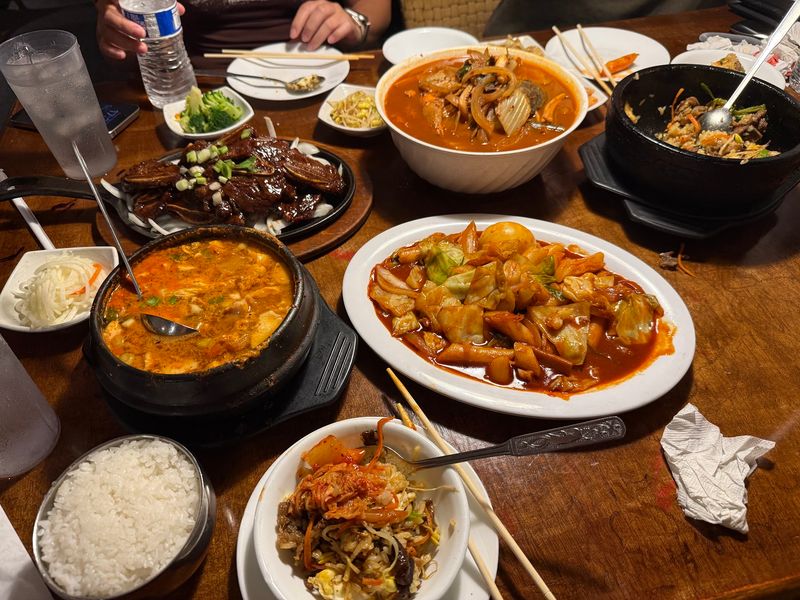
The seafood pancake shows up in 21 reviews, always described as huge and perfect for sharing. Called haemul pajeon in Korean, this savory pancake comes loaded with green onions, squid, shrimp, and other seafood mixed into a crispy batter. The portion size consistently surprises first-time visitors who expect something closer to American pancake dimensions.
Texture matters tremendously with seafood pancakes, and opinions vary at Sarione. Some diners wish it came crispier, while others find the texture perfectly balanced between crispy edges and a slightly chewy interior. The kitchen seems to aim for traditional Korean texture rather than the ultra-crispy version some American diners expect, which explains the mixed feedback.
The pancake arrives sliced into manageable pieces, making it easy to share as an appetizer before your main dishes. Paired with the soy-based dipping sauce, each bite delivers savory, slightly briny flavors from the seafood combined with the mild onion taste. This dish works especially well for groups trying multiple items family-style.
At Sarione, the seafood pancake serves as a reliable starter that gives your table something to munch on while waiting for entrees. The generous size means even larger groups can all get a taste without needing to order multiple pancakes. Some regulars order it every single visit as part of their standard Sarione experience.
Price-wise, the seafood pancake offers solid value considering the size and ingredient quality. You’re getting actual seafood pieces throughout, not just token garnishes. While it might not be the absolute best seafood pancake in Tampa according to some Korean food experts, it consistently delivers satisfying flavors and that important shareable size that makes Korean dining fun.
For anyone new to Korean cuisine, this pancake provides a less intimidating entry point than some of the spicier or more unfamiliar menu options.
Jajangmyeon for K-Drama Fans
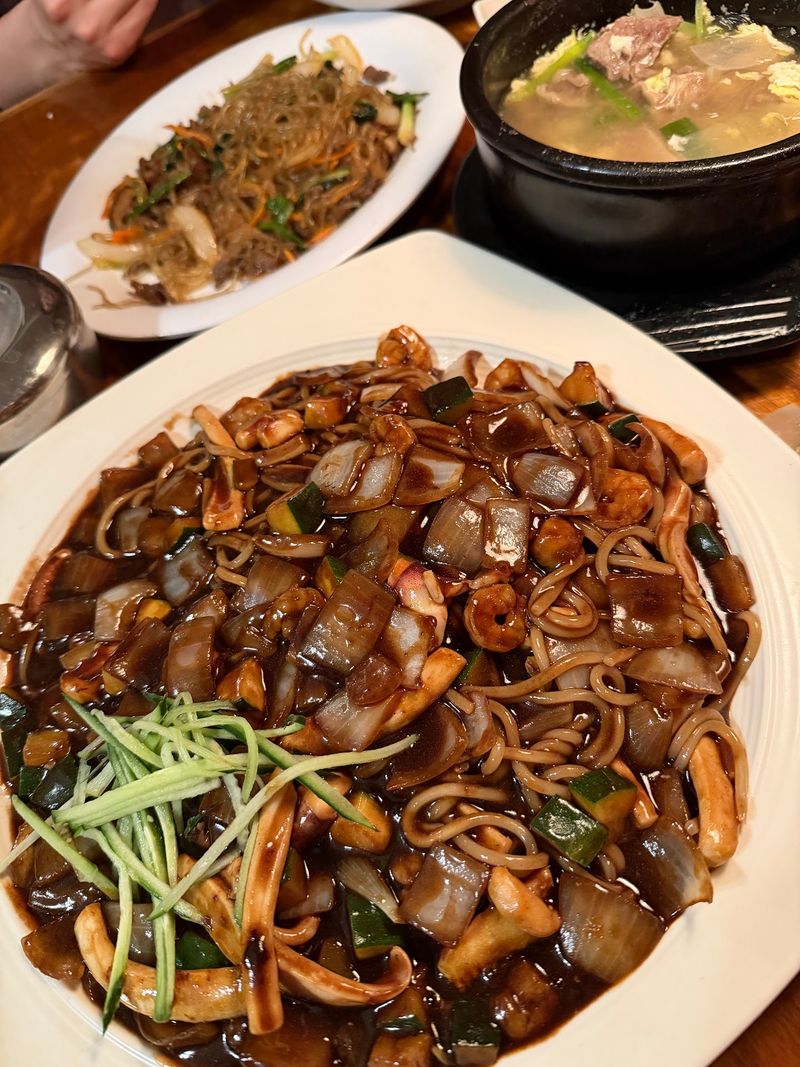
Anyone who’s watched Korean dramas knows jajangmyeon, those iconic black bean noodles that characters are always slurping. Sarione serves a solid version of this Korean-Chinese fusion dish that has fans coming back specifically for their fix. With 16 mentions in reviews, it clearly has a dedicated following despite not being a traditional Korean specialty.
The dish features thick, chewy noodles coated in a dark, savory black bean sauce (chunjang) with chunks of pork and vegetables mixed throughout. Sarione’s version gets praise for its smoky flavor and generous portions, though some diners wish the sauce came slightly thicker. The consistency leans more toward a lighter coating than the super-thick paste style some Korean-Chinese restaurants serve.
One long-time customer specifically lists jajangmyeon among their favorite dishes, ordering it repeatedly over years of visits. Another reviewer appreciated that even though Sarione isn’t a specialized Korean-Chinese restaurant, they still execute these fusion dishes pretty well. The kitchen clearly understands the dish and delivers flavors that satisfy both nostalgia and taste buds.
Jajangmyeon works great as a comfort food option, especially for diners who want something familiar if they’ve tried it before or seen it in Korean media. The mild, savory flavor profile makes it less intimidating than spicier Korean dishes, perfect for kids or anyone building up their Korean food tolerance gradually.
Some reviewers note the taste has varied over time, with recent visits showing different flavor profiles than previous years. This inconsistency seems to affect several menu items occasionally, possibly due to kitchen staff changes or recipe adjustments. Still, most recent reviews continue praising the jajangmyeon as a worthwhile order.
Paired with tangsuyuk (sweet and sour pork), it creates the classic Korean-Chinese combination that many Koreans grew up eating for special occasions or delivery nights. For K-drama enthusiasts wanting to taste what they’ve seen on screen, Sarione’s version delivers an authentic experience.
Generous Portions That Encourage Sharing
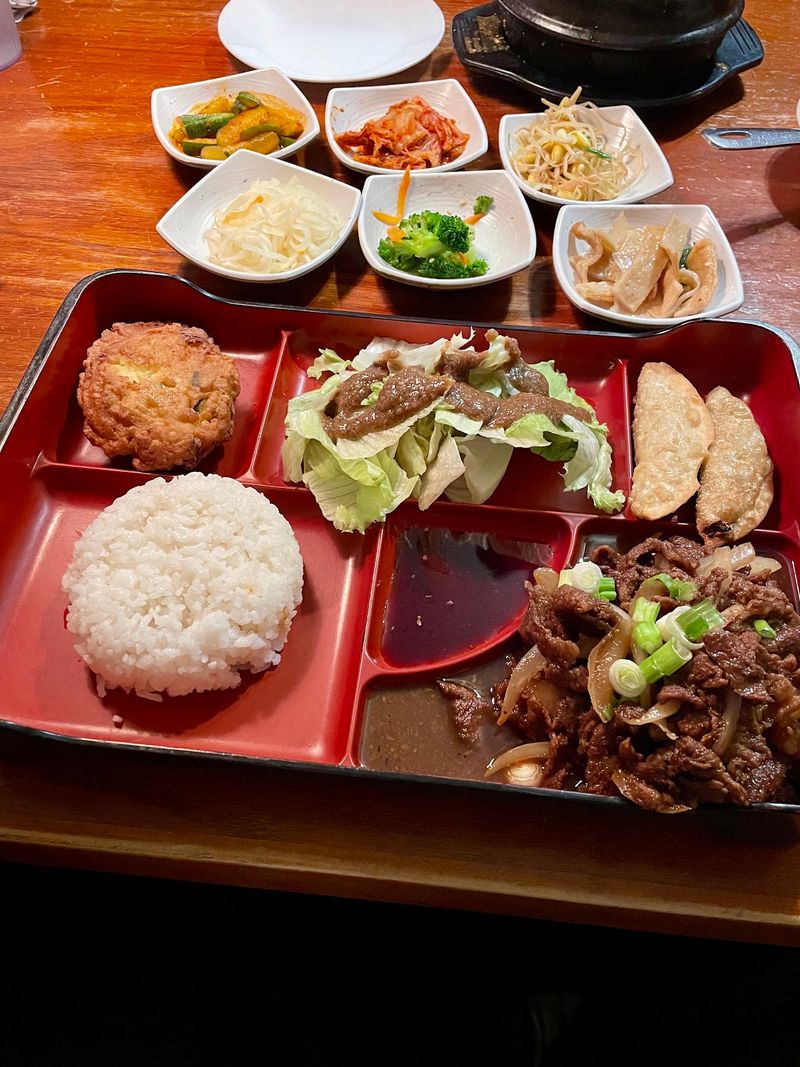
Portion size gets mentioned in 81 reviews, making it one of the most commented-on aspects of dining at Sarione. Customers consistently describe servings as generous, huge, and perfect for sharing. This isn’t accidental but reflects authentic Korean dining culture where meals are meant to be communal experiences rather than individual plates.
First-timers often over-order, not realizing how much food they’ll actually receive. A single entree frequently comes with enough food to satisfy two people, especially when you factor in the complimentary banchan side dishes, rice, and soup that accompany most meals. Smart diners order strategically, getting a variety of dishes for the table rather than individual entrees for each person.
The family-style approach works perfectly in those handmade wooden booths, where groups can spread out multiple dishes and sample everything together. This setup encourages trying new foods since you’re not committed to eating an entire plate of something unfamiliar. You can taste a bit of everything and discover what you like.
Value becomes exceptional when you consider the portion sizes. While some menu items might seem pricey at first glance, the amount of food you receive often costs less per person than grabbing fast food. The $21 lunch boxes particularly stand out as deals, delivering huge amounts of quality Korean food for a reasonable price.
Even the appetizers come in shareable sizes. That massive seafood pancake could easily serve four people as a starter. The soups arrive in proper Korean portions, meaning substantial bowls that qualify as full meals rather than token cups of broth.
Regulars know to pace themselves because the food keeps coming.
The generous portions also mean excellent leftover potential. Many reviewers mention taking food home, which extends the value even further. You can enjoy your Sarione meal twice: once at the restaurant and again the next day when those flavors have had time to meld together even more beautifully.
Tofu Soup for Cold Tampa Days
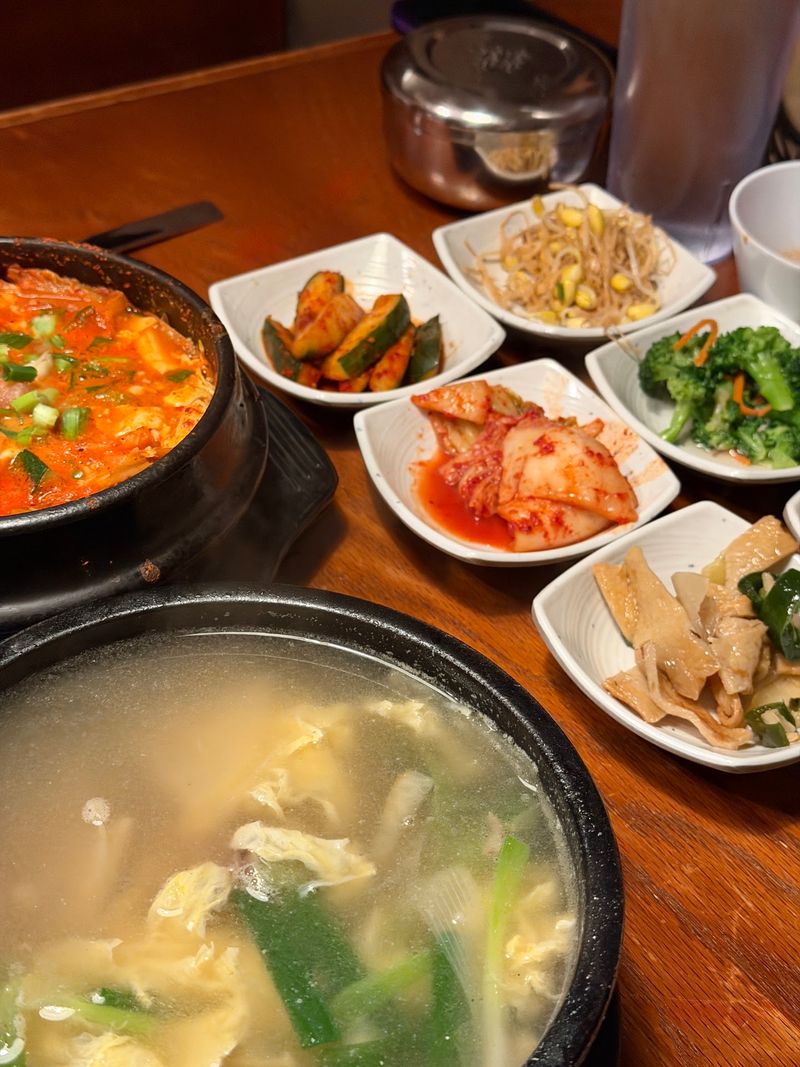
When Tampa experiences one of its rare cold snaps, locals head straight to Sarione for sundubu-jjigae, the silky tofu soup that warms you from the inside out. Served bubbling hot in a traditional stone pot, this spicy stew combines soft tofu, vegetables, sometimes seafood or meat, and a rich, flavorful broth that delivers serious comfort.
The soup arrives still boiling, creating a dramatic presentation as steam rises from the stone bowl. You’ll crack a raw egg into the soup at the table, stirring it in to cook from the residual heat. This interactive element makes the dish fun, especially for first-timers who’ve never experienced Korean stone pot cooking.
Flavor-wise, Sarione’s tofu soup earns consistent praise for being authentic and satisfying. One long-time customer lists it among their absolute favorite dishes, ordering it repeatedly over a decade of visits. Another reviewer specifically came to Sarione on a cold day craving this exact soup and left completely satisfied.
The spice level can be adjusted, though the default version comes with a decent kick. The heat builds gradually rather than overwhelming your palate immediately, and the silky tofu helps balance the spiciness. If you’re sensitive to heat, ask for a milder version when ordering.
Paired with rice and banchan, the tofu soup becomes a complete, nourishing meal that feels healthy without sacrificing flavor. The protein from the tofu and egg, vegetables, and warming broth create a balanced dish that satisfies without leaving you feeling heavy. It’s the kind of food that makes you feel taken care of, like someone’s Korean grandmother decided to feed you properly.
The stone pot keeps the soup hot throughout your entire meal, so you can take your time enjoying it without worrying about it cooling down. This makes tofu soup perfect for leisurely lunches or dinners where you want to relax and savor rather than rush through your food.
Bibimbap in Traditional Stone Pots
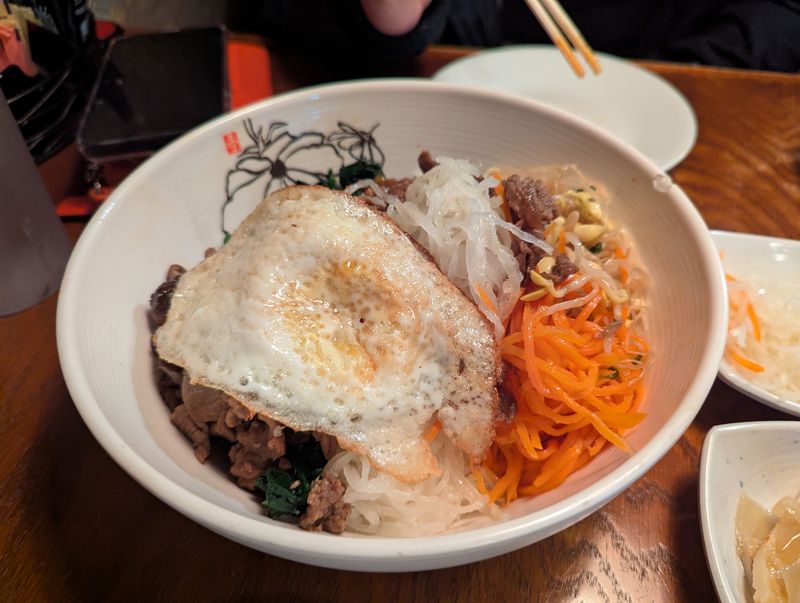
Bibimbap represents one of Korea’s most iconic dishes, and Sarione serves both regular and stone pot versions that have earned spots on multiple customers’ favorites lists. The name literally means “mixed rice,” and watching all those colorful vegetables, meat, egg, and spicy gochujang sauce come together creates a satisfying ritual before you even take the first bite.
The stone pot version (dolsot bibimbap) arrives sizzling, with the rice forming a crispy, golden crust on the bottom that adds incredible texture to the dish. That crunchy rice layer, called nurungji, is what many Koreans consider the best part. You’ll hear it crackling as the server sets it down, building anticipation for that perfect mix of crispy and soft textures.
Each bibimbap gets carefully arranged with separate sections of seasoned vegetables, protein, and a fried egg on top. Spinach, bean sprouts, carrots, mushrooms, and zucchini provide color and nutrition, while bulgogi beef adds savory richness. The presentation looks almost too pretty to mess up, but mixing everything together is exactly the point.
One reviewer who’s been coming since 2012 specifically lists both bibimbap versions among their go-to orders. Another mentioned the stone pot rice was good, confirming that Sarione executes this dish well consistently. The flavors balance perfectly when mixed: spicy from the gochujang, savory from the meat, fresh from the vegetables, and rich from the egg yolk.
Bibimbap works wonderfully for diners wanting something relatively healthy without sacrificing flavor or satisfaction. You’re getting tons of vegetables, protein, and whole grains in one bowl. It’s also visually impressive enough to photograph before mixing, satisfying that Instagram urge while still being genuinely delicious.
The dish comes with instructions if you’re new to it, and the staff happily explains the mixing process. This makes bibimbap a great choice for Korean food beginners who want something authentic but approachable.
Banchan Side Dishes Start Every Meal
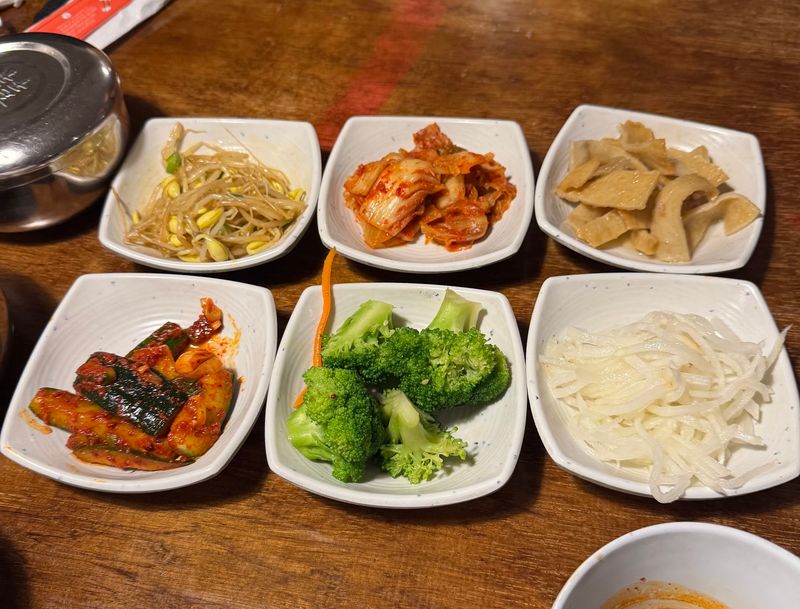
Before your main dishes arrive, servers bring out banchan, the complimentary side dishes that start every Korean meal. These small plates typically include kimchi, pickled vegetables, seasoned bean sprouts, and other traditional accompaniments that add variety and balance to your meal. At Sarione, the banchan stays true to authentic Korean preparations rather than Americanized versions.
The kimchi deserves special mention for being properly fermented with that tangy, spicy, funky flavor that characterizes good homemade-style kimchi. Some restaurants serve overly sweet or under-fermented kimchi to appeal to American palates, but Sarione doesn’t compromise. You’re getting the real deal that Korean families would actually eat at home.
Banchan serves multiple purposes beyond just tasting good. These side dishes provide palate cleansers between bites of richer main courses, add nutritional variety with different vegetables, and give you something to munch on while waiting for your entrees. They’re also unlimited, so you can request refills of your favorites.
The selection changes somewhat based on what the kitchen has prepared that day, keeping things interesting for regular customers. You might get seasoned spinach one visit and marinated radish the next. This variety reflects how Korean home cooking works, where banchan depends on seasonal ingredients and what needs using up.
For Korean food newcomers, banchan provides a low-risk way to try unfamiliar flavors. Don’t like one of the side dishes? No problem, you didn’t order it specifically, and there are several others to try.
This sampling approach helps build appreciation for Korean flavors gradually.
The quality of banchan often indicates how seriously a Korean restaurant takes authenticity. Sarione’s banchan earns mentions in reviews for being good and properly prepared, suggesting the kitchen cares about these details. Some customers specifically appreciate getting authentic banchan rather than dumbed-down versions, confirming that Sarione respects both Korean and non-Korean diners’ ability to appreciate traditional flavors.
Converted House Charm and Character
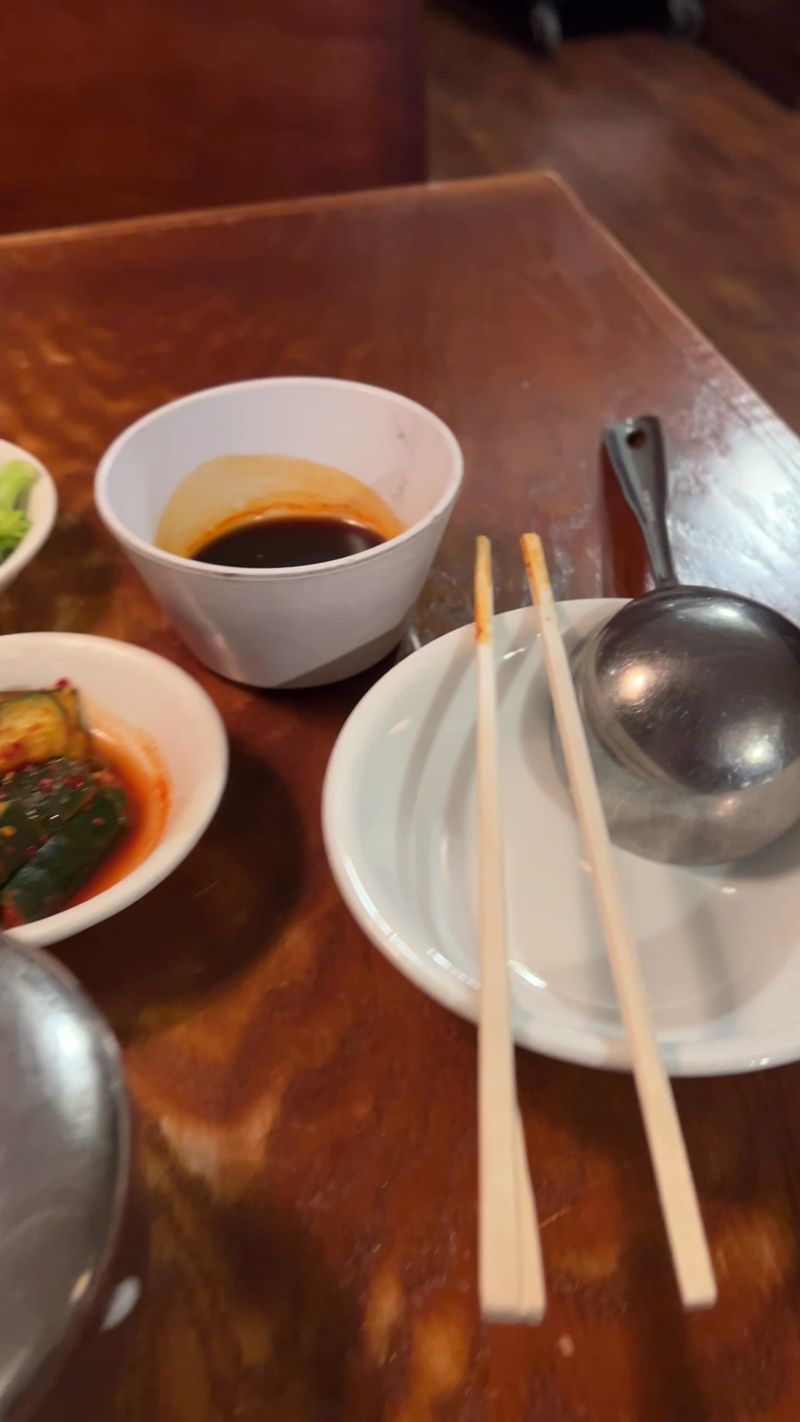
Sarione occupies a converted house rather than a purpose-built restaurant space, giving it a quirky, residential charm that sets it apart from sterile commercial dining rooms. Multiple reviewers describe the atmosphere as feeling like eating at someone’s home, which perfectly matches the homestyle cooking philosophy. The building’s history shows in architectural details that remind you this was once where a family lived.
This unconventional setup means you might notice some questionable building modifications where residential spaces got adapted for restaurant use. Some reviews mention this honestly, noting that the craftsmanship isn’t perfect but that imperfection adds to the authentic, unpretentious character. You’re not here for architectural awards but for genuine Korean food in a comfortable setting.
The converted-house vibe works especially well for Korean cuisine, which centers around family and home cooking traditions. Eating in what feels like someone’s dining room rather than a corporate restaurant space enhances the comfort food experience. It’s the kind of place where you can relax completely without worrying about fancy dress codes or stuffy atmosphere.
Long-time customers treasure how little the space has changed over the years. One reviewer who’s been coming since 2012 specifically loves that Sarione remains a time capsule, maintaining its humble environment despite being open for well over a decade. In an era where restaurants constantly renovate to chase trends, this consistency feels refreshing.
The residential layout creates a more intimate dining experience than typical restaurants. Rooms feel smaller and more defined rather than one giant open space, giving each table area its own character. This setup also means the restaurant can feel full and bustling even without enormous crowds.
Some diners mention the space can feel warm and stuffy when busy, which makes sense given the residential HVAC system working harder than originally designed. However, most customers find the cozy atmosphere worth any minor comfort trade-offs, especially when cold weather makes that warmth welcome.
Family-Run Service with Korean Hospitality
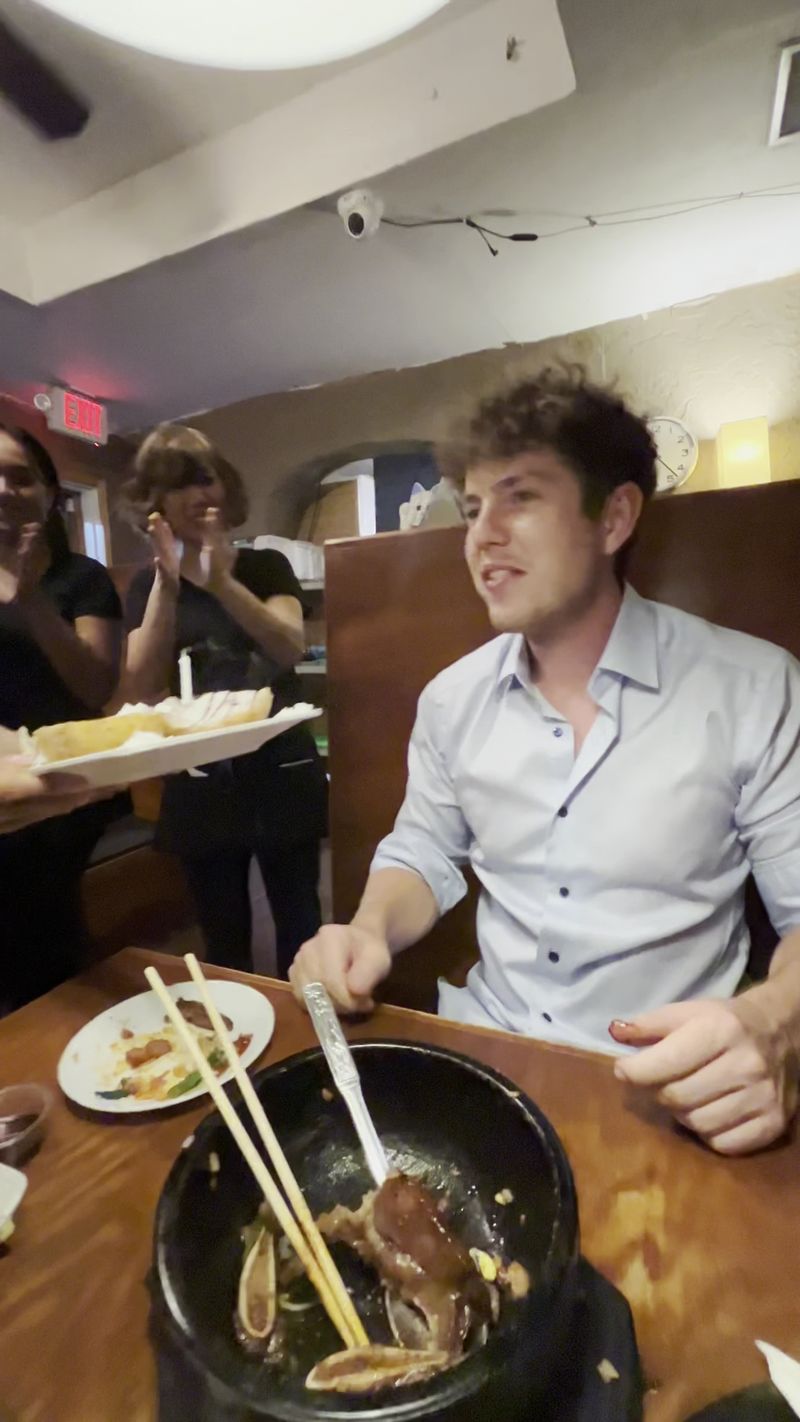
Service at Sarione reflects traditional Korean hospitality, where taking care of guests matters more than polished corporate training. The staff tends to be attentive, kind, and genuinely helpful, especially when customers need guidance navigating the menu. Multiple reviews specifically praise how lovely and nice the servers are, creating a welcoming atmosphere from the moment you walk in.
The family-run feel means you’re likely to see the same faces visit after visit, building relationships with staff who remember regular customers. This consistency creates a neighborhood restaurant vibe where you feel like a valued guest rather than just another table number. Long-time patrons clearly appreciate this personal touch.
When the restaurant fills up, service can slow down noticeably. Several honest reviews mention that busy periods strain the staff, leading to longer wait times and less frequent check-ins. However, most customers find the staff remains friendly even when overwhelmed, which counts for a lot.
The servers genuinely want to help newcomers find dishes they’ll enjoy. First-timers consistently mention staff recommending menu items, explaining how to eat certain dishes, and making sure everyone feels comfortable. This guidance proves invaluable for Korean food beginners who might feel intimidated by unfamiliar options.
Food arrives as it’s ready rather than all at once, following Korean dining customs where dishes come out in waves. This approach works perfectly for the sharing-style meals Sarione encourages. Your table gradually fills with different dishes, creating an evolving feast rather than everything landing simultaneously and getting cold.
A few recent reviews mention experiencing ruder service or feeling rushed, which seems out of character based on the overwhelming majority of positive service feedback. These appear to be isolated incidents rather than systemic problems, possibly occurring during particularly stressful shifts. The consensus clearly shows that Sarione’s service typically delivers the warm, helpful hospitality that Korean restaurants are known for, making even first-time visitors feel welcome and well cared for.