A Famous 1929 Man of the Year Gave His Wife This Incredible Florida Estate as a Wedding Present
Owen D. Young, named Time Magazine’s Man of the Year in 1929, gave his new bride Louise Powis Clark one of the most romantic wedding gifts imaginable. He purchased a stunning coastal estate in Florida that would eventually become Washington Oaks Gardens State Park.
Today, visitors can walk the same garden paths and enjoy the same breathtaking views that this power couple once cherished as their private paradise along Florida’s Atlantic coast.
1. The Man Behind the Gift
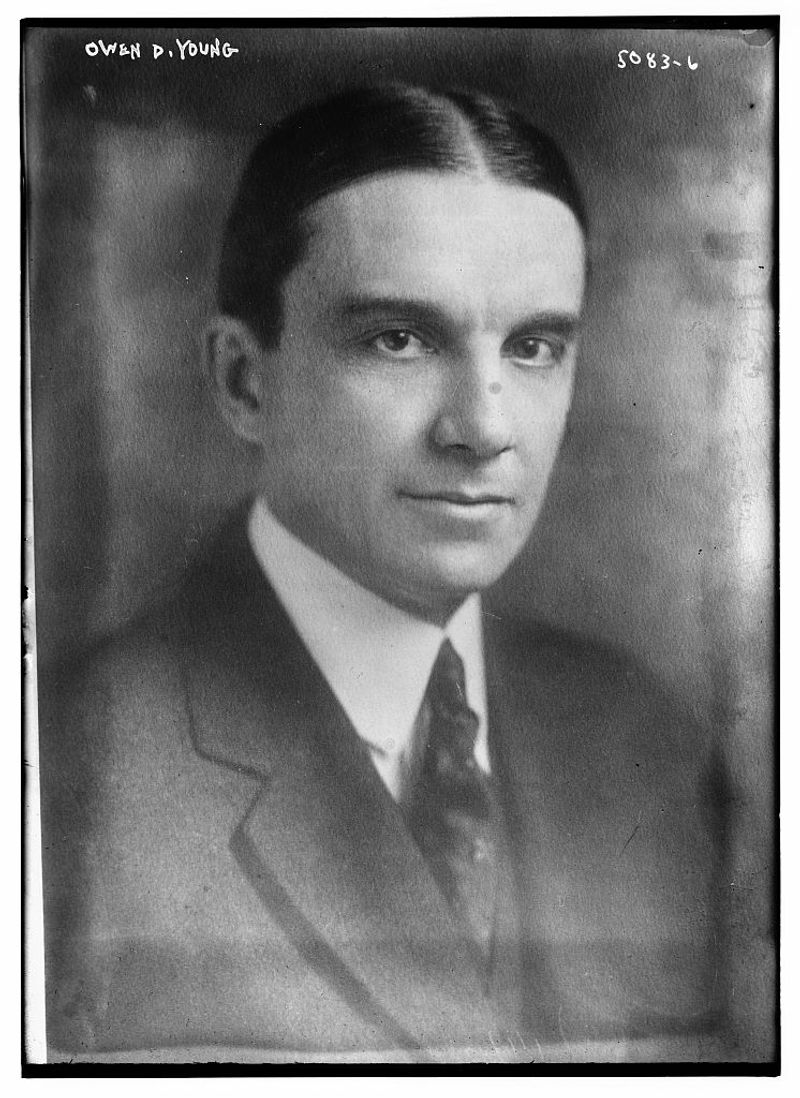
Owen D. Young wasn’t just any husband trying to impress his bride. He served as chairman of General Electric and helped reshape America’s economy during the Roaring Twenties.
Time Magazine recognized his influence by naming him Man of the Year in 1929, right alongside other giants of industry and politics.
When Young married Louise Powis Clark in 1938, he wanted to give her something truly extraordinary. Most men might settle for jewelry or a fancy car, but Young had grander visions. He knew his wife adored natural beauty and peaceful retreats from their busy New York lifestyle.
The businessman had visited Florida’s northeast coast and fallen in love with a particular property along the Matanzas River. Ancient oak trees draped in Spanish moss created natural canopies over the grounds. The Atlantic Ocean crashed against unique coquina rock formations just across the road.
Young purchased the estate and presented it to Louise as their personal sanctuary. He understood that the best gifts aren’t just expensive but meaningful. This property offered them both a chance to escape the pressures of corporate America and enjoy Florida’s natural wonders together, creating memories that would last far beyond their lifetimes.
2. From Private Paradise to Public Treasure
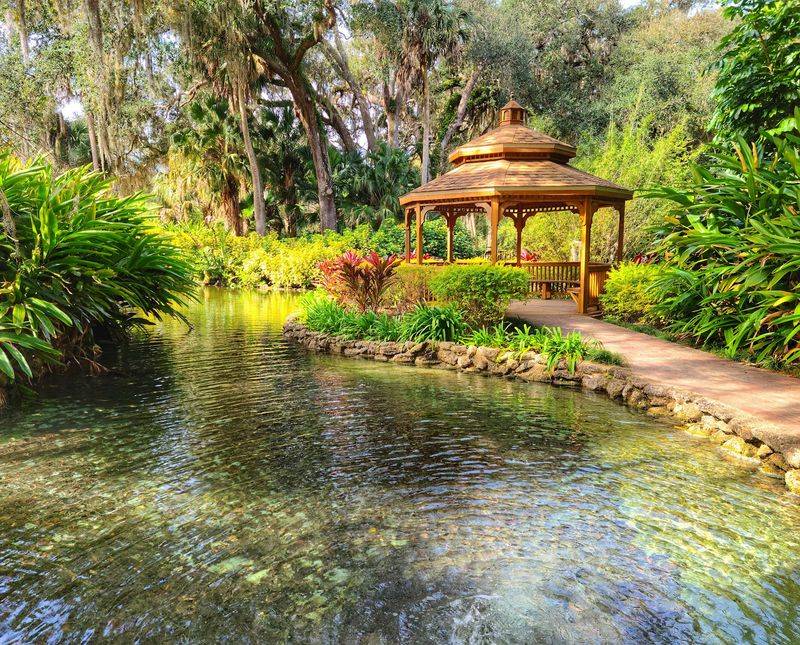
Louise and Owen Young enjoyed their Florida estate as a winter retreat for many years. They spent countless hours walking beneath the massive oak trees and watching dolphins play in the Matanzas River. The couple created formal gardens filled with azaleas, camellias, and roses that bloomed in spectacular displays each spring.
After Louise passed away, the Young family made a generous decision. Rather than selling the property to developers, they donated it to the State of Florida in 1964. They wanted everyone to experience the same natural beauty that had brought their family so much joy.
Florida transformed the private estate into Washington Oaks Gardens State Park, named after the property’s original owner, George Washington. The state carefully preserved the formal gardens that Louise had lovingly tended. Park managers added hiking trails, picnic areas, and educational programs to help visitors appreciate the unique ecosystems.
Today, over 400 acres of coastal paradise welcome families, photographers, and nature lovers year-round. The park charges just five dollars for entry, making it accessible to everyone. Visitors can still see many of the same features the Youngs cherished, including reflection ponds, garden paths, and those magnificent oak trees that have stood sentinel for centuries.
3. The Rose Garden’s Year-Round Beauty
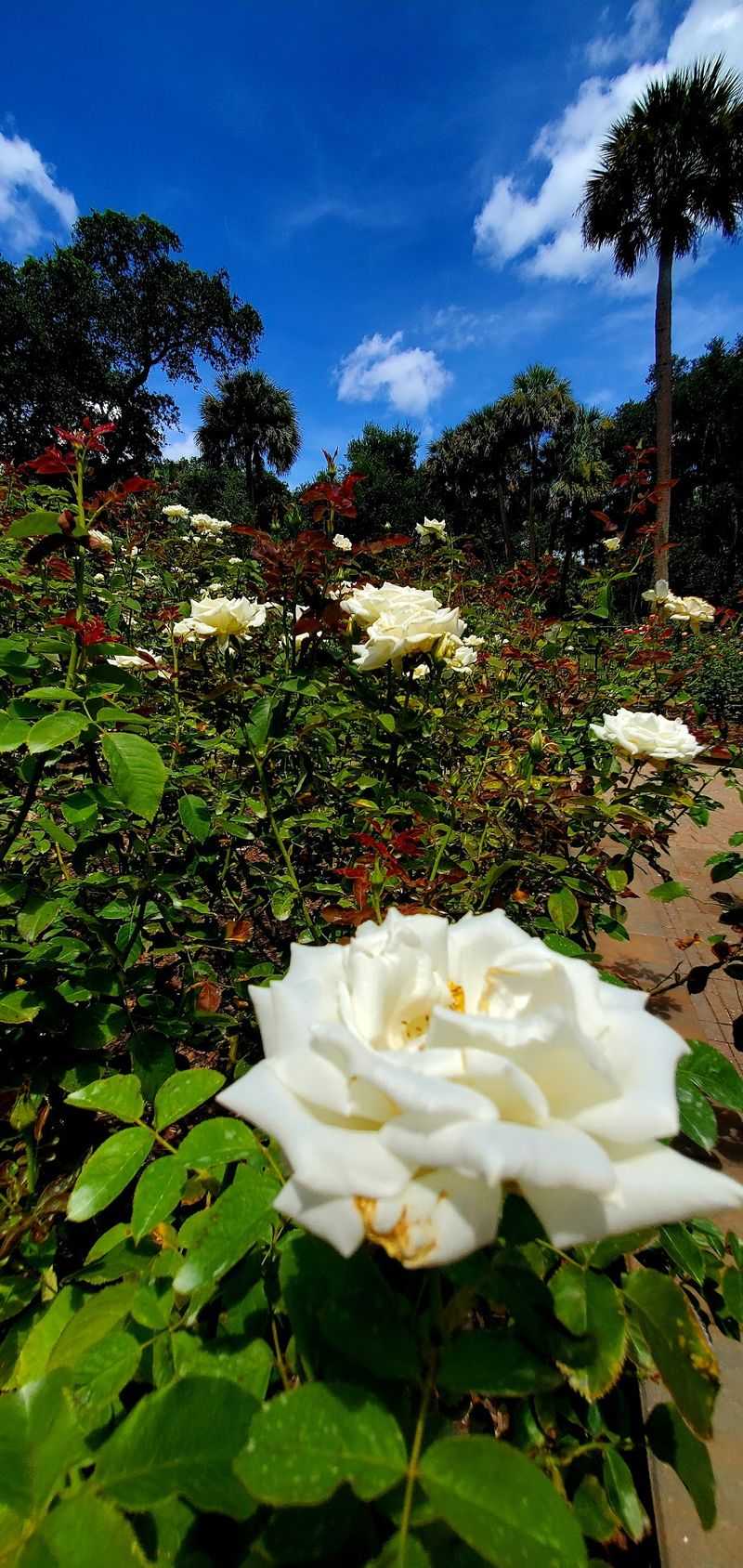
Walk through the formal rose garden at Washington Oaks and you’ll understand why Louise Young treasured this spot. Hundreds of rose bushes create a rainbow of colors throughout most of the year. Red, pink, yellow, and white blooms fill the air with sweet fragrances that attract butterflies and hummingbirds.
Many Florida gardens struggle during the hot summer months, but Washington Oaks defies expectations. Park staff carefully maintain the roses so visitors can enjoy blooms even in July and August. Recent guests have marveled at how many roses were flowering during their summer visits, a testament to the dedicated groundskeepers.
The rose garden features brick pathways that wind between carefully arranged beds. Benches positioned throughout the garden invite visitors to sit and soak in the peaceful atmosphere. Towering oak trees provide shade around the perimeter, keeping the garden cooler than you’d expect in Florida’s heat.
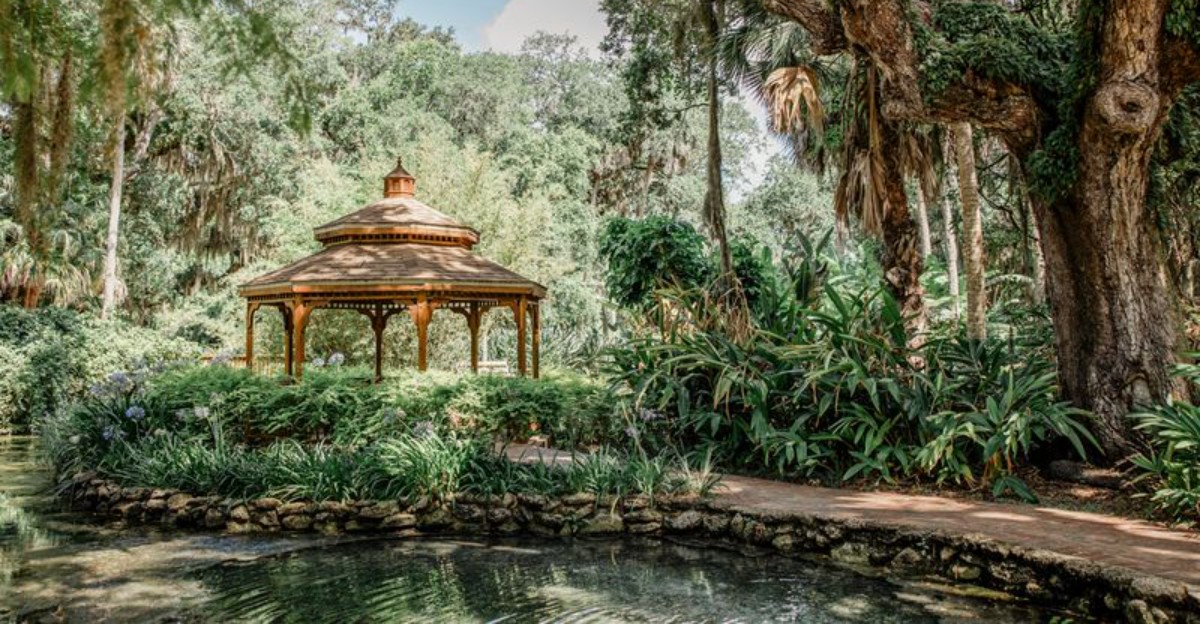
Photographers particularly love this garden for engagement sessions and wedding portraits. The combination of colorful roses, charming gazebos, and moss-draped oaks creates picture-perfect backdrops. Couples have captured some of their most treasured memories here, continuing the romantic legacy that began with the Youngs’ love story nearly a century ago.
4. The Coquina Rock Beach
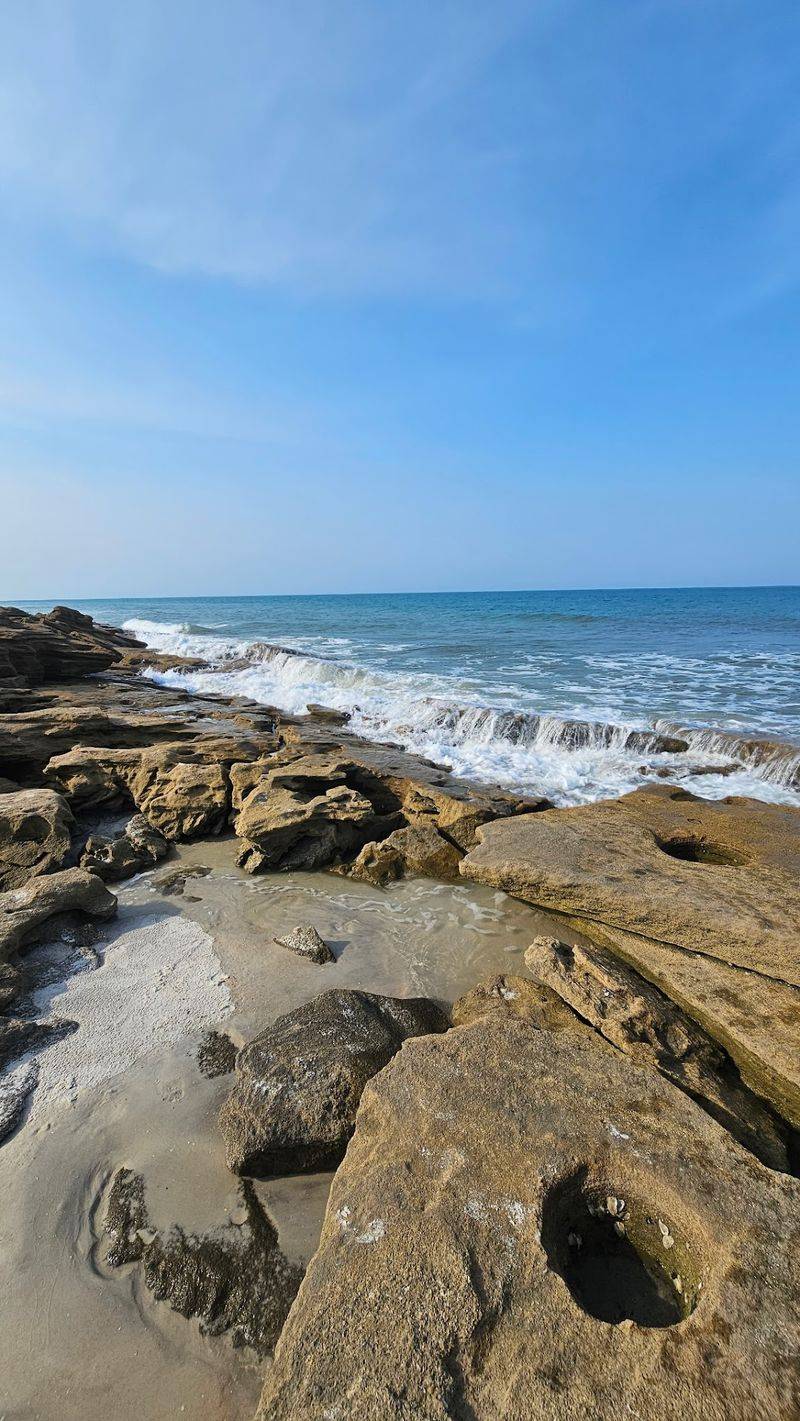
Cross A1A from the main gardens and you’ll discover one of Florida’s most unusual beaches. Instead of typical sandy shores, massive coquina rock formations jut out from the sand like ancient sculptures. Waves crash against these limestone formations, creating dramatic displays of spray and foam that mesmerize beachgoers.
Coquina rock forms from compressed shells and sediment over thousands of years. The formations at Washington Oaks have weathered into smooth, rounded shapes perfect for climbing and exploring. Kids love scrambling over the rocks while parents relax on the sandy patches nearby.
This beach offers a completely different experience than most Florida coastlines. The rocks create tide pools where small fish and crabs hide during low tide. Shell collectors find unique specimens wedged between the formations.
Photographers capture stunning sunrise shots with the rocks silhouetted against orange and pink skies.
The beach portion of the park tends to be less crowded than the gardens, giving visitors plenty of space to spread out. Portable restrooms serve beachgoers, though they’re not the fancy facilities found at the main visitor center. Dogs are welcome on this beach, making it a favorite spot for pet owners who want to share Florida’s coastal beauty with their furry companions.
5. Moss-Draped Oak Trees and Nature Trails
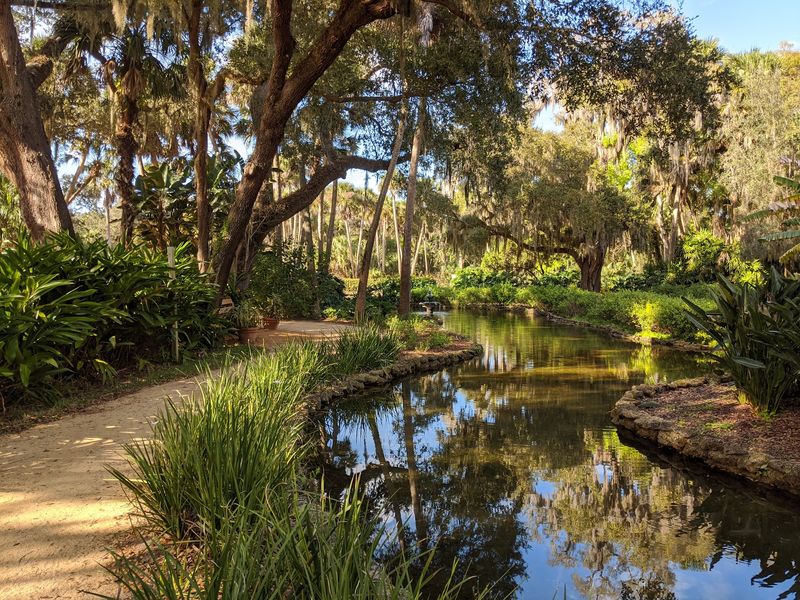
Ancient live oak trees form the backbone of Washington Oaks’ natural beauty. These giants have stood for hundreds of years, their massive branches spreading horizontally to create natural canopies overhead. Spanish moss drapes from every limb, swaying gently in coastal breezes and giving the park an almost mystical atmosphere.
Green ferns grow directly on the oak branches, creating living gardens in the trees themselves. This epiphytic growth doesn’t harm the oaks but adds layers of texture and color to the forest canopy. Visitors often stop in their tracks, amazed by how lush and green everything appears even during dry seasons.
Several miles of trails wind through these oak forests, offering easy walks suitable for all fitness levels. The paths aren’t strenuous, making them perfect for families with young children or visitors who need frequent rest breaks. Benches appear regularly along the routes, positioned in particularly scenic spots.
Wildlife thrives in these shaded forests. Visitors have spotted snakes sunbathing on branches, gopher tortoises ambling across paths, and colorful birds flitting through the canopy. One family even witnessed a snake falling from a tree, creating a memorable (if startling) moment they’ll never forget.
The trails loop back on themselves, with paved shortcuts available for those who want a quicker return.
6. Riverside Picnic Area and Wildlife Watching
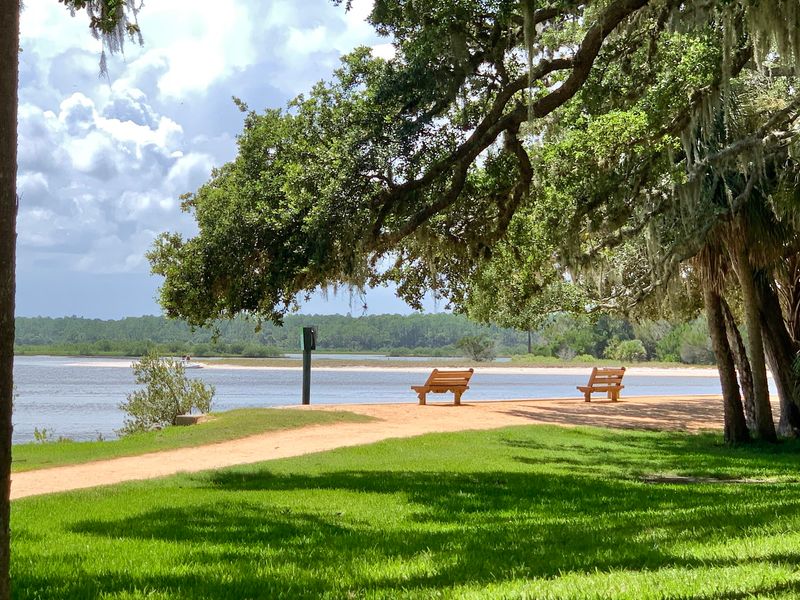
The Matanzas River side of Washington Oaks offers a completely different vibe from the formal gardens. Picnic pavilions and tables spread across a grassy area shaded by towering oaks. Grills and bait-cleaning stations serve anglers and families planning outdoor cookouts with river views.
This section of the park stays noticeably cooler than surrounding areas, thanks to the dense tree canopy and river breezes. Families claim pavilions for birthday parties and reunions, enjoying the natural air conditioning while kids play on the nearby playground. The peaceful setting makes it easy to spend entire afternoons here without ever feeling rushed.
Wildlife watching opportunities abound along the riverfront. Dolphins frequently swim past, their fins breaking the surface as they hunt for fish. Manatees occasionally visit during warmer months, delighting lucky visitors who spot their gray shapes gliding through the water.
Birds including herons, egrets, and ospreys hunt along the shoreline.
Fishing enthusiasts cast lines from the riverbank or the scenic pier, hoping to catch redfish, trout, or flounder. The park provides everything anglers need except the fishing license and tackle. Interpretive signs throughout the picnic area share information about the river ecosystem and the park’s history, helping visitors appreciate the natural and cultural heritage surrounding them.
7. Formal Gardens and Reflection Ponds
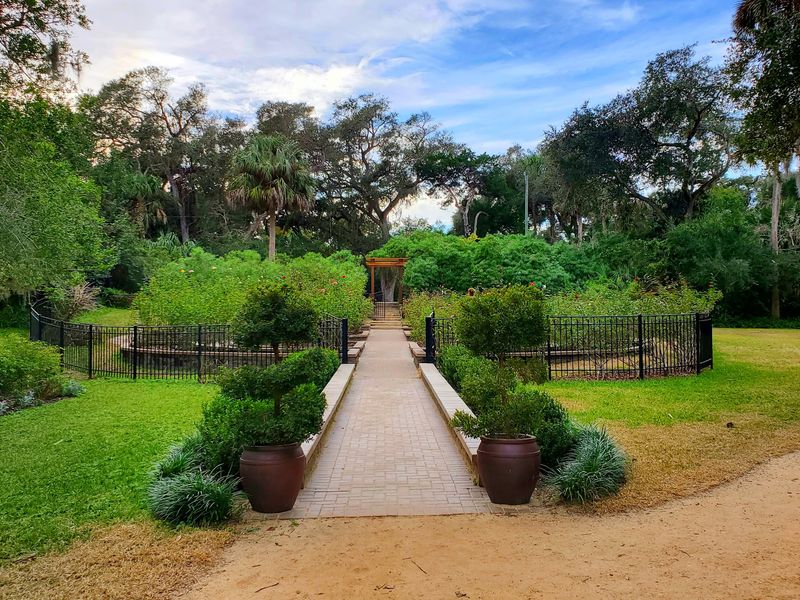
Louise Young poured her heart into creating the formal gardens that remain the park’s centerpiece. Azaleas and camellias burst into bloom each spring, painting the landscape in shades of pink, red, and white. Even when not flowering, the carefully pruned shrubs create elegant green structures that frame pathways and water features.
Reflection ponds dot the garden landscape, their still surfaces mirroring the sky and surrounding plants. Fountains add gentle water sounds that enhance the peaceful atmosphere. Streams connect the ponds, creating small waterfalls and providing habitat for fish and aquatic plants.
The garden design follows classical European styles while incorporating native Florida plants. This combination creates year-round interest, with something always blooming or offering visual appeal. Interpretive signs explain the history behind various garden features and identify plant species for curious visitors.
Spring brings the most spectacular displays, but the gardens reward visits during any season. Summer sees roses and tropical plants at their peak. Fall offers cooler temperatures perfect for leisurely strolls.
Winter brings camellias and early azaleas, along with migrating birds seeking refuge in the lush vegetation.
The herb garden thrives year-round, filling the air with aromatic scents from rosemary, lavender, and other culinary plants that visitors can touch and smell.
8. A Hidden Gem Worth Discovering
Despite its incredible beauty and fascinating history, Washington Oaks remains relatively unknown compared to other Florida attractions. Many locals admit they’ve lived nearby for years without visiting, only to be amazed when they finally explore the park. This hidden gem status means you’ll rarely encounter overwhelming crowds, even during peak tourist season.
The park opens year-round, charging just five dollars per vehicle through a convenient QR code payment system. A visitor center staffed by knowledgeable rangers operates Friday through Sunday, offering maps, advice, and a small gift shop. Clean restroom facilities at the visitor center provide a welcome amenity often lacking at natural areas.
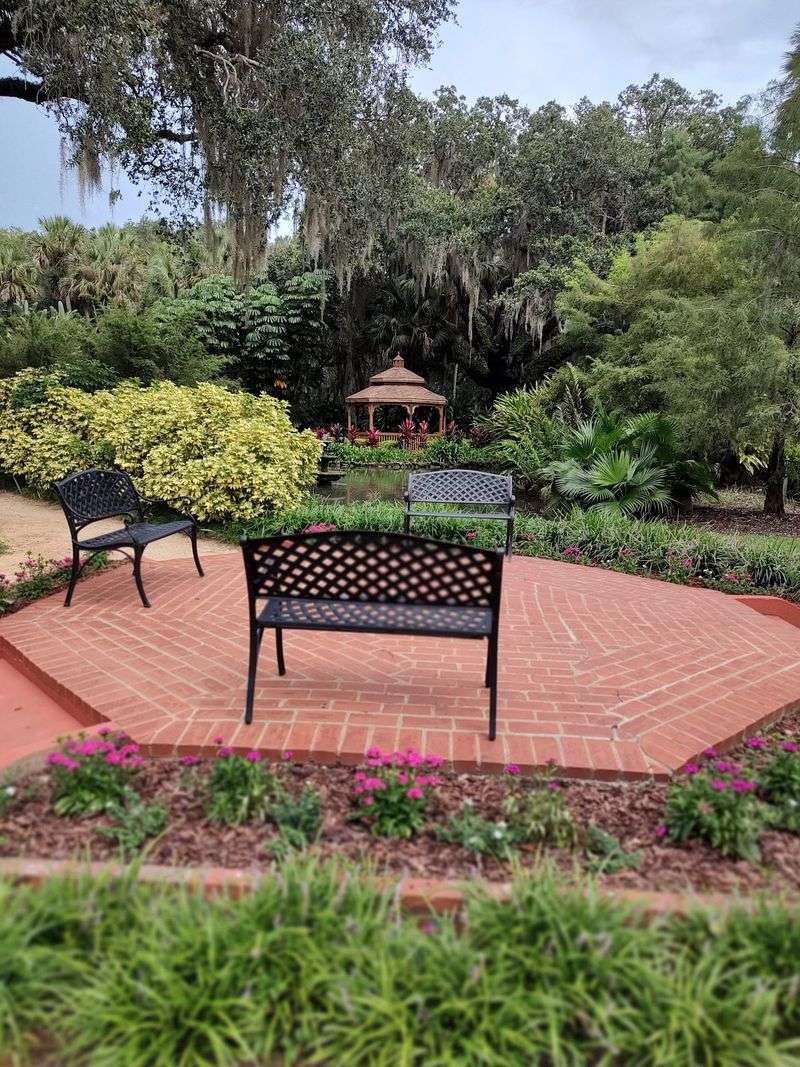
Wedding photographers and engagement couples have discovered Washington Oaks as an ideal backdrop for special occasions. The variety of settings within one location offers multiple photo opportunities without traveling between venues. Gazebos, rose gardens, moss-draped oaks, and beachfront rocks provide diverse options for capturing memorable images.
Owen Young’s romantic gesture in 1938 created a legacy that continues blessing thousands of visitors annually. His gift to Louise has become Florida’s gift to everyone who appreciates natural beauty, well-maintained gardens, and peaceful escapes from modern life’s pressures. Whether you’re seeking a quiet nature walk, a family picnic spot, or simply a beautiful place to relax, Washington Oaks delivers experiences that justify the short drive from Jacksonville or St. Augustine.