Real Sand Dollars Cost Less Than Fake Ones at These 10 Florida Shell Shops
Walking into a shell shop should feel like opening a treasure chest, but many visitors end up paying premium prices for bleached, imported fakes when authentic Florida sand dollars cost a fraction of the price. Real sand dollars, collected from Gulf and Atlantic shores, carry the ocean’s story in their delicate patterns and natural color variations. Smart shoppers know that the best shell shops across Florida offer genuine specimens at surprisingly affordable prices, often undercutting the mass-produced alternatives found in tourist traps.
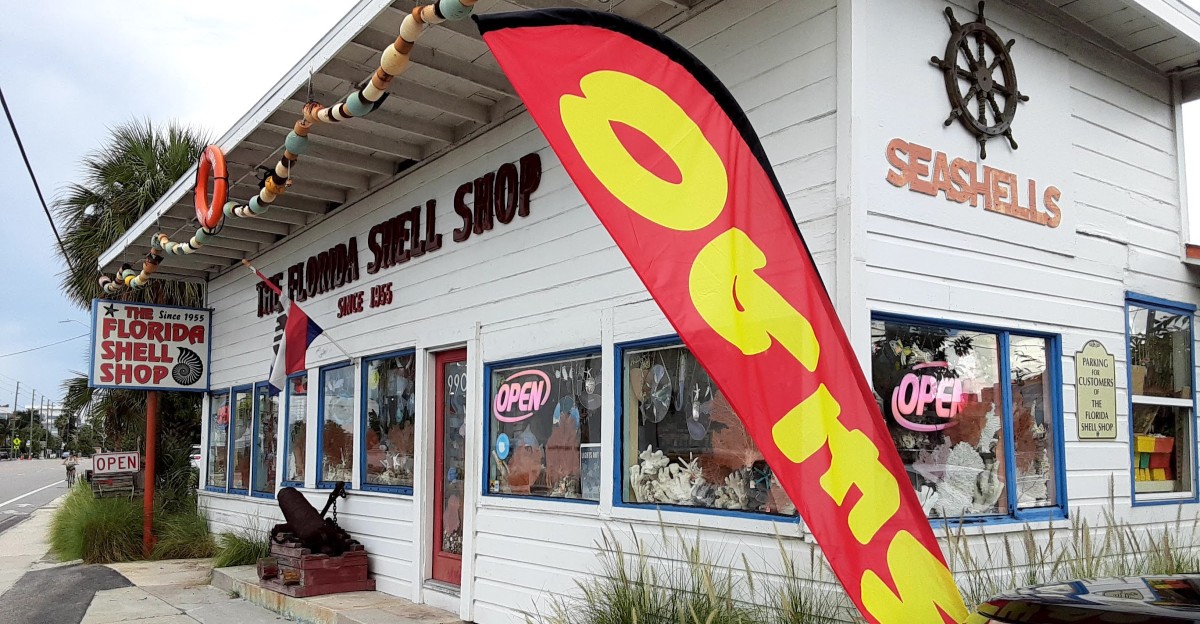
1. The Florida Shell Shop – Treasure Island
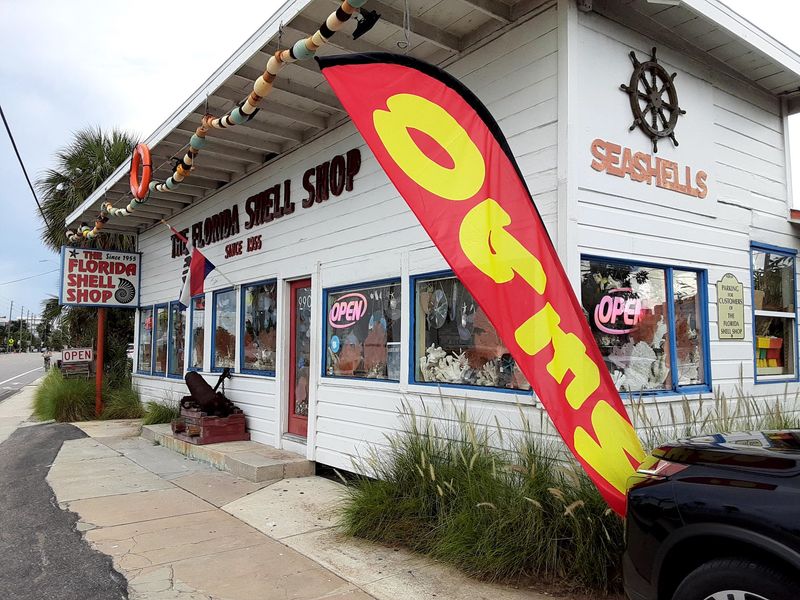
Treasure Island sits perfectly positioned where the Gulf meets the sky, and this family-run shop has been collecting shells from local beaches since the 1980s. Walk through the door and you’ll notice something different right away. The smell of real ocean air clings to every shelf, not the artificial scent pumped through chain stores.
Real sand dollars here come in shades of cream, tan, and soft purple, priced at half what you’d pay for bleached white imposters elsewhere. The owners personally gather many specimens during early morning beach walks. They’ll gladly explain the difference between a living sand dollar (covered in tiny spines) and a naturally cleaned one that washed ashore after its lifecycle ended.
What makes this spot special goes beyond pricing. Staff members actually know their inventory and can tell you where each piece originated. Some sand dollars came from the shores right outside, while others traveled from nearby Clearwater or St. Pete beaches during storm season when treasures wash up abundantly.
The shop also carries unusual finds like keyhole urchins and sea biscuits, cousins of the sand dollar that most tourists never see. Prices remain honest because the business model relies on repeat customers and word-of-mouth, not one-time tourist transactions. You might spend twenty minutes chatting with the owner about tides, moon phases, and the best shelling spots before making a purchase, and that conversation costs nothing but enriches everything.
2. She Sells Sea Shells – Sanibel
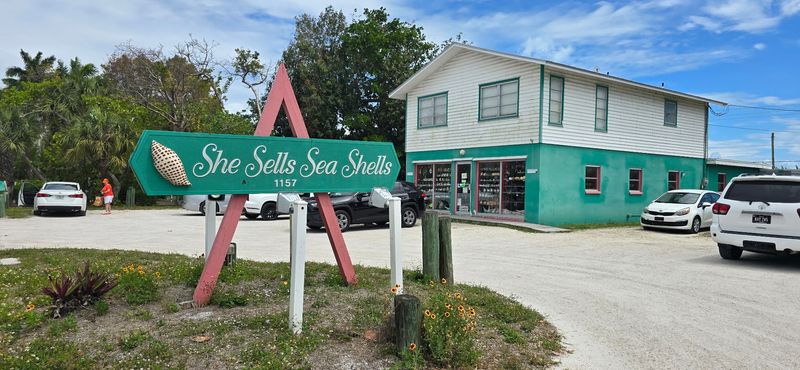
Sanibel Island earned its reputation as the shelling capital of North America for good reason. Currents, geography, and shallow waters conspire to deposit an incredible variety of specimens along its shores. This shop embraces that heritage by stocking primarily local finds rather than imported inventory.
Step inside and you’ll find sand dollars sorted by size and quality, with prices clearly marked. A small, perfect specimen might cost three dollars, while larger examples rarely exceed ten. Compare that to gift shops in Orlando or Miami where artificial versions sell for fifteen to twenty dollars each, and the value becomes obvious.
The owner, a retired marine biologist, takes pride in educating customers about what they’re buying. She’ll point out the five-petal pattern on top of each sand dollar, explaining how it relates to the animal’s feeding structure when alive. Her enthusiasm proves contagious, and many visitors leave understanding more about Gulf ecology than they expected to learn on vacation.
Beyond sand dollars, the shop specializes in harder-to-find treasures like intact olive shells, fighting conchs, and the occasional lion’s paw scallop. Everything gets labeled with collection location and approximate age when known. The back room houses a small museum displaying rare specimens not for sale, including a sand dollar colony fossil estimated at several thousand years old.
Photography is encouraged, and the owner happily answers questions about local shelling regulations and best practices for ethical collecting.
3. Shell World – Key Largo
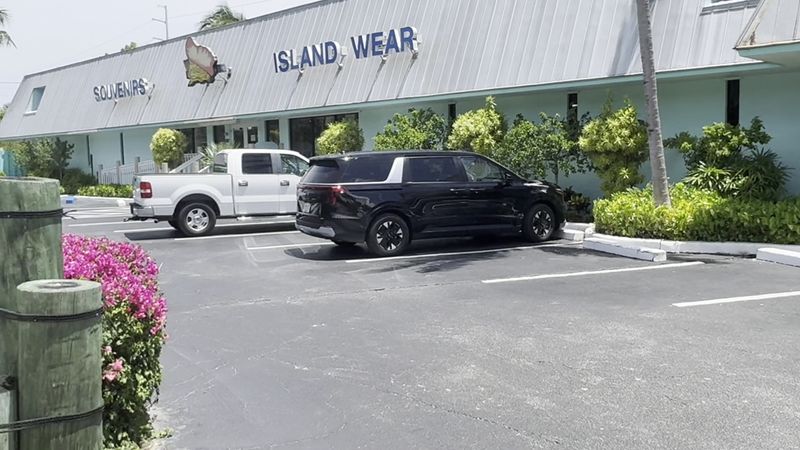
Key Largo bridges the gap between mainland Florida and the island chain stretching toward Key West. Shell World capitalizes on this unique position by offering specimens from both Gulf and Atlantic waters. The selection reflects this geographic diversity, with sand dollars showing subtle differences depending on their origin.
Atlantic sand dollars tend toward slightly darker coloration and thicker construction compared to their Gulf cousins. The shop stocks both varieties, typically priced between four and eight dollars depending on size and condition. Staff members enjoy pointing out the distinctions, though most customers need a side-by-side comparison to notice the differences.
What really separates this establishment from competitors is the owner’s commitment to sustainable sourcing. Every shell sold here came from a creature that died naturally, and the shop refuses to purchase from suppliers who harvest living specimens. This ethical approach costs slightly more on the wholesale side but keeps prices competitive by eliminating middlemen and import fees.
The storefront also features educational displays explaining sand dollar anatomy and lifecycle. Kids especially love learning that sand dollars are actually animals related to sea urchins, not plants or rocks. Interactive touch tanks out back let visitors feel live sea stars and hermit crabs, driving home the connection between the shells on shelves and the living ocean ecosystem just offshore.
The shop donates a percentage of profits to reef restoration projects, so your sand dollar purchase indirectly supports marine conservation efforts in the Florida Keys.
4. The Key West Shell Warehouse – Key West
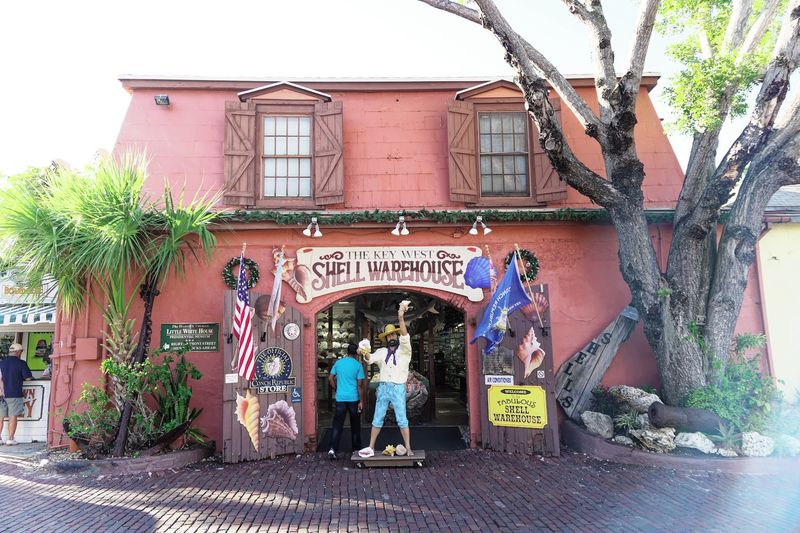
Key West sits at the end of the road, literally, and this warehouse-style shop reflects the island’s quirky, no-nonsense personality. Forget fancy displays and mood lighting. Shells here get sorted into bins by type and size, with handwritten price tags that haven’t changed much in years.
Sand dollars fill several large containers near the entrance, priced by the piece or by weight for serious collectors. A single nice specimen costs about five dollars, but buy ten and the per-unit price drops significantly. The warehouse model keeps overhead low, and those savings transfer directly to customers.
The owner, a former commercial fisherman, started collecting shells as a side business decades ago. His connections with local fishing crews mean the shop receives regular deliveries of bycatch specimens, shells that come up in nets or traps but aren’t the target catch. This supply chain keeps inventory fresh and prices stable year-round, even during peak tourist season when demand spikes.
Don’t expect hand-holding or detailed explanations here. The vibe runs more toward self-service treasure hunting than curated retail experience. But if you have specific questions, the owner or his sons can usually answer them between helping other customers.
They know local waters intimately and can recommend specific beaches for different shell types. The shop also buys collections from estate sales and private sellers, so inventory constantly rotates with unusual finds appearing regularly. Serious collectors check in weekly to see what’s new.
5. Sea Shell City – Riviera Beach
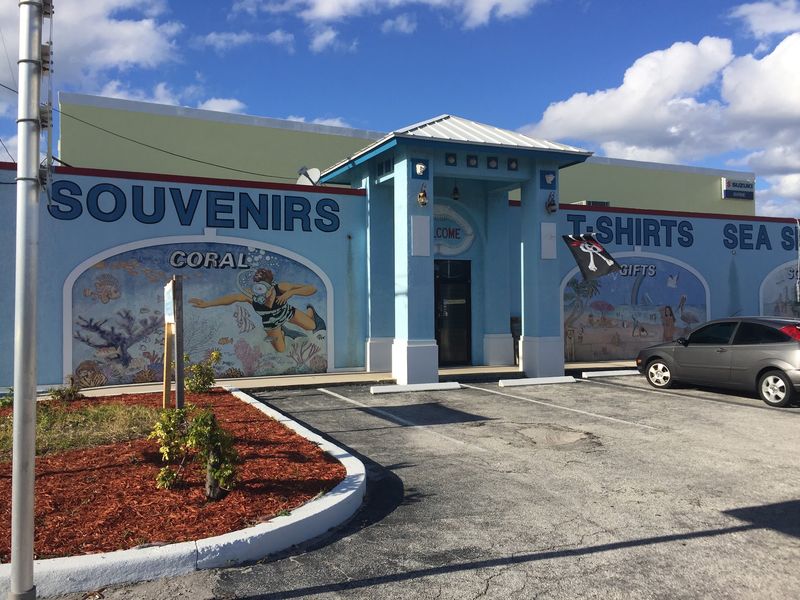
Riviera Beach doesn’t get the same tourist attention as Miami or Fort Lauderdale, which works in favor of local shell shops like this one. Lower rent and reduced competition mean better prices for customers and a more relaxed shopping environment overall.
Sea Shell City stocks an impressive sand dollar selection ranging from thumbnail-sized juveniles to dinner-plate specimens. Prices start at just two dollars for small pieces and rarely exceed twelve for the largest examples. The shop guarantees everything sold is genuine, not resin reproductions, and will refund purchases if customers later discover otherwise.
Location matters when shopping for shells, and this store benefits from proximity to several productive collecting beaches. Singer Island, Peanut Island, and the Lake Worth Inlet all contribute specimens to the inventory. Staff members beach-comb regularly and encourage customers to do the same, offering tips on timing, tides, and techniques.
The store also runs a small mail-order business for customers who visit once and want to continue buying remotely. Repeat customers receive occasional emails when special finds come in, like intact sand dollar tests with the fuzzy spines still attached (extremely rare and highly prized by collectors). The owner maintains a blog documenting interesting finds and sharing photos from collecting trips.
Reading through past entries provides valuable insights into seasonal patterns, weather impacts, and the best times to search for specific shell types along Southeast Florida’s coastline.
6. Sea Forest Shell Factory – Inglis
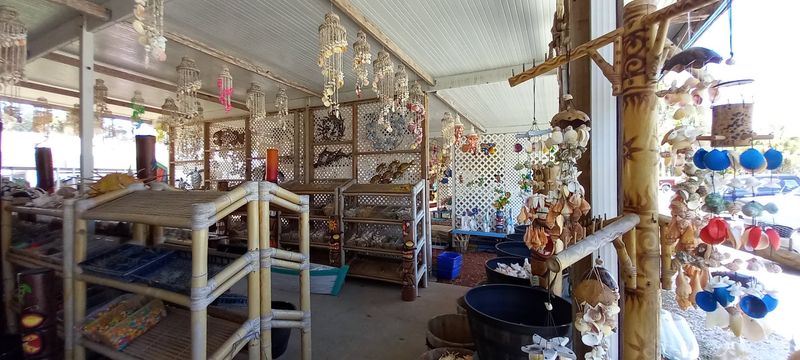
Inglis qualifies as genuine Old Florida, the kind of place where locals outnumber tourists ten to one. Sea Forest Shell Factory operates from a converted fish-processing building, and that industrial heritage shows in the no-frills approach to retail.
This isn’t a boutique. Shells arrive in bulk from commercial shrimpers working the Gulf, get sorted by type, and land in large bins throughout the warehouse floor. Sand dollars occupy several containers, with prices posted on simple cardboard signs.
Expect to pay three to six dollars per piece, with volume discounts available for purchases of twenty or more.
The factory name isn’t just marketing. In addition to retail sales, the business supplies shells to craft stores, educational suppliers, and decorators throughout the Southeast. That wholesale operation means constant inventory turnover and access to specimens most small shops never see.
Unusual color variations, extra-large sizes, and perfectly symmetrical examples show up regularly in the retail bins.
What the place lacks in atmosphere it compensates for with authenticity and value. The owner grew up commercial fishing these waters and knows every sandbar, grass flat, and deep hole where different shells concentrate. He’ll talk for hours about Gulf ecology if you show genuine interest, sharing knowledge accumulated over five decades working on the water.
The shop also stocks other local shells like lightning whelks, horse conchs, and various scallop species, all priced well below what coastal tourist shops charge.
7. World Shells Treasure Chest – Crystal River
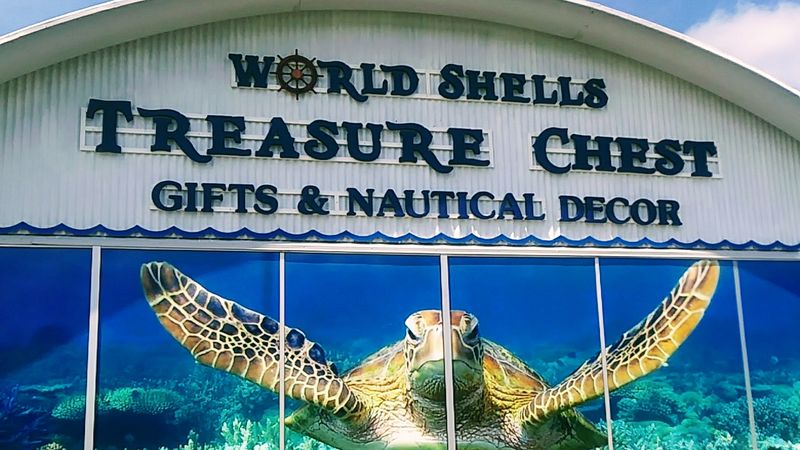
Crystal River attracts visitors primarily for manatee encounters, but smart travelers extend their trips to explore local shops like this gem tucked near the downtown waterfront. The treasure chest theme runs throughout the store, with wooden displays and maritime decor creating an atmosphere that appeals to kids and adults alike.
Sand dollars here come from both local Gulf waters and carefully selected suppliers who provide Atlantic specimens. The shop clearly labels origin for each batch, and prices reflect the sourcing. Local Gulf sand dollars cost four to seven dollars, while Atlantic varieties from the Carolinas run slightly higher at six to ten dollars due to shipping costs.
The owner previously worked as a commercial diver and maintains connections throughout Florida’s shell-collecting community. That network provides access to specimens from areas most shops never reach. Deep-water sand dollars, collected by divers working offshore reefs, occasionally appear in inventory.
These show different characteristics than beach-found examples and command premium prices, though still far less than fake alternatives elsewhere.
Educational programs run several times weekly, with staff members explaining shell identification, collection ethics, and local marine ecosystems. These free sessions attract homeschool groups, scout troops, and curious tourists looking to learn something beyond typical vacation activities. The shop also partners with local conservation organizations, hosting beach cleanups and donating supplies to marine research programs.
Your purchase supports these community efforts while adding authentic natural treasures to your collection at prices that respect both your budget and the ocean environment.
8. Shell Bazaar – Port St. Lucie
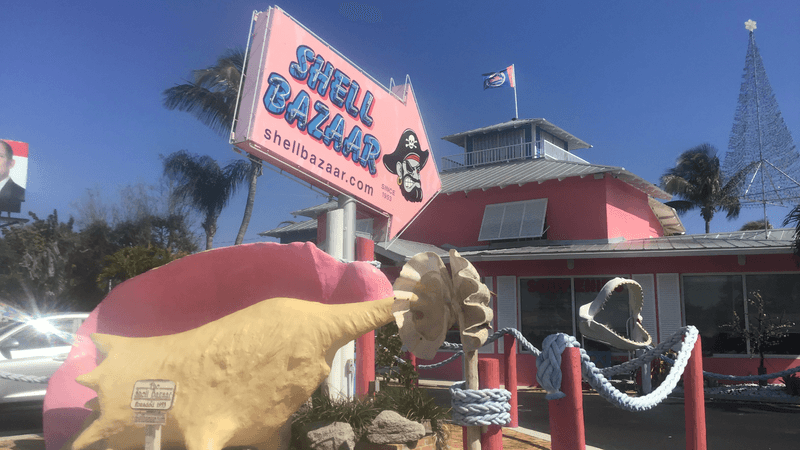
Port St. Lucie has grown rapidly over recent decades, transforming from sleepy coastal community to substantial city. Shell Bazaar evolved alongside that growth, expanding from a roadside stand to a proper retail establishment while maintaining the original commitment to fair pricing and quality inventory.
The bazaar model works well for shell sales. Instead of fixed retail displays, merchandise rotates through various vendor stalls, each specializing in different shell types or collecting regions. Sand dollars occupy a dedicated section with multiple suppliers competing on price and quality.
This competition benefits customers, with prices ranging from three dollars for basic specimens to nine dollars for exceptional examples.
Vendors here take pride in their offerings and enjoy discussing their sourcing methods. One supplier focuses exclusively on Hutchinson Island finds, another specializes in Jupiter Inlet specimens, and a third brings in selections from throughout the Treasure Coast. Each area produces sand dollars with subtle variations in size, shape, and coloration that collectors learn to recognize.
The bazaar stays open year-round with extended hours during winter months when seasonal residents and tourists boost demand. Off-season visits often yield the best deals, as vendors clear inventory to make room for fresh summer collections. The shop also hosts a monthly swap meet where private collectors trade and sell items from personal collections.
These events attract serious enthusiasts from throughout South Florida and provide opportunities to acquire rare specimens not available through normal retail channels. Admission to swap meets is free, and browsers are welcome even if not buying or selling.
9. Salty Mermaids Shell Shop – Englewood
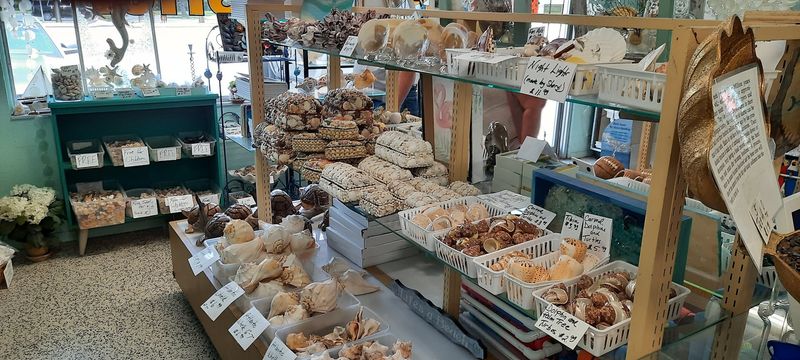
Englewood occupies a quiet stretch of Florida’s Gulf Coast between Sarasota and Fort Myers, known more for fishing than tourism. Salty Mermaids fits perfectly into this laid-back community, operating from a converted beach cottage with shell-lined shelves and coastal decor throughout.
The shop’s sand dollar selection emphasizes quality over quantity. Rather than bins of hundreds, you’ll find carefully curated specimens displayed individually with details about collection location and date. Prices reflect this selective approach, ranging from five to twelve dollars, but every piece meets high standards for symmetry, condition, and natural coloring.
What justifies the slightly higher pricing is the guarantee of authenticity and the story behind each shell. The owner personally collects most inventory during systematic beach surveys conducted year-round. She maintains detailed records of collection dates, weather conditions, and tide stages, data that helps predict when and where shells will appear.
Customers interested in collecting their own sand dollars receive generous advice and specific recommendations based on current conditions.
The shop also offers cleaning and preservation services for shells customers find themselves. Many beachcombers discover beautiful sand dollars but don’t know how to clean them properly without damage. Professional cleaning costs just a few dollars per piece and makes a significant difference in final appearance and longevity.
The shop sells preservation supplies, display cases, and identification guides for collectors wanting to build serious collections. Regular customers receive email updates about exceptional finds and first opportunity to purchase before items reach the sales floor.
10. Salty Turtle Gift Shop – Flagler Beach
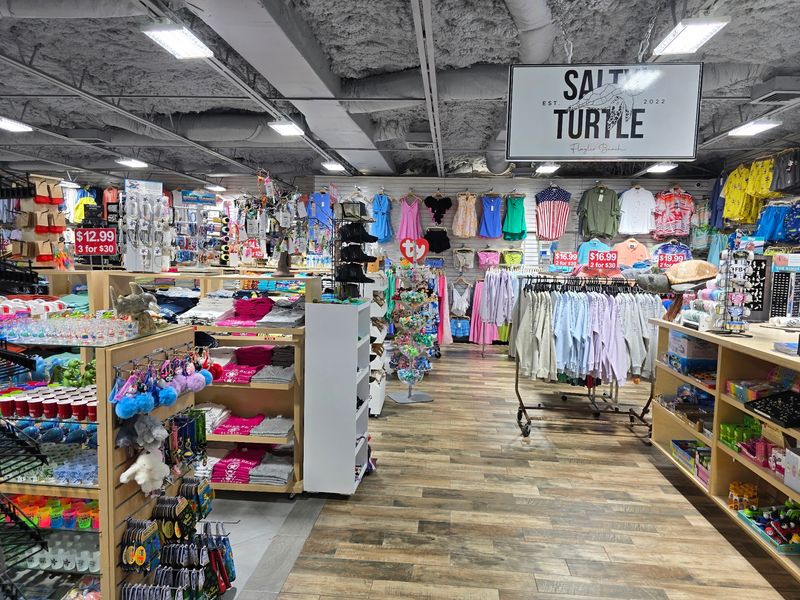
Flagler Beach represents a different Florida experience, less developed than many coastal communities and proud of its small-town character. Salty Turtle Gift Shop embraces this identity, offering beach merchandise alongside a serious shell selection that attracts collectors from Jacksonville to Daytona.
Atlantic sand dollars differ slightly from Gulf varieties, and this shop specializes in specimens from local beaches and nearby Marineland shores. Colors tend toward grays and purples rather than the creams and tans common on the Gulf side. Prices run four to eight dollars depending on size, with occasional sales dropping costs even further during slow periods.
The turtle theme extends beyond the name. The shop donates a portion of profits to sea turtle conservation programs operating along Flagler County beaches. During nesting season, staff members participate in monitoring efforts and share updates with customers about hatchling success rates and nesting activity.
This conservation connection adds meaning to purchases and helps protect the coastal environment that produces the shells sold in the store.
Beyond sand dollars, the shop carries an excellent selection of Atlantic shells less common in Gulf-focused stores. Scotch bonnets, whelks, and various ark shells fill the displays, all collected locally and priced fairly. The owner maintains a want list for serious collectors, tracking down specific specimens upon request.
This personalized service builds long-term relationships and keeps customers returning year after year. The shop also offers shipping for visitors who can’t fit purchases in luggage, packing shells carefully to ensure safe arrival at destinations throughout the country and occasionally internationally.