This Hidden Florida Preserve Is Hiding a 1,200-Year-Old Secret
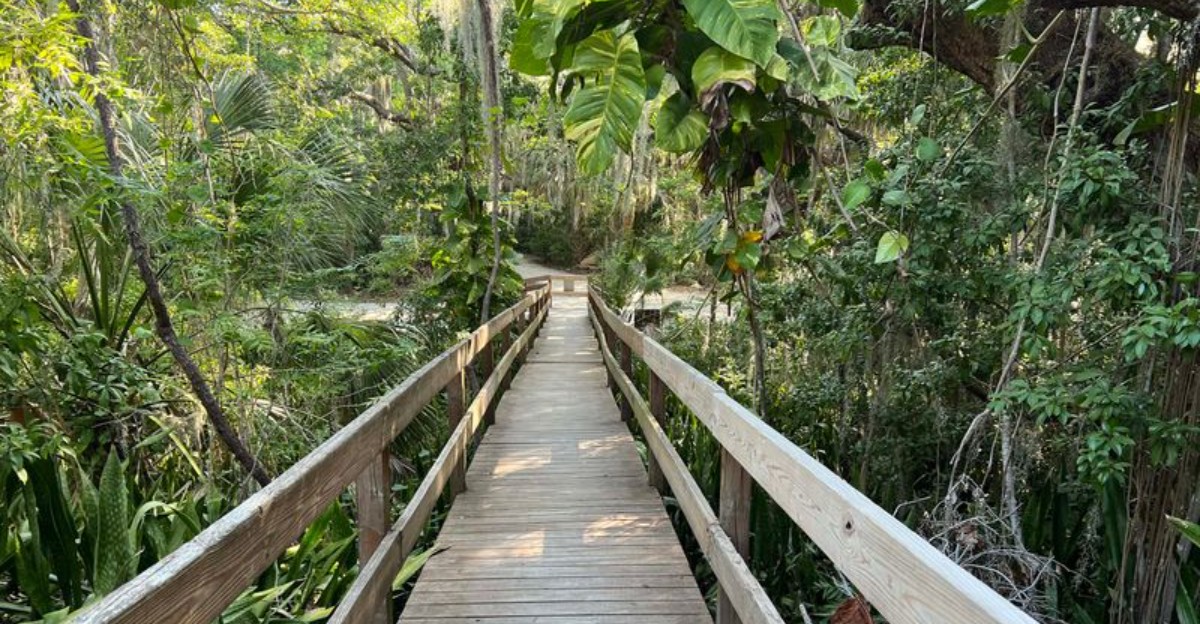
Emerson Point Preserve holds more than just scenic trails and waterfront views. Beneath the canopy of mangroves and along its quiet shores lies evidence of a civilization that thrived here over a thousand years ago. Ancient ceremonial mounds built by Indigenous peoples tell stories of complex societies, sacred rituals, and a deep connection to the land that modern visitors can still feel today.
1. The Portavant Temple Mound Stands as a Monument to Ancient Engineering
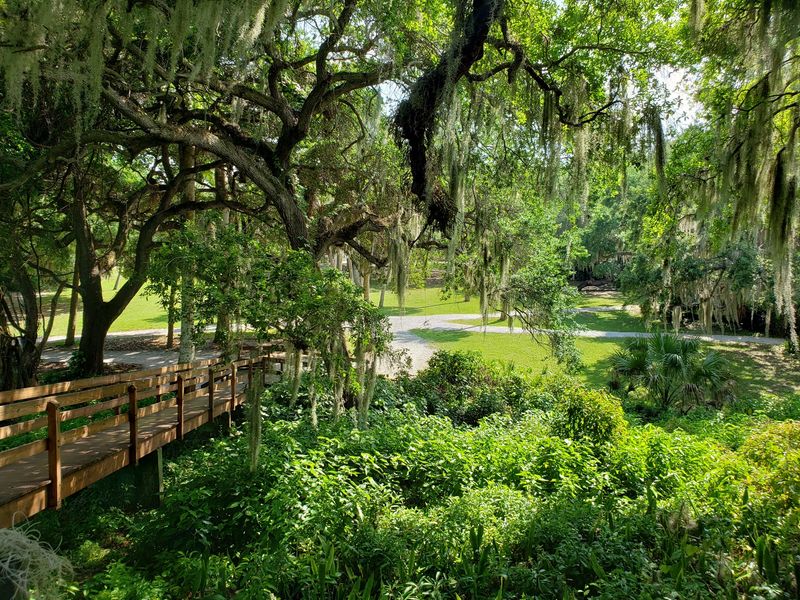
Standing nearly 150 feet long and rising above the surrounding landscape, the Portavant Temple Mound isn’t just a hill. This massive earthwork was intentionally constructed by the Safety Harbor culture between 900 and 1500 CE, serving as a ceremonial platform for religious rituals and community gatherings. The precision and labor required to build such a structure without modern tools speaks volumes about the organizational skills of these ancient Floridians.
Walking around the base, you can almost picture the ceremonies that once took place on top. Archaeologists believe leaders performed rituals here while community members gathered below, connecting the earthly realm with the spiritual. The mound’s strategic location overlooking the convergence of Tampa Bay and the Manatee River wasn’t accidental either.
These Indigenous engineers chose spots with both practical and symbolic importance. From this elevated platform, they could observe water traffic, signal to other settlements, and maintain a commanding view of their territory. The mound has survived hurricanes, development pressures, and centuries of weathering, yet it remains largely intact thanks to preservation efforts that recognize its irreplaceable cultural value to understanding Florida’s pre-colonial history and the sophisticated societies that flourished here long before European contact.
2. Mangrove Tunnels Create Natural Pathways Through Living History
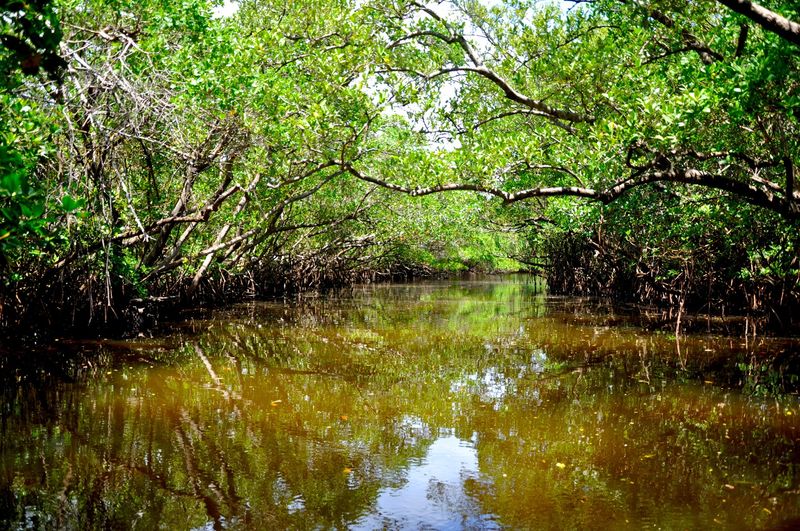
The boardwalk trails weaving through Emerson Point’s mangrove forests offer more than just shade on a hot Florida day. These twisted, salt-tolerant trees have been protecting this coastline for millennia, and the Indigenous peoples who built the mounds understood their importance. Mangroves provided food, materials for construction, and nursery grounds for the fish and shellfish that sustained ancient communities.
Today’s visitors can paddle kayaks through these same mangrove tunnels, following waterways that haven’t changed much in a thousand years. The roots create intricate mazes both above and below the waterline, filtering nutrients and providing habitat for juvenile fish, crabs, and wading birds. Early morning walks reveal why this ecosystem was considered sacred by those who lived here.
The mangroves literally hold the land together, their roots stabilizing shorelines against storms and tides. Several reviews mention the peaceful experience of walking these shaded paths where birdsong replaces traffic noise. The educational signs along the trails explain how Indigenous peoples harvested oysters from the mangrove edges and used the wood for building, creating a sustainable relationship with the environment that modern conservation efforts now strive to emulate in protecting these remaining wild spaces.
3. The Observation Tower Offers Views Across a Thousand Years
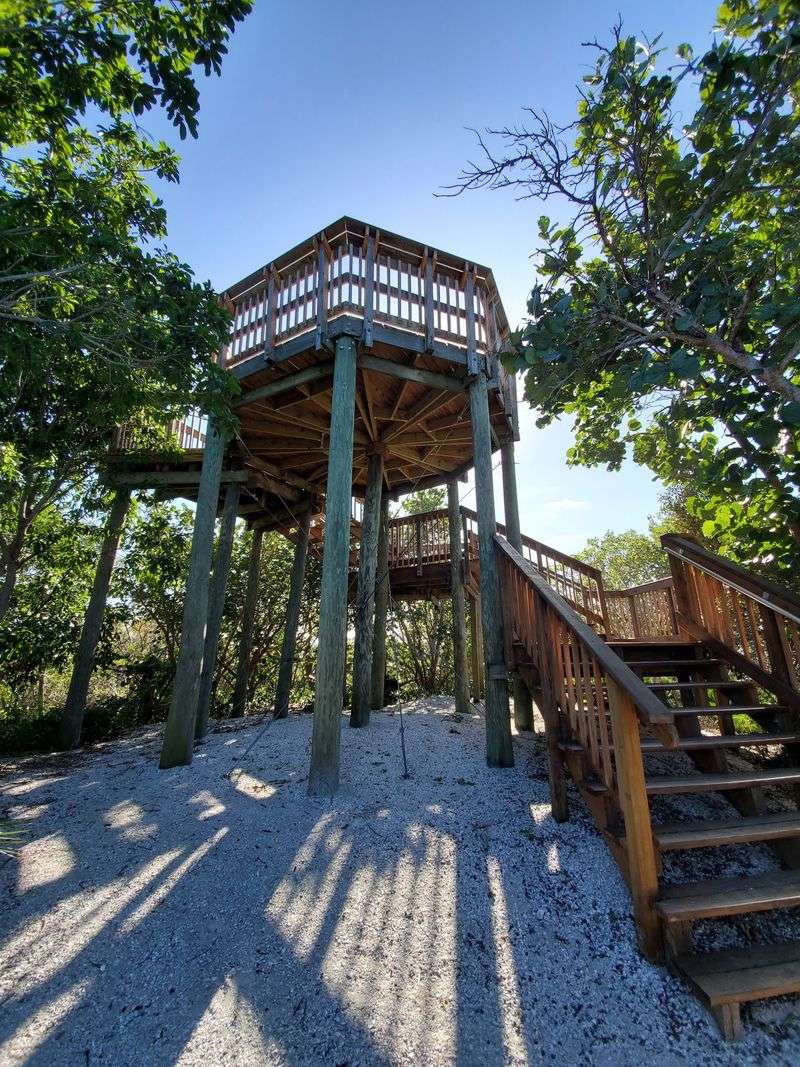
Climbing the observation tower at Emerson Point gives you a perspective the ancient mound builders would recognize. From this elevated vantage point, you can see across Tampa Bay to the Sunshine Skyway Bridge, spot dolphins surfacing in the channels, and understand why this location was chosen for settlement. The Indigenous peoples who lived here climbed their temple mounds for similar panoramic views of their world.
On clear days, the tower reveals the interconnected network of waterways, islands, and coastal features that made this area so valuable. You can see other ancient mound sites in the distance at Terra Ceia and across the bay, suggesting a network of communities that communicated and traded with each other. The view helps visitors grasp the strategic importance of this peninsula.
Bird watchers love the tower because it puts them at eye level with ospreys, herons, and the occasional roseate spoonbill flying past. But it also serves as a reminder that observation and understanding of the landscape was crucial to survival for the people who first called this place home. The tower becomes a bridge between past and present, letting modern visitors see the preserve through eyes similar to those who shaped this land centuries ago.
4. Kayak Launches Access Waters That Fed Ancient Communities
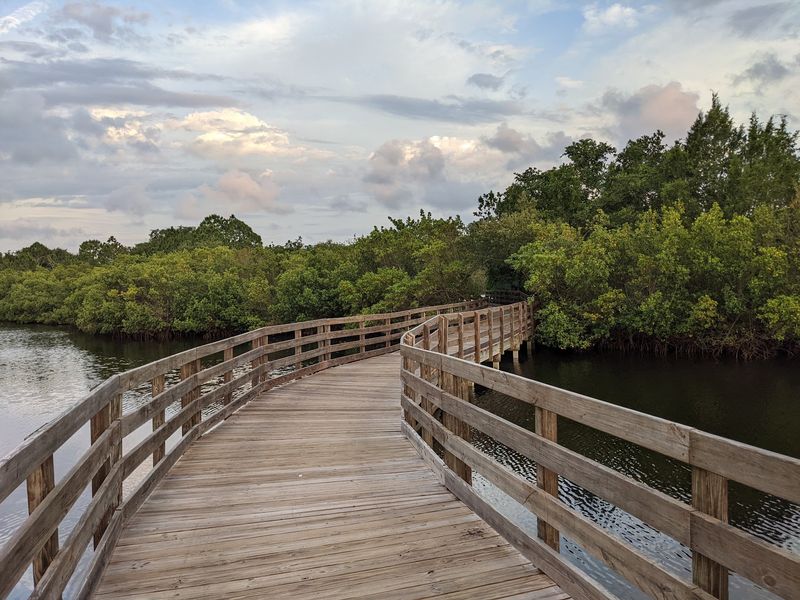
The kayak launches at Emerson Point aren’t just convenient access points for modern paddlers. They sit along the same shores where Indigenous peoples launched dugout canoes carved from cypress logs. These waters provided the highway system of their world, connecting settlements and providing access to the rich fishing grounds that sustained them for generations.
Archaeological evidence shows that the Safety Harbor people were skilled mariners who traveled extensively throughout Tampa Bay and beyond. They fished these waters, harvested shellfish from the oyster bars, and traded with communities as far away as the Gulf Coast and interior Florida. Paddling through the mangrove channels today, you’re following routes established over a millennium ago.
Multiple reviews mention seeing manatees, rays, and dolphins while kayaking here, the same marine life that ancient residents would have encountered. The shallow, protected waters made ideal fishing grounds, and massive shell middens found nearby reveal that oysters, clams, and conchs were dietary staples. Launching your kayak at dawn when the water is glass-calm and the birds are feeding offers a glimpse into why this location sustained human communities for so long before modern development arrived on Florida’s coast.
5. Shell Middens Tell Stories Written in Oyster Shells
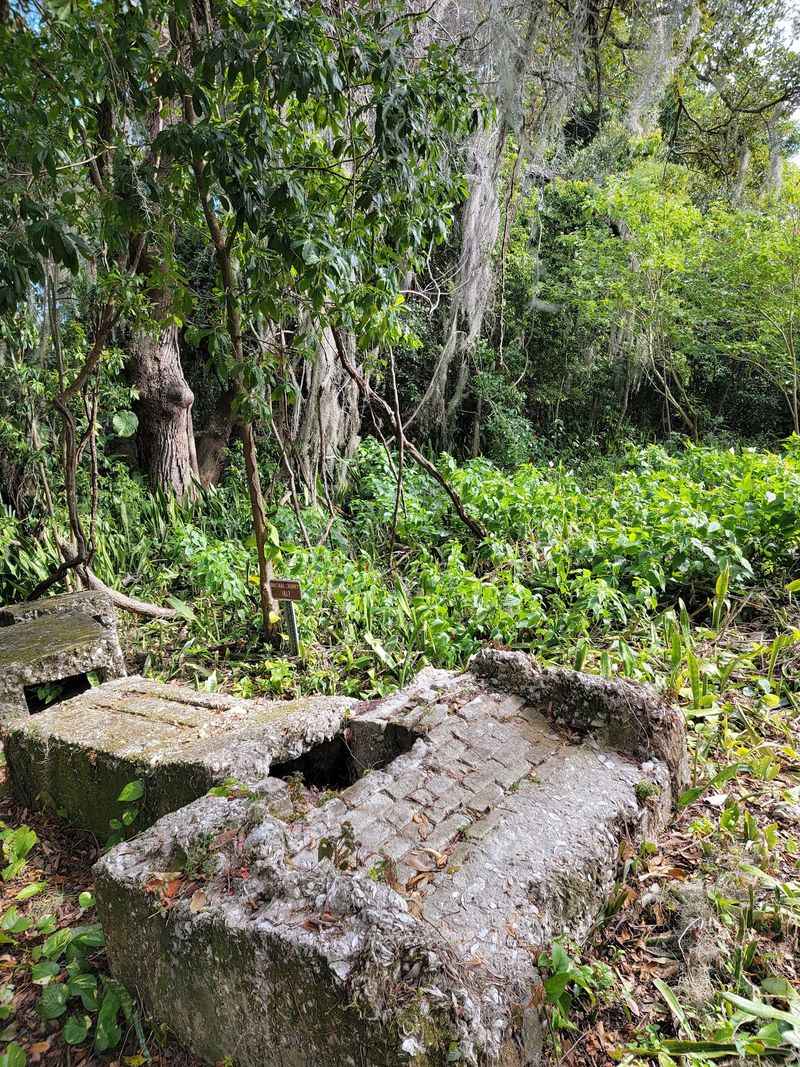
Scattered throughout Emerson Point are shell middens, essentially ancient garbage heaps that archaeologists treasure as time capsules. These mounds of discarded oyster, clam, and conch shells represent centuries of meals and reveal detailed information about diet, seasonality, and daily life. Some middens at the preserve are over six feet deep, representing hundreds of years of continuous habitation.
What looks like a pile of shells to casual observers is actually a detailed record of environmental conditions and human activity. By analyzing the size and species of shells in different layers, researchers can determine water temperatures, salinity levels, and which seasons people harvested particular shellfish. Broken pottery, tools, and animal bones found within the middens add more chapters to the story.
The Indigenous peoples weren’t just dumping trash randomly. Shell middens served practical purposes, raising living areas above flood levels and creating fertile soil for cultivating plants. Some researchers believe certain middens also held ceremonial significance.
Today, these protected archaeological sites help us understand that the people who built the temple mounds weren’t primitive nomads but sophisticated coastal dwellers who managed resources sustainably for centuries, leaving behind a written record composed of shells instead of words that scientists continue deciphering.
6. Terra Ceia Trail Follows the Footsteps of Ancient Travelers
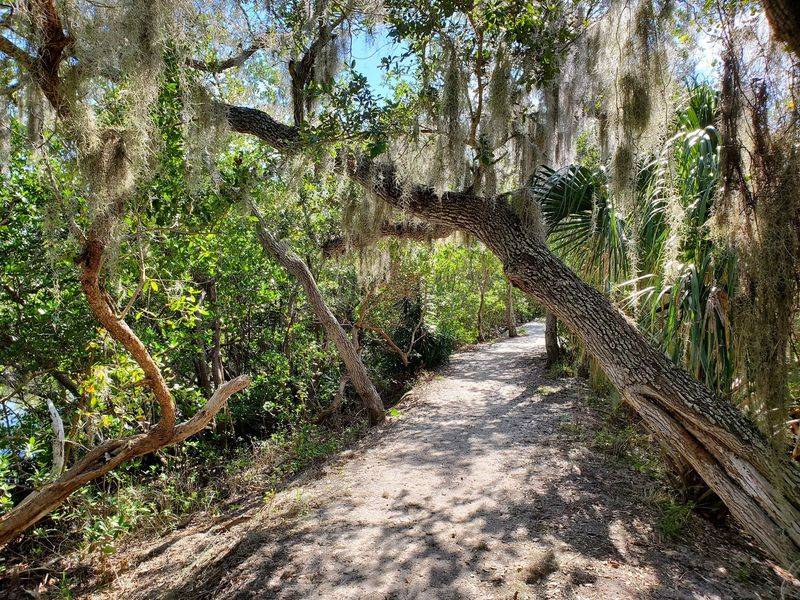
The Terra Ceia Trail offers one of the most authentic experiences of the landscape as ancient inhabitants knew it. This soft, sandy path winds between mangroves and along Tampa Bay’s edge, passing through areas that have remained relatively unchanged for centuries. Walking here feels like stepping back in time, especially during quiet weekday mornings when few other visitors are around.
This trail likely follows routes used by Indigenous peoples traveling between settlements. Terra Ceia, meaning “heavenly land” in Spanish, was named by early explorers who recognized the area’s natural abundance. The native inhabitants knew it long before that, using these coastal paths to move between fishing camps, ceremonial sites, and permanent villages.
Evidence of their presence appears in shell scatters and pottery fragments occasionally visible along eroded sections.
Reviews consistently mention the trail’s peaceful, isolated feel despite being close to modern Palmetto. The path offers intimate views of the bay’s ecosystem, with small docks providing access to the water where you might spot rays gliding past or herons fishing in the shallows. The combination of soft sand underfoot, mangrove canopy overhead, and water views on both sides creates an immersive natural experience that helps visitors understand why this peninsula supported thriving communities for over a thousand years before development arrived.
7. Sunset Gatherings Echo Ancient Ceremonial Traditions
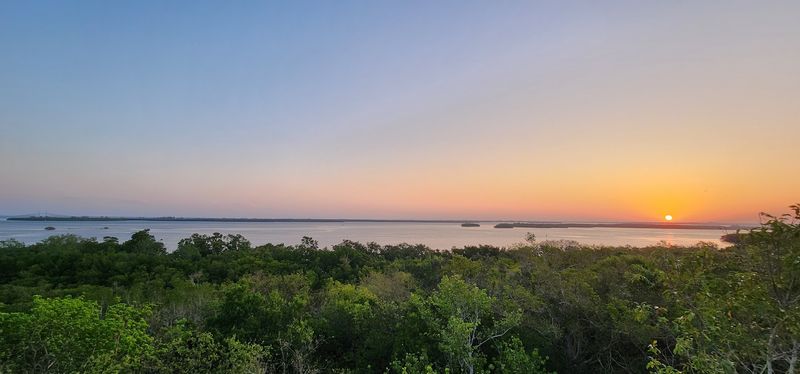
The small beaches at Emerson Point’s tip become gathering places each evening as visitors arrive to watch the sun set over Tampa Bay. This tradition of sunset observation isn’t new. Archaeological evidence suggests the temple mound hosted ceremonial activities timed to solar events, with the Indigenous peoples tracking seasons and conducting rituals aligned with the sun’s movements across the sky.
Standing at the point where bay and river meet, you can understand why this location held spiritual significance. The water reflects the changing colors, birds settle into roosting spots, and the entire preserve seems to exhale as day transitions to night. Ancient communities likely gathered here for similar reasons, marking time by the sun’s daily journey and the moon’s monthly cycles.
Multiple reviews mention the preserve closes at sunset, encouraging visitors to time their arrival to catch the show before the gates close. This creates a natural rhythm that mirrors how Indigenous peoples lived, organizing activities around daylight and tidal patterns rather than clock time. The small beaches offer perfect vantage points, and on calm evenings, the water becomes a mirror reflecting the sky’s performance.
These sunset gatherings, whether a thousand years ago or today, represent humanity’s enduring connection to natural cycles and beautiful places.
8. Native Plant Communities Sustained Generations Before Tourism
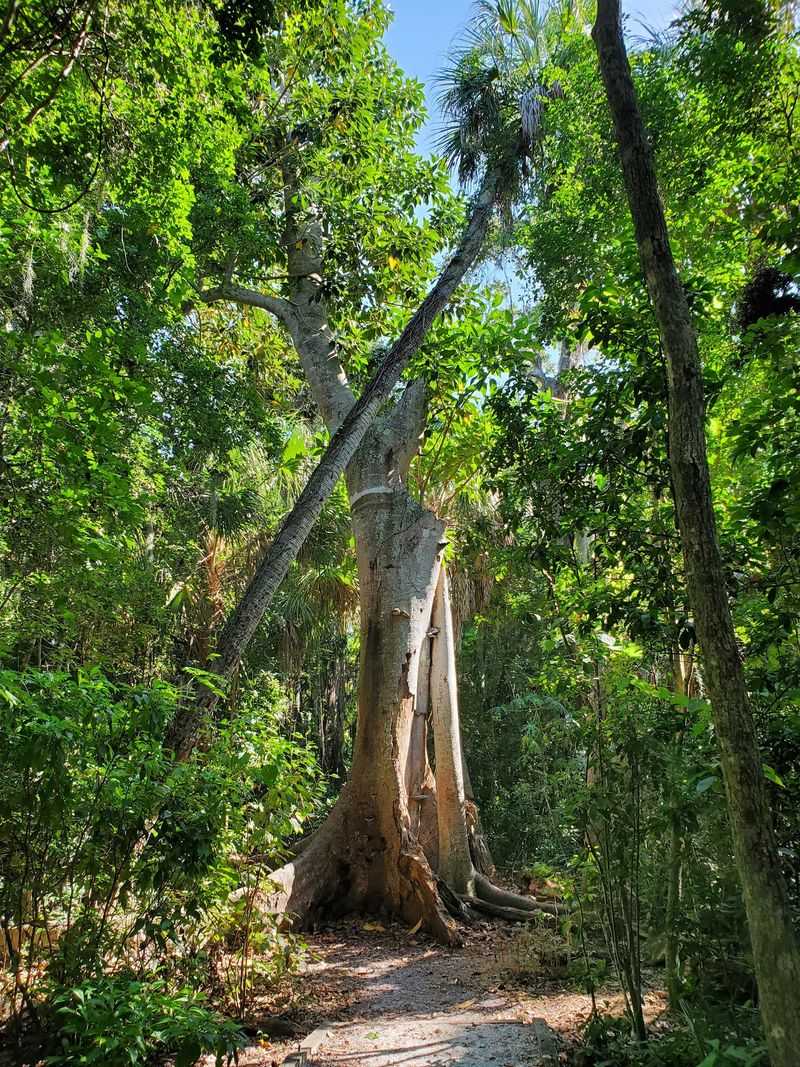
The 365 acres of native vegetation at Emerson Point aren’t just pretty scenery. These plant communities sustained the Indigenous peoples who lived here, providing food, medicine, building materials, and fiber for making tools and clothing. Saw palmetto berries were a food staple, cabbage palm hearts were harvested, and various plants provided treatments for ailments and injuries.
Educational signs throughout the preserve identify native species and explain their traditional uses, connecting modern visitors to ancient knowledge. The Safety Harbor people were expert botanists who understood which plants grew where, when to harvest them, and how to process them for different purposes. They managed the landscape through controlled burning and selective harvesting, shaping the plant communities rather than simply gathering what grew wild.
University of Florida Extension offers guided tours highlighting these native plants and their historical importance, as mentioned in reviews. Walking these trails with a knowledgeable guide reveals that nearly every plant had a use, from the sabal palms whose fronds thatched roofs to the red mangroves whose bark produced tannins for treating leather. The preserve’s commitment to maintaining native vegetation rather than introducing ornamental species helps protect this living library of botanical knowledge that supported human communities here for over a millennium before the first European ships appeared on the horizon.