You’d Never Guess This Budget-Friendly Florida Town Is Minutes From Two National Parks
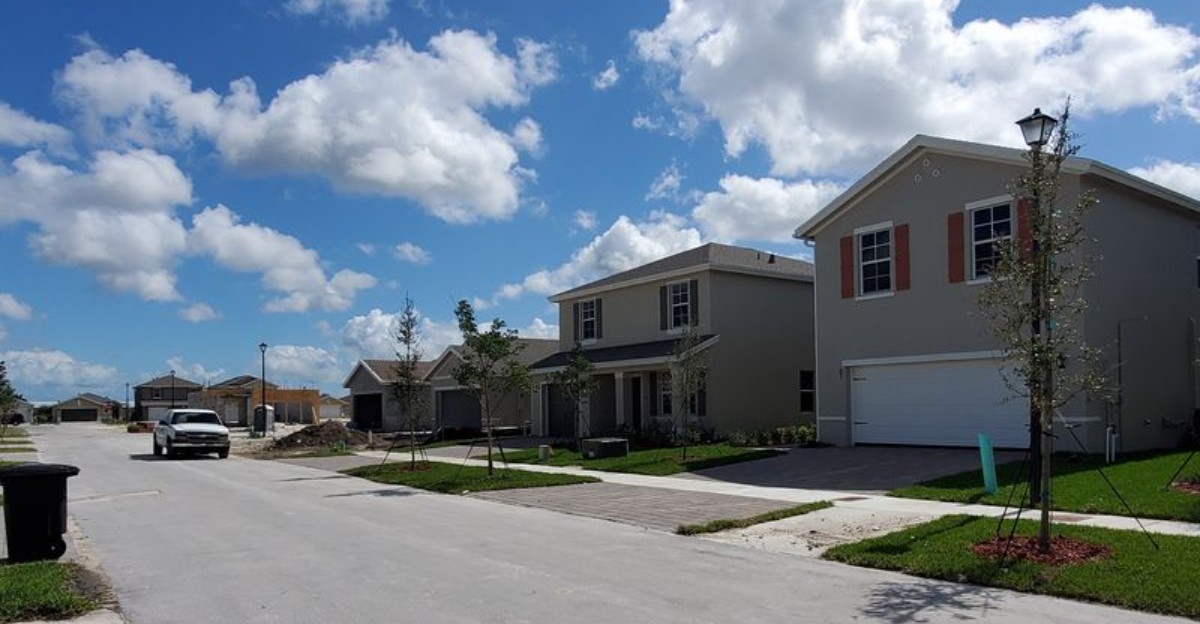
Florida City might not top your travel bucket list at first glance. But here’s the kicker: this unassuming town sits right at the doorstep of both Everglades National Park and Biscayne National Park, making it one of the most strategically located gateways for nature lovers in the entire state. Even better, you won’t blow your budget on pricey hotels or tourist traps, leaving more cash for adventures in two of America’s most stunning wild spaces.
1. Gateway Location That Can’t Be Beat
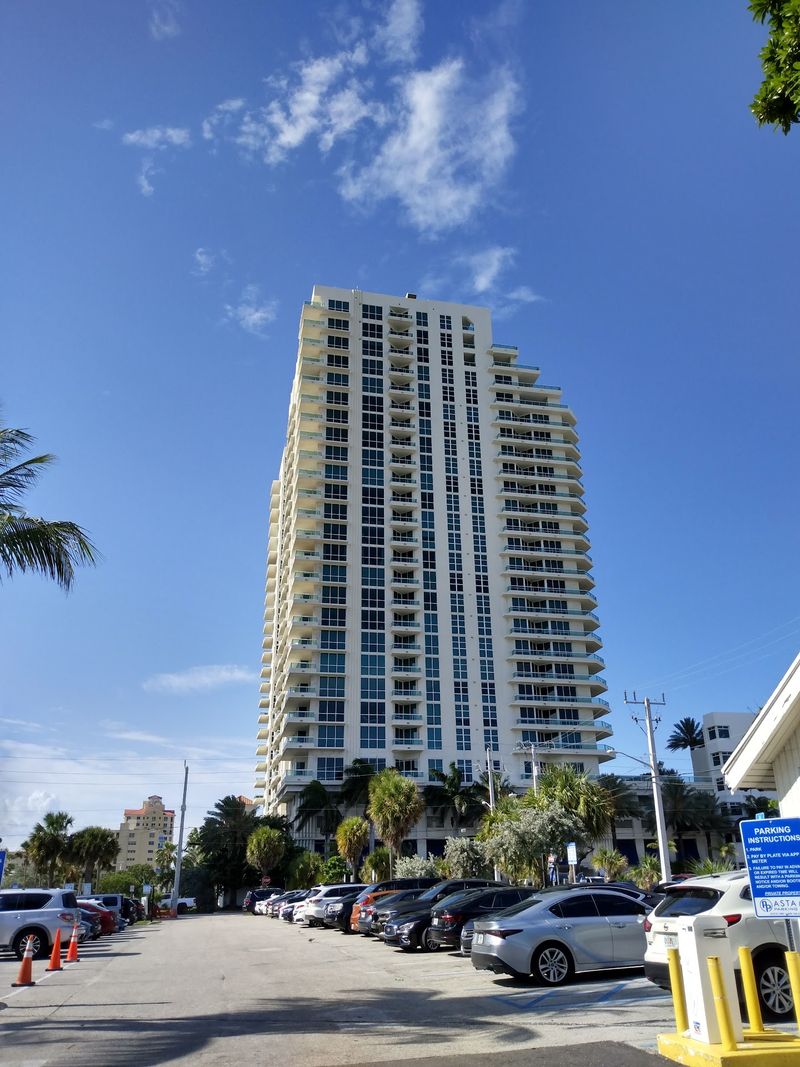
Most travelers zoom past Florida City on their way to the Keys, completely missing the goldmine sitting right under their noses. This small city of just over 13,000 residents occupies prime real estate as the southernmost municipality in the entire South Florida metro area. What makes that special?
You’re literally minutes from the main entrance to Everglades National Park and a quick hop to Biscayne National Park’s visitor center.
No other town in Florida can claim such easy access to two completely different national park ecosystems. You can wake up, grab breakfast at a local spot, and be paddling through mangrove tunnels or spotting alligators before most tourists even finish their hotel checkout. The convenience factor alone saves you hours of driving time and gas money.
Florida City’s position also means you’re strategically placed between Miami’s urban amenities to the north and the Florida Keys’ island vibe to the south. Need to stock up on supplies? Big box stores and supermarkets line the main drags.
Craving authentic Cuban food? You’ve got options. Want to escape into pure wilderness?
Turn west or east and you’re there in under 15 minutes.
2. Everglades National Park Access Without the Crowds
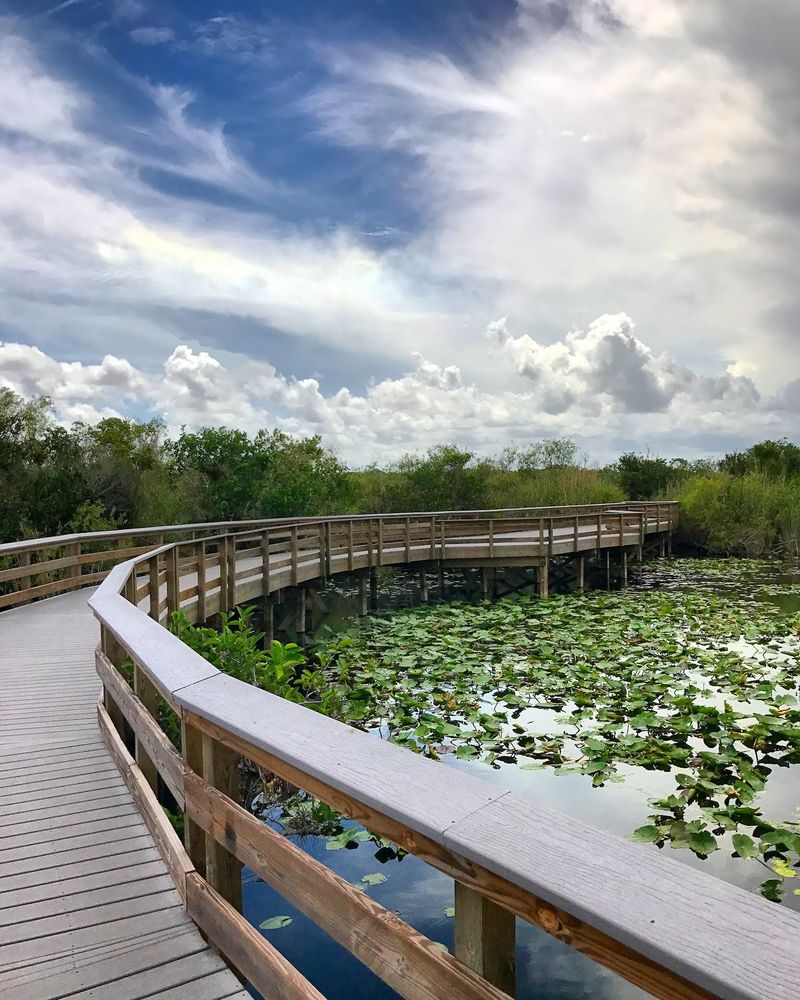
Everglades National Park stretches across 1.5 million acres of sawgrass marshes, mangrove forests, and cypress swamps. The main Ernest F. Coe Visitor Center sits just outside Florida City, making this town your launchpad into one of America’s most unique wilderness areas.
While other visitors drive hours from Miami or Naples, you’re already at the gates.
Staying in Florida City means you can hit the trails early before the heat cranks up and the tour buses arrive. The Anhinga Trail, famous for up-close wildlife encounters, becomes your neighborhood boardwalk. Alligators sunning themselves, wading birds hunting for breakfast, and turtles sliding into the water are all part of your morning routine when you start from here.
Budget-conscious travelers especially benefit from this proximity. Instead of paying premium prices for lodging inside or near park boundaries at places like Flamingo, you book affordable rooms in Florida City and pocket the difference. That savings translates into kayak rentals, ranger-led tours, or extra days exploring.
The park doesn’t charge entrance fees for pedestrians or cyclists either, so locals and savvy visitors often bike right in from town.
3. Biscayne National Park’s Underwater Wonderland Nearby
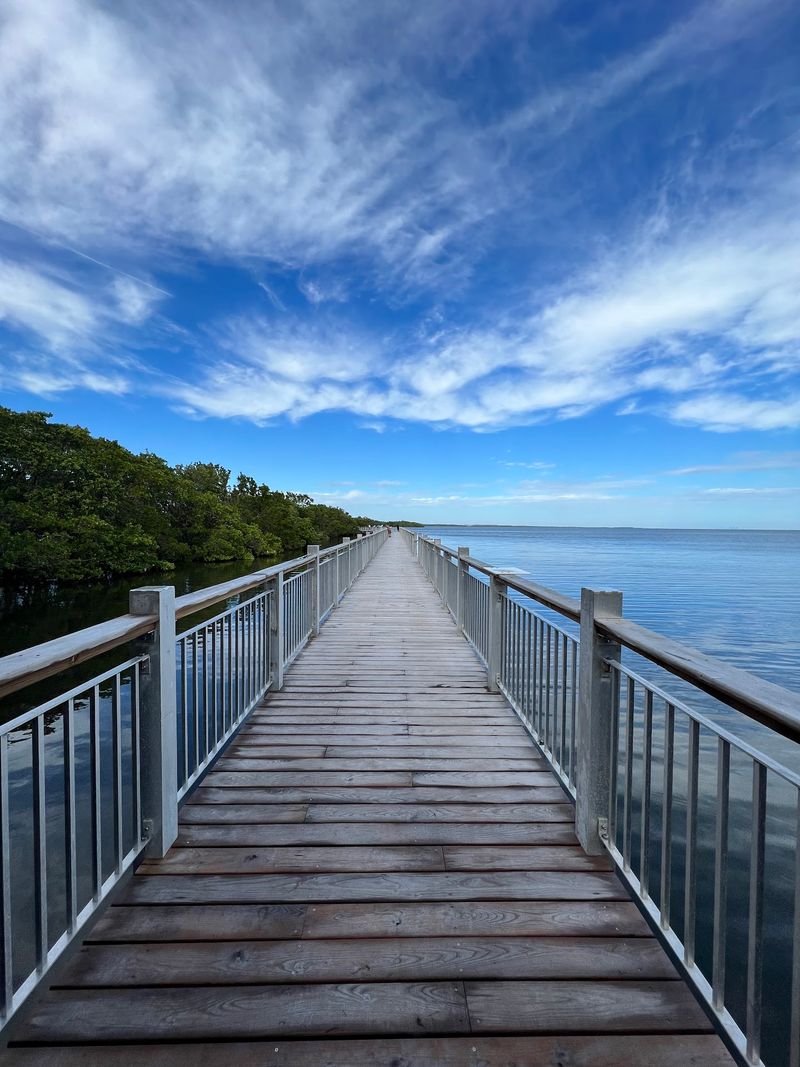
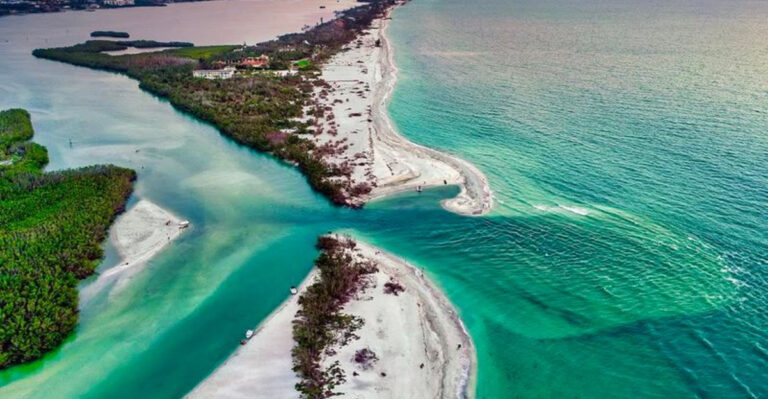
While everyone obsesses over the Everglades, Biscayne National Park flies under the radar despite protecting 95 percent water and hosting incredible coral reefs. The Dante Fascell Visitor Center sits in Homestead, practically next door to Florida City. This park offers a completely different experience from its famous neighbor, focusing on maritime heritage, island hopping, and snorkeling adventures.
Biscayne’s shallow waters make it perfect for beginning snorkelers and families with kids. The reef system teems with tropical fish, sea turtles, and colorful corals that rival anything in the Keys but without the crowds or hefty price tags. Several local operators run affordable boat tours from nearby Homestead, and you can reach the departure points in minutes from Florida City.
The park’s islands tell fascinating stories too. Boca Chita Key features a 65-foot ornamental lighthouse and offers primitive camping for adventurous souls. Elliott Key provides hiking trails through tropical hardwood hammocks where you might spot Key deer or rare butterflies.
Using Florida City as your base camp means you can explore both the wet and dry sides of South Florida’s ecosystems without constantly packing and unpacking your bags or draining your wallet on multiple hotel stays.
4. Wallet-Friendly Accommodations That Don’t Skimp on Comfort
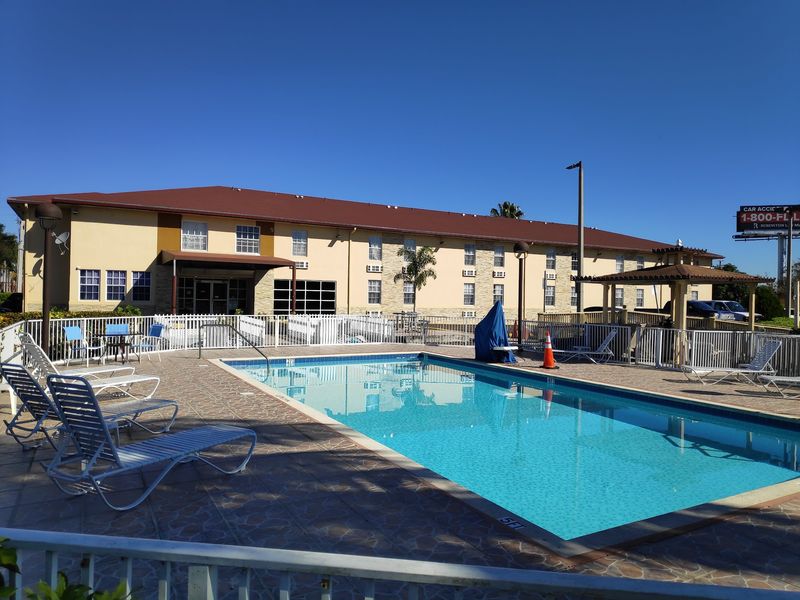
Let’s talk money. Hotels near national park entrances typically charge premium rates because they know visitors will pay for convenience. Florida City flips that script entirely.
You’ll find clean, comfortable chain hotels and independent motels charging 30 to 50 percent less than comparable rooms in Miami or Key Largo, often with the same amenities like pools, free breakfast, and WiFi.
The town’s agricultural roots and working-class character keep prices grounded in reality. This isn’t some gentrified tourist trap where every business jacks up rates during peak season. Sure, you might not get boutique charm or Instagram-worthy lobbies, but after a long day hiking through the Everglades or snorkeling at Biscayne, you mostly need a clean bed and a hot shower anyway.
Budget chains like Travelodge, Quality Inn, and Best Western cluster near the intersection of Palm Drive and the Florida Turnpike. Family-owned motels dot Krome Avenue, some offering weekly rates that make extended stays incredibly affordable. Many properties cater specifically to park visitors, providing coolers for day trips, early breakfast times for sunrise adventurers, and staff who actually know the best trails and hidden spots.
Your lodging dollars stretch further here, leaving more funds for park entrance fees, equipment rentals, and memorable experiences instead of overpriced pillows.
5. Authentic Local Dining Beyond Tourist Prices
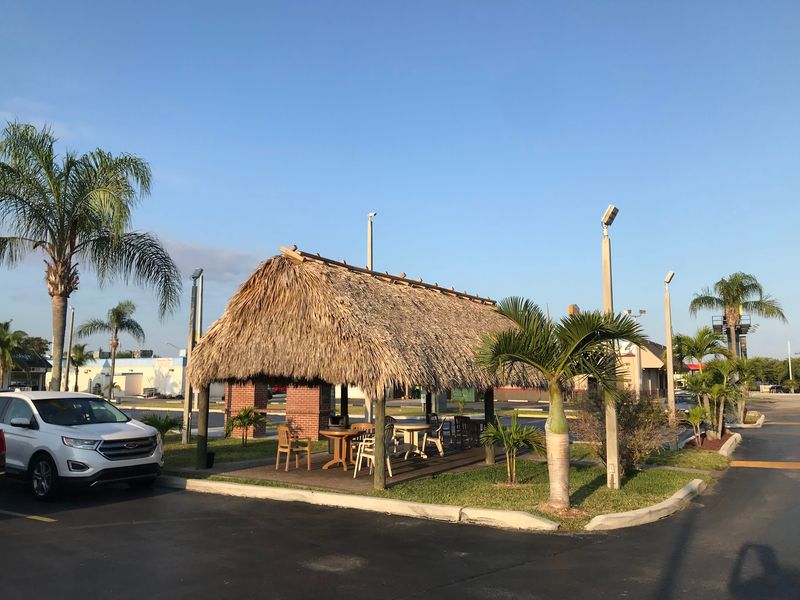
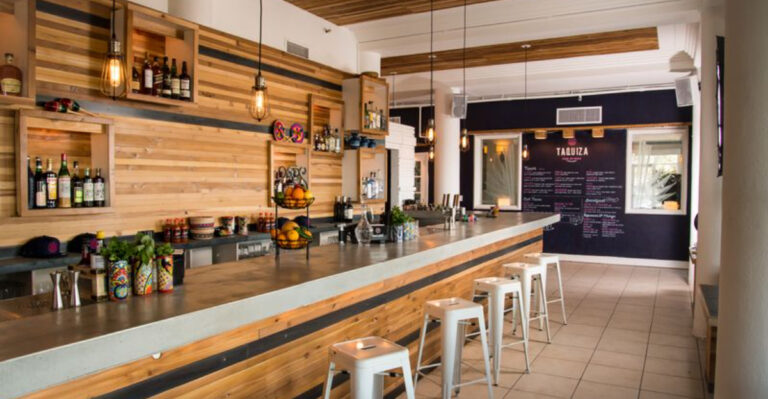
Florida City’s dining scene reflects its diverse, working-class community rather than catering to tourist crowds. That means you’ll find genuine Cuban cafeterias serving massive portions of ropa vieja and black beans for under 12 bucks. Taco trucks park along busy corners dishing out street-style tacos that put chain restaurants to shame.
Family-run seafood joints fry up fresh catch without the waterfront markup.
The Mexican and Latin American influences run deep here, thanks to the agricultural workers who’ve called this area home for generations. Small restaurants with hand-painted signs often serve the best food, places where the owner’s grandmother’s recipes still rule the kitchen. Don’t expect fancy presentations or trendy fusion concepts.
Expect generous plates, bold flavors, and prices that let you eat out multiple times without guilt.
Several spots have achieved local legend status. Farmers Market Restaurant serves soul food and Southern classics that fuel farm workers and park rangers alike. Robert Is Here, technically a fruit stand in nearby Homestead, offers fresh smoothies and tropical fruit you won’t find in regular grocery stores.
The lack of pretense extends to breakfast too, where diners serve eggs, bacon, and Cuban toast combos for what you’d pay for a single latte in South Beach. Eating well on a budget isn’t just possible in Florida City, it’s practically unavoidable.
6. Strategic Base Camp for Multi-Park Adventures
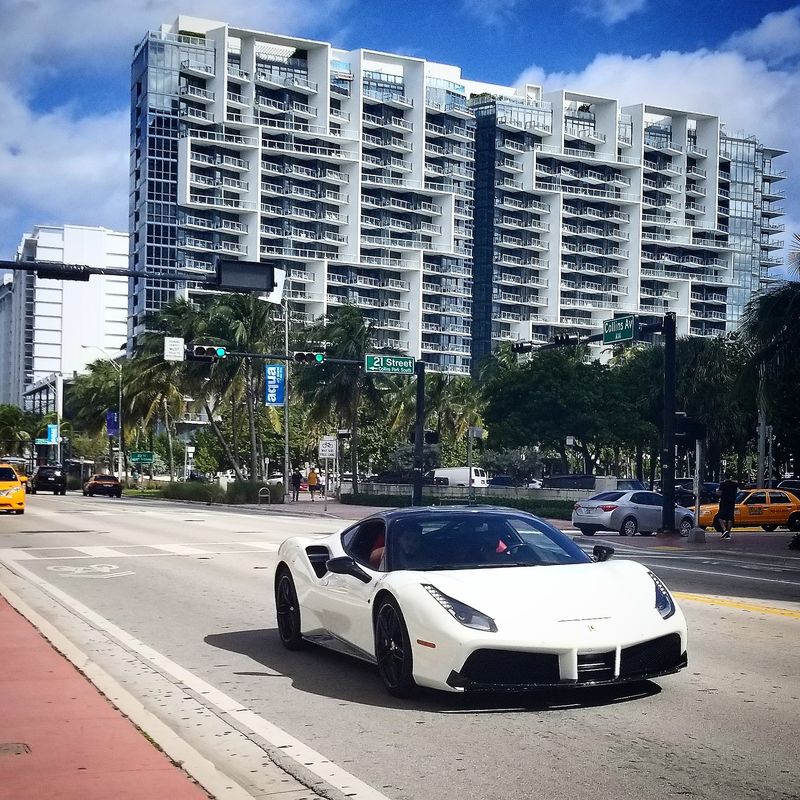
Smart travelers recognize Florida City as the ultimate base camp for exploring multiple South Florida destinations without constantly relocating. Plant yourself here for a week and you’ve got incredible range. Everglades and Biscayne are obvious day trips, but you’re also positioned perfectly for Florida Keys adventures, Miami cultural attractions, and even a run down to Key West if you start early.
The Florida Turnpike and US Highway 1 intersect right in town, giving you fast access in every direction. Head south on US 1 and you’re island hopping through the Keys. Take Card Sound Road for a scenic alternative route with less traffic and better views.
Point your car north and downtown Miami sits about 35 miles away, making it feasible for an evening out or a museum day when you need a break from nature.
This centralized location eliminates the hassle and expense of multiple hotel bookings. Instead of paying Key Largo resort prices, Miami beachfront rates, and Everglades City premiums, you pay Florida City’s modest fees once and drive to everything. The time investment isn’t bad either.
Most destinations fall within a 30 to 90-minute radius, which is nothing compared to the money saved and the consistency of sleeping in the same bed every night. Your cooler stays packed, your routine stays intact, and your budget stays healthy.
7. Year-Round Mild Weather Perfect for Outdoor Exploration
South Florida’s subtropical climate means Florida City enjoys warm weather throughout the year, making it possible to visit the national parks during any season. Winter months from December through March bring the most pleasant conditions with temperatures in the 70s, low humidity, and minimal rainfall. This is peak season for good reason, but even then, you’ll find better deals here than in the Keys or Miami Beach.
Summer gets hot and humid, no sugarcoating that reality. But here’s the secret: summer is also when you’ll score the absolute best deals on accommodations and find the parks practically empty. Early morning adventures become essential, and afternoon thunderstorms provide natural breaks to rest in air conditioning.
Wildlife viewing actually improves during summer’s wet season as animals concentrate around water sources, making gator spotting almost guaranteed.
Spring and fall shoulder seasons offer the sweet spot between weather and value. Temperatures moderate, crowds thin out, and hotel rates drop from winter peaks. Hurricane season runs June through November, but Florida City’s inland position provides more protection than coastal areas.
The town’s proximity to both parks means you can check weather conditions and choose your destination based on daily forecasts. Sunny skies? Hit Biscayne for snorkeling.
Overcast but dry? The Everglades’ shaded trails stay comfortable even when beaches feel gloomy.
8. Working Town Character With Real Community Feel
Florida City hasn’t been Disneyfied or turned into some sanitized version of Florida designed for tourists. This remains a genuine working town where agriculture, commerce, and everyday life take priority over vacation vibes. Drive through and you’ll see farm equipment dealerships, produce warehouses, and people actually living their normal lives rather than performing for visitors.
That authenticity might not photograph as prettily as Key West’s Duval Street or Miami’s Art Deco District, but it creates a refreshing change of pace. Nobody’s trying to sell you overpriced souvenirs or rope you into timeshare presentations. The grocery stores stock what locals need, not just tourist snacks.
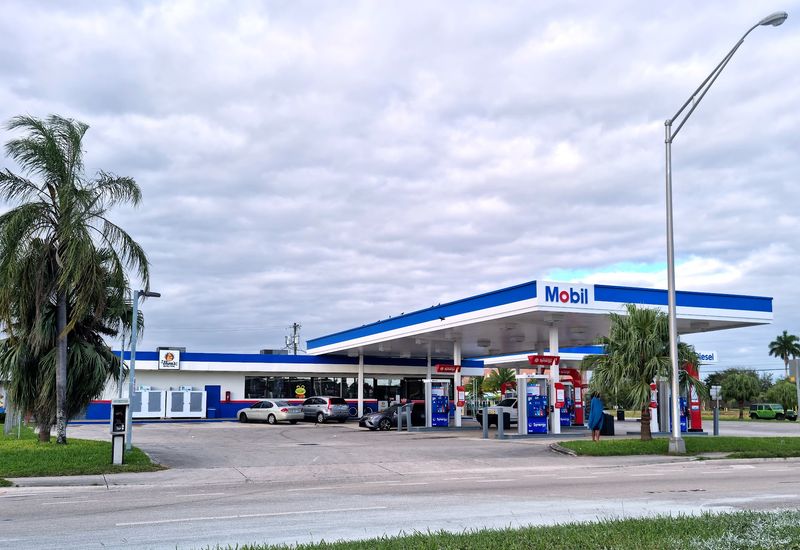
Gas stations charge regular prices instead of gouging travelers. Interactions feel genuine because they are, whether you’re asking directions or ordering lunch.
The town’s agricultural heritage remains visible in the surrounding farmland producing tomatoes, peppers, and tropical fruits. Many residents work in farming, park services, or supporting industries rather than tourism. This working-class character keeps costs down across the board and provides an honest glimpse into real Florida beyond the theme parks and resort bubbles.
You’re not a tourist here so much as a temporary neighbor, and that perspective shift makes the whole experience more meaningful while keeping your budget intact for what really matters: exploring two of America’s most remarkable national parks.