Apalachee Bay Views and Lighthouse History Make This Florida Landmark Worth the Trip
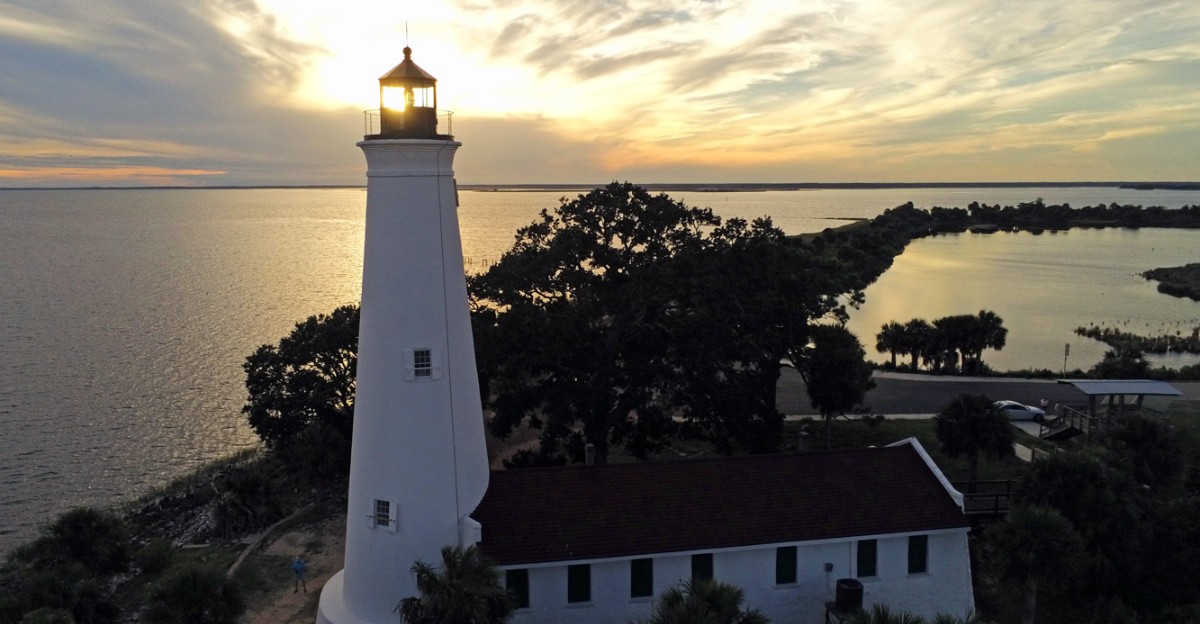
Standing tall since the 1800s, St. Mark’s Lighthouse has watched over Apalachee Bay through storms, sunshine, and centuries of Florida history. This isn’t just another roadside attraction with a gift shop and overpriced snacks. It’s a real working lighthouse nestled inside a wildlife refuge where alligators sun themselves on the banks and pelicans dive-bomb for their lunch right in front of you.
Whether you’re into history, nature, or just need a break from the everyday grind, this spot delivers something special.
The Historic 1831 Lighthouse Structure and Its Fascinating Past
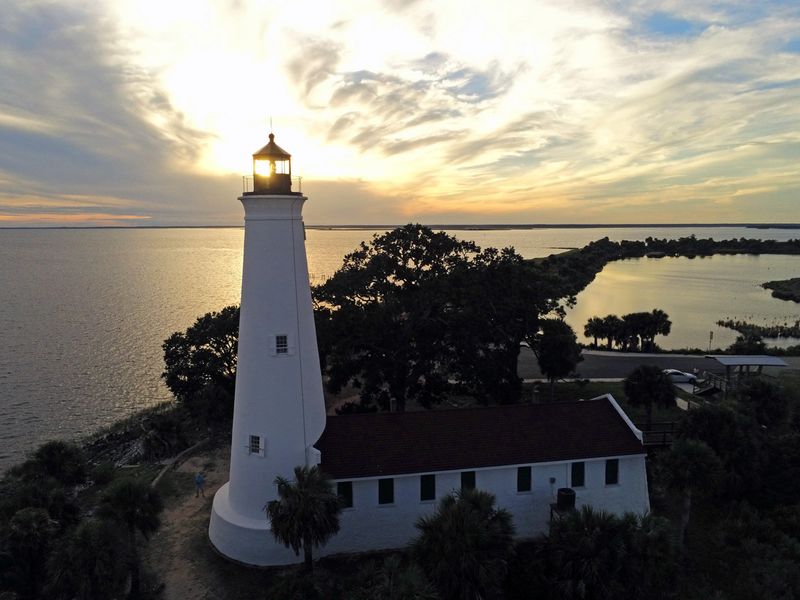
Most lighthouses have stories, but this one has survived more drama than a daytime soap opera. Built in 1831, the original structure replaced an earlier tower that couldn’t handle the harsh coastal conditions. The current lighthouse has weathered hurricanes, Civil War conflicts, and nearly two centuries of salt air without losing its charm.
You can’t climb to the top anymore due to safety regulations, but that doesn’t make the visit any less worthwhile. The exterior alone is photogenic gold, with its distinctive white tower standing against whatever mood the bay happens to be in that day. On clear mornings, the contrast between the lighthouse and blue sky is almost too perfect.
The Lighthouse Keeper’s Quarters next door operate as a small museum open Friday through Sunday from 11am to 3pm. Inside, you’ll find artifacts, old photographs, and equipment that actual lighthouse keepers used back when this job meant isolation and serious commitment. The volunteer guides know their stuff and genuinely enjoy sharing stories about shipwrecks, keeper families, and how the light mechanism actually worked.
What makes this place click is how it hasn’t been Disneyfied. There’s no climbing fee because there’s no climbing. There’s no fancy visitor center at the lighthouse itself, just a portable restroom and the real deal.
The focus stays on the history and the setting, not on selling you lighthouse-shaped keychains.
Plan your visit during the museum’s open hours if you want the full historical experience. Even when the keeper’s quarters are closed, the lighthouse grounds remain accessible during refuge hours (6am to 9pm daily). The $5 entrance fee for the entire wildlife refuge is one of Florida’s better bargains, especially since it covers your whole car and gives you access to miles of trails and viewing areas beyond just the lighthouse.
Wildlife Viewing Opportunities That Rival Any Zoo
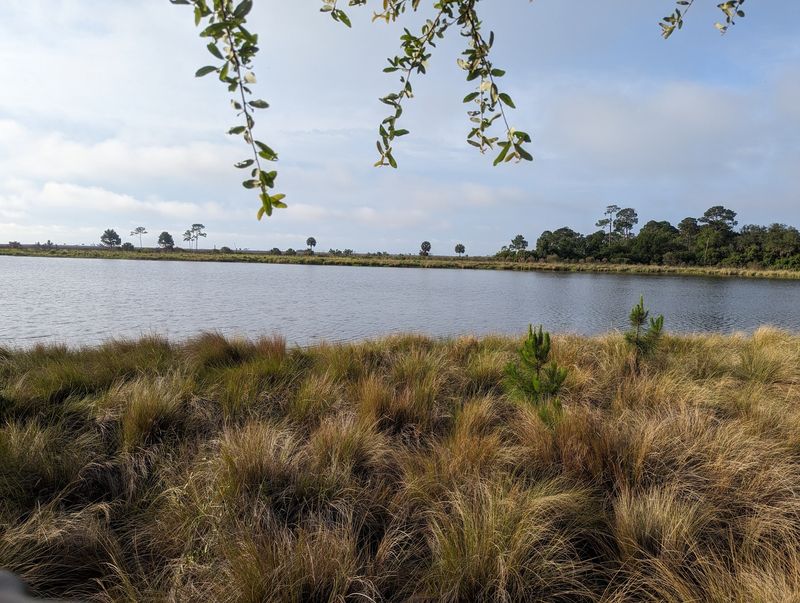
Forget paying theme park prices to see animals behind glass. At St. Mark’s, the wildlife comes with your $5 admission and performs on its own schedule. Alligators are practically guaranteed, especially along the seven-mile drive from the visitor center to the lighthouse.
They lounge on the banks like they own the place, which, technically, they kind of do.
Bird watchers lose their minds here, and for good reason. Pelicans put on diving shows that beat anything you’d see at an aquarium. They circle overhead, spot their target, then plunge into the water with zero hesitation.
If you time it right during migration seasons, you might spot roseate spoonbills with their cotton-candy pink feathers, or even catch a bald eagle doing its patriotic thing.
The marsh areas create perfect habitat for wading birds, including herons, egrets, and ibises. During low tide, sandbars emerge where shorebirds gather to feed. Some visitors have spotted dolphins feeding just offshore, especially early morning or near sunset.
One reviewer mentioned seeing five alligators, numerous birds, and a raccoon in a single visit.
The viewing opportunities extend beyond the lighthouse itself. Multiple pulloffs along the access road offer different perspectives on the marsh ecosystem. Each stop provides a chance to see something different, whether it’s a turtle sunning on a log or an otter playing in the shallows.
Bring binoculars if you have them, but even without optical assistance, the wildlife gets close enough for decent phone photos.
Keep your dog leashed and stay alert. This is real Florida wilderness, not a petting zoo. The alligators generally mind their business, but they’re wild animals with excellent reasons to be respected.
The refuge staff at the visitor center can tell you what’s been spotted recently and where your best chances are for specific species. They’re genuinely helpful, not just reading from a script.
Apalachee Bay’s Ever-Changing Waterfront Scenery
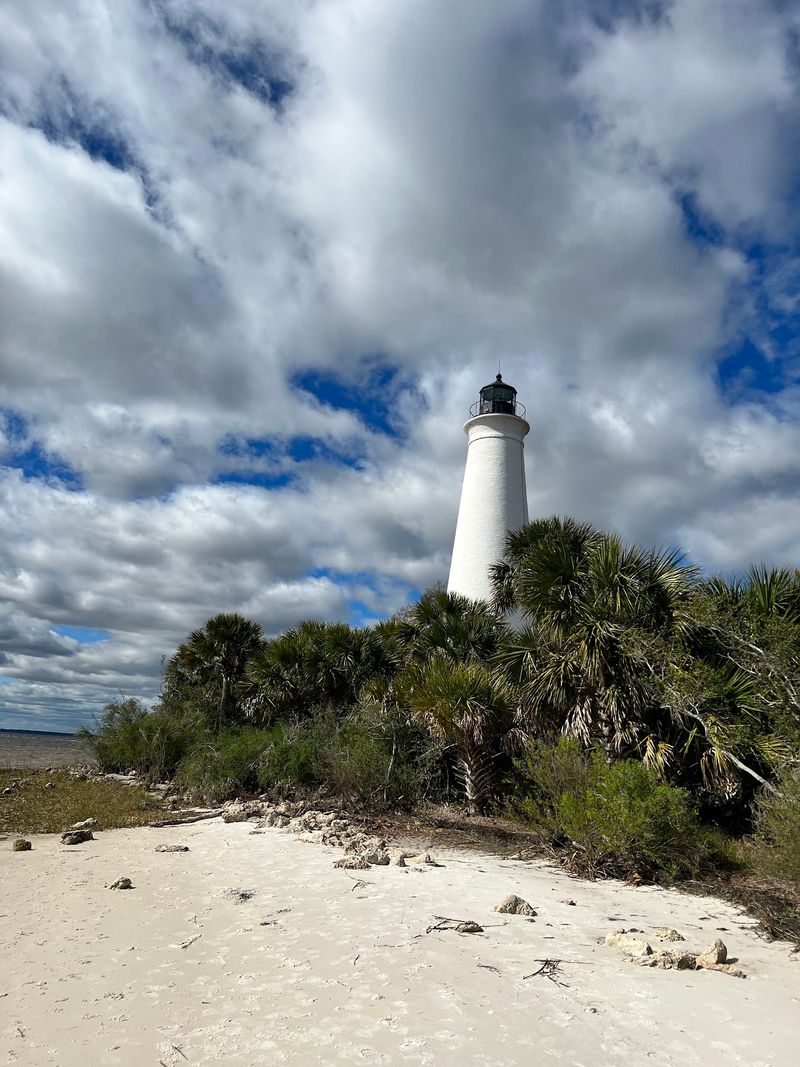
Apalachee Bay doesn’t do boring. The water changes personality depending on the tide, weather, and time of day. During low tide, you can walk out onto exposed sandbars that weren’t there an hour earlier.
When the tide rolls in, those same sandbars disappear, and the bay stretches out to meet the sky in one continuous blue sheet.
Storm watching here hits different than anywhere else. The open bay provides front-row seats to weather rolling in from the Gulf. You can watch dark clouds build on the horizon, see rain curtains sweeping across the water, and then safely retreat to your car before it arrives.
Several reviewers mentioned this exact experience, and it’s clearly memorable enough to write home about.
Sunset chasers consider this spot sacred ground. The western exposure over the bay means the sun drops directly into the water during golden hour. The lighthouse silhouette against an orange-pink sky is the kind of photo that makes your friends think you hired a professional.
Even on overcast days, the moody atmosphere gives the bay a dramatic quality that works just as well.
The coastline itself tells a story about how land and water negotiate their boundaries. Marsh grasses blur the line between solid ground and open water. Depending on recent weather, the shoreline shifts, creating new patterns in the sand and mud.
It’s not Hawaii-style beaches, but it has its own rugged appeal that feels authentically Old Florida.
Fishing enthusiasts appreciate the bay access, though you’ll need appropriate licenses. The mix of fresh and saltwater creates habitat for various species. Even if you’re not casting a line, watching others fish provides its own entertainment, especially when pelicans try to steal the catch.
The bay stays interesting whether you’re actively doing something or just sitting and watching the world go by at its own pace.
The Seven-Mile Scenic Drive Through St. Marks National Wildlife Refuge
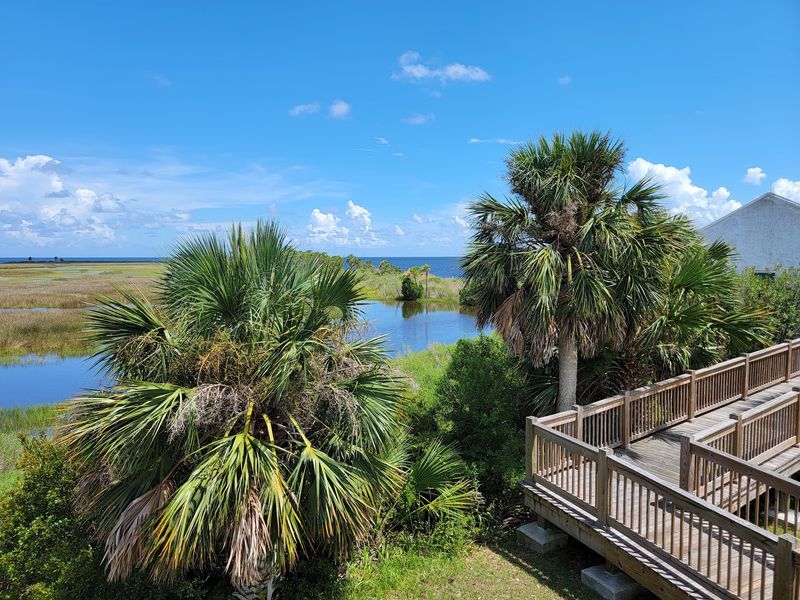
Getting to the lighthouse isn’t just transportation, it’s half the experience. The seven-mile drive from the refuge entrance to the lighthouse winds through some of the most pristine coastal marsh habitat left in Florida. This isn’t a highway sprint.
It’s a slow roll with multiple reasons to pull over and actually look around.
The refuge maintains several designated pulloffs and viewing areas along the route. Each one offers a different slice of the ecosystem, from open water vistas to dense marsh vegetation. Some spots have short walking trails that branch off into the wetlands.
Others provide elevated viewing platforms perfect for scanning the landscape with binoculars or just soaking in the quiet.
Wildlife spotting happens constantly along this drive. Alligators frequently sun themselves beside the road, close enough to see but far enough to feel safe. Birds work the shallows on both sides.
During certain times of year, you might catch deer grazing near the tree line or bobcats slinking through the underbrush if you’re exceptionally lucky.
The drive takes about 15 minutes if you go straight through, but plan for at least an hour if you want to actually experience it properly. Most visitors end up stopping multiple times, either because something caught their eye or because the view demanded a photo. The paved road stays in good condition, making it accessible for regular cars without needing four-wheel drive or special clearance.
On your way back from the lighthouse, the drive offers completely different perspectives. The light changes, the tide might have shifted, and animals move to new spots. Some visitors report seeing more wildlife on the return trip, possibly because they’ve slowed down and know what to look for.
The refuge encourages taking your time, and unlike most of Florida, nobody’s honking behind you for driving too slowly or stopping too often.
Peaceful Atmosphere Perfect for Escaping the Tourist Crowds
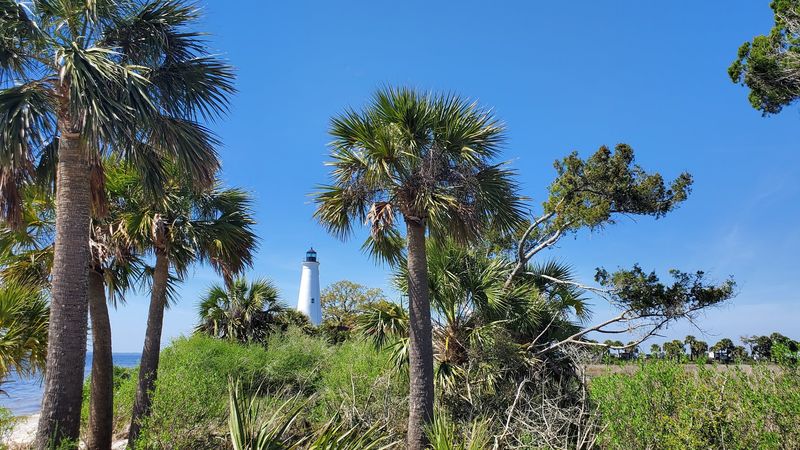
If you’re tired of elbow-to-elbow beach crowds and traffic jams at every Florida attraction, St. Mark’s Lighthouse operates on a completely different frequency. Even on weekends, the place maintains a calm vibe that’s increasingly rare in the Sunshine State. You might see a dozen other visitors total, and the refuge is large enough that everyone spreads out naturally.
The location works in its favor. St. Marks isn’t on the way to anywhere else, so you only get people who specifically chose to come here. It’s about 20 miles south of Tallahassee and requires intentional navigation off Highway 98.
This filters out the accidental tourists and leaves mostly nature enthusiasts, photographers, and folks seeking genuine quiet time.
Weekday visits dial the peaceful factor up even higher. Several reviewers mentioned arriving midday on a Friday and having the lighthouse area nearly to themselves. The staff at the visitor center stays friendly and helpful without being overwhelming, and the volunteer lighthouse guides share information because they want to, not because they’re working for tips.
The natural soundscape adds to the peaceful quality. Instead of car engines and screaming kids, you get wind through marsh grass, water lapping against the shore, and bird calls echoing across the bay. On calm days, the silence itself becomes noticeable, especially if you’re coming from urban areas where quiet is an extinct concept.
Picnic tables scattered throughout the refuge provide spots to sit and decompress without feeling like you’re performing for an audience. Bring lunch, find a table overlooking the marsh, and remember what it feels like to not be rushed. The refuge stays open until 9pm, giving you flexibility to visit during less popular hours.
Early morning and late afternoon offer the best light and the fewest people, though honestly, this place rarely feels crowded even at peak times.
Multiple Hiking Trails for Various Skill Levels
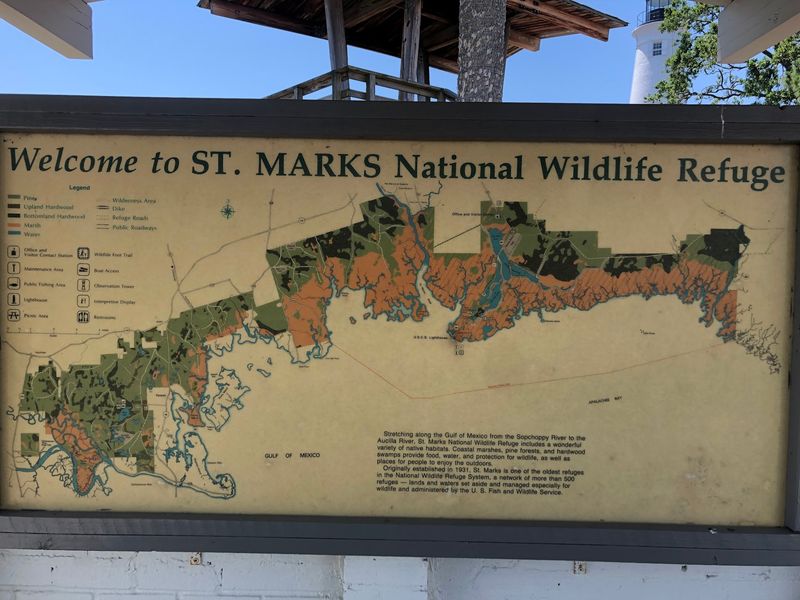
The refuge offers more than just the lighthouse visit. Multiple hiking trails wind through different habitats, from coastal marsh to hardwood forest. The trails range from easy strolls suitable for families to longer routes that require decent fitness and proper planning.
All of them deliver wildlife viewing opportunities and chances to see parts of the refuge most visitors miss.
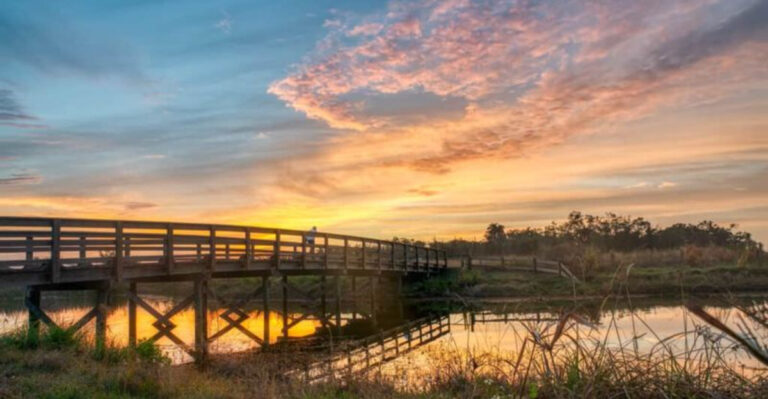
Trail conditions stay well-maintained, with clear markers and reasonable upkeep. Some sections include boardwalks over wet areas, keeping your feet dry while letting you walk through habitats you couldn’t otherwise access. The flat terrain makes hiking easier than in other parts of Florida, though humidity and heat during summer months still demand respect and plenty of water.
Bird watchers particularly appreciate the trail system because it provides access to different habitat types within a short distance. You can start in marsh, move into pine flatwoods, and end up in coastal scrub, each zone attracting different species. Spring and fall migrations turn the refuge into a birding hotspot, with species counts that make serious listers plan entire trips around the calendar.
The trails aren’t heavily trafficked, so you’ll often have stretches completely to yourself. This solitude increases your chances of wildlife encounters since animals feel less threatened. Move quietly and keep your eyes open, because you never know what might be around the next bend.
Some trails offer observation platforms or benches at scenic points, perfect for taking breaks while scanning for movement.
Before heading out, stop at the visitor center for trail maps and current conditions. Staff can recommend routes based on what you want to see and how much time you have. They’ll also warn you about seasonal issues like flooded sections or particularly active alligator areas.
Bug spray becomes essential during warmer months, and bringing binoculars transforms a simple hike into a wildlife safari without the expensive ticket.
Excellent Photography Opportunities in Natural Light
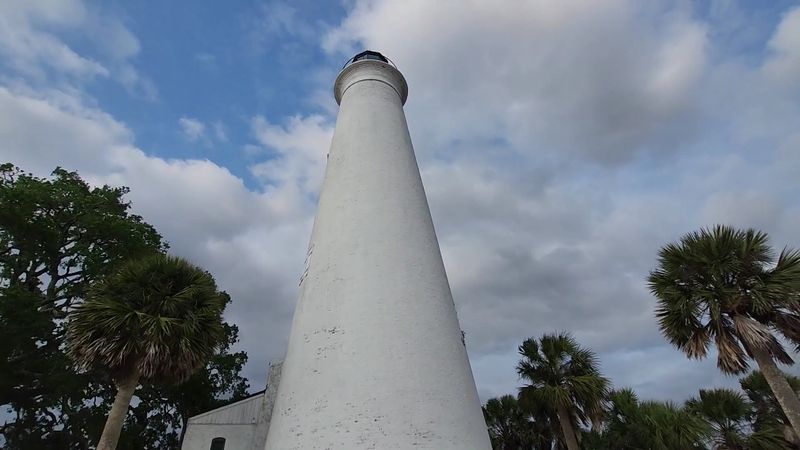
Photographers treat St. Mark’s Lighthouse like a renewable resource. The combination of historic structure, dramatic coastal setting, and constantly changing light creates unlimited composition possibilities. Whether you’re shooting with a phone or professional gear, you’ll find angles worth capturing every time you visit.
Golden hour delivers predictably gorgeous results. The lighthouse faces west toward the bay, so sunset light hits it perfectly. The warm tones against the white tower, combined with whatever the sky decides to do that evening, produces photos that need minimal editing.
Arrive at least 30 minutes before sunset to scout your position and watch the light evolve.
Storm photography here is next-level when done safely. The open bay provides dramatic backdrops as weather systems roll in. Dark clouds building over the water, lightning in the distance, rain curtains sweeping across the marsh, all while the lighthouse stands solid in the foreground.
Just remember that lightning and metal towers make terrible combinations, so know when to retreat to your vehicle.
Wildlife photography opportunities happen constantly. Birds in flight, alligators basking, pelicans diving, all with the coastal marsh as your backdrop. The relatively tame wildlife means you can often get closer than in other locations, though always maintain safe distances.
A decent zoom lens or even a good phone camera with digital zoom can capture frame-worthy shots.
The seven-mile drive provides dozens of additional photo opportunities beyond the lighthouse itself. Marsh reflections, wading birds, sunrise over the wetlands, Spanish moss hanging from live oaks near the entrance, each stop offers something different. Some photographers spend entire days working the refuge, barely making it to the lighthouse because they keep finding compelling subjects along the way.
Bring extra batteries and memory cards because you’ll shoot more than you planned.
Affordable Day Trip with Minimal Entry Fees
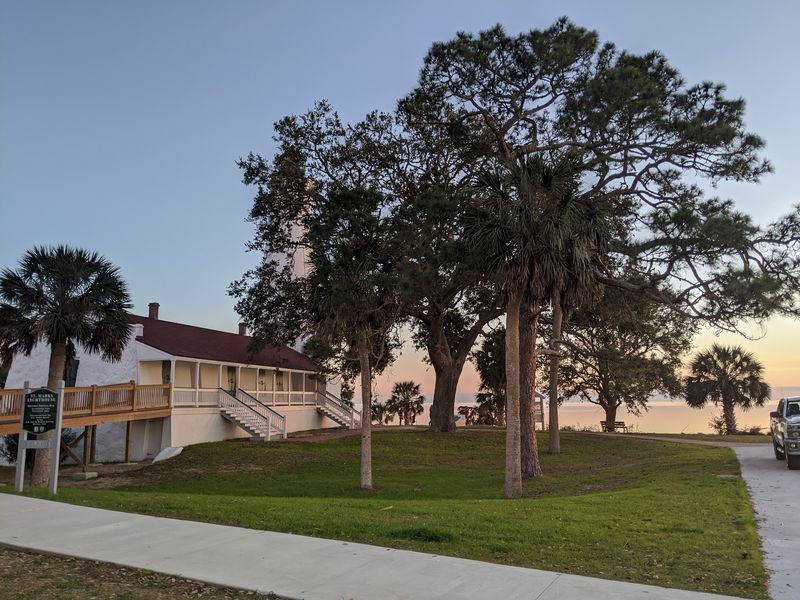
In a state where theme parks charge triple digits per person and beach parking eats your lunch money, St. Mark’s Lighthouse stands out for its almost shocking affordability. The entire refuge, including the lighthouse, trails, and all viewing areas, costs exactly $5 per vehicle. Not per person, per vehicle.
Load up your car with friends and split that five bucks six ways if you want.
That $5 buys you an all-day pass valid from 6am to 9pm. You can arrive at sunrise, leave for lunch, and come back for sunset without paying again. Compare that to parking fees at most Florida beaches, which often run $10-20 for a few hours, and you start to understand what a deal this is.
If you hold a National Parks Pass (the $80 annual America the Beautiful pass), entry is completely free. The refuge participates in the federal system, making it an excellent stop if you’re already using that pass for other national parks and refuges. For frequent visitors or Florida residents who explore regularly, the annual pass pays for itself quickly.
Beyond the entry fee, costs stay minimal. There’s a small gift shop at the visitor center with reasonably priced items, but zero pressure to buy anything. No parking fees at the lighthouse itself.
No charge for the museum when it’s open. No hidden costs or surprise fees that suddenly appear. What you see is what you pay.
The value extends beyond just the low price. You’re getting access to thousands of acres of protected wildlife habitat, miles of trails, a historic lighthouse, and world-class bird watching for less than the cost of a fancy coffee drink. Families can spend an entire day here for the price of one movie ticket.
Pack a picnic, bring your own drinks, and you’ve got an incredibly cheap day trip that doesn’t feel cheap in any other way.
Clean Facilities and Friendly, Knowledgeable Staff
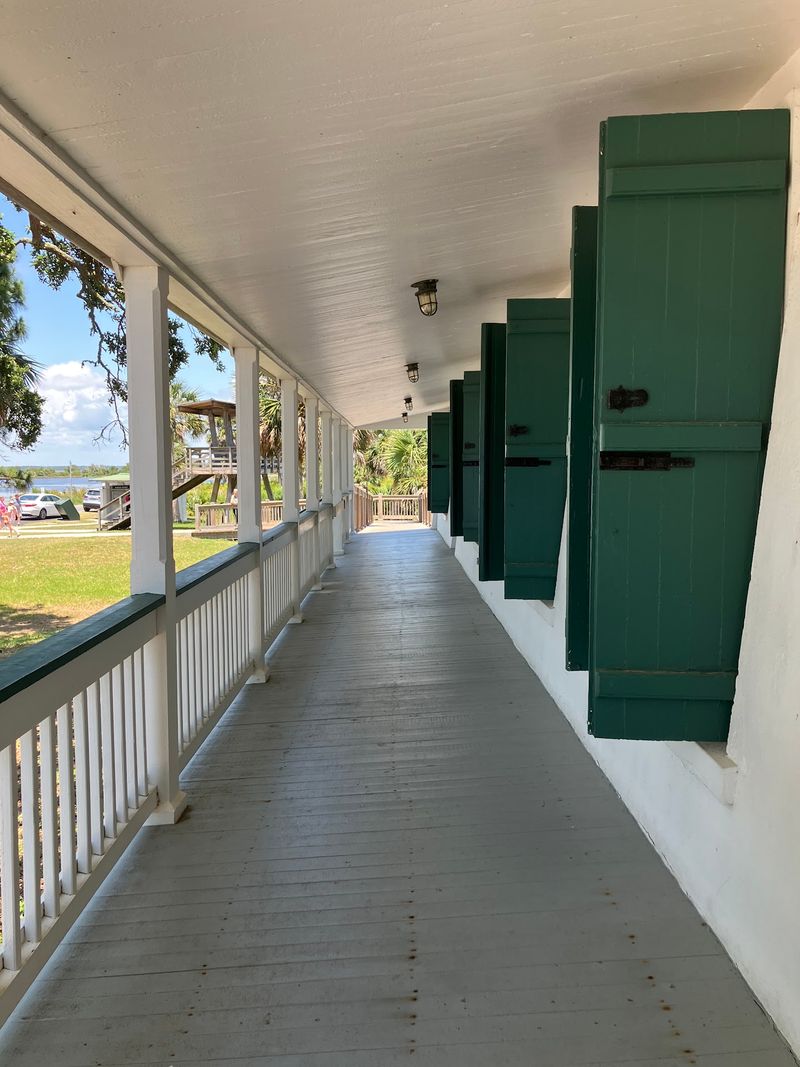
Nothing kills a nature outing faster than disgusting bathrooms and unhelpful staff. St. Mark’s Lighthouse gets both aspects right, which matters more than it should have to. The visitor center near the entrance maintains genuinely clean restrooms, the kind you’d actually use without holding your breath or hovering awkwardly.
The staff and volunteers consistently earn praise in reviews for being both friendly and actually knowledgeable. These aren’t seasonal workers reading from cue cards. They know the refuge, understand the wildlife patterns, and genuinely enjoy helping visitors get the most from their trip.
Ask about recent bird sightings, and they’ll tell you what’s been spotted and where your best chances are.
At the lighthouse itself, volunteer guides rotate through the keeper’s quarters museum on weekends. These folks are history enthusiasts who volunteer because they care about the lighthouse story, not because they need community service hours. They’ll answer questions, share details not on the displays, and often have personal anecdotes about the structure or the refuge that bring the history alive.
The visitor center also serves as a starting point for understanding the refuge layout. Free maps show the trails, viewing areas, and facilities. Staff can recommend routes based on your interests and mobility level.
They’ll warn you about seasonal considerations like bug pressure, flooded trails, or particularly active alligator zones. This practical information prevents wasted time and disappointing surprises.
Facilities at the lighthouse itself are more basic, just a portable restroom, but it’s maintained regularly and beats the alternative of nothing. Picnic areas throughout the refuge include tables and trash receptacles, all kept reasonably clean. The refuge clearly takes maintenance seriously without turning the place into an overly manicured park that loses its wild character.
It’s the right balance, clean and functional without feeling artificial or over-managed.
Year-Round Access with Seasonal Wildlife Variations
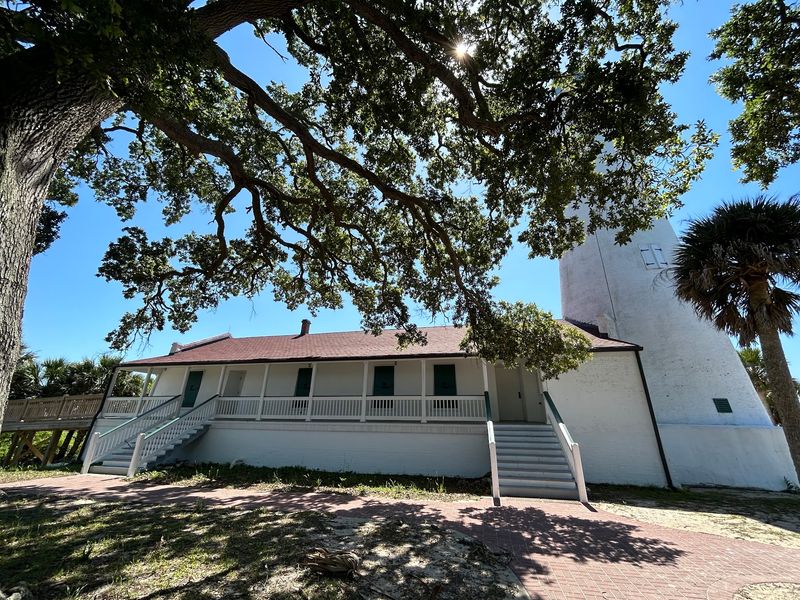
Unlike many Florida attractions that close for hurricanes, renovations, or mysterious reasons, St. Mark’s Lighthouse and refuge stay open year-round with consistent hours. The gates open at 6am and close at 9pm every single day, giving you flexibility to visit whenever your schedule allows. This reliability makes trip planning easier, especially if you’re coordinating with other activities in the area.
Each season brings different reasons to visit. Winter months (December through February) offer the most comfortable temperatures for hiking and exploring. Migratory birds pass through in huge numbers, and the cooler weather means you can spend hours outside without melting.
It’s also when you’ll see the fewest bugs, a consideration that shouldn’t be underestimated in coastal Florida.
Spring migration (March through May) turns the refuge into a birding paradise. Species passing through on their way north stop to refuel, creating viewing opportunities that don’t exist other times of year. The weather stays pleasant, wildflowers bloom in the marsh, and baby alligators start appearing.
Photographers particularly love spring for the combination of good light and active wildlife.
Summer brings heat, humidity, and afternoon thunderstorms, but also has its advantages. You’ll encounter fewer visitors, making the experience even more peaceful. Early morning visits before the heat builds work well, and the dramatic storm clouds create excellent photography conditions.
Just respect the lightning and know when to take shelter. Bug spray becomes mandatory, not optional.
Fall (September through November) offers another migration window as birds head south. Temperatures start dropping back to comfortable levels, and the summer crowds haven’t discovered the pleasant weather yet. Hurricane season technically runs through November, but the refuge has weathered storms for nearly 200 years.
Check weather forecasts before visiting during peak hurricane months, but don’t let the calendar alone scare you off from what might be perfect conditions.