Before the Entrée Arrives, This Florida Korean Spot Covers the Table With Banchan
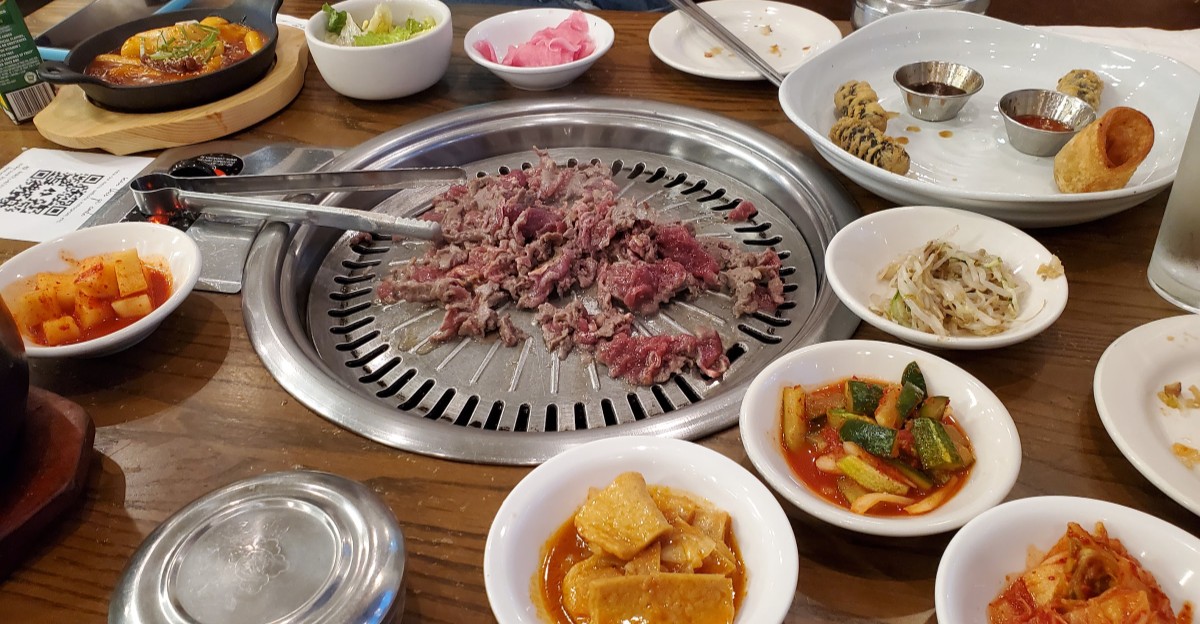
Walking into Shin Jung Korean Restaurant on East Colonial Drive means stepping into an authentic Korean dining experience where the meal begins long before your main dish shows up. The table fills quickly with small plates called banchan, each offering a different flavor, texture, and story from Korean culinary tradition. These complimentary side dishes aren’t just appetizers or garnishes but an essential part of the meal that transforms dinner into a full sensory adventure worth savoring bite by bite.
Kimchi Takes Center Stage With Bold, Fermented Flavor
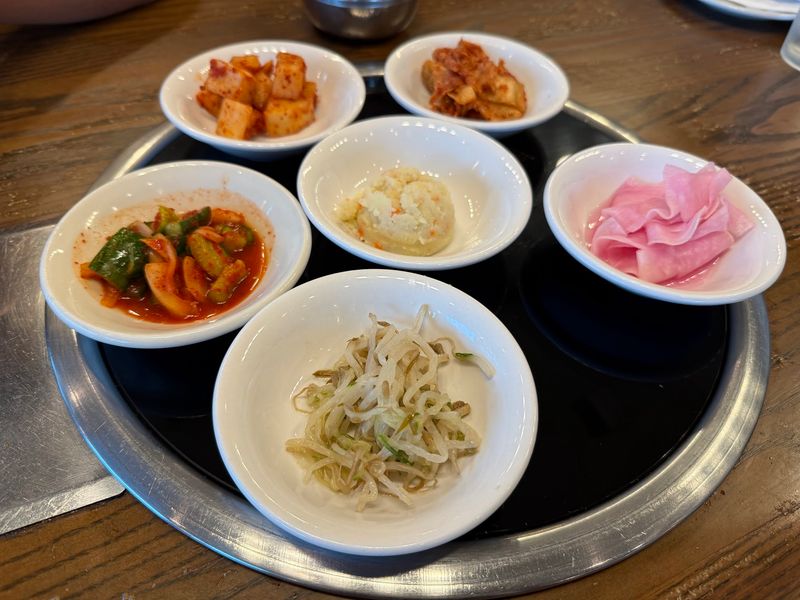
Kimchi stands as the most recognizable banchan on any Korean table, and at Shin Jung, it arrives with the perfect balance of spicy heat and tangy fermentation. The napa cabbage gets coated in a bright red pepper paste mixed with garlic, ginger, and fish sauce, creating layers of flavor that wake up your taste buds before the main course even appears. Each bite delivers a satisfying crunch followed by a wave of complexity that makes plain rice suddenly exciting.
What makes Shin Jung’s kimchi special is the careful attention to fermentation time. Too fresh and it tastes like spicy coleslaw without depth. Too fermented and it becomes mushy with overwhelming sourness.
The kitchen finds that sweet spot where the cabbage still has snap but the flavors have melded into something greater than the sum of its parts.
Regulars at this Mills 50 establishment often mention the kimchi specifically in their reviews, praising its freshness and authentic preparation. The restaurant doesn’t cut corners by buying pre-made versions from suppliers. Instead, they prepare it in-house following traditional methods that Korean grandmothers would recognize and approve of without hesitation.
The beauty of having kimchi as part of your banchan spread is how it cleanses your palate between bites of richer foods. Planning to order pork belly or marinated beef? The acidic punch from properly fermented kimchi cuts through fatty richness and prepares your mouth for the next delicious bite.
It also aids digestion thanks to the probiotics created during fermentation.
First-timers sometimes feel intimidated by kimchi’s bold appearance and spicy reputation, but Shin Jung’s version offers an approachable introduction to this Korean staple. The heat level sits at medium, providing enough kick to feel authentic without overwhelming those still building their spice tolerance. By the end of your meal, you might find yourself reaching for that little dish more often than you expected, understanding why Koreans consider it essential to every single meal.
Fish Cakes Bring Unexpected Sweetness to the Banchan Lineup
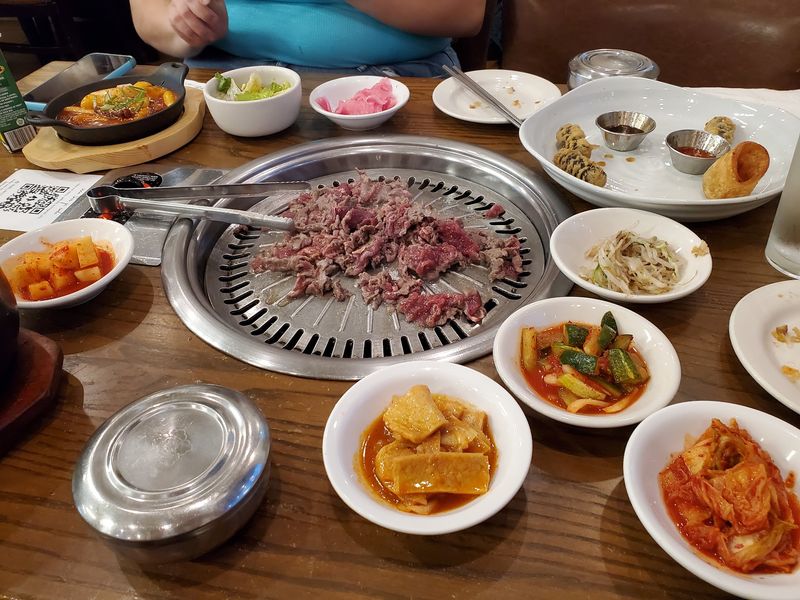
Among the banchan dishes that surprise newcomers most, the fish cakes hold a special place with their slightly sweet flavor and springy texture. These aren’t the breaded fish sticks from childhood cafeterias but rather Korean eomuk made from pureed white fish mixed with starch and seasonings, then steamed or pan-fried until they develop a unique bouncy quality. Shin Jung serves them sliced thin, sometimes tossed in a light soy-based sauce that adds depth without overwhelming the delicate fish flavor.
The texture takes some people by surprise at first bite. Fish cakes have a firm yet tender consistency that springs back when you chew, almost like a very soft, savory gummy candy made from seafood instead of fruit juice. This comes from the way the fish proteins bind together during cooking, creating something entirely different from regular cooked fish fillets.
Diners at Shin Jung often discover fish cakes become their favorite banchan by the end of the meal. The subtle sweetness pairs beautifully with spicier dishes, offering a moment of mild relief between bites of kimchi stew or bulgogi. Kids especially tend to gravitate toward fish cakes because they don’t carry overwhelming flavors or challenging textures that might put off younger palates.
In Korea, fish cakes appear everywhere from street food stalls to fancy restaurants, showing their versatility across different dining contexts. They can be grilled, fried, added to soups, or served as banchan in their simplest form. Shin Jung keeps the preparation straightforward, letting the quality of the fish cake itself shine through without excessive seasoning or complicated preparation methods.
The slight char marks you sometimes see on the fish cake slices come from a quick pass on the griddle, adding a hint of smokiness that elevates the overall flavor profile. This extra step shows the care Shin Jung puts into even the smallest components of the meal. While fish cakes might not grab attention the way kimchi does, they quietly win over diners who appreciate subtlety and balance in their food, proving that not every banchan needs to shout for attention to make a lasting impression on your taste memory.
Bean Sprouts Offer Crisp, Clean Refreshment Between Bites
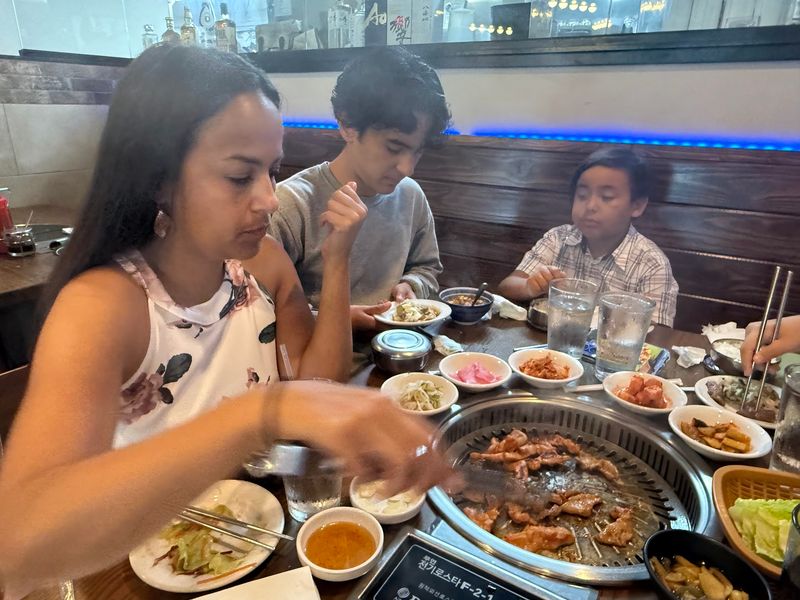
Bean sprouts might look plain compared to their colorful banchan neighbors, but these humble vegetables pack more importance than their simple appearance suggests. Shin Jung serves them lightly blanched and tossed with sesame oil, garlic, and a touch of salt, creating a refreshing side dish that cleanses your palate without overpowering other flavors. The sprouts maintain a slight crunch even after cooking, providing textural contrast to softer dishes on the table.
Korean cooks have perfected the art of preparing bean sprouts over centuries of practice. The trick lies in blanching them just long enough to remove the raw taste while keeping them crisp and fresh-tasting. Overcook them by even a minute and they turn limp and sad, losing the snappy texture that makes them worthwhile in the first place.
What surprises many first-time visitors is how addictive these plain-looking sprouts become during the meal. The nutty flavor from sesame oil combines with the natural sweetness of the bean sprouts themselves, creating something greater than you’d expect from such basic ingredients. They work especially well alongside grilled meats, offering a light counterpoint to heavier, richer proteins.
Bean sprouts also bring nutritional benefits to the table without adding many calories. They contain vitamin C, fiber, and various minerals while remaining low in fat and carbohydrates. Korean dining tradition emphasizes balance not just in flavors but also in nutritional content, and bean sprouts help achieve that equilibrium by adding vegetables to a meal that might otherwise focus heavily on meat and rice.
The beauty of this banchan lies in its versatility as a palate cleanser. After a bite of spicy kimchi stew or savory bulgogi, the cool, crisp bean sprouts reset your taste buds for the next flavor adventure. Some diners mix them directly into their rice, while others eat them straight from the small dish between other bites.
There’s no wrong way to enjoy them, and Shin Jung provides generous refills when you run out, ensuring you never lack for this essential supporting player in the Korean dining experience that keeps everything balanced and interesting from first bite to last.
Seasoned Spinach Delivers Earthy, Garlicky Goodness
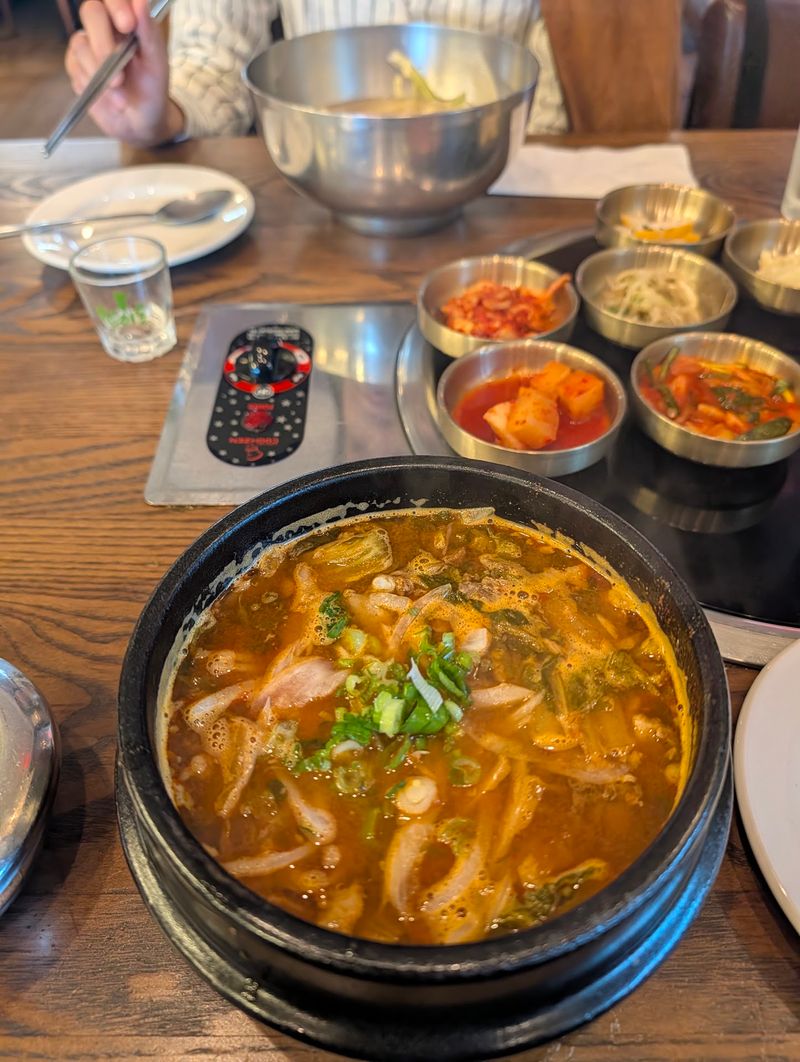
Sigeumchi namul, or seasoned spinach, arrives at your table looking deceptively simple but tasting remarkably complex. Shin Jung blanches fresh spinach until just tender, then squeezes out excess water before tossing it with garlic, sesame oil, soy sauce, and toasted sesame seeds. The result carries deep earthy flavors punctuated by sharp garlic notes and the nutty richness of sesame, proving that vegetables can absolutely steal the show when prepared with care and attention.
The garlic in this banchan doesn’t hold back. Korean cooking embraces bold garlic flavor in ways that might shock those used to more timid applications of this pungent bulb. Fresh minced garlic gets mixed directly into the spinach while it’s still warm, allowing the heat to mellow the raw bite slightly while preserving that unmistakable garlic punch that makes the dish memorable.
Spinach prepared this way offers serious nutritional value alongside its flavor contributions. The leafy green provides iron, calcium, and vitamins A and C, while the sesame seeds add healthy fats and additional minerals. Korean grandmothers have been serving this banchan for generations, knowing instinctively what modern nutrition science has confirmed about the health benefits of dark leafy greens prepared simply with quality ingredients.
What makes Shin Jung’s version stand out is the perfect squeeze that removes excess moisture without leaving the spinach dry. Too much water and the seasoning slides off, pooling at the bottom of the dish. Too little moisture and the spinach becomes stringy and difficult to eat.
The kitchen staff knows exactly how much pressure to apply when wringing out those blanched greens, achieving the ideal consistency every single time.
Many diners who claim not to like spinach find themselves reconsidering that position after trying sigeumchi namul at Shin Jung. The transformation from raw leaf to seasoned banchan changes everything about the vegetable’s flavor and texture. The slight bitterness that sometimes turns people away from spinach gets balanced by the savory seasonings, while the soft texture becomes pleasant rather than slimy.
By the time your main course arrives, you might discover the spinach dish nearly empty, a testament to how proper preparation can make even skeptics into believers.
Pickled Radish Cubes Add Tangy Crunch to Every Meal
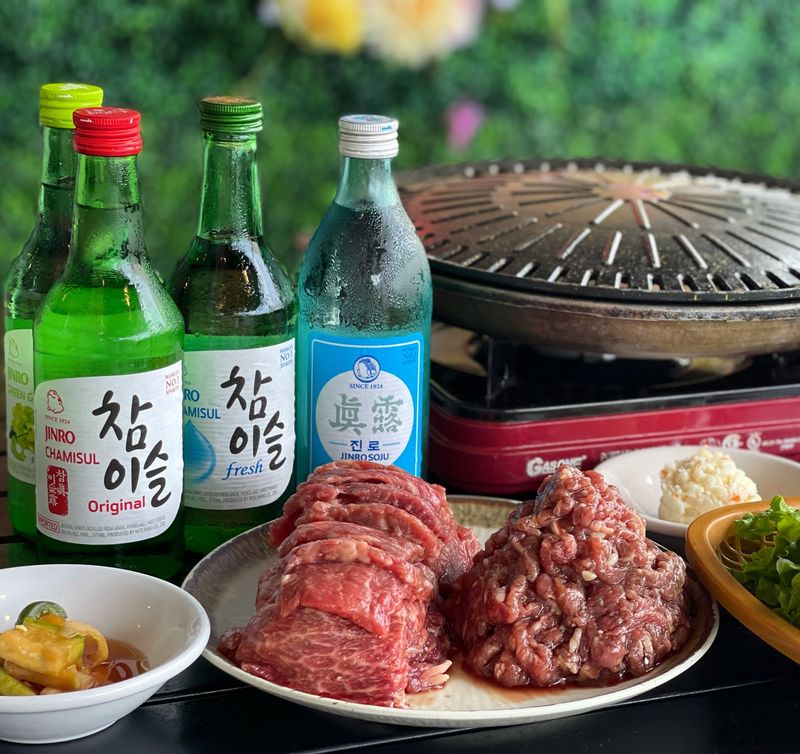
Bright yellow cubes of pickled radish catch your eye immediately among the banchan spread at Shin Jung. These tangy little squares pack serious flavor into each bite, offering a sweet and sour punch that cuts through rich foods like a champion. Korean cooks pickle radish in several different styles, and the version you’ll find here balances sweetness from sugar with acidity from vinegar, creating something that refreshes your palate while adding visual pop to the table.
The texture of pickled radish deserves special mention. Unlike softer banchan options, these cubes maintain a firm, crunchy bite that provides satisfying resistance when you chew. That crunch comes from using fresh, quality radishes and not over-pickling them to the point of mushiness.
Each cube should snap cleanly when bitten, releasing its tangy brine and natural radish flavor simultaneously.
In Korean cuisine, pickled radish serves multiple purposes beyond just tasting good. The acidity helps with digestion, especially important when eating heavier foods like marinated meats or fried items. The radish itself contains enzymes that aid in breaking down fats and proteins, making it a functional food choice in addition to a flavorful one.
Korean barbecue restaurants always include pickled radish for exactly this reason.
The bright yellow color isn’t just for show either. Traditional recipes use a natural dye from gardenia fruit, though some modern versions use turmeric or other natural colorants. Whatever the source, that cheerful yellow makes the banchan spread more visually appealing and helps distinguish pickled radish from other white or pale-colored side dishes on the table.
Food that looks good tastes better, and Korean cooks have understood this principle for centuries.
Shin Jung’s pickled radish works particularly well alongside their bulgogi and other grilled meats. After a few bites of savory, slightly sweet marinated beef, your taste buds crave something sharp and acidic to reset. Pop a cube of pickled radish in your mouth and suddenly you’re ready for another round of meat, rice, and kimchi without experiencing flavor fatigue.
The cyclical nature of Korean dining, moving between rich and refreshing flavors, keeps meals interesting from start to finish, and these humble yellow cubes play a crucial supporting role in that dance.
Seasoned Seaweed Brings Ocean Flavors Inland
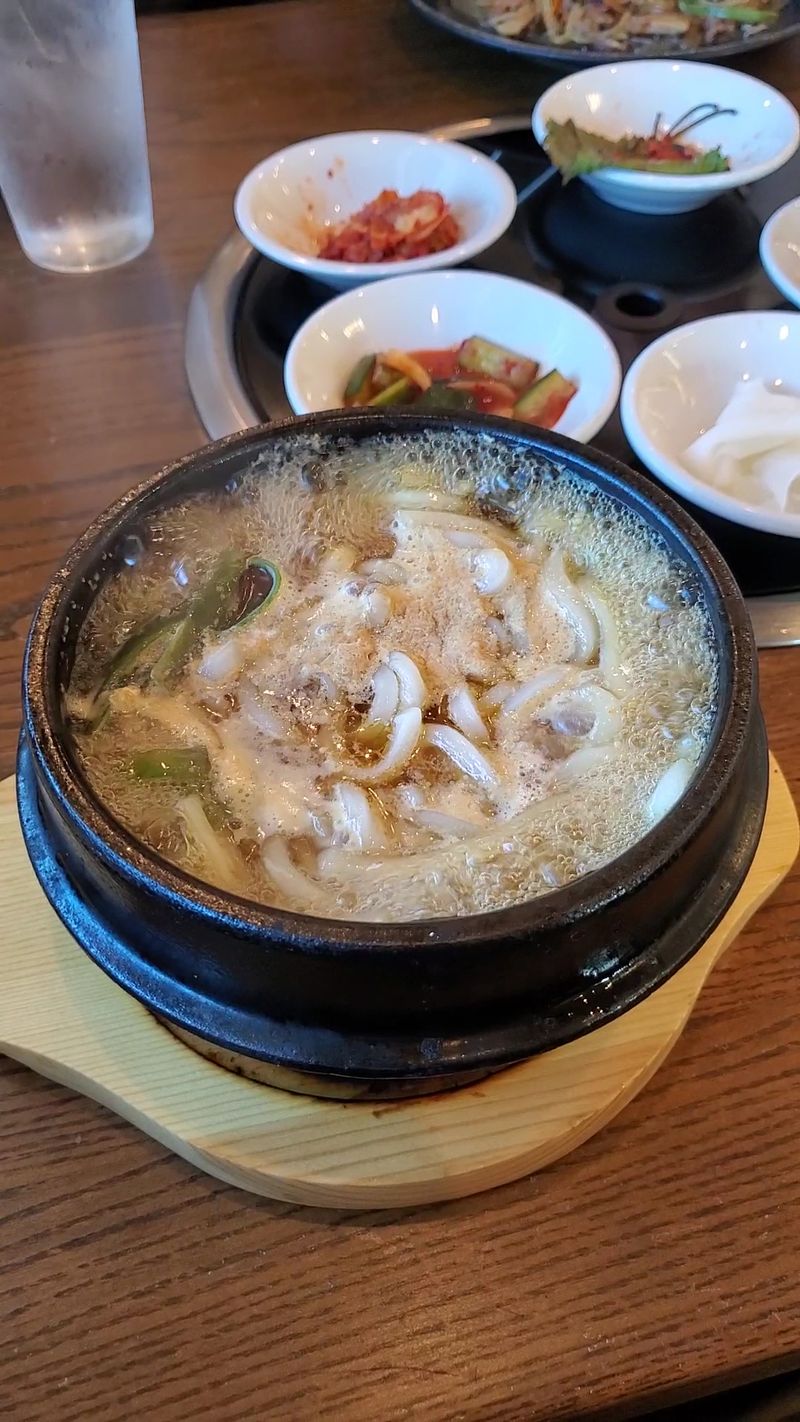
Seaweed might seem like an unusual choice for a restaurant in landlocked Orlando, but Shin Jung’s seasoned seaweed banchan brings authentic ocean flavors to the Mills 50 dining scene. The slippery, slightly chewy texture takes some getting used to for those who didn’t grow up eating seaweed regularly, but the savory-sweet seasoning makes it approachable even for newcomers. Tossed with sesame oil, soy sauce, garlic, and sometimes a touch of sugar, the seaweed delivers umami depth that complements almost everything else on the table.
Korean cooks typically use miyeok, or wakame seaweed, for this banchan. The dried seaweed gets rehydrated in water, causing it to expand dramatically in size and develop its characteristic slippery texture. After draining and squeezing out excess moisture, the seaweed gets mixed with seasonings and allowed to marinate briefly so the flavors penetrate the strands thoroughly.
The result tastes like the ocean but in the best possible way, without fishiness or overwhelming brininess.
Nutritionally speaking, seaweed ranks among the healthiest foods you can eat. It contains iodine essential for thyroid function, plus calcium, iron, and various vitamins that support overall health. Korean women traditionally eat miyeok soup after giving birth because of its nutrient density and supposed benefits for recovery.
Having it as banchan means getting those nutritional benefits without needing to order a separate soup course.
The texture definitely divides people into camps. Some diners love the slippery, almost gelatinous quality of properly prepared seaweed, finding it pleasantly unusual and interesting. Others struggle with that same texture, preferring banchan options that offer more conventional crunch or softness.
If you fall into the second camp, give it a few tries anyway because acquired tastes often become favorites once your palate adjusts to something new and different.
What makes seaweed banchan particularly valuable at Shin Jung is how it adds variety to the vegetable offerings on the table. Instead of just different preparations of land vegetables, you get something from the sea that brings entirely different flavors and textures to the meal. Korean cuisine emphasizes diversity in every aspect of dining, and including seaweed ensures your banchan spread represents multiple environments and cooking techniques rather than variations on similar themes.
Potato Salad Surprises With Its Korean Twist
Potato salad showing up as banchan catches many first-time visitors off guard, but Korean potato salad differs significantly from American picnic versions. Shin Jung’s take includes finely diced potatoes mixed with mayonnaise, but also incorporates ingredients like diced apples, carrots, cucumbers, and sometimes hard-boiled eggs. The result tastes slightly sweet and refreshingly cool, offering a creamy contrast to spicier banchan options and grilled meats.
Think of it as a fusion dish that borrows from Western cooking while maintaining distinctly Korean flavor sensibilities.
The texture leans toward smooth and creamy rather than chunky. Korean cooks typically mash the potatoes partially while leaving some small pieces intact, creating a spread-like consistency that differs from the bigger potato chunks found in American versions. This smoother texture makes it easier to eat with chopsticks and allows it to blend more seamlessly with rice if you choose to mix them together on your plate.
Adding fruit to potato salad might sound strange to American palates, but the diced apple pieces bring a subtle sweetness and crisp texture that balances the creamy mayonnaise and starchy potatoes. The apple doesn’t overwhelm with fruity flavor but instead provides little moments of refreshing crunch and gentle sweetness scattered throughout the salad. Combined with the carrots and cucumbers, you get multiple textural elements that keep each bite interesting rather than monotonous.
Korean potato salad gained popularity in the country during the mid-20th century when Western influences began appearing in Korean cuisine. Rather than simply copying American versions, Korean cooks adapted the concept to fit their own tastes and dining customs. The result became a beloved banchan that now appears regularly in Korean restaurants worldwide, including right here at Shin Jung on East Colonial Drive.
This particular banchan works wonderfully as a cooling agent when you’ve been eating spicy foods. The creamy, mild potato salad soothes your mouth after bites of kimchi jjigae or spicy pork bulgogi, giving your taste buds a brief vacation before diving back into more intense flavors. Some diners spread it on lettuce leaves along with grilled meat, creating a complete bite that includes protein, vegetables, and that cooling potato element all in one convenient package wrapped up and ready to enjoy.
Seasoned Zucchini Offers Mild Comfort Food Appeal
Zucchini banchan might be the most understated dish on the table, but that quiet presence serves an important purpose in the overall banchan ecosystem. Shin Jung prepares hobak namul by slicing zucchini into thin half-moons, then lightly sautéing or blanching them before tossing with garlic, sesame oil, and salt. The result tastes mild and slightly sweet, offering a gentle flavor that doesn’t compete with bolder banchan options but instead provides a calming baseline that ties everything together harmoniously.
The preparation method preserves the zucchini’s natural texture while cooking it just enough to remove any raw vegetable taste. Properly prepared zucchini should still have a slight firmness when bitten, not the mushy texture that comes from overcooking. This requires careful attention to cooking time and temperature, something the kitchen staff at Shin Jung has clearly mastered through years of practice and repetition.
What makes zucchini banchan appealing is its universal accessibility. Even picky eaters who struggle with more adventurous banchan options usually find zucchini approachable and pleasant. The mild flavor doesn’t challenge anyone, the texture feels familiar and comfortable, and the simple seasoning enhances rather than masks the vegetable’s natural qualities.
It serves as a safe harbor for those still building their confidence with Korean flavors.
Nutritionally, zucchini brings valuable benefits without adding many calories or heavy starches to your meal. The summer squash contains vitamin C, potassium, and antioxidants while remaining low in carbohydrates and fat. Having it as part of your banchan spread means getting those nutrients without thinking about it, just another example of how Korean dining traditions naturally incorporate healthy eating principles into everyday meals.
Zucchini banchan also plays well with others on the plate. Its mild flavor makes it an excellent vehicle for mixing with rice, where it adds moisture and a subtle vegetable presence without overwhelming the grain. Some diners use it as a palate cleanser between bites of stronger-flavored foods, appreciating how it resets taste buds without being as assertive as pickled items or as rich as potato salad.
In the symphony of flavors that defines a Korean meal, zucchini plays a supporting melody that might not grab the spotlight but absolutely contributes to the overall harmony and balance that makes dining at Shin Jung such a complete and satisfying experience.
Spicy Cucumber Salad Wakes Up Your Taste Buds

Spicy cucumber banchan delivers a refreshing kick that energizes your palate between bites of heavier foods. Shin Jung prepares oi muchim by slicing cucumbers thin, then tossing them with gochugaru (Korean red pepper flakes), garlic, sesame oil, and sometimes a touch of vinegar or sugar. The cucumbers maintain their crisp texture while absorbing the spicy, garlicky marinade, creating a banchan that feels both cooling and warming at the same time through that interesting contrast of cold cucumber and hot pepper.
The spice level varies depending on who’s doing the prep work that day, but generally sits at medium intensity. The heat builds gradually rather than hitting you immediately, allowing you to enjoy the cucumber’s natural flavor and crunch before the pepper flakes assert themselves. This delayed heat makes the dish more approachable for those still developing their spice tolerance while keeping it interesting for heat seekers who appreciate layered flavors rather than just straight fire.
Cucumbers bring impressive water content to the table, making them naturally hydrating and refreshing. Combined with the spicy seasoning, this banchan helps cool you down even while making you reach for your water glass occasionally. Korean summers get brutally hot and humid, and cucumber-based dishes have long served as traditional ways to stay refreshed while still enjoying flavorful food during oppressive weather conditions.
The preparation timing matters significantly with cucumber banchan. Make it too far in advance and the salt in the seasoning draws out too much moisture, leaving you with limp, soggy cucumbers swimming in their own juices. Prepare it right before serving and the flavors haven’t had time to meld properly.
Shin Jung finds that sweet spot where the cucumbers have absorbed enough seasoning to taste great while maintaining the crisp texture that makes them worthwhile in the first place.
This particular banchan pairs exceptionally well with fatty meats like pork belly or beef belly that feature prominently on Korean barbecue menus. The cool crunch and spicy bite cut through rich, fatty flavors like a knife, cleansing your palate and preparing it for the next round of meat. Some diners wrap cucumber slices in lettuce leaves along with grilled meat, creating a complete bite that includes protein, vegetables, heat, and crunch all working together in perfect harmony that showcases why Korean dining emphasizes variety and balance above all else.
The Banchan Experience Creates Community at the Table
Beyond individual banchan dishes themselves, the overall experience of having your table covered with small plates creates something special that defines Korean dining culture. Shin Jung embraces this tradition fully, bringing out numerous banchan dishes before your main course arrives and offering free refills throughout the meal. This generosity transforms dining from a simple transaction into an experience of abundance and hospitality that makes guests feel genuinely welcomed rather than just served and rushed out the door for the next seating.
The communal nature of banchan encourages sharing and interaction in ways that Western dining customs often don’t. Everyone at the table reaches for the same small dishes, trying different combinations and discussing favorites. This creates natural conversation opportunities and bonding moments, especially important when dining with people you don’t know well yet.
Food becomes a bridge rather than just fuel, and the variety of banchan gives everyone something to talk about and compare preferences around throughout the meal.
For newcomers to Korean cuisine, the banchan spread serves as a low-stakes introduction to unfamiliar flavors and ingredients. Don’t like the seaweed? No problem, try the potato salad instead.
Finding the kimchi too spicy? The zucchini offers a milder alternative. This variety removes pressure and allows exploration at your own pace without committing to a full entree portion of something you’re not sure about yet.
It’s culinary education disguised as generous hospitality, and it works brilliantly.
The refill policy at Shin Jung deserves special recognition. Many Korean restaurants offer banchan refills, but some make you feel like you’re asking for too much when you request more. Not here.
The servers bring fresh banchan cheerfully and promptly, understanding that running out of kimchi or pickled radish halfway through your meal diminishes the overall experience. This attention to keeping banchan dishes full shows respect for tradition and genuine care about guest satisfaction rather than just cutting costs wherever possible.
What really makes the banchan experience memorable at Shin Jung is how it sets expectations for the rest of the meal. When a restaurant puts this much care and variety into the complimentary side dishes, you know the main courses will be prepared with equal attention to quality and authenticity. The banchan serves as a preview and promise, demonstrating the kitchen’s capabilities before you’ve even ordered your entree, building anticipation and trust that pays off when your bulgogi or kimchi jjigae finally arrives at the table ready to complete the feast.