This Secluded Florida State Park Has a Hidden Beach Where Shark Teeth Wash Ashore
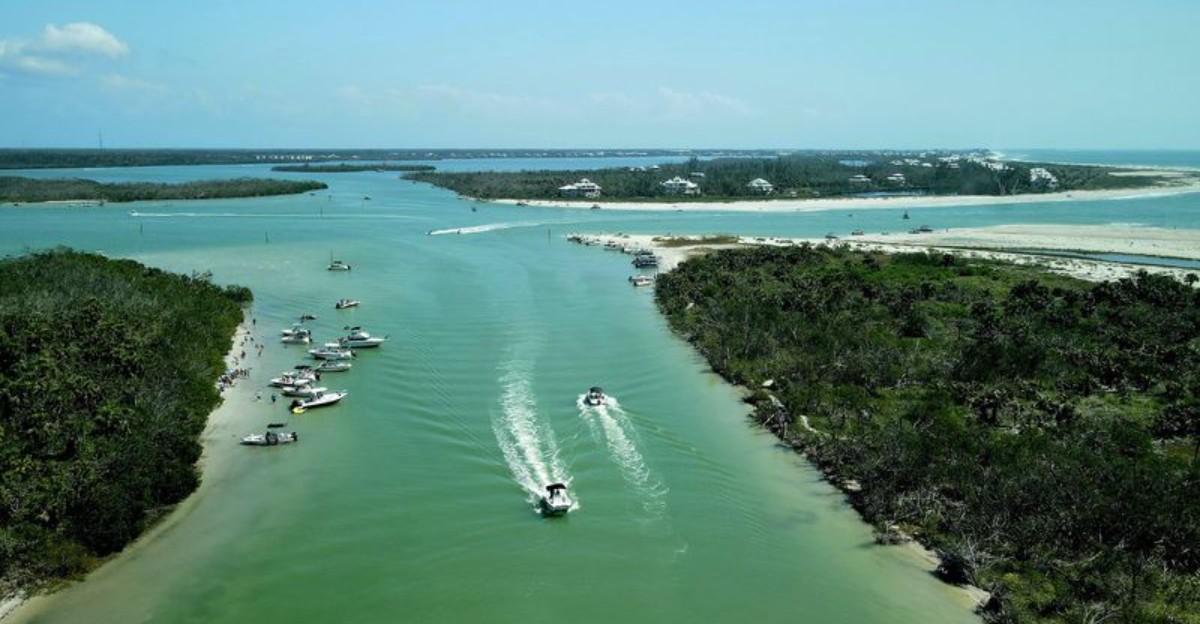
Stump Pass Beach State Park offers something most Florida beaches can’t: a genuine treasure hunt right at the water’s edge. This under-the-radar gem has become famous among fossil hunters for the abundance of ancient shark teeth that wash up daily, especially after high tide. With limited parking that keeps crowds thin and a mile-long stretch of pristine shoreline, it’s the kind of place where you can actually hear the waves instead of competing with beach music and crowds.
1. Arrive Before 9 AM or Miss Your Chance
Parking at Stump Pass is notoriously tight, and for good reason. The lot holds maybe 30 cars max, which means once it fills up, you’re stuck waiting for someone to leave. Rangers open the gate at 8 AM, and by 9 AM on most days, every single spot is taken.
Weekdays offer slightly better odds than weekends, but not by much. If you roll up at 10 AM expecting to waltz in, prepare to wait or turn around entirely. The park operates on a one-out, one-in system, with rangers managing traffic at the top of every hour.
Hurricane damage reduced parking even further, so the situation is tighter than ever. Some visitors report waiting 30 minutes to an hour during peak times. But here’s the silver lining: limited parking means the beach never feels packed.
Even on busy days, you’ll find plenty of space to spread out.
Plan to arrive around 7:45 AM if you’re serious about getting in. Bring your parking fee ready to go through the Florida State Parks website, since there’s no attendant booth. The $3 entry is good for the whole day, and trust me, once you see what this beach offers, you’ll want to stay until sunset.
2. Shark Teeth Everywhere If You Know Where to Look
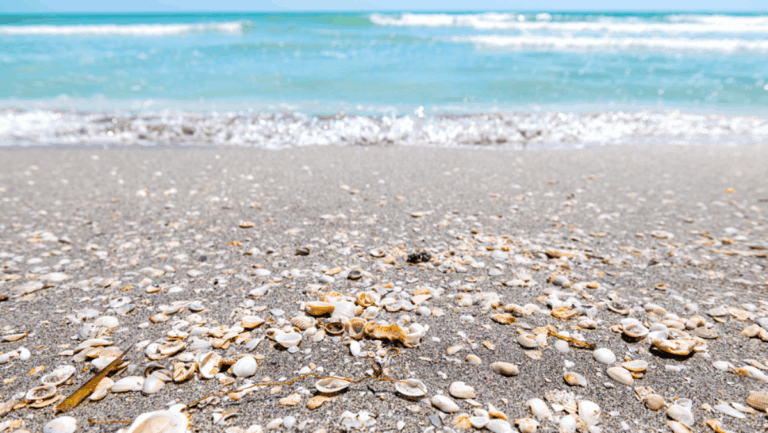
Walk along the shoreline after high tide and you’ll spot them: tiny black triangles nestled among the shells. These aren’t just random pebbles. They’re fossilized shark teeth, some thousands of years old, tumbling in from deeper waters where ancient sharks once swam.
The key is timing and technique. Early morning after a high tide brings the best haul. Look in the shell line where waves deposit debris, especially in spots where shells pile up.
The teeth are usually black or dark gray, standing out against lighter shells and sand.
Some people find 50 teeth in an hour. Others might spot just a handful. It depends on recent wave action, tides, and honestly, how good your eyes are.
Kids often excel at this because they’re closer to the ground and less distracted.
Bring a small mesh bag or container to collect your finds. A sand sifter helps but isn’t necessary. Many beachgoers just crouch and scan, moving slowly along the waterline.
The teeth range from tiny rice-grain sizes to occasional larger specimens about the size of a thumbnail. Species vary too, from lemon sharks to ancient megalodon ancestors, though those massive teeth are exceptionally rare finds.
3. Shell Collecting Like You’ve Never Seen
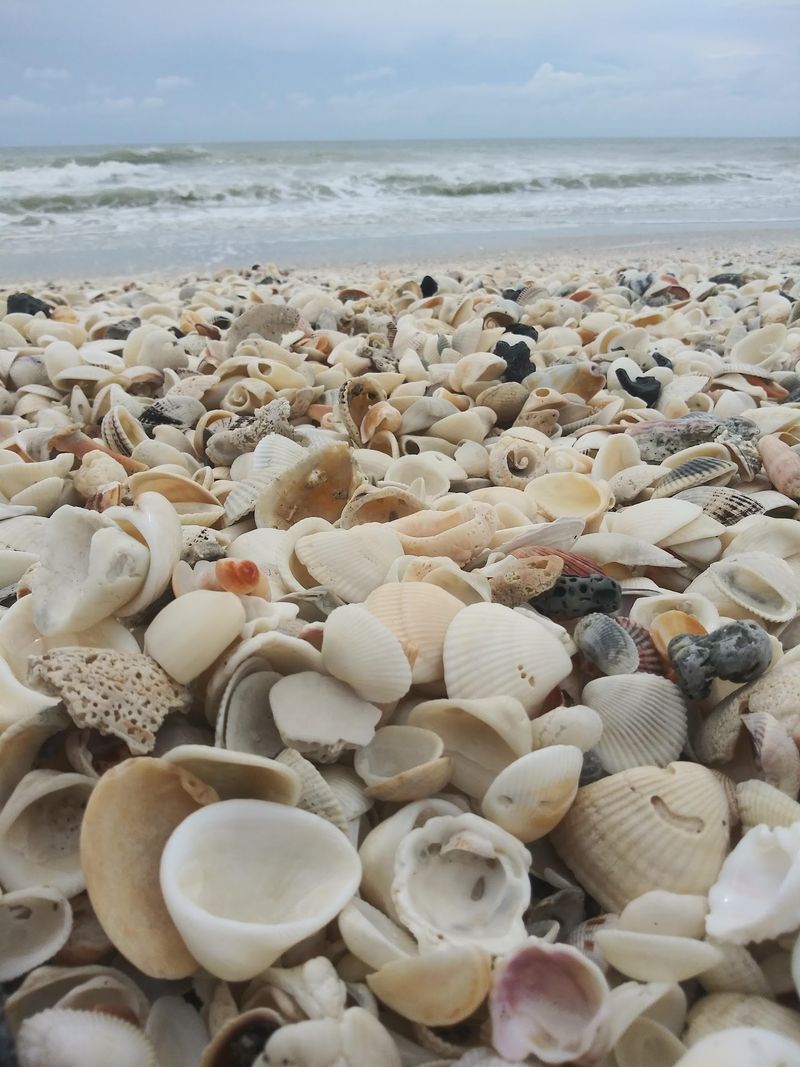
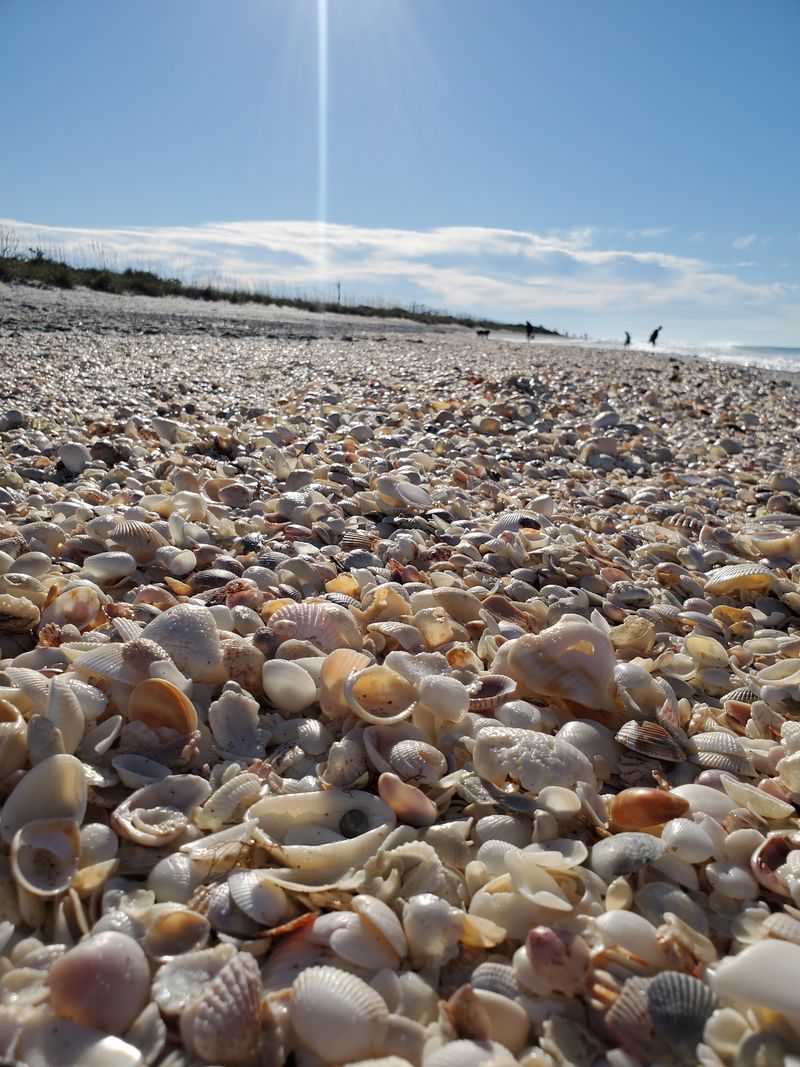
Forget those picked-over tourist beaches where you’re lucky to find half a clamshell. Stump Pass dumps shells by the bucketload, creating what some visitors describe as shell carpets stretching down the beach. After storms or strong tides, the accumulation gets almost ridiculous.
You’ll find intact sand dollars, fighting conchs, whelks, scallops, and dozens of varieties most people never knew existed. The colors range from pure white sun-bleached specimens to vibrant oranges, purples, and pinks on fresher arrivals. Some shells are tiny enough to fit on your pinky nail, while others span your whole palm.
Hurricane Milton actually changed the beach’s shell game. The storms shifted sand and exposed new shell beds, meaning the variety now rivals some of Florida’s most famous shelling destinations. Walk left from the parking area toward the pass, and you’ll hit particularly rich deposits.
Bring a mesh bag because you’ll want both hands free to sift through piles. The shallow water at low tide creates perfect hunting grounds too. Just remember Florida’s rules: no live shells, and leave the really massive piles for others to enjoy.
One visitor counted over 200 perfect specimens in a single morning walk.
4. Dolphins and Manatees Swim Right Past You
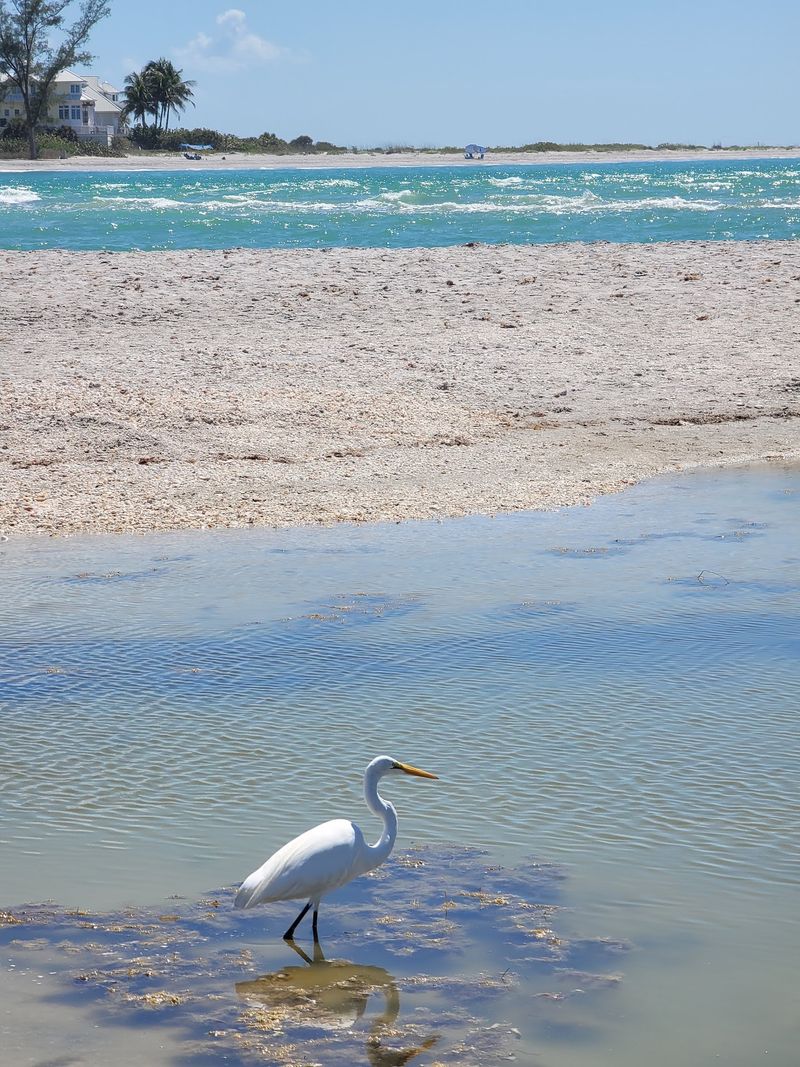
Marine wildlife here isn’t some distant speck you need binoculars to appreciate. Dolphins cruise through Stump Pass regularly, sometimes close enough to shore that you can hear them breathing. They hunt in the pass where fish congregate, putting on shows that rival any paid attraction.
Manatees are even more common than you’d expect. Multiple reviews mention spotting these gentle giants in the shallow waters, especially in the calmer bay side near the pass. They graze on seagrass and seem utterly unbothered by humans watching from the beach.
Some days you’ll see several at once.
The pass itself creates a natural viewing corridor. As water flows between Lemon Bay and the Gulf, it funnels wildlife through a relatively narrow channel. Stand near the pass opening and you’re basically watching nature’s highway.
Birds dive for fish while rays glide past in water so clear you can see their shadows on the sand below.
Bring a waterproof phone case or camera because these moments happen fast. One minute you’re hunting shells, the next a pod of dolphins appears 20 feet offshore. The uncrowded beach means you won’t be fighting through throngs of people to get a good view, either.
Just you, the water, and whatever decides to swim by.
5. Two Beaches in One Unique Spot
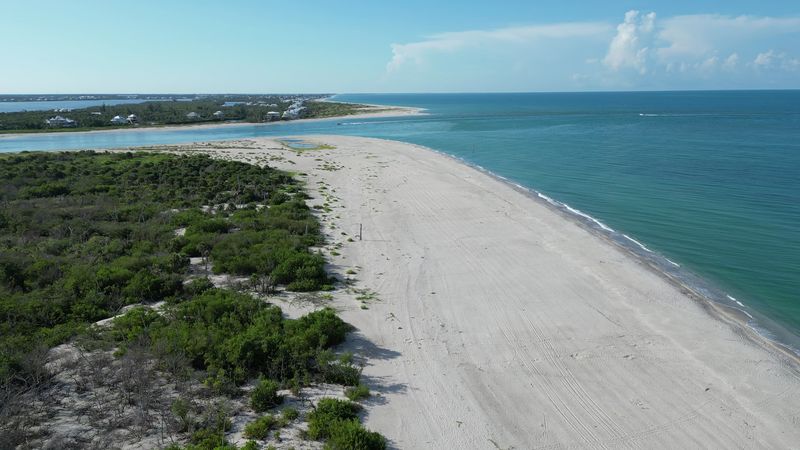
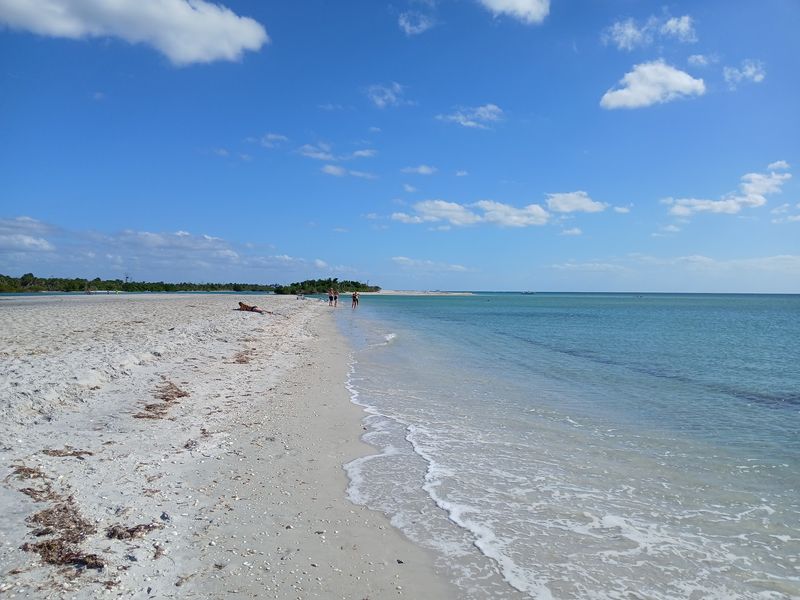
Most beaches give you one option: ocean or nothing. Stump Pass delivers both Gulf waves and calm bay waters in the same location, separated by a narrow sandbar that shifts with storms and tides. It’s like getting two completely different beach experiences without moving your car.
The Gulf side offers classic beach vibes with rolling waves, deeper water, and that endless horizon view. When winds pick up, this is where you’ll feel it. The bay side, facing Lemon Bay, stays calmer and shallower, perfect for kids or anyone who prefers gentle water.
The sandbar between them creates a unique shallow area that’s become a favorite for families.
After Hurricane Milton, the geography changed significantly. The storm actually closed what was Milton Pass, creating new walking access to areas that were previously cut off. Now you can hike farther down the beach than before, discovering spots that feel even more remote.
This dual-beach setup means you can adjust your experience based on conditions. Rough day on the Gulf? Head to the bay side.
Want to feel ocean energy? Walk to the Gulf. The pass itself offers prime fishing spots where the currents mix, attracting species from both environments.
It’s this variety packed into one small park that keeps people coming back.
6. Air-Conditioned Bathrooms Are a Game Changer
Let’s talk about something most beach reviews ignore: bathrooms. After hurricanes damaged the permanent facilities, the park brought in mobile bathroom trailers. But these aren’t your typical porta-potties that smell like regret.
These trailers are air-conditioned, clean, and honestly nicer than some restaurant bathrooms.
Step inside on a 95-degree day and the cool air hits like a gift. There are proper sinks, running water, and actual soap. A hose outside lets you rinse sandy feet before heading to your car.
The park maintains them religiously, with multiple visitors specifically praising their cleanliness in reviews.
This matters more than you’d think. Spending four or five hours on a beach gets uncomfortable fast if facilities are gross. Here, you can actually use the bathroom without holding your breath or questioning your life choices.
Families especially appreciate this because kids need frequent bathroom trips, and nobody wants to deal with sketchy facilities.
The trailers are temporary while permanent buildings get rebuilt, but honestly, they work so well that you barely notice. They’re positioned conveniently near the parking area, so you don’t have to trek across the entire beach. It’s one of those small details that elevates the whole experience from good to actually comfortable for a full day visit.
7. Old Florida Vibes Without the Crowds
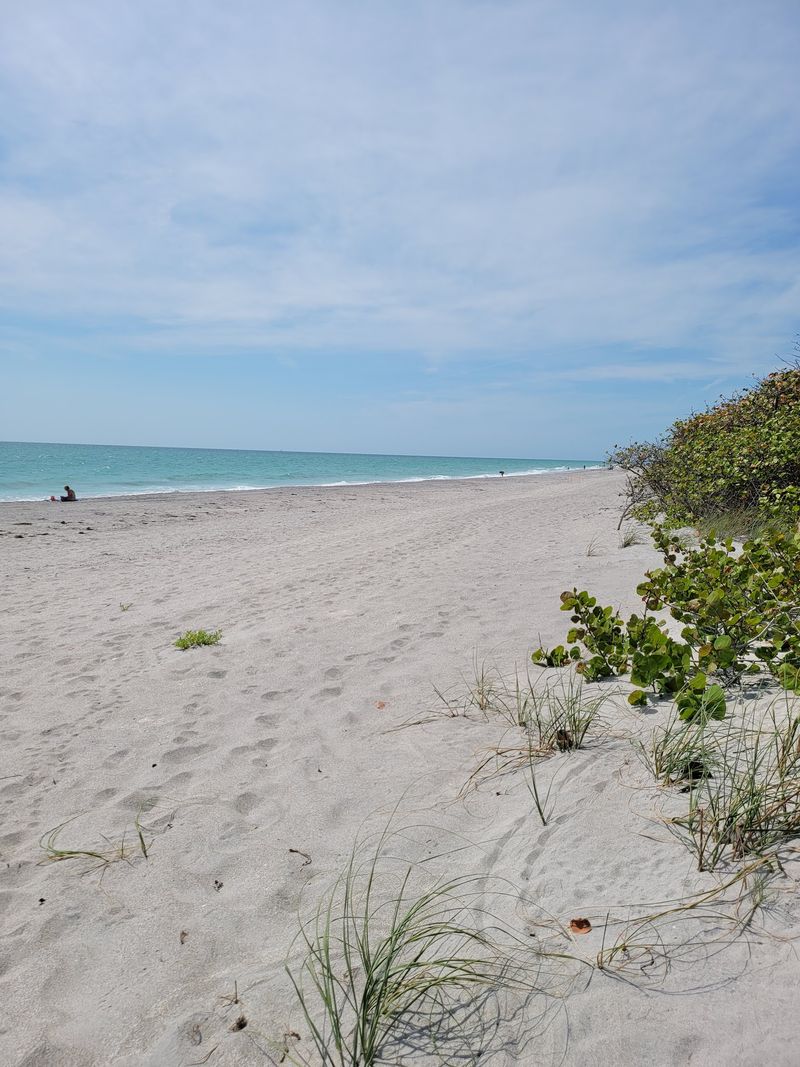
Something rare happens when you limit parking: the beach stays peaceful. Even on peak days, Stump Pass never feels like those shoulder-to-shoulder tourist beaches where you can barely find a spot to lay your towel. The 30-car maximum creates a natural crowd control that preserves the experience everyone comes for.
This is what Florida beaches looked like 50 years ago before high-rises and beach clubs took over. Natural dunes, native plants, miles of undeveloped shoreline, and enough space that you can walk 20 minutes and barely see another person. The park protects five different natural communities, meaning the landscape shifts as you explore.
There’s no boardwalk selling overpriced snacks, no jet skis buzzing around, no beach bars blasting music. Just waves, birds, and the occasional dolphin. For some people, that sounds boring.
For others, it’s exactly the point. You can actually have a conversation without shouting over noise. Kids can explore tide pools without dodging crowds.
Rangers and volunteers maintain this vibe intentionally, greeting visitors warmly while keeping the park pristine. One ranger, Nate Barron, gets mentioned by name in reviews for his genuine hospitality. That personal touch makes you feel welcomed rather than processed.
It’s the Florida your grandparents remember, somehow surviving in a state that changes faster than anywhere else.
8. Bring Everything Because There’s Nothing Here
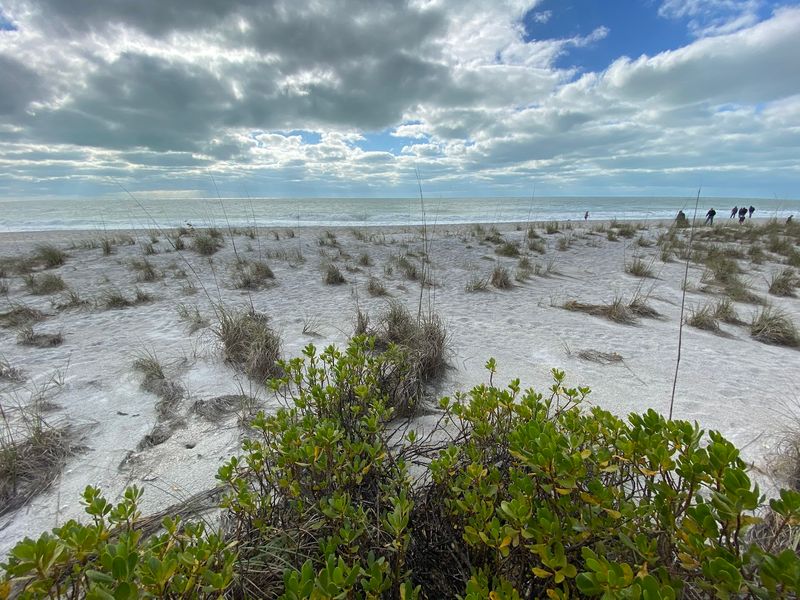
Stump Pass has zero commercial development. No snack bar, no drink stand, no place to buy forgotten sunscreen or overpriced water bottles. What you bring is what you’ve got, so plan accordingly or risk a miserable day under the Florida sun.
Water is non-negotiable. Bring way more than you think you need because that Gulf breeze is deceptive. You’ll sweat more than you realize, and there’s nowhere to refill bottles.
Same goes for food. Pack a cooler with lunch, snacks, and extra drinks. The nearest store is a drive away, and remember, you can’t just leave and come back without losing your parking spot.
Sunscreen, hats, and shade are critical. There’s minimal natural shade on the beach itself, so bring an umbrella or pop-up tent. The Florida sun is no joke, especially with light-colored sand reflecting rays back at you.
Chairs help too, unless you enjoy sitting directly on hot sand for hours.
For shell and tooth hunters, bring containers or mesh bags. A small sand sifter makes hunting easier but isn’t required. Don’t forget towels, first aid basics, and any medications you might need.
Basically, approach this like a self-sufficient expedition. The payoff is worth the planning, but show up unprepared and you’ll be cutting your visit short.