Ride Through Florida History For Free On This Beautiful Vintage Streetcar
A free ride on a replica streetcar can carry you from cigar-city brick streets to a waterfront aquarium. No ticket, no fare box, no catch. Honestly, that first part alone had me hooked.
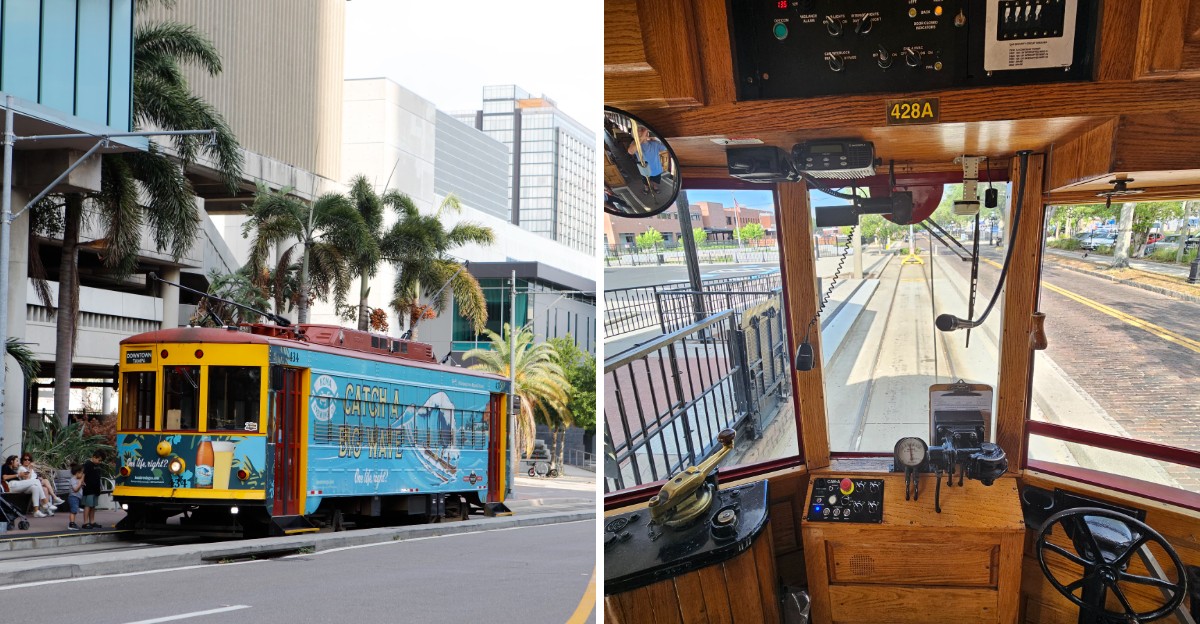
The cars look like they rolled straight out of the early 1900s. Wooden seats, brass details, and a clanging bell make every trip feel like a small time machine. I like how a practical ride doubles as a moving history lesson.
This gem of a line runs through one of the most colorful corners of Florida. It links nightlife, museums, cruise ships, and a riverfront path along one easy 2.7-mile line. Families, commuters, and curious travelers all share the same seats.
I can’t imagine a cheaper way to see so much character in one afternoon. So why does this little streetcar feel so much bigger than its route?
Free Fares Make Hopping On Way Too Easy
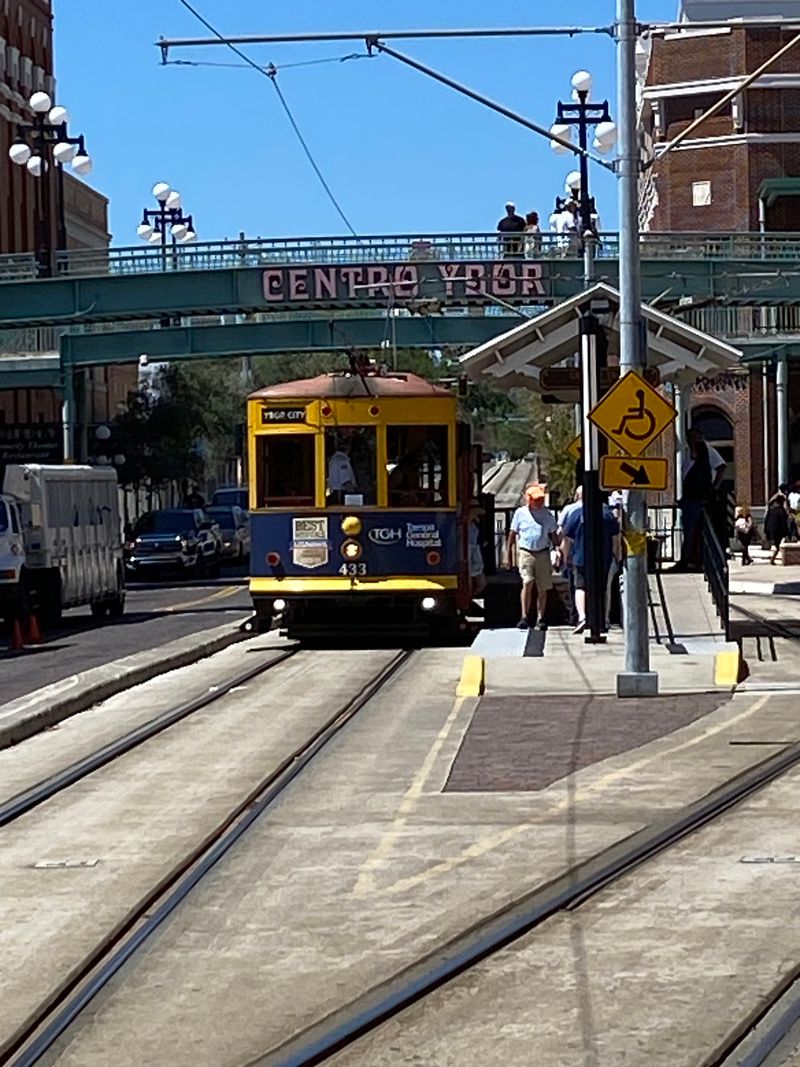
Zero dollars is a wonderful price for a ride with this much charm. The TECO Line Streetcar System in Tampa, Florida, has been fare-free since late 2018. That change turned a fun novelty into an everyday habit for many riders.
The free service started as a pilot program funded through a Florida Department of Transportation grant. It worked so well that local partners kept it going. Ridership jumped once people stopped digging for change.
So what does free really mean for you? It means you can ride one stop, or every stop, without a second thought. You can hop off for lunch, then climb back on later.
That freedom changes how you plan a day downtown. Park once, then let the streetcar handle the back-and-forth between neighborhoods. Your feet will thank you by mid-afternoon.
Free does not mean careless, though. Riders still need to follow posted rules and give operators space to work. A friendly thank-you as you step off never hurts either.
Plenty of cities charge for tourist trolleys. Tampa decided to make this one feel like a gift. Honestly, it would be rude not to accept.
Those Wooden Seats Are Basically A Time Machine
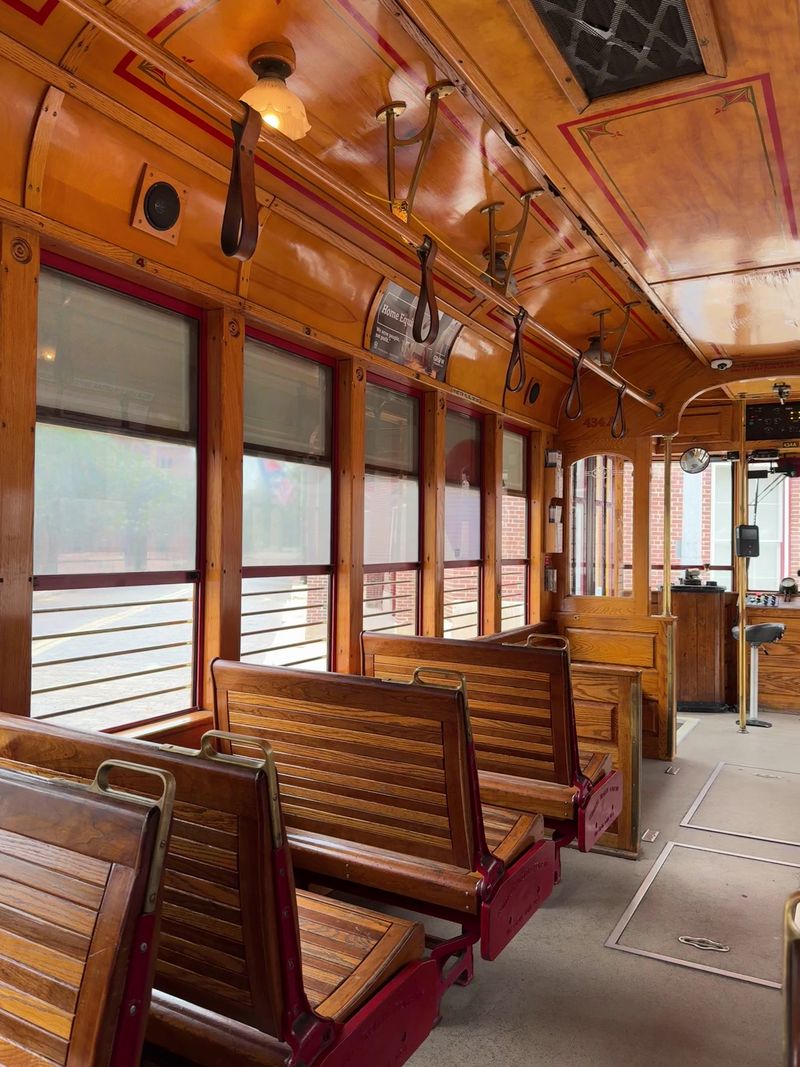
Brass rails, wood trim, and a clanging bell set the mood before the car even moves. The streetcars are replicas of the Birney cars that once rolled through Tampa. They were built to look old while running on modern parts.
Gomaco Trolley Company in Iowa built most of the fleet. The replica cars use a double-truck Birney-style design inspired by Tampa’s historic streetcars. One car, number 1976, even recreates an older open-air streetcar look.
Inside, the details do a lot of the storytelling. Big windows frame the city as you roll past. The seats flip so riders can face forward in either direction.
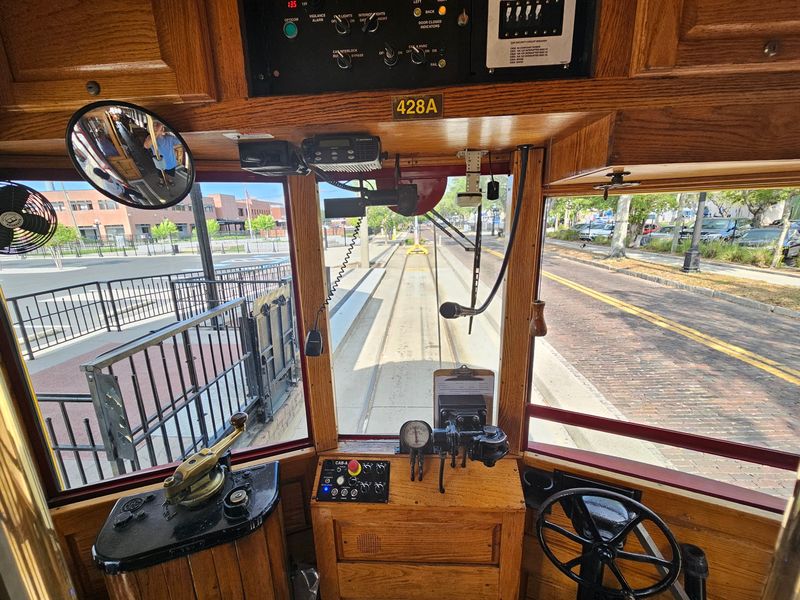
You might notice the operator standing at a control stand up front. Each end of the car has one, so the streetcar never needs to turn around. It simply switches ends and heads back the other way.
That clever setup is very old-school. Early streetcars across the country worked the same way. Tampa just kept the idea and polished it up.
Bring a camera and grab a window seat. These cars are photogenic from every angle, inside and out.
Tampa Rode The Rails Long Before You Did
Back in the late 1800s, Tampa already had streetcars buzzing through town. The original system grew for decades and connected neighborhoods across the city. Then in 1946, the last of those streetcars stopped running.
For more than fifty years, the tracks sat silent or vanished under pavement. Buses and cars took over the job. Many people assumed the streetcar era was gone for good.
Local fans of the old trolleys did not give up. Groups pushed for a revival that would honor Tampa history. Their work paid off when the modern line opened in October 2002.
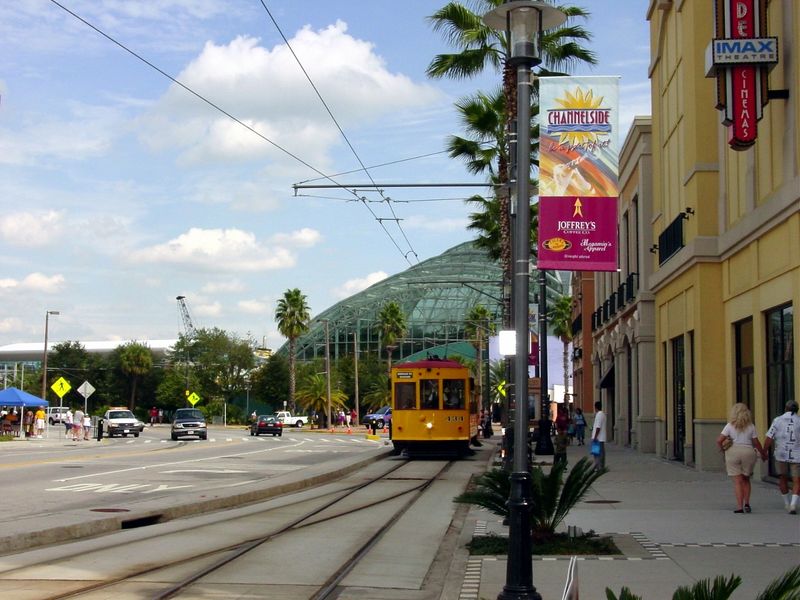
The new line followed a route through Ybor City, Channelside, and downtown. Later extensions pushed it closer to the heart of the city. Each addition stitched more of Tampa back together.
Riding today feels like joining a story that started generations ago. The bell you hear echoes a sound older Tampa residents once heard daily. That connection makes a simple trip feel meaningful.
History buffs, this is your moment. Few free rides come with a backstory this rich. Even fewer let you sit right inside it.
Ybor City Brings The Brick Streets And Big Personality
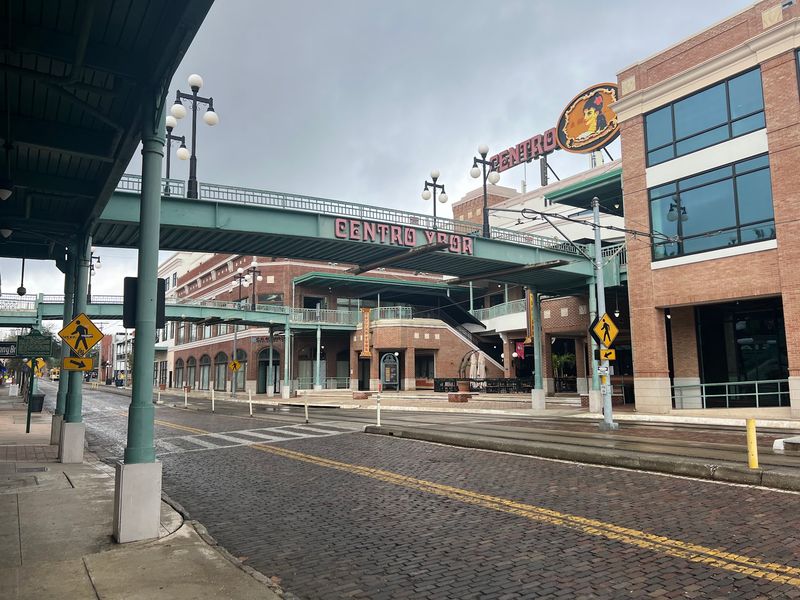
Cigar factories once made Ybor City famous around the world. Immigrants from Cuba, Spain, and Italy built the neighborhood in the late 1800s. Their mix of cultures still shapes the streets today.
The streetcar rolls right into this National Historic Landmark District. Stops sit close to Seventh Avenue, often called La Septima. That busy strip holds shops, restaurants, and old brick buildings with iron balconies.
Food fans should look up the Columbia Restaurant. Founded in 1905, it calls itself the oldest restaurant in Florida. It sits a short walk from the line.
History lovers can visit Ybor City Museum State Park nearby. It shares stories of the workers who rolled cigars by hand. Small houses on the grounds show how families once lived.
Keep an eye out for the famous Ybor chickens too. Wild roosters strut along sidewalks like they own the place. Honestly, they kind of do.
Starting your ride here sets a colorful tone. You get culture, flavor, and feathers before you reach downtown. Not a bad warm-up for a free trip.
Sea Turtles And Cruise Ships Wait Near Channelside
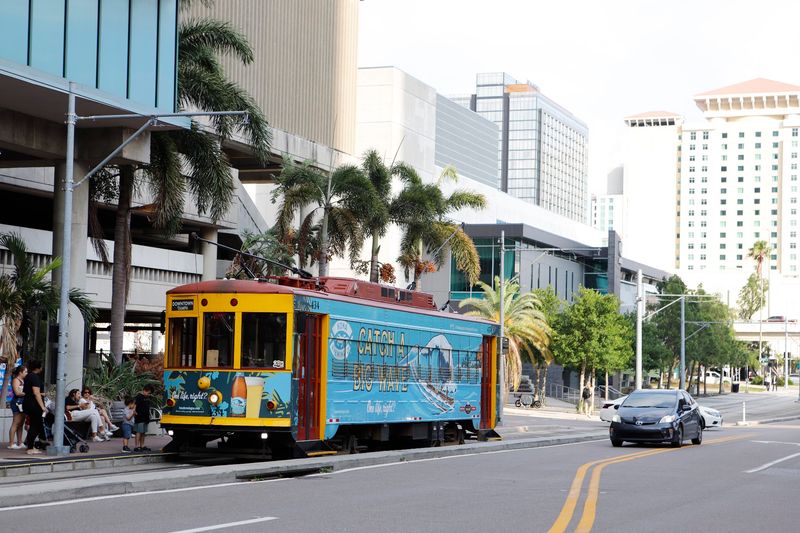
Channelside might be the most surprising stretch of the whole ride. One minute you see brick warehouses, and the next a giant cruise ship appears. Port Tampa Bay sits right along this part of the line.
The Florida Aquarium is one of the big draws here. Its glass dome is hard to miss from the tracks. Inside, families can explore coral reefs, sharks, and wetland exhibits.
Nearby, Sparkman Wharf offers a lively waterfront spot. Container-style eateries and a lawn make it easy to relax outside. The stop at 603-611 Channelside Dr, Tampa, FL 33602, puts you close to the action.
Amalie Arena is also within reach of the line. That is home to the Tampa Bay Lightning hockey team. Big concerts happen there too.
On event nights, plan for fuller cars. Lots of people love skipping traffic on the way to a game. A little patience goes a long way.
This part of Florida feels like a mash-up of old port and new energy. The streetcar lets you sample it all without moving your car once.
Downtown And The Riverwalk Are Just A Few Stops Away
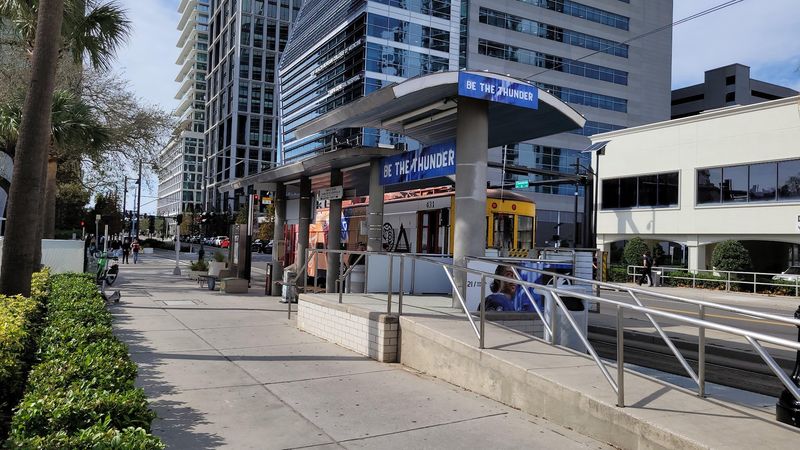
A 2010 extension pushed the line deeper into downtown Tampa. That move made the streetcar far more useful for daily trips. Office workers and visitors now share the same rides.
The Tampa Riverwalk is a highlight near the downtown end. This waterfront path stretches about two and a half miles along the Hillsborough River. Parks, museums, and restaurants line the way.
Curtis Hixon Waterfront Park is a fine spot to stretch your legs. It often hosts festivals and seasonal events. The Tampa Museum of Art sits right beside it.
From there, you can stroll toward the silver minarets of the University of Tampa. Those shiny domes once topped the Tampa Bay Hotel. Built in 1891, it now houses the Henry B. Plant Museum.
Pairing the Riverwalk with a streetcar ride makes a smart loop. Walk one way, then ride back when your legs say enough. It is a very fair trade.
Sunset is a lovely time to be out here. The river glows, the skyline lights up, and your ride home costs nothing.
Night Owls Get Rewarded On Weekends
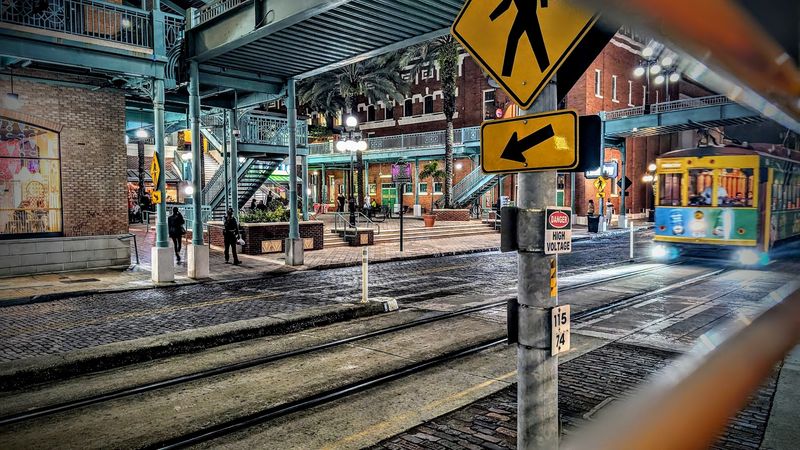
Late-night plans just got easier. On Fridays, the streetcar runs until 2 in the morning. Saturdays stretch even later, until around 2 a.m.
Weekday service is shorter but still handy. Monday through Thursday, cars run from 7 a.m. until 11 p.m. Sundays run from 8:30 in the morning to 11 at night.
Saturday mornings start at 9 a.m. That gives you a full day of riding if you want it. Breakfast in Ybor, aquarium at lunch, river views by evening.
Hours can shift for holidays or special events. Checking the schedule before you head out is a smart habit. Nobody enjoys waiting for a car that already clocked out.
Cars usually show up every fifteen minutes or so. A real-time tracking app shows where each streetcar is right now. That beats guessing on a hot Florida afternoon.
Night rides have their own special charm. City lights reflect off the windows, and the bell sounds a little brighter. It feels like the old city waking up for a second shift.
Strollers, Wheelchairs, And Little Kids Are All Welcome
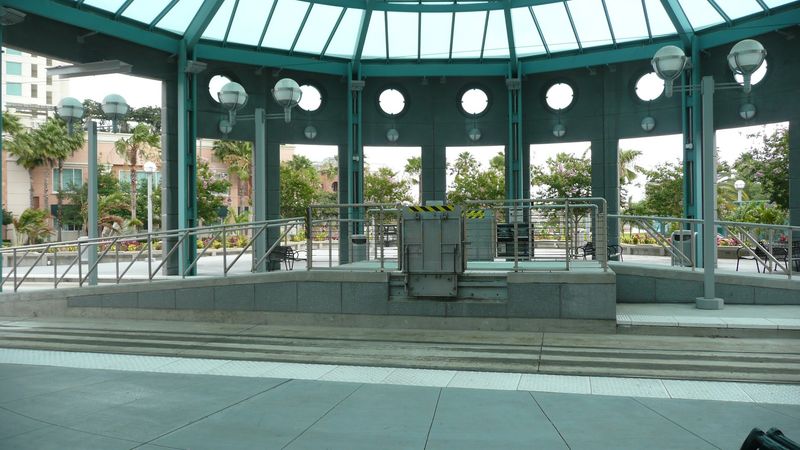
Getting aboard is simpler than the old-fashioned look suggests. Stations have raised platforms and ramps that help riders board smoothly. That makes trips easier for wheelchairs and strollers.
Operators can help riders who need extra assistance. The cars were designed with accessibility in mind, even with their vintage style. Modern rules met classic looks, and both won.
Kids tend to love the whole setup. The bell, the big windows, and the gentle rocking feel like a mini adventure. A short ride can turn into the best part of their day.
Parents should know the cars can fill up during busy times. Folding a stroller helps when space gets tight. Holding little hands near the doors is always wise.
The pace is relaxed rather than speedy. Streetcars share the road with cars in some spots. Think scenic cruise, not race track.
That slower rhythm actually works in your favor. Kids get time to point at ships, statues, and chickens. You get a break from walking in the Florida heat.
A Few Smart Moves Make Your Ride Even Better
Parking near one end of the line is a classic trick. Ybor City has garages, and so does the Channelside area. Leave the car and let the streetcar do the driving.
Consider riding the whole route once before choosing stops. An end-to-end trip takes roughly half an hour. It works like a free sightseeing tour with no script.
Download the tracking app before you leave home. You will know exactly when the next car arrives. Less waiting means more exploring.
Pack water and wear comfy shoes. Florida sunshine can feel intense, even on a short walk between stops. A hat never hurts either.
Fans of the TECO Line Streetcar System also enjoy linking it with the Pirate Water Taxi. The water taxi stops along the downtown waterfront. Together they make a fun land-and-sea day.
Most of all, slow down and enjoy it. This streetcar was never about speed. It is about rolling through Tampa history, one clang of the bell at a time.