A Father’s Wedding Gift Became One of Fort Lauderdale, Florida’s Most Remarkable Estates
Back in 1920, Chicago attorney Hugh Taylor Birch gave his daughter Evelyn a 35-acre piece of beachfront paradise as a wedding present. That gift transformed into Bonnet House, one of the most enchanting and eccentric estates in all of South Florida. Today, this hidden gem sits tucked between Fort Lauderdale’s busy beach scene and bustling downtown, offering visitors a peaceful escape into old Florida charm, quirky art collections, and lush tropical gardens that feel like stepping into another era entirely.
The Wedding Gift That Started It All
Hugh Taylor Birch wasn’t just any father. When his daughter Evelyn married artist Frederic Clay Bartlett in 1931, he handed over a slice of undeveloped barrier island that would become their creative sanctuary. The land stretched from the Atlantic Ocean to the Intracoastal Waterway, a rare find even back then.
Frederic had already been widowed twice before marrying Evelyn, and he’d inherited serious wealth from his family’s hardware business in Chicago. But instead of building some cookie-cutter mansion, the couple decided to create something that reflected their artistic souls. They designed a Caribbean-style plantation house that mixed influences from the Caribbean, New Orleans, and their own wild imaginations.
Construction began in the 1920s, and the couple used the estate as their winter retreat for decades. They filled it with artwork, seashells, exotic animals, and memories from their travels around the world. Frederic painted murals directly onto the walls, turning every room into a living canvas.
What makes this story even more special is that Evelyn lived at Bonnet House until 1983, preserving it exactly as they’d created it together. She never modernized or stripped away the personality. When she passed away, she left the entire estate to the Florida Trust for Historic Preservation, ensuring that future generations could experience this slice of old Florida exactly as it was meant to be.
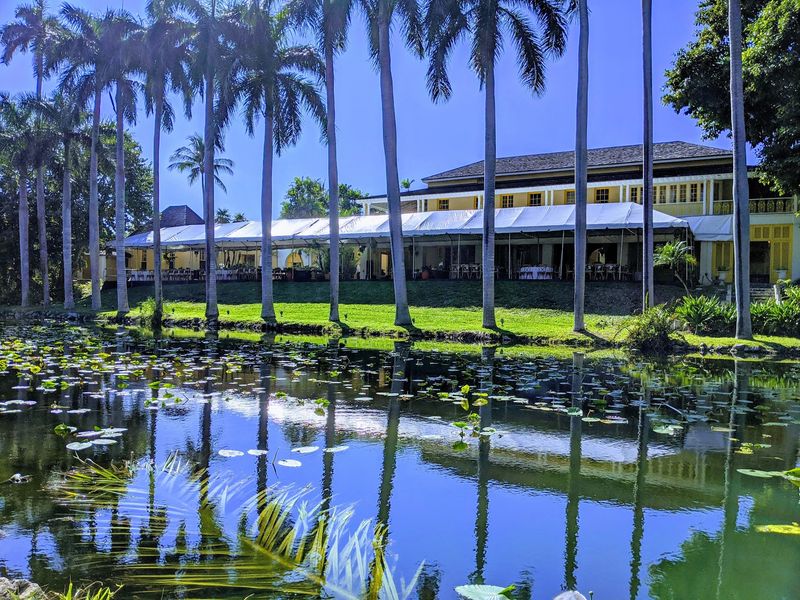
The name “Bonnet” comes from the yellow bonnet lily flowers that still bloom in the freshwater slough on the property. Walking through today, you can still feel the love story and creative spirit that Hugh’s generous wedding gift made possible all those years ago.
A 35-Acre Oasis in the Heart of Fort Lauderdale
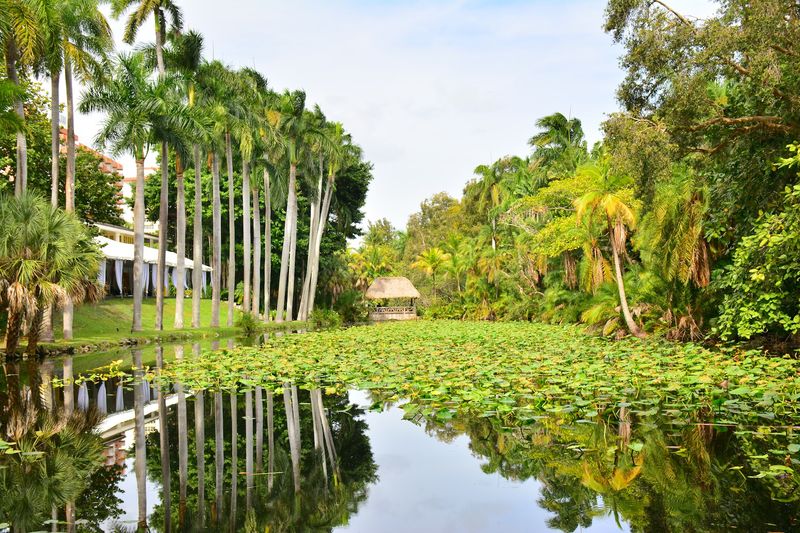
Finding 35 acres of untouched nature in modern Fort Lauderdale sounds impossible, but Bonnet House pulls it off. The estate sits on North Birch Road, just minutes from the beach chaos and high-rise hotels, yet it feels like you’ve been transported to a completely different world. Mangroves, tropical plants, and winding pathways create a buffer from the outside noise.
The property includes five distinct ecosystems, which is pretty remarkable for such a compact area. You’ll walk through coastal dunes, freshwater sloughs, maritime forests, mangrove wetlands, and a secondary dune system. Each zone supports different wildlife and plant species, making every corner of the grounds feel like a mini nature preserve.
Visitors often spot wild iguanas sunbathing on the pathways (they’re invasive but photogenic), squirrel monkeys swinging through the trees (descendants of pets the Bartletts kept), and countless bird species. The ponds are filled with those signature yellow bonnet lilies, koi fish, and sometimes even the occasional swan. It’s not a zoo, but it’s definitely not your typical museum grounds either.
The gardens themselves were designed by Frederic and Evelyn over decades, not by some fancy landscape architect. They planted orchids, hibiscus, and rare tropical specimens they collected during their travels. The orchid house alone contains hundreds of varieties, and if you visit during the annual orchid festival, you’ll see why collectors travel from all over to attend.
What really sets this place apart is how it’s maintained. The staff keeps everything looking natural and lived-in rather than overly manicured. Moss grows on statues, vines climb walls, and pathways meander instead of cutting straight lines.
It feels authentic, like you’re exploring someone’s beloved backyard rather than a sterile tourist attraction designed for Instagram perfection.
The Caribbean Plantation House Full of Surprises
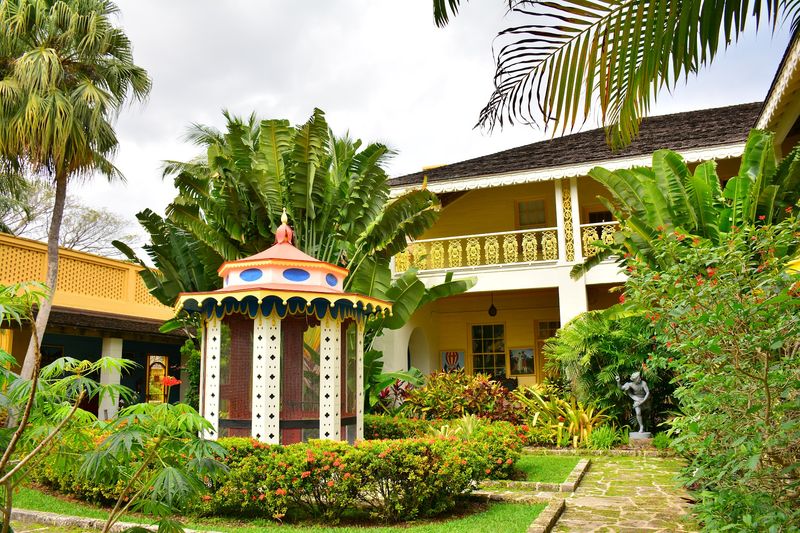
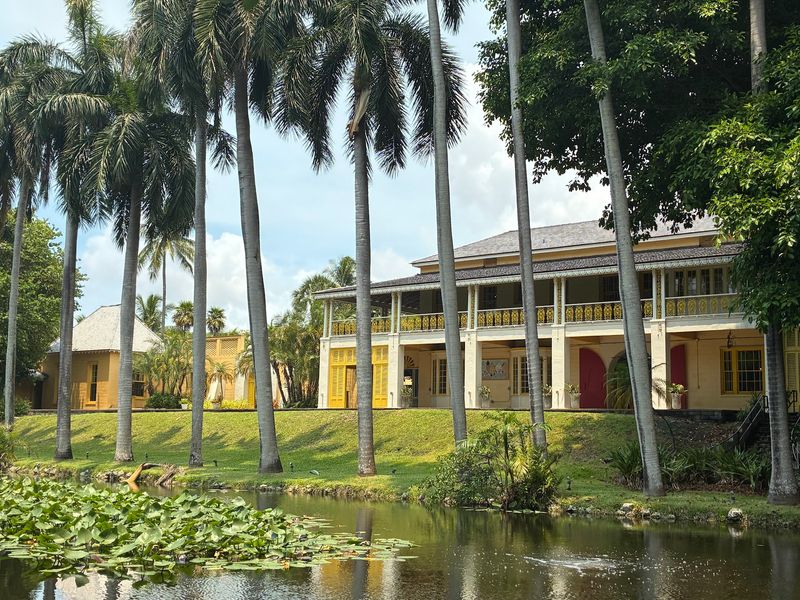
The main house at Bonnet House doesn’t follow any rulebook. Frederic Bartlett designed it with a Caribbean plantation vibe but threw in whatever else struck his fancy. Bright yellow walls, red tile roofs, hand-painted murals, and architectural details borrowed from New Orleans courtyard homes all mash together in the most delightful way.
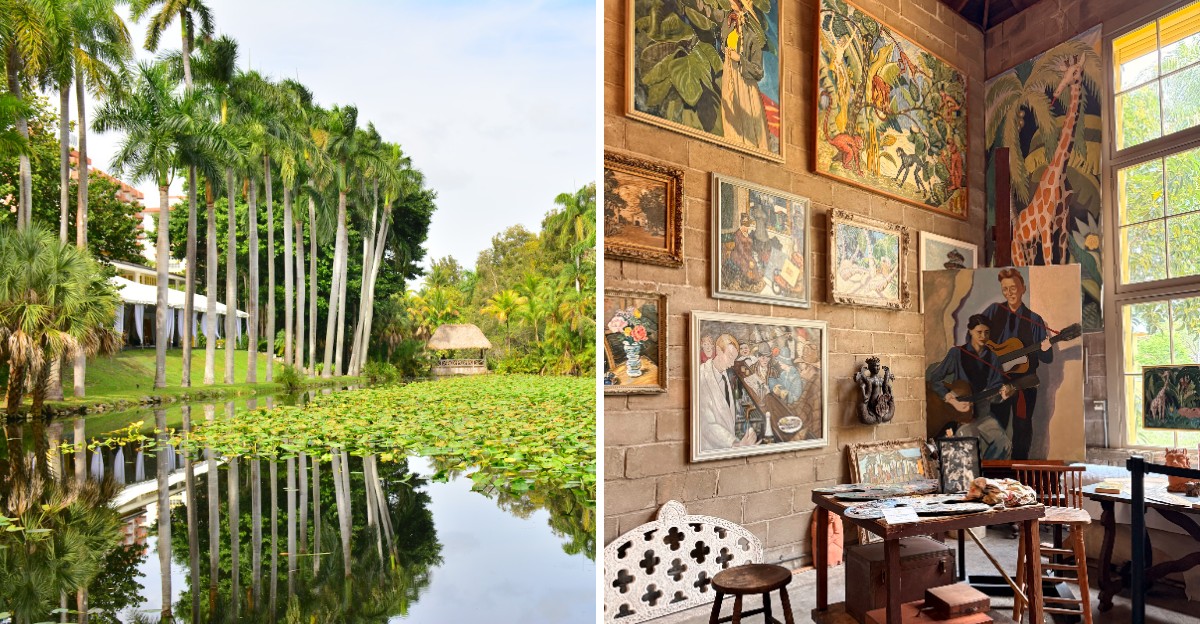
Walking through the rooms feels like snooping through an artist’s private collection (in the best way possible). Every wall tells a story. Frederic painted tropical scenes, whimsical animals, and abstract designs directly onto the plaster.
The dining room features delicate china collections displayed like gallery pieces, while the kitchen maintains its original 1920s charm with vintage appliances and colorful tilework.
One of the most surprising spaces is Frederic’s art studio, which still contains his easels, brushes, and unfinished paintings. Natural light floods through tall windows, and you can almost imagine him standing there, palette in hand, deciding which tropical vista to capture next. It’s intimate and inspiring in a way that polished museum exhibits rarely achieve.
The shell museum tucked into one corner of the house showcases thousands of specimens the couple collected from beaches around the world. Some are common Florida shells, others are exotic rarities that serious collectors would envy. Evelyn organized them with care, labeling and arranging them like tiny treasures rather than just decorative objects.
Throughout the house, docents are stationed in various rooms, ready to share stories and answer questions without being pushy. They’re mostly volunteers who genuinely love the place, and their enthusiasm is contagious. They’ll point out hidden details you’d otherwise miss, like secret messages Frederic painted into murals or the significance of certain artifacts.
The house isn’t roped off and sterile. You can wander freely, peek into closets, and really get a sense of how the Bartletts actually lived here.
The Art Collection That Fills Every Corner
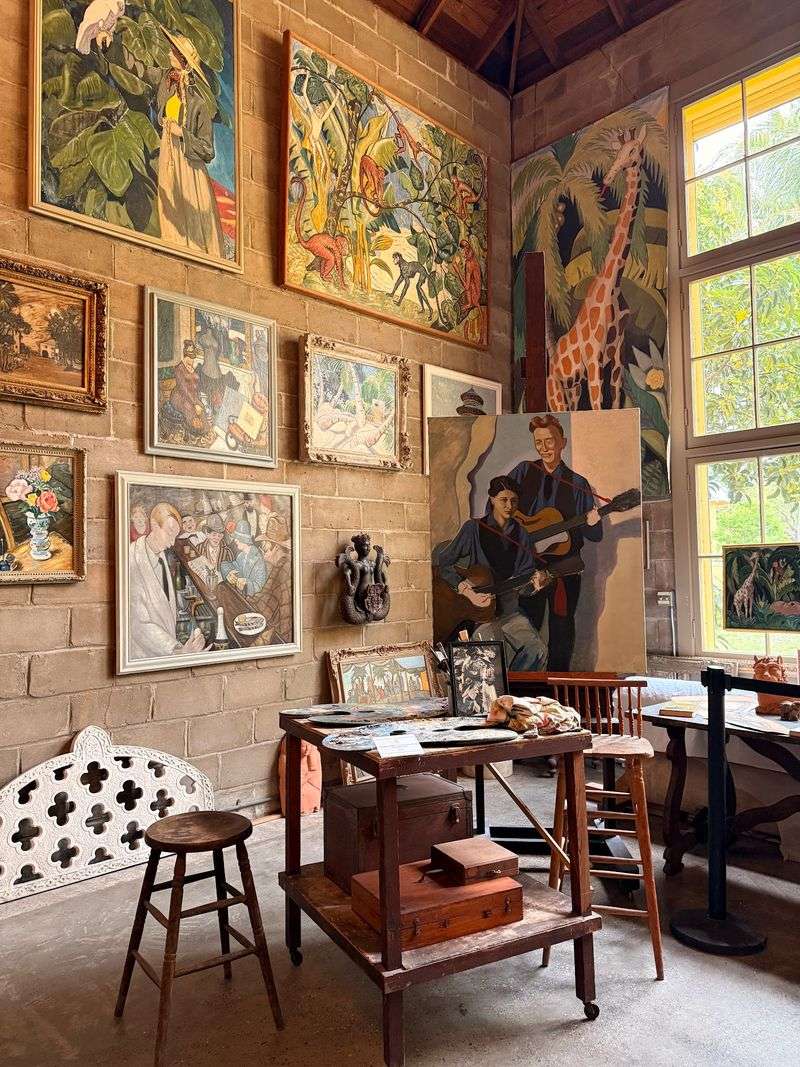
Frederic Clay Bartlett wasn’t just a hobbyist painter. He studied at the Royal Academy in Munich and was a serious figure in Chicago’s art scene. His work hangs in major museums, but some of his best pieces never left Bonnet House.
He used the estate as his personal canvas, creating site-specific murals that can never be moved or replicated.
The courtyard features a stunning gazebo covered in painted designs that blend architectural elements with tropical motifs. Frederic’s style ranged from realistic landscapes to abstract experiments, and you’ll see that range throughout the property. Some murals are playful and cartoonish, while others show sophisticated technique and careful composition.
Evelyn was an accomplished artist too, though her work often gets overshadowed by her famous husband’s. She created sculptures, paintings, and decorative pieces that complement Frederic’s bolder statements. Together, they turned their home into a collaborative art project that evolved over five decades.
New pieces appeared as inspiration struck, and old pieces were reworked or painted over without any precious attachment to permanence.
The couple also collected works by other artists during their travels. You’ll find everything from African masks to Asian ceramics to contemporary paintings by their artist friends. Nothing matches in a conventional sense, but somehow it all works together because it reflects genuine personal taste rather than a designer’s carefully curated vision.
What makes the art collection truly special is how it’s displayed. Paintings hang on walls painted by Frederic. Sculptures sit on handmade furniture.
Decorative objects are arranged as they were when the Bartletts lived here, not behind glass or cordoned off. You experience the art as it was meant to be experienced, as part of a lived-in creative environment rather than a sterile gallery space where you’re afraid to breathe too loudly.
The Wildlife That Calls Bonnet House Home
Bonnet House isn’t your typical museum where everything is carefully controlled and sanitized. Wildlife roams freely here, sometimes interrupting tours and always adding an element of surprise. Green iguanas are the most visible residents, often sprawled across pathways soaking up sun like they own the place (which, let’s be honest, they kind of do).
These iguanas are invasive to Florida, originally from Central and South America. They’ve thrived in South Florida’s climate and made Bonnet House a prime hangout spot. Some visitors find them charming, others find them slightly intimidating, but everyone ends up taking photos.
They’re usually chill and will move if you need to pass, though they’re in no hurry about it.
The property is also home to a troop of squirrel monkeys, descendants of pets the Bartletts kept decades ago. Spotting them swinging through the trees is a highlight for many visitors, though they’re shy and don’t always make appearances. When they do show up, it’s like a bonus wildlife documentary moment in the middle of your museum visit.
Bird watchers love Bonnet House because the diverse ecosystems attract a wide variety of species. Herons, egrets, woodpeckers, and countless songbirds make regular appearances. The freshwater ponds are popular spots for watching wildlife interactions, with fish, turtles, and birds all sharing the same space relatively peacefully.
The staff takes a hands-off approach to wildlife management, letting nature do its thing as much as possible. This means you might encounter spider webs on pathways, lizards scurrying across walls, or raccoons if you visit near dusk. Some reviewers mention bringing bug spray, which is solid advice for any Florida outdoor attraction.
The wild, slightly untamed feeling is part of what makes Bonnet House special. It’s not Disney-fied or over-controlled. It’s real Florida nature coexisting with human history.
The Self-Guided Experience That Lets You Set the Pace
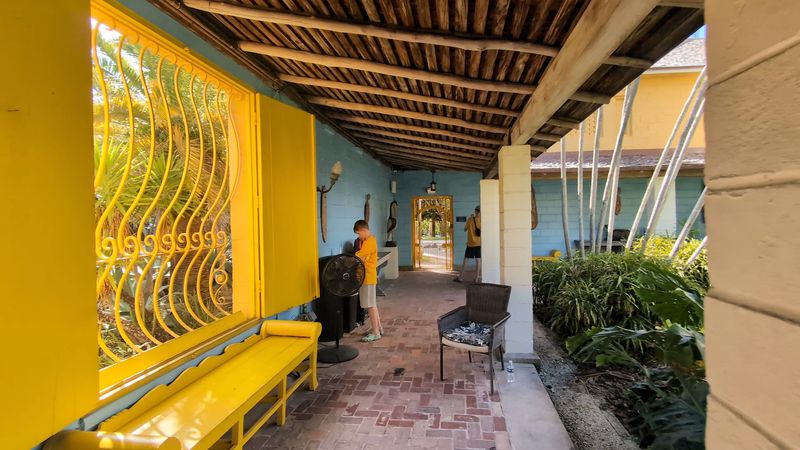
Bonnet House offers different ticket options depending on how you like to explore. The most popular choice is the grounds and house combo, which gives you full access to wander at your own pace. When you arrive, you’ll get a map with a QR code that launches an excellent self-guided audio tour on your phone.
The audio tour is well-produced and informative without being boring or overly long. It covers the history of the estate, details about the architecture and art, and interesting tidbits about the Bartletts’ lives. You can skip sections if you want or replay parts that interest you most.
It’s way better than being herded around with a large group on a strict schedule.
Docents are stationed throughout the house and gardens, ready to answer questions and share additional stories. They’re mostly volunteers who are passionate about the property, and they love when visitors engage with them. But if you prefer to explore quietly on your own, that’s totally fine too.
Nobody pushes you to interact or makes you feel rushed.
Most visitors spend about two to three hours exploring everything, though you could easily stay longer if you’re really into gardens or art. The property is large enough that it never feels crowded, even on busy days. You can always find a quiet bench or shaded pathway to sit and soak in the peaceful atmosphere.
One smart tip from frequent visitors is to buy tickets online ahead of time. It’s cheaper than purchasing at the door, and you can skip any potential lines. The estate is closed Mondays and opens at 11 AM other days, so plan accordingly.
Tuesday through Sunday from 11 AM to 4 PM are your windows of opportunity.
Photography is allowed throughout the property, which is great because every corner offers something worth capturing. Just be respectful of other visitors and the artwork. The staff trusts you to be cool, which makes the whole experience feel more relaxed and enjoyable than places with strict no-photo policies.
The Orchid Collection and Annual Festival
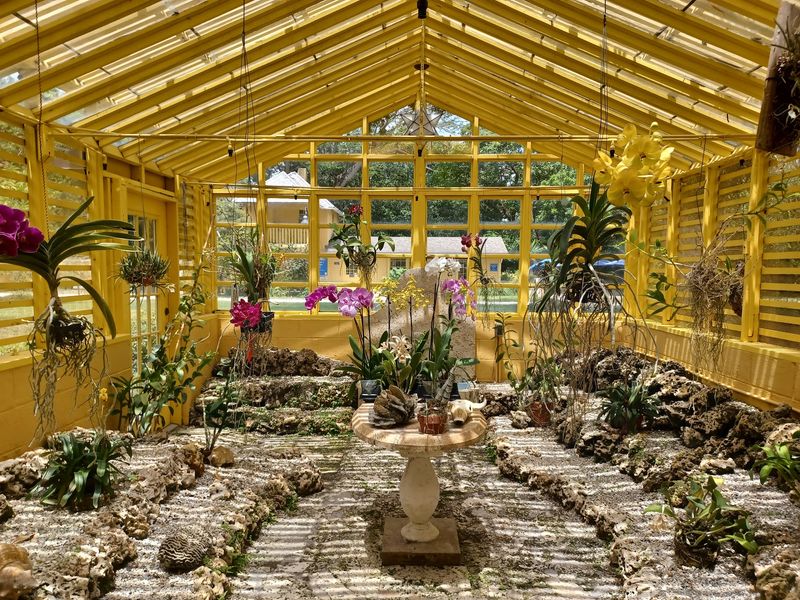
Orchid lovers consider Bonnet House a pilgrimage site. The estate’s orchid house contains hundreds of plants representing dozens of species, many of them rare or difficult to grow. Evelyn Bartlett was passionate about orchids and spent years cultivating her collection, and that tradition continues today under the care of dedicated volunteers and staff.
The orchid house itself is a charming structure tucked into the gardens, designed to provide the perfect growing conditions with filtered light and controlled humidity. Walking inside feels like entering a secret garden where every surface is covered in exotic blooms. The variety is stunning, from tiny delicate flowers to large showy specimens in every color imaginable.
Each orchid is carefully labeled with its scientific name and origin, which orchid enthusiasts appreciate. But even if you can’t tell a Phalaenopsis from a Cattleya, the sheer beauty of the display is impressive. The plants are arranged thoughtfully, creating visual interest and making it easy to appreciate individual specimens without feeling overwhelmed.
The annual orchid festival is a major event that attracts collectors, growers, and curious visitors from across Florida and beyond. Held typically in late winter or early spring when many orchids are at peak bloom, the festival features vendors selling plants, expert talks, workshops, and special displays. It’s the perfect time to visit if you want to add to your own collection or learn more about orchid care.
Several reviewers mentioned leaving the festival with armfuls of new orchids, which seems to be a common hazard of attending. The vendors are knowledgeable and happy to offer care advice, and prices are generally reasonable. Even if you’re not planning to buy, the festival atmosphere adds extra energy and excitement to an already beautiful property.
Outside of festival time, the orchid house is still worth visiting. The collection blooms year-round, with different species taking their turn in the spotlight depending on the season. It’s a peaceful spot to linger, especially on hot days when the shade and humidity provide welcome relief.
The Perfect Venue for Intimate Weddings and Events
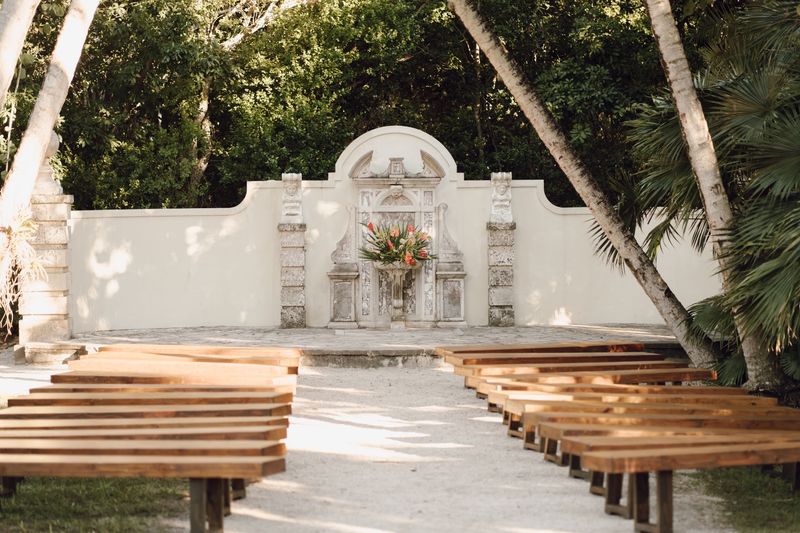
Getting married at Bonnet House sounds like something out of a fairy tale, and based on multiple glowing reviews, it apparently lives up to that fantasy. The estate offers wedding packages for various sizes, and while they can accommodate larger events, they’re especially wonderful for intimate ceremonies with smaller guest counts.
The courtyard gazebo makes a stunning ceremony backdrop, with Frederic’s painted details adding artistic flair and tropical gardens providing natural beauty. The grounds offer multiple photo opportunities, from the colorful house exterior to the peaceful ponds to the shaded pathways lined with exotic plants. Your wedding photos will look like you got married at a private Caribbean villa, not in the middle of Fort Lauderdale.
Couples consistently praise the staff, particularly mentioning coordinators like Susanne and Debbie by name in reviews. They handle the planning process professionally while making everything feel personal and special. They’ve worked with their preferred vendor list extensively, so everything runs smoothly on the actual day without stressful surprises.
One unique advantage of hosting your event at Bonnet House is the sense of privacy. When you rent the space, you get the whole estate to yourselves. Your guests can wander the gardens, explore the house, and enjoy the property without competing with regular museum visitors.
It feels exclusive and intimate, even though you’re technically in a public space.
The historic and artistic atmosphere adds character that generic hotel ballrooms or country clubs can’t match. Your guests will remember your Bonnet House wedding because it’s genuinely different and special. The old Florida vibe, the quirky art, the wildlife sightings, all contribute to making your celebration feel unique and memorable.
Even if you’re not planning a wedding, the estate is available for other private events like anniversary celebrations, corporate gatherings, or special parties. The combination of beautiful setting, professional staff, and flexible options makes it worth considering for any occasion that deserves something more interesting than a standard event venue.