You’re Doing Florida Wrong If You Only Visit the Famous Beaches – Try These 10 Instead
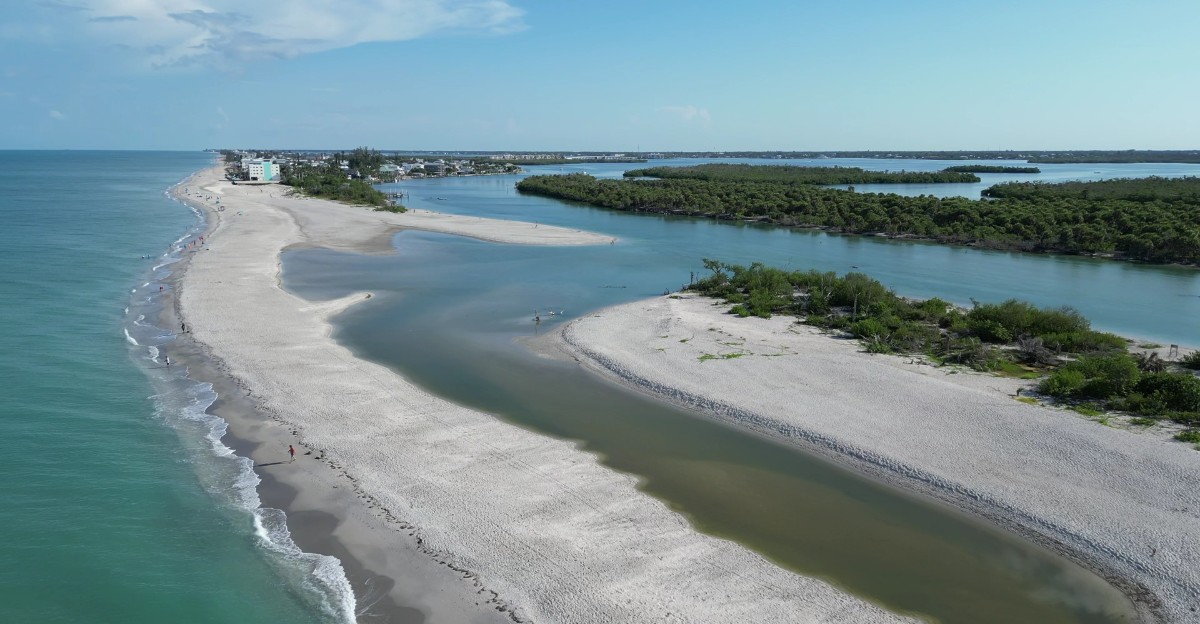
Most people come to Florida and head straight for the same crowded beaches they saw on a postcard. That is a fun start, but it means missing out on wild islands, rocky shorelines, and quiet sand where you can actually hear the waves. Florida has more than 1,000 miles of coastline, and some of the best spots hide just a short drive or boat ride away.
Grab your sunscreen, because these ten beaches will change how you see the Sunshine State.
1. Caladesi Island State Park: The Beach You Have to Earn
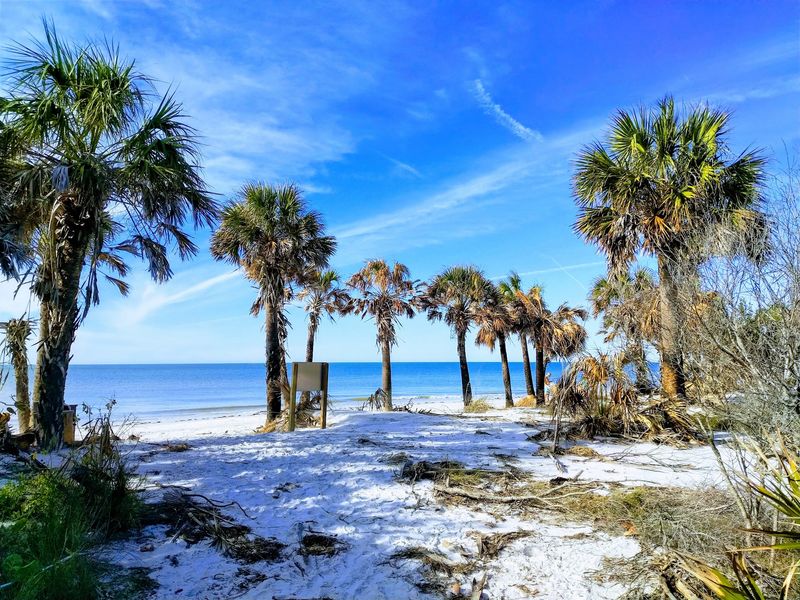
No car can take you here, and that is exactly the point. To reach Caladesi Island, most visitors hop on a ferry from neighboring Honeymoon Island State Park. Others paddle over by kayak or cruise in on a private boat.
That little bit of effort keeps the crowds thin. Once you step onto the sand, you will notice how bright and soft it feels under your feet. The water is often calm and clear, which makes it a solid choice for families with young swimmers.
Bring more than a towel. A nature trail winds through pine flatwoods and palmettos, giving you a break from the sun and a chance to spot birds, lizards, and maybe a gopher tortoise. Kayakers can also explore a mangrove trail on the bay side, where the water turns quiet and the shade feels like air conditioning.
Here is an insider tip worth remembering. Check the ferry schedule before you go, since trips run on set times and you do not want to rush your last hours on the island. Pack snacks, water, and a hat, because services are limited compared to a busy city beach.
Caladesi rewards people who plan a little. Give yourself a full day, slow down, and let the island set the pace.
2. Stump Pass Beach State Park: A Treasure Hunter’s Playground
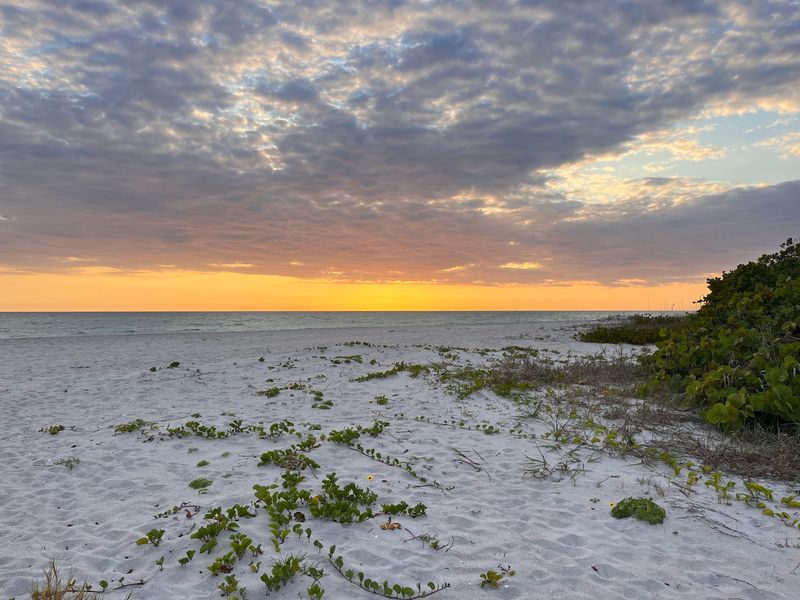
Kids who love digging will think they hit the jackpot. Stump Pass Beach sits at the southern tip of Manasota Key in Englewood, and its shoreline is famous among locals for shells and the chance to find small, dark fossil shark teeth.
Finding them takes patience. Walk slowly near the waterline, look for shiny black triangles mixed in with broken shells, and use a mesh scoop if you have one. Even if you come up empty, the hunt itself is half the fun.
The park stretches out like a long finger of sand. A walking path runs down the peninsula, and the farther you go, the quieter things get. By the time you reach the pass at the end, you may feel like you have the Gulf to yourself.
Wildlife shows up often here. Keep your eyes open for wading birds, ospreys diving for fish, and dolphins rolling through the channel. Anglers also like casting near the pass, where the moving water attracts fish.
Plan ahead for parking, since the lot is small and can fill early on nice weekends. Wear water shoes, carry plenty of water, and bring a zip-top bag for your finds. With a little luck, you will head home with a pocket full of tiny treasures and a story to tell.
3. Blowing Rocks Preserve: Where the Ocean Shoots Into the Sky
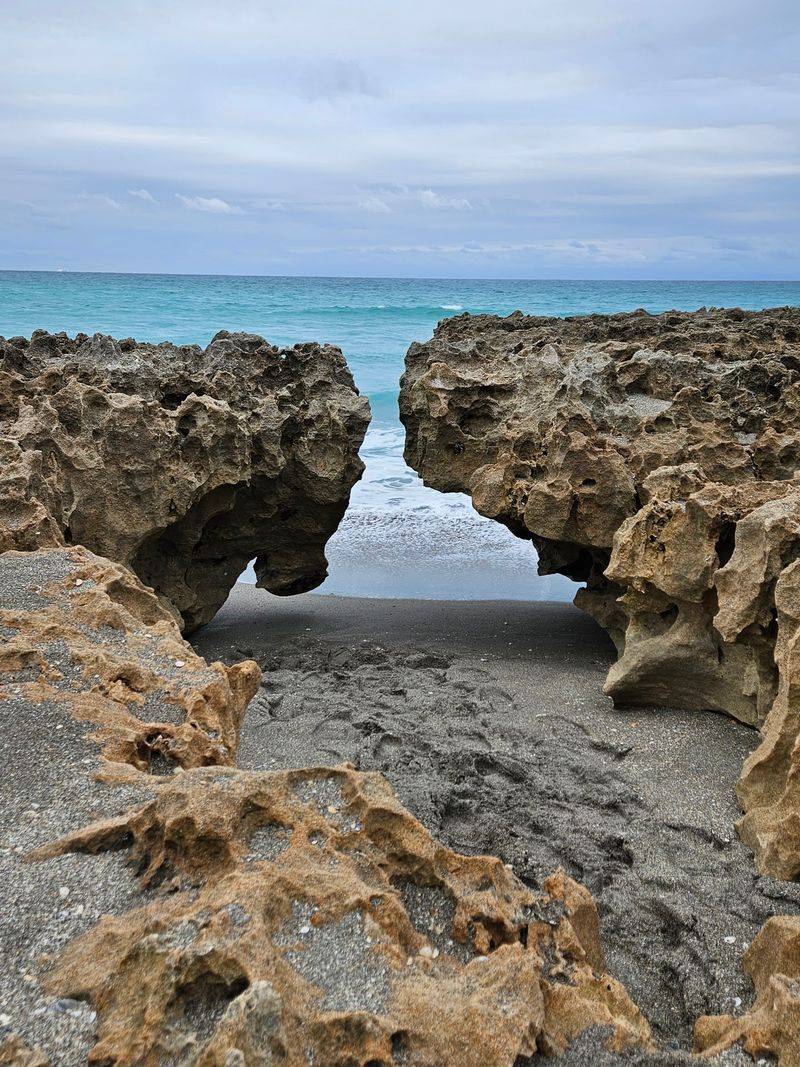
Picture a beach that sprays water like a giant whale. At Blowing Rocks Preserve in Hobe Sound, waves smash into a long shelf of Anastasia limestone, and when conditions line up, seawater blasts up through holes in the rock.
Timing makes all the difference. The show is strongest around high tide, especially on days when the ocean is rough. On calm days, the rocks are still worth a visit, since low tide reveals tide pools, carved shapes, and little caves along the shore.
Most Florida beaches are flat and sandy, so this rocky coastline feels almost like another state. Photographers love it at sunrise, when the light hits the wet stone and turns everything gold.
The preserve is managed by The Nature Conservancy, and that shows in how wild it feels. Trails lead through native coastal plants, and there is a quiet side along the Indian River Lagoon worth exploring too. Learning about native plants here can give you fresh eyes for the rest of your trip.
A few smart moves will help. Check the tide chart before you leave, wear shoes with good grip, and never climb on rocks while big waves are rolling in. Respect the space, take your trash with you, and enjoy one of the most surprising shorelines in the state.
4. Canaveral National Seashore: Wild Sand With a Space Coast View
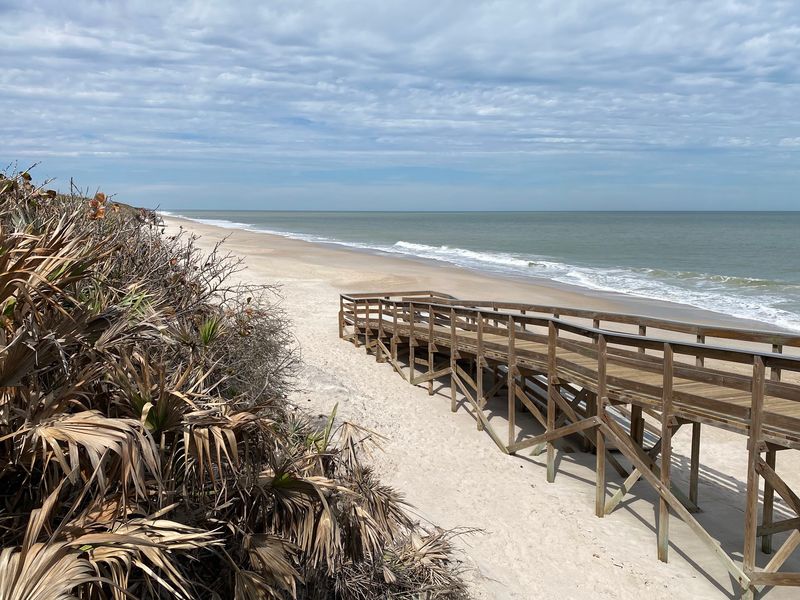
Think of it as Florida before the condos showed up. Canaveral National Seashore protects a long stretch of undeveloped Atlantic coastline between New Smyrna Beach and Titusville, and it feels wonderfully untouched.
You will find two main areas. Apollo Beach sits on the north end near New Smyrna, while Playalinda Beach is on the south end near Titusville. Both have boardwalks that lead over tall dunes and drop you onto wide, open sand.
Here is the cool part. The seashore sits right next to Kennedy Space Center, so on launch days, you might watch a rocket climb into the sky from your beach chair. Launch days can mean closures or crowds, so check ahead.
Nature is the star the rest of the time. Sea turtles nest along this coast in summer, and the nearby lagoons are packed with birds, fish, and sometimes manatees. Mosquito Lagoon is a favorite with kayakers who want calm water and plenty of wildlife.
Come prepared, since there are no restaurants or shops on the beach. Bring food, water, shade, and bug spray for the lagoon side. There is an entrance fee, so a national parks pass can come in handy.
Pack light, go early, and enjoy the feeling of a coastline that still belongs to the wild.
5. Grayton Beach State Park: Sugar Sand Meets a Rare Lake
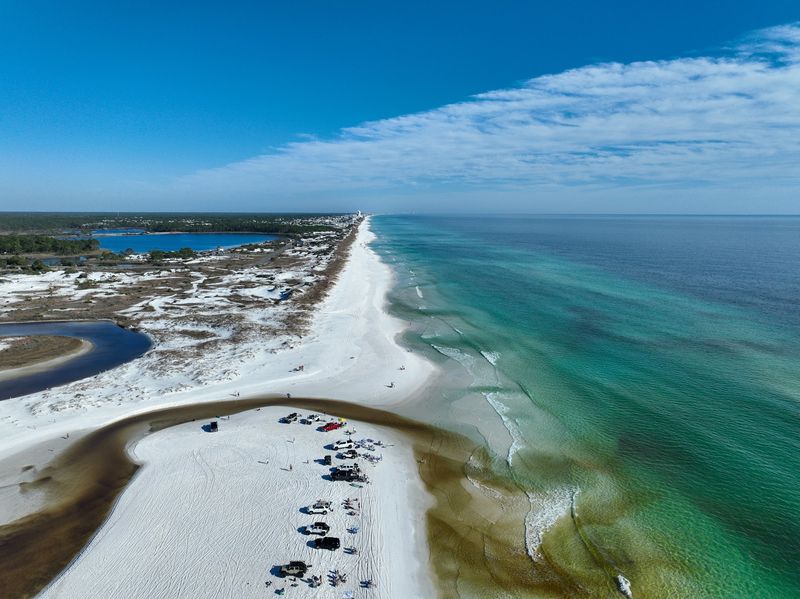
Squeaky sand is the first thing you will notice. Grayton Beach State Park, tucked along Scenic Highway 30A in Santa Rosa Beach, has bright white quartz sand that almost chirps when you walk on it. Pair that with emerald green water, and you see why people fall hard for this spot.
The real surprise sits just behind the dunes. Western Lake is a coastal dune lake, a type of lake found in only a handful of places around the world. Now and then it connects to the Gulf, mixing fresh water and salt water in a way that feels a little magical.
Rent a kayak or paddleboard and glide across the lake on a calm morning. The water is usually smoother than the Gulf, which makes it friendly for beginners. Fishing is popular here too.
On land, hiking trails twist through scrub oaks and pine forest that bend from years of salty wind. It is a great way to cool off when the beach gets too hot.
A few practical notes help. The 30A area gets busy in summer, so arrive early to grab parking. If you want to stay longer, the park has cabins and a campground that book up fast.
Reserve months ahead and you might just snag the best seat on the Emerald Coast.
6. Navarre Beach: The Laid-Back Sibling of the Panhandle
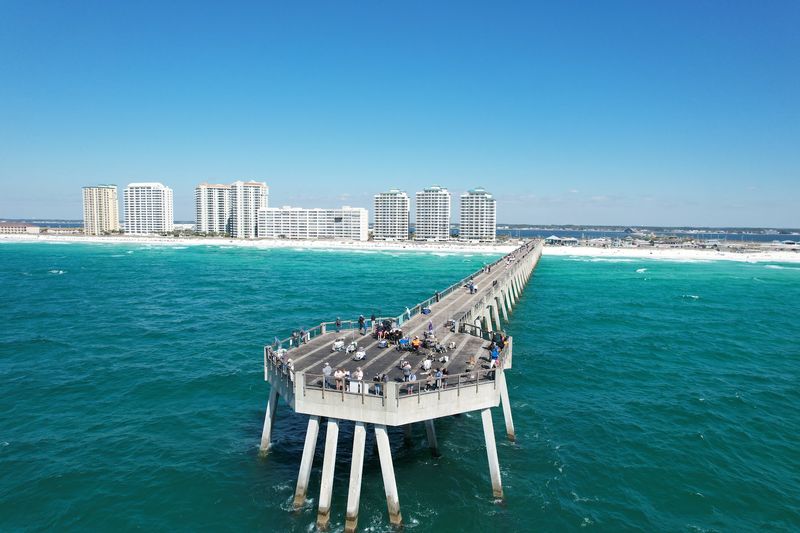
Ask Panhandle locals where they go to escape the crowds, and Navarre often comes up. Squeezed between busier Pensacola Beach and Destin, this small town keeps things relaxed, with wide beaches and fewer high-rises crowding the view.
Head straight to the Navarre Beach Fishing Pier. It stretches far out into the Gulf, and walking to the end feels like strolling over the open sea. From up there, you might spot rays, sea turtles, or dolphins cruising below.
Fishing fans can cast a line right from the pier. Even if you are not fishing, watching anglers reel in a catch is surprisingly entertaining.
Animal lovers should visit the Navarre Beach Sea Turtle Conservation Center. It is a great place to learn about the turtles that nest along this shore. The lesson pays off at night, too, since local beaches ask visitors to keep lights low during nesting season.
Want quieter sand? Drive east to the Navarre Beach Marine Park area or the protected stretches along the Gulf Islands National Seashore nearby. You will find spots where it is just you, the dunes, and the gulls.
Sunsets here are worth sticking around for. Grab a casual dinner, walk back to the water, and watch the sky turn pink over that famous emerald green.
7. Fort De Soto Park: History, Beaches, and Bike Trails Rolled Into One
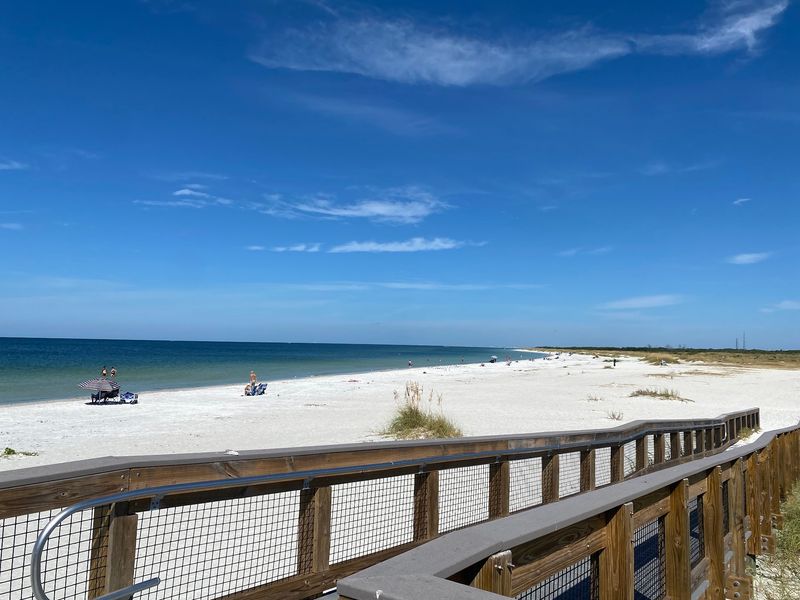
Old cannons and white sand do not usually share the same postcard. At Fort De Soto Park in Tierra Verde, they do. This county park spreads across several connected islands near the mouth of Tampa Bay, and there is way more to do than lie in the sun.
Start with the fort itself. Built more than a century ago, it still has heavy mortars you can walk right up to. Kids love climbing the stairs and peeking out over the water, imagining what life was like for soldiers stationed here.
Then pick your beach. North Beach is wide and shallow, great for wading and building sandcastles. East Beach faces the bay and feels calmer, while the dog beach lets your four-legged buddy splash around too.
Bring bikes or rent them. A paved trail runs through much of the park, so you can roll from beach to fort to picnic area without moving the car. Paddlers can explore marked kayak trails winding through mangroves.
Got a spare day? Ferries leave from the park to Egmont Key, a nearby island with ruins, a lighthouse, and quiet shores. The park also has a popular campground that fills quickly.
Come early on weekends, pack a cooler, and plan to stay until sunset. One visit rarely feels like enough here.
8. T.H. Stone Memorial St. Joseph Peninsula State Park: Giant Dunes and Total Quiet
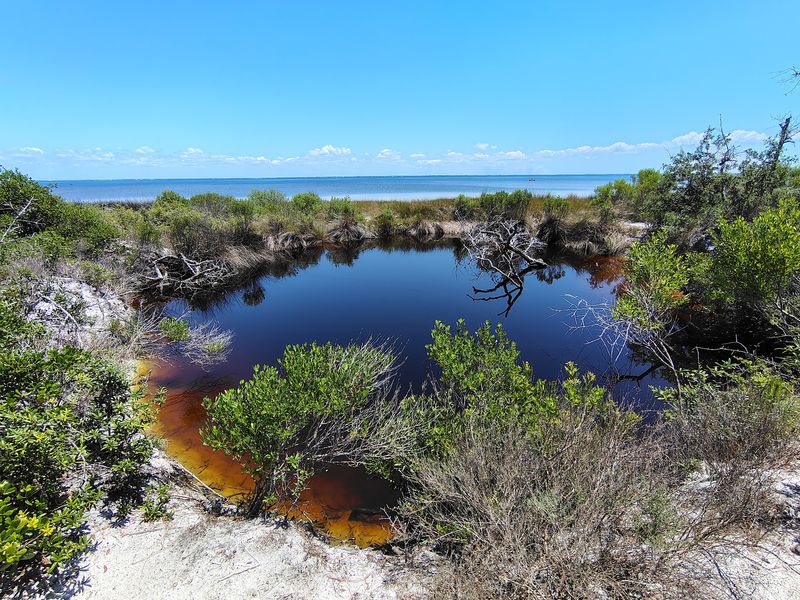
Some beaches whisper instead of shout, and this one barely makes a sound. St. Joseph Peninsula State Park sits on a skinny strip of land curving out from Port St. Joe, with the Gulf on one side and St. Joseph Bay on the other.
The dunes steal the show. Some rise surprisingly tall, covered in waving sea oats and looking more like a desert than a beach. Please stay on the boardwalks, since those plants hold the sand in place.
Out on the shoreline, the water often looks clear and inviting. Swimmers, shell collectors, and stargazers all find something to love, since the area has very little light pollution. On a clear night, the sky can feel packed with stars.
The bay side has its own charm. In summer, St. Joseph Bay is a popular spot for scalloping, when people snorkel through seagrass looking for little bay scallops. Check state rules on season dates and limits before you go.
Hikers can explore the wilderness area at the northern tip, which feels remote and wild. Cabins and campsites let you wake up just steps from the sand.
Pack everything you need, since stores are a drive away. Bring bug spray for evenings, extra water, and a sense of adventure. Peace and quiet come free with every visit.
9. Bahia Honda State Park: The Keys Beach That Looks Like a Screensaver
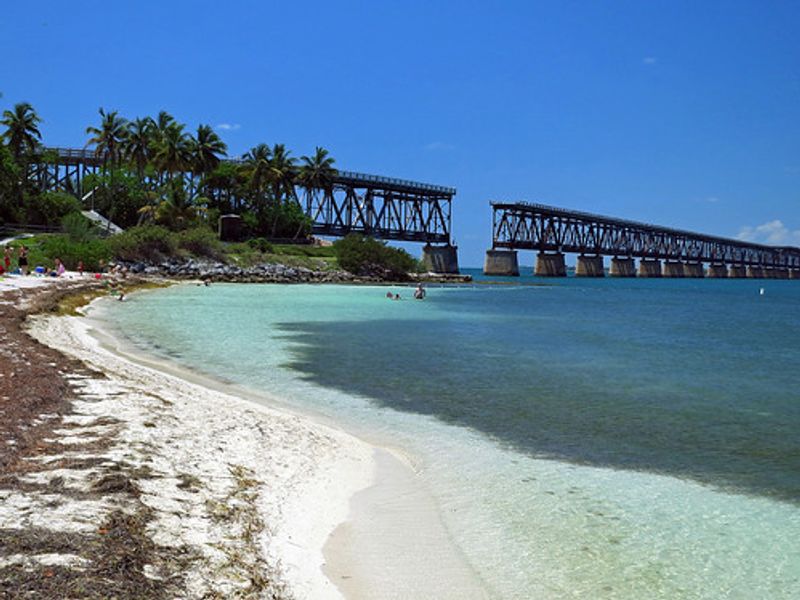
Close your eyes and imagine perfect island water. Now open them at Bahia Honda State Park, because it probably looks just like that. Located near Big Pine Key in the lower Florida Keys, this park is famous for water so clear and blue it almost seems fake.
Sandy beaches are rare in the Keys, which makes this place extra special. Most of the islands are rocky or lined with mangroves, so a soft beach with gentle water feels like finding gold.
One landmark you cannot miss is the old Bahia Honda Bridge. Part of Henry Flagler’s historic railroad route, it now has a missing section, giving it a striking look. A walkway leads to a viewpoint where you can gaze over the water and spot fish, rays, or even sea turtles below.
Snorkelers, take note. The park runs trips out to Looe Key, a reef area known for colorful fish and coral. Check ahead for times and weather, since the sea can change quickly.
Back on shore, kayaks and paddleboards make it easy to explore the calm side of the island. Shade can be scarce, so bring an umbrella and reef-safe sunscreen.
Arrive early, since the park can reach capacity on busy days. Once inside, you may never want to leave.
10. St. George Island State Park: Oysters, Lighthouses, and Miles of Elbow Room
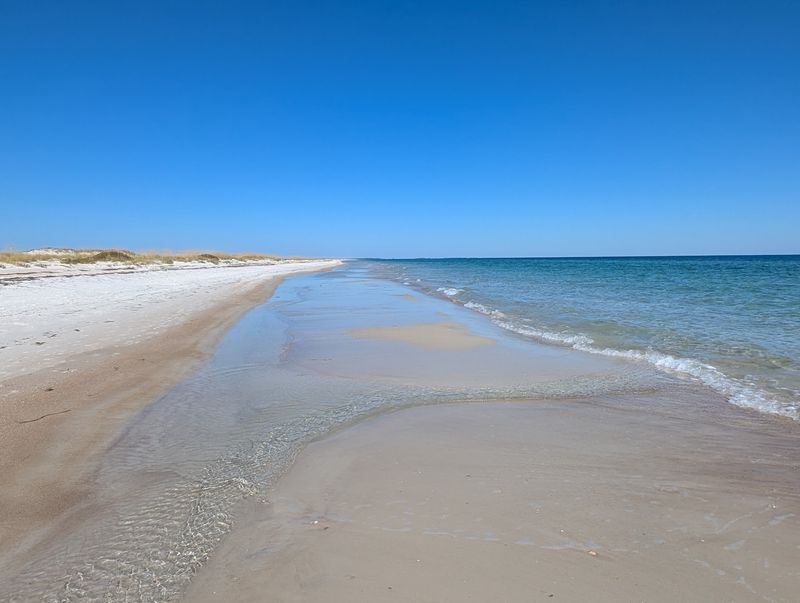
Out here on the Forgotten Coast, slow is the official speed. St. George Island sits off the coast near Apalachicola, and its state park covers the island’s eastern end, with long stretches of beach that feel blissfully empty.
Spread out a towel and you may not see another soul for a while. Gentle waves, soft sand, and low dunes make it perfect for long walks and lazy afternoons.
Wildlife is everywhere if you look. Shorebirds nest along parts of the beach, and sea turtles use these sands too, so watch for marked areas and give them space. Inland, pine woods and marshes offer quiet trails where you might spot deer or herons.
Paddlers can launch on the bay side, where calm water makes for easy exploring. Fishing is popular from shore and boat alike.
Before or after the park, swing by the small island town. The St. George Island Lighthouse stands near the center, and you can climb it for a breezy view. Across the bridge, Apalachicola is known for its oyster history, so try some local seafood if you can.
Plan to bring your own supplies, since stores are limited on the island. Camping in the park is a favorite, but book early. Leave your rushed schedule behind and let the island remind you how good doing nothing can feel.