These 12 Things Make Dunedin, Florida Easy to Fall in Love With
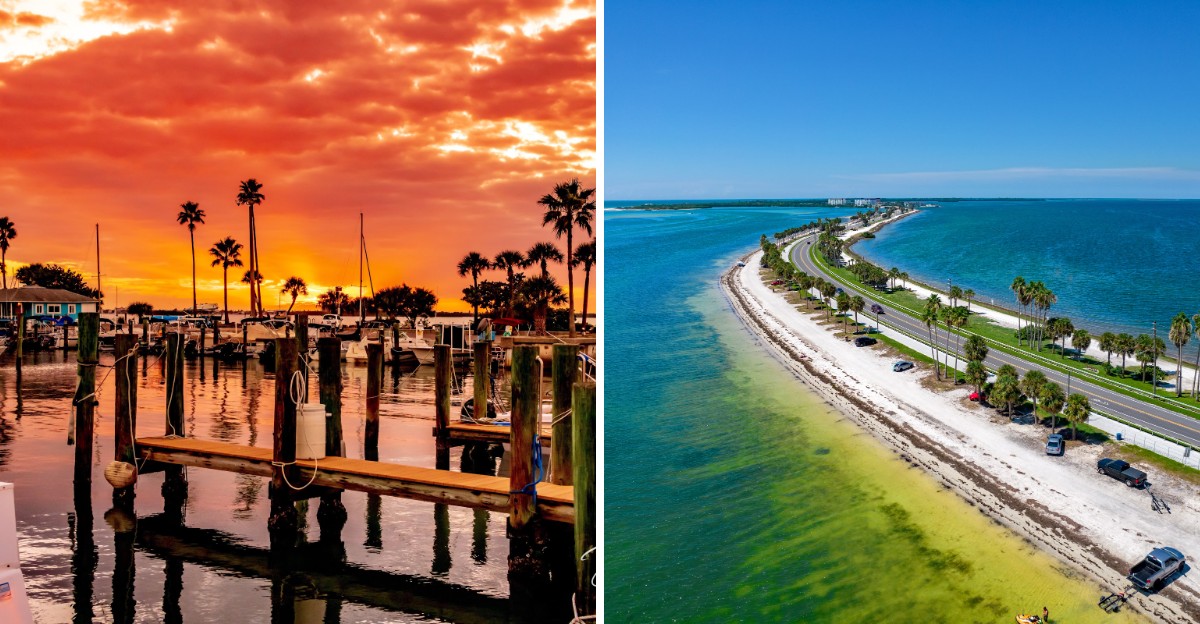
Dunedin sits along Florida’s Gulf Coast like a hidden treasure waiting to be discovered. This charming city combines natural beauty, Scottish heritage, and small-town warmth in ways that stick with you long after you leave. Whether you’re drawn to pristine beaches, outdoor adventures, or vibrant community spaces, Dunedin delivers experiences that feel both authentic and refreshing.
1. Caladesi Island State Park
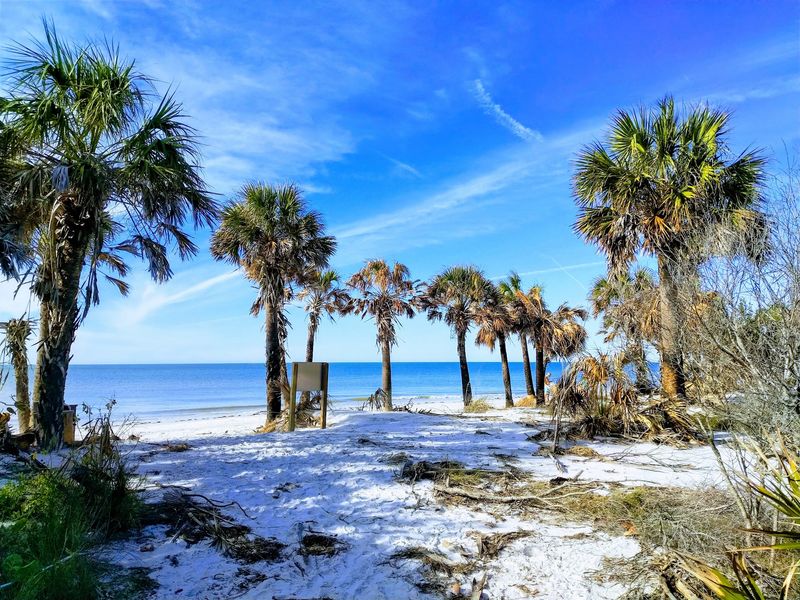
Accessible only by boat or ferry, Caladesi Island State Park feels like stepping into a Florida that time forgot. The three-mile stretch of white sand consistently ranks among the best beaches in America, and one visit makes it clear why. Crystal-clear Gulf waters lap against shores dotted with seashells, while osprey nest in the tall pines just beyond the dunes.
The kayak trail through the mangroves offers an entirely different perspective. Paddling through the quiet tunnels of twisted roots, you might spot herons fishing in the shallows or crabs scuttling across the mudflats. The water stays calm here, protected from Gulf winds, making it perfect for beginners or anyone seeking a peaceful morning on the water.
Pack a picnic because you’ll want to stay awhile. Shaded pavilions provide relief from the sun, and the nature trails wind through coastal scrub where gopher tortoises lumber across the path. Unlike crowded mainland beaches, Caladesi maintains a wilderness feel that reminds you why Florida’s barrier islands became legendary in the first place.
The ferry ride from Honeymoon Island adds to the adventure. Dolphins often swim alongside the boat, and the captain usually shares stories about the island’s history. Once you arrive, cell service fades and the modern world feels wonderfully distant.
Caladesi doesn’t just offer a beach day; it offers an escape into the Florida that existed before high-rises and traffic jams took over the coast.
2. Honeymoon Island
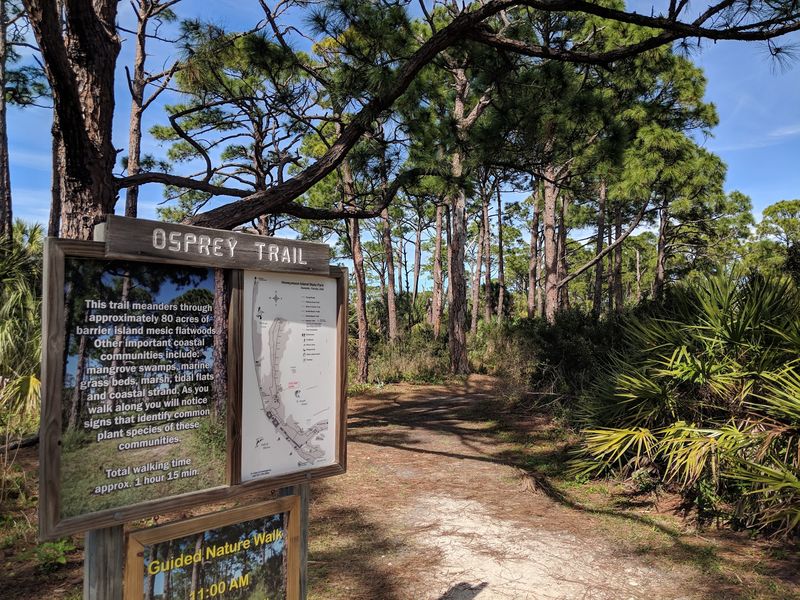
Connected to the mainland by a scenic causeway, Honeymoon Island proves you don’t need a boat to find paradise. Four miles of sandy beach stretch along the Gulf, backed by sea oats swaying in the breeze and slash pines that somehow thrive in the salty air. The name comes from the 1940s, when thatched-roof bungalows housed newlyweds seeking romantic getaways far from city noise.
Pet Beach on the north end welcomes dogs, making it one of the few Gulf Coast spots where your four-legged friend can splash in the waves. Watching retrievers bound through the surf while their owners toss tennis balls never gets old. The smiles are contagious, and the atmosphere stays relaxed even on busy weekends.
Nature trails loop through the interior, where you might encounter armadillos rooting through palmetto scrub or catch glimpses of rare shorebirds. The Osprey Trail leads to a rocky shoreline perfect for watching sunset paint the sky in shades of orange and pink. Bring binoculars because the birding here rivals anywhere in Florida, with species ranging from roseate spoonbills to magnificent frigatebirds.
Fishing from the shore or the rocks produces snook, redfish, and occasional tarpon. Local anglers show up at dawn with coolers and tackle boxes, settling in for hours of casting while pelicans dive-bomb schools of baitfish offshore. The island maintains that authentic Florida vibe where flip-flops count as formal wear and nobody checks their watch too often.
3. Fred Marquis Pinellas Trail
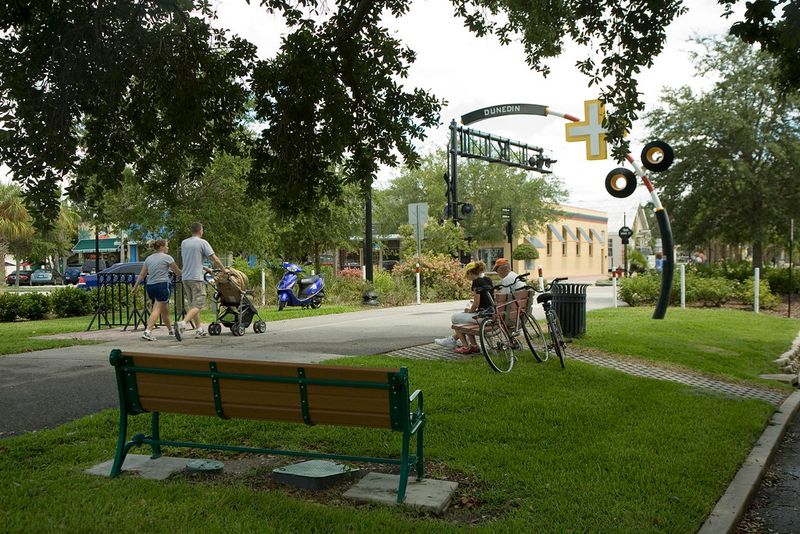
Running straight through downtown Dunedin, the Pinellas Trail transforms an old railroad corridor into 47 miles of paved pathway connecting communities from Tarpon Springs to St. Petersburg. Cyclists, joggers, and inline skaters share the route, which cuts through the heart of the city past breweries, cafes, and parks that make perfect pit stops. The trail proves that repurposing infrastructure can create something better than the original.
In Dunedin, the trail becomes a social hub. Morning walkers greet each other by name, and weekend cyclists stop for coffee at trailside shops that seem designed for exactly this purpose. The flat, well-maintained surface welcomes everyone from serious athletes logging training miles to families with kids on training wheels learning to balance.
Shaded sections provide relief during Florida’s hotter months, though the tree canopy opens occasionally to reveal glimpses of neighborhoods and parks. Public art installations dot the route, adding visual interest beyond the natural scenery. Benches appear at regular intervals, inviting you to rest and people-watch as the parade of humanity rolls past.
The trail connects to parks like Hammock Park and continues north toward Tarpon Springs or south toward Clearwater. You could easily spend an entire day exploring different sections, stopping wherever something catches your eye. Local shops rent bikes if you’re visiting without wheels, and the gentle grade means you won’t need Tour de France fitness to enjoy the ride.
Dunedin embraced this trail early, and it shows in how seamlessly it integrates into daily life.
4. Edgewater Park
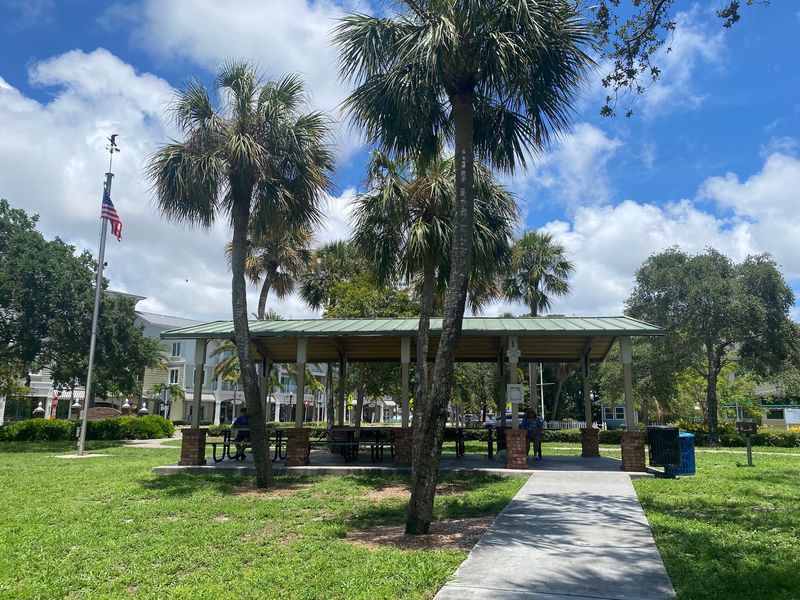
Tucked along St. Joseph Sound, Edgewater Park packs impressive amenities into a relatively compact waterfront space. The fishing pier extends into the sound, where anglers try their luck while brown pelicans perch on the railings hoping for handouts. Shallow waters make this a favorite spot for families with young children who want to wade without worrying about sudden drop-offs or strong currents.
A sandy beach area provides space for sunbathing and building sandcastles, though most locals come for the playground and picnic pavilions. Birthday parties and family reunions fill the weekends, with grills smoking and kids racing between the playground equipment and the water. The atmosphere stays friendly and community-oriented, the kind of place where strangers strike up conversations about the weather or the latest catch.
Kayakers launch from the park to explore the mangrove-lined shores of the sound. The protected waters stay calm most days, ideal for paddling without fighting wind or waves. Manatees sometimes drift past during winter months, surfacing to breathe before disappearing back into the murky water.
Spotting one never fails to draw excited whispers and pointed fingers from shore.
Restrooms, showers, and ample parking make Edgewater convenient for day trips. The park sits close enough to downtown that you can grab lunch at a nearby restaurant, then return to spend the afternoon watching boats cruise past. Sunset views across the sound rival anywhere on the Gulf Coast, as the sky transforms into a canvas of purples and golds reflected in the still water.
5. Dunedin Marina
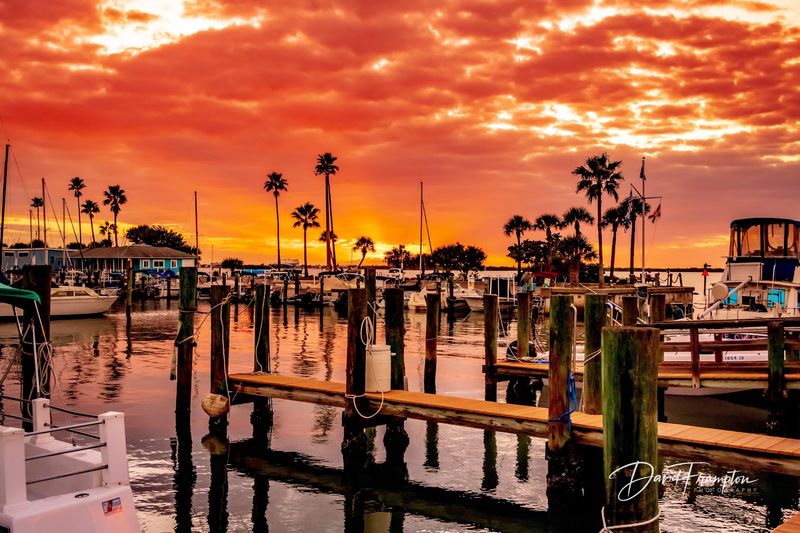
Where downtown meets the waterfront, Dunedin Marina buzzes with the energy of a working harbor that hasn’t forgotten its roots. Fishing boats rock gently in their slips while charter captains prep gear for the next offshore adventure. The smell of saltwater mixes with diesel fuel and sunscreen, creating that distinctive marina scent that sailors recognize anywhere in the world.
Charter services offer everything from inshore fishing trips targeting snook and redfish to offshore expeditions chasing grouper and kingfish in deeper Gulf waters. Even if you’ve never held a rod, captains provide equipment and instruction, making it easy to try your hand at one of Florida’s favorite pastimes. The excitement when someone hooks a big fish spreads across the entire boat, with everyone cheering and offering advice.
The marina promenade invites leisurely strolls with views across St. Joseph Sound. Benches face the water, perfect for watching boats come and go while seabirds wheel overhead. Restaurants and shops line the walkway, creating a natural flow between browsing, eating, and simply soaking in the maritime atmosphere.
Live music often drifts from nearby venues on weekend evenings.
Boat rentals let you captain your own adventure, whether that means cruising to Honeymoon Island or anchoring in a quiet cove for swimming and sandbar picnics. The marina staff knows these waters intimately and happily shares tips about where to go and what to watch for. Dunedin’s maritime heritage stays alive here, not as a museum piece but as a vibrant part of daily life.
6. Dunedin Fine Art Center
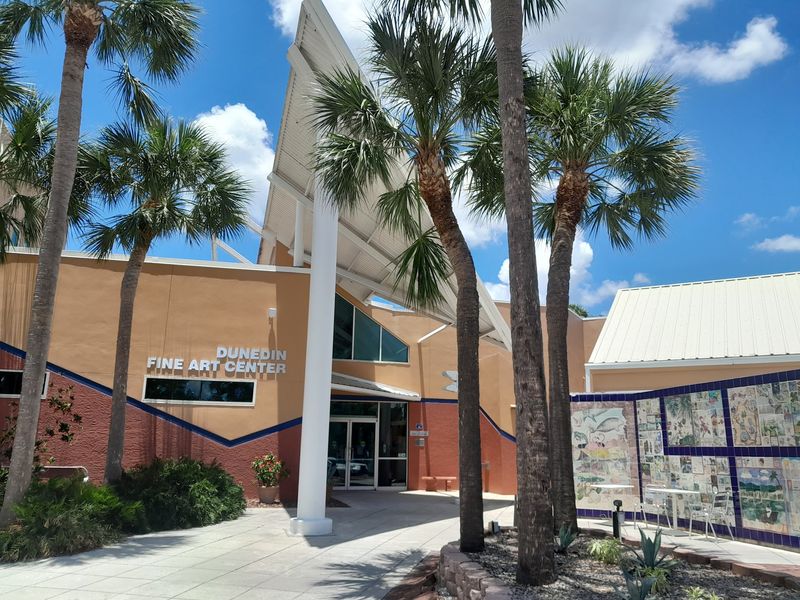
Creativity thrives at the Dunedin Fine Art Center, where galleries showcase work from local and regional artists alongside classes that welcome everyone from curious beginners to serious practitioners. The center occupies a light-filled building that feels deliberately designed to inspire, with high ceilings and walls that seem to breathe art. Walking through the rotating exhibitions, you’ll encounter everything from traditional paintings to experimental mixed media that challenges conventional definitions.
Classes and workshops cover ceramics, painting, photography, jewelry making, and more. The instructors bring professional experience and genuine enthusiasm, creating an environment where mistakes become learning opportunities rather than failures. Students range from retirees discovering new passions to young artists honing their skills, and the mix of ages and backgrounds enriches the experience for everyone involved.
The David L. Mason Children’s Art Museum occupies its own wing, specifically designed for young visitors to interact with art rather than simply observing from a distance. Interactive exhibits encourage kids to touch, create, and explore, making art accessible and fun instead of intimidating.
Parents appreciate how the museum sparks conversations about creativity and self-expression that continue long after leaving.
Special events throughout the year include art festivals, artist talks, and community celebrations that bring together Dunedin’s creative community. The center functions as more than a gallery; it serves as a gathering place where art becomes a shared language. Even if you’ve never considered yourself artistic, spending time here might awaken interests you didn’t know existed.
The welcoming atmosphere makes it easy to explore without pressure or pretension.
7. Dunedin History Museum
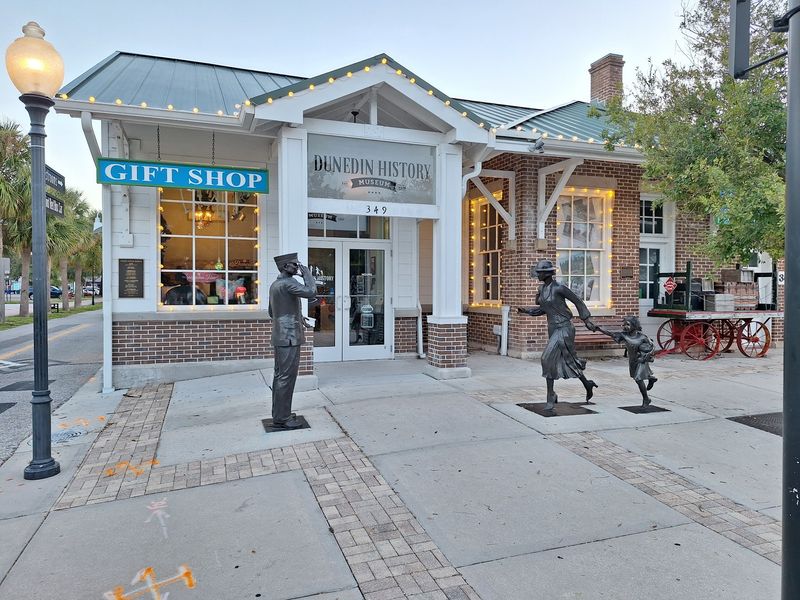
Scottish heritage runs deep in Dunedin, and the History Museum tells that story alongside tales of pioneer families, railroad expansion, and the fishing industry that sustained the community for generations. Housed in a historic building downtown, the museum feels intimate rather than overwhelming, with exhibits that focus on personal stories instead of just dates and statistics. You’ll learn how Scottish settlers chose this spot in the 1870s and named it after their homeland’s Edinburgh.
Vintage photographs show Dunedin’s transformation from a small settlement to a thriving town, with images of dirt roads that became paved streets and wooden storefronts that evolved into the brick buildings still standing today. Artifacts from daily life help visitors imagine what existence looked like before air conditioning, when citrus groves covered land now occupied by subdivisions and shopping centers.
The museum hosts walking tours of historic downtown, pointing out architectural details and sharing stories about the buildings and the characters who inhabited them. These tours reveal layers of history hidden in plain sight, making familiar streets suddenly fascinating. Guides clearly love Dunedin and their enthusiasm proves contagious, even for visitors who normally consider history museums boring.
Special exhibits rotate throughout the year, focusing on specific aspects of local heritage or featuring collections from longtime residents. The gift shop stocks books about Florida history and locally made crafts, supporting artisans while giving visitors meaningful souvenirs. Admission stays affordable because the museum operates primarily through volunteers and donations, reflecting Dunedin’s commitment to preserving its past for future generations.
8. TD Ballpark
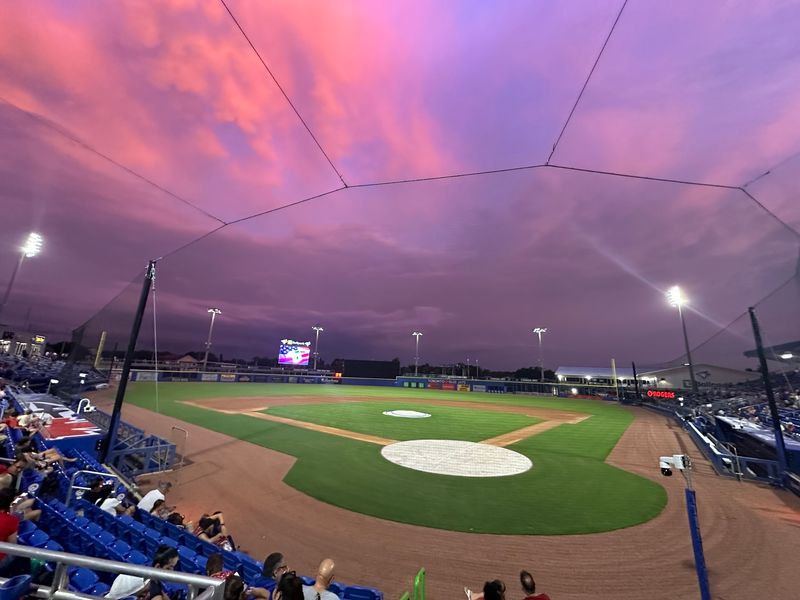
Spring training brings Major League Baseball to Dunedin every February and March when the Toronto Blue Jays set up camp at TD Ballpark. The intimate stadium puts fans close to the action, where you can hear the crack of the bat and watch players interact during warm-ups. Autograph seekers line the fences before games, and players often oblige, especially when kids wave markers and baseballs hopefully.
The relaxed atmosphere differs dramatically from regular season games in massive stadiums. Families spread blankets on the lawn beyond the outfield while kids run around between innings. Food vendors serve classics like hot dogs and nachos alongside local favorites, and beer flows freely under the Florida sun.
Tickets cost a fraction of what you’d pay during the regular season, making it accessible for families on normal budgets.
Even beyond spring training, the ballpark hosts minor league games and community events that keep the facility active year-round. The surrounding area includes practice fields where you might catch players working on specific skills or rehabbing from injuries. Die-hard fans bring lawn chairs and watch through the fence, offering encouragement and advice as if the players might actually hear them.
The stadium’s design takes advantage of Florida weather, with plenty of shade options but also sun-soaked seats for those seeking a tan alongside their baseball. Concession stands never create the endless lines common at larger venues, so you won’t miss half an inning waiting for a drink. Local businesses sponsor promotions and giveaways, reinforcing the connection between the team and the community that hosts them each spring.
9. Dunedin Brewery
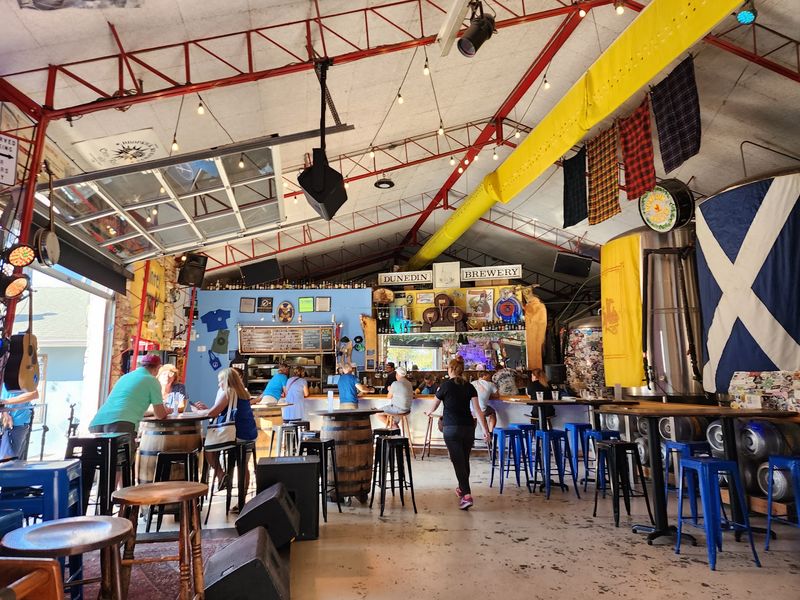
Florida’s oldest microbrewery still operating in its original location, Dunedin Brewery has been crafting beer since 1996, back when craft brewing seemed like a risky experiment rather than an industry standard. The unassuming building on Main Street hides a surprisingly spacious interior where locals gather to sample seasonal offerings and debate the merits of IPAs versus stouts. The atmosphere stays casual and welcoming, the kind of place where strangers become friends over shared flights.
The beer menu rotates with the seasons, though flagship brews like the Apricot Peach Ale remain available year-round for those who’ve developed a taste for them. Brewers experiment with local ingredients and unexpected flavor combinations, sometimes creating winners and occasionally producing interesting failures. The willingness to take risks keeps the offerings fresh and gives regular customers reasons to keep coming back.
Food trucks often park outside, solving the hunger problem since the brewery itself doesn’t serve meals. The partnership works perfectly, letting the brewery focus on what it does best while supporting local food vendors. Picnic tables fill the outdoor area, where conversations flow as freely as the beer and nobody minds if your dog joins the party.
Tours of the brewing operation reveal the science and artistry behind each batch. The head brewer explains the process with genuine passion, answering questions about everything from hop varieties to fermentation temperatures. You’ll leave with a deeper appreciation for the craft, even if you can’t remember all the technical details the next morning.
Live music on weekends adds energy without overwhelming conversation, striking that perfect balance between entertainment and atmosphere.
10. Hammock Park
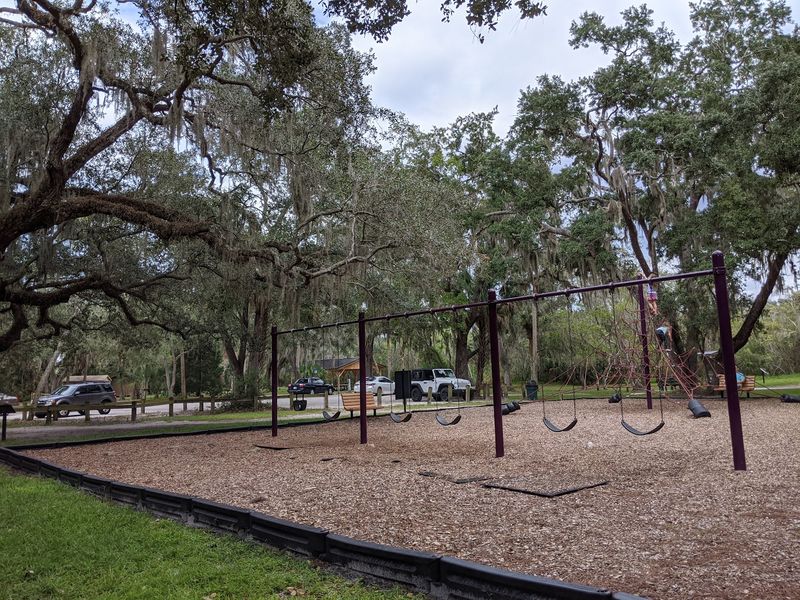
Ancient oak trees draped in Spanish moss create a canopy over winding trails at Hammock Park, offering a glimpse of Florida’s natural landscape before development transformed the coastline. The park protects a coastal hammock ecosystem, that dense forest of hardwoods and palms that once covered much of the peninsula. Walking these trails feels like traveling back in time, especially early in the morning when mist hangs in the air and birdsong fills the silence.
The butterfly garden attracts dozens of species, from monarchs to swallowtails, fluttering among native plants chosen specifically for their needs. Benches scattered throughout invite quiet observation, and patient visitors might spot caterpillars munching leaves or chrysalises hanging from branches. Educational signs identify plants and explain their role in supporting butterfly populations, turning a pleasant garden into an outdoor classroom.
Birdwatchers bring binoculars and field guides, checking off species like barred owls, pileated woodpeckers, and painted buntings. The varied habitat supports an impressive diversity of wildlife, and you never know what might appear around the next bend. Photographers love the dappled light filtering through the canopy, creating natural spotlights on ferns and wildflowers.
The park connects to the Pinellas Trail, making it a convenient stop for cyclists or a destination for those seeking a nature break from urban surroundings. Picnic areas provide spots for lunch under the oaks, where squirrels boldly approach hoping for handouts. Unlike manicured city parks, Hammock Park embraces a wilder aesthetic that reminds visitors why Florida’s natural beauty inspired people to move here in the first place, before concrete and strip malls became the dominant landscape.
11. Josiah Cephas Weaver Park
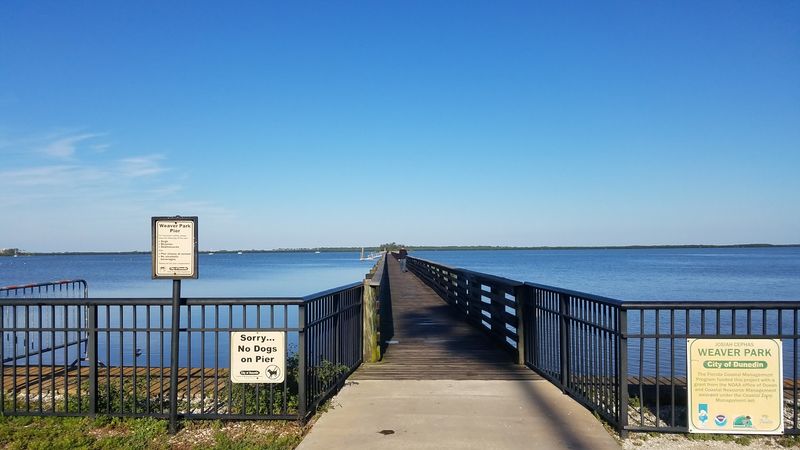
Named after a prominent African American educator and community leader, Josiah Cephas Weaver Park serves as a neighborhood gathering spot where kids wear out their energy on modern playground equipment while parents catch up on the latest news. The park honors Weaver’s legacy of service and education, reminding visitors that Dunedin’s history includes diverse voices and contributions that shaped the community’s character.
Basketball courts see regular pickup games, with players of varying skill levels running up and down the court while trash talk flies as freely as the ball. The competitive spirit stays friendly, and newcomers usually get invited to join rather than left watching from the sidelines. Tennis courts on the opposite side provide a quieter alternative, though the sound of balls hitting rackets creates its own rhythmic soundtrack.
Open grassy areas accommodate everything from soccer practice to kite flying, depending on the day and who shows up. The flexible space means the park adapts to community needs rather than dictating how people should use it. Shade trees around the perimeter offer relief during summer months, though Florida heat eventually drives most people toward air conditioning.
Community events occasionally take over the park, from holiday celebrations to fundraisers supporting local causes. These gatherings reinforce the park’s role as more than just recreational space; it functions as a commons where neighbors connect and community bonds strengthen. The well-maintained facilities and regular upkeep show that Dunedin values these public spaces and understands their importance in creating a livable city.
Simple pleasures like watching kids play or joining a pickup basketball game remind us why parks matter in ways that statistics can’t measure.
12. Dunedin Causeway
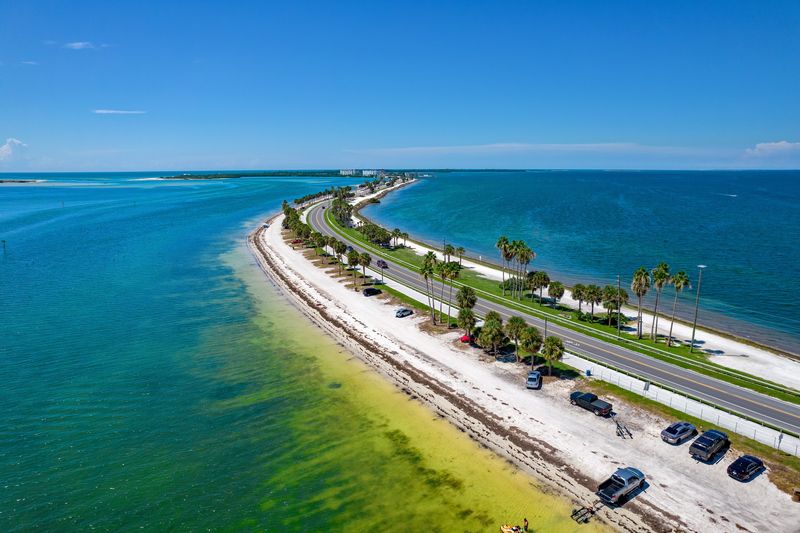
Connecting Dunedin to Honeymoon Island, the causeway transforms a simple drive into a scenic experience worth savoring rather than rushing through. Water stretches on both sides, with St. Joseph Sound to the east and the Gulf of Mexico to the west. Designated parking areas along the route let you pull over to fish, take photos, or simply stand and watch boats cruise past while seabirds dive for their lunch.
Anglers line the rocks with their rods, hoping to hook snook, redfish, or the occasional tarpon. The fishing stays productive enough to draw regulars who claim favorite spots and guard them jealously. Watching the sunrise from the causeway has become a ritual for early risers, when soft light paints the water in shades of pink and gold that cameras never quite capture accurately.
Cyclists use the dedicated path running alongside the road, enjoying water views without competing with vehicle traffic. The gentle breeze off the Gulf keeps things cooler than inland routes, though headwinds can make the return trip more challenging than anticipated. Runners appreciate the flat, scenic route, though the lack of shade means early morning or evening workouts make more sense during summer.
The causeway beach areas attract families seeking alternatives to the main island beaches. Smaller crowds and easier parking make these spots popular with locals who know the secret. Shallow water extends far from shore, perfect for kids learning to swim or anyone wanting to wade without worrying about depth.
Watching pelicans glide just above the water’s surface never gets old, no matter how many times you’ve seen it before.
The causeway proves that sometimes the journey deserves as much attention as the destination.