This Beautiful Miami Beach Garden Feels Like a Hidden Slice of Japan
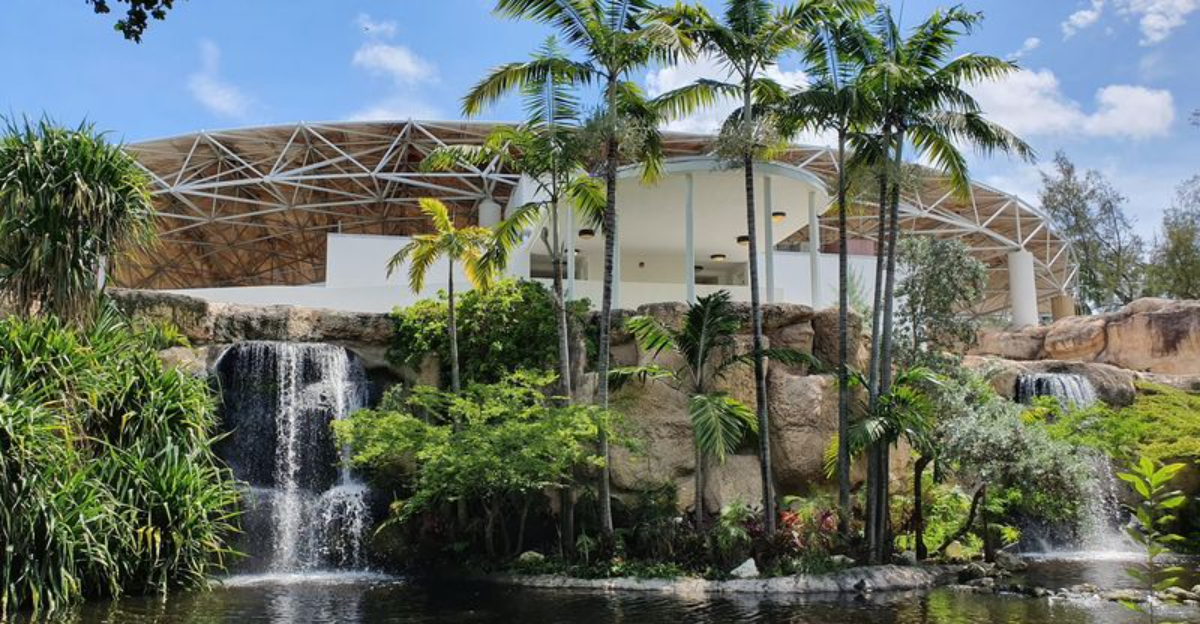
Tucked away on Watson Island along the MacArthur Causeway, the Miami Friends of the Japanese Garden is one of those places most locals drive past without ever stopping. It sits quietly between the buzz of South Beach and the mainland, offering a surprisingly calm escape from the city noise.
Whether you are looking for a peaceful morning stroll, a unique photo spot, or simply a break from the usual Miami hustle, this little garden delivers something genuinely different. Here are eight things that make this hidden gem worth your time.
A Tranquil Escape Right in the Heart of Miami Beach
Sandwiched between the ocean breeze and the roar of causeway traffic, the Miami Friends of the Japanese Garden somehow manages to feel like a world apart. The moment you step past the entrance, the noise fades and a quieter rhythm takes over.
It is the kind of calm that sneaks up on you, especially when you were not expecting it from a spot this close to South Beach.
The garden sits at 1101 MacArthur Causeway on Watson Island, making it surprisingly accessible for both tourists and Miami Beach regulars. You do not need to plan a road trip or drive far out of your way to find this peaceful corner.
It is literally a few minutes off the main road, yet it feels removed from the urban energy that defines this part of Florida.
Visitors consistently describe the atmosphere as meditative and grounding. Families, couples, and solo walkers all seem to find something meaningful here, whether that is a quiet bench moment or a slow lap around the garden path.
The garden opens daily at 9 AM and closes at 5 PM, giving you a solid window to visit morning or afternoon. If you want to avoid any small crowds, a weekday morning visit is your best move.
The garden earns its reputation as a low-key, high-reward stop that genuinely surprises first-time visitors.
The Story Behind the Garden and Its Japanese Roots
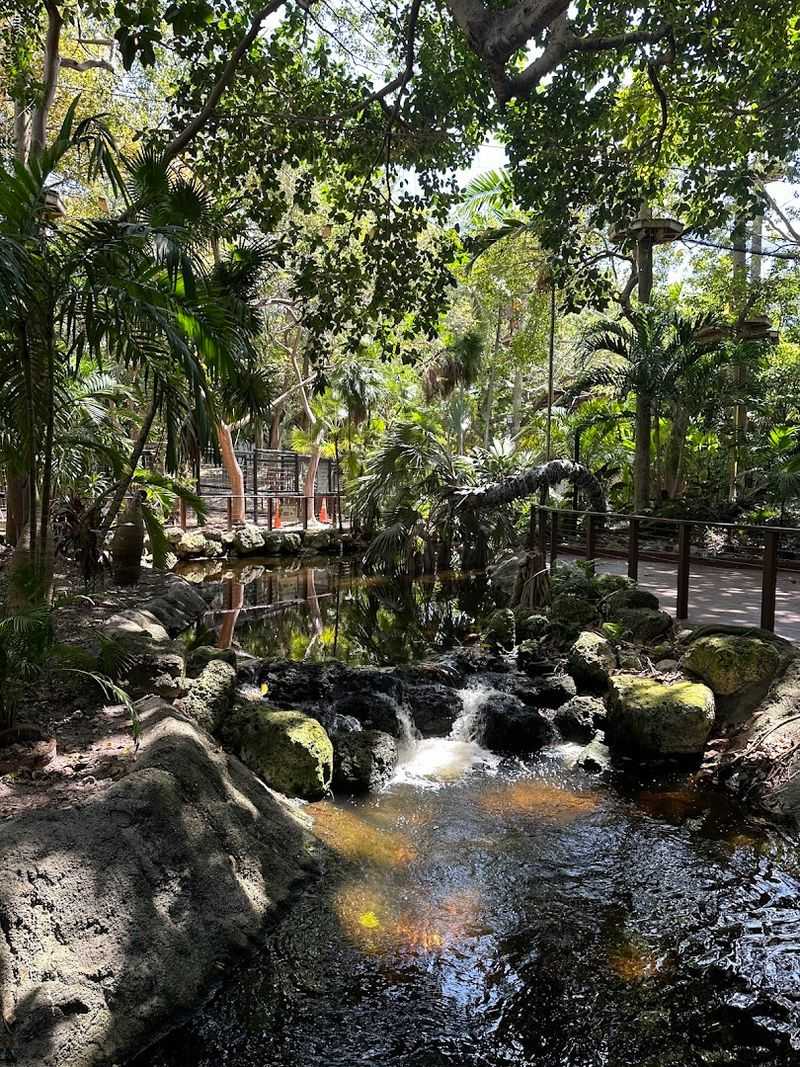
Not many people realize that this garden carries a real cultural story rooted in international friendship. The Miami Japanese Garden, as it is often called, was originally gifted to the city of Miami Beach by the Japanese government back in the 1960s as a symbol of goodwill between the two nations.
That origin story alone gives the place a layer of meaning you do not get from your average city park.
The garden was designed to reflect traditional Japanese landscaping principles, emphasizing harmony, simplicity, and natural beauty. Features like the koi pond, carefully placed stone elements, and native plantings were all chosen to mirror the aesthetic of a classic Japanese stroll garden.
Over the decades, the space has gone through various phases of upkeep and restoration, with the Miami Friends of the Japanese Garden organization working to preserve and improve it.
Understanding that background changes how you experience a visit. You are not just walking through a pretty green space — you are stepping into a piece of diplomatic history that has been quietly sitting on this island for decades.
The organization behind it, the Miami Friends of the Japanese Garden, is a nonprofit group dedicated to maintaining and promoting the garden for the community. Their work keeps this cultural landmark alive and accessible.
If you are someone who appreciates places with real backstory, this garden rewards curiosity in a way that most Miami Beach attractions simply do not.
What the Garden Actually Looks Like Up Close
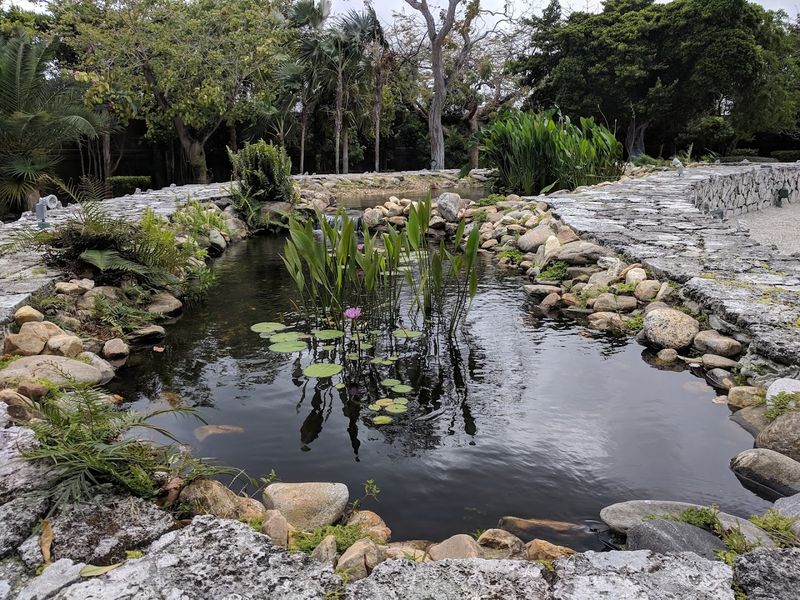
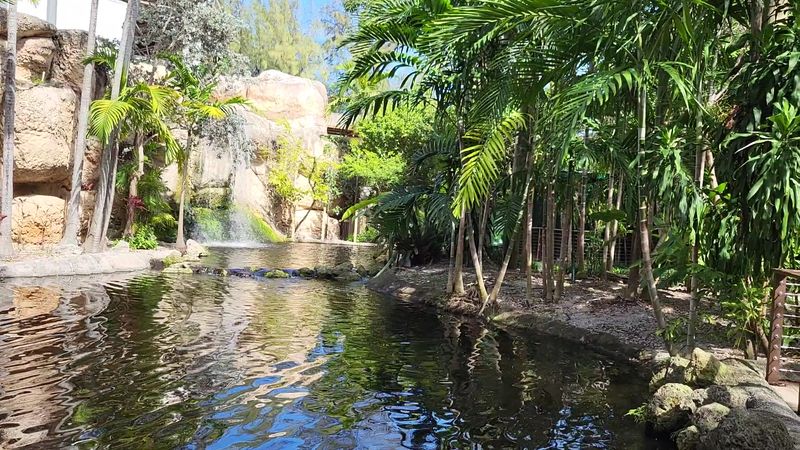
Walking into the Miami Friends of the Japanese Garden feels a bit like opening a book you did not know existed. The layout is compact but thoughtfully arranged, with winding paths that guide you past a central pond, clusters of tropical plants, and traditional stone lanterns that add an unmistakably Japanese character to the surroundings.
The visual contrast between the lush Florida vegetation and the Japanese design elements is genuinely striking.
The pond is usually the centerpiece that draws your eye first. Depending on the time of year and recent maintenance, you may spot fish gliding beneath the surface or water plants floating along the edges.
Stone pathways curve around the water, giving you different vantage points as you move through the space. Some visitors say it reminds them of miniature Japanese gardens they have seen in Kyoto or Tokyo, scaled down but no less intentional in its design.
Tall trees provide shade across much of the garden, which is a genuine blessing during Miami summers. The canopy keeps things cooler than you would expect, making even a midday visit more comfortable than a typical outdoor stop in South Florida heat.
A few benches are scattered throughout, inviting you to sit and take it all in rather than rushing through. Some reviews mention the space could use a bit more TLC in certain areas, and that is fair — but the core bones of the garden are beautiful.
When you slow down and actually look at the details, the craftsmanship behind the original design still shines through clearly.
Visiting Hours, Parking, and Getting There Without the Headache
Planning a visit here is pretty straightforward once you know the basics. The garden is open every day of the week from 9 AM to 5 PM, which gives you flexibility whether you are a morning person or more of a late-afternoon wanderer.
There are no complicated reservation systems or timed-entry windows — you simply show up and walk in.
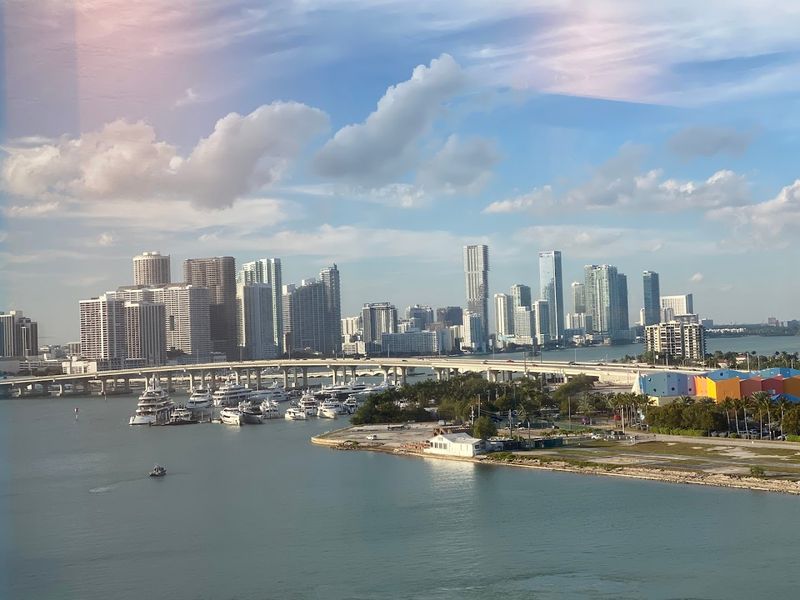
Getting there is easy since the garden sits right along the MacArthur Causeway at 1101 MacArthur Cswy, Miami Beach, FL 33139. If you are coming from downtown Miami or South Beach, you are looking at a very short drive.
The address plugs into any navigation app without issues, and the causeway location means you will have a scenic drive on the way over regardless of which direction you are coming from.
Parking is the one thing worth planning for ahead of time. There is no dedicated lot attached to the garden itself, but nearby options include the parking garage adjacent to the area and a lot across the street near the boat launch.
Expect to pay a flat fee of around fifteen dollars for parking, depending on where you leave your car. The walk from the parking area to the garden entrance is short, typically just one to five minutes on foot.
If you are using a rideshare like Uber or Lyft, drop-off and pickup can be a little tricky along the causeway, so give yourself a moment to figure out the best spot. Overall, the logistics are manageable, and the effort to get there is minimal compared to what the experience gives back.
Why Families and Little Kids Tend to Love This Spot
There is something about this garden that works surprisingly well for families with young children. The paths are relatively flat and easy to navigate, which makes it manageable for strollers and little legs that tire quickly.
Parents who have visited mention that toddlers especially enjoy the pond area, where they can spot movement in the water and take in the sights without needing to be entertained by screens or structured activities.
The compact size of the garden is actually a feature when you have kids in tow. A full loop takes somewhere between five and twenty minutes depending on how leisurely your pace is, which sits right in the sweet spot for young attention spans.
You are not committing to a two-hour ordeal — it is more like a pleasant detour that leaves everyone in a good mood rather than worn out and cranky from too much walking.
The natural environment also sparks genuine curiosity in younger visitors. Kids who spot fish in the pond, notice unusual plants, or touch the surface of a stone lantern are engaging with something real and tactile.
That kind of organic discovery is harder to find in more commercial family attractions. One reviewer noted it is a nice place to take a toddler, which lines up with the general vibe of the space.
The garden rewards families who enjoy outdoor exploration without the pressure of a packed itinerary. Bring snacks, wear comfortable shoes, and let the kids set the pace — this garden is low-stress by design and genuinely enjoyable for all ages.
The Meditative, Zen-Like Atmosphere That Keeps People Coming Back
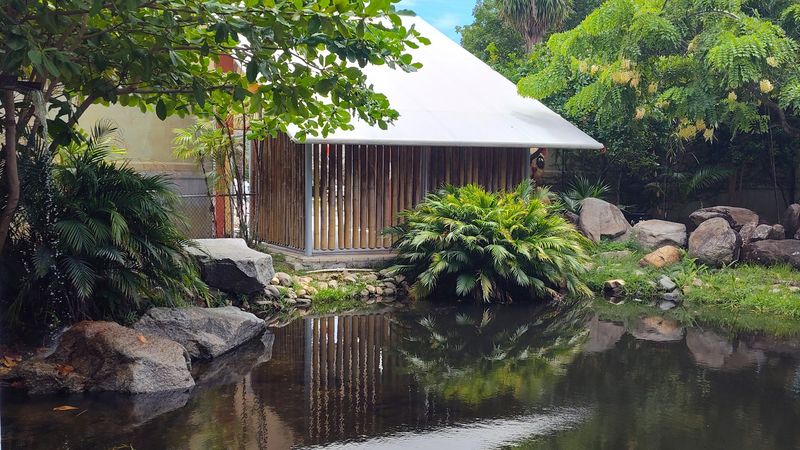
Ask almost anyone who has visited the Miami Friends of the Japanese Garden what they remember most, and the answer usually comes back to the feeling of the place rather than any single feature. There is a stillness here that feels almost intentional, as if the garden was designed specifically to slow you down.
Multiple reviews describe it as a spot for reaching zen-level calm, and that is not an exaggeration — the atmosphere genuinely delivers.
Japanese garden design has always been rooted in the idea of creating spaces that encourage reflection and presence. The Miami version carries that philosophy even in a tropical setting thousands of miles from Japan.
The combination of water, stone, shade, and greenery works together to quiet the mental chatter that tends to follow you everywhere else in a city like Miami. It is a surprisingly effective reset button for anyone who needs a break from the pace of South Beach or downtown.
One family mentioned spending meditation time in the garden on their own, which says a lot about the kind of energy the space holds. You do not need a yoga mat or a guided session to feel it — just a willingness to walk slowly and pay attention.
The garden is small enough that you never feel rushed or pressured to keep moving. Whether you visit solo with earbuds in, bring a partner for a quiet conversation, or sit on one of the benches and simply watch the light move through the trees, the garden has a way of giving you exactly what you came looking for.
That consistency is part of why it earns loyal repeat visitors.
Photography Opportunities That Are Hard to Find Anywhere Else in Miami
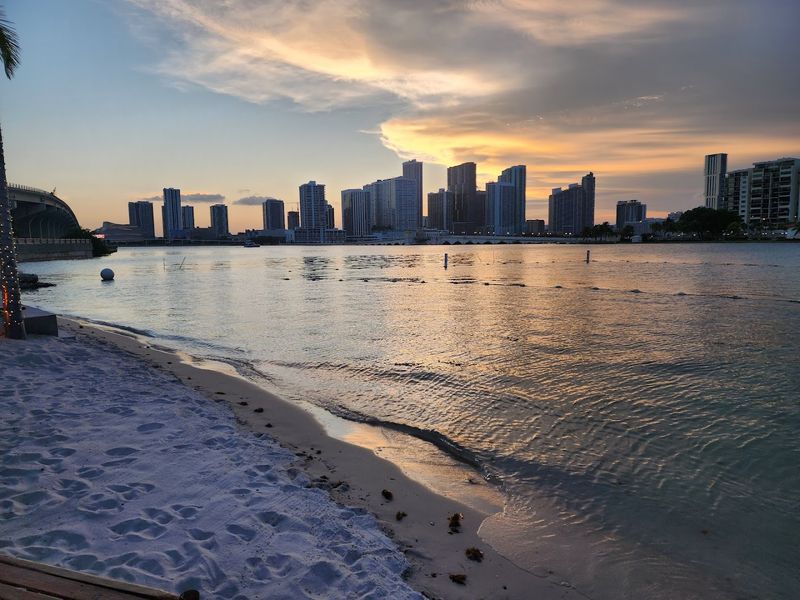
Miami is full of photogenic spots, but most of them look exactly like every other Miami photo you have already seen. The Japanese Garden breaks that pattern.
The mix of traditional Japanese design elements set against South Florida’s tropical backdrop creates a visual combination that stands out immediately in any camera roll. Stone lanterns next to palm fronds, a wooden bridge over still water, moss-covered rocks beside flowering tropical plants — the contrasts here are genuinely interesting to photograph.
Golden hour visits are especially rewarding. The low morning light filtering through the tree canopy creates a soft, dappled effect that flatters both wide landscape shots and close-up detail photography.
Late afternoon brings a warmer tone to the stone and water surfaces, which adds depth to photos without requiring any editing tricks. If you are shooting on a phone, the compact scale of the garden means you are never too far from a good frame.
Portrait photographers and content creators have quietly discovered this spot as a backdrop that looks nothing like the typical Miami Beach setting. Instead of ocean backgrounds and neon signs, you get layered greenery, textured stone, and the kind of visual serenity that is rare in an urban environment.
Weekday mornings are ideal for photography since foot traffic is minimal, giving you space to set up shots without other visitors walking into the frame. The garden does not have a formal photography policy posted, so a respectful approach and awareness of other guests is the right call.
For anyone building a Miami photo portfolio, this garden fills a gap that the beach and skyline simply cannot.
Tips for Making the Most of Your Visit to the Japanese Garden
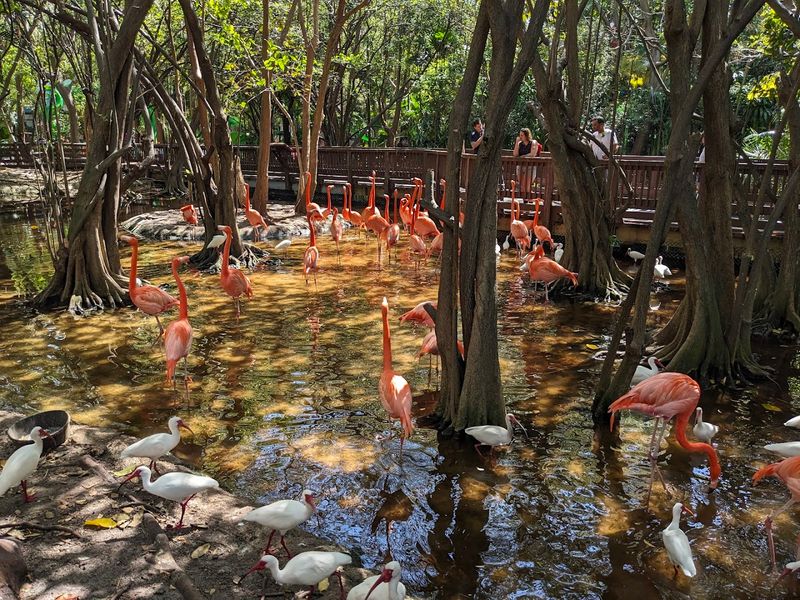
A little preparation goes a long way when visiting the Miami Friends of the Japanese Garden. The space is small, which means the experience lives or dies by how you approach it.
Rush through and you might leave feeling underwhelmed. Slow down, bring your curiosity, and the garden reveals itself in a much more satisfying way.
Think of it less like a theme park and more like a short story — brief, but worth reading carefully.
Wear comfortable walking shoes since the paths include some uneven stone surfaces. Bringing water is smart, especially during the warmer months when Miami heat can make even a short outdoor visit feel draining.
Insect repellent is a practical addition too, particularly in the late afternoon when mosquitoes tend to get more active near the pond area. Sunscreen is always a good call in Florida, even on overcast days.
Arriving close to the 9 AM opening time on a weekday gives you the best chance of having the garden mostly to yourself. The combination of early light and minimal foot traffic makes that window feel almost magical compared to a midday visit.
If you are bringing a stroller, the paths are generally manageable but not perfectly smooth, so a sturdy stroller handles the terrain better than a lightweight umbrella model. The garden does not have on-site restrooms, so plan accordingly before you arrive.
You can reach the Miami Friends of the Japanese Garden by phone at plus one 305-992-0703 or visit their website at friendsofjapanesegarden.com for any updated information before your trip. A visit here fits naturally into a half-day itinerary that includes Watson Island and the nearby waterfront.