Walk These 14 Streets and You’ll See Florida Differently
Florida is more than theme parks and beach resorts — it’s a state full of streets that tell stories, spark curiosity, and make you feel like a local the moment you start walking. From cobblestone lanes in the nation’s oldest city to breezy island drives lined with sea grapes, every block has its own personality.
These 14 streets cut through the heart of what makes Florida genuinely fascinating, and once you’ve walked them, your idea of the Sunshine State will never be the same.
1. Lincoln Road – Miami Beach
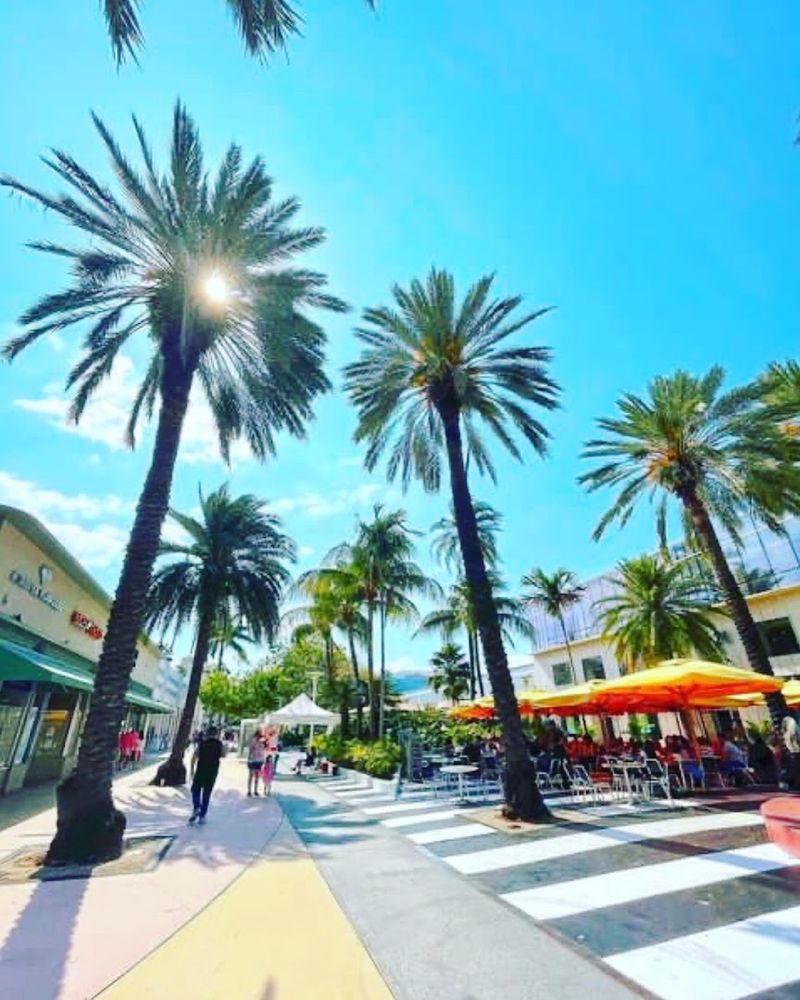
There’s something almost theatrical about Lincoln Road. You’re not just walking — you’re performing, people-watching, and getting quietly amazed all at once.
This pedestrian-only stretch in the heart of Miami Beach is one of the most energetic outdoor malls in the country, and it earns that reputation every single day.
The road itself is car-free, which means the whole street becomes yours. Restaurants spill out onto wide sidewalks, local artists set up weekend markets, and you’ll spot everyone from fashion bloggers to retirees sharing the same shaded walkway.
The mix of people is genuinely unmatched anywhere else in Florida.
Architecture nerds will enjoy the mid-century modern buildings that anchor the corridor. Designed with the influence of Morris Lapidus, the street has bones that most pedestrian strips can only dream of.
Even the lamp posts and fountains have a retro-cool vibe that feels intentional rather than forced.
Shopping here ranges from high-end boutiques to quirky local shops. You could spend an hour just browsing or settle into a sidewalk table and let the parade of life come to you.
Either way, you won’t feel rushed.
Sunday mornings bring a farmers market that draws serious crowds — and for good reason. Fresh produce, handmade goods, and street food vendors line the road, turning the whole experience into something between a block party and a cultural event.
Lincoln Road doesn’t try to be anything other than exactly what it is: bold, loud, and completely alive.
2. Clematis Street – West Palm Beach
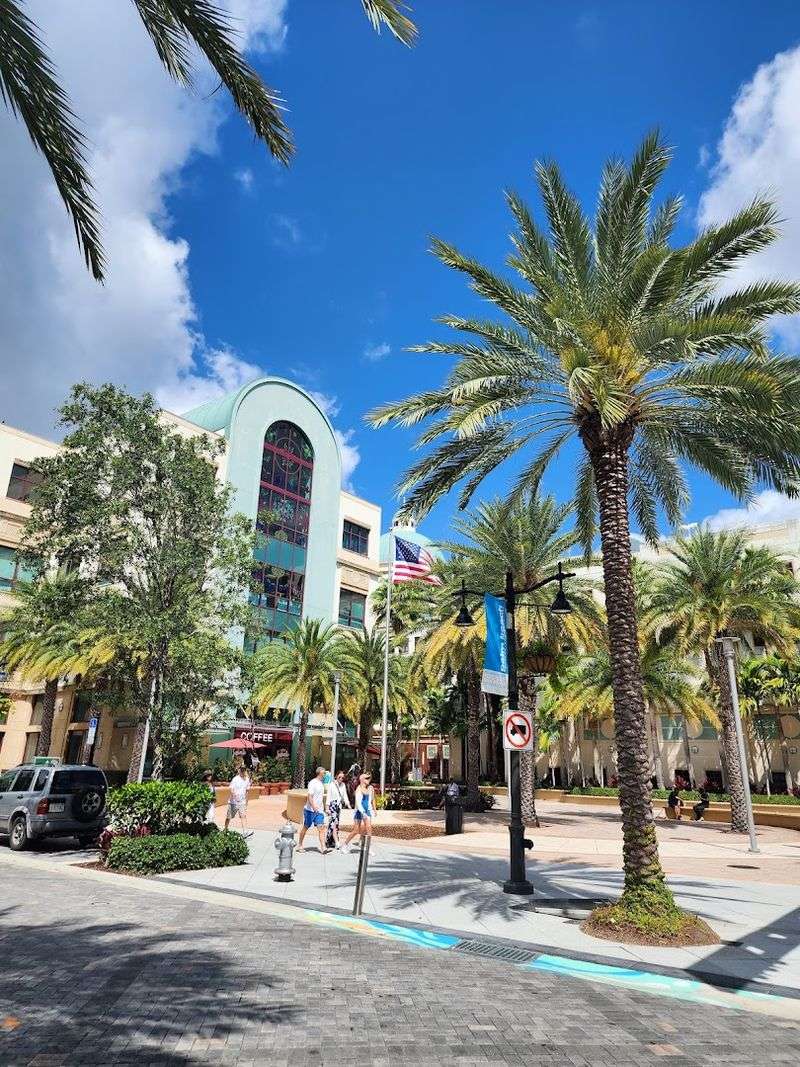
West Palm Beach has a lot going for it, but Clematis Street is where the city really shows off. Running just a few blocks from the waterfront of the Intracoastal, this downtown strip has evolved from a quiet commercial road into one of South Florida’s most enjoyable walkable streets.
The energy here hits differently in the evening when the lights come on and the restaurants fill up.
By day, Clematis is all about brunch spots, local shops, and easy wandering. There’s a relaxed confidence to the street — it’s not trying to compete with Miami’s flash or Palm Beach’s exclusivity.
It’s just a genuinely good street in a city that knows who it is.
Thursdays bring the famous Clematis by Night event, a weekly street festival that’s been running for years and remains a reliable reason to show up. Live music, food trucks, and local vendors take over the blocks, and the crowd is a refreshing mix of ages and backgrounds.
It feels less like a tourist attraction and more like a neighborhood tradition.
The stretch closest to Centennial Fountain is worth slowing down for. The plaza opens up the view, gives you room to breathe, and offers a nice contrast to the busier blocks nearby.
Kids love the fountain, adults love the benches, and everyone loves the fact that parking is surprisingly manageable for a downtown area.
Clematis Street rewards walkers who pay attention. Look up at the older building facades, peek into the side alleys, and stop into the independent shops whenever something catches your eye.
This street has real character, and it only reveals itself to people willing to slow down and actually notice.
3. St. George Street – St. Augustine
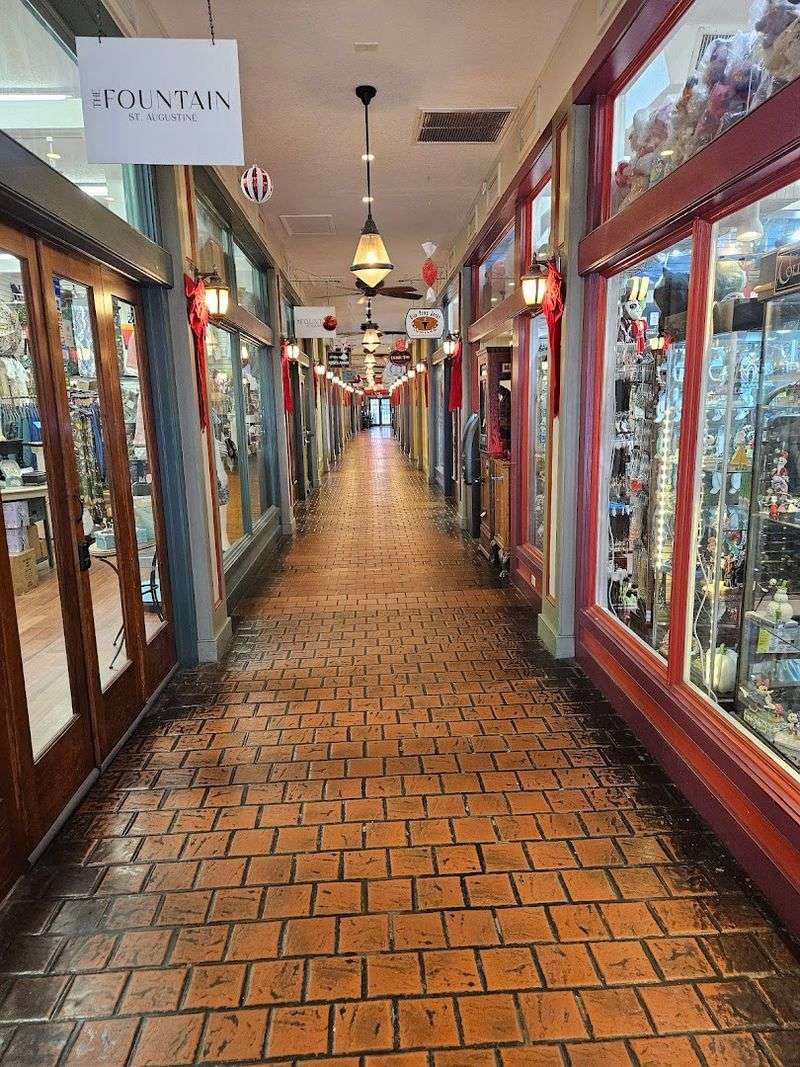
Walking St. George Street is like stepping into a living history book — except the pages smell like fresh fudge and sunscreen. Located in the heart of the nation’s oldest city, this narrow pedestrian lane stretches through St. Augustine’s historic district and packs more stories per square foot than almost any other street in Florida.
The buildings along St. George date back centuries, and many have been carefully preserved or restored to reflect their Spanish colonial roots. You’ll pass reconstructed structures from the 1700s, working artisan shops, and small museums tucked between souvenir stands.
The mix of serious history and casual tourism actually works here in a way it doesn’t everywhere else.
Street performers add a layer of unpredictability that keeps things interesting. On any given afternoon, you might hear a fiddler, watch a living statue, or stumble into a guided ghost tour assembling near one of the old gates.
St. Augustine leans hard into its haunted reputation, and St. George Street is ground zero for that spooky charm.
The food scene along the street is better than you’d expect from a tourist corridor. Local spots serve up datil pepper hot sauce, homemade ice cream, and fresh-baked goods that are worth every calorie.
Grab something and eat it while walking — that’s the only correct way to experience this street.
Evening light does something magical to the old stone walls and iron lanterns along St. George. If you can visit around sunset, the warm glow turns the whole street into something that feels almost cinematic.
It’s one of those rare places where the atmosphere does the work, and all you have to do is show up.
4. Main Street – Celebration
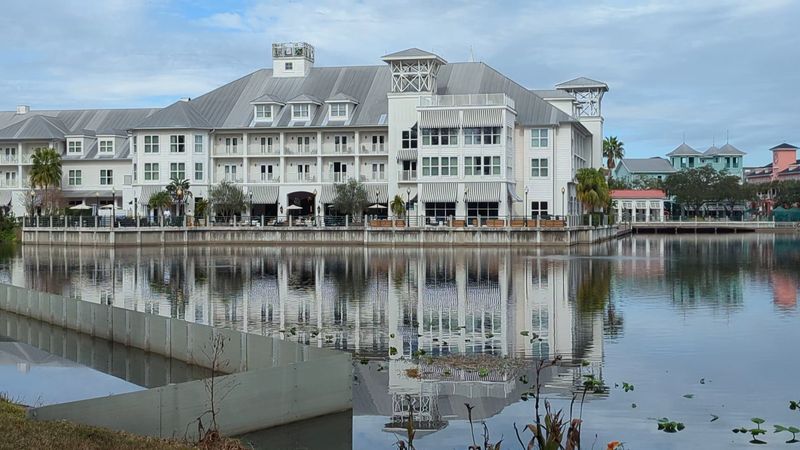
Celebration, Florida was literally designed to feel like the ideal American town — and Main Street is the centerpiece of that vision. Built in the 1990s by Disney and inspired by classic small-town aesthetics, this lakeside street manages to feel both nostalgic and surprisingly real.
You expect it to feel fake, and then you find yourself genuinely charmed.
The architecture along Main Street leans into traditional styles with front porches, pitched roofs, and wide sidewalks that encourage slow, unhurried walking. Everything is pedestrian-friendly in a way that most Florida streets — dominated by cars and strip malls — simply are not.
That alone makes it worth the visit.
The town center sits right on a lake, which gives Main Street an open, airy quality. On weekends, families gather near the water, restaurants set up outdoor seating, and the whole scene has a community-picnic kind of energy.
It’s easy to spend a couple of hours here without realizing how much time has passed.
Seasonal events make Main Street feel even more alive. During winter holidays, the town goes all-in on decorations, fake snow machines, and festive programming that draws visitors from across Central Florida.
Even in the off-season, the street maintains a calm, tidy appeal that feels like a breath of fresh air compared to nearby Orlando’s relentless stimulation.
Critics call Celebration too curated, and that’s a fair point — but there’s also something genuinely pleasant about a street built entirely around the idea of people enjoying being outside together. Whether you find it charming or a little surreal, Main Street in Celebration is an experience that sticks with you long after you’ve left.
5. Duval Street – Key West
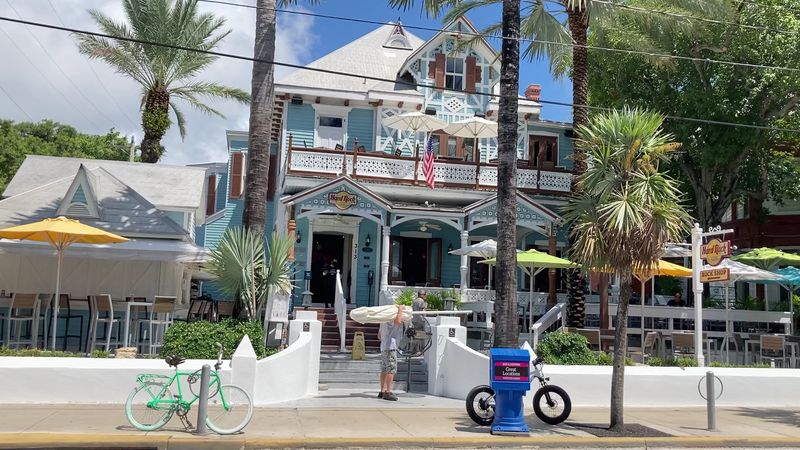
Duval Street runs from the Gulf of Mexico to the Atlantic Ocean, and that two-ocean fact alone tells you everything about Key West’s outsized personality. Locals call the full length of Duval the “Duval Crawl,” a nod to the famous bar-hopping tradition that’s made this street legendary among visitors for decades.
But Duval is more than a party strip — it’s the backbone of a genuinely weird and wonderful island city.
The architecture along Duval reflects Key West’s layered history — Bahamian-style wooden homes, Victorian-era mansions turned into guesthouses, and colorfully painted storefronts that look like they belong on a Caribbean postcard.
Walk slowly and you’ll notice architectural details that most people miss entirely because they’re too busy looking for the next bar.
Daytime Duval is a completely different experience from nighttime Duval. Morning walkers get quiet streets, fresh coffee from local cafes, and the chance to actually hear the roosters that roam freely throughout the island.
It’s one of those rare streets that genuinely transforms based on the hour you visit.
Ernest Hemingway’s former home sits just off Duval, and the Southernmost Point monument — a beloved, frequently photographed buoy — is a short walk from the street’s southern end. These landmarks give the street a cultural weight that goes beyond the nightlife scene.
Sunsets on Duval, or rather the walk to Mallory Square to watch the sunset, are a Key West ritual that no visit is complete without. The street fills with performers, artists, and spectators all moving toward the waterfront as the sky turns orange and pink.
There’s no better way to end a day of walking than that.
6. Las Olas Boulevard – Fort Lauderdale
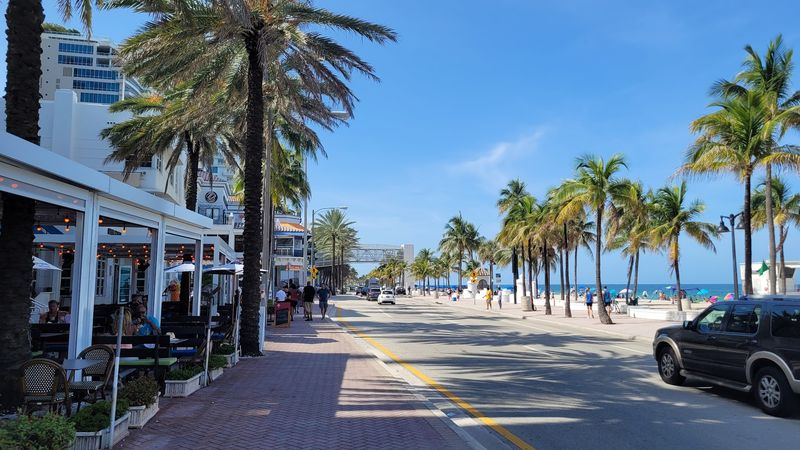
Las Olas Boulevard is where Fort Lauderdale reveals its most polished and social identity, but it does so without losing its sense of ease.
Stretching from the downtown core toward the Intracoastal Waterway, the boulevard works as both a destination and a connector, linking business, culture, and waterfront living in a way that feels natural rather than forced.
The setting plays a major role — palm-lined sidewalks, low-rise buildings, and glimpses of nearby canals give the street a distinctly coastal rhythm.
What makes Las Olas stand out is its balance. The street moves comfortably between upscale and accessible, with art galleries, independent boutiques, and long-established restaurants sitting alongside casual cafés and wine bars.
The architecture leans Mediterranean and contemporary coastal, creating a cohesive look that feels intentional without being overly curated. Nothing dominates, and that’s part of the appeal.
There’s a steady progression throughout the day. Mornings are quiet and local, with people easing into the day over coffee.
By afternoon, the sidewalks fill with shoppers and gallery visitors, and by evening, the street shifts into something more animated. Outdoor tables fill up, lights come on, and the boulevard takes on a warm, social energy that never quite tips into chaos.
Its proximity to the water adds another layer. Just a short walk away, bridges lead to neighborhoods defined by canals and docked boats, reinforcing Fort Lauderdale’s identity as a city shaped by water.
Las Olas doesn’t try to overwhelm you — it draws you in gradually, holding your attention through consistency, atmosphere, and an easy sense of place.
7. Española Way – Miami Beach
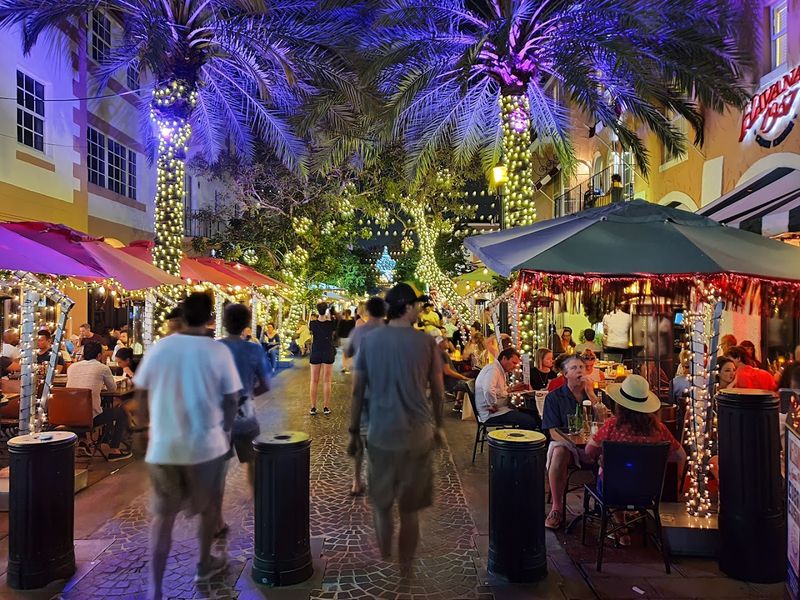
Española Way feels like a carefully constructed escape from the faster pace of Miami Beach, a place where the scale shifts and the atmosphere becomes more intimate. Tucked between larger, busier streets, this pedestrian corridor trades size for detail, offering a compact but highly stylized experience.
The Mediterranean Revival architecture sets the tone immediately, with stucco walls, arched windows, and warm earth tones that give the street a distinctly European character.
What makes Española Way memorable is how self-contained it feels. You’re not passing through on your way somewhere else — you’re stepping into a space designed to hold your attention.
Restaurants line both sides of the walkway, with tables extending outward under string lights and umbrellas, creating a layered, almost enclosed environment. The street encourages you to slow down, sit, and stay.
The atmosphere shifts noticeably as the day progresses. During the afternoon, it’s relatively calm, with a steady but unhurried flow of people.
By evening, the street becomes more animated, as lighting softens the space and outdoor dining takes over. Music, conversation, and movement blend together, but the scale keeps everything manageable and contained.
There’s a theatrical quality to Española Way that works in its favor. It doesn’t pretend to be understated — it leans into its design and its curated feel.
That intentionality makes it feel less like a typical street and more like a destination in its own right.
It may be short, but it’s dense with atmosphere, and that concentration is exactly what makes it stand out.
8. Gulf Drive – Anna Maria Island
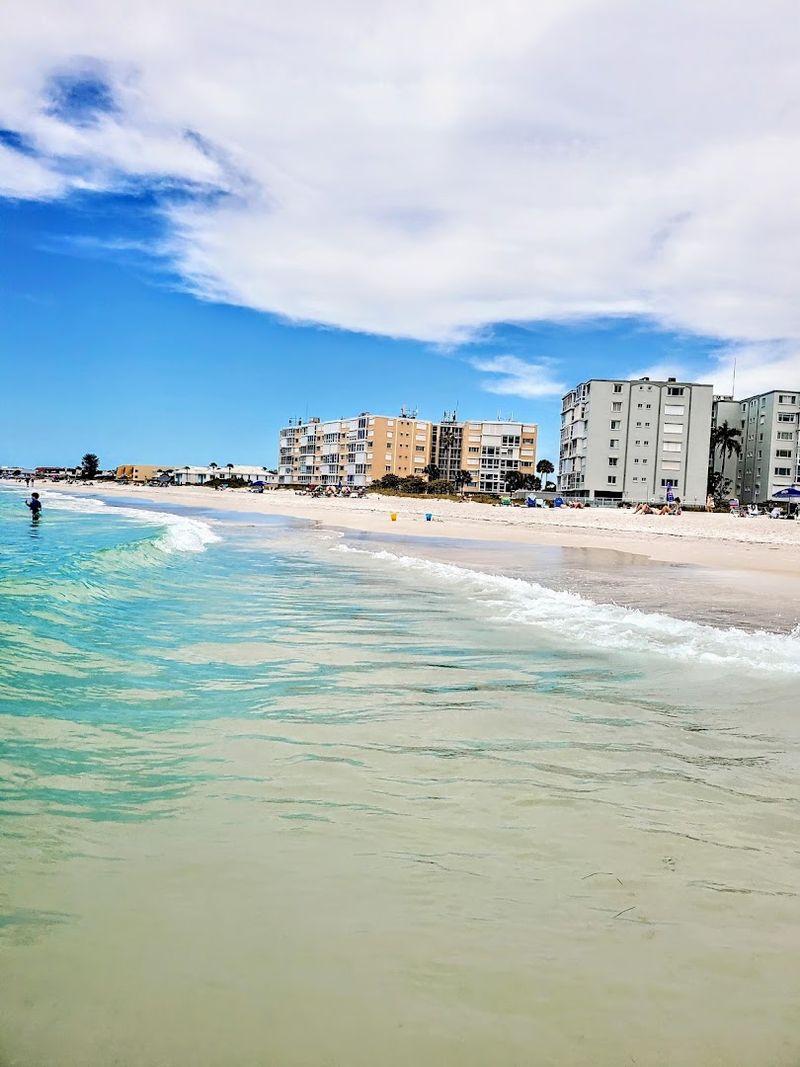
Gulf Drive captures a version of Florida that feels increasingly difficult to find — one that hasn’t been overtaken by scale or overdevelopment. Running along Anna Maria Island, the road stays close to the shoreline, offering frequent, often unobstructed views of the Gulf.
It doesn’t announce itself as a destination in the traditional sense, but that understated quality is exactly what defines it.
The street itself is simple, almost deliberately so. Low-rise homes, small inns, and locally owned cafés line the road, with architecture that reflects decades of gradual change rather than a single, cohesive plan.
You’ll see pastel cottages, weathered wood facades, and newer builds mixed together without much concern for uniformity. That lack of polish gives the area authenticity.
What sets Gulf Drive apart is its relationship to the beach. Access points appear regularly, often marked by little more than a narrow path through sea oats and dunes.
The transition from road to shoreline is immediate and unceremonious, reinforcing the idea that the Gulf is the main attraction, not the street itself.
Life here moves at a noticeably slower pace. People walk or bike more than they drive, and the rhythm of the day is shaped by the water — morning swims, midday breaks from the heat, and evenings built around sunsets.
Traffic exists, but it rarely defines the experience.
Gulf Drive doesn’t try to impress through design or density. Instead, it offers something quieter: space, simplicity, and a sense that not everything has been optimized.
It’s a reminder of how Florida used to feel — and in some places, still does.
9. Park Avenue – Winter Park
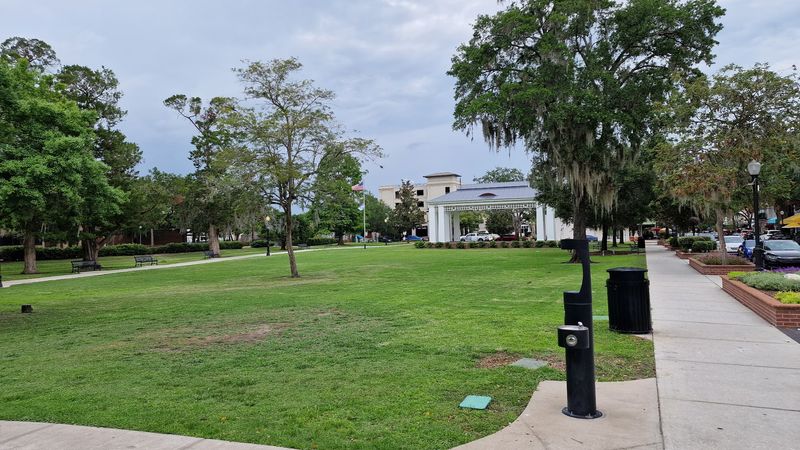
Park Avenue stands out not because it demands attention, but because everything about it works so consistently well. Running alongside Central Park in Winter Park, the street benefits from a layout that feels both intentional and effortless.
The park acts as a natural counterbalance, opening up the space and preventing the avenue from ever feeling crowded or closed in.
The architecture is low-rise and cohesive, with brick facades, shaded sidewalks, and storefronts that feel scaled to the pedestrian. Shops, restaurants, and cafés line the avenue, but nothing feels excessive.
The mix is curated, yet it avoids the stiffness that often comes with that level of planning. It’s polished, but still comfortable.
What defines Park Avenue is how people use it. The presence of Central Park changes the rhythm entirely.
Instead of moving quickly from one destination to another, people drift between the street and the green space — sitting under trees, crossing back for a meal or a shop, then returning again. That movement creates a slower, more relaxed pace that feels intentional rather than incidental.
There’s also a cultural dimension that adds depth. The Morse Museum, known for its Tiffany glass collection, sits just off the avenue, while Rollins College brings a steady academic presence.
Seasonal events, outdoor markets, and small festivals activate the space without overwhelming it.
Park Avenue doesn’t rely on spectacle or trendiness. Its appeal is rooted in proportion, shade, and consistency — the kind of place that feels just as good on a quiet weekday morning as it does during a busy weekend afternoon.
10. Ocean Drive – Miami Beach
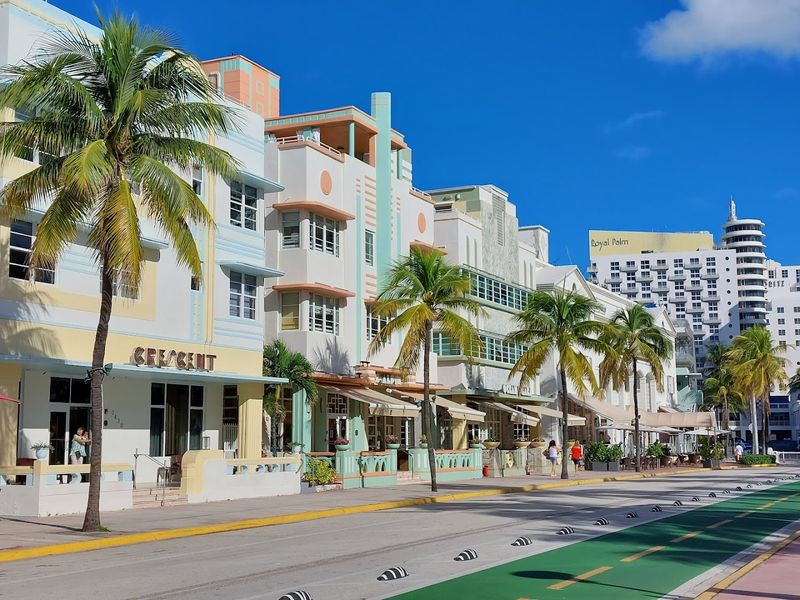
Ocean Drive is one of the most recognizable streets in Florida, and much of that recognition comes from how clearly it defines itself. Running parallel to the beach, the street is lined with preserved Art Deco buildings — pastel facades, rounded corners, and neon accents that date back to the early 20th century.
It’s one of the most concentrated examples of this architectural style anywhere in the country, and it gives the entire strip a strong visual identity.
But Ocean Drive isn’t just about how it looks — it’s about how it feels. The street is almost always active, with restaurants, bars, and hotels filling the ground level and outdoor seating extending onto the sidewalks.
Music, conversation, and movement blend into a constant background rhythm that rarely fades, even during quieter hours.
Across the street, Lummus Park creates a buffer between the road and the ocean, with palm trees, walking paths, and open green space leading to the beach. That separation allows the street to stay energetic without feeling completely enclosed, offering moments of openness within an otherwise dense environment.
There’s an unmistakable theatrical quality to Ocean Drive. Classic cars pass by, lighting shifts dramatically from day to night, and the entire street leans into its image.
It can feel overwhelming, especially at peak hours, but that intensity is part of what defines it.
Ocean Drive doesn’t aim for subtlety or restraint. It’s built on visibility, nostalgia, and constant motion — a place where the setting, the architecture, and the energy all work together to create something instantly recognizable and difficult to ignore.
11. Worth Avenue – Palm Beach
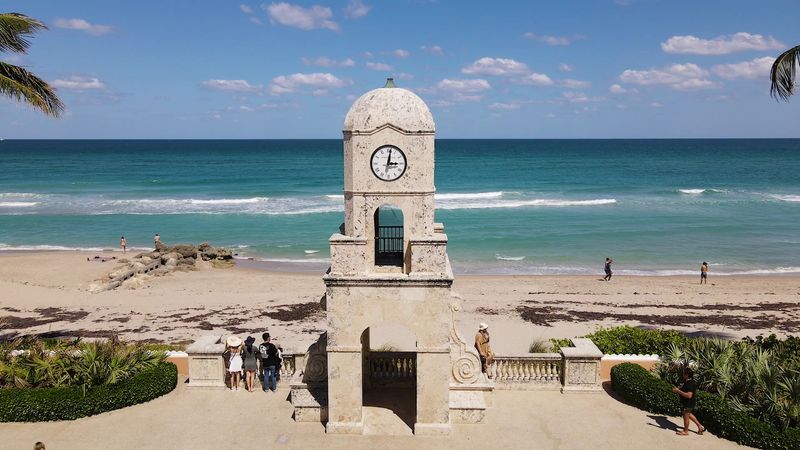
Worth Avenue doesn’t just set the bar for luxury shopping in Florida — it practically invented it. This four-block stretch in Palm Beach has been synonymous with elegance since the 1920s, and walking it today still carries that same sense of occasion.
The street is immaculate, the landscaping is lush, and the storefronts represent some of the most recognizable names in fashion, jewelry, and design.
What separates Worth Avenue from other upscale shopping corridors is the architecture. Designed largely by Addison Mizner, the street features Mediterranean Revival buildings with hidden courtyards, bubbling fountains, and bougainvillea-draped staircases that branch off from the main avenue into small, shaded vias.
These side passages are some of the most beautiful and overlooked spots in all of South Florida, offering quiet moments away from the main flow.
Even if high-end retail isn’t your focus, the street rewards curiosity. Art galleries display museum-quality work, antique dealers stock pieces with real provenance, and a handful of smaller cafés provide a more intimate alternative to the larger restaurants.
There’s a depth here that reveals itself slowly, one turn at a time.
Worth Avenue also carries cultural weight. It has appeared in films, fashion editorials, and travel publications for decades, reinforcing its reputation as a visual and social landmark.
Seasonal events, including art festivals, bring additional life to the street without disrupting its character.
The pace is deliberately slow. People stroll rather than rush, and even window shopping feels like an experience.
The avenue ends at a public beach access point, where many walks naturally conclude — a quiet reminder that beyond all the refinement, the ocean remains the main attraction.
12. Seaside Avenue (Central Square) – Seaside
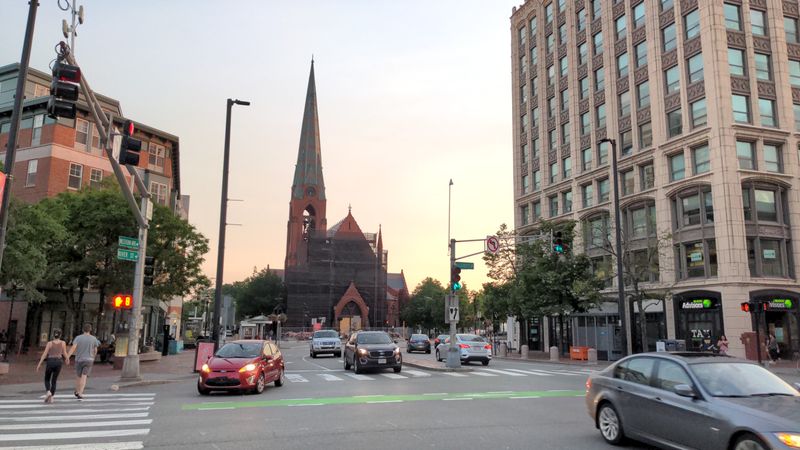
Seaside Avenue is the kind of place that makes you feel like you’ve stepped into a carefully composed scene, and nowhere is that more apparent than where it meets the town’s central square.
Designed in the early 1980s as a model of New Urbanist planning, Seaside prioritizes walkability, proportion, and visual harmony — and this street captures all of those ideas in a single, continuous experience.
The central square acts as the focal point, framed by open-air pavilions, small shops, and clear sightlines that lead directly to the Gulf of Mexico. Food vendors, artisan stalls, and local businesses fill the space, creating an environment that encourages browsing without pressure.
It’s active, but never rushed, and people tend to linger longer than they expect.
The surrounding architecture reinforces the town’s identity. Victorian-inspired homes in soft, coastal colors line nearby streets, with wide porches and clean detailing that feel nostalgic without tipping into imitation.
Walking here feels less like moving through a neighborhood and more like exploring a thoughtfully designed exhibit, where every angle has been considered.
Seaside Avenue itself serves as the transition point between this structured environment and the natural landscape beyond. As you move toward the beach, the built elements gradually give way to dunes, sea oats, and open sky.
The shift is smooth and intentional, creating a sense of progression that feels almost cinematic.
By the time you reach the shoreline, the purpose of the design becomes clear. The town doesn’t compete with the coast — it leads you to it.
Seaside Avenue is that connection, simple in form but precise in execution, tying together architecture, community, and landscape in a way that feels both deliberate and effortless.
13. 5th Avenue South – Naples
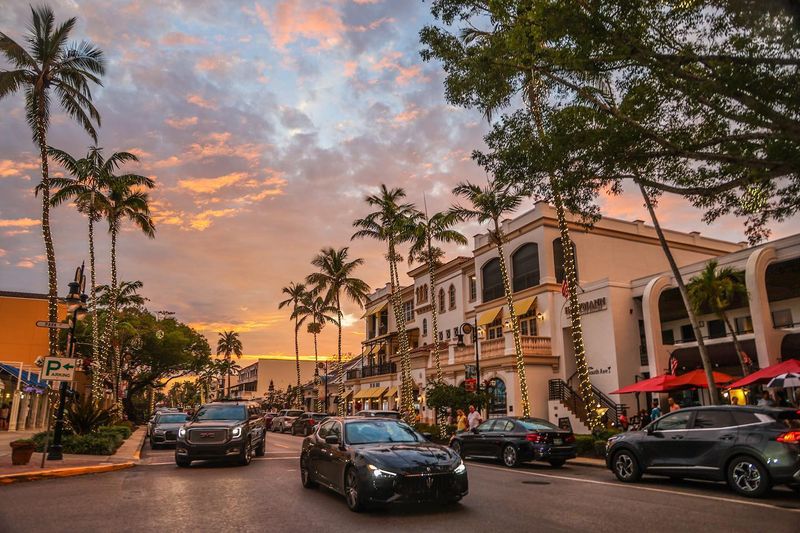
5th Avenue South defines downtown Naples with a level of polish that feels consistent from one end of the street to the other. Running west toward the Gulf, the avenue is lined with palm trees, low-rise buildings, and a mix of dining, retail, and cultural spaces that create a cohesive, walkable environment.
It’s refined, but never unwelcoming.
What sets 5th Avenue apart is its balance. Upscale restaurants and galleries share space with more casual cafés and long-standing local businesses, creating a mix that feels layered rather than exclusive.
The architecture draws from Mediterranean and coastal influences, giving the street a warm, unified look that fits naturally with the surrounding environment.
There’s a steady rhythm to the avenue that builds gradually. Mornings are quieter, with people easing into the day over coffee or a walk.
By afternoon, the sidewalks fill with shoppers and visitors, and by evening, the street takes on a more social atmosphere. Outdoor dining becomes the focus, and the entire avenue softens into a kind of ambient glow.
Cultural elements are integrated rather than separate. The Sugden Community Theatre anchors one end of the street, while seasonal events and art shows bring additional activity without overwhelming the space.
It’s active, but controlled.
As you move west, the presence of the Gulf becomes more noticeable. The air shifts, the light changes, and the street gradually gives way to the coastline.
Like many of Florida’s best streets, 5th Avenue South doesn’t try to compete with the ocean — it leads you toward it, making the journey just as important as the destination.
14. Atlantic Avenue – Delray Beach
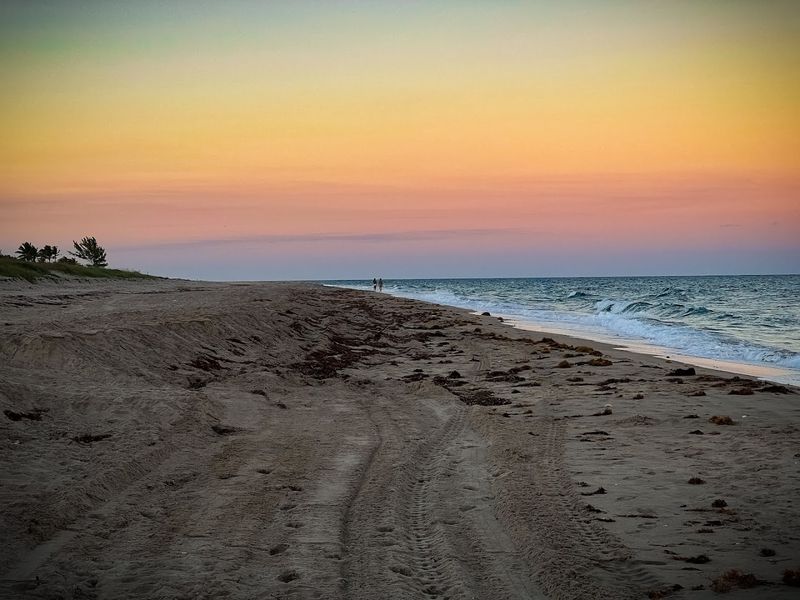
Atlantic Avenue is the central artery of Delray Beach, a street that combines energy, accessibility, and a strong sense of place. Stretching from the Intracoastal Waterway to the Atlantic Ocean, it connects multiple layers of the city — residential, commercial, and coastal — into a single, continuous experience.
What makes Atlantic Avenue stand out is how open it feels. The architecture is varied, blending older Florida elements with newer coastal designs, and the storefronts reflect that same mix.
Restaurants, bars, boutiques, and galleries line the street, but the overall atmosphere remains approachable rather than overly curated.
There’s a clear progression throughout the day. Mornings are relaxed, with coffee shops and brunch spots setting a slower pace.
By late afternoon, the street begins to fill, and by evening, it becomes one of the most active areas in South Florida. Outdoor dining expands onto the sidewalks, music drifts through open doors, and the entire avenue takes on a steady, social rhythm.
Despite its popularity, the street maintains a sense of balance. It’s lively, but rarely chaotic, and there’s enough space to move without feeling crowded.
Public art, murals, and small galleries add texture, giving the avenue more depth than its nightlife alone might suggest.
As the street approaches the ocean, the energy gradually softens. The final stretch opens up to the beach, where the built environment gives way to sand and water.
It’s a natural transition that anchors the entire experience, reminding you that no matter how active the street becomes, the coastline is always at its core.