Walk Through Centuries of History at This Old Wooden Schoolhouse in St. Augustine
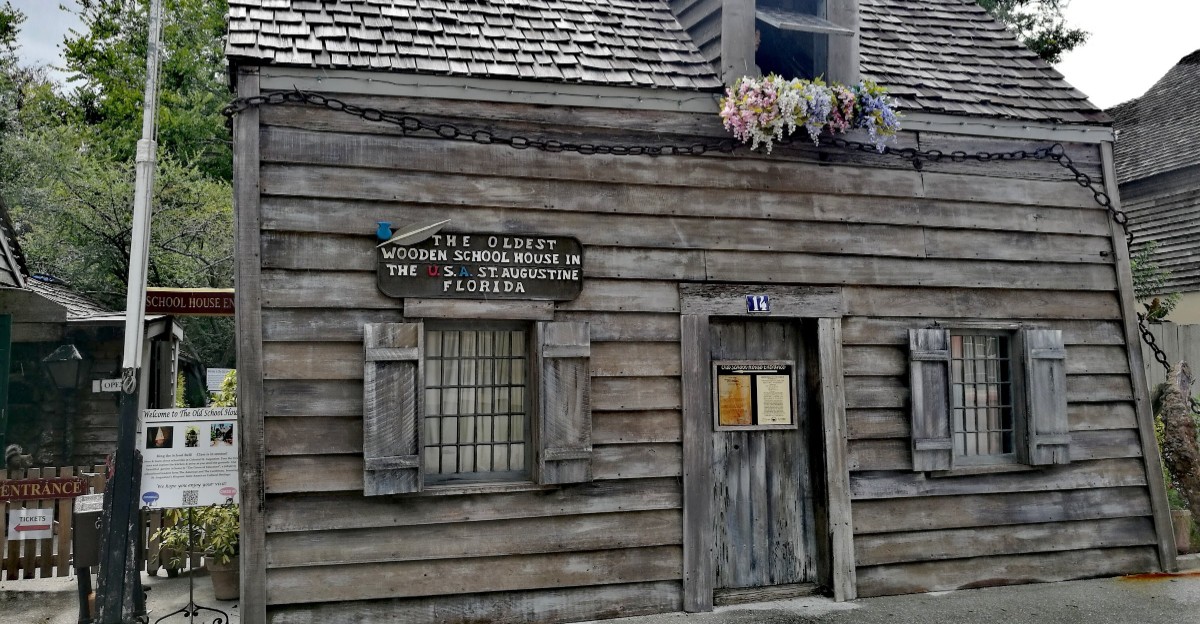
St. George Street in St. Augustine isn’t just another tourist spot. It’s a living timeline where cobblestone meets centuries-old stories, and one of its most charming landmarks is the Old Wooden Schoolhouse. Built in the 1700s, this quirky little building stands as one of America’s oldest wooden school structures, and walking through it feels like stepping into a time machine.
Whether you’re a history buff or just looking for something cool to explore, this street and its famous schoolhouse offer an experience you won’t forget.
1. The Schoolhouse That Survived Hurricanes and History
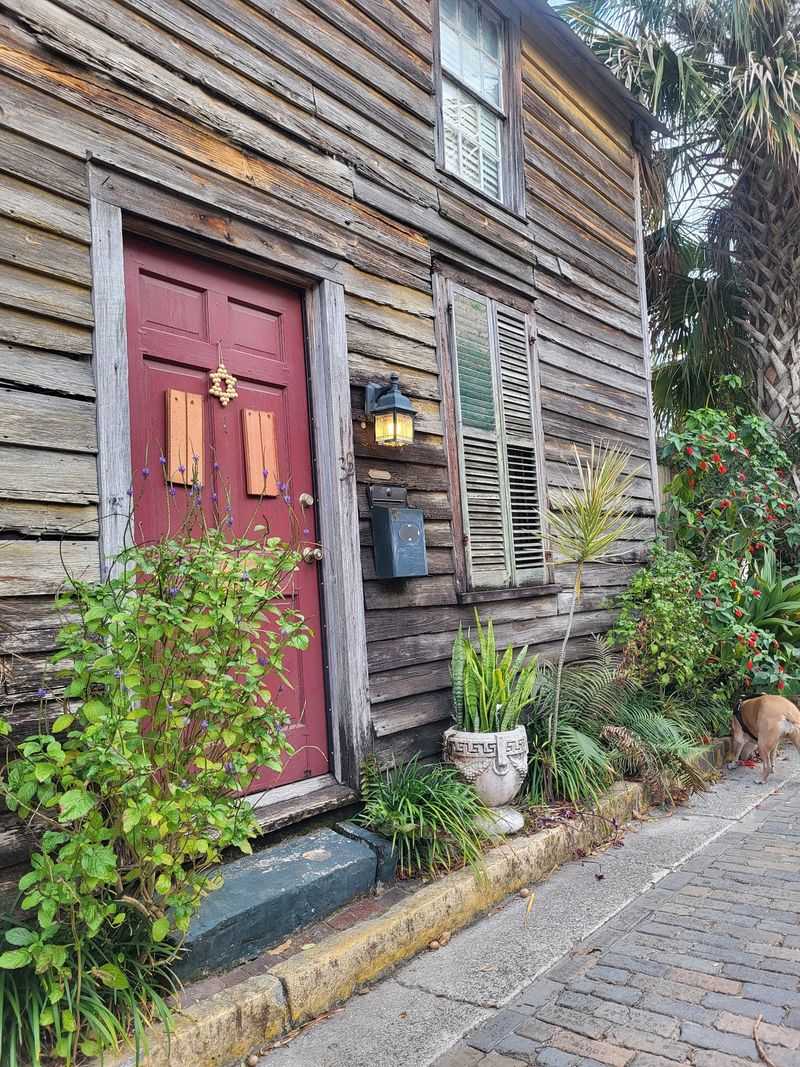
Picture a building made entirely of red cedar and cypress, held together with wooden pegs and handmade nails. That’s the Old Wooden Schoolhouse, and it’s been standing strong since before the American Revolution. Hurricanes, fires, and wars have swept through St. Augustine, but this little structure has outlasted them all.
Walking up to it, you’ll notice the crooked walls and uneven roofline. That’s not bad construction, it’s just what happens when wood settles for over 200 years. The building leans slightly, giving it character that no modern replica could ever match.
Inside, animatronic figures of a schoolmaster and students bring the past to life. You’ll hear lessons being taught in old-fashioned English, complete with strict rules about behavior. Kids back then didn’t have smartphones to distract them, just slates and chalk.
The schoolhouse also features a creepy dungeon-like detention area where misbehaving students were sent. It’s dark, cramped, and honestly a little spooky. Makes you grateful for modern classrooms, right?
Don’t miss the upstairs living quarters where the schoolmaster’s family actually lived. The rooms are tiny by today’s standards, but they’re packed with authentic period furniture and household items that show how people really lived back then.
2. St. George Street’s Pedestrian-Only Charm
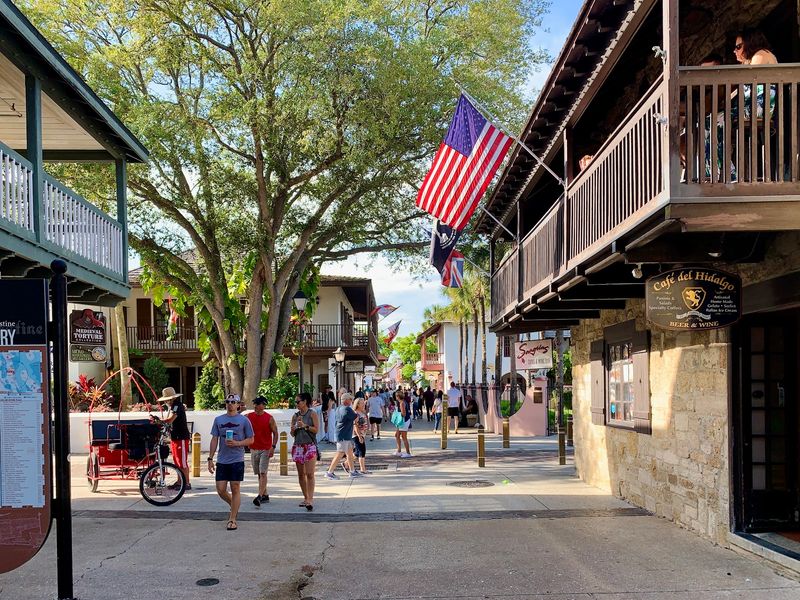
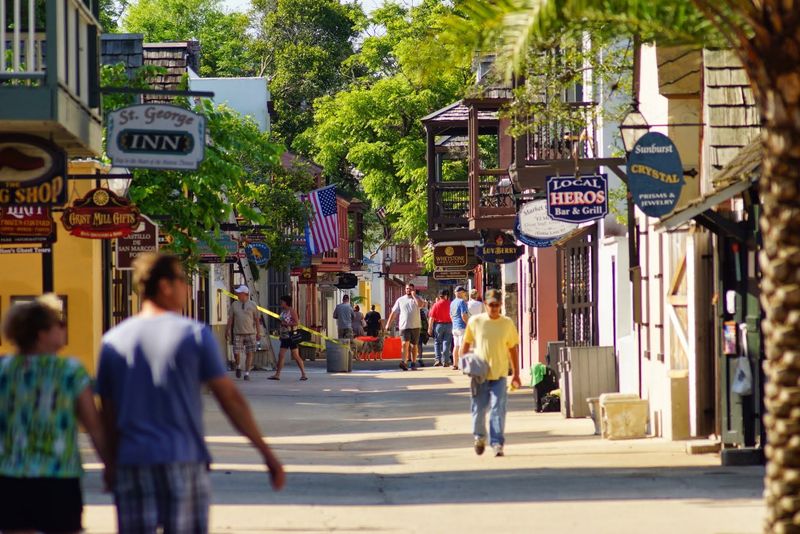
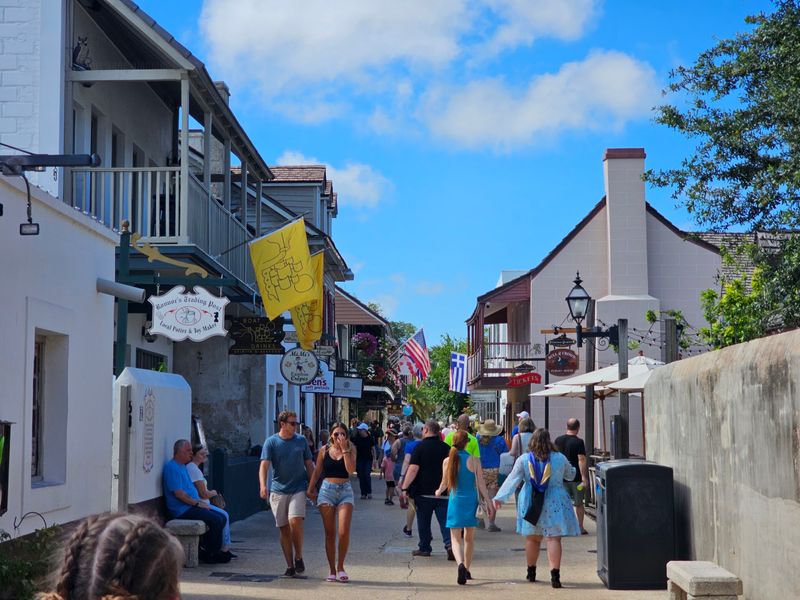
No cars honking, no exhaust fumes, just pure walking freedom. St. George Street is completely pedestrian-only for several blocks, making it one of the most relaxing places to explore in Florida. You can wander at your own pace without worrying about traffic or finding crosswalks.
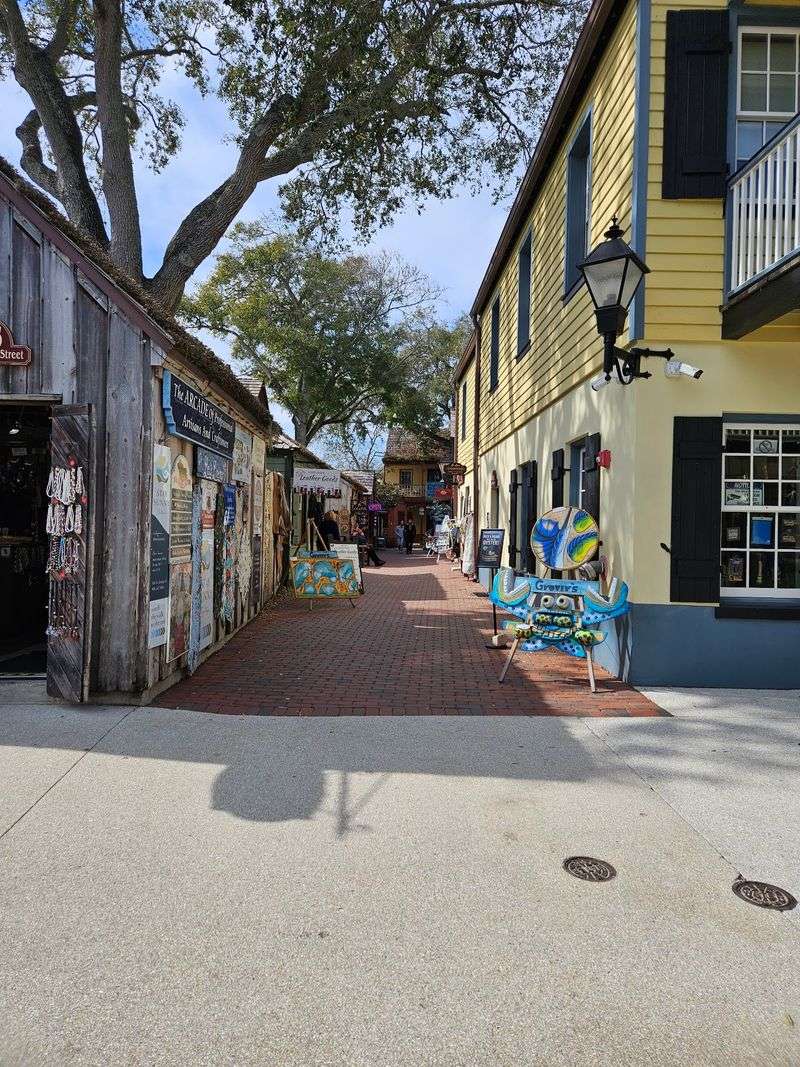
The brick-paved street stretches through the heart of St. Augustine’s historic district. On both sides, colorful buildings from different eras create a visual timeline of architectural styles. Some date back to Spanish colonial times, while others are from the British period or early American days.
Street performers pop up throughout the day, adding live music and entertainment to your stroll. You might catch a guitarist playing blues, a magician doing card tricks, or even someone dressed in full pirate costume. It’s all part of the street’s lively atmosphere.
The walkability factor is huge here. Everything connects naturally, so you can easily spend hours exploring without realizing how much ground you’ve covered. Benches and shaded spots offer perfect rest stops when your feet need a break.
Evening transforms the street completely. Lights twinkle from restaurant patios, bars buzz with energy, and the whole area takes on a magical quality. The pedestrian-only setup means you can safely enjoy the nightlife without dodging cars or rushing across intersections.
3. Historic Buildings That Tell American Stories
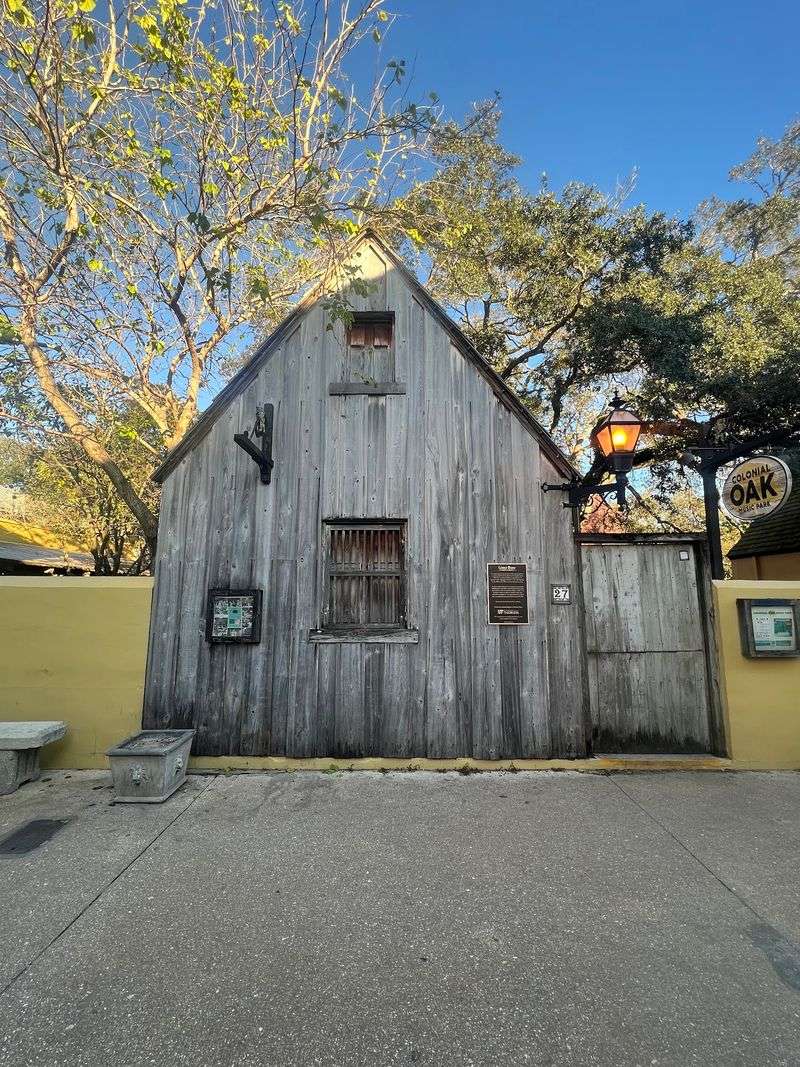
Every building on St. George Street has a story, and some of them are absolutely wild. You’re looking at structures that witnessed the birth of America, survived multiple wars, and changed hands between Spanish, British, and American rulers. That’s not something you see in most cities.
The Spanish colonial architecture dominates certain sections, with thick coquina stone walls designed to withstand cannonballs. These buildings feature small windows, overhanging balconies, and interior courtyards that kept residents cool before air conditioning existed. Touch the walls and you’re literally touching crushed seashells compressed into stone centuries ago.
British-period buildings show different characteristics, with larger windows, symmetrical designs, and Georgian influences. When Britain briefly controlled Florida in the 1700s, they left their architectural mark. You can spot these buildings by their more refined, formal appearance compared to the rougher Spanish structures.
Some buildings now house museums, galleries, or shops, but their bones remain authentic. Original floor joists, hand-hewn beams, and antique hardware are still visible if you look closely. Many shopkeepers will happily share their building’s history if you ask.
The preservation efforts here are impressive. St. Augustine takes its historic buildings seriously, with strict regulations ensuring that renovations maintain period-appropriate appearances. It’s why the street still feels genuinely old rather than like a theme park recreation.
4. Shopping That Mixes History with Unique Finds
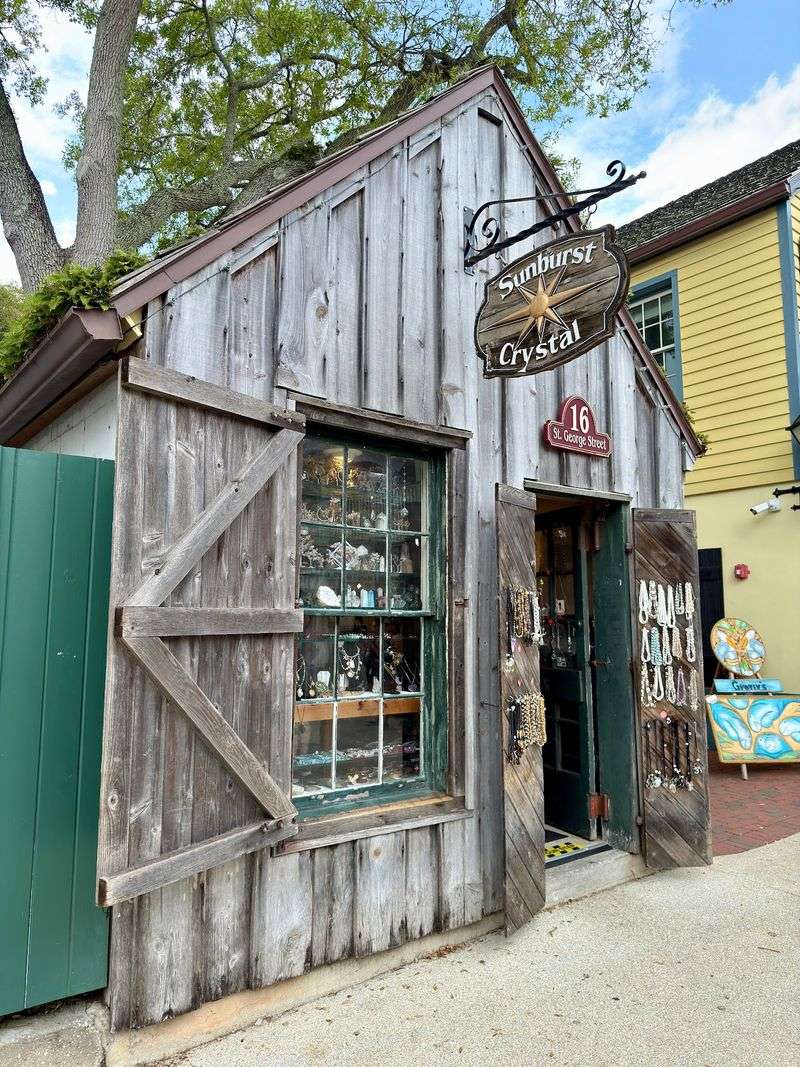
Forget generic mall stores. St. George Street’s shops offer stuff you won’t find anywhere else, tucked inside buildings that are attractions themselves. From handmade jewelry to vintage maps, the variety keeps things interesting for even the pickiest shoppers.
Local artisan shops showcase Florida-made crafts, pottery, and artwork. You’ll find hand-poured candles scented like orange blossoms, paintings of St. Augustine landmarks, and jewelry made from local materials. Supporting these small businesses means taking home something with actual meaning and uniqueness.
Souvenir shops are plentiful, sure, but they’re not all tacky tourist traps. Some offer high-quality historical reproductions, antique-style home decor, and educational books about St. Augustine’s past. You can grab a silly t-shirt or invest in a beautiful piece of colonial-era reproduction furniture.
Specialty stores cater to specific interests. There’s a shop dedicated entirely to hot sauces, another focused on old-fashioned candy, and one selling nothing but pirate-themed merchandise. These niche stores make browsing fun even if you’re not planning to buy anything.
The outdoor displays add to the experience. Many shops set up colorful merchandise outside their doors, creating an open-air market vibe. You can browse while enjoying the street’s atmosphere, and shopkeepers often chat with passersby, sharing recommendations about other places to visit nearby.
5. Restaurants Serving History with Every Meal
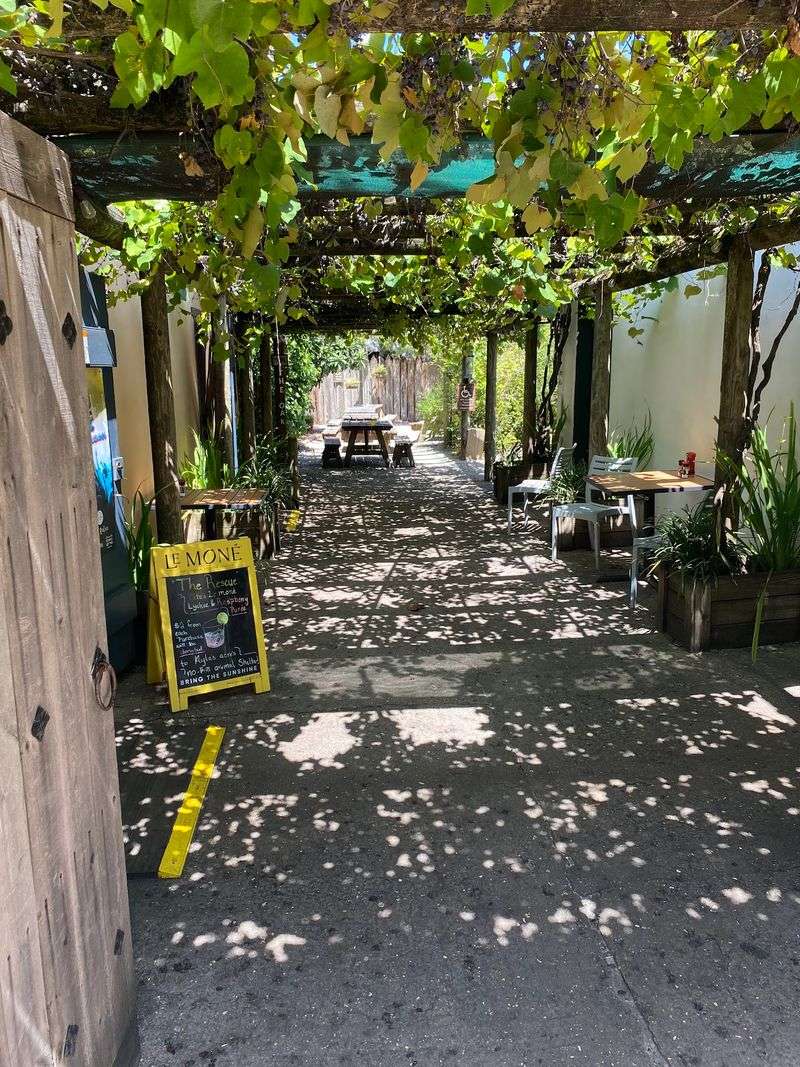
Eating on St. George Street means dining in buildings older than the United States itself. Many restaurants occupy structures with centuries of history, and some even incorporate original architectural elements into their dining rooms. Your meal comes with a side of authentic atmosphere that chain restaurants could never replicate.
The variety spans from casual cafes to upscale dining experiences. You can grab a quick sandwich at a sidewalk cafe, enjoy fresh seafood in a garden courtyard, or splurge on a multi-course dinner in a candlelit colonial-era dining room. Whatever your budget or mood, there’s something that fits.
Outdoor seating is everywhere, especially in hidden courtyards behind the street-facing buildings. These secret garden spaces offer peaceful dining away from the main pedestrian flow. Brick walls covered in flowering vines, fountains trickling in the background, and shade from ancient oak trees create magical settings for meals.
Local flavors dominate many menus. Fresh Gulf seafood, Florida citrus, and Southern-inspired dishes reflect the region’s culinary traditions. Some restaurants even serve recipes inspired by historical St. Augustine, giving you a literal taste of the past.
The live music factor enhances many dining experiences. Bars and restaurants frequently feature acoustic performers, creating a soundtrack for your meal. On weekend evenings, the whole street pulses with music spilling out from various venues, making dinner feel like part of a larger celebration.
6. The Cathedral Basilica That Anchors the Street
At the northern end of St. George Street stands the Cathedral Basilica of St. Augustine, and it’s impossible to miss. The white facade and towering bell tower have dominated this corner since 1797, though a church has occupied this spot since the 1500s. That makes it the oldest parish in the United States.
Step inside and the temperature drops immediately, thanks to thick stone walls that naturally cool the interior. Sunlight filters through stained glass windows, casting colorful patterns across the pews. The peaceful atmosphere offers a quiet contrast to the bustling street outside.
The cathedral’s history involves multiple destructions and rebuildings. Fire destroyed earlier versions, pirates attacked it, and hurricanes battered it. Each time, the community rebuilt, creating the structure you see today.
That resilience reflects St. Augustine’s entire story.
Free admission makes it accessible to everyone, though donations are welcomed. You can attend mass if you’re interested, or simply explore as a visitor. The cathedral staff and volunteers are usually happy to answer questions about the building’s history and significance.
Don’t skip the small museum attached to the cathedral. It houses religious artifacts, historical documents, and items from the church’s centuries-long past. The collection isn’t huge, but it’s thoughtfully curated and adds context to what you’re seeing in the main sanctuary.
7. Street Performers and Living History Characters
History comes alive literally on St. George Street. Costumed interpreters wander around dressed as Spanish soldiers, colonial ladies, or notorious pirates, ready to pose for photos or share historical facts. Some are official tour guides, others are independent performers, but all add theatrical flair to your visit.
Musicians set up at various spots along the street, creating an ever-changing soundtrack. You might hear classical guitar near the cathedral, bluesy harmonica outside a bar, or even a full jazz trio in a courtyard. The quality varies, but the live music atmosphere beats canned speakers any day.
Magicians and variety performers work the crowds too, especially during peak tourist seasons. Card tricks, juggling acts, and comedy routines pop up randomly, turning ordinary walks into unexpected entertainment. Kids especially love these spontaneous shows.
The performers understand their role in the street’s overall vibe. They’re not aggressive or pushy about tips, they simply add to the festive atmosphere. If you enjoy a performance, tossing a few dollars into their hat or case is appreciated but never demanded.
Interacting with the historical characters offers educational value beyond entertainment. Many are genuinely knowledgeable about St. Augustine’s past and can answer questions about daily life in different historical periods. It’s like having mini history lessons scattered throughout your walk, delivered by people who make the past feel accessible and fun.
8. The Pirate and Treasure Museum Experience
Arrr, matey! The Pirate and Treasure Museum sits right on St. George Street, and it’s way cooler than you’d expect from a pirate-themed attraction. This isn’t some cheesy gift shop with plastic swords.
It houses one of the world’s largest collections of authentic pirate artifacts and treasures.
Real treasure chests, actual pirate weapons, and historical documents fill the exhibits. You’ll see items recovered from famous shipwrecks, including pieces from Blackbeard’s Queen Anne’s Revenge. The museum’s collection includes the only authenticated pirate chest in existence, which is pretty mind-blowing when you think about it.
Interactive elements keep things engaging for all ages. You can hoist pirate flags, navigate by the stars, and learn how pirates actually lived versus Hollywood’s romanticized versions. Turns out, pirate life was mostly brutal, short, and nothing like Johnny Depp made it look.
The museum’s location makes it a perfect St. George Street stop. You can easily pop in during your walk, spend an hour exploring, then continue browsing shops and restaurants. It flows naturally into the day’s activities without requiring a separate trip.
Staff members dressed as pirates guide tours and answer questions with enthusiasm that’s contagious. They know their pirate history thoroughly and share stories that bring the exhibits to life. Educational and entertaining rarely combine this well, making it worthwhile for both kids and adults.