More Than 700 Merchants Fill This Sprawling Florida Flea Market
Bradenton’s Red Barn Flea Market isn’t your average weekend shopping spot. With over 700 vendors spread across indoor air-conditioned spaces and outdoor pavilions, this sprawling marketplace has been a Gulf Coast treasure for decades. From farm-fresh produce and exotic pets to handmade leather goods and vintage finds, every weekend brings a new adventure for bargain hunters and curious explorers alike.
Fresh Produce That Rivals Any Farmers Market
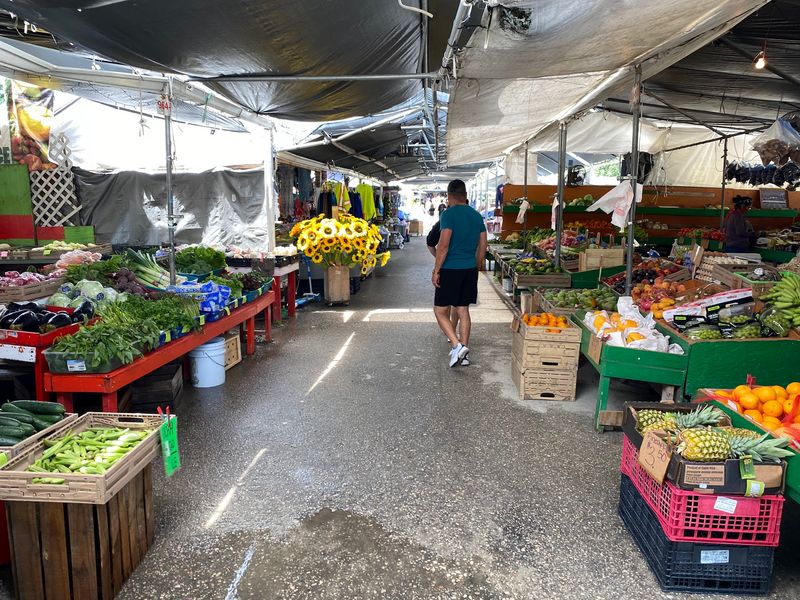
Walking through Red Barn’s outdoor sections on a Friday morning feels like stepping into Florida’s backyard garden. Local farmers set up stands bursting with just-picked tomatoes, crisp bell peppers, and citrus so fresh you can smell it from ten feet away. The produce here isn’t just good, it’s the kind that makes Illinois visitors jealous, according to reviews from snowbirds who know their vegetables.
What sets this produce experience apart is the mix of truly local farm-fresh options alongside more conventional offerings. Smart shoppers quickly learn to spot the difference. The locally grown stuff has that unmistakable look, dirt still clinging to carrot tops, irregular shapes that prove no two tomatoes grew exactly alike, prices that make grocery stores seem like highway robbery.
Several vendors have become weekend fixtures, earning loyal followings among locals who plan their shopping around Red Barn’s Friday through Sunday schedule. You’ll see regulars filling bags with enough fresh vegetables to last the week, chatting with farmers about growing conditions and what’s coming into season next. The atmosphere buzzes with that genuine market energy, people comparing finds and swapping recipe ideas.
Timing matters if you want the best selection. Arriving when the market opens at 9 AM means first pick of everything, though even afternoon shoppers find plenty worth taking home. The outdoor location means you’re shopping under Florida sun, but that’s part of the authentic experience, fans insist.
Beyond just vegetables, fruit stands offer seasonal treasures like strawberries in winter and watermelons in summer. Some vendors specialize in tropical options, mangoes and papayas that taste nothing like their supermarket counterparts. Others focus on herbs, selling bunches of cilantro, basil, and parsley so aromatic they perfume entire aisles.
For anyone tired of plastic-wrapped produce under fluorescent lights, Red Barn’s vegetable vendors offer something genuinely different. It’s shopping the way people did before everything came pre-packaged, with personality and actual conversations thrown in for free.
The Food Court That Keeps People Coming Back
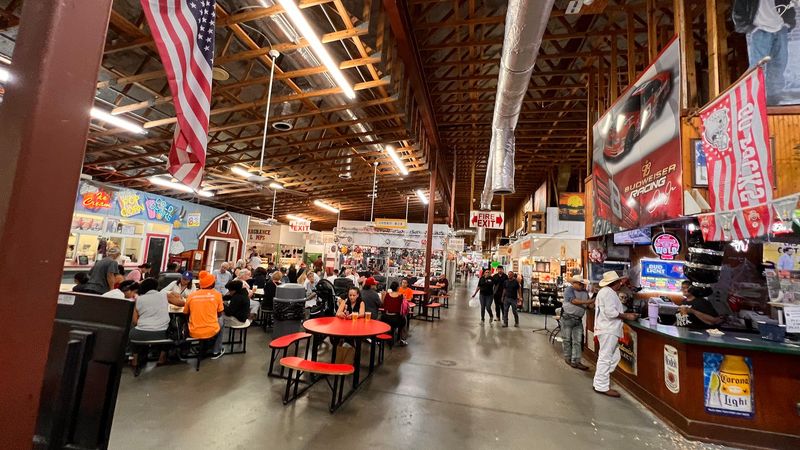
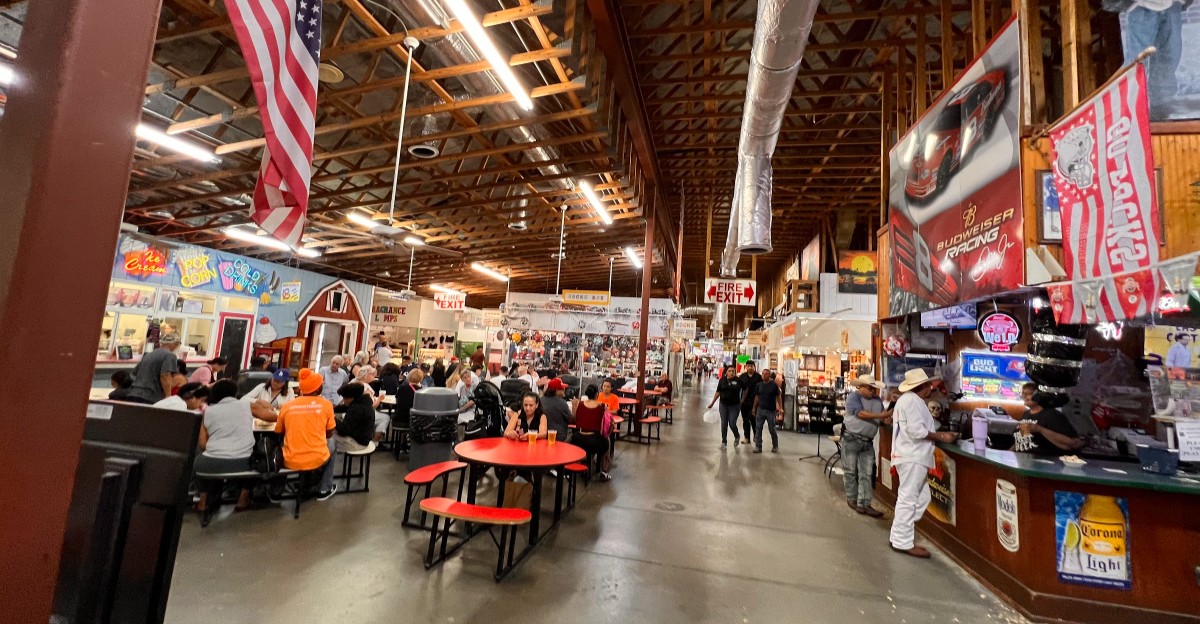
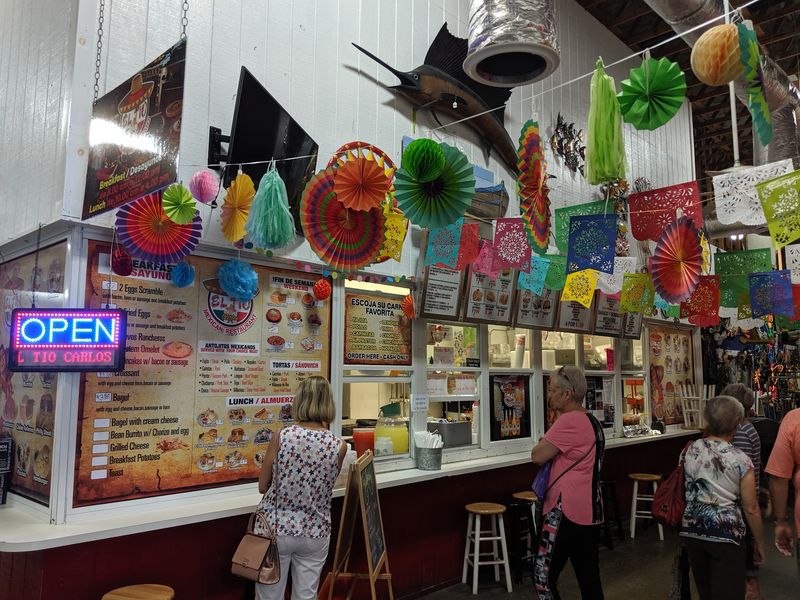
Some folks admit they visit Red Barn primarily for the food, then wander the vendors afterward. That tells you everything about this food court’s reputation. Tucked inside the air-conditioned section, multiple vendors serve everything from authentic Mexican dishes to Polish sausages, creating an unexpected culinary tour without leaving Bradenton.
The Mexican restaurant draws particular praise, with reviewers calling it amazing in all caps and making special trips just to eat there. Whatever they’re doing with their recipes works, because people plan entire Red Barn visits around lunch at this spot. The food court setup means you can grab tacos while your shopping partner tries the Polish kielbasa, then meet at one of many communal tables.
Beyond the main attractions, sweet shops offer desserts and treats that provide perfect mid-shopping fuel. There’s even a small bar serving adult beverages for those who want to turn flea market browsing into a more relaxed social outing. The variety means groups with different tastes can all find something satisfying without compromise or complaints.
What makes this food court special isn’t just the food quality, it’s the atmosphere. Vendors are friendly, prices stay reasonable, and the whole setup encourages lingering. You’re not rushed through like fast food chains operate.
Instead, eating here feels like part of the Red Barn experience, a chance to rest your feet and people-watch between vendor aisles.
The air conditioning deserves its own mention, especially on blistering Florida days when outside temperatures make shopping challenging. Ducking into the food court provides relief along with sustenance, a strategic break point that smart shoppers build into their Red Barn strategy. Fans and AC units keep air circulating even when the place gets crowded.
Tables fill up during peak lunch hours, but turnover stays steady. The communal seating arrangement means you might end up chatting with strangers about their finds, adding to that neighborhood market feel. It’s casual, unpretentious, and surprisingly good for a flea market food operation that could easily coast on convenience alone.
Tropical Petshop’s Exotic Bird Paradise
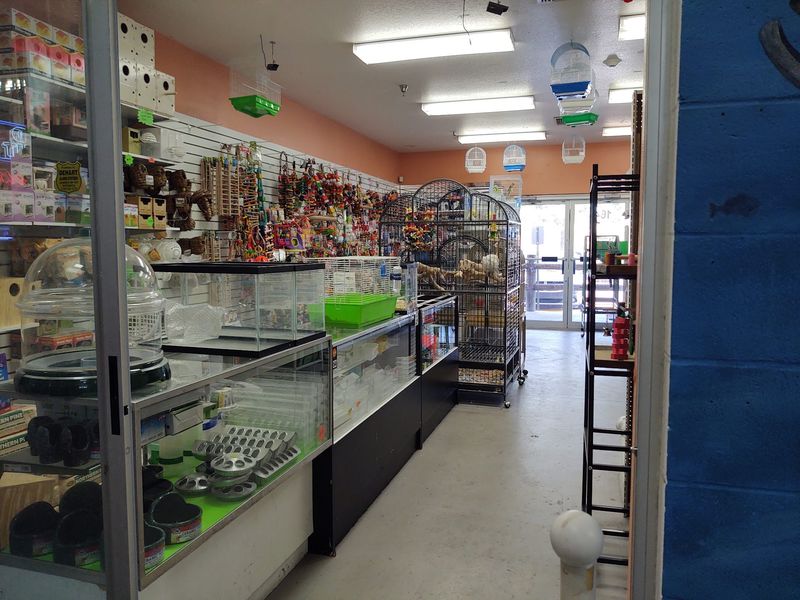
Booth numbers come and go at flea markets, but Tropical Petshop has carved out something special inside Red Barn. Walking past their section means encountering squawks, chirps, and flashes of brilliant plumage that stop shoppers mid-stride. They’ve built a reputation as the place for exotic birds, with variety that surprises even experienced bird owners.
Reviews mention the magical experience of finding the perfect bird here, which sounds like marketing speak until you see their selection. Macaws, cockatoos, parakeets, and species most people only see in zoos fill their cages, each with distinct personalities visible even during brief encounters. The staff knows their birds intimately, offering guidance that helps match temperaments with potential owners rather than just pushing sales.
Pricing stays fair and affordable according to multiple reviews, important for creatures that represent serious commitments. Beyond birds, they stock other small exotic pets, creating a mini zoo atmosphere that fascinates kids and adults equally. It’s not uncommon to see families spending extended time here, even when they have no intention of buying, just enjoying the up-close wildlife experience.
What separates Tropical Petshop from pet store chains is the genuine expertise. Staff members answer questions with depth that comes from real experience, not corporate training manuals. They’ll discuss diet requirements, social needs, lifespan expectations, and space considerations honestly, sometimes even talking people out of purchases when situations don’t fit bird ownership realities.
The location inside Red Barn works surprisingly well for these creatures. The controlled indoor environment protects birds from Florida’s weather extremes while maintaining comfortable temperatures. Foot traffic provides socialization that keeps birds accustomed to human presence, potentially making transitions to new homes smoother for both bird and owner.
For anyone who’s ever dreamed of owning a parrot or wanted to see exotic birds without zoo admission prices, this shop delivers. It adds unexpected dimension to the Red Barn experience, proof that flea markets can house specialized operations that rival dedicated stores. Just be warned, leaving without at least considering a feathered friend takes serious willpower.
All About Leather’s Handcrafted Belt Artistry
Tucked among Red Barn’s 700-plus vendors, All About Leather operates at a different quality level. They’re not reselling mass-produced goods or hawking knockoffs. Instead, they craft genuine leather belts by hand, the kind that last decades rather than seasons.
Reviewers give them special shout-outs, which rarely happens for individual flea market booths unless something truly stands out.
The difference between their belts and department store versions becomes obvious the moment you handle them. Weight, thickness, and that distinctive leather smell all signal quality materials worked by someone who actually knows the craft. Each belt shows attention to detail, from edge finishing to buckle attachment, small touches that separate amateur work from professional artisanship.
Watching leather workers operate provides its own entertainment value. If you catch them during working hours, you might see belts taking shape, tools cutting and shaping hide into functional art. There’s something mesmerizing about traditional crafts practiced in modern settings, especially when surrounded by the chaos and variety of a massive flea market.
Pricing reflects the quality and labor involved, though still beats what high-end leather stores charge for comparable items. You’re paying for materials and skill rather than brand names and retail markup. For people tired of replacing cheap belts every year, investing in something properly made makes economic sense beyond just appreciating craftsmanship.
Custom work seems to be part of their service, allowing customers to specify width, length, color, and buckle style. This personalization means getting exactly what you want rather than settling for close enough. Whether you need something specific for work, formal occasions, or everyday wear, they can likely accommodate requests that off-the-rack options never quite satisfy.
The booth has become a destination within Red Barn for those who know quality when they see it. Word of mouth keeps bringing new customers, while satisfied buyers return when they need additional belts or want to outfit family members. In a market filled with variety and volume, All About Leather proves that specialization and skill still find appreciative audiences willing to pay for genuine quality.
Air-Conditioned Indoor Sections Beat the Heat
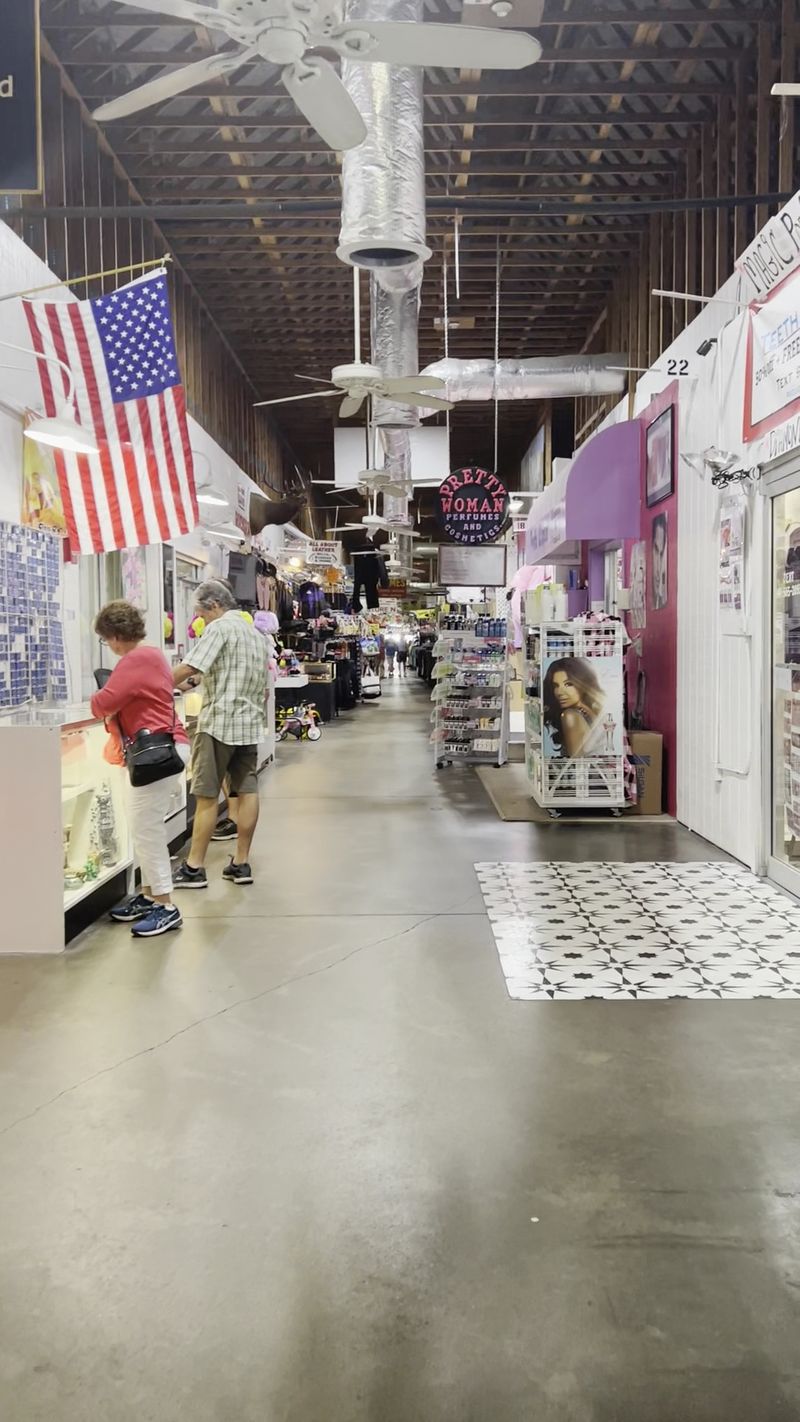
Florida summers don’t mess around, and neither does Red Barn’s solution to sweltering temperatures. A significant portion of the market operates under air conditioning, transforming what could be a sweaty ordeal into comfortable browsing. Multiple reviews specifically mention this climate control, with some calling it the deciding factor between enjoying their visit and cutting it short.
The layout divides into three distinct sections: fully air-conditioned indoor spaces, indoor areas with fans but no AC, and outdoor pavilions. This variety lets shoppers strategize their routes based on weather and personal heat tolerance. On brutally hot days, starting in the AC sections makes sense, then venturing outside during cooler morning hours before retreating back to climate control.
Those air-conditioned areas house permanent vendor booths, shops that maintain consistent presence rather than weekend-only setups. This stability means better organization, more professional displays, and vendors who’ve invested in their spaces. The food court occupies prime AC real estate, smart planning that encourages people to linger, eat, and rest before resuming shopping.
Even the non-AC indoor sections benefit from ceiling fans and shade, providing relief compared to full sun exposure. The combination of fans and air circulation makes these transitional spaces surprisingly tolerable, especially when moving between fully cooled and outdoor areas. Vendors in these sections often position fans strategically, creating air flow that helps considerably.
Reviews from visitors who experienced Red Barn on blistering days confirm the AC makes all the difference. One couple specifically noted maintaining comfort levels despite oppressive heat, crediting the climate-controlled sections for making their visit enjoyable rather than merely survivable. That’s not minor praise in a state where summer temperatures regularly hit the 90s with matching humidity.
The investment in air conditioning shows management understands customer experience matters. Flea markets can feel like endurance tests during Florida summers, but Red Barn’s setup removes that barrier. Families with small children, elderly shoppers, and anyone sensitive to heat can browse comfortably, expanding the potential customer base beyond just hardcore bargain hunters willing to suffer for deals.
Specialty Booths Offering Unexpected Treasures
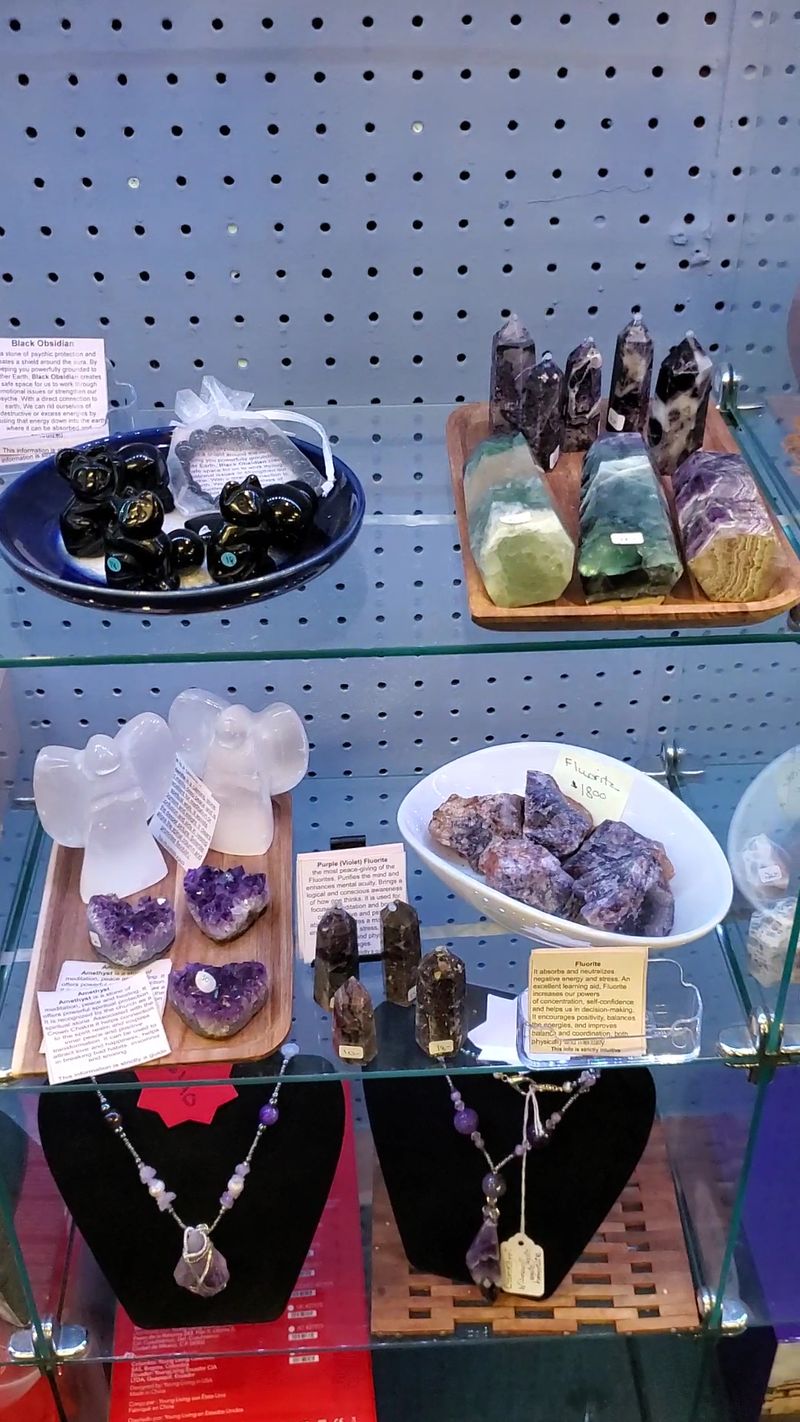
Red Barn’s real magic lives in the specialty vendors who’ve set up permanent operations. Booth 136 houses Coiled Crystal, a spiritual and metaphysical shop that reviews describe as amazing within a beautiful bazaar. Finding serious crystal and spiritual supplies in a flea market setting surprises newcomers, but these niche vendors have discovered loyal customer bases among Red Barn’s weekend crowds.
Over at Moody’s fishing operation, Edgar sells spinning saltwater rods and reels to anglers who appreciate knowledgeable service. One reviewer specifically named him and the booth, unusual recognition that suggests he’s built genuine relationships with customers. Specialized fishing gear requires expertise to sell properly, matching equipment to experience levels and local fishing conditions rather than just moving inventory.
Booth 225 created buzz with their Straight Ahead hair products, particularly heat brushes that multiple reviewers raved about. Roman and Amanda apparently provide demonstrations and tutorials, turning casual browsers into convinced customers. Their approach works because they’re not just selling products, they’re solving problems and showing results right there in the booth.
Then there’s the calligraphy artist who reviewers describe with genuine affection. He demonstrates his craft, does free name samples, and clearly loves what he does so much that people sit with him for an hour just talking. That’s not typical flea market interaction, it’s someone who’s turned their booth into a destination experience where the conversation matters as much as potential purchases.
The handmade soap vendor named Tony earned specific mention for quality that impressed discerning shoppers. Artisan soaps have become trendy, but finding genuinely good versions at reasonable prices takes hunting. Red Barn’s mix apparently includes these craftspeople who take their products seriously, offering alternatives to mass-produced options without boutique store markup.
Book vendors scattered throughout create treasure hunts for readers, with used book selections that feel like getting away with something according to reviews. Prices stay low while quality remains surprisingly high, the perfect combination for building home libraries without bankruptcy. These specialty operations prove Red Barn isn’t just volume and variety, it’s also depth in unexpected categories that keep people exploring and discovering.
The Nostalgic Appeal That Spans Generations
One reviewer’s grandmother shopped Red Barn for over 25 years, creating childhood memories that now pull adult grandchildren back every Florida visit. That multigenerational appeal doesn’t happen accidentally. Something about Red Barn’s atmosphere triggers nostalgia while remaining relevant enough that new generations find their own reasons to visit, not just honoring family tradition.
The market hasn’t changed dramatically over decades, which sounds like criticism but actually explains part of its charm. In a world where everything constantly updates and renovates, Red Barn’s consistency provides comfort. People know what to expect, remember where favorite vendors used to be, and can introduce their own kids to experiences similar to their childhood visits.
That timeless quality extends beyond just physical layout. The whole concept of flea market shopping, wandering aisles looking for unexpected finds, connects to simpler times before online shopping delivered everything to doorsteps. Red Barn offers tangible browsing, actual touching and examining of items, interactions with real vendors who remember return customers and build relationships over years.
Multiple reviews mention reminders of childhood flea market visits, that specific atmosphere of discovery and possibility. Modern retail has largely eliminated surprise, algorithms predict what you want before you know yourself. But walking Red Barn’s aisles means genuine not knowing what you’ll find, that treasure hunt feeling that made flea markets exciting decades ago and still works today.
The family-friendly atmosphere contributes significantly to this appeal. Reviews specifically note that kids are welcome and tolerated with good humor, important for parents who want to share these experiences without constant stress about behavior. Flea markets naturally engage children’s curiosity, the variety and visual stimulation holding attention better than typical shopping trips.
Inexpensive souvenirs that actually last provide practical nostalgia, according to one reviewer who compares Red Barn finds favorably to boardwalk tourist traps. Getting quality at low prices means kids can pick treasures without parents wincing at cost, creating positive associations with bargain hunting and smart shopping that might influence lifelong habits. Red Barn isn’t just selling goods, it’s providing experiences that become family stories passed down through generations.
The Treasure Hunt Mentality That Drives Return Visits
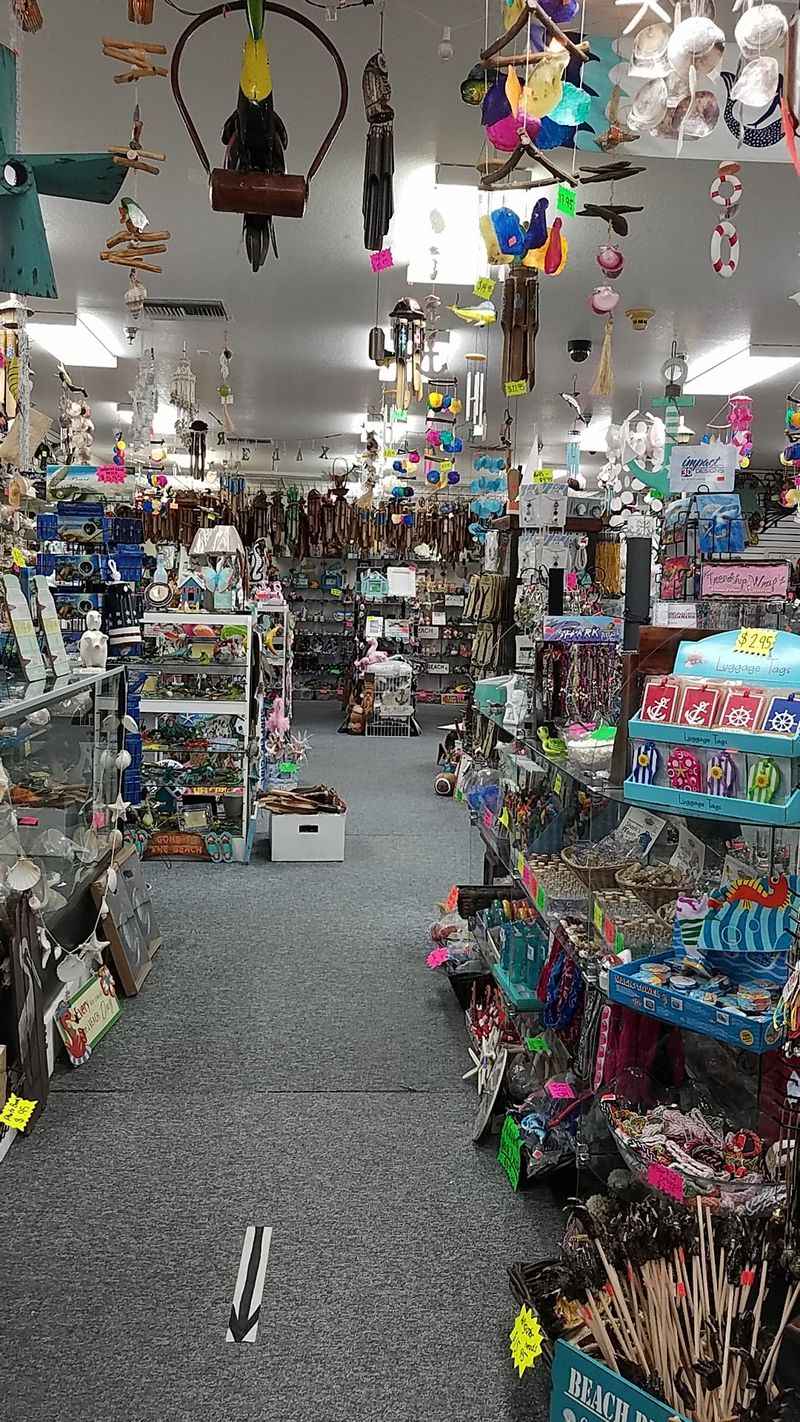
You don’t go to Red Barn knowing exactly what you’ll buy. That’s the entire point. Reviewers consistently mention going in just to look and leaving with stuff they didn’t know they needed, a shopping pattern that sounds irrational until you experience the addictive nature of flea market hunting.
Every aisle potentially hides something perfect you’ve been searching for without realizing it.
The sheer vendor count, over 700 merchants, means comprehensive browsing takes hours. One couple spent three hours just strolling and looking at everything, while another allocated similar time and still felt like they’d only scratched the surface. That scale creates genuine exploration rather than quick shopping trips, an investment of time that paradoxically makes the experience more valuable and memorable.
Merchandise variety spans from legitimate antiques and collectibles to admittedly questionable items that some reviews diplomatically describe as very used. This range means discernment becomes part of the fun, separating actual treasures from junk, developing an eye for value that improves with experience. Veteran Red Barn shoppers develop strategies and instincts about which vendors consistently offer quality versus those best avoided.
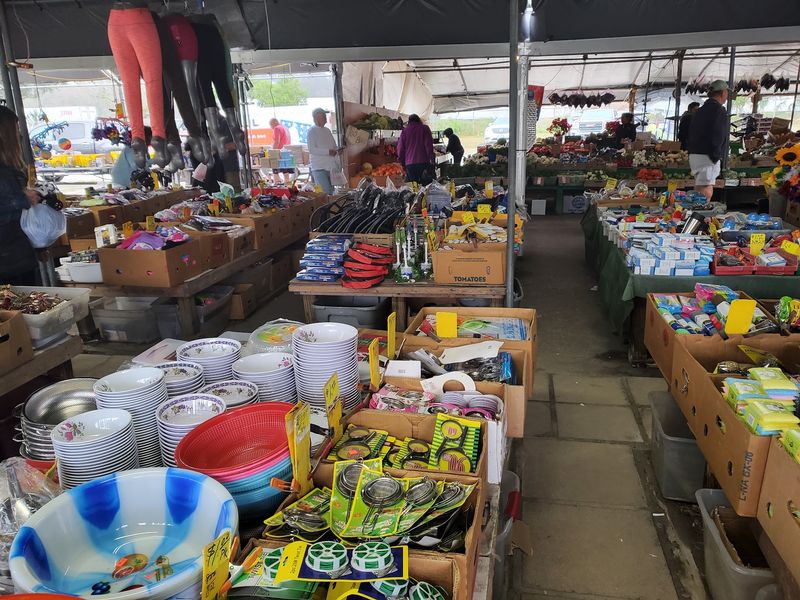
The outdoor sections particularly embrace this treasure hunt aesthetic, with some reviews comparing them to glorified yard sales. That description isn’t necessarily negative, yard sales produce amazing finds when you’re willing to dig. The key is approaching with appropriate expectations, understanding not every booth will yield gold but the search itself provides entertainment.
What keeps people returning is that something new always appears. Vendors rotate, inventory changes, seasonal items come and go, and that artist you missed last visit might be there this weekend. The dynamic nature prevents staleness that plagues static retail, where stores look identical visit after visit until there’s no reason to browse anymore.
Red Barn has mastered the psychology of discovery, creating an environment where finding unexpected items feels like personal victory rather than just purchasing. That emotional component explains why people plan return visits before they’ve even left, already anticipating what they might discover next time. It’s shopping as entertainment and adventure, not just acquisition of goods.
Free Admission and Parking That Removes Barriers
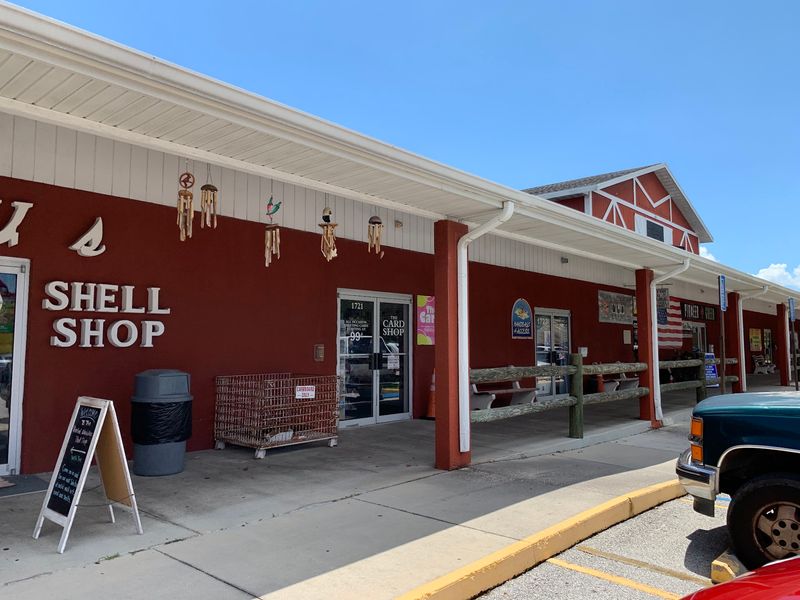
Red Barn charges exactly zero dollars for admission, a detail that matters more than it might seem. Many attractions and markets have started adding entry fees, turning casual browsing into financial commitments before you’ve even seen if anything interests you. Red Barn’s free access means low-risk visits, easy to justify stopping by just to look around without feeling pressure to buy something to justify admission costs.
The free parking extends this accessibility, removing another common barrier. Some popular markets charge for parking then add admission fees, creating dual obstacles that filter out casual visitors. Red Barn welcomes everyone, understanding that volume and repeat visits matter more than extracting maximum revenue from each person through fees.
It’s old-school market philosophy that prioritizes traffic over barriers.
This approach particularly benefits locals who might visit multiple times monthly. Paying admission and parking repeatedly would add up quickly, potentially reducing visit frequency. Instead, Red Barn becomes a regular weekend destination, the kind of place you check every Saturday or Sunday just to see what’s new, knowing it costs nothing but time to browse.
For tourists and snowbirds, free admission makes Red Barn an easy addition to Florida itineraries. You’re already in the area, why not stop by for an hour or two? No need to research ticket prices, calculate whether it’s worth the cost, or commit to staying long enough to justify fees.
Just pull in, park, and wander.
The parking situation does get chaotic according to reviews, particularly during peak snowbird season when lots fill with vehicles sporting northern plates. One reviewer humorously warned about needing patience navigating the parking lot, valid advice for busy weekends. But chaotic free parking still beats paying premium rates for organized spots at other venues.
This accessibility philosophy reflects confidence in the product. Red Barn knows that getting people through the doors leads to sales, that their 700-plus vendors offer enough variety and value that admission fees would just limit potential customers unnecessarily. The strategy clearly works, given the thousands of reviews and steady traffic that keeps vendors coming back year after year.
Sometimes the best business model is simply removing obstacles and letting quality speak for itself.