This Unassuming Museum Near Tampa Is Filled With Cars Built by Automotive Geniuses
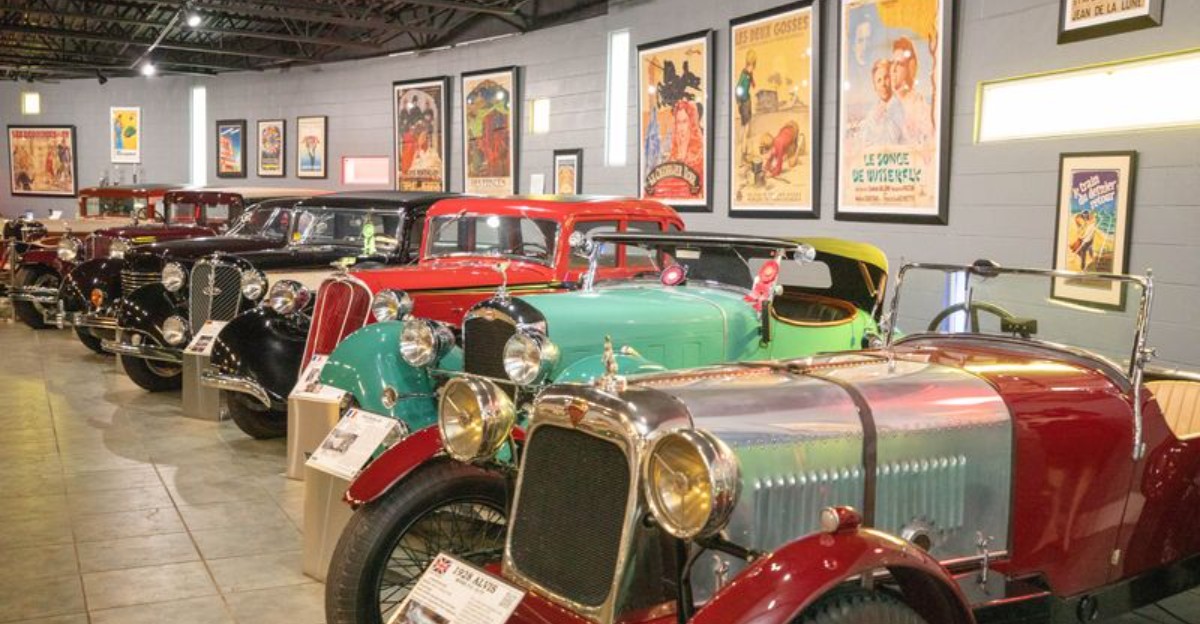
The Tampa Bay Automobile Museum looks like just another building from the road. Step inside, though, and you will find about 75 rare cars from all over the world, many of them one-of-a-kind. Clever engineers, bold designers, and a few wild dreamers built these machines.
Here are eight things that make this hidden gem worth your afternoon.
1. A Plain Building With a Big Surprise Inside
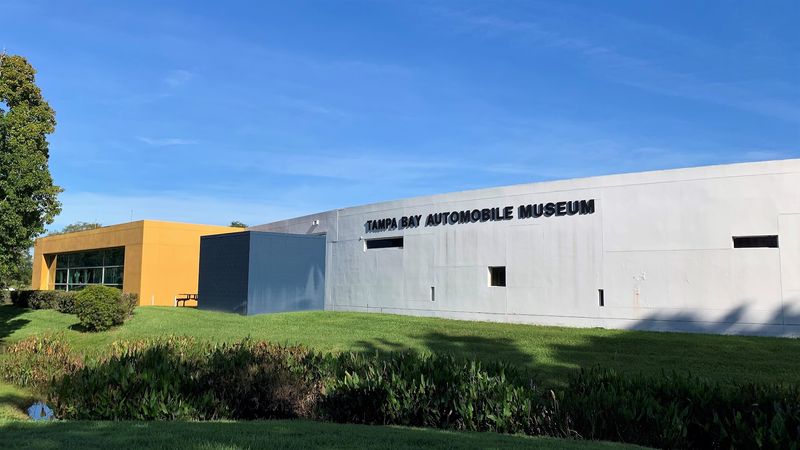
Driving up to 3301 Gateway Centre Blvd, you might wonder if your GPS made a mistake. The museum sits among warehouses and office buildings, and nothing about the outside screams world-class collection. Reviewers keep calling it a hidden gem for exactly that reason.
Once the doors close behind you, the mood changes fast. Gallery lights glow on polished paint, and rows of gleaming cars stretch out in every direction. Visitors often say they planned a quick stop and ended up staying for hours.
Here is a tip: give yourself at least two hours, and closer to four if you love reading every sign. One couple arrived with only ninety minutes before closing and wished they had more time. Others simply ran out of hours and promised to come back.
Parking is plentiful and the building is ADA friendly, so getting in is easy for everybody. Hours run 10 AM to 4:30 PM most days, with a noon start on Sunday. The museum is closed on Tuesdays, so plan around that.
Call 727-579-8226 if you want to double check before you go.
2. Thirteen Last-of-Their-Kind Cars
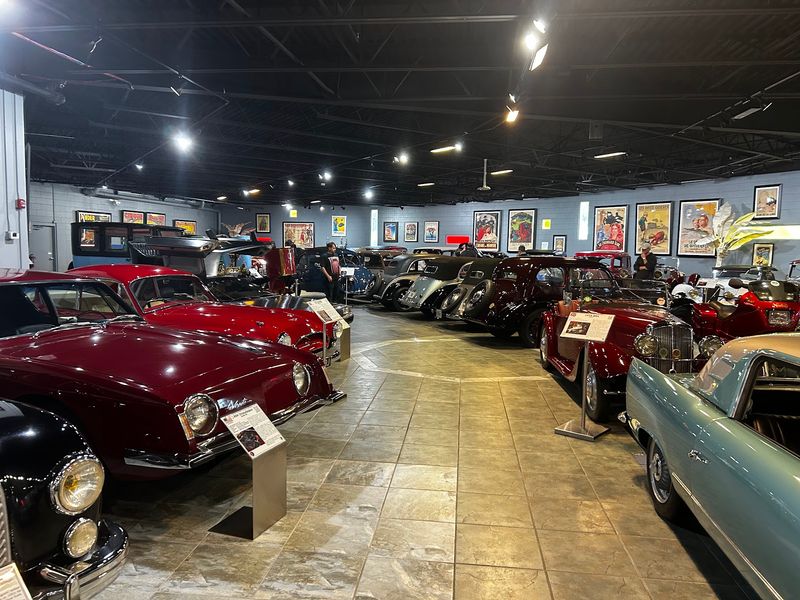
Thirteen. That is how many cars here are the very last known example of their make or model. Nowhere else on Earth can you see them.
Look for the gold star on the information cards. It marks a car that survived when all its siblings vanished. Visitors say there are quite a few gold star cars, and spotting them turns the walk into a treasure hunt.
Think about what that means for a second. Many of these brands failed, folded, or got swallowed by bigger companies long ago. A single survivor now sits in Pinellas Park, clean and displayed with its story beside it.
The stories are the real prize. Some makers were ahead of their time, and others simply ran out of money before their ideas caught on. Reading the cards feels a bit like flipping through a history book with a paint job.
Bring a friend and race to find the stars first. Kids and teens tend to love the challenge, and adults get competitive too. Even people who cannot tell a carburetor from a cupholder walk out talking about what they saw.
3. Roaring Twenties and Thirties Beauties
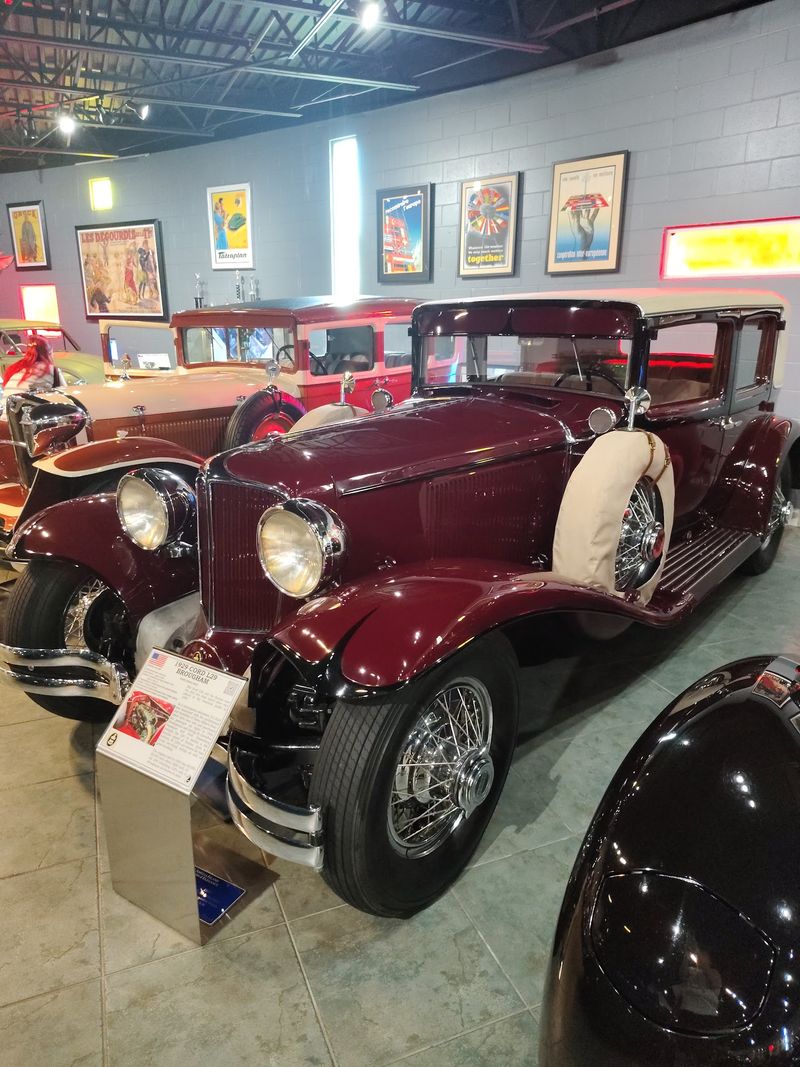
Picture a long hood, sweeping fenders, and chrome that catches every light. The museum focuses on the 1920s and 1930s, a golden age when car makers treated each model like rolling sculpture.
Craftsmanship jumps out everywhere. Hand-finished wood, delicate hood ornaments, and bold two-tone paint show how much care went into every detail. Reviewers describe it as a mix of mechanical genius and pure art.
Many of these cars came from tiny companies that few people remember today. Some were built for wealthy buyers who wanted something no neighbor could own. Others were bold experiments that never became famous.
Walk slowly here. Stand back for the big view, then lean in to study the dashboards, badges, and tiny gauges. Cars from this era were made without computers, so every curve came from human hands and human eyes.
Fun fact: many of the cars here are still in working condition, even though they are a century old. That surprised more than one visitor. It is a rare thing to stand next to a machine that old and know it can still run.
4. The Steam Car From France
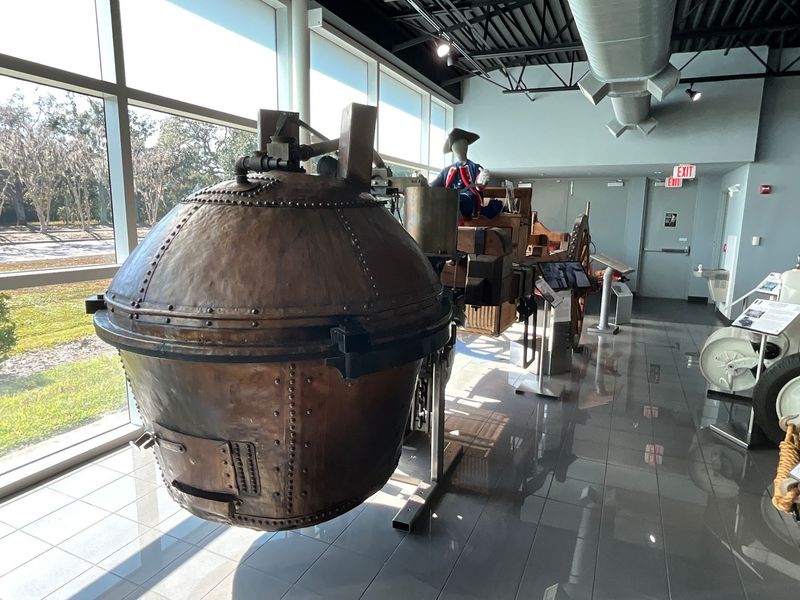
Long before gas stations existed, someone built a car that ran on steam. The oldest vehicle here dates to the 1700s and comes from France, and it gets its own separate exhibit.
One visitor was guided there by a friendly front desk host. A staff member then explained how the machine worked and the history behind it. The visitor called it one of the highlights of the whole trip.
Picture the setup. A boiler makes steam, the steam builds pressure, and the pressure pushes the machine forward. It sounds simple, but it took serious brainpower and plenty of trial and error to make it roll.
Seeing it in person changes how you think about cars. Today we tap a screen and go. Back then, moving a vehicle meant fire, water, and patience.
Ask questions while you are in the room. The guides love sharing details, and they know the tricks that made early inventors so clever. You will likely leave with a new respect for the people who tried first, long before roads were even paved.
5. Rotary Engines and the Mazda Cosmo
Most engines push pistons up and down. A Wankel rotary engine spins a rounded triangle instead, and the museum has a working display so you can watch it happen.
The interactive exhibit turns a tricky idea into something anyone can follow. A guide named Wayne shows visitors how the parts move and why the design is so smooth. Fans of Japanese cars especially enjoy it.
One visitor came in as a Mazda fan and left with even more rotary knowledge. Their favorite car in the whole building was the Mazda Cosmo, a sleek sports car powered by that spinning design. They snapped a photo and even added pictures of their own car.
A newer Rotary Exhibit has been added, along with educational videos, so there is more to see than ever. Sleeve-valve engines get their moment too, and the staff can explain them in plain language.
Do not be shy about asking for a walkthrough. The guides get excited when someone wants the details. That energy is catchy, and it makes even the wildest engineering feel friendly and fun.
6. Sit Inside a DeLorean
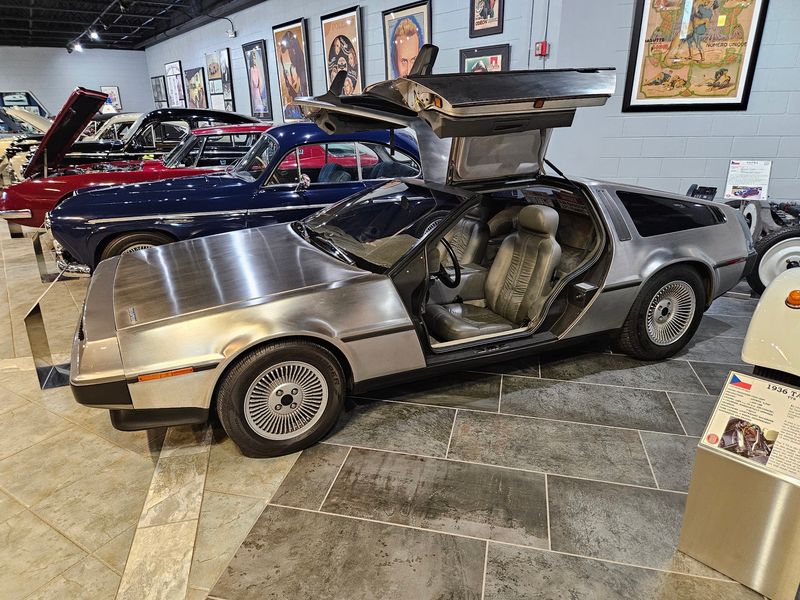
Gull-wing doors, brushed steel skin, and a movie legend all in one car. Yes, the DeLorean is here, and one lucky visitor was invited to climb in.
That moment became a favorite memory of the trip. Staff members clearly love handing out those small surprises. If you ask nicely and the timing works, you might get a turn too.
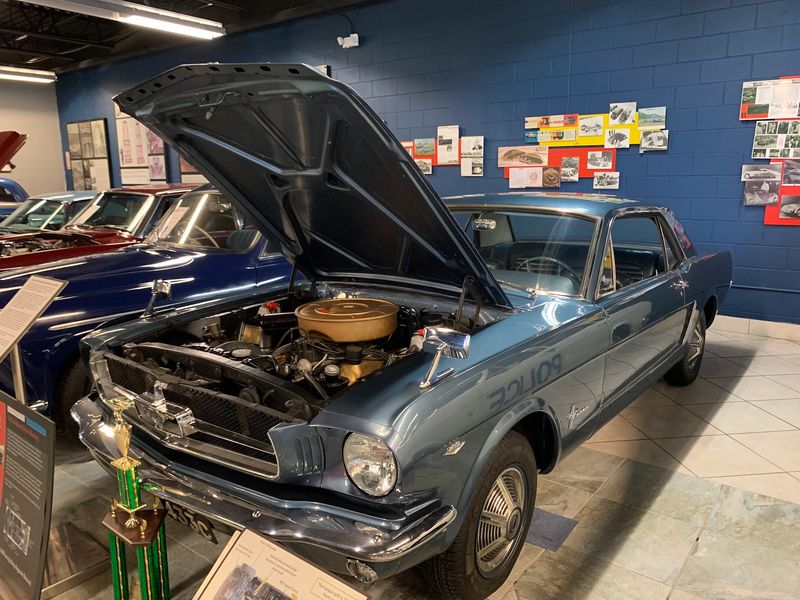
The DeLorean is only one of the eye-catching modern-era stars. Another jaw-dropper is an all-wheel drive Mustang, something many guests did not even know existed. Cars like these prove that odd ideas are not just from the distant past.
Photo fans, take note. The lighting is good, the floors are clean, and there is room to step back for a full-length shot. Snap the whole car, then get close for details like door handles and badges.
Keep in mind that seat time is a special treat rather than a promise. Be polite, follow the guide’s directions, and thank them for the chance. That kind of respect keeps the museum’s welcoming spirit going strong.
7. Guides Who Tell the Best Stories
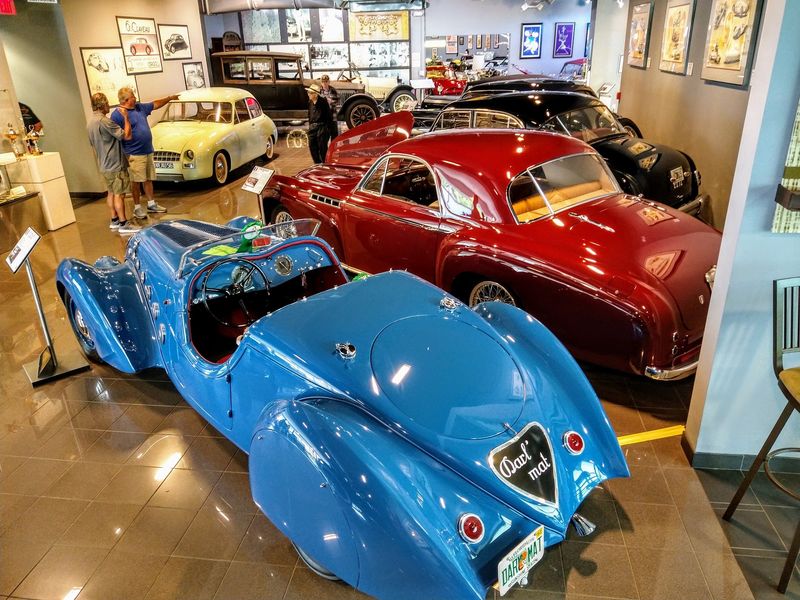
Ask almost any reviewer what stood out, and the answer is the people. Names like Wayne, Frank, Susan, Ed, and Emmanuel come up again and again. Nearly 200 mentions of knowledgeable staff say it all.
These docents do more than recite dates. They tell how a car ended up here, who built it, and why it mattered. A story makes a rusty-sounding fact feel alive.
Some visitors stopped in just to kill time before a vet appointment. They walked out with a new love for French automobiles. Others came for one car and stayed for the conversation.
Here is a smart move: start by chatting with the front desk. They often point out a few cars near the entrance and steer you toward hidden highlights. Then wander, and if a guide is nearby, ask what their favorite car is.
The owners reply to reviews and say they want every guest to leave with a story. That warmth is real. Cars connect people here, and it shows in every friendly hello.
8. Prices, Perks, and Planning Your Visit
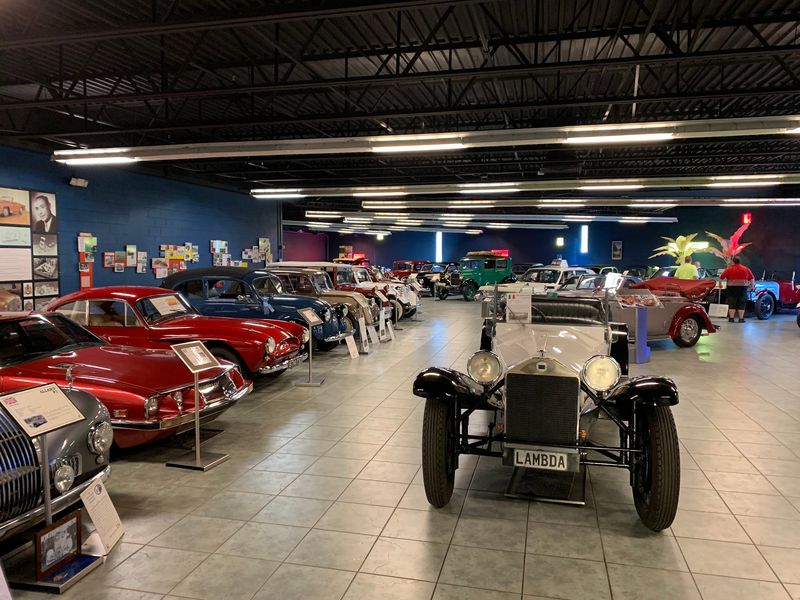
Good news for your wallet: admission is low, and reviewers call it very reasonable. Discounts are offered for seniors, military members, and students. An annual membership costs about $50, which pays off fast if you plan to return.
The collection is privately owned, and the cars get moved around twice a year. That means a second visit can feel fresh. It is one reason locals bring out-of-town guests again and again.
Plan for the basics. The museum is open Wednesday through Monday, closed on Tuesday, and Sunday starts at noon. Wear comfy shoes, because you will walk a lot and want to read every sign.
Do not skip the gift shop. Guests found fun presents for family, friends, and themselves. There is even a bar area, though it was not operating during one visit.
Getting there is simple, with plenty of parking right outside. The address is 3301 Gateway Centre Blvd in Pinellas Park, and the website is tbauto.org. With a 4.8 star rating from over 1,200 reviews, this stop earns its praise.