These 10 Florida Towns Are Drawing More Investor Attention Than Most Residents Realize
Your quiet Florida town might be on a lot more spreadsheets than you think. Investors, builders, and big companies are quietly watching places where jobs, roads, and new homes are growing fast. That matters because it can change rent prices, home values, traffic, and even what opens down the street.
Here is a look at the towns getting extra attention, and what that could mean for the people who already live there.
1. Lakeland
A town sitting right between Tampa and Orlando, close enough to both but cheaper than either. That location is the secret sauce in Lakeland. Investors love a place that can borrow jobs and shoppers from two big metros at once.
Drive along Interstate 4 and you will spot huge warehouses popping up. Shipping and delivery companies like being in the middle of the state, since trucks can reach a large share of Floridians in a single day. More warehouses usually mean more workers, and more workers need places to live.
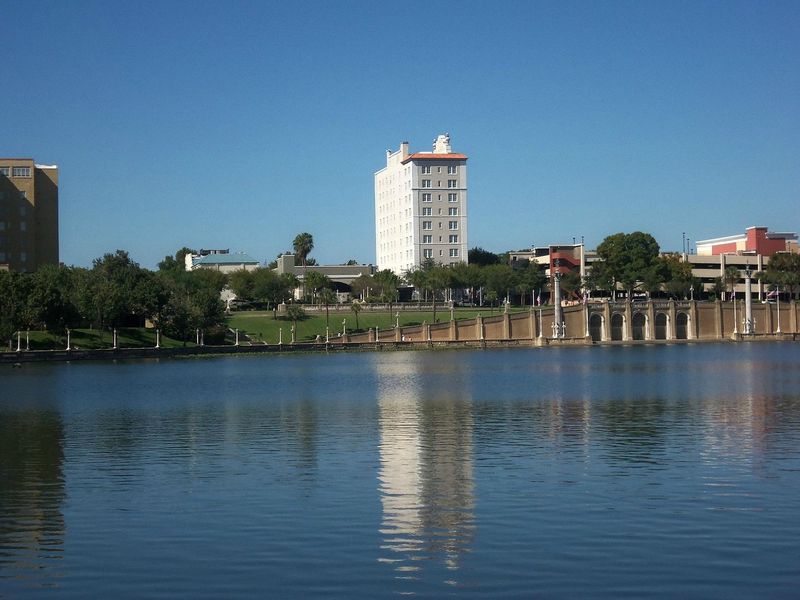
Downtown has a different flavor. Lake Mirror, the historic brick streets, and the swans that roam the lakes give Lakeland real charm. Fun fact: the city’s swan tradition goes back decades, and the birds are basically local celebrities.
So what does this mean for residents? Rentals near the interstate and close to the college campuses tend to stay in demand. If you own a home, keep an eye on how nearby land gets zoned, because a field today might be a shopping center tomorrow.
Renters should watch lease renewal dates closely and compare prices before signing again. First-time buyers may still find better deals here than in either neighboring metro, but the window may not stay open forever.
The quiet truth is that Lakeland has grown from a stopover town into a place people choose on purpose. The investors noticed before many locals did, and the steady stream of new rooftops is the proof.
2. Ocala
Horses first, houses second. For a long time, that was the Ocala story, and the city still proudly calls itself the Horse Capital of the World. Rolling pastures and white fences are everywhere you look.
Lately, though, a new story is getting written alongside the old one. Ocala sits on Interstate 75, a major route for trucks heading north and south. Distribution centers have taken notice, and that has brought fresh jobs to Marion County.
Retirees are part of the picture too. Large active-adult communities in the area have pulled in buyers from all over the country. When thousands of new neighbors arrive, restaurants, clinics, and stores follow close behind.
Here is where it gets interesting for locals. Land around Ocala has traditionally been cheaper than in coastal cities, which makes it attractive for builders. That can mean more housing choices, but also more debate about protecting the farms and springs that make the area special.
If you live here, get involved in county planning meetings. Seriously, those boring-sounding sessions decide where new roads and neighborhoods go. Homeowners near main corridors might see rising interest from buyers, so it pays to know what nearby homes are selling for.
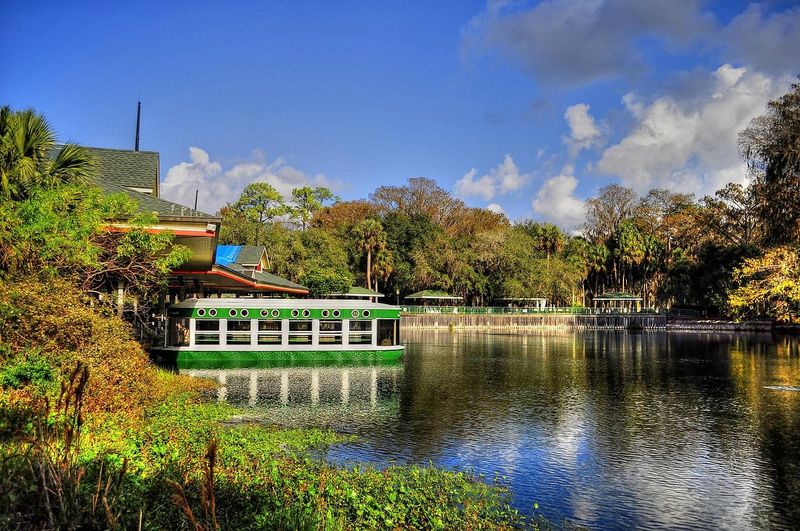
Nature lovers, take note: Silver Springs State Park is right next door, with glass-bottom boat tours that date back over a century. Growth is coming either way. The smart move is learning how to ride it without losing the green spaces that make Ocala feel like Ocala.
3. Davenport
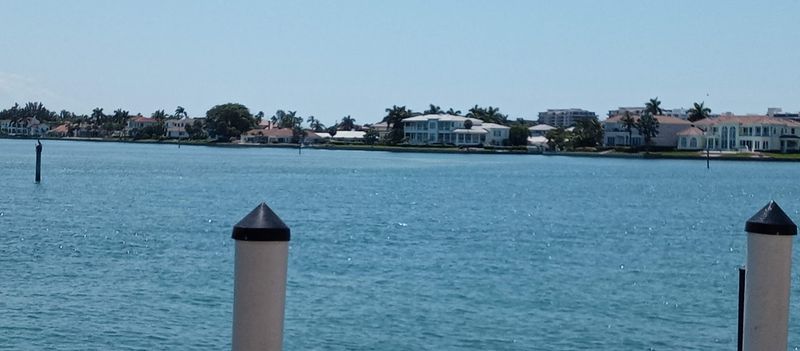
Ask a vacation rental owner where they bought, and there is a good chance the answer is Davenport. This small Polk County town has become a magnet for short-term rental homes. Its secret?
Being a short drive from the big Orlando-area theme parks without Orlando-area prices.
Whole neighborhoods here are packed with homes featuring private pools, game rooms, and themed kids’ bedrooms. Families from across the globe book them for a week of rides and sunshine. Many owners live in other states, or even other countries.
For year-round residents, that creates a pretty unusual neighborhood vibe. Your next-door neighbors might change every Saturday. Some people love the energy, while others miss having the same faces around.
Thinking about buying a rental here yourself? Do your homework first. Rules for short-term rentals can differ by community and HOA, and some areas allow them while others do not.
Check the fine print before you fall for that pool.
Traffic along U.S. 27 has also grown alongside all this building. Locals have learned the back roads and the best times to grab groceries, usually before the tourist crowds wake up.
Davenport proves something many folks overlook: a town does not need a famous downtown to attract serious money. Sometimes being close to the action is enough. If you live here, stay informed about new rules, because they can affect everything from parking to property values.
4. Kissimmee
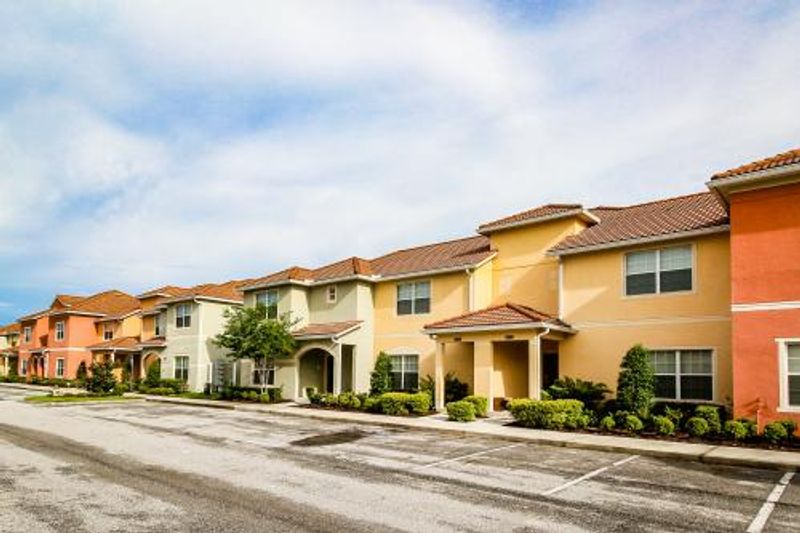
Fireworks from the theme parks light up the sky most nights, and in Kissimmee, plenty of people can see them from their backyards. That nightly show is a reminder of what drives the local economy. Tourism is king here, and investors know it.
Head along U.S. 192 and you will find a parade of hotels, vacation homes, restaurants, and attractions. Resort-style communities have pulled in buyers who want a rental that pays for itself between their own family trips. It is a busy, bright, slightly wild stretch of road.
Step away from the tourist strip, though, and Kissimmee shows another side. The downtown lakefront on Lake Tohopekaliga is calm and pretty, with walking paths and fishing spots. Locals call the lake Toho, which is much easier to say.
The area also has a large and lively Hispanic community, which shapes the food, music, and small businesses all over town. That culture is a big reason many families choose to settle here for good.
For residents, the investor interest is a mixed bag. Renters can face stiff competition for homes, so start your search early and keep paperwork ready. Homeowners, on the other hand, may find buyers eager to make offers.
Quick tip: SunRail commuter trains connect Kissimmee to Orlando, which can be a lifesaver on bad traffic days. Kissimmee is more than a theme park neighbor. It is a full town that a lot of money is betting on.
5. Palm Bay
Rockets roaring off the Space Coast have become almost normal around here. Every launch is a small reminder that Brevard County runs on big ideas. Palm Bay, the county’s largest city by population, gets a nice share of that boost.
Aerospace and defense companies employ a lot of engineers, technicians, and support workers in the region. Those jobs tend to pay well, and well-paid workers need homes. Palm Bay has long offered more affordable lots and houses than many beach towns nearby.
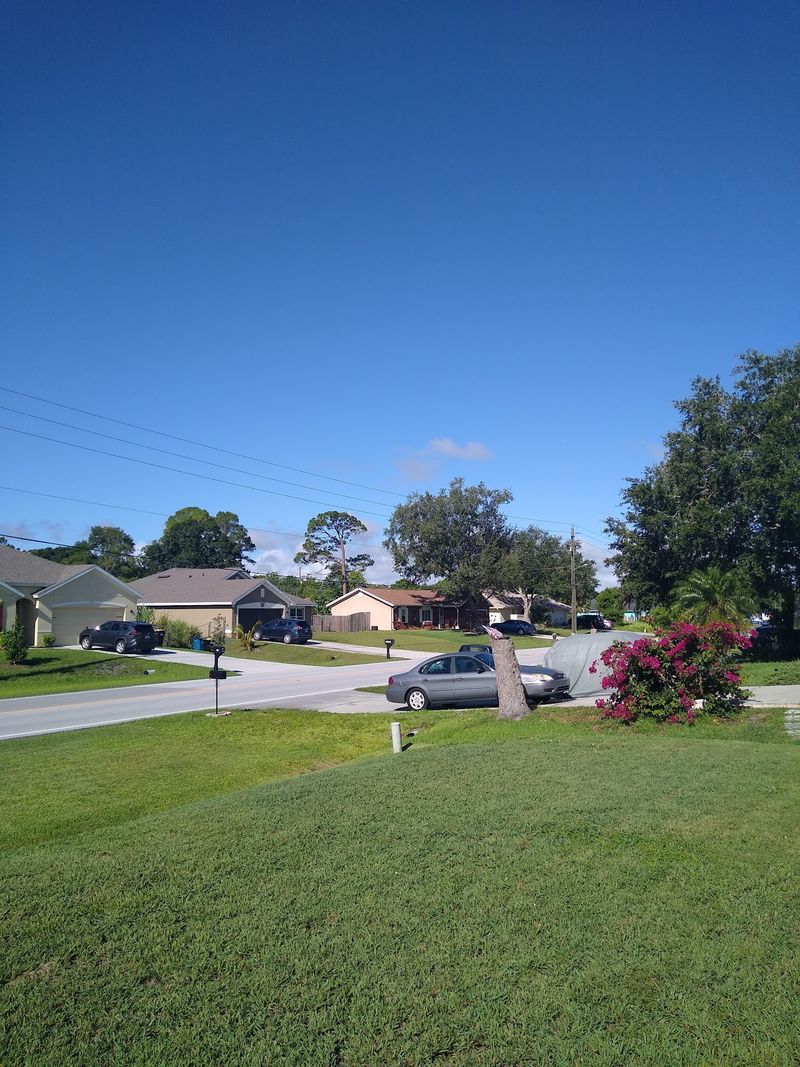
One quirky detail? Much of Palm Bay was laid out decades ago as a giant planned subdivision. That left thousands of empty lots scattered across the city, which builders have been snapping up and filling in, one house at a time.
That pattern creates a city that can feel half-finished in spots. You might see a brand-new home beside a patch of untouched woods. Investors see opportunity in those gaps, while residents sometimes see construction trucks every single morning.
If you live in Palm Bay, it helps to track road projects and new commercial plans. Shopping and dining options have often lagged behind the housing boom, so new stores can make a real difference in daily life.
Buyers should check flood zones and insurance costs carefully before picking a lot. Do that, and you can enjoy front-row seats to launches, which might be the coolest perk any Florida city offers.
6. Port St. Lucie
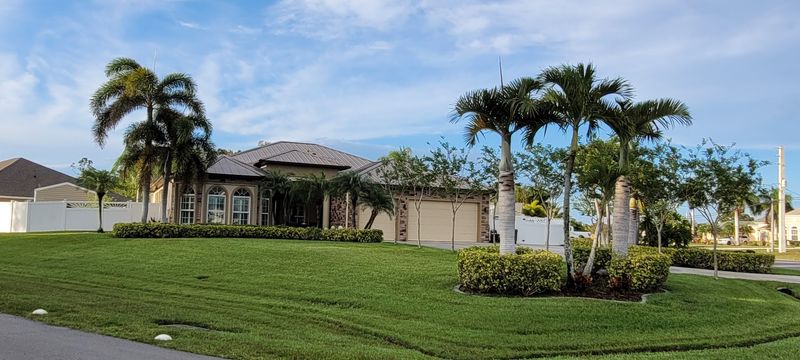
Not long ago, Port St. Lucie was mostly a place people drove past on the way to somewhere else. Today, it ranks among the biggest cities in Florida by population. That jump happened faster than many longtime residents expected.
A big chunk of the growth is happening out west in a huge master-planned area called Tradition. Think new schools, parks, medical buildings, and neighborhoods built from the ground up. Investors like planned growth because it is easier to predict.
Baseball fans already know the city as the spring training home of the New York Mets. Each spring, northern visitors flood in for games, and some of them end up buying homes. A few innings in the sun can be very convincing.
Healthcare and education have also expanded here, adding steady jobs that do not rely on tourism. That mix helps the local economy feel sturdier than towns built on one industry.
For residents, the biggest change might be traffic and the pace of new building. Roads that felt empty a decade ago now see real rush hours. Planning your errands around school pickup times is a classic local survival skill.
Want practical advice? If you rent, compare older east-side neighborhoods with newer western ones, since prices can vary a lot. Homeowners should know their property’s value before investors come knocking with quick cash offers.
Port St. Lucie stopped being a secret a while ago, and the money is still arriving.
7. Cape Coral
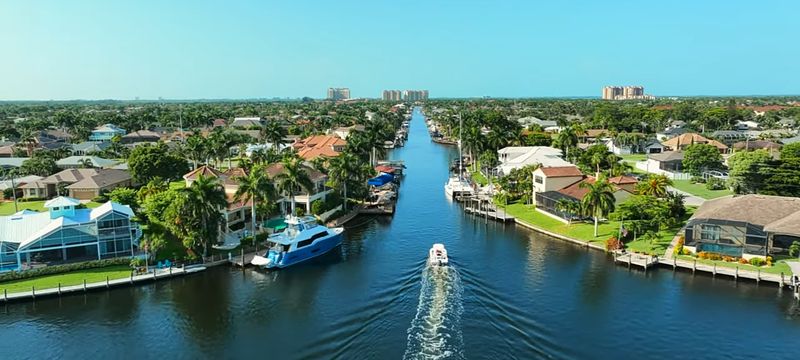
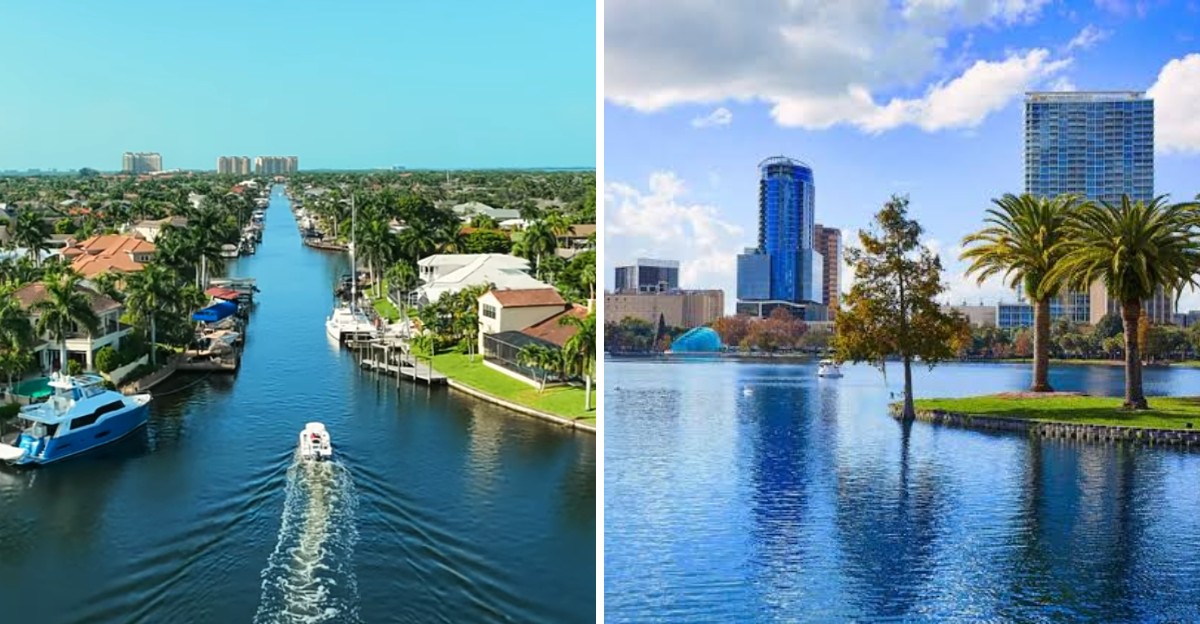
Grab a boat in Cape Coral and you could cruise for hours without leaving town. The city is known for having hundreds of miles of canals, often described as more than any other city in the world. That watery maze is exactly why so many buyers find it irresistible.
Waterfront living here does not always carry the sky-high price tags seen on other Florida coasts. Many homes come with private docks, so you can step from your backyard onto a boat. For snowbirds and investors alike, that is a powerful selling point.
Storms are part of the conversation, though, and nobody should pretend otherwise. Hurricanes have hit Southwest Florida hard in recent years. Rebuilding brought new construction, higher insurance costs, and a lot of questions for homeowners.
Even so, people keep coming. Investors often see rebuilt or newly built homes as a fresh start with stronger building standards. Some locals are cashing out, while others are doubling down because they truly love the lifestyle.
Thinking about buying here? Ask about seawall condition, roof age, elevation, and insurance quotes before you get attached. Those details can make or break the budget.
Wildlife is a hidden bonus too. Cape Coral is home to burrowing owls, tiny birds that live underground and have become a beloved city symbol. Between the owls, the canals, and the sunsets over the Gulf, it is easy to see why money keeps flowing in.
8. Jacksonville
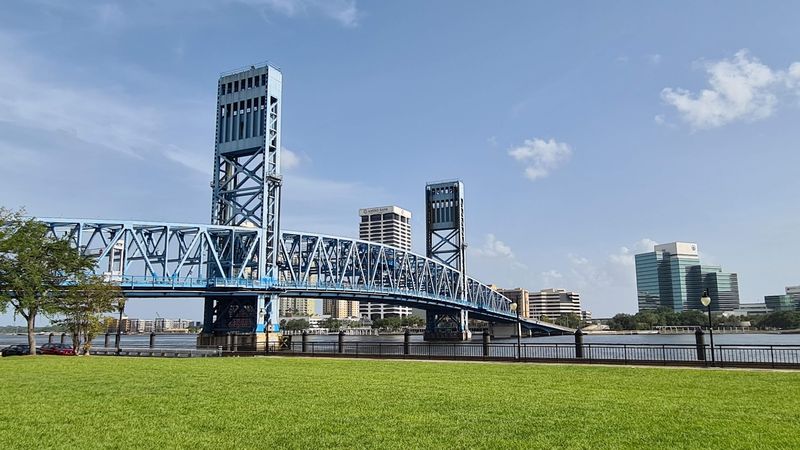
Here is a fun one to pull out at parties: by land area, Jacksonville is the largest city in the continental United States. That is a lot of room to build. Investors have definitely done the math.
Jacksonville mixes several big engines at once. There is a busy port, major military bases, banking and finance offices, and growing healthcare systems. When a city leans on several industries instead of just one, it tends to handle tough times a little better.
The St. Johns River runs right through downtown, and there has been plenty of talk about revitalizing the riverfront. New apartments, offices, and public spaces have been planned or built over recent years. Locals have watched the skyline shift bit by bit.
Neighborhoods vary wildly. You have historic areas with big oak trees and cozy bungalows, beach towns with surf shops, and newer suburbs with fresh schools. Each one attracts a different type of buyer.
For residents, that variety is good news. If one area gets too pricey, there is often another nearby worth exploring. Renters can shop around, and buyers can find options at many price points.
Smart move for homeowners: learn which roads and projects are planned near you, since new highways or developments can shift demand fast. Jacksonville still flies under the radar compared to Miami or Orlando. That low profile is exactly why so many investors think it has room to grow.
9. Orlando
Mickey gets the headlines, but Orlando’s real estate story goes way beyond theme parks. Sure, tourism brings millions of visitors every year. Investors, however, are also watching the jobs that have nothing to do with roller coasters.
Tech companies, healthcare networks, and a large university have all helped shape the modern Orlando economy. The area around Lake Nona, for example, has grown into a hub for medical research and new neighborhoods. Simulation and training companies are another quiet powerhouse here.
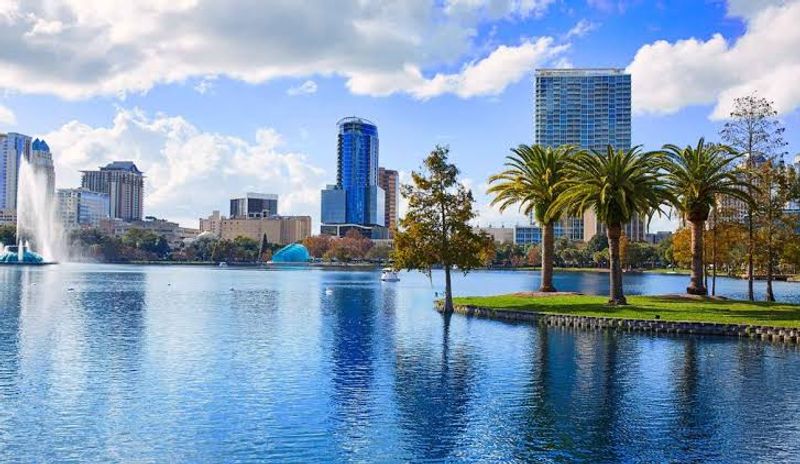
Downtown has been changing too. Lake Eola Park, with its famous fountain and swan-shaped paddle boats, is surrounded by newer apartment towers. Young professionals like being able to walk to coffee shops, offices, and weekend markets.
All this demand affects everyday life. Rents in popular areas have climbed, and finding a good place can feel like a race. Insiders know to look a little farther out, in nearby suburbs, for better value.
Homeowners may get unsolicited offers in the mail, sometimes from big companies buying single-family homes to rent out. Before saying yes, get a proper estimate of your home’s value from a trusted local agent.
A quick history nugget: Orlando was once mostly known for citrus groves. Then the theme parks arrived in the early 1970s, and nothing was ever the same. Today the city keeps reinventing itself, and investors seem convinced that the next chapter is just getting started.
10. Tampa
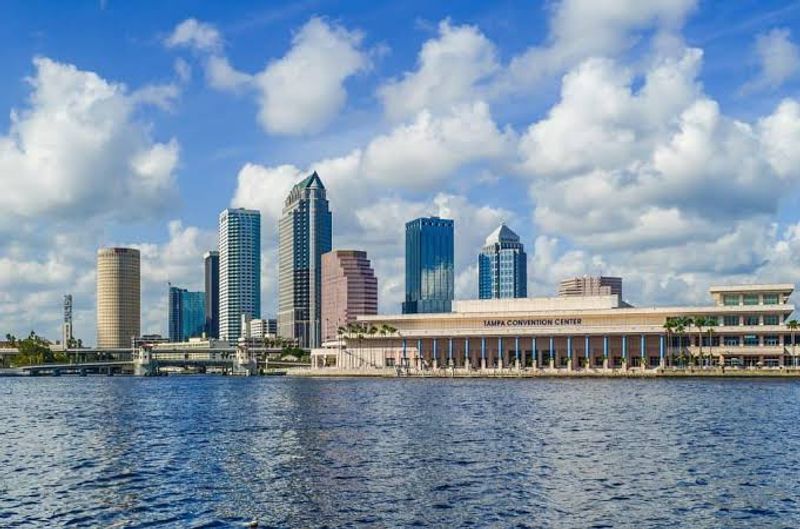
Walk the Tampa Riverwalk on a Saturday and the energy is hard to miss. Runners, families, food lovers, and dog walkers crowd the path along the Hillsborough River. That buzz is one big reason investors cannot stop talking about this city.
Tampa has become a favorite for companies moving or expanding in Florida. Finance, tech, and healthcare jobs have grown, and many remote workers have also picked the area. The lure is simple: big-city perks, warm weather, and no state income tax.
New neighborhoods like Water Street have transformed parts of downtown with towers, hotels, and shops. Meanwhile, historic Ybor City still keeps its old cigar factory charm. You can almost smell the history there, along with a fresh Cuban sandwich.
Sports have helped Tampa’s reputation too. The city has celebrated championships in football, hockey, and more in recent years, giving it a winning image that brings attention nationwide.
For locals, the downside is clear. Housing costs have climbed, and older neighborhoods are seeing rapid change. Renters should lock in lease terms when they can and stay alert for rent increases.
Homeowners in up-and-coming areas may want to think long-term before selling, since values near new projects can keep rising. Keep an eye on flood maps as well, because Tampa Bay is surrounded by water. Big money has already found Tampa, but many residents are still catching up to just how much.