Beneath This Huge Florida Reservoir Lie 20 Lost Springs and Miles of Forgotten River
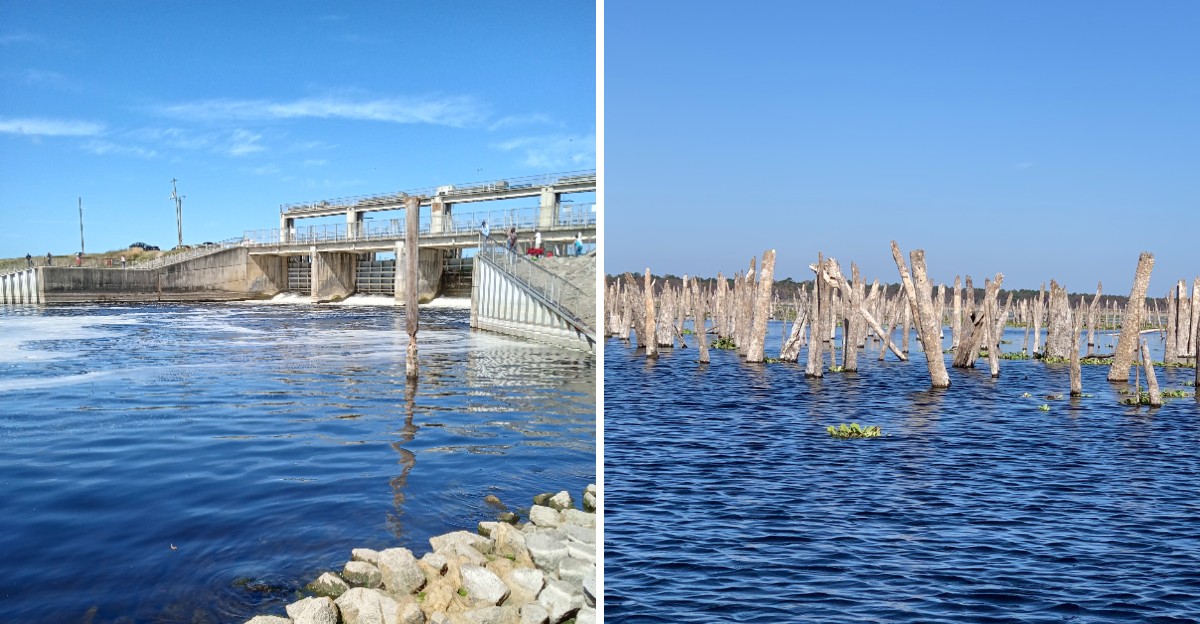
Rodman Reservoir looks like a broad stretch of quiet Florida water, but beneath its surface is a landscape with a remarkable past. Created in the late 1960s as part of the abandoned Cross Florida Barge Canal project, the reservoir submerged more than 20 freshwater springs and roughly 16 miles of the natural Ocklawaha River channel. Today, the approximately 9,500-acre reservoir stretches across part of Marion and Putnam counties, covering flooded woodlands, submerged trees, and sections of the old river corridor. During periodic drawdowns, when water levels are intentionally lowered, portions of that hidden landscape can reappear, including spring areas and remnants of forest that have spent decades underwater.
That unusual history makes Rodman far more than a popular fishing destination. It is also one of Florida’s most striking examples of how dramatically a man-made project can reshape a natural river system. For travelers fascinated by forgotten places, springs, and Florida environmental history, Rodman Reservoir hides an entire chapter of the state beneath its surface—one that occasionally emerges when the water drops.
A Canal That Never Got Finished
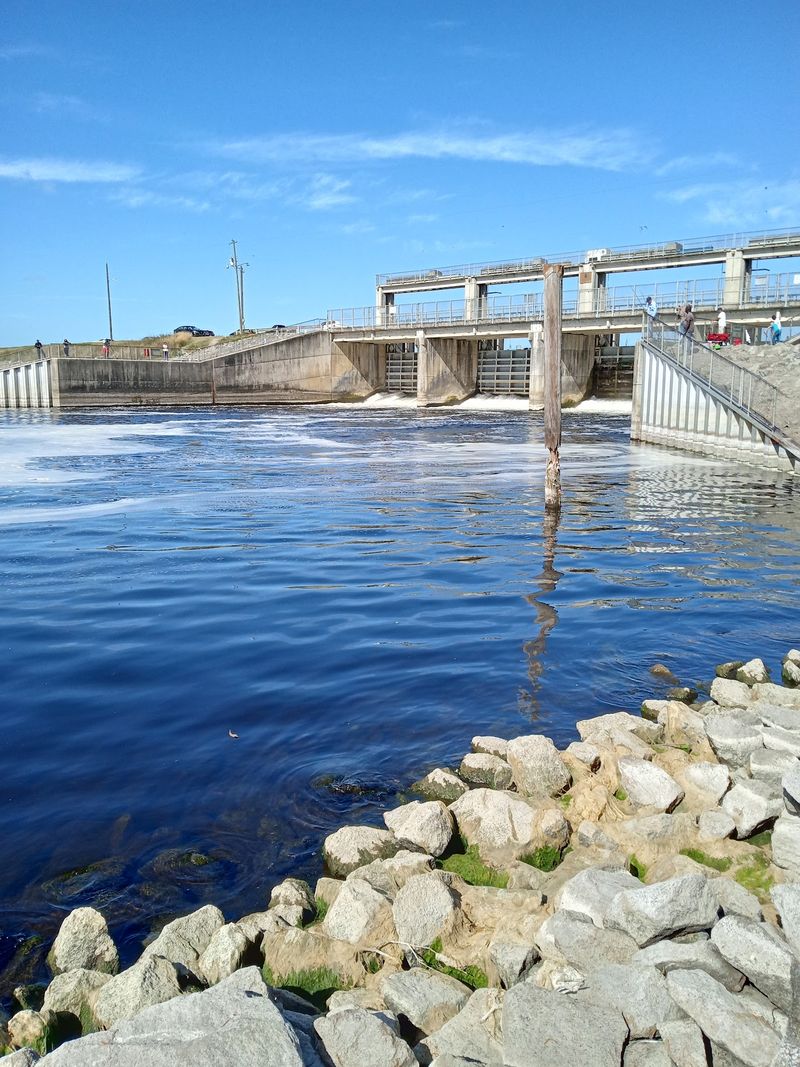
Picture a giant shipping shortcut slicing straight across Florida, from the Gulf of Mexico to the Atlantic. That was the dream behind the Cross Florida Barge Canal, and Rodman Reservoir is one of its biggest leftovers.
Planners wanted barges to skip the long, stormy trip around the southern tip of the state. President John F. Kennedy’s era pushed the project forward, and construction crews got busy in the 1960s. Rodman Dam was finished in 1968, and water began piling up behind it.
Then things got messy. Scientists and regular citizens started asking hard questions about what the canal would do to drinking water, wildlife, and rivers. A Gainesville woman named Marjorie Harris Carr became the face of that fight, and her group gathered serious support.
In 1971, President Richard Nixon halted work on the canal. Years later, in 1990, the project was officially killed. The land along the route became the Marjorie Harris Carr Cross Florida Greenway, a long strip of trails and parks.
Here is the strange part. The dam stayed, and so did the lake it created. That means you can visit a huge body of water that exists because of a canal nobody ever finished.
Keep that in mind when you stand near the spillway. You are looking at a piece of Florida history frozen halfway between plan and reality. Few places in the state tell a story of big ambition and big second thoughts quite like this one.
Want to see it for yourself? Head to the Rodman Recreation Area near Palatka, south of Highway 19. There are picnic spots, a boat ramp, and campsites close by, so you can make a whole day out of it.
Bring a camera, too. The concrete dam against the dark, tea-colored water makes a surprisingly dramatic photo, especially near sunset.
Fun fact: people still call the reservoir by two names. Some say Rodman Reservoir, while others use its official title, Lake Ocklawaha. Either one works, and locals will know exactly where you mean.
Twenty Springs Hiding in the Dark Water
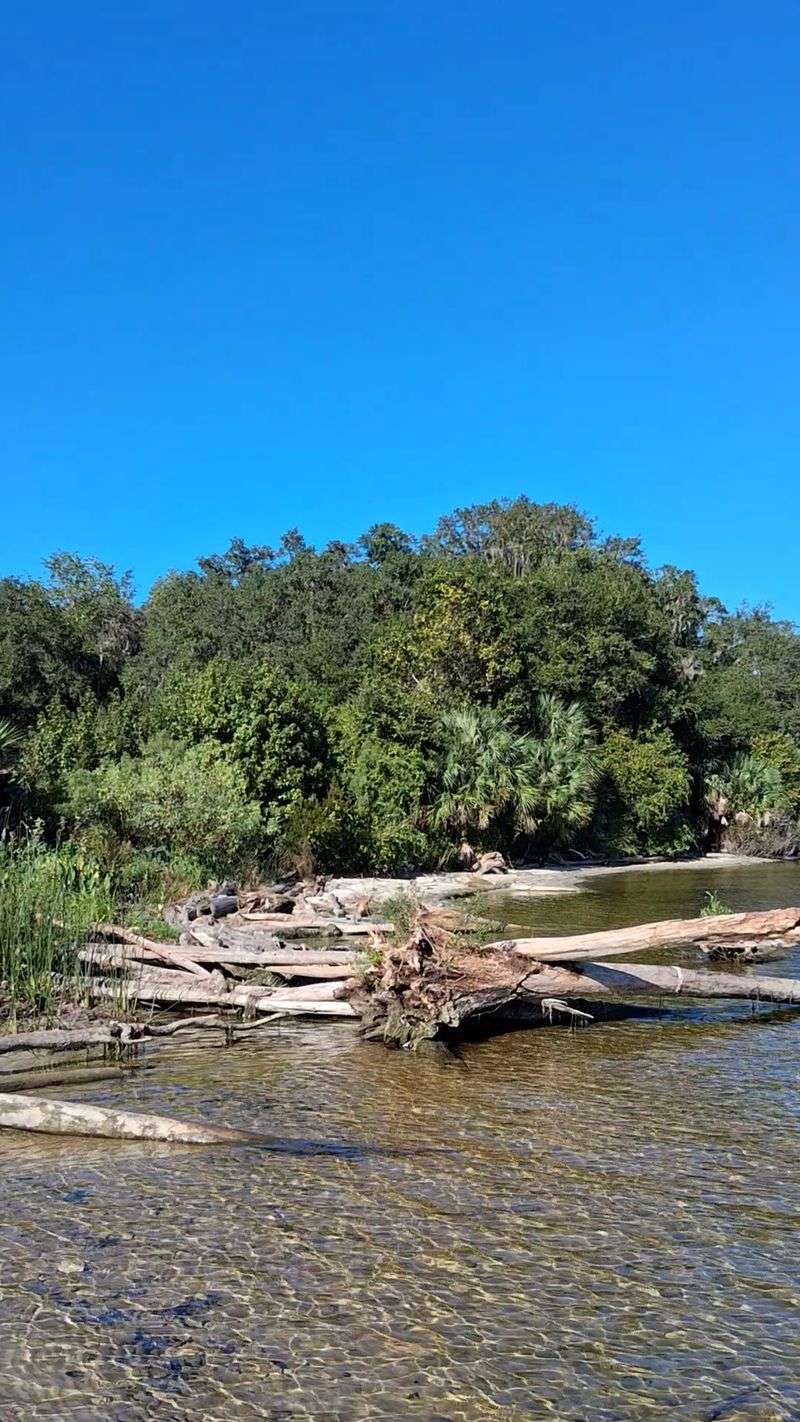
Close your eyes and imagine crystal blue pools bubbling up from sand, each one glowing like a sapphire. Around 20 springs used to look just like that along this stretch of the Ocklawaha River.
When the reservoir filled, those springs slipped under murky, tea-colored water. Most people boating overhead have no idea they are floating above them. The springs did not disappear, though, they just got buried by a flooded lake.
Why does that matter? Florida springs are like natural windows into the aquifer, the giant underground supply that gives much of the state its drinking water. Clear spring water supports fish, turtles, and even manatees looking for warm hideouts in winter.
Under a reservoir, that clear water mixes with dark lake water. The bright blue look fades, and plants that need sunlight struggle to grow.
Here is the cool part. When managers lower the reservoir for maintenance, some springs pop back into view. Visitors have reported seeing clear water trickling out of the sand again after decades underwater.
These drawdowns usually happen every few years, often in late fall or winter. If you ever hear news about one coming, grab your shoes and go. It is like getting a rare peek at a secret room in your own house.
Paddlers sometimes follow the old river bends during low water, spotting little boils where spring water pushes up. Move slowly, look for clear patches, and watch for sand that seems to wiggle.
Scientists say restoring the river could bring many of these springs back to full shine. That idea is a huge reason why so many people talk about this place.
A quick safety tip: never climb into soft mud at the edges during a drawdown. Some spots act like quicksand, and gators like these areas too.
Did you know? Silver Springs, one of Florida’s most famous springs, flows into the Ocklawaha upstream. So this river has spring water running through its veins from start to finish.
The Ocklawaha River Before the Flood
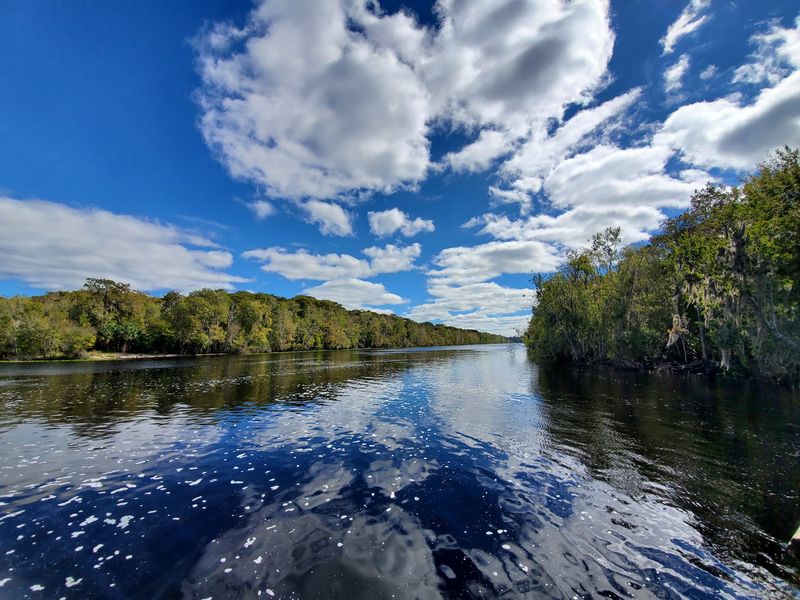
Steamboats once squeezed through cypress trees so tight that passengers could touch the branches. That was the Ocklawaha River in the 1800s, and tourists paid good money to ride it at night with torches blazing.
Writers like Harriet Beecher Stowe and Sidney Lanier praised this river. Lanier even called it the sweetest water lane in the world. It snaked north from Silver Springs, twisting and turning until it met the St. Johns River.
Now picture miles of that winding channel under a flat lake. That is what happened when Rodman Dam went up. About 16 miles of river and roughly 7,500 acres of floodplain forest went underwater.
The old channel is still down there. Fishing guides and longtime locals know where it runs because the deeper water follows its curves. Bass love those drop-offs, which is one reason anglers keep coming back.
Upstream of the reservoir, you can still paddle sections of the living Ocklawaha. Put in near Gores Landing or Eureka and you will see what the whole river used to look like. Cypress knees poke up, turtles stack on logs, and the current carries you along.
It feels like stepping back a century. The water is dark from tannins, which come from leaves soaking like tea bags.
For a fun comparison, paddle the upper river one day and cruise the reservoir the next. You will feel the difference right away, one narrow and shady, the other wide open and sunny.
Pack plenty of water and bug spray. The shady river is gorgeous, but mosquitoes and deer flies absolutely know it too.
History lovers, look up old steamboat photos before you go. Seeing those pictures and then gliding past the same kind of trees makes the story click.
And think about this. Some folks alive today remember fishing the river before the dam. Ask around at a local bait shop and you might hear some fantastic stories.
Stumps, Snags, and Ghost Forests
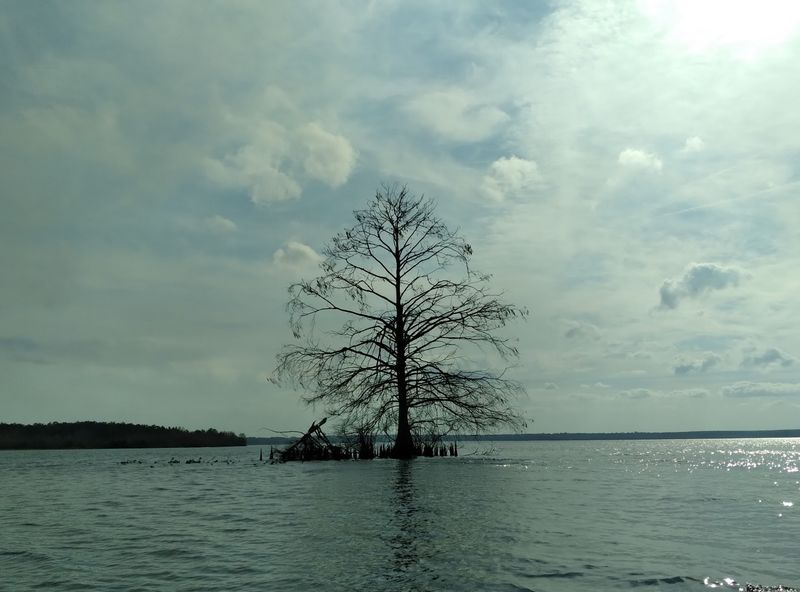
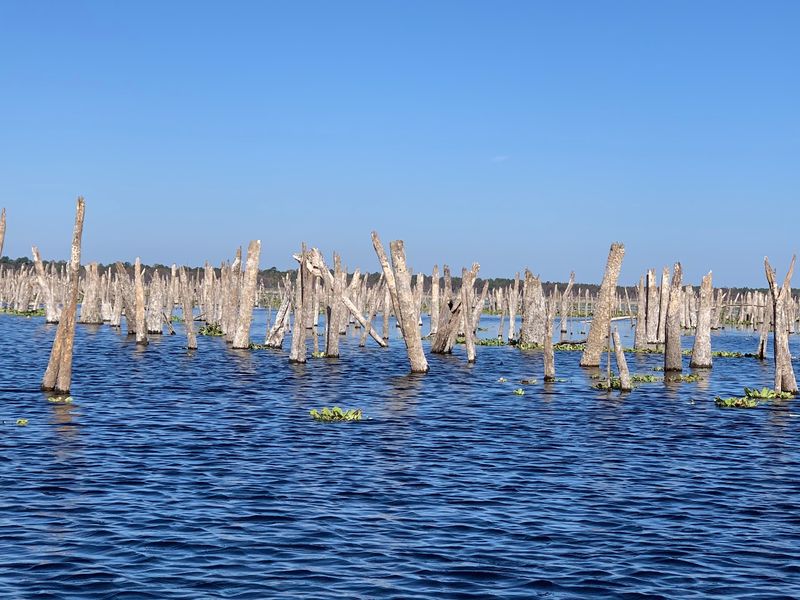
Ask any boater about Rodman and the first warning you hear is probably about stumps. Lots of them. Some stick up like broken pencils, and plenty hide just under the surface waiting for your propeller.
Here is why. When the reservoir was built, crews used a huge machine called a tree crusher to knock down the forest. Many trees were flattened, not removed, and the water simply rose over them.
The result is a ghost forest. Standing dead trunks rise from the water, and logs drift around after storms. It looks eerie and beautiful at dawn, especially with fog hanging low.
For boaters, though, it is serious business. The lake is shallow, often just 2 to 13 feet deep, so a stump can be closer than you think. Stay inside the channel markers whenever possible.
Going slow is your best friend here. Idle speed outside the channel keeps your boat, your motor, and your passengers safe. Polarized sunglasses help you spot dark shapes under the water.
First-timers should consider hiring a local guide for their first trip. They know the safe routes and can show you where the old river channel runs deep.
Now for the good news. Fish absolutely love all that timber. Stumps and logs give bass, crappie, and bluegill places to hide and ambush food.
So those same hazards are a big reason the fishing stays so good. Anglers cast right along the wood and wait for a thump on the line.
Kayakers and canoe paddlers have an easier time. A light boat just bumps a stump and slides off, so paddling through the ghost forest is a peaceful way to explore.
Bring a map app with a lake layer if you can. Some show marked channels and depth lines, which is super helpful.
Quick fact: the tree crusher machine weighed hundreds of tons. Pictures of it look almost like a monster from a sci-fi movie rolling through the Florida woods.
Bass Fishing That Pulls in the Pros
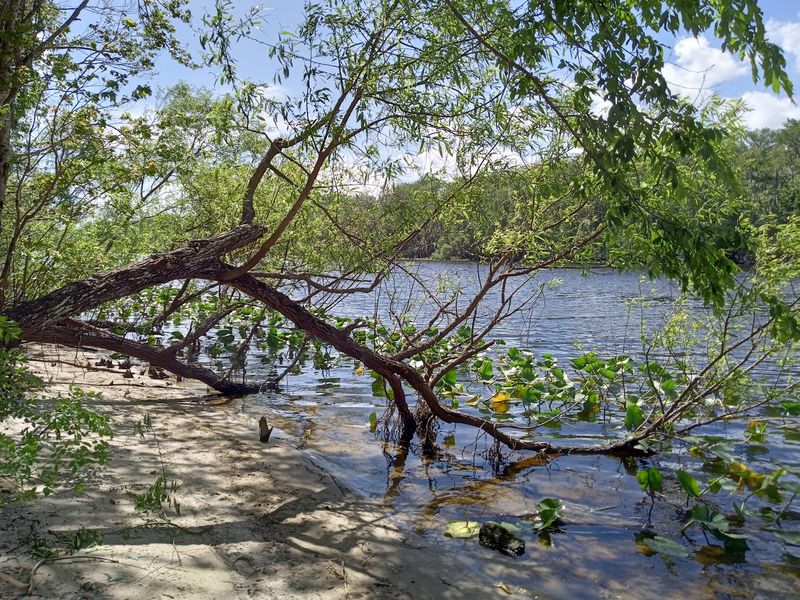
Fifteen-pound largemouth bass. Yes, you read that right, and locals will happily swear they have seen fish that size come out of Rodman.
Whatever you think about the dam, one thing is clear. This reservoir built a reputation as one of Florida’s top bass lakes. Pro anglers sometimes practice here before tournaments on the nearby St. Johns River.
So what makes it so fishy? The flooded timber, thick vegetation, and old river channel create perfect hideouts. Bass grow big when they have plenty of cover and food.
Spring is prime time. From roughly February through April, bass move shallow to spawn, and anglers go wild. Soft plastic worms, swimbaits, and topwater lures are all popular picks.
Summer fishing works best early in the morning or right before sunset. Midday heat pushes fish deeper, often near the old channel drop-offs.
Guided trips are a smart move if you are new. A good guide can have you on fish fast and teach you why certain spots work. Families often turn these trips into yearly traditions.
Not a bass fan? Crappie, called speckled perch in Florida, bite well in cooler months. Bluegill and catfish also keep rods bending, which makes the lake great for kids.
Bank fishing is possible too. Spots near the dam and recreation area let you cast without a boat, though a boat gives you way more options.
Remember your Florida freshwater fishing license if you are 16 or older. Check current size and bag limits before you keep anything.
Many anglers practice catch and release with the biggest bass. Snap a quick photo, then let her go so she can grow even bigger.
Here is an insider tip. Some anglers admit the fishing had better years in the past, but still say it beats plenty of lakes around the state. Even on a slow day, the scenery makes up for it.
Gators, Bears, and a Whole Lot of Wildlife
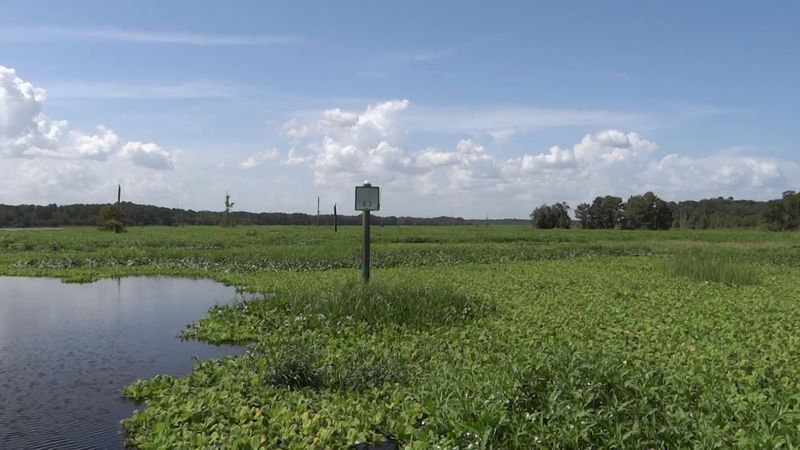
One visitor said they saw more wildlife here than at a zoo. After a day on the water, you might agree.
Alligators are the headliners. You will spot them sunning on banks, floating like logs, or cruising slowly with just their eyes showing. They are usually shy, but give them plenty of space.
Look up and you might catch a bald eagle. These big birds nest in the tall trees around the reservoir, especially in winter. Ospreys dive for fish, and herons stalk the shallows like patient statues.
Turtles pile up on logs in sunny spots. Count them as you paddle past, it is oddly satisfying.
Now for the surprise guest. Florida black bears live in the forests around Rodman and nearby Ocala National Forest. Seeing one is rare but thrilling, so keep food locked up if you camp.
Deer, wild turkeys, otters, and possums also roam the area. Early mornings and evenings are the best times for spotting action.
Manatees are part of this story too. The dam blocks their old route up the Ocklawaha toward Silver Springs. A few sometimes wander near the lock and dam, and critics say restoring the river would help them.
Birders should pack binoculars. Winter brings migrating ducks and waterbirds, making the lake a fun spot for checking off new species.
Safety comes first with wild animals. Never feed gators, keep pets on a leash away from the water, and skip swimming here. Swimming is discouraged for good reason.
Bring a zoom lens or phone camera with good zoom. You can grab great photos without getting close, which keeps both you and the animals happy.
And watch the bugs too. Some folks leave talking about the weird insects as much as the gators, from giant dragonflies to strange beetles.
Here is a fun fact. Female alligators build nest mounds from mud and plants, and the temperature inside decides whether babies hatch as boys or girls.
Drawdowns Reveal a Buried World
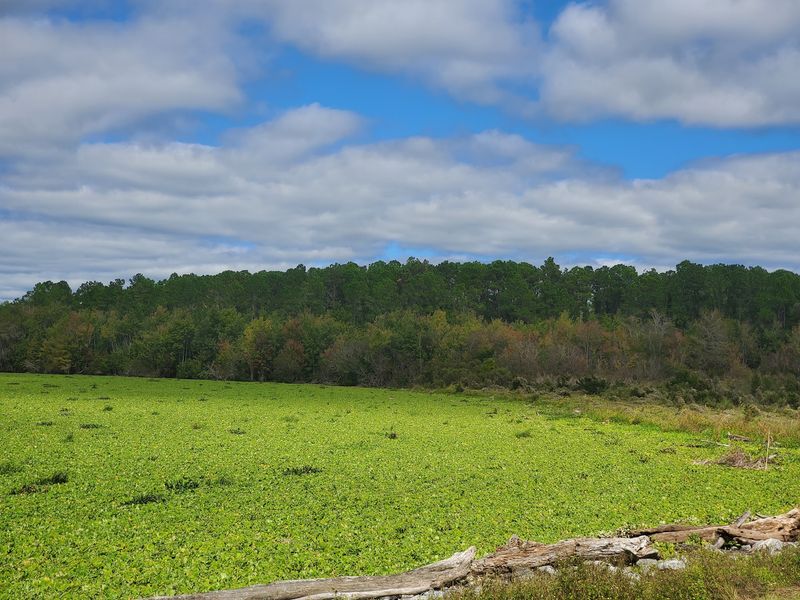
Every few years, something magical happens at Rodman. The water drops, and a hidden landscape rises back into daylight.
These events are called drawdowns. Managers lower the reservoir to control weeds, dry out muck, and give the lake a healthy reset. The process can last a few months.
During a drawdown, the old Ocklawaha River shows its true shape. Instead of a wide flat lake, you see a narrow river winding through mud flats and stumps.
People get excited because hidden springs start flowing into view again. Some visitors have paddled right up to clear water they never knew existed.
Plants also bounce back fast. Seeds that sat buried for decades can sprout on the exposed ground. Within weeks, green shoots cover the mud, which shows how badly the land wants to heal.
Artifacts sometimes appear too. Visitors have reported arrowheads and pottery pieces along the shoreline. These are reminders that Native people lived along this river for thousands of years.
Here is an important rule. Collecting artifacts on state land is illegal, so snap a photo and leave them be. Report special finds to park staff if you can.
For anglers, drawdowns are a mixed bag. Fish crowd into the deeper channel, which can make fishing surprisingly hot. Boat ramps might be closed or tricky, though, so call ahead.
Plan your visit around official news. The Florida Department of Environmental Protection and local outlets usually announce drawdown dates in advance.
Wear boots you do not mind ruining. Mud here is thick, stinky, and determined to steal your shoes.
Many people say a drawdown changed how they see this lake. After looking at the river’s old curves, a regular day on the reservoir never feels quite the same.
Photographers love it too. Drone shots of the winding channel during low water look like a map drawn by nature itself.
The Big Fight Over Free the Ocklawaha
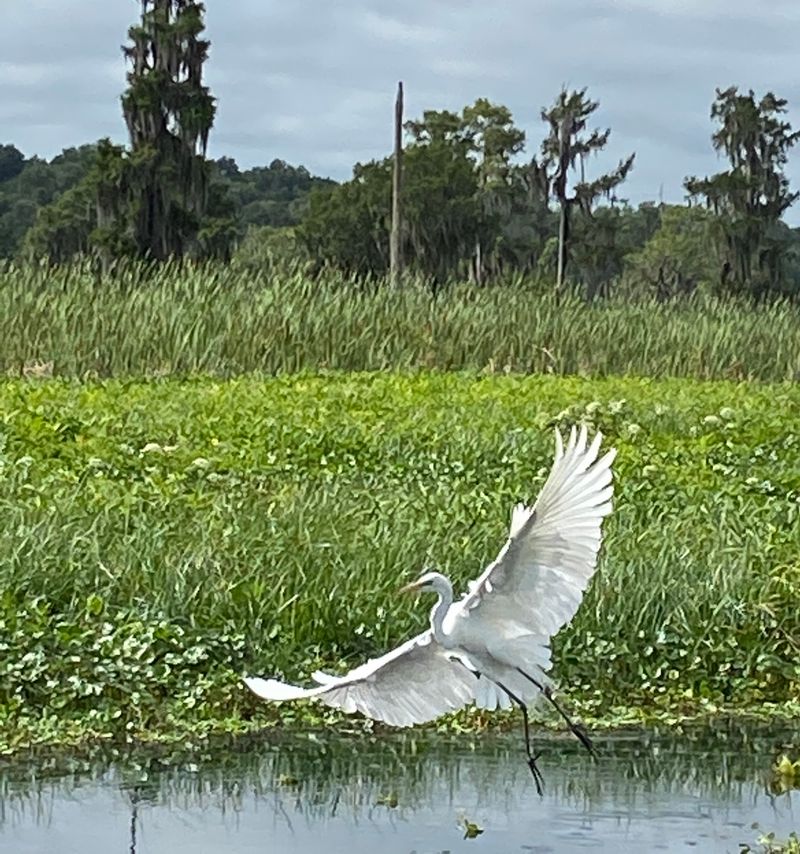
Few Florida lakes spark arguments at the dinner table quite like this one. Mention Rodman in Putnam or Marion County, and you might start a friendly debate.
On one side are restoration supporters. They want to breach the dam and let the Ocklawaha flow freely again. Groups like the Free the Ocklawaha River Coalition have pushed for this for years.
Their reasons are strong. Restoring the river could bring back around 20 springs, reconnect manatee paths, and revive thousands of acres of forest. They also say it would help the St. Johns River and Silver Springs.
On the other side are folks who love the reservoir as it is. Many anglers and local businesses depend on the bass fishing. Fishing trips, bait shops, and camps bring money into small towns.
Some residents simply grew up with the lake. To them, it is home, full of memories of weekend trips and first fish caught.
The state has studied restoration plans several times, and a full breach has never quite happened yet. Laws, money, and politics keep the story going.
So who is right? That is for you to think about. Visiting both the reservoir and the free-flowing upper river can help you form your own opinion.
Here is a smart approach. Read a little about both sides before your trip. Then pay attention to what you see, from the fishing boats to the drowned trees.
Talk with locals too. Bait shop owners, guides, and campers often have strong views and interesting stories to share.
Whatever happens, the future of this lake matters for Florida’s springs. Decisions made here could shape how the state treats rivers for decades.
Fun fact: Marjorie Harris Carr, who helped stop the barge canal, spent the rest of her life pushing to restore the river. She passed away in 1997, and many supporters still carry on her dream.
Planning Your Own Rodman Adventure
Ready to see the lake with your own eyes? Good news, getting here is easy, and the vibe is laid-back from the moment you park.
Rodman Reservoir sits south of Palatka in Putnam County, roughly between Gainesville and St. Augustine. The Rodman Recreation Area and campground make a great home base.
Several boat ramps dot the shoreline, with decent parking at the main spots. Launch early on weekends because fishing crowds show up before sunrise.
Camping is a big draw. Some sites sit right near the water, so you can wake up and cast within minutes. Reserve ahead in spring, when bass season packs the place.
Paddlers should try the quieter coves. Kayaks and canoes let you slip through the flooded timber and spot wildlife without engine noise.
Off the water, the Cross Florida Greenway offers trails for hiking, biking, and horseback riding. Some areas allow ATVs and trucks, so check rules before heading out.
Pack smart for the day. Bring sunscreen, bug spray, water, snacks, and a small grill if your site allows it. A cooler keeps drinks cold for sunset watching.
Skip swimming, full stop. Gators live here, and the murky water hides stumps.
Groceries and supplies are close by in Palatka, so forgetting something is not a disaster. Local bait shops also share fresh tips on what fish are biting.
Visit in cooler months for comfortable weather and fewer bugs. Late fall through early spring usually feels best for hiking and camping.
Leave no trace behind you. Pack out trash, respect wildlife, and leave any artifacts where you found them.
Most visitors describe the place as peaceful and relaxing, with friendly people all around. That easy feeling sticks with you long after the trip ends.
Pro tip: stay for sunset over the drowned trees. The sky turns orange, eagles head to roost, and the lake feels like a secret you get to keep for a little while.