Ancient Fossils Are Waiting to Be Found at This One-of-a-Kind Florida State Park
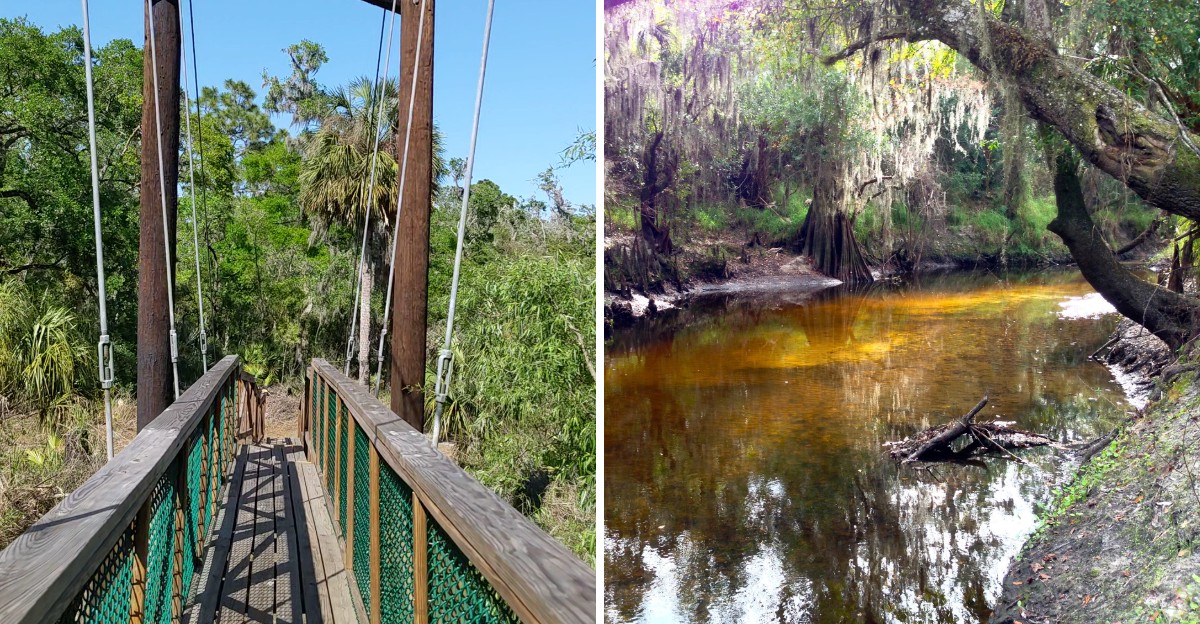
Paynes Creek Historic State Park near Bowling Green offers far more than quiet trails and old Florida history. Along the adjoining Peace River, visitors can search the shallow water and gravel for fossils left behind by creatures that lived here thousands of years ago. Florida State Parks notes that finds in the river can include fossilized remains from mammoths, mastodons, bison, and alligators.
That makes a visit feel part history lesson and part outdoor adventure. The park also has roughly three miles of trails, river access for paddling, and historic sites connected to Fort Chokonikla and a 19th-century trading post. The surrounding Peace River is especially known for fossil hunting because its slow-moving water helps preserve ancient material in the riverbed.
Just keep in mind that Florida State Park rules generally prohibit removing natural or historic materials from park property, so visitors should check current regulations before collecting anything. For anyone who likes hidden history, wildlife, and hands-on Florida adventures, Paynes Creek offers a fascinating glimpse into a much older version of the Sunshine State.
A Florida State Park Where History Goes Back Millions of Years
A shallow sea covering the spot where you are parked. Millions of years ago, that was close to the truth for much of Florida. The state was often underwater, and the animals that lived and died there left traces behind.
Paynes Creek Historic State Park sits at 888 Lake Branch Rd in Bowling Green, in the middle of what locals call Bone Valley. That nickname did not come from nowhere. The region sits on rich layers of earth packed with old shark teeth, bones, and shells.
One visitor described the park as a hidden gem in the land of Bone Valley mining, with white sand berms, river bottoms, and thousands of years of history showing in the river banks. That sums up the feel nicely. You walk along the water and the story of the land is right there in the layers.
The park also holds a second kind of history. In the 1800s, pioneers and Seminole people shared this area, and a trading post once stood nearby. So you get ancient time and human time in one visit.
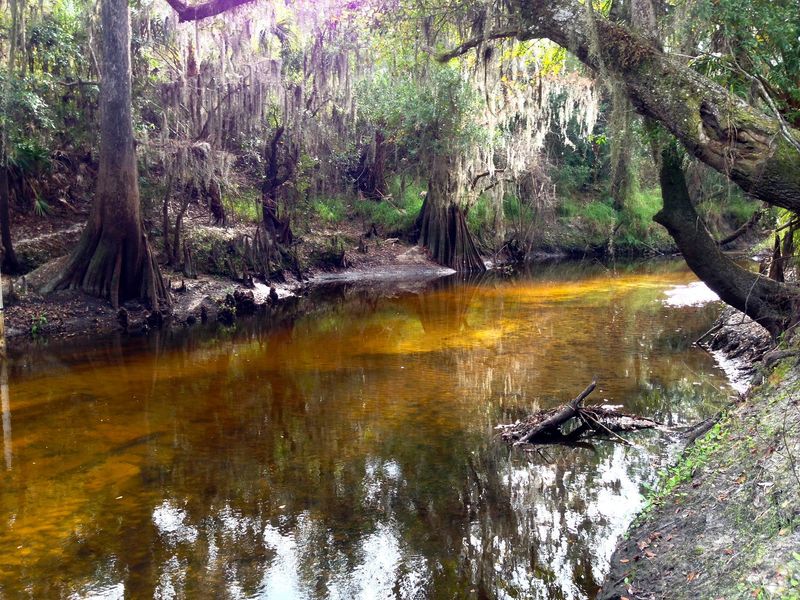
The setting is easy to enjoy even if you never pick up a single fossil. Cypress trees lean over the creek, oaks have outlasted plenty of storms, and birds keep up a constant chorus. One visitor even heard the classic barred owl call of who cooks for you drifting from the treetops.
Entry has been reported at about three dollars per vehicle, which is hard to beat for a full day outdoors. Hours run from 8 AM to 8 PM every day of the week. Bring water, since vending machines are not part of the picture here.
Think of this place as a time machine with a very small ticket price. You can start with the visitor center, wander out to the creek, and let your imagination fill in the scenery from long ago. It is a gentle way to feel how deep Florida history really goes.
Give yourself at least a couple of hours. Rushing through would be a shame when the creek and woods reward a slow pace.
Why Fossil Hunting Is Such a Big Draw at Paynes Creek
Few hobbies feel as close to treasure hunting as looking for fossils. You never know whether the next scoop of sand will hold something that has been hidden for ages. That thrill is the heart of the appeal here.
The Peace River region is well known across Florida for fossil finds. Collectors, families, and curious kids all head to waterways in this part of the state hoping for a lucky discovery. Paynes Creek shares that landscape, which is why the park gets mentioned in the same breath as fossil adventures.
Part of the charm is how low-tech it is. You do not need fancy gear to enjoy the search, just patience, sharp eyes, and a love of surprises. Even a failed hunt ends with a pretty walk by the water.
Here is a friendly reality check, though. State parks protect their natural and historic resources, so collecting rules apply, and they can change. Before you pack a shovel or sifter, call the park at 863-375-4717 or check the Florida State Parks website to learn what is allowed.
That small step saves headaches later. Rangers here have a reputation for being helpful and kind, and visitors often mention how much information they got at the gate. Ask them what you can do and where to look.
Even without taking anything home, you can learn plenty. Looking closely at the creek banks, the color of the sand, and the layers in the soil teaches you how the land was built. Bring a camera and photograph anything interesting instead.
Kids tend to love this part of the visit. A magnifying glass, a notebook, and a few snacks can turn a quiet creek walk into a mini science expedition. By the end, they will probably be telling you facts about ancient Florida.
What Kinds of Ancient Finds Visitors Might Discover
Shark teeth are the celebrities of Florida fossil hunting. They are dark, shiny, and shaped like little triangles, which makes them easy to spot once your eyes learn the pattern. Finding one feels like winning a tiny lottery.
Beyond teeth, the broader Peace River area is known for pieces of ancient sea life and land animals. Fragments of bone, shells, and worn stones turn up in river sediment. Some pieces are tiny, and some look like nothing special until you turn them in the light.
Here is a good rule for beginners: look for things that seem out of place. A smooth, dark, glossy bit among tan sand deserves a second glance. Shapes that look too neat to be a normal pebble often turn out to be interesting.
Do not expect a giant skeleton on your first trip. Most finds are small, and part of the joy is learning what you are looking at. Pairing your search with the visitor center displays can help you recognize what is local.
The museum inside is small but informative, and visitors praise it for explaining how the park came to be. Seeing artifacts and exhibits first gives context for what you might spot outside. A short film also covers area history.
Keep your expectations playful. Maybe you find a shell fragment, maybe a mysterious rock, maybe nothing but a great story about the day you almost found something. That is still a win.
Always check the current park rules about collecting and disturbing the ground before you pocket anything. If a find seems special, snap a photo and show a ranger. They may be able to tell you what it is, and you will leave knowing more than when you arrived.
The Creek Beds Make the Search Feel Like a Real Adventure
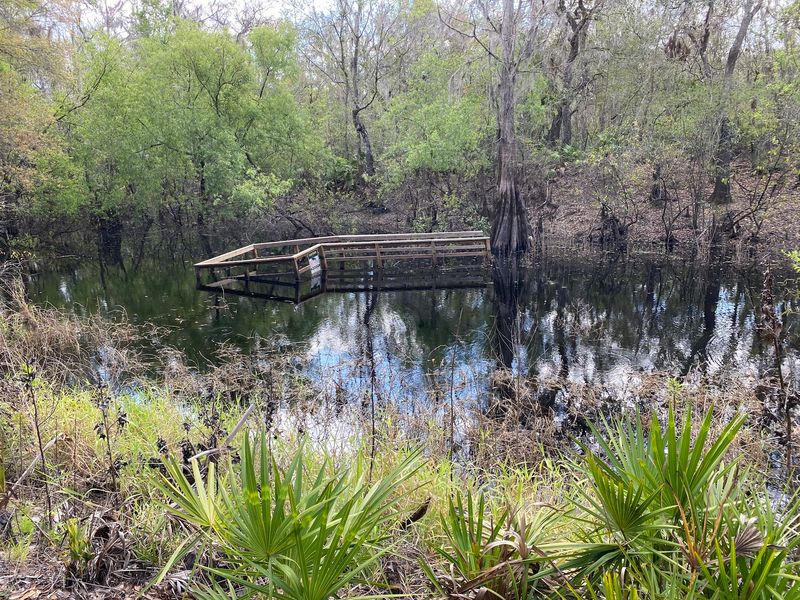
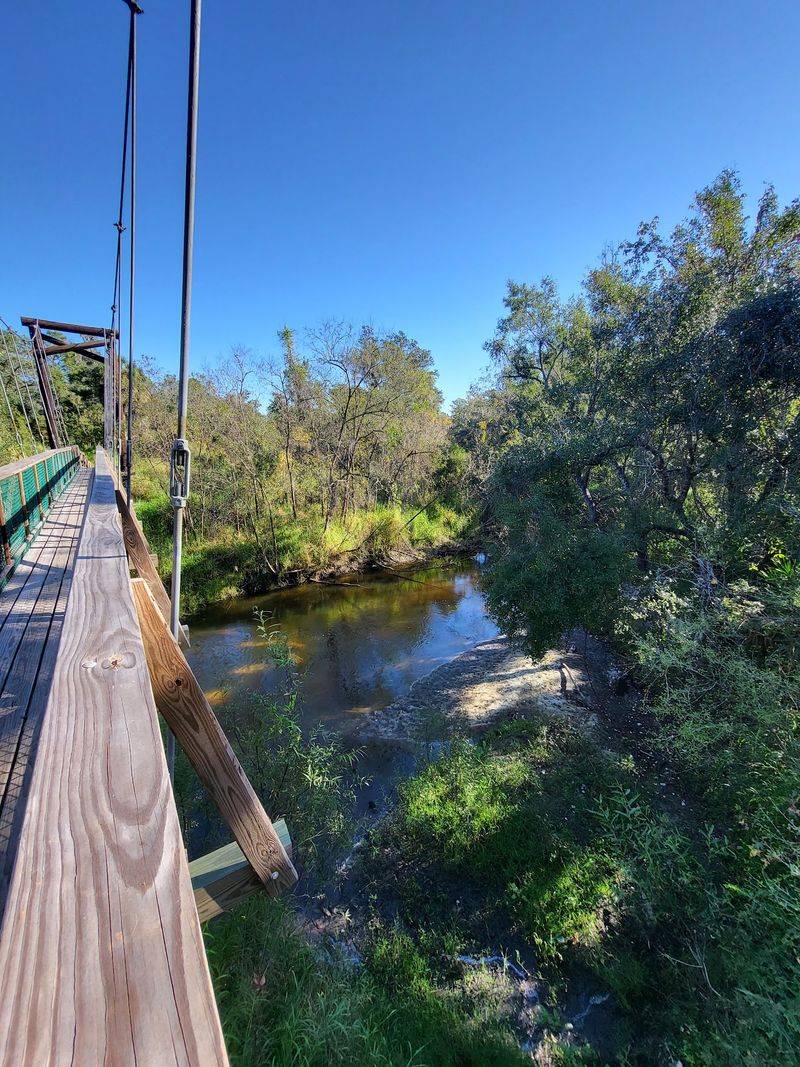
Water changes everything about a hike. At Paynes Creek, the creek and the Peace River give the park a moving, living backdrop. Reviewers talk about orange-tinted water, white sand bars, and the dramatic spot where the creek meets the river.
Paddling is a popular way to soak it in. There is a canoe launch, and one visitor called the area a peaceful, quiet place for kayaking. Here comes the tip that matters most: going downstream is easy, but you will need to paddle back upstream, so save some energy.
Wildlife shows up often. Visitors have spotted alligators, including a mama with young ones, along with eagles, swallow-tailed kites, and plenty of other birds. One birdwatcher counted 22 species on a single winter walk.
Give gators lots of room and never feed them. Keep kids and dogs back from the water edge, and watch where you step on muddy banks. A calm, respectful attitude makes the whole outing safer and more fun.
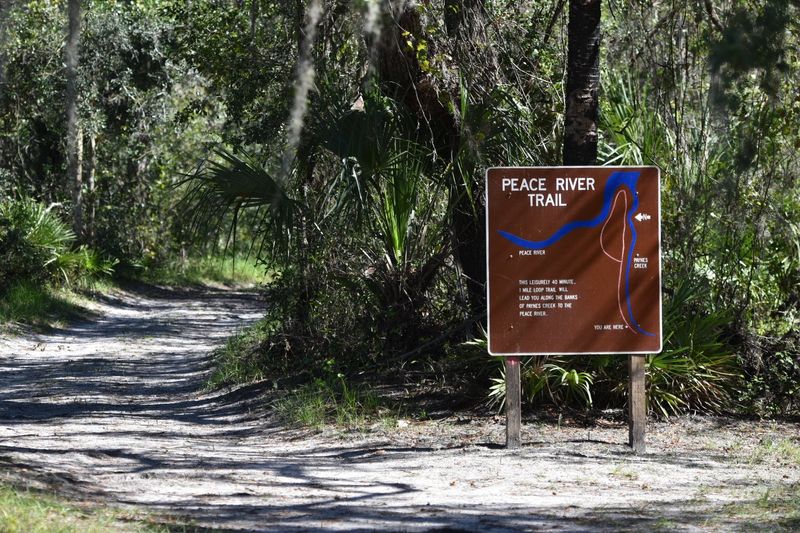
On foot, the trails near the water are mostly easy and flat. The Peace River Trail gives a taste of the shoreline, though one hiker wished it stayed beside the water longer. Wide paths let two adults walk side by side, which is nice for chatting.
Pack water, sunscreen, and bug spray. Sandy spots can be warm and bright, while shaded stretches feel cool and quiet. A hat is more useful than you might think.
The sense of adventure comes from the setting rather than from difficulty. You are looking at the same kind of river bottoms and banks that hold Florida stories. Moving slowly and watching closely is the whole trick.
Wear shoes that can handle damp sand, and take a small bag for trash. Leave the creek looking just as good as you found it.
Historic Ruins Add Another Layer to the Park Experience
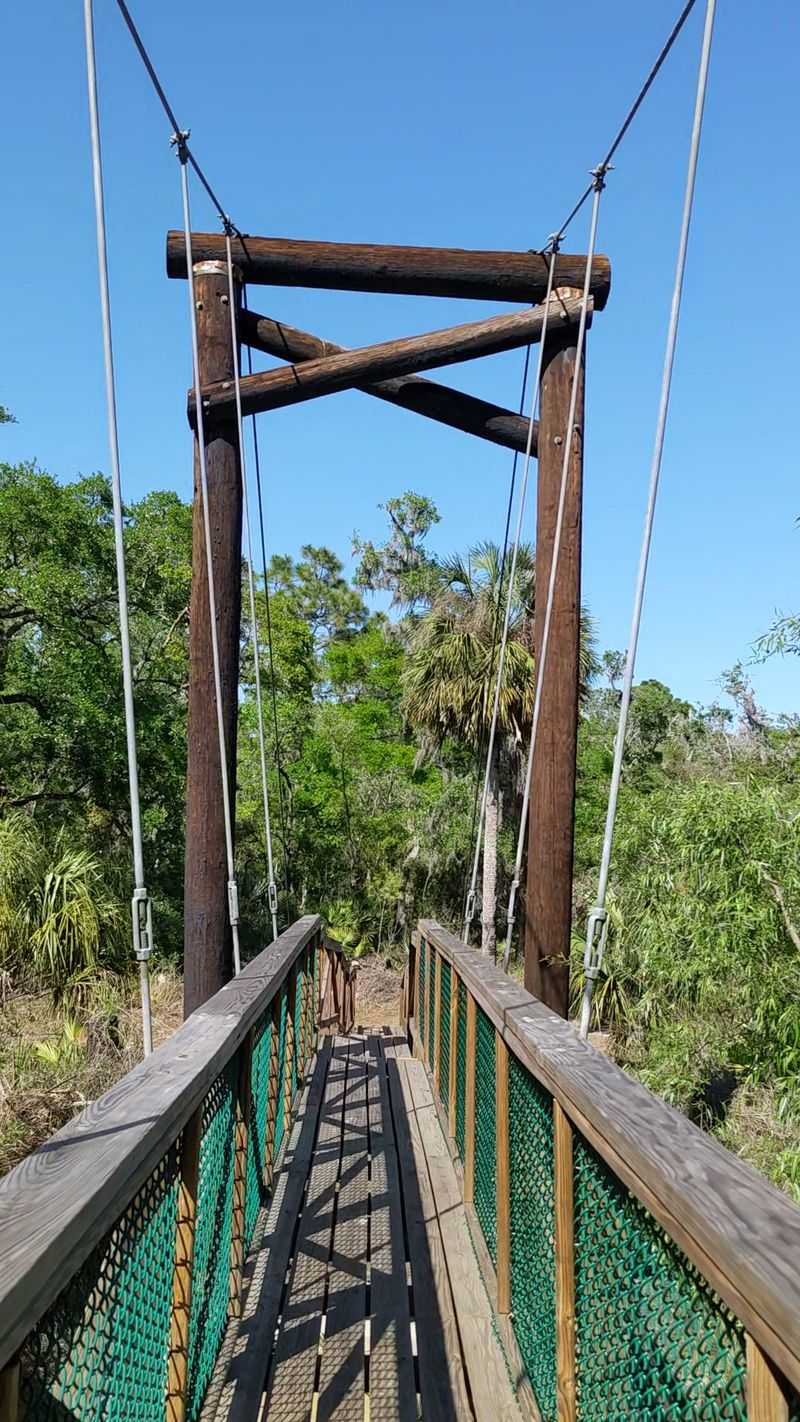
Cross a suspension bridge and you step straight into the 1800s. That bridge is one of the park’s most talked-about features, and nearly every review mentions it. It leads toward a monument tied to the Second Seminole War story.
Here is the quick history. A trading post called the Kennedy-Darling Store stood on this land in 1849. After traders were attacked, tensions rose, and a blockhouse fort was built nearby as part of a chain of forts across southern Florida.
Behind the visitor center, a short paved path leads to where the blockhouse once stood. Be ready for a modest site. One hiker said the historic site itself is not much to look at, so go for the story and imagination more than grand ruins.
The visitor center is where the story comes alive. Exhibits cover pioneers and Seminoles, and a roughly 12 minute film adds more detail. Some displays look a little dated, but the information is solid, and the building is described as clean and welcoming.
The walk to the monument takes about twenty minutes round trip from the picnic area, according to one visitor. Another reviewer described the Historic Trail as about 1.5 miles out and back. Distances vary by route, so ask for a map at the gate.
Not every path suits wheels. Reviewers note that trails can be tricky for wheelchairs and strollers, though some pavilions have paved access. Planning ahead helps everyone enjoy the day.
Read the signs along the way. Info plaques sit along many trails and fill in names, dates, and events. Together with the museum, they turn a simple stroll into a mini history lesson without any homework.
What to Know Before You Start Looking for Fossils
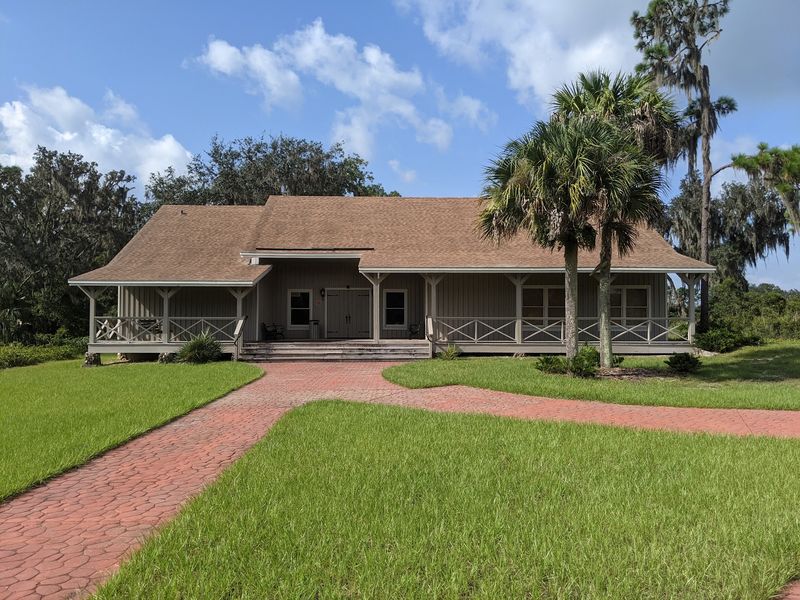
Good prep turns an okay day into a great one. Start with the basics: the park is open 8 AM to 8 PM daily, and reviewers mention a three dollar per vehicle fee. Some say cash only, while another noted a QR code option, so carry a few bills just in case.
Next, ask about the rules. Fossil collecting is regulated in many public places, and park policies may change. Call 863-375-4717 or visit the Florida State Parks page for Paynes Creek before you plan any digging or collecting.
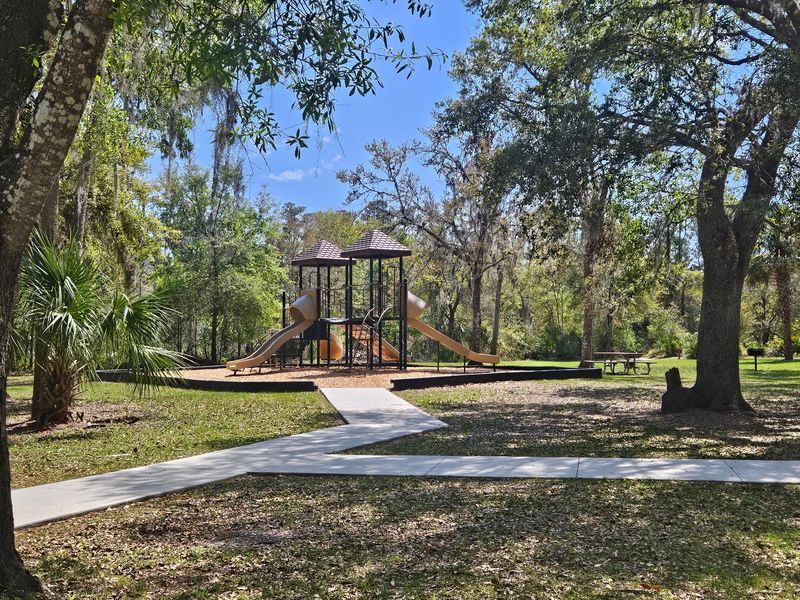
Water is a big one. There are no vending machines, and one hiker warned that the only refills are at the restrooms, including those near the playground. Fill bottles early and bring more than you think you need.
Trail maps may run out, and one visitor noted that extra signage would help find the way back to the parking lot. Snap a photo of the map at the gate. Rangers are known to hand out helpful info, so chat with them.
Wildlife awareness matters too. A reviewer cautioned that longer trails pass through areas where bears and panthers live, and gators hang near the water. Stay alert, keep dogs leashed, and never approach animals.
Pack light but smart. Good shoes, sun protection, snacks, and a camera cover most needs. A small bag and a soft brush can help you inspect finds without hurting them.
Picnic shelters, grills, restrooms, and a playground make it easy to stay for lunch. Some pavilions can be rented, and there is primitive hike-in camping rather than a developed campground. With a little planning, you will spend your time exploring instead of scrambling.
Why Paynes Creek Historic State Park Is Worth the Trip
With a 4.6 star rating from hundreds of reviews, this park earns its fans. People call it peaceful, well kept, and surprisingly rich for its size. Plenty say they wish they had found it sooner.
The mix is the magic. You get a small museum, a suspension bridge, easy trails, creek views, and the chance to think about prehistoric Florida all in one stop. Few places pack so much variety into a gentle outing.
Families will appreciate the playground, shaded picnic tables, and clean restrooms. Birdwatchers get lots of species, and paddlers get a quiet launch. History fans can chase the story of traders, forts, and Seminole War events.
Staff make a difference too. Several visitors single out the ranger at the gate for being friendly and generous with tips. A warm welcome sets the tone for the day.
It also works as a road trip break. One traveler used a short stop to stretch legs, add a stamp to a state park passport, and learn a surprising bit of Florida history. Even an hour feels worthwhile, though a half day is better.
Honest note: this is not a theme park. Some displays are older, some trails are simple, and the fossil search depends on rules and luck. If you enjoy quiet places and curiosity, that is exactly the appeal.
Go early for cooler air and active wildlife, or stay later for a golden evening by the water. Bring friends, bring patience, and bring questions for the rangers. You may leave with a few photos, a new fact or two, and a plan to come back.