It Kills Me When People Visit Florida and Miss These 10 Incredible Spots
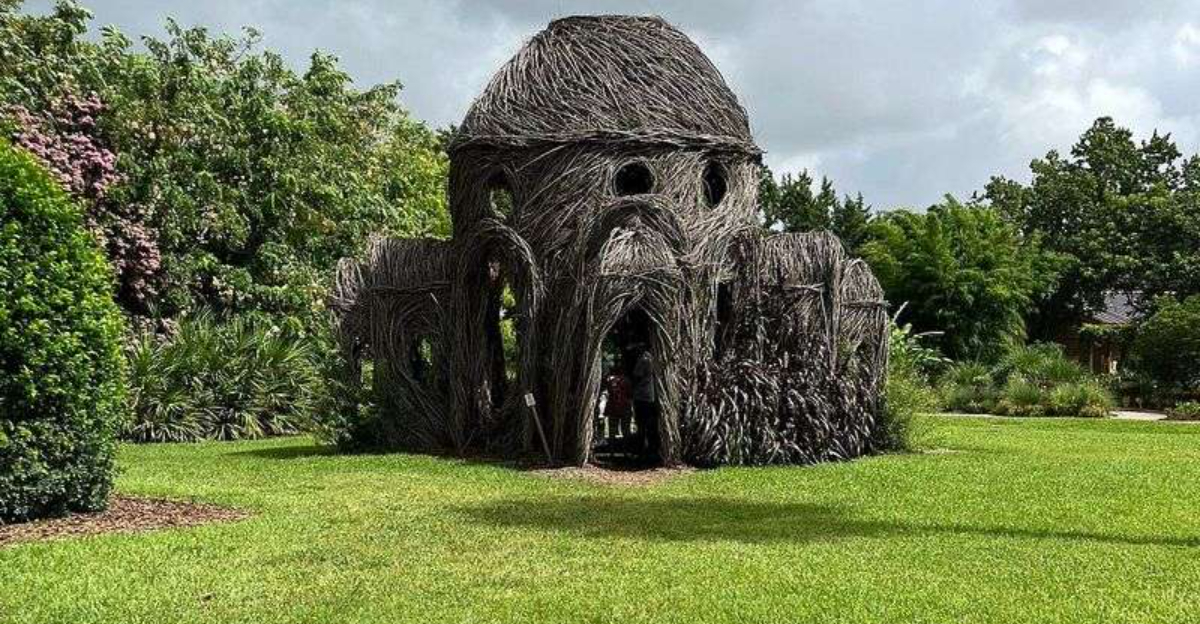
Most travelers flock to Florida for the theme parks and crowded beaches, but they end up missing some of the state’s most magical places. These hidden gems offer everything from wildlife encounters to world-class art, and they’re often tucked away in plain sight along the southeastern coast. If you really want to experience the best of Florida beyond the tourist traps, these ten spots deserve a place on your itinerary.
1. The Society of the Four Arts (Palm Beach)
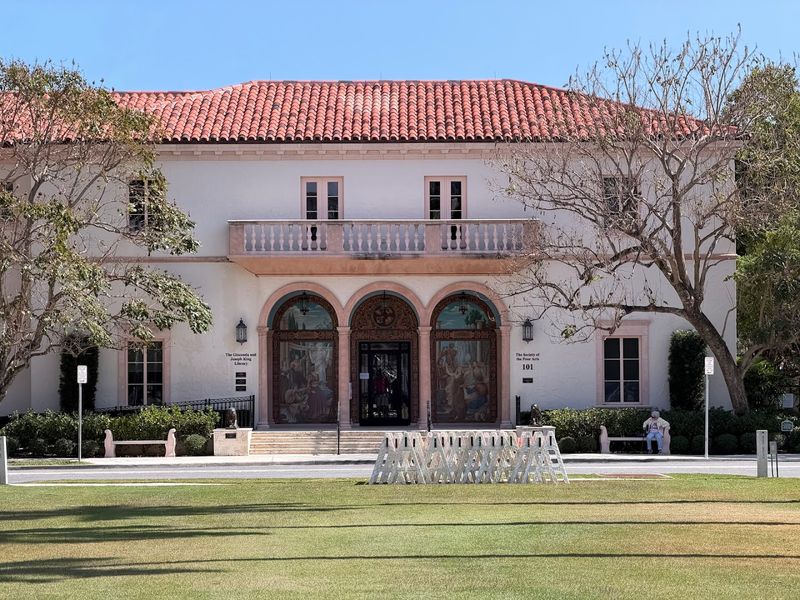
Walking through The Society of the Four Arts feels like stepping into a secret European villa that somehow landed in Palm Beach. This cultural gem hosts rotating art exhibitions, concerts, lectures, and film screenings throughout the season. The peaceful gardens alone make the visit worthwhile, with winding paths and tropical plantings that offer a quiet escape from the bustling island.
What makes this place special is how it brings together art, music, drama, and literature all under one roof. The galleries showcase everything from contemporary paintings to historical collections, and the outdoor sculptures dot the lush landscape. During peak season, you can catch world-renowned speakers and performers in intimate settings that feel exclusive yet welcoming.
The botanical gardens are free to explore and feature Chinese, Moonlight, and Sculpture gardens that change with the seasons. Families appreciate the children’s library, which hosts storytelling sessions and educational programs. Whether you’re an art enthusiast or just need a serene afternoon away from the beach crowds, this cultural oasis delivers something unexpected.
Don’t miss the Philip Hulitar Sculpture Garden, where modern art meets tropical beauty. The combination of indoor galleries and outdoor spaces means you can tailor your visit to the weather and your interests, making it perfect for any day of your Florida vacation.
2. Flamingo Gardens (Davie)
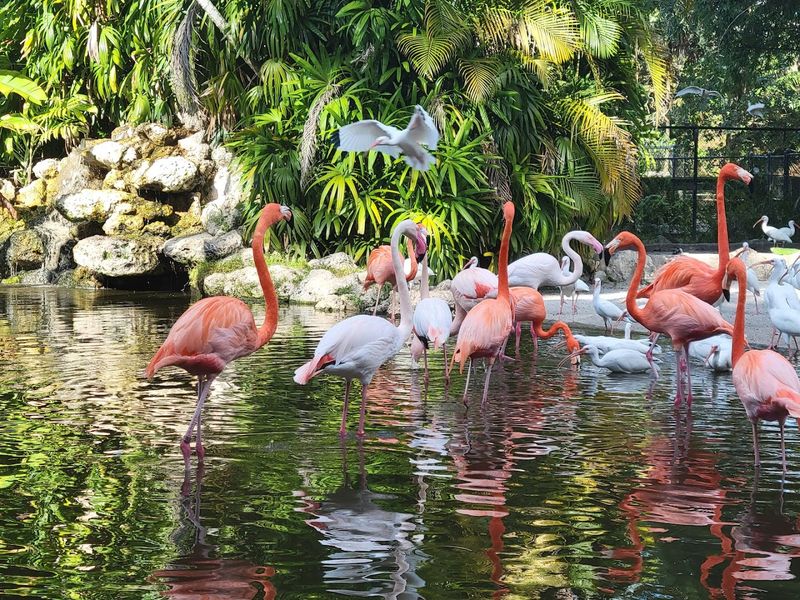
Flamingo Gardens started as a weekend retreat in 1927 and has grown into one of South Florida’s best-kept secrets for nature lovers. This 60-acre botanical garden and wildlife sanctuary is home to the largest collection of native Florida wildlife, including alligators, panthers, otters, and of course, flamingos. The historic Wray Home sits at the heart of the property, offering a glimpse into old Florida living.
What sets this place apart from typical zoos is its focus on conservation and education. Many of the animals here were injured and can’t survive in the wild, so they’ve found a permanent home where visitors can learn about Florida’s ecosystem. The free-flight aviary is absolutely stunning, with colorful birds soaring overhead as you walk through their natural habitat.
The botanical gardens showcase over 3,000 rare and exotic plants, including one of the largest collections of champion trees in the state. Shaded pathways wind through citrus groves, tropical rainforest areas, and wetland habitats that keep you cool even on hot days. The narrated tram tour takes you through the most scenic spots while sharing fascinating stories about the property’s history.
Kids love the interactive wildlife encounters and the chance to see Florida panthers up close. The peaceful atmosphere and diverse attractions mean you can easily spend half a day exploring without feeling rushed or overwhelmed by crowds.
3. Worth Avenue (Palm Beach)
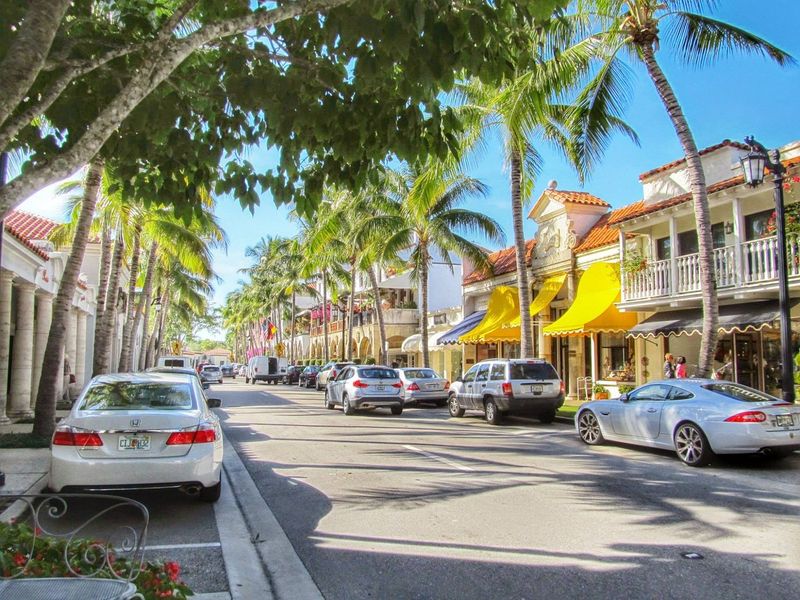
Worth Avenue isn’t just a shopping street—it’s an architectural masterpiece that captures the essence of old-money Palm Beach glamour. Stretching from Lake Worth to the Atlantic Ocean, this four-block corridor features Mediterranean Revival buildings, hidden courtyards, and over 200 shops and restaurants. Even if you’re not dropping serious cash, window shopping here feels like touring an outdoor museum.
The real magic happens when you discover the vias, those charming alleyways that branch off the main avenue. These narrow passages lead to secluded courtyards filled with fountains, cafes, and boutiques that most tourists walk right past. The Spanish-inspired architecture, with its red-tiled roofs and ornate details, makes every corner photo-worthy.
Beyond the luxury brands, you’ll find unique galleries, jewelry stores, and specialty shops that have been family-owned for generations. The street comes alive during the winter season when socialites and visitors stroll past while street musicians add to the ambiance. Grab a coffee at one of the sidewalk cafes and watch the Palm Beach parade go by.
History buffs appreciate the stories behind the buildings, many designed by legendary architect Addison Mizner in the 1920s. The blend of high-end retail and architectural beauty creates an experience that goes way beyond typical shopping. Whether you’re treating yourself or just soaking in the atmosphere, Worth Avenue shows you a side of Florida that feels worlds away from theme parks and beach resorts.
4. John D. MacArthur Beach State Park (North Palm Beach)
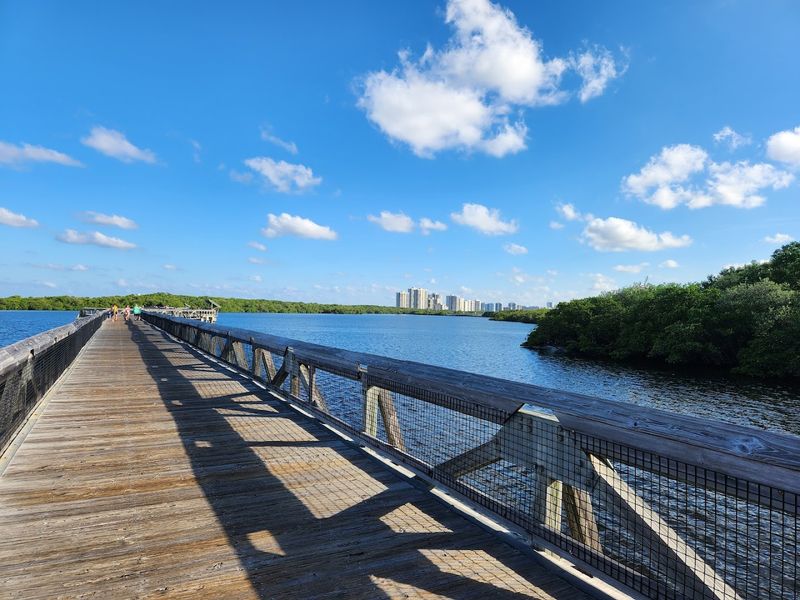
Tucked between high-rise condos and busy highways sits this 438-acre barrier island paradise that most visitors completely overlook. John D. MacArthur Beach State Park protects one of the last significant maritime hammocks in Southeast Florida, offering a slice of untouched coastline that feels like stepping back in time.
The park’s nature center sits right at the entrance, providing excellent exhibits about the local ecosystem before you even hit the trails.
A wooden boardwalk carries you over the tidal lagoon and through a tunnel of mangroves before opening up to a stunning stretch of beach. Unlike the packed public beaches nearby, this shoreline stays relatively quiet even during peak season. The clear waters are perfect for swimming, and the rocky reef just offshore attracts snorkelers looking for marine life.
The park offers kayak rentals for exploring the mangrove-lined waterways, where you might spot manatees, sea turtles, and dozens of bird species. Two miles of nature trails wind through coastal hammock and dunes, with interpretive signs explaining the unique plants and animals you’re seeing. During sea turtle nesting season, the park hosts guided walks that let you witness these ancient creatures laying their eggs.
Pack a picnic and claim one of the shaded pavilions near the beach for a perfect afternoon. The combination of educational opportunities and natural beauty makes this park ideal for families who want more than just sand and surf from their beach day.
5. Flagler Museum (Palm Beach)
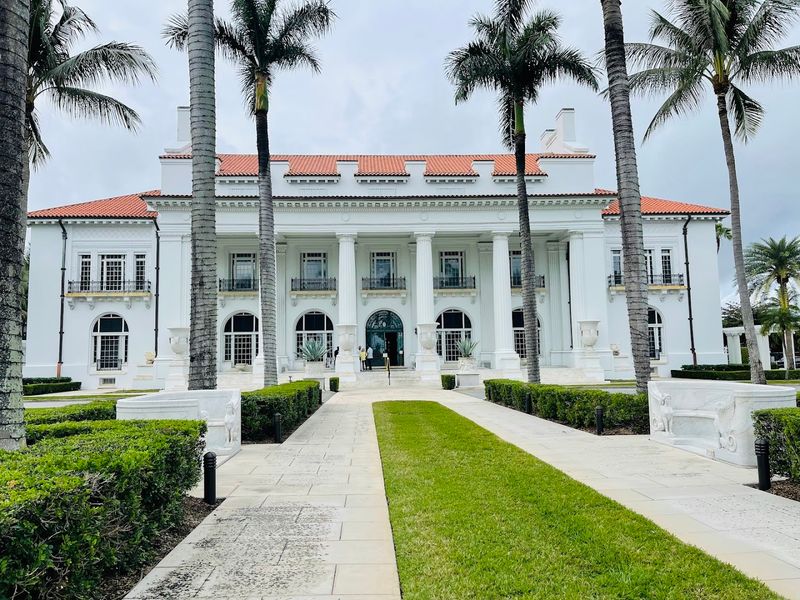
Henry Flagler’s winter mansion, known as Whitehall, stands as a monument to Gilded Age excess and the visionary who basically created modern Florida. This 75-room palace was a wedding present to his third wife and served as their winter retreat when Palm Beach was still a remote tropical outpost. Today, the museum offers a fascinating glimpse into how America’s ultra-wealthy lived during the early 1900s.
The moment you step into the marble entrance hall, you understand why this place was called “more wonderful than any palace in Europe.” Each room showcases a different architectural style, from French Renaissance to Italian Renaissance to Swiss chalet. The Louis XV ballroom alone will make your jaw drop, with its painted ceiling and ornate decorations that took European craftsmen months to complete.
Beyond the opulent interiors, the museum tells the story of how Flagler’s railroad transformed Florida from a swampy wilderness into a tourist destination. His private railcar sits on the grounds, offering a look at luxury train travel from that era. The exhibits do an excellent job explaining Flagler’s massive influence on Florida’s development without glossing over the environmental and social costs.
Guided tours run throughout the day and really bring the mansion’s history to life with stories about the Flaglers and their famous guests. The museum also hosts special events, concerts, and lectures that connect the Gilded Age to modern Florida culture, making history feel relevant and engaging.
6. Blowing Rocks Preserve (Hobe Sound)
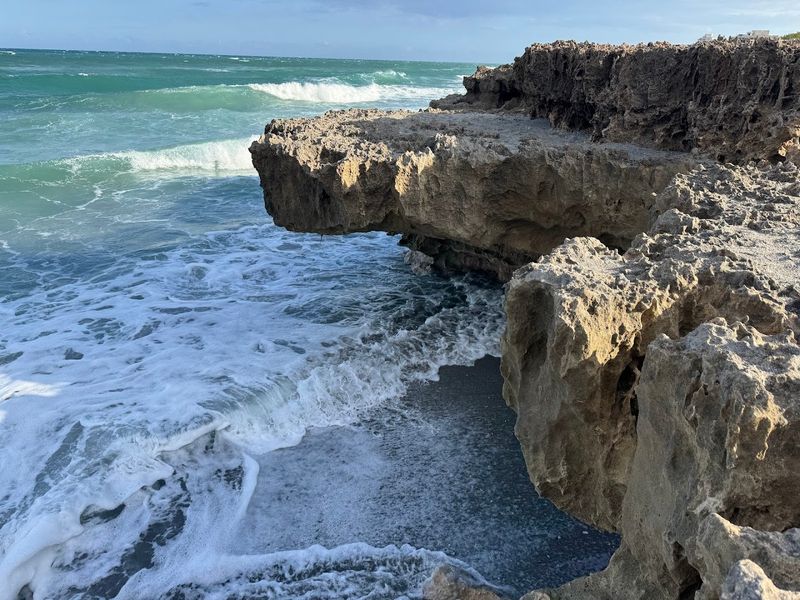
When waves crash against the Anastasia limestone shoreline here, water can shoot up to 50 feet in the air through holes and crevices in the rocks. This natural phenomenon gave the preserve its name and creates one of the most dramatic coastal scenes in Florida. Managed by The Nature Conservancy, this 73-acre sanctuary protects the largest Anastasia limestone outcropping on Florida’s east coast.
The best time to witness the blowing rocks effect is during high tide with strong onshore winds, typically in fall and winter. Even on calm days, though, the preserve offers peaceful beach walks, interesting tide pools, and a completely different landscape than the typical sandy Florida beach. The rocky shore supports unique marine life that you won’t find on softer coastlines.
A short nature trail winds through coastal strand habitat filled with native plants adapted to harsh salt spray and sandy soil. Interpretive signs help you identify sea grapes, railroad vines, and other vegetation that holds these fragile dunes together. The preserve also protects important sea turtle nesting habitat, with volunteers monitoring nests throughout the summer season.
Parking is limited and the preserve closes when capacity is reached, so arrive early during peak season. The small size and protected status mean you won’t find amenities like restrooms or concessions, but that’s exactly what keeps this place special. Bring your camera, respect the fragile ecosystem, and prepare to see a side of Florida’s coast that few tourists ever experience.
7. Lion Country Safari (Loxahatchee)
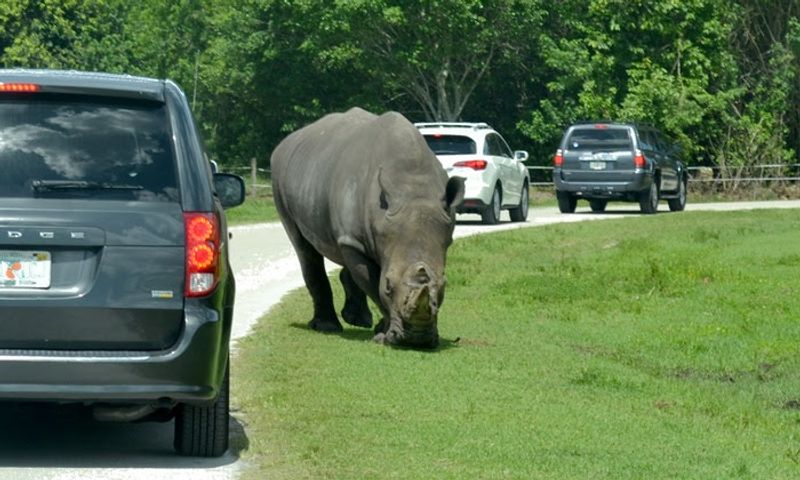
Imagine driving your own car through the African savanna while zebras, giraffes, and rhinos wander freely just feet away from your window. Lion Country Safari delivers exactly that experience without requiring a passport or a 20-hour flight. Opened in 1967 as the first cageless zoo in the United States, this 600-acre preserve lets animals roam in large, open habitats while visitors stay safely in their vehicles.
The drive-through safari follows a four-mile route divided into seven sections, each representing different African regions and their native species. You’ll cruise past lazy lions sunbathing on rocks, watch chimps playing on their island, and maybe have an ostrich peer directly into your car window. The experience feels surprisingly authentic, especially when a herd of buffalo blocks the road and you have to wait patiently for them to move.
After the drive-through portion, you can explore Safari World, a walk-through area with additional animals, a petting zoo, splash pad, and various attractions. The giraffe feeding station is always a hit, letting you get up close with these gentle giants. Kids love the dinosaur exhibit and the carousel, while the botanical gardens offer shaded walking paths.
Bring your own vehicle or rent one of theirs if you’re driving a convertible or riding a motorcycle. The park provides detailed maps and information about each animal species, making it educational as well as entertaining for all ages.
8. Mounts Botanical Garden (West Palm Beach)
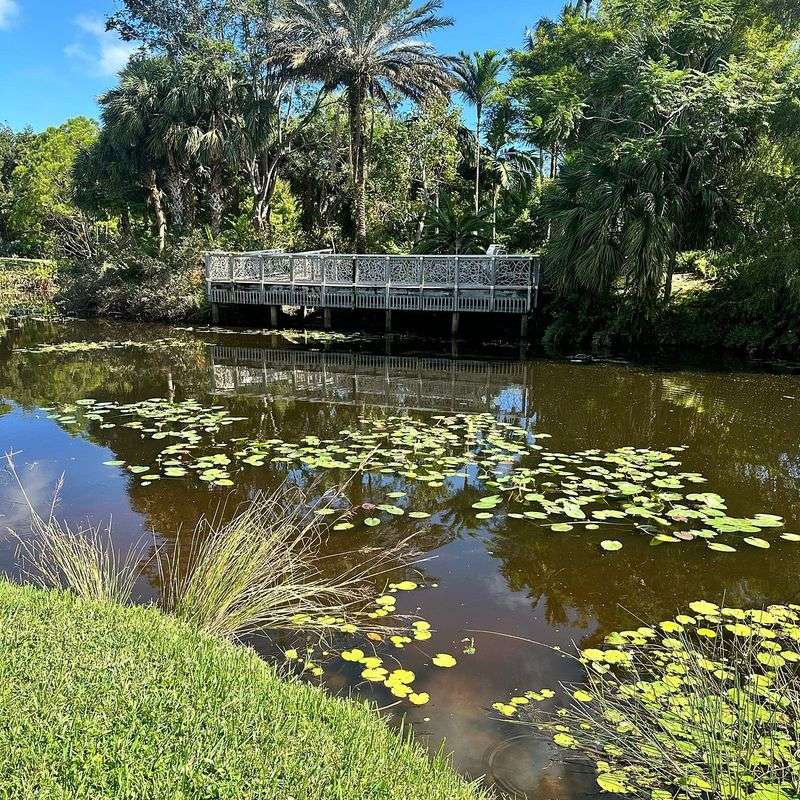
Florida’s oldest public garden started in 1932 as a hobby for one passionate plantsman and has grown into a 14-acre showcase of tropical and subtropical plants from around the world. Mounts Botanical Garden serves as the official botanical garden of Palm Beach County, but it maintains an intimate, peaceful atmosphere that larger attractions can’t match. The garden is divided into themed areas that take you from Asian-inspired landscapes to Florida native habitats.
The tropical fruit pavilion displays over 200 varieties of exotic fruits that actually grow in South Florida’s climate, many of which you’ve probably never heard of. Wander through the butterfly and hummingbird garden when it’s in full bloom and you’ll be surrounded by colorful wings and vibrant flowers. The citrus grove celebrates Florida’s agricultural heritage with heritage varieties that tell the story of the state’s citrus industry.
What makes Mounts special is how it balances beauty with education and conservation. Every plant is labeled, and informative signs explain growing conditions, native ranges, and ecological importance. The garden hosts workshops, plant sales, and special events throughout the year that help visitors learn practical skills for their own yards.
The herb garden alone could inspire your entire cooking repertoire with dozens of culinary and medicinal plants.
Shaded pathways and benches scattered throughout make this an ideal spot for a leisurely morning stroll. The garden stays relatively uncrowded even on weekends, offering a tranquil escape that feels like a secret local hideaway rather than a tourist destination.
9. Loggerhead Marinelife Center (Juno Beach)
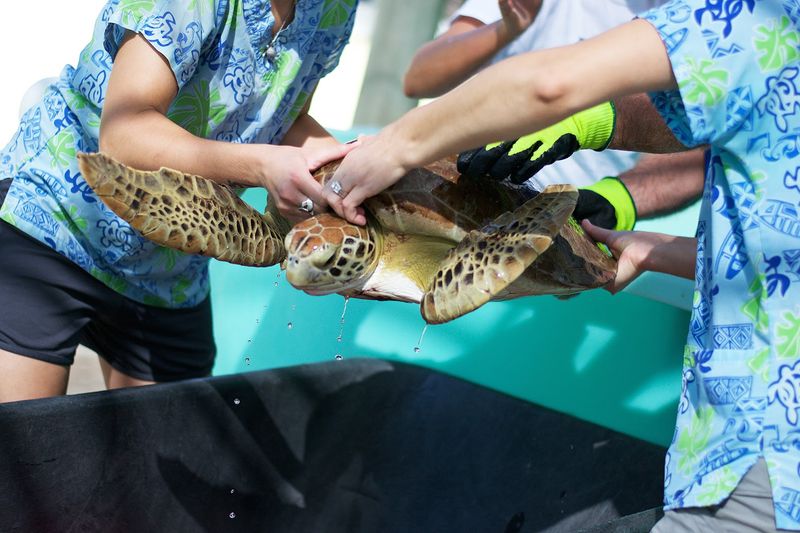
Every year, thousands of sea turtles nest on the beaches near Juno, making this one of the most important sea turtle nesting sites in the world. The Loggerhead Marinelife Center sits right on this critical habitat, serving as a hospital, research facility, and education center dedicated to ocean conservation. Best of all, admission is completely free, though donations help support their vital work.
The outdoor sea turtle hospital lets you watch rehabilitators caring for injured and sick turtles recovering from boat strikes, fishing line entanglements, and other human-caused injuries. Interpretive signs explain each patient’s story and treatment plan, making the experience both heartbreaking and hopeful. Inside, interactive exhibits teach visitors about marine ecosystems, the threats facing sea turtles, and what we can all do to help protect them.
During nesting season, the center offers guided turtle walks where you might witness a massive loggerhead laying her eggs under the moonlight. These walks book up quickly and require advance reservations, but they provide an unforgettable wildlife encounter. The center also operates a sea turtle conservation program that monitors and protects nests along 9.5 miles of beach.
The small gift shop sells ocean-themed items with proceeds supporting the center’s mission. Kids especially connect with the hands-on exhibits and the chance to see real sea turtles up close. Even if you’re not usually into educational attractions, the combination of live animals, conservation work, and beach access makes this worth the stop.
10. Butterfly World (Coconut Creek)
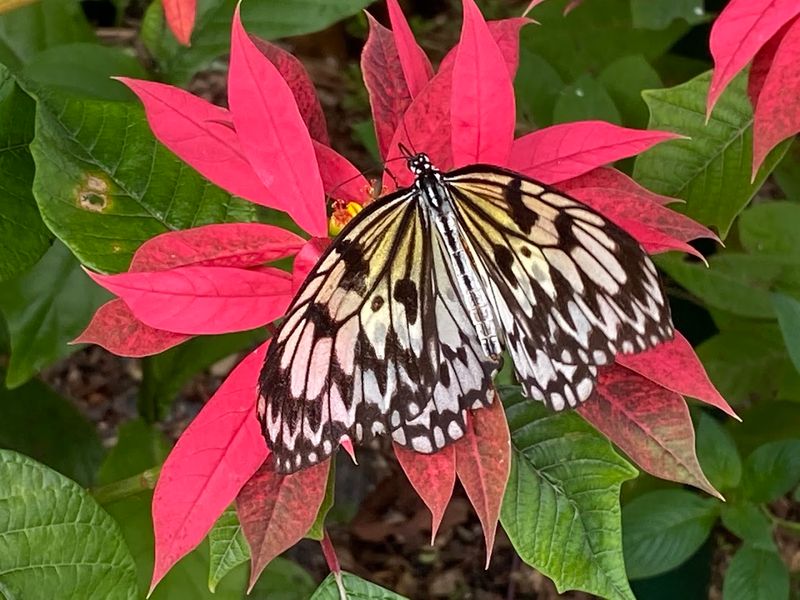
Walking into Butterfly World feels like entering a living kaleidoscope where thousands of butterflies from around the globe flutter past your face and land on your shoulders. Opened in 1988, this was the first butterfly house in the western hemisphere and remains the largest in the world. The main aviary alone houses over 5,000 butterflies representing 80 different species, all flying freely through a lush tropical garden.
The moment you step inside the screened enclosures, you’re transported to a humid jungle paradise filled with exotic flowers, cascading waterfalls, and butterflies in every color imaginable. Giant blue morphos glide past while tiny zebra longwings perch on your hand if you stand still long enough. The aviaries are climate-controlled and kept at tropical temperatures year-round, so expect warmth and humidity that makes the butterflies happy.
Beyond butterflies, the facility houses the largest free-flight hummingbird aviary in the United States, where dozens of these tiny jeweled birds zoom around visitors. The bug zoo showcases some of the world’s largest and most fascinating insects, including walking sticks, beetles, and tarantulas. The tropical rainforest aviary features lorikeets, exotic plants, and a multi-level waterfall that creates a serene atmosphere.
Educational presentations throughout the day explain butterfly life cycles, conservation efforts, and the critical role these pollinators play in our ecosystem. The gardens are meticulously maintained, with staff constantly refreshing flowers and releasing newly emerged butterflies. Plan for at least two hours to fully explore all the aviaries and exhibits without rushing through this magical experience.