Population Decline Is Hitting These 12 Florida Towns as Residents Grow Older
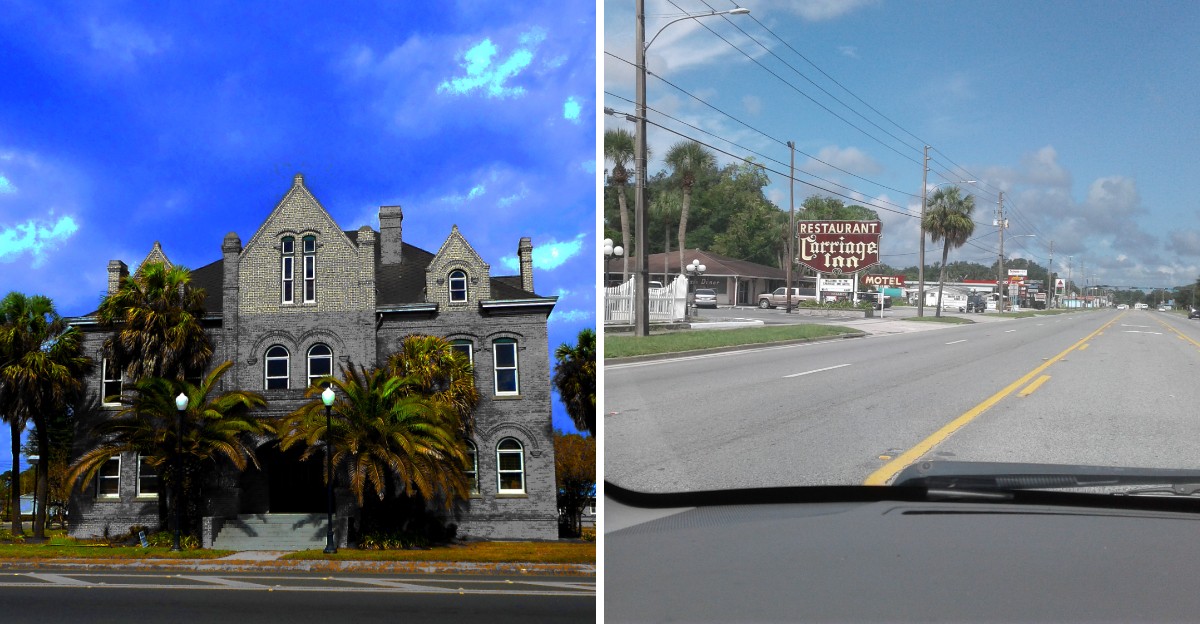
Not every Florida community is growing. In some towns, the population is slowly shrinking while the share of older residents keeps rising, creating a very different story from the boom seen in many parts of the state. These 12 places reflect that quieter demographic shift.
Some are coastal communities with high housing costs, others are long-established retirement towns, and a few are smaller cities where younger residents are leaving faster than new families are moving in. The result can be seen in everything from school enrollment and local businesses to housing demand and community services. An aging population does not automatically mean decline, but when fewer people are moving in and more residents are reaching retirement age, the character of a town can change quickly.
Together, these Florida communities offer a closer look at where population trends are moving in the opposite direction from the state’s biggest growth stories.
1. Century
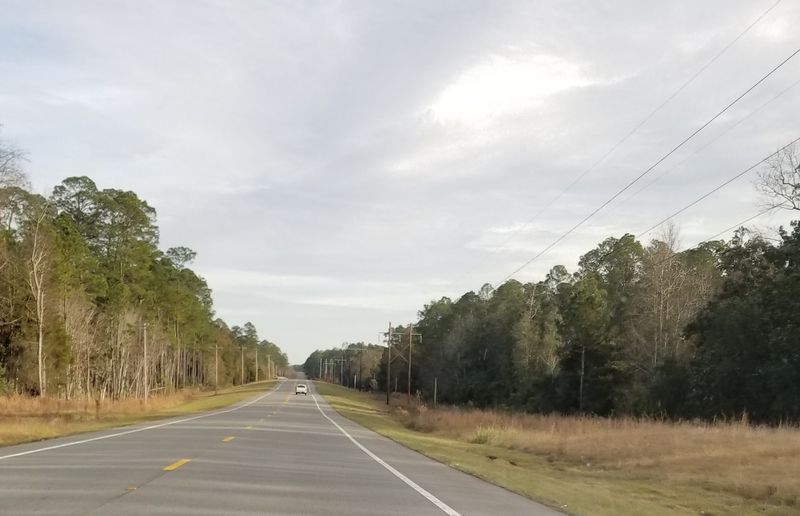
Drive far enough north on the western edge of the panhandle and you hit Century, a place that feels almost tucked into Alabama. It is an incorporated town in ZIP code 32535, and it carries the slow rhythm you only find where pine woods outnumber traffic lights.
Small panhandle towns like Century often grew up around work tied to the land, like timber and farming. When those kinds of jobs shrink, younger families tend to head toward bigger cities such as Pensacola for steady paychecks. The folks who stay are often the ones who have been here for decades, which slowly nudges the average age upward.
That does not make Century sad or empty. It makes it a place where neighbors know each other by first name and where church suppers and local events still matter. Older residents are the keepers of town memory, and they usually have the best stories about how things used to look.
For visitors, the appeal is simple. You get wide skies, quiet roads, and a break from the crowded beach towns farther south. Think of it as a pit stop that reminds you what Florida looked like before the theme parks.
If you are curious about rural life, swing through on a weekday and grab a meal at whatever local spot is open. Ask a longtime resident about the town’s past. You will leave with a much better sense of why places like Century matter, even as their numbers dip.
2. Inglis
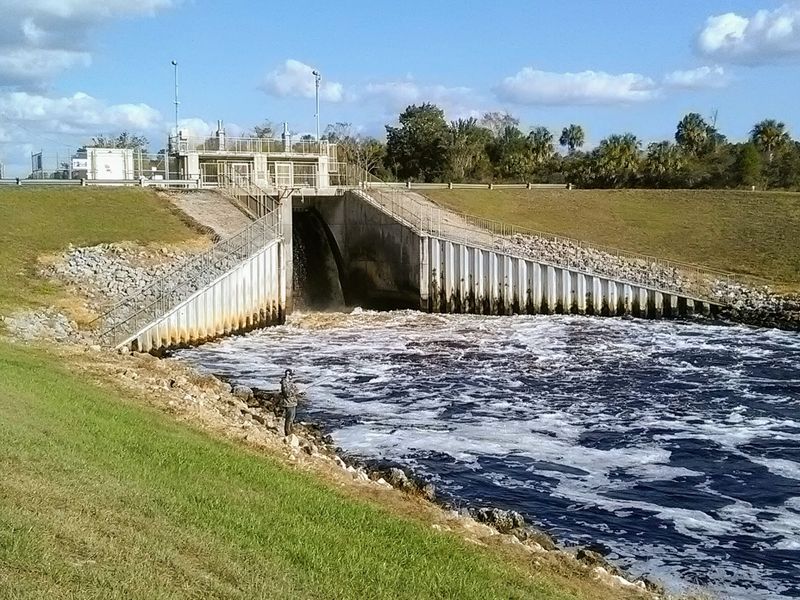
Salt air, marsh grass, and almost no rush hour. Inglis sits along Florida’s Nature Coast in ZIP code 34449, a stretch of the state famous for wild water instead of high-rise condos.
That quiet setting is exactly why the town draws retirees. People who spent careers in busy cities often want peace, fishing water nearby, and a lower cost of living. Over time, that mix can tilt a town older, while job seekers in their twenties drift toward places with more opportunity.
The Nature Coast has a personality all its own. Instead of white sand and beach bars, you get rivers, springs, tidal creeks, and plenty of wildlife. It is the kind of place where a good morning means coffee on the porch and a bird or two showing up uninvited.
Here is a practical tip if you are thinking about visiting or even moving. Small coastal towns like this often have limited shopping and services, so plan ahead for groceries and gas. That small hassle is the price of real calm.
The aging trend also shapes local life in quiet ways. Community groups, churches, and volunteer efforts often lean on retired residents who have time and skills to give. In many ways, the older crowd keeps the town running.
Inglis is a reminder that slower growth is not always a bad thing. For some people, a smaller and calmer town is the whole point. Bring a fishing rod and leave the hurry at home.
3. White Springs
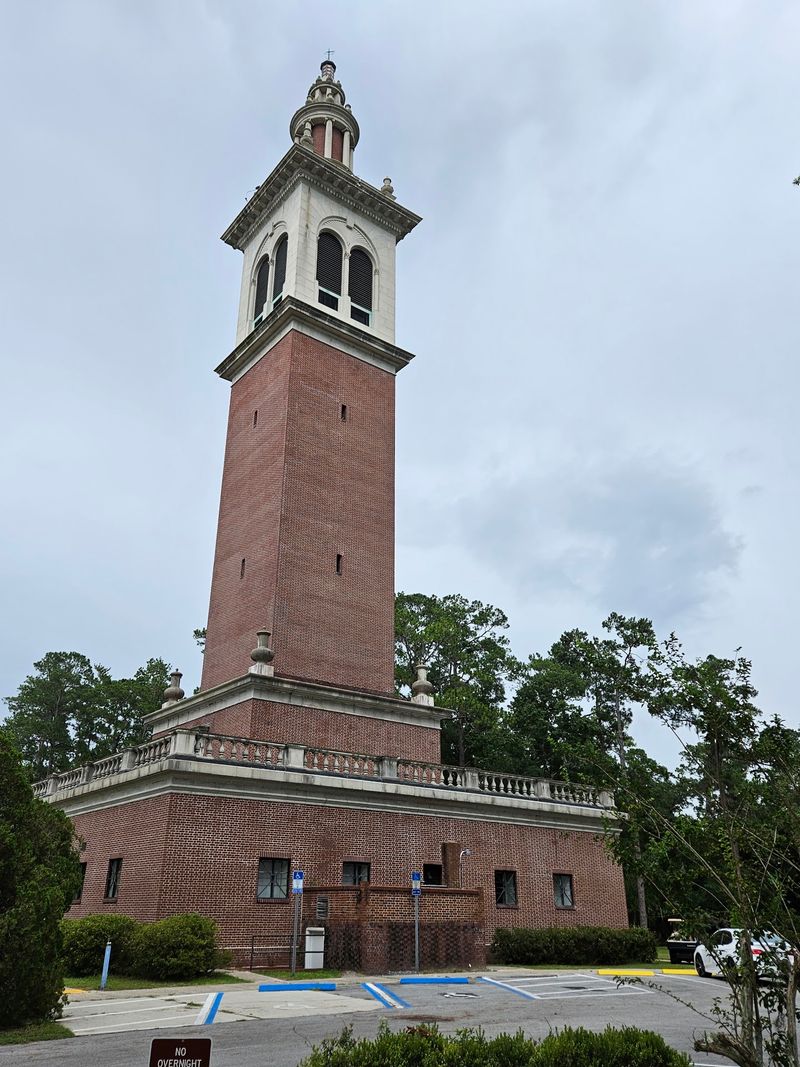
Did you know one of Florida’s most famous rivers runs right past this little town? White Springs is an incorporated historic community along the Suwannee River, in ZIP code 32096.
The Suwannee has inspired songs and stories for generations, and the town that sits beside it carries a strong sense of the past. Historic small towns like this one often have older homes, long family roots, and residents who have watched the area change over many decades.
That deep history ties right into the aging trend. When a town has fewer new jobs, young people often leave for college or work and do not always come back. The people who remain tend to be longtime locals, and the town’s population slowly gets grayer.
Still, White Springs has something many places would envy. It has a river with character, shady trees, and a pace that lets you actually notice your surroundings. Paddlers and nature lovers often find the area around the Suwannee worth the drive.
Want to learn more before you go? The town keeps an official website at whitesprings.org, which is a handy spot to check for local news and community information. It is smart to look there before planning a trip.
For anyone who loves old Florida, White Springs is a gentle treat. Walk around, look at the older buildings, and spend time near the river. You will understand why people who live here are often in no hurry to leave.
4. Mayo
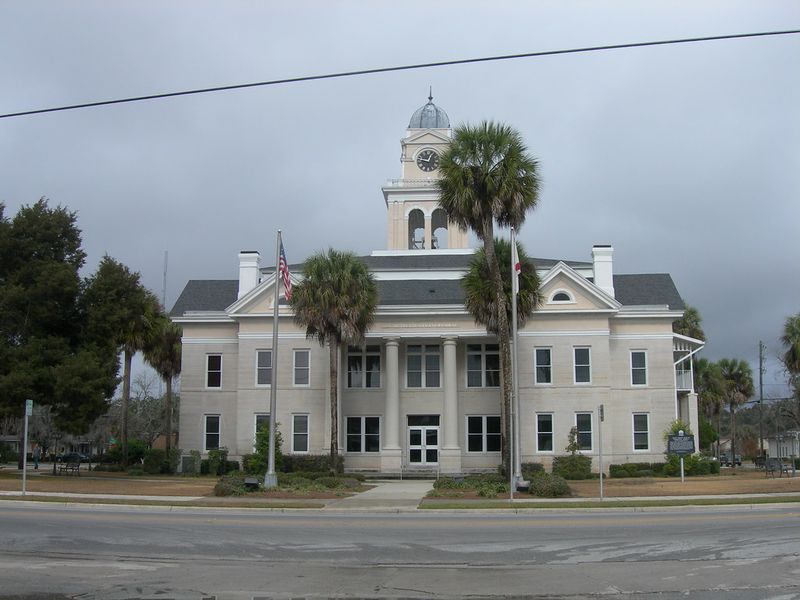
Being the county seat sounds like a big deal, and in Mayo it is, just on a small scale. This rural town in ZIP code 32066 serves as the seat of Lafayette County, one of the quieter counties in north Florida.
County seats usually hold the courthouse and local government offices, so Mayo is where residents handle official business. Even so, the town itself stays compact. Farms, forests, and open land surround it, and that rural setting shapes almost everything about daily life.
Places like this often feel the pull of bigger cities. Teens graduate, head off for school or jobs, and settle somewhere with more options. Meanwhile, parents and grandparents stay put on family land, which means the average age keeps climbing year after year.
There is real strength in that, though. Older residents hold onto traditions, from church gatherings to local festivals, and they pass along skills younger folks may never learn in a city. Ask around and you may hear about farming, hunting, or how the town looked fifty years ago.
If you visit, keep expectations simple. You will not find big malls or nightlife, but you will find friendly faces and a slower clock. Bring snacks for the drive, since services can be spread out in rural counties.
Mayo shows that a shrinking town can still have a strong heartbeat. Its role as county seat keeps it important, and its people keep it personal. Sometimes the smallest dot on the map has the biggest sense of home.
5. Jasper
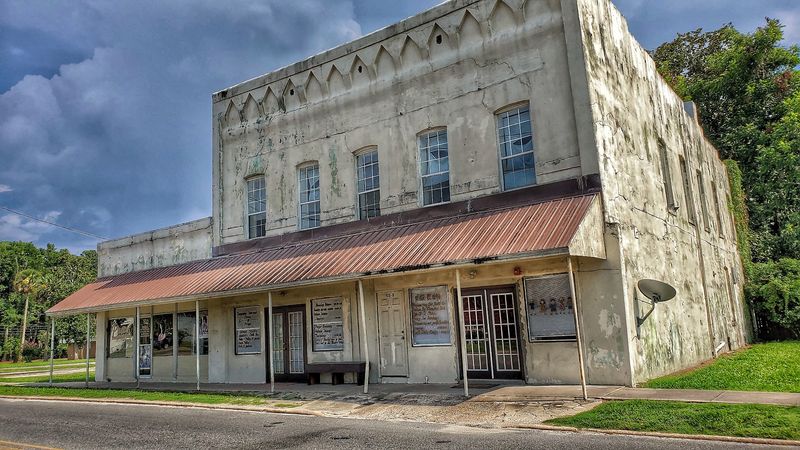
A town where the loudest sound on a Tuesday might be a passing pickup truck. That is the feel of Jasper, a small inland town in northern Florida with the ZIP code 32052.
Jasper sits far from the beaches, and that changes the whole vibe. Instead of tourists in flip-flops, you get locals running errands, chatting outside stores, and keeping a close eye on community happenings. It is old-school north Florida through and through.
Inland towns like this often struggle to keep young residents. With fewer big employers nearby, many twenty-somethings move toward Jacksonville, Tallahassee, or out of state. The ones left behind are often older adults who own homes and have deep roots, so the town ages as a whole.
That shift brings both challenges and charm. Fewer young families can mean smaller school enrollments and fewer new businesses. On the flip side, seniors often lead local clubs, volunteer groups, and church activities that hold the town together.
Here is a fun way to explore. Treat Jasper like a slow road trip stop rather than a destination packed with attractions. Walk the downtown area, notice the older buildings, and take a moment to enjoy the lack of traffic.
For people thinking about the future of rural Florida, Jasper is a good example to study. Growth is happening elsewhere in the state at a fast clip, while places like this hold steady or shrink. Both stories are part of the real Florida.
6. Monticello
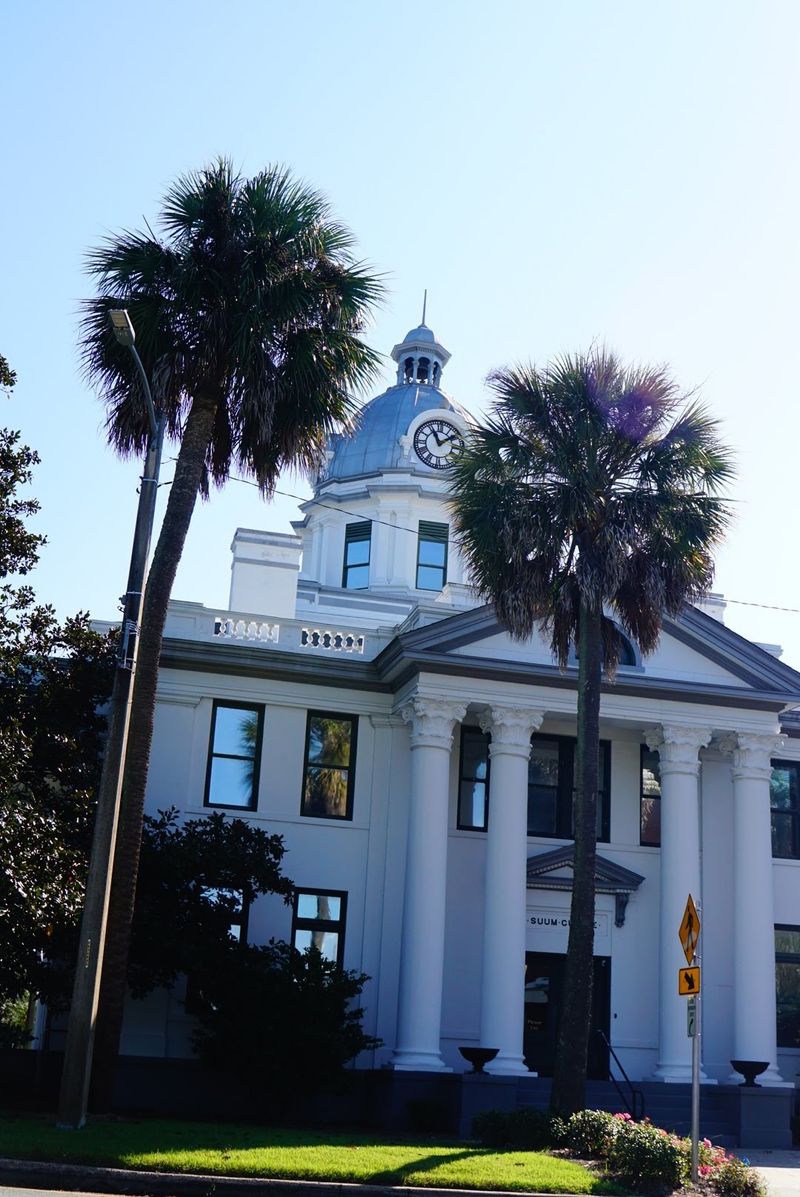
Few small towns have a centerpiece as charming as Monticello’s courthouse square. This historic county seat in ZIP code 32344 is known for that courthouse and the main street district that wraps around it.
Walking the square feels like stepping back a few decades. Older storefronts, shady streets, and a classic downtown layout give Monticello a storybook quality that history fans adore. It is the kind of place where you slow down without even trying.
So why the aging trend? Like many small north Florida towns, Monticello has fewer job options than nearby Tallahassee. Younger residents often commute or move away, while retirees and longtime families stay because they love the town’s character and calm.
That older population helps protect the town’s history. Seniors frequently care deeply about preserving old buildings and keeping traditions alive. Historic districts often survive because people who remember the past fight to keep it standing.
Visiting tip: make the courthouse square your starting point. Park once, then explore the main street on foot so you can actually see the details on buildings. Weekends may feel livelier, while weekdays offer a quieter stroll.
Monticello proves that a town can lose population and still feel full of life. Its historic heart gives people a reason to visit, photograph, and fall a little bit in love. If you enjoy old Florida architecture, this one deserves a spot on your list.
7. Blountstown
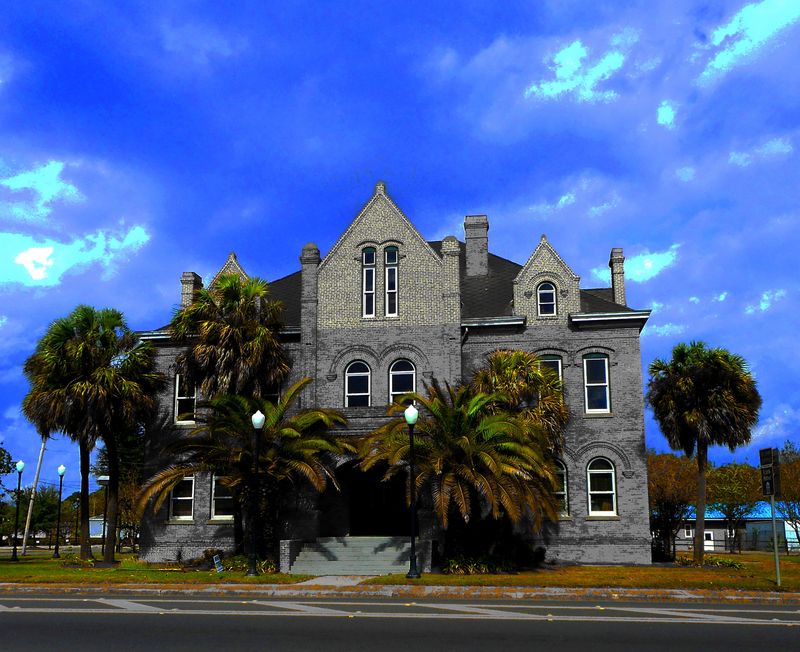
Rivers have always decided where towns grow, and Blountstown is proof. This small community in ZIP code 32424 sits along the Apalachicola River in the Florida panhandle.
The Apalachicola is a big, wild river, and the land around it is full of forests and wildlife. That natural setting gives Blountstown a rugged, outdoorsy flavor. Fishing, boating, and hunting are part of life for many families in this part of the state.
But beautiful scenery does not always mean lots of jobs. Many small river towns have watched younger people leave for work in larger cities. As those residents move away, the town’s population gets smaller and older, leaning on longtime locals who would not trade their home for anything.
Those longtime locals are the town’s backbone. They show up for civic meetings, support local events, and keep an eye on their neighbors. In a place like this, community is not a slogan, it is how people get through good times and bad.
Planning a visit? The town has an official website at blountstown.org, a good place to check for community updates and local information. Looking it up first can help you time your trip around any town events.
Blountstown offers something busy cities cannot, which is room to breathe. The river, the trees, and the quiet streets create a place where life moves at a human pace. For outdoor lovers and small-town fans, it is well worth the detour.
8. Wewahitchka
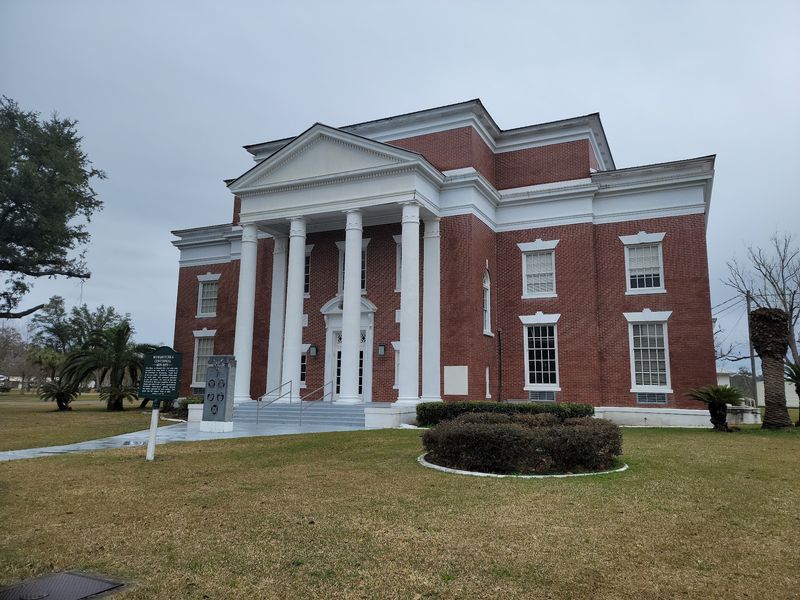
Try saying it three times fast. Wewahitchka is a rural panhandle town in ZIP code 32465, and locals often just call it Wewa, which is much easier on the tongue.
The name alone gives the town personality, but its small-community setting is what really defines it. This is a spot where people wave at passing cars and where everybody seems to know whose truck is parked where. It is about as far from crowded Florida as you can get.
Rural towns like Wewa often see the same pattern. Young adults leave to chase jobs and education, and fewer new families move in. The people who stay are often older, rooted, and proud of their town, so the population shrinks while the average age rises.
Here is the bright side. Older residents bring patience, history, and a strong sense of tradition. Many small panhandle communities rely on them to run local organizations, support churches, and keep local customs going strong.
Visiting Wewa? Go in with a curious mindset. Explore the surrounding countryside, take back roads, and enjoy the slower pace.
Pack water and snacks, since rural drives can stretch farther than you expect between stops.
Fun tip: if you meet a local, ask how they pronounce the full name and what it means to them. You might get a quick history lesson along with a friendly chat. Wewahitchka may be small, but it has a memorable voice all its own.
9. Cross City
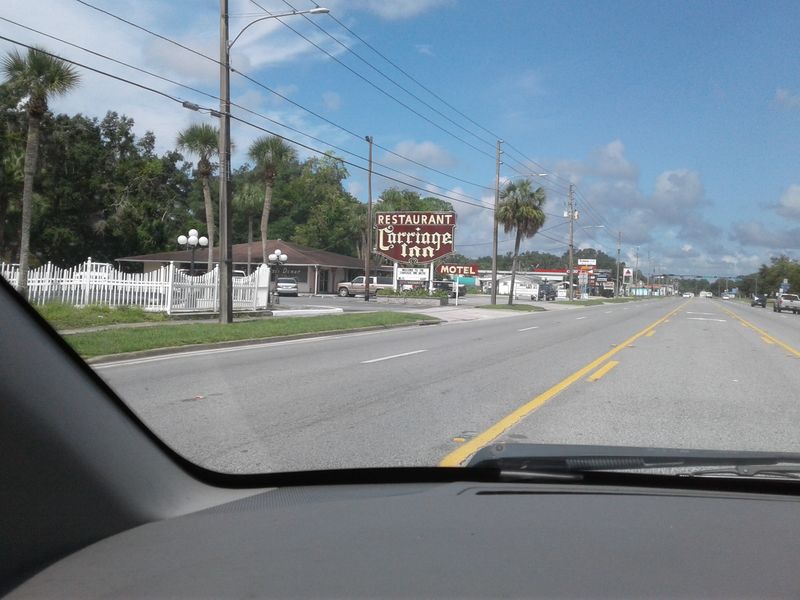
In a county full of woods and wide-open land, Cross City is the place where things come together. This small rural hub in ZIP code 32628 serves Dixie County, one of the more lightly populated corners of the state.
Being a hub means Cross City handles a lot of everyday needs for people living nearby. Residents from surrounding areas come in for errands, supplies, and county business. Even so, it remains a small town with a relaxed feel.
The aging trend here follows a familiar path. Rural counties often have fewer high-paying jobs, so younger people head to bigger cities like Gainesville for school and work. Older residents, many of them lifelong locals, make up a bigger share of who is left.
That brings real questions for towns like this. How do you keep schools full, businesses open, and services running with fewer young workers? Small communities often answer by leaning on volunteers, family networks, and residents who refuse to let their town fade.
For travelers heading toward the Gulf side of the Big Bend, Cross City can be a handy stop. Fill up the tank, stretch your legs, and take in the rural scenery. Old Florida is alive and well out here.
Cross City shows how a hub town carries weight even when its numbers shrink. People still rely on it, and longtime residents still care about it. That kind of loyalty is something no census number can fully measure.
10. Gretna
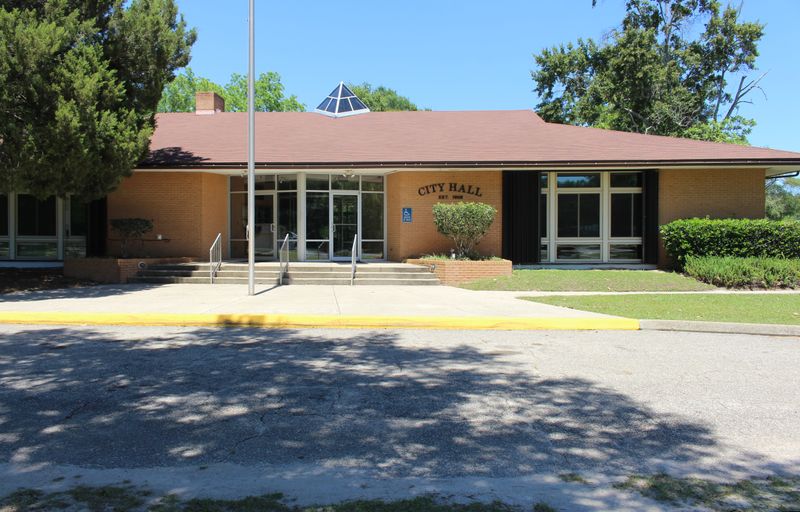
Small but official, Gretna holds its own as an incorporated town in Gadsden County. You will find it in the rolling countryside west of Tallahassee, where north Florida starts to look more like Georgia than the beach postcards.
Gadsden County has a rural feel, with hills, trees, and farmland that surprise people who think Florida is flat. Gretna fits right into that scenery. It is a quiet community where daily life centers on home, church, and neighbors.
Like many towns its size, Gretna faces the pull of a nearby big city. Tallahassee offers jobs, colleges, and entertainment, so younger residents often move closer to the action. Those who stay tend to be older adults with strong family ties, and that shifts the town’s age balance over time.
Small towns near larger cities have an interesting edge, though. Residents can enjoy peaceful living while still driving to bigger stores, hospitals, and events when needed. That combination makes places like Gretna appealing to retirees who want calm without total isolation.
If you are exploring the area, consider a scenic drive through Gadsden County. The landscape changes in ways that feel fresh compared to central and south Florida. Gretna makes a nice small-town stop along the way.
Quick reminder: rural communities like this value respect and privacy. Drive slowly through neighborhoods and support local businesses if you stop. Gretna’s story is about holding steady, staying close-knit, and keeping its identity while the region around it grows.
11. Vernon
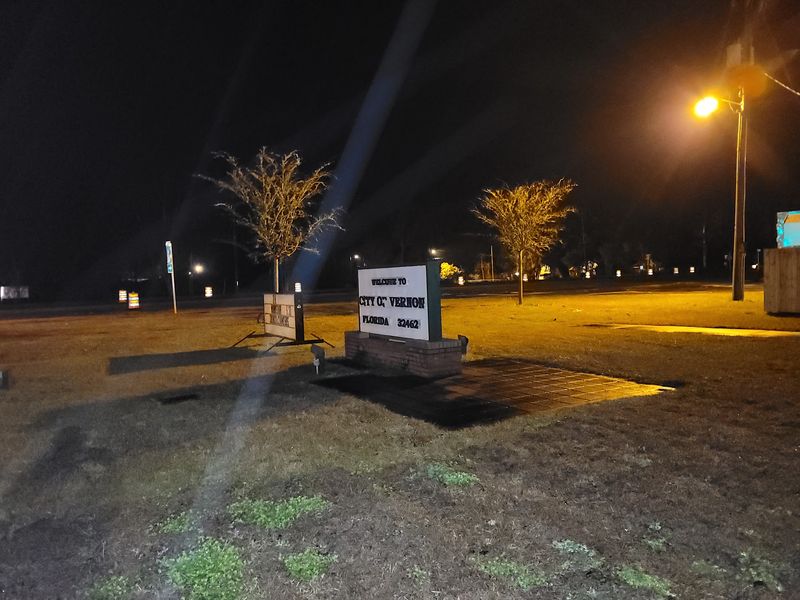
Ever wondered what Florida feels like when you take away the crowds completely? Vernon offers a pretty good answer. This rural municipality in Washington County sits in ZIP code 32462, deep in the panhandle.
Washington County is full of country roads, forests, and small communities spread far apart. Vernon is one of them, and it keeps a low-key, hometown style. You come here for space and quiet, not nightlife or shopping sprees.
That same quiet is part of why the population is changing. Young people often want more options than a rural town can offer, so they move toward Panama City or other growing areas. Older residents remain, often in homes their families have owned for years, and the town slowly ages.
Life in an aging small town has its own rhythm. Community events may draw familiar faces every time, and local leaders often have decades of experience. There is comfort in that kind of steadiness, even if growth is slow.
A practical idea for visitors is to pair Vernon with a wider panhandle road trip. The region has plenty of natural beauty, and small towns make great places to slow down between bigger stops. Keep a paper map or downloaded directions handy, since cell service can be spotty in rural stretches.
Vernon might not show up on many travel lists, and that is part of its charm. It represents the rural Florida that rarely makes headlines but still matters deeply to the people who call it home.
12. Ponce de Leon
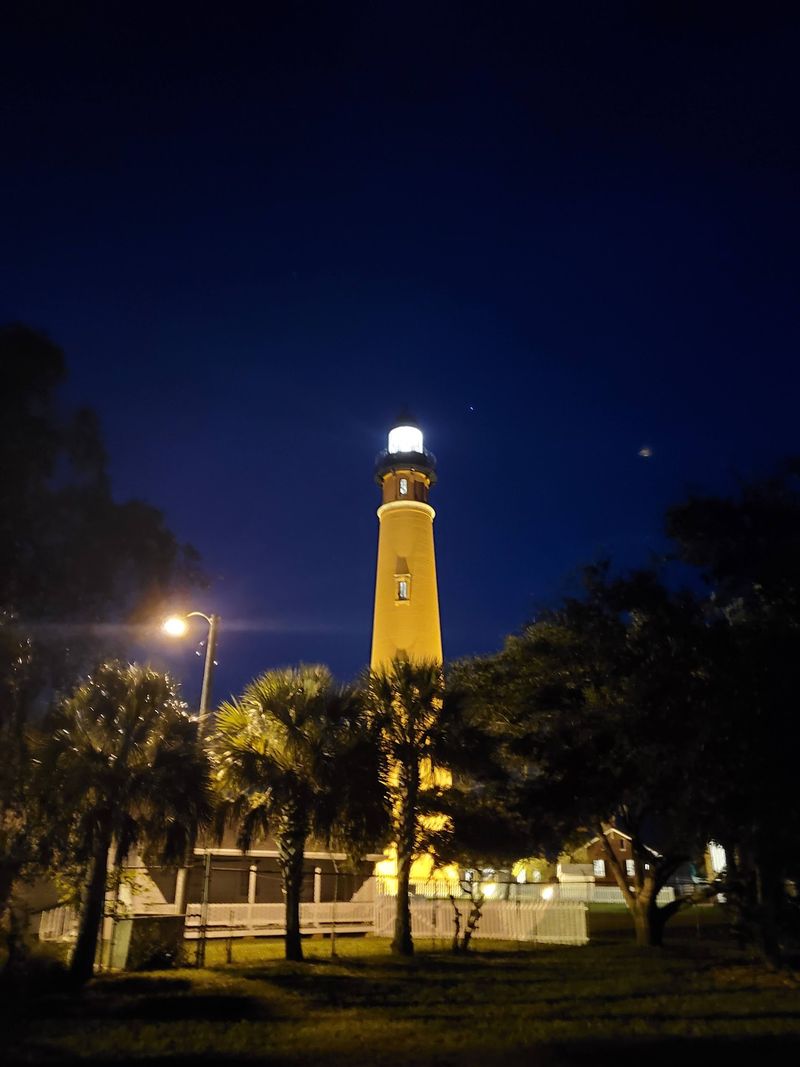
Here is a fun bit of trivia to kick things off. Ponce de Leon is named after the Spanish explorer tied to the legend of the Fountain of Youth, which is a little ironic for a town where residents are getting older.
This rural small town sits in ZIP code 32455 and stretches across parts of Holmes and Walton counties. That split location makes it a bit of an oddball, in the best way. It is a quiet community surrounded by the forests and back roads that define this part of the panhandle.
Walton County includes some fast-growing beach areas to the south, but towns farther inland often tell a different story. Young adults may chase jobs near the coast or in bigger cities. Meanwhile, longtime residents stay rooted, and the local population skews older.
That older crowd brings wisdom and stability. Many have lived through big changes in the region and can explain how the area has shifted over the years. Their memories are a living history book for anyone willing to listen.
For travelers, Ponce de Leon makes a peaceful break from busy Interstate 10 driving. Take a detour, enjoy the green scenery, and soak up the small-town calm. It is a nice contrast to the packed beaches just an hour or so away.
No magic fountain is going to reverse the aging trend here. Still, the town’s name, setting, and close-knit spirit make it one of the most memorable stops on this list.