The Data Says These 10 Florida Towns Are Worth Moving To in 2026
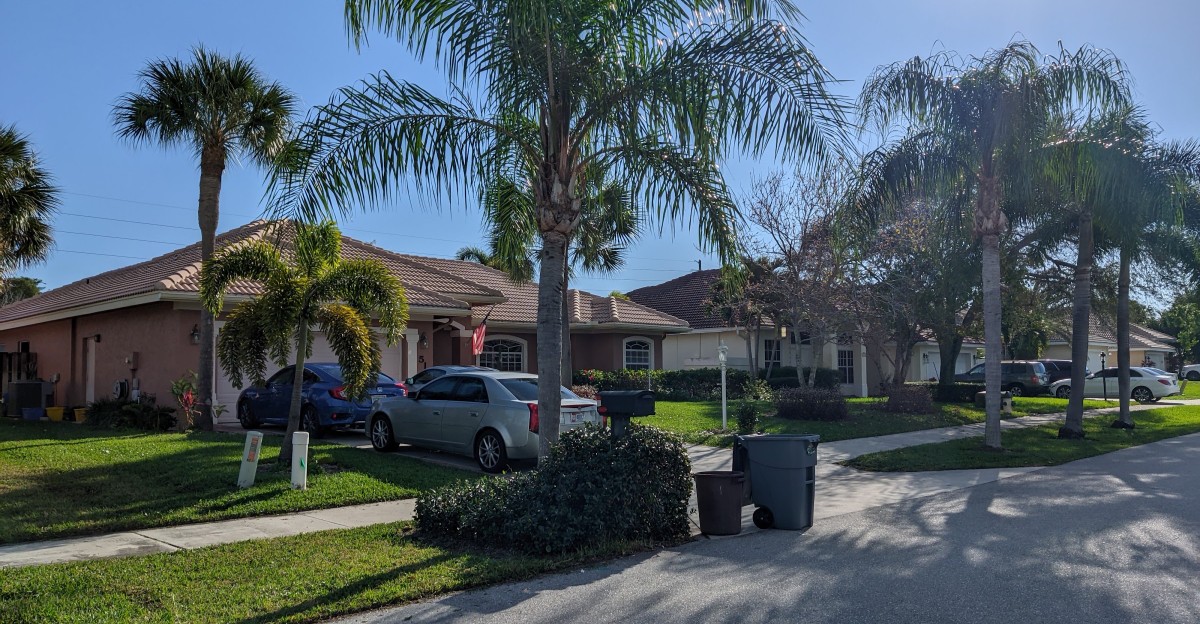
Thinking about packing up and starting fresh somewhere in Florida? The sunshine is easy to fall for, but choosing where to actually live takes more than pretty beaches and palm trees.
We looked beyond the postcards and into the numbers, comparing rankings tied to safety, affordability, quality of life, and overall livability. From polished South Florida suburbs to quieter Panhandle communities where your money stretches further, these 10 Florida towns are making a strong case for anyone considering a move in 2026.
A few of the names on this list might surprise you.
1. Parkland
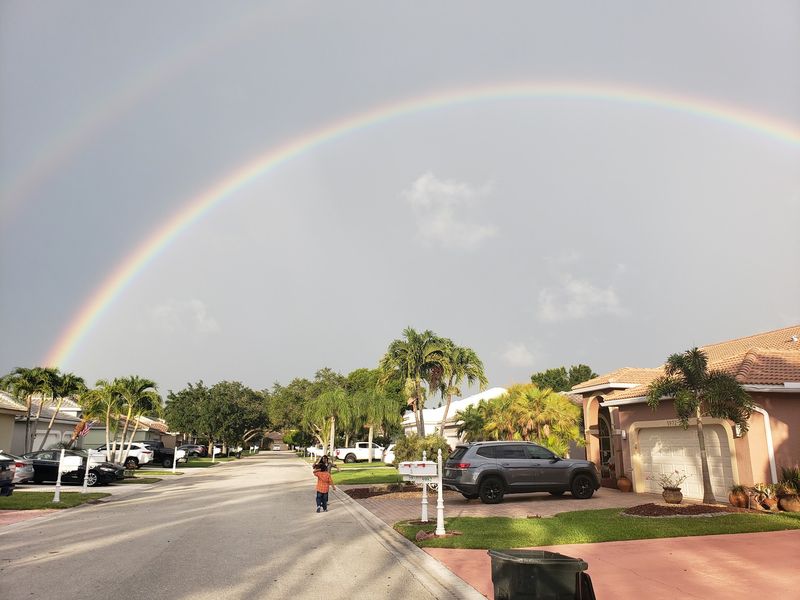
Few Florida towns can say they beat every other Florida community on a national list, but Parkland can. In the 2026-27 U.S. News Best Places to Live ranking, it landed at No. 14 nationally, the highest spot for any Florida community.
That kind of placement does not happen by accident. Rankings like this weigh things such as value, quality of life, desirability, and the job market. Parkland scores well because it feels calm, polished, and organized, with homes tucked into neighborhoods that look like someone cared about every hedge.
Picture early mornings with joggers on quiet streets and weekend afternoons at youth ball fields. The town sits in Broward County, so bigger city options are close, but the day-to-day pace stays relaxed. Families often like the community feel, where neighbors actually recognize each other at the grocery store.
Here is the honest part. Homes in this area are not cheap, and your budget needs room for that. Before you start touring houses, make a list of must-haves, such as lot size, commute time, and school zones, then compare them across several neighborhoods.
If you want a Florida address with a national gold star, Parkland is the first name to put on your shortlist. Visit on a weekday and a weekend to feel the difference.
2. Palm Harbor
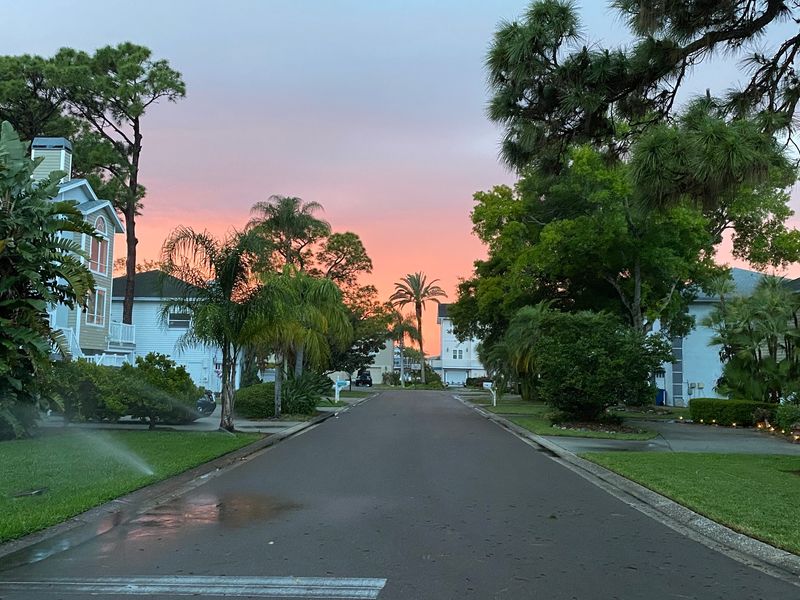
Ranked No. 62 nationally by U.S. News, Palm Harbor proves you do not need a flashy zip code to land on a big list. Its score came from a mix of value, quality of life, desirability, and the job market.
That mix is the key. Plenty of places look pretty but struggle with jobs or costs, and others have jobs but little charm. Palm Harbor sits on the Gulf side of the Tampa Bay area, which puts you near beaches, bay breezes, and a large regional job base.
Think of it as a place where you can spend Saturday on the water and still be home for dinner. Dunedin and Tarpon Springs are nearby for walkable downtowns, great bakeries, and festival weekends.
If you are weighing a move, try this simple test. Drive your possible commute at rush hour, not at noon. Tampa Bay traffic can surprise newcomers, and knowing your real drive time saves a lot of regret later.
Also check flood zones and insurance quotes early, since coastal Florida homes vary a lot. A little homework turns a pretty address into a smart one. Palm Harbor rewards the buyer who plans ahead, and it offers a steady, comfortable lifestyle without constant hype.
3. Weston
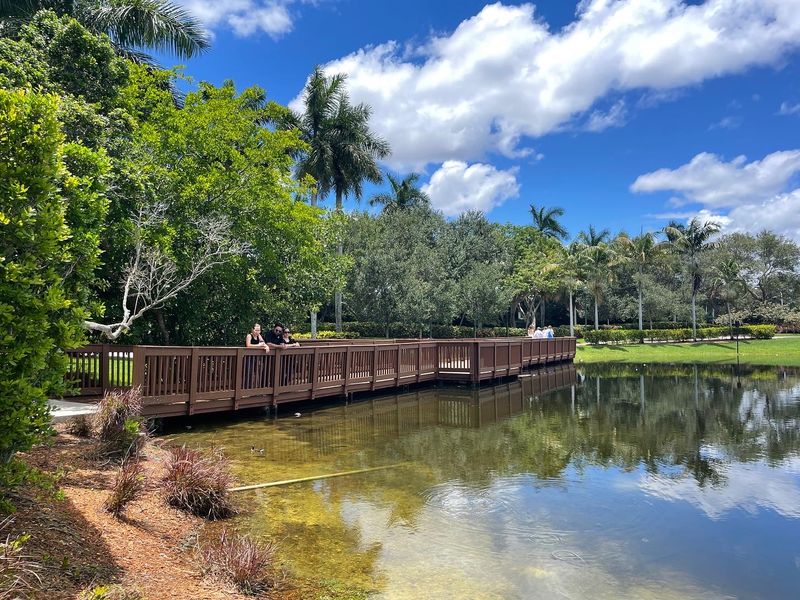
Ask a Weston resident why they stay, and the answer often comes in three words: schools, safety, and space. The town landed at No. 70 nationally in the U.S. News 2026-27 list, and it has a long record of strong marks for quality of life.
Weston was planned, and you can feel it. Streets curve past lakes, parks appear where families need them, and the whole area feels tidy without being stiff. It sits in western Broward County, close to the Everglades edge, so the scenery has a wilder backdrop than you might expect.
The town also works well for people who like a plan. Neighborhood associations are common, which means rules about paint colors and trash cans, but also well-kept common areas. If you love freedom to build a purple garage, read the fine print first.
A smart move is to visit Weston Town Center on a weekend, then drive through three or four neighborhoods in one afternoon. Notice noise, traffic, and how close shops are to homes.
Prices lean high, so compare monthly costs, including association fees. Weston suits people who want a suburban rhythm with big-city options, such as Fort Lauderdale and Miami, within reach.
4. Riverview
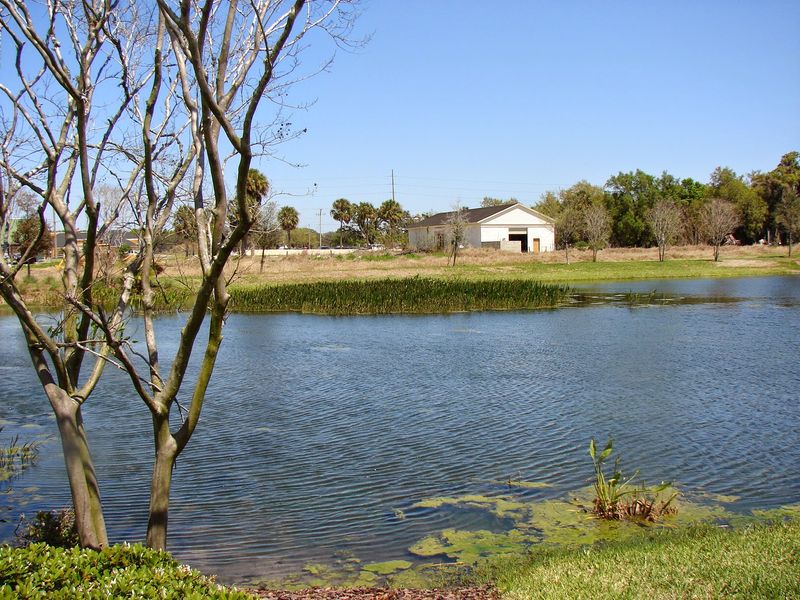
Riverview is the kind of suburb that quietly sneaks up on you. At No. 97 nationally in the 2026-27 U.S. News data, it stands as one of Florida’s strongest suburban picks.
The town sits southeast of Tampa in Hillsborough County, so you get a big metro job market without living in the middle of it. Many neighborhoods are newer, which means modern layouts, open kitchens, and community pools. Fans of fresh construction often find more choice here than in older, built-out towns.
Growth brings trade-offs, though. Roads can get busy, and new developments keep appearing. Before you sign anything, drive the main routes at school drop-off time and again at evening rush.
Outdoor lovers have options too. The Alafia River area offers paddling and fishing, and Tampa Bay beaches are a manageable day trip. Weekend plans rarely need much planning.
If you are shopping for a home, ask about drainage, flood history, and the age of the roof. Florida weather is no joke, and a solid roof can save you thousands.
Riverview fits buyers who want room to grow, a friendly neighborhood vibe, and a strong spot on a national ranking without paying luxury prices.
5. Pensacola
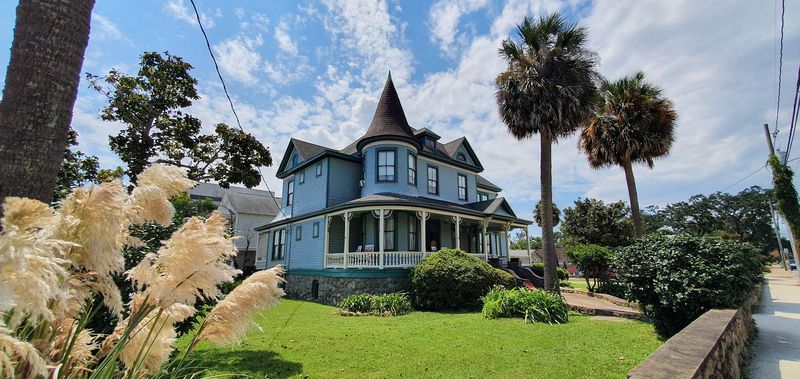
Money talks, and Pensacola speaks softly but clearly. Along with its No. 115 spot in the 2026-27 U.S. News list, separate 2026 cost-of-living data places it about 7% below the national average.
That is rare for a Florida city with beaches nearby. Pensacola sits in the western Panhandle, where sugar-white sand and calm bay water are part of ordinary weekends. Downtown has historic streets, local restaurants, and a waterfront that actually feels lived in.
Fun fact: the city is often called the first European settlement attempt on the mainland of what is now the United States, dating back to 1559. History buffs can wander old districts and museums without leaving town.
Of course, every place has quirks. Hurricane season matters here, so budget for insurance and learn evacuation routes early. Ask neighbors how past storms affected their streets.
Job seekers should look at healthcare, military, education, and tech fields, which are all part of the local mix. Remote workers will love that the airport is easy to use and the pace is slow enough to breathe.
For people who want a coastal life without a coastal price tag, Pensacola deserves a long look.
6. Jupiter
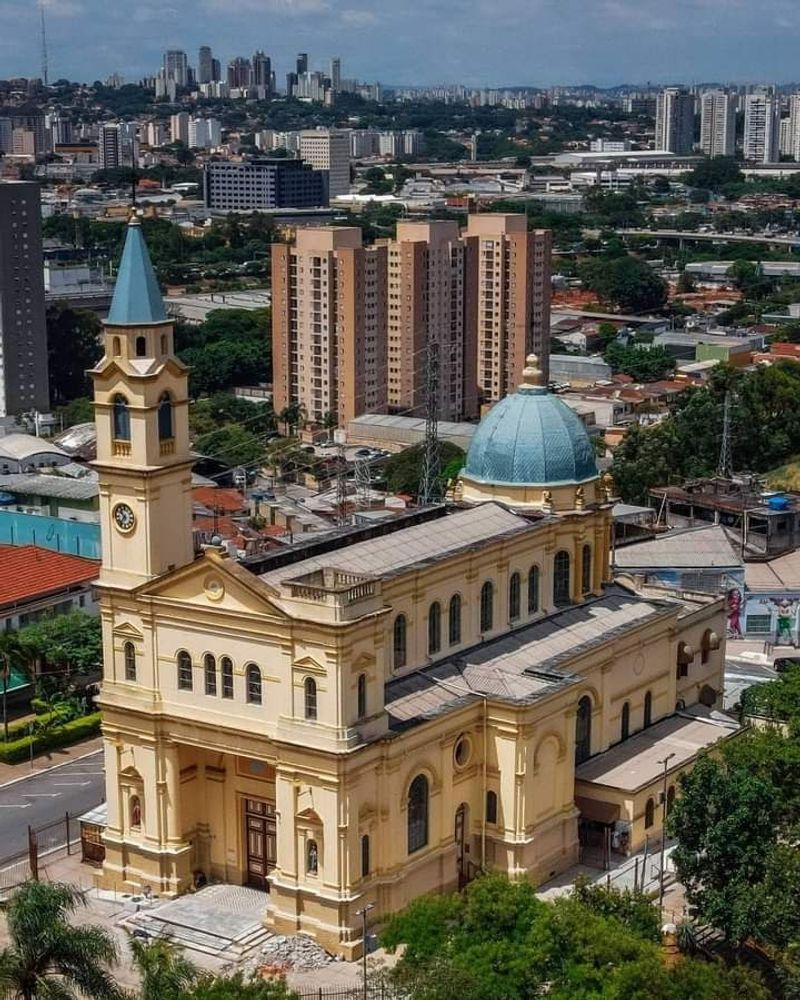
Jupiter is the splurge pick, and it earns its spot honestly. At No. 170 nationally, it brings an affluent coastal feel to the list, with the Atlantic on one side and the Intracoastal on the other.
Start with the water. Snorkeling spots, paddleboard launches, and fishing piers sit within minutes of most neighborhoods. The Jupiter Inlet Lighthouse, first lit in 1860, still watches over the shoreline like a patient local.
Beyond the scenery, the town offers a polished day-to-day. Waterfront restaurants, farmers markets, and trails fill the calendar, and the Palm Beach County location keeps airports and hospitals handy.
The catch is cost. Housing here sits on the higher end, and flood insurance can take a real bite out of a budget. If you want to live here, price out total ownership, not just the mortgage.
Renting for a few months first is a clever move. You will learn which beaches get crowded, how season traffic changes, and whether the pace suits you.
Jupiter is best for movers who want a postcard life with real amenities and are ready to plan their finances carefully.
7. Crestview
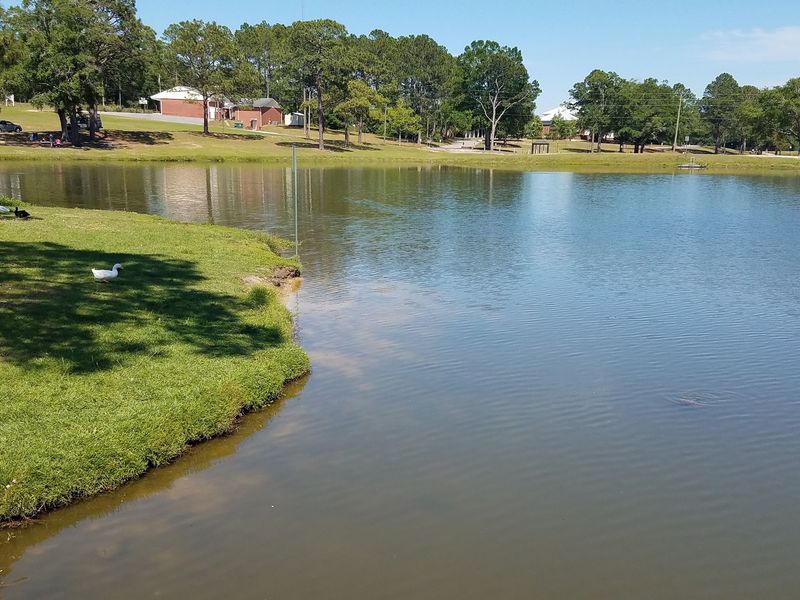
Not every Florida move needs a beach address. Crestview, ranked No. 163 nationally, offers a different path for people tired of expensive coastal markets.
The city sits in Okaloosa County in the Panhandle, nicknamed the Hub City because major roads and rail lines cross here. That central position is handy. Emerald Coast beaches are roughly a 30 to 45 minute drive, so you can visit the sand without paying beachfront prices every month.
Day to day, Crestview feels grounded. You will find local diners, growing neighborhoods, and a steady community tied to nearby military bases and regional businesses.
If you work from home, a quiet street and a bigger yard may be worth more than an ocean view. Many buyers find they get more square footage per dollar than they would in Destin or Fort Walton Beach.
A quick tip: visit during summer weekends, when beach traffic builds. Learn the back routes and you will save a lot of patience.
Crestview is a smart match for practical movers who want room, value, and beach access on their own schedule.
8. Clermont
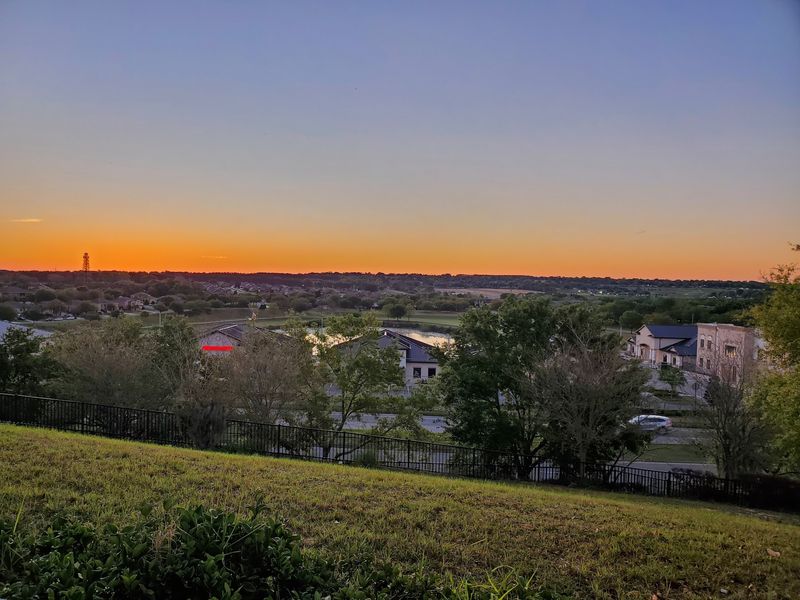
Hills in Florida? Clermont says yes. Sitting in Lake County west of Orlando, this city has rolling terrain, sparkling lakes, and a No. 222 national ranking that gives Central Florida a strong entry on the list.
The big draw is balance. You can reach Orlando jobs, theme parks, and airports in under an hour, yet home life feels more relaxed than the tourist corridors. Lake Minneola and its waterfront area give residents a place to walk, bike, and watch sunsets.
Athletes love the area too. The National Training Center has hosted triathlon and cycling events, and local roads attract riders who want a rare bit of elevation.
Housing options range from older neighborhoods to new communities, so shoppers can compare styles and prices. Check homeowners association rules and fees before falling in love with a floor plan.
Traffic on Highway 50 can slow things down at busy hours, so test drive your route before committing. Also ask about nearby growth plans, since fast-expanding areas can change quickly.
Clermont is a good fit if you want a Central Florida base with lakes, hills, and a calmer pace than Orlando proper.
9. Vero Beach
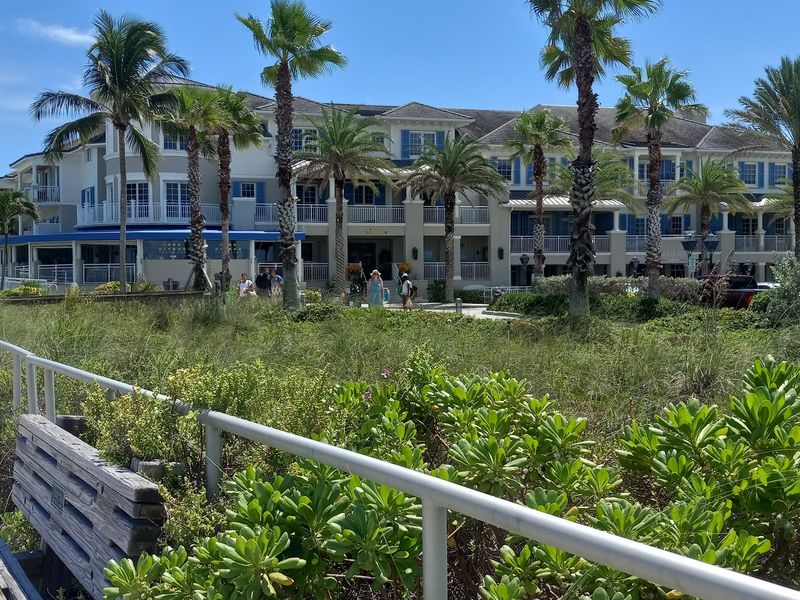
Safety is the headline here. SafeWise named Vero Beach Florida’s safest city for 2026, a data point that strongly backs the idea that this town is worth a move.
Located on the Treasure Coast, Vero offers a slower rhythm than the big South Florida metros. Beaches are wide, the shopping and dining areas are walkable, and the barrier island feels like a gentle retreat from the rush.
Culture shows up in surprising places. The Vero Beach Museum of Art and local theater groups give residents plenty to do beyond the sand.
Living here takes some planning. Oceanfront and island homes can be pricey, while mainland neighborhoods often cost less and still keep the beach within easy reach. Ask about flood zones, wind coverage, and elevation before making an offer.
Because many residents are retirees or seasonal, the town can shift in tempo from winter to summer. Spend time there in both seasons if you can.
For anyone who values peace of mind as much as scenery, Vero Beach makes a convincing case. A reassuring safety record plus ocean breezes is a mix that is hard to beat.
10. Pace
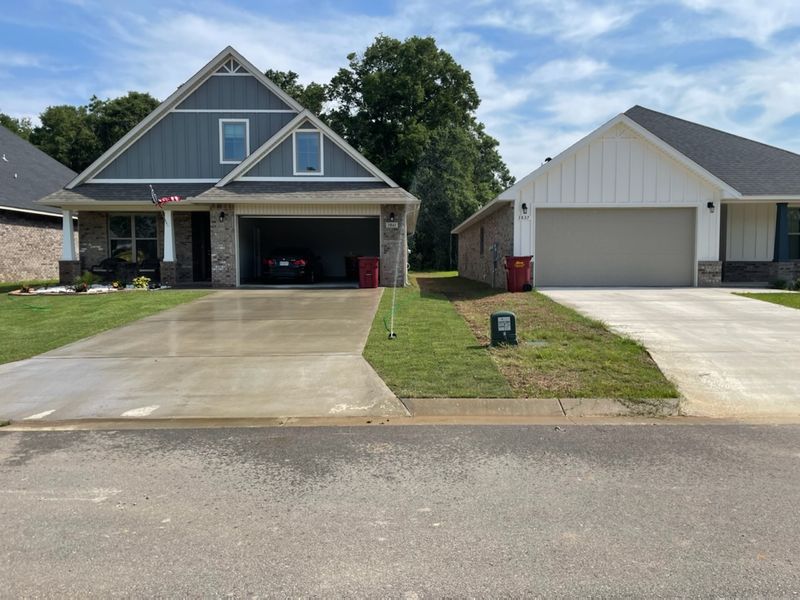
Here is a stat that gets attention: a separate 2026 Florida livability analysis ranked Pace No. 1. Reported numbers include a cost of living about 8% below the national average and a median household income around $84,912.
That combination is the whole story. Earning solid money while spending less on daily life leaves room for savings, hobbies, or a faster mortgage payoff. Few places in Florida can match that math.
Pace sits in Santa Rosa County, just northeast of Pensacola. You get neighborhood calm, newer housing, and an easy drive to bigger-city jobs, hospitals, and beaches like Pensacola Beach and Navarre.
Locals tend to value a quiet street, a roomy yard, and a short trip to everything else. It is not flashy, and that is the charm.
If you are curious, check out school options, commute routes, and flood maps for specific neighborhoods. Growth is steady, so ask about upcoming developments near any home you like.
Pace is a strong choice for families and remote workers who want comfortable living with real numbers behind it. Sometimes the best move is the one that lets you breathe a little easier every month.