Most Floridians Have Never Heard of This Gorgeous State Park
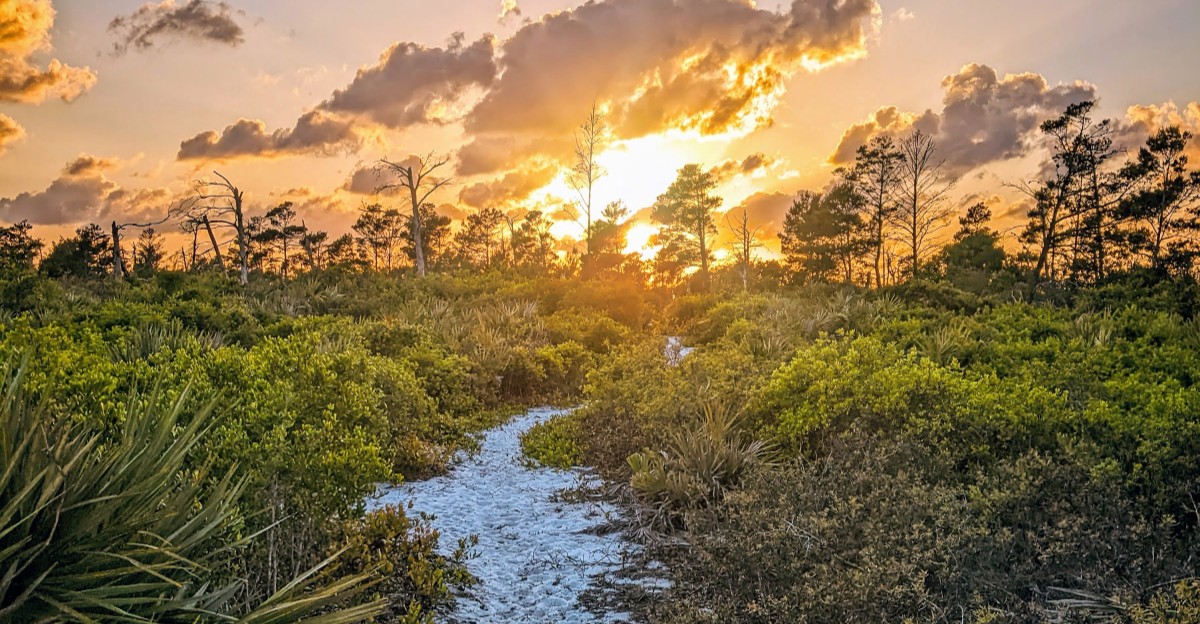
Seabranch Preserve State Park in Stuart is one of Florida’s best-kept secrets. While crowds flock to the beaches and famous springs, this 930-acre preserve sits quietly off Dixie Highway, offering an authentic slice of old Florida that feels worlds away from civilization. With four distinct natural habitats, miles of trails, and wildlife encounters that’ll make your heart skip a beat, this hidden gem proves you don’t need to travel far to find adventure.
1. Four Ecosystems Under One Sky
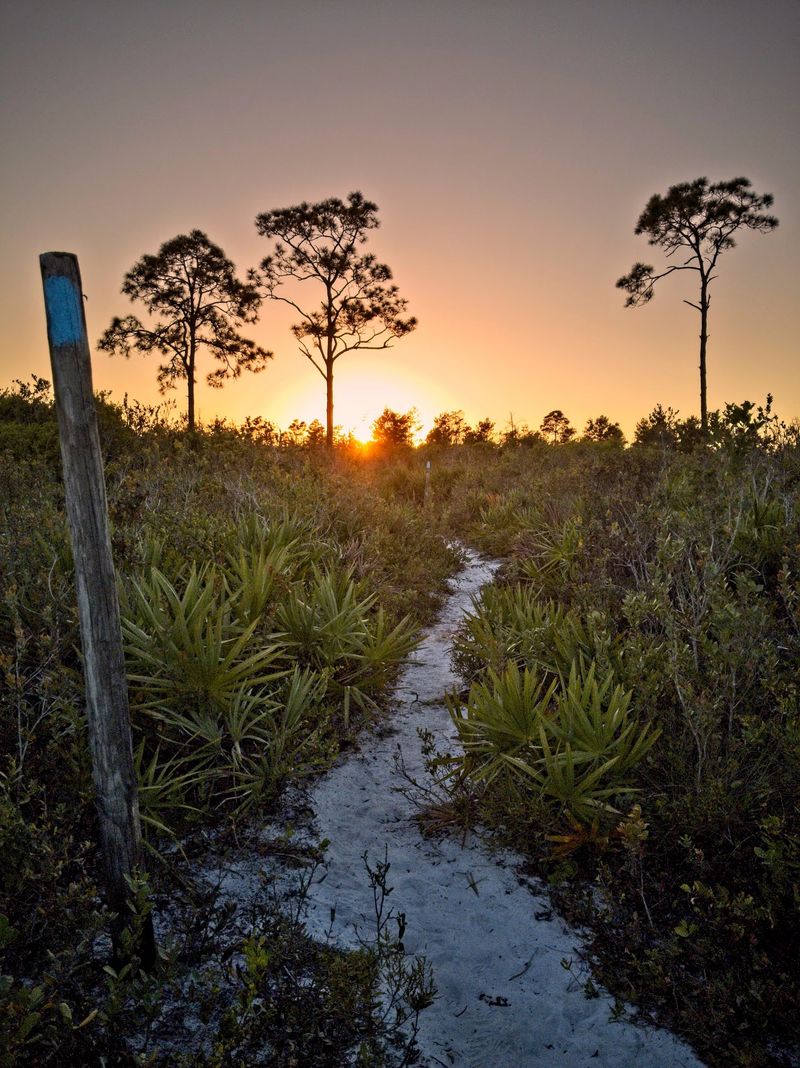
Walking through Seabranch feels like flipping through nature’s photo album. Within a single visit, you’ll experience pine flatwoods, sand pine scrub, oak hammock, and freshwater marsh habitats stacked side by side. Each ecosystem hosts its own cast of characters, from scrub jays darting through twisted pines to wading birds picking through marsh grasses.
The transitions between habitats happen so quickly you’ll do a double-take. One moment you’re crunching through sugar sand under open sky, the next you’re ducked beneath a canopy of live oaks dripping with Spanish moss. It’s like someone designed a greatest-hits tour of Florida’s inland landscapes and crammed it into 930 acres.
Most state parks showcase one or two habitat types, but Seabranch’s variety means every turn reveals something different. The sand pine scrub alone is worth the trip since this threatened ecosystem is disappearing across Florida. You’ll see gopher tortoises lumbering across the trail, their burrows dotting the sandy ground like miniature apartment complexes.
Bring a camera and keep your eyes peeled. The habitat diversity translates directly into wildlife diversity, meaning you never know what you’ll spot around the next bend. Some visitors report seeing all four ecosystems in a single two-hour hike.
2. Trail System That Keeps You Guessing
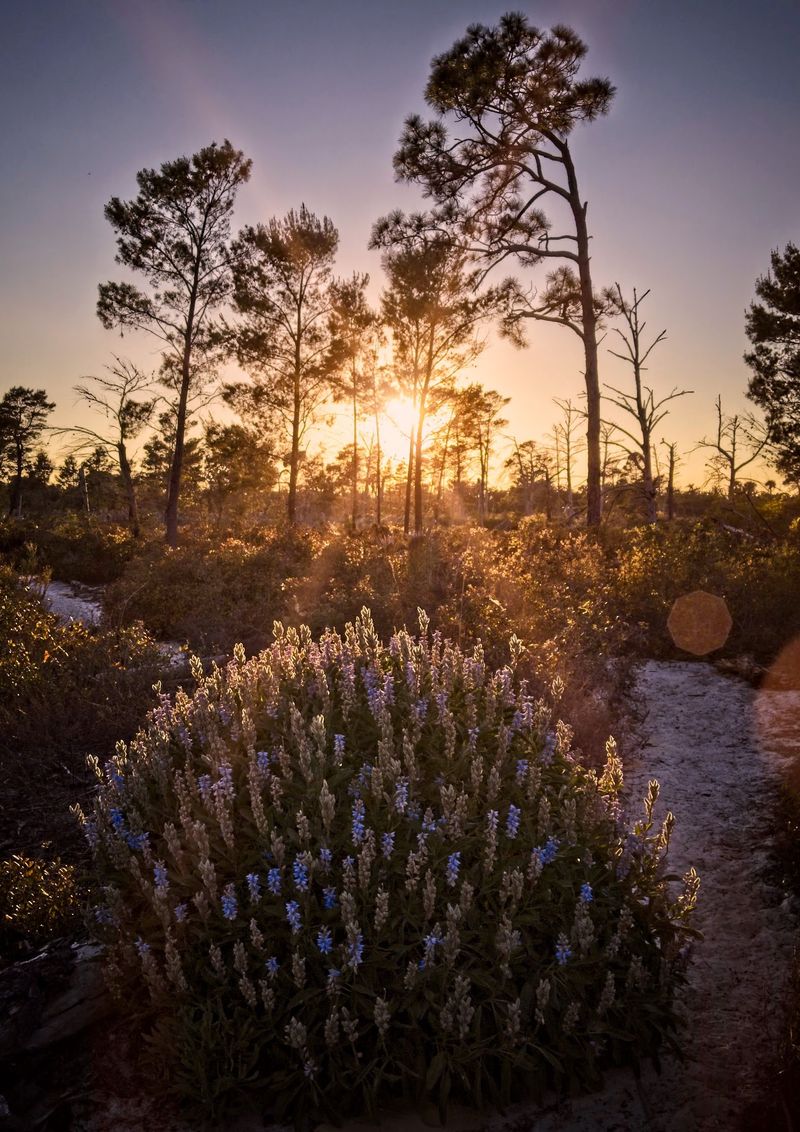
Seabranch’s trail network covers roughly four miles of interconnected loops, each marked by a different color. The yellow, white, and blue trails weave through the preserve like ribbons, offering everything from easy strolls to moderately challenging treks. Fair warning: that sugar sand will give your calves a workout they weren’t expecting.
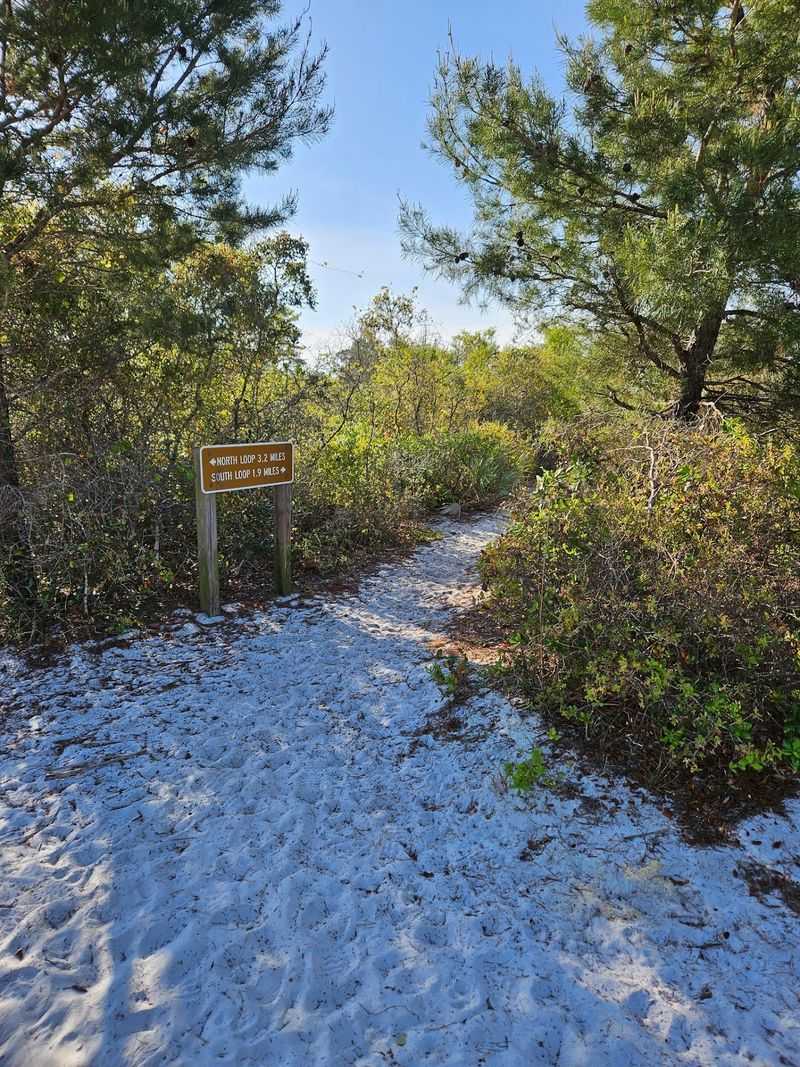
The white trail splits into north and south loops, with the northern section offering more shade through pine forests. Firmer ground underfoot makes this stretch easier on the legs compared to the deep sand elsewhere. The southern white loop runs parallel to the paved bike path, so it’s perfect if you want to bail early or prefer staying close to civilization.
Then there’s the blue trail, which locals whisper about with a mix of respect and caution. This route ventures into wilder territory where the ground gets mucky and the vegetation crowds in tight. Several reviewers mentioned knee-deep water and spotting wild boar scat, so save this one for when you’re feeling adventurous and don’t mind wet feet.
Trail markers are generally solid, though a few junctions can confuse first-timers. Download a trail map from the Florida State Parks website before you go, or snap a photo of the map board at the trailhead. Without one, you might accidentally complete the entire loop system when you only planned a quick walk.
3. Wildlife Encounters You Won’t Forget
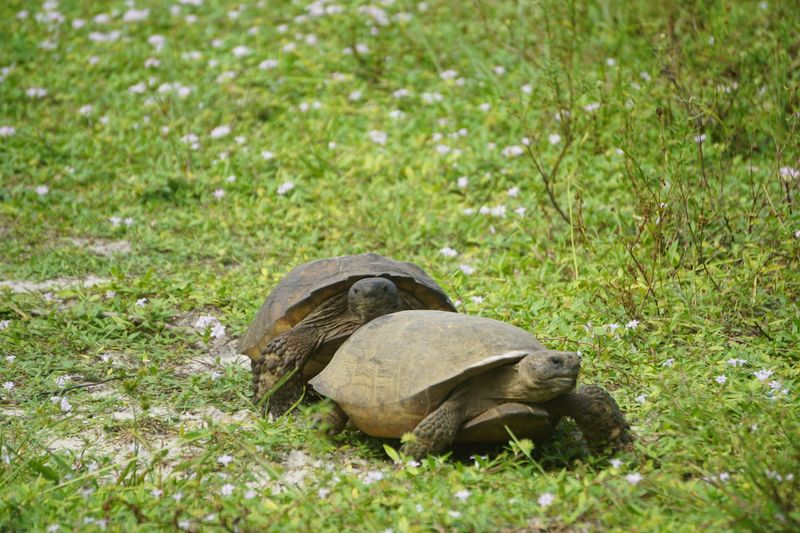
Step onto Seabranch’s trails and you’re entering a wildlife hotspot that feels more like a nature documentary than a casual hike. Gopher tortoises own this place, their prehistoric profiles appearing so frequently you’ll start greeting them by name. These gentle reptiles dig burrows that shelter over 350 other species, making them the unsung landlords of the scrub.
Bird nerds will lose their minds here. The preserve attracts everything from scrub jays and woodpeckers to wading birds stalking the marshy areas. Early morning visits reward you with a symphony of calls echoing through the pines, and if you’re lucky, you might catch a glimpse of a pileated woodpecker hammering away at dead timber.
But the real bragging rights come from spotting the elusive mammals. Multiple visitors have reported bobcat sightings, and wild boar tracks crisscross the blue trail like signatures in a guestbook. One hiker stumbled upon fresh scat and disturbed ground that suggested something larger had been bedding down nearby.
Keep your distance and stay alert, especially on the more remote trails. These animals aren’t used to heavy human traffic, which means they’re more likely to appear but also more unpredictable. Bring binoculars and move quietly.
The preserve’s relatively small visitor numbers mean wildlife behaves more naturally here than at crowded parks where animals have grown accustomed to selfie-seeking tourists.
4. Paved Path for Easy Access
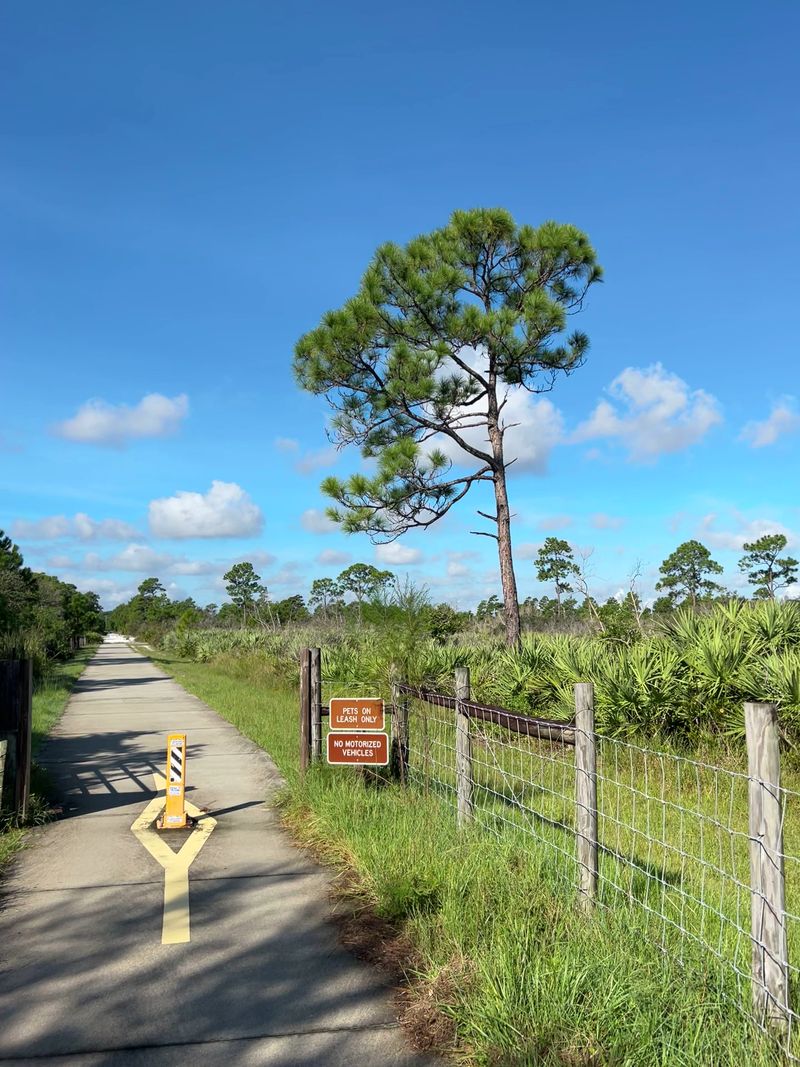
Not everyone wants to wrestle with sugar sand or risk muddy boots, and Seabranch gets it. The park features a smooth paved multi-use trail that runs from the parking area south through the preserve, offering an accessible option for bikes, strollers, and anyone who prefers solid footing. It’s the preserve’s compromise between wilderness and convenience.
Cyclists love this path because it connects to Stuart’s broader trail network, making Seabranch a perfect pit stop on longer rides. The water fountain actually works (a rarity worth celebrating), and the restrooms provide a clean break spot. One regular mentioned always swinging by to refill bottles because the water tastes better than most park fountains.
The paved trail also gives you a taste of the preserve without committing to a full sand slog. You’ll still see gopher tortoises crossing the path, sometimes moving faster than you’d expect, and birds flit between the trees lining the route. It’s basically Seabranch’s highlight reel in easy mode.
Morning visits work best when temperatures stay reasonable, especially during fall, winter, and spring. Summer heat turns the exposed pavement into a skillet, so bring serious sun protection and extra water if you’re brave enough to go midday. The path runs parallel to the yellow trail, so adventurous souls can hop between pavement and sand to mix things up during a single visit.
5. Practically Empty on Most Days
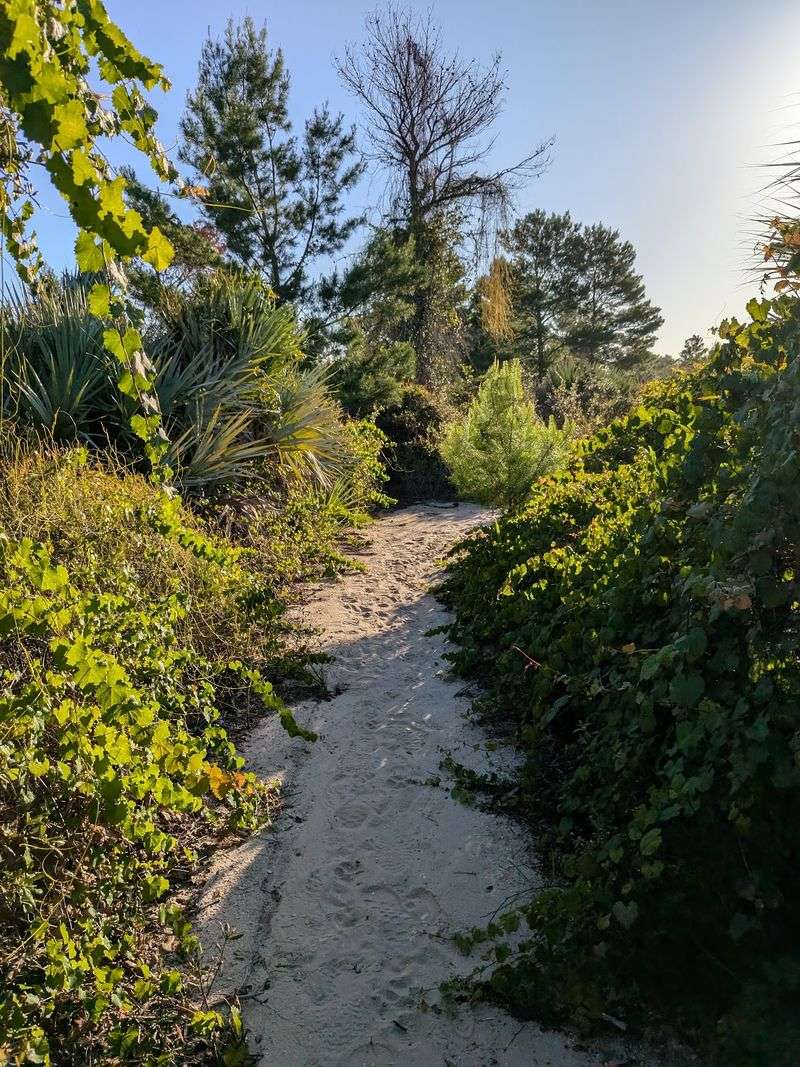
Here’s the beautiful irony: Seabranch Preserve sits just off a major highway in Stuart, yet most visitors report having the trails almost entirely to themselves. While other Florida parks require you to arrive at dawn to snag parking, Seabranch’s modest lot rarely fills up. You might cross paths with one or two other hikers during a two-hour trek, if that.
This solitude transforms the experience completely. Without crowds chattering and phones ringing, you actually hear the preserve breathing around you. Wind rustling through pine needles, woodpeckers drumming on distant trees, the shuffle of a tortoise pushing through palmetto scrub.
It’s the kind of quiet that reminds you why you came outside in the first place.
The lack of foot traffic also means wildlife acts more naturally. Animals haven’t learned to associate humans with food or danger, so they go about their business with less skittishness. That bobcat you spotted?
It probably wouldn’t have appeared at a park where hundreds of visitors stomp through daily.
Of course, hiking alone in a remote area requires smart planning. Tell someone where you’re going and when you’ll be back. Carry extra water, a charged phone, and basic first aid supplies.
The preserve’s proximity to civilization means you’re never truly isolated, but cell service can get spotty on the deeper trails. The trade-off for solitude is self-reliance, which honestly feels pretty refreshing in our over-connected world.
6. Sugar Sand That’ll Test Your Legs
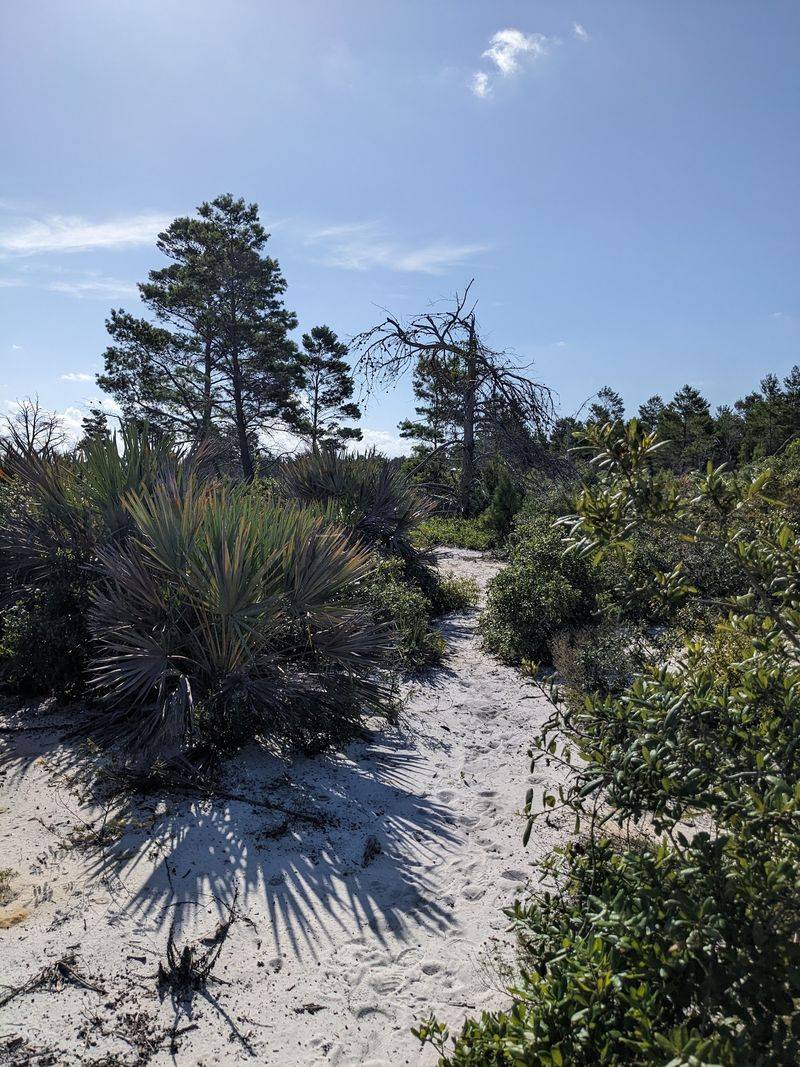
Let’s address the elephant in the room: Seabranch’s trails are predominantly sugar sand, and your leg muscles will absolutely know it by mile two. This isn’t packed dirt or wood chips. We’re talking fluffy, ankle-deep white sand that shifts under every step like walking through a beach that forgot it was supposed to be near water.
The workout sneaks up on you. The first quarter-mile feels fine, maybe even pleasant. Then your calves start burning, your pace slows, and you realize you’ve been climbing an invisible stairmaster this whole time.
Experienced hikers recommend treating Seabranch like leg day at the gym and planning accordingly.
The north loop offers some relief with firmer ground through the pine forest sections, but the south loop and portions of the white trail are pure sand slogs. Exposed to full sun, these stretches get especially brutal during warmer months. One reviewer mentioned an older couple turning back after just a few minutes because the unpacked sand proved too challenging.
But here’s the thing: that same sand keeps crowds away and preserves the park’s wild character. It filters out casual visitors who want Instagram shots without effort, leaving the trails to people who genuinely want to experience old Florida. Wear proper hiking shoes with good ankle support, bring trekking poles if you have dodgy knees, and embrace the burn.
Your legs might curse you tomorrow, but the solitude and scenery make it worthwhile.
7. Seasonal Flooding Adds Adventure
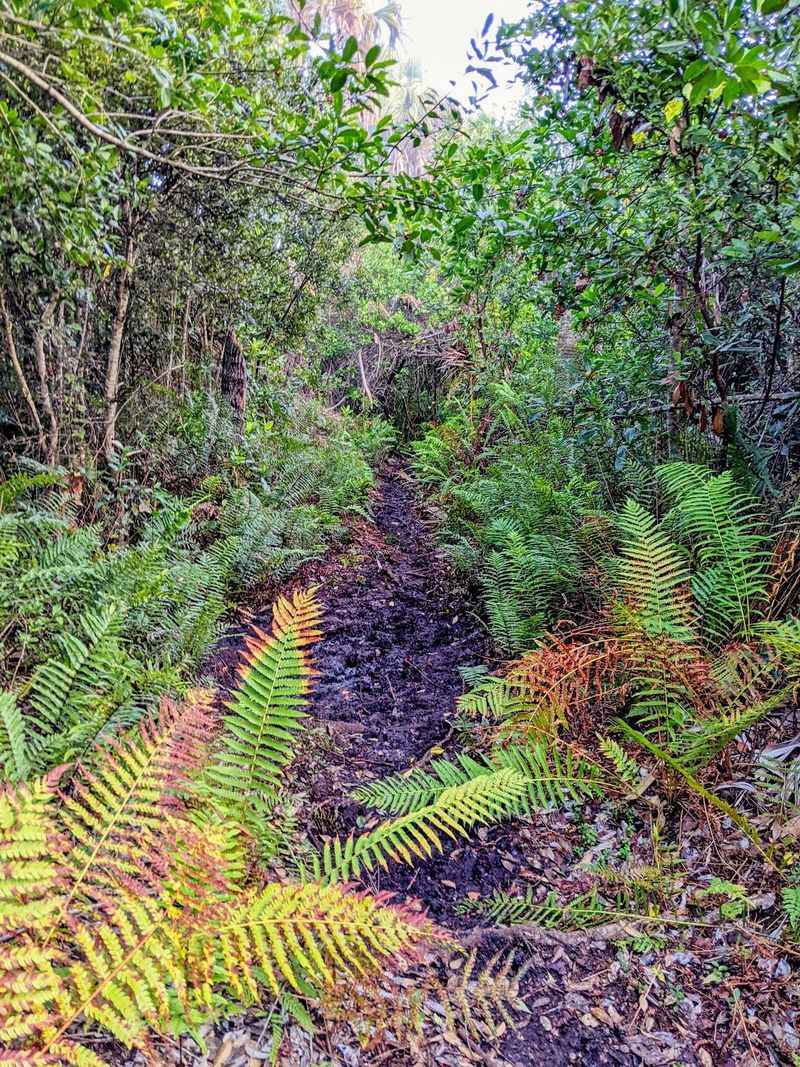
Seabranch’s blue trail has a reputation that precedes it. Depending on recent rainfall and time of year, sections of this route transform from hiking trail to wade-through-the-swamp adventure. Multiple visitors reported water well above their knees, with some turning back after discovering the path had become more aquatic than terrestrial.
The flooding isn’t a maintenance issue but rather the preserve’s natural rhythm. Florida’s wet season dumps serious rain, and the freshwater marsh habitat needs that water to function properly. The blue trail cuts right through these soggy areas, which means you’re either timing your visit carefully or accepting that wet feet come with the territory.
October through April generally offers drier conditions, though there’s no guarantee. One hiker completed an 8K loop in October and still encountered waist-deep water where the north and south loops connect. Summer and early fall?
Forget about it unless you’re packing waterproof boots and a sense of humor about soggy socks.
The muddiness and flooding actually create unique wildlife viewing opportunities. Wading birds love the seasonal wetlands, and tracks in the mud tell stories about who visited the watering hole overnight. Just stay alert because wild boar also frequent these areas, and surprising a 200-pound pig in knee-deep water isn’t anyone’s idea of fun.
Check recent reviews or call the park before attempting the blue trail if you want to keep your feet dry.
8. Dog-Friendly Trails With Room to Roam
Seabranch rolls out the welcome mat for four-legged hikers, making it a solid choice for dog owners tired of leaving their pups behind. The trails allow leashed dogs, and the preserve’s low visitor numbers mean your furry friend won’t spend the whole time dodging crowds or getting tangled in other leashes. It’s basically a doggy paradise disguised as a state park.
The sugar sand presents an interesting challenge for smaller dogs with short legs, but most medium to large breeds handle it like champs. The soft surface is easier on joints than pavement, and the variety of scents keeps noses busy for miles. Just watch out for gopher tortoise burrows since curious dogs sometimes stick their snouts where they don’t belong.
Water is crucial here, both for you and your dog. The exposed sections of trail offer zero shade, and that white sand reflects heat like a mirror. Bring extra water and a collapsible bowl, and plan for frequent breaks.
Early morning or late afternoon visits work best during warmer months when the sand won’t scorch sensitive paw pads.
Keep your dog leashed always, not just because it’s park policy but because wildlife encounters happen regularly. The last thing anyone needs is a dog chasing a bobcat or startling a wild boar. The preserve’s remoteness means if something goes wrong, help isn’t immediately available.
Responsible dog owners will find Seabranch absolutely worth the visit, just come prepared and stay alert.