8 Accessible Beaches In Florida Where Everyone Can Enjoy The Shore
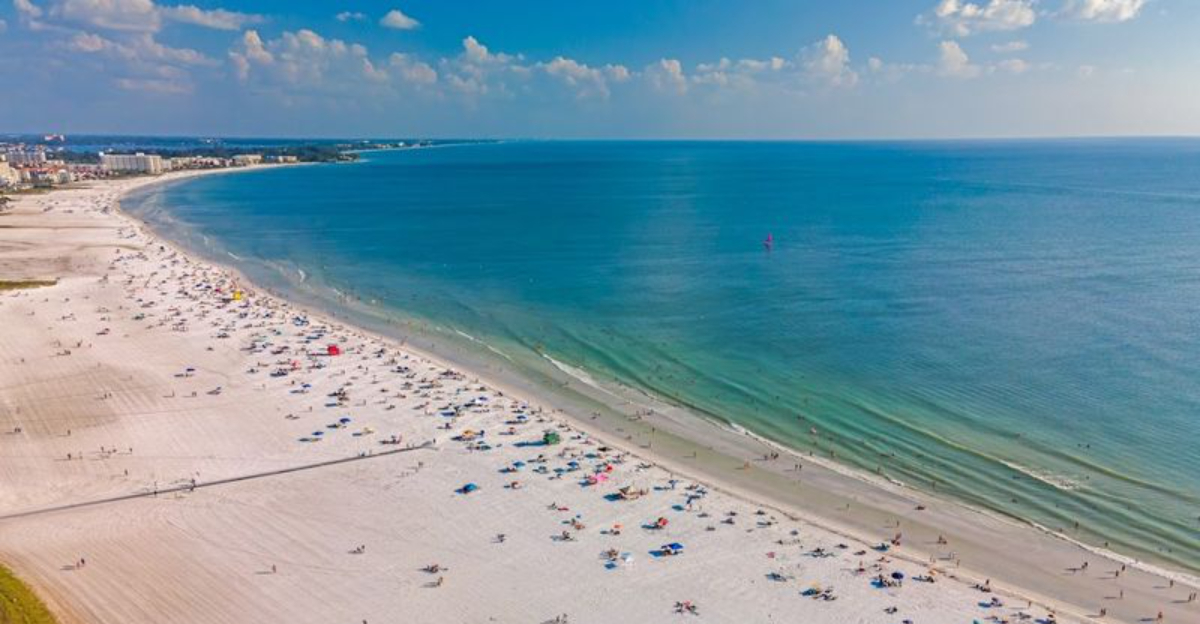
Florida’s coastline stretches more than 1,300 miles, offering some of the most beautiful beaches in the country. But for years, families with mobility challenges faced real barriers to enjoying the sand and surf. Today, many Florida beaches have installed special mats, offer free beach wheelchairs, and provide accessible facilities that make it possible for everyone to experience the joy of a beach day.
Whether you’re planning a family vacation or looking for an inclusive getaway, these accessible beaches prove that paradise really can be for all.
1. Siesta Beach (Siesta Key)
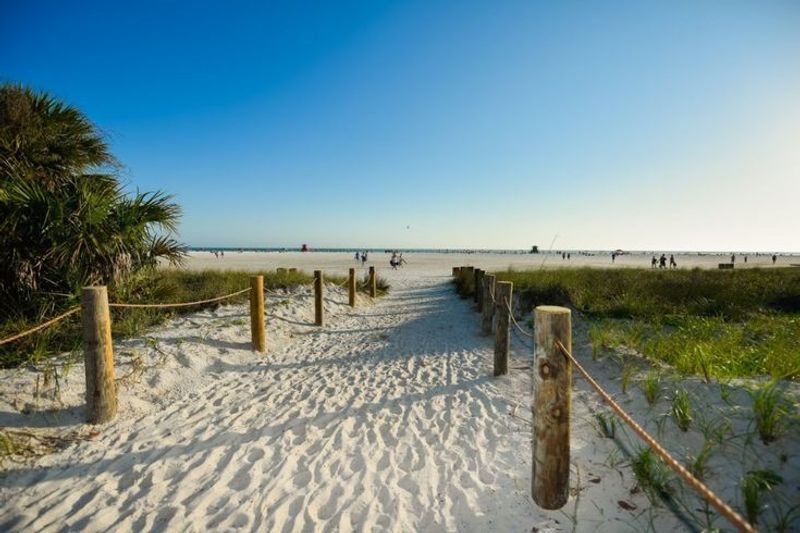
Powdery white quartz sand and turquoise water make Siesta Beach famous, but what really sets it apart is a 454-foot access mat that rolls right toward the Gulf. That’s longer than most football fields, giving wheelchair users and people with mobility aids a genuine chance to get close to the waves without getting stuck in soft sand.
Beach wheelchairs are available at no charge through the lifeguard station, and the parking lots, restrooms, and pavilions all meet ADA standards. The sand here stays cool even in blazing summer heat, which is a bonus when you’re navigating slowly or pausing to take in the view. Families love that the beach is wide, the water stays shallow for a long stretch, and there’s plenty of room to set up camp without feeling crowded.
Siesta Village is just a short drive away, offering accessible dining and shopping options. The combination of natural beauty and thoughtful infrastructure makes this Gulf Coast gem a top pick for anyone seeking an inclusive beach experience. You’ll find lifeguards on duty year-round, which adds an extra layer of safety and peace of mind for visitors of all abilities.
2. Clearwater Beach (Clearwater)
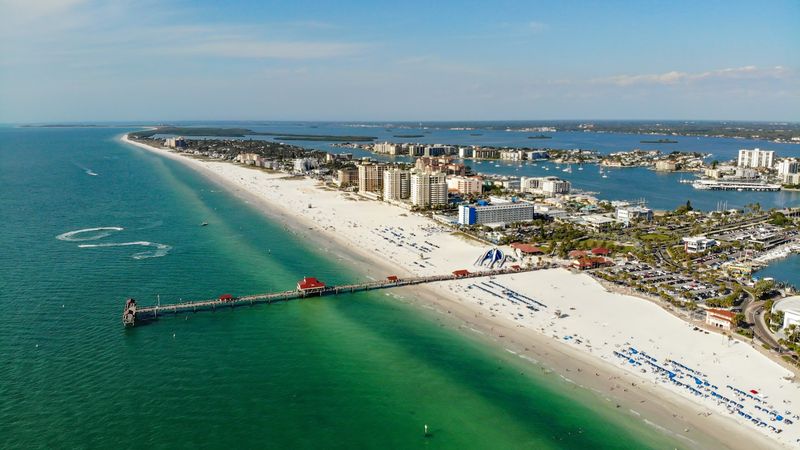
Clearwater Beach consistently ranks among the best beaches in the United States, and its commitment to accessibility is a big reason why. Three separate beach access mats stretch across the sand, giving visitors multiple entry points depending on where they park or which part of the beach they want to explore. Beach wheelchairs are available at no charge through the lifeguard division, making spontaneous beach days possible even if you don’t own specialized equipment.
The beach itself is wide and welcoming, with soft white sand and gentle Gulf waves that feel more like a warm bath than an ocean. Pier 60 offers accessible fishing and sunset-watching opportunities, and the surrounding area is packed with restaurants, shops, and hotels that take accessibility seriously. Parking can get competitive during peak season, but the city operates accessible lots with dedicated spaces close to beach access points.
What makes Clearwater stand out is how the whole beach culture embraces inclusion. You’ll see families of all abilities enjoying the water, building sandcastles, and soaking up the Florida sunshine. The infrastructure is solid, but the atmosphere is what keeps people coming back year after year.
3. Miami Beach / South Beach (Miami Beach)
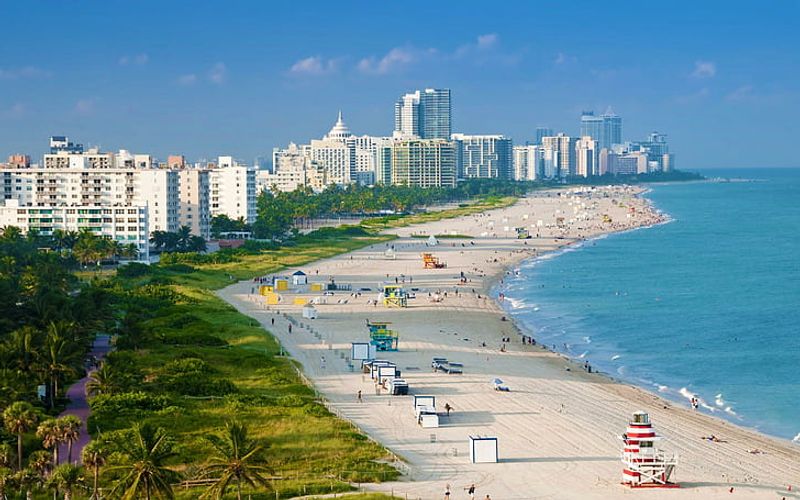
Art deco architecture meets accessible shoreline at Miami Beach, where the city runs a dedicated beach access program designed specifically for people with disabilities. This isn’t just a mat and a wheelchair—it’s a comprehensive service that includes water-access support and information to help visitors plan their beach day with confidence. The energy here is electric, with music, diverse crowds, and that unmistakable South Beach vibe.
Ocean Drive and Lincoln Road are both nearby, offering accessible dining, shopping, and nightlife options that extend the fun beyond the sand. The beach itself stretches for miles, giving you room to find your perfect spot whether you want to be in the thick of the action or tucked into a quieter section. Lifeguards are plentiful, and the city’s commitment to inclusion shows in everything from the well-maintained boardwalks to the accessible public restrooms.
South Beach is loud, colorful, and unapologetically itself, which makes it perfect for visitors who want more than just a quiet day by the water. The combination of world-class accessibility features and iconic Miami energy creates an experience you won’t find anywhere else in Florida.
4. Hollywood Beach (Hollywood)
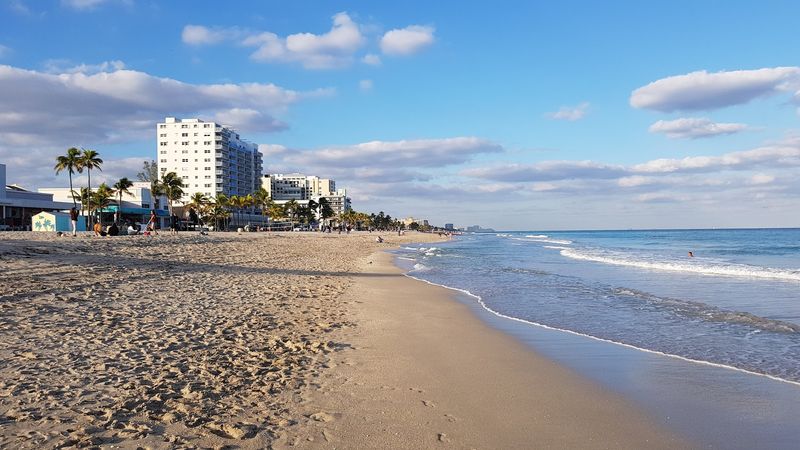
The Hollywood Beach Broadwalk stretches 2.5 miles along the Atlantic, and unlike many beach promenades, this one is truly accessible with multiple Mobi-Mat access points scattered from Carolina Street all the way to Magnolia Terrace. That means you can access the beach at various spots along your walk, making it easy to explore different sections or find the perfect place to settle in for the day.
The Broadwalk itself is smooth, wide, and perfect for wheelchairs, walkers, and anyone who prefers a solid surface under their wheels. You’ll pass restaurants, cafes, and shops, many of which have accessible entrances and outdoor seating where you can watch the parade of beachgoers. Street performers and musicians add to the festive atmosphere, creating a lively but not overwhelming scene.
Hollywood Beach has a distinctly old-Florida charm that sets it apart from the glitzier resort towns. The pace is relaxed, the crowds are manageable even in season, and the combination of beach access and Broadwalk accessibility means you can enjoy both the sand and the social scene. Parking garages near the beach offer accessible spaces, and public restrooms along the Broadwalk meet accessibility standards.
5. Ocean Reef Park (Riviera Beach)
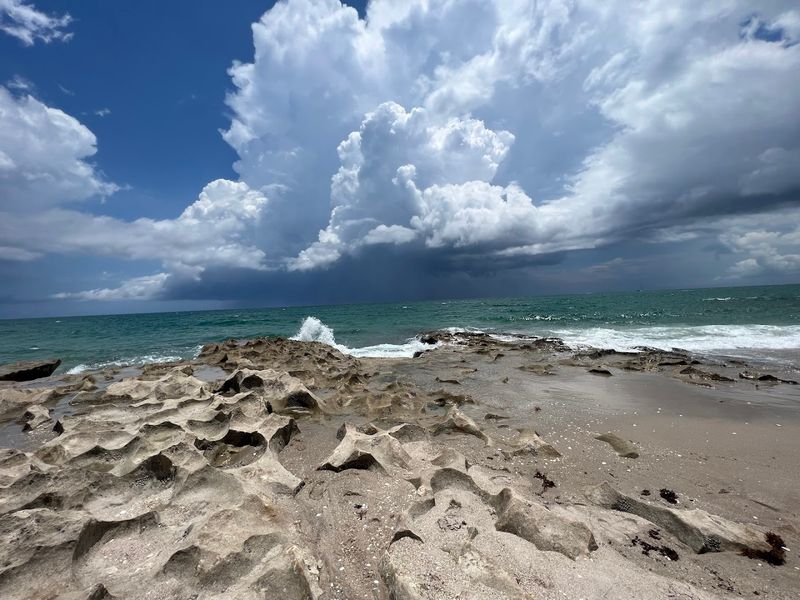
Sometimes the best beach day is a quiet one, and Ocean Reef Park delivers exactly that. Located in Palm Beach County, this guarded beach offers a Mobi-Mat that rolls across the sand, plus a beach surf wheelchair available through the lifeguards at no charge. The atmosphere here is calm and family-friendly, without the spring-break energy of some of Florida’s more famous beaches.
Picnic areas with accessible tables make it easy to pack a lunch and spend the whole day, and the restrooms and outdoor showers all meet ADA standards. The beach itself is clean and well-maintained, with lifeguards on duty during peak hours. The surf is typically gentle, making it a good choice for people who want to get in the water without battling big waves.
What you won’t find here are massive crowds or commercial development right on the beach. Ocean Reef Park feels more like a neighborhood gem than a tourist destination, which is exactly why locals love it. The combination of solid accessibility features and a peaceful setting makes it perfect for anyone seeking a low-key beach experience without sacrificing the infrastructure that makes beach access possible.
6. Pensacola Beach (Pensacola Beach)
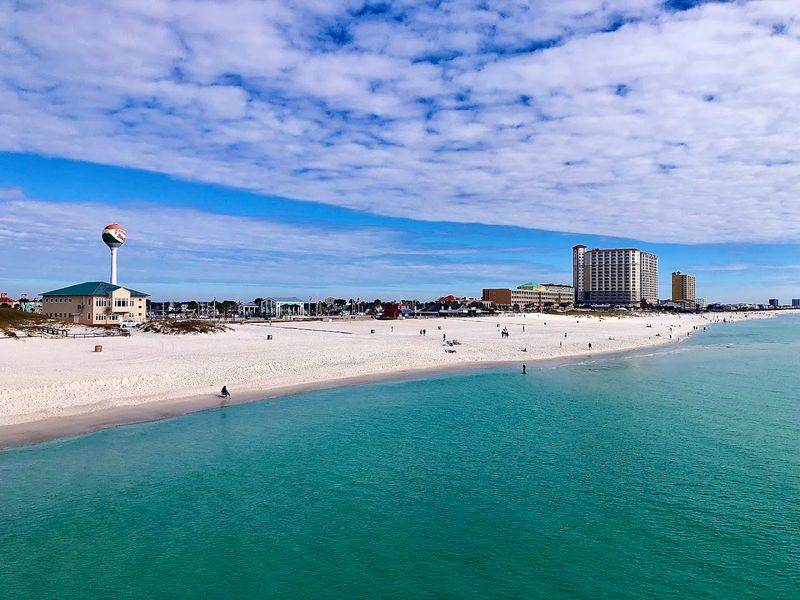
The Florida Panhandle is famous for sugar-white sand and emerald-green water, and Pensacola Beach delivers both with a side of serious accessibility. Five Mobi-Mats are installed across Pensacola Beach, giving visitors multiple access points to reach the Gulf. The sand here is so white it almost glows, and it stays surprisingly cool underfoot even in peak summer heat.
The water is shallow and calm on most days, making it ideal for swimming and wading. Beach wheelchairs are available, and the area is dotted with accessible parking, restrooms, and outdoor showers. The vibe is laid-back and family-oriented, with plenty of space to spread out even during busy weekends.
Local restaurants and beach bars offer accessible seating, and many have ramps or ground-level entrances.
Pensacola Beach feels a bit removed from the rest of Florida—geographically and culturally. The pace is slower, the accents are a little more Southern, and the focus is on simple pleasures like good seafood and beautiful sunsets. For visitors seeking both natural beauty and thoughtful accessibility infrastructure, this Panhandle destination checks all the boxes without the crowds you’ll find further south along the Gulf Coast.
7. Main Beach Park (Fernandina Beach)
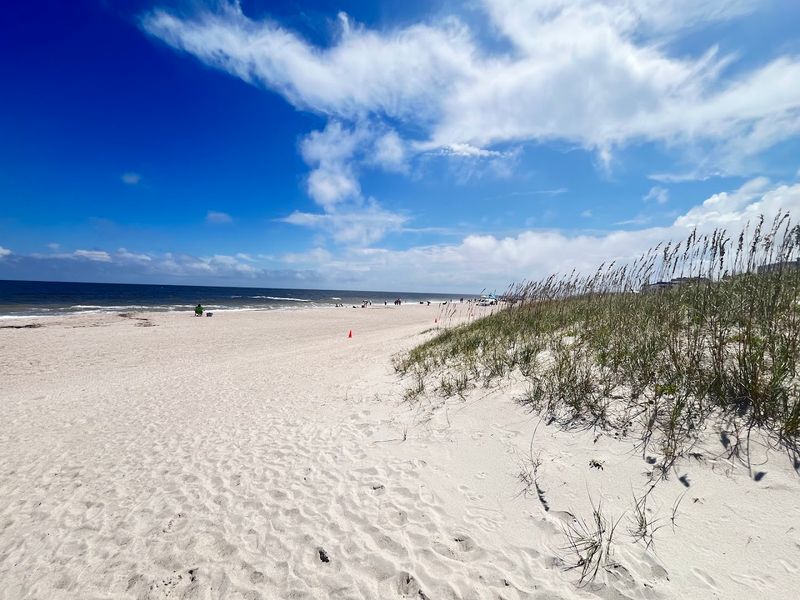
Amelia Island has a charming, historic feel that makes it stand out from Florida’s more modern beach towns, and Main Beach Park brings that same character to its accessibility features. A Mobi-Mat provides access across the sand, and both beach wheelchairs and a floating Mobi-Chair are available through the Atlantic Recreation Center. That floating chair is a game-changer for anyone who wants to actually get in the water, not just sit at the edge.
The beach is wide and clean, with gentle waves and plenty of room to set up for the day. Fernandina Beach’s downtown historic district is just a short drive away, offering accessible shops, restaurants, and Victorian-era architecture worth exploring. The whole island has a slower, more refined pace than you’ll find in party-beach destinations.
Main Beach Park attracts families, couples, and anyone looking for a beach day with a side of small-town charm. The accessibility infrastructure is solid without being flashy, and the staff at the recreation center are genuinely helpful when it comes to equipment and advice. It’s the kind of place where you can enjoy both the beach and the broader island experience without constantly battling crowds or accessibility barriers.
8. Bill Baggs Cape Florida State Park (Key Biscayne)
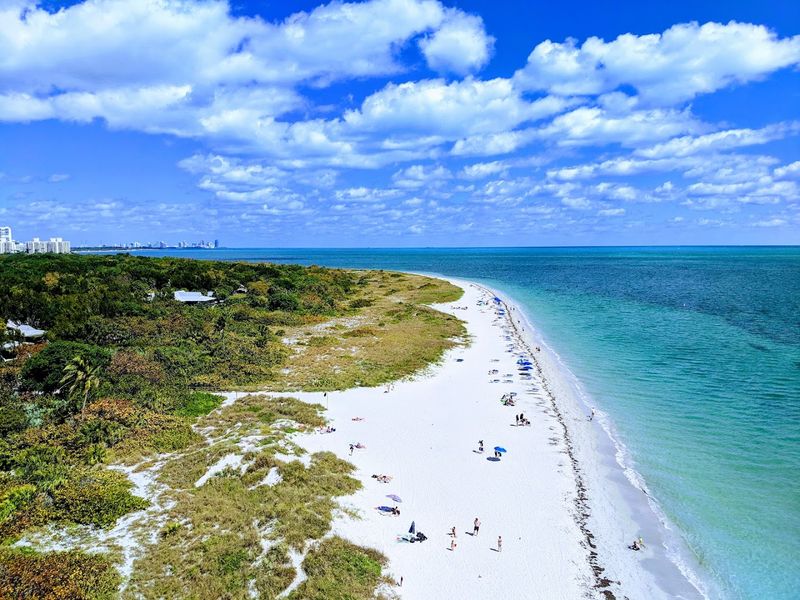
A historic lighthouse, protected natural areas, and accessible beach infrastructure come together at Bill Baggs Cape Florida State Park. The Mobi-Mat at Beach Access No. 6 provides a solid path across the sand, and accessible picnic pavilions offer shaded spots to rest and refuel. This is a quieter, more scenic alternative to the busier Miami beaches, with a state park atmosphere that emphasizes nature and preservation.
The beach faces Biscayne Bay rather than the open Atlantic, which means calmer water and a more protected swimming environment. Accessible showers and restrooms are available, and the park has paved paths that make it easy to explore beyond the beach itself. The lighthouse offers tours, and while the climb to the top isn’t accessible, the grounds and surrounding trails are worth exploring.
Two on-site restaurants provide accessible dining options, so you can make a full day of it without leaving the park. The combination of natural beauty, historical significance, and thoughtful accessibility features makes Bill Baggs a standout choice for anyone seeking a Miami-area beach experience that feels more serene and scenic than the typical tourist hotspots. It’s proof that accessible beaches can also be beautiful, peaceful, and rich with Florida history.