For About 10 Days a Year, a Rare Ghost Orchid Steals the Show in This Florida State Park
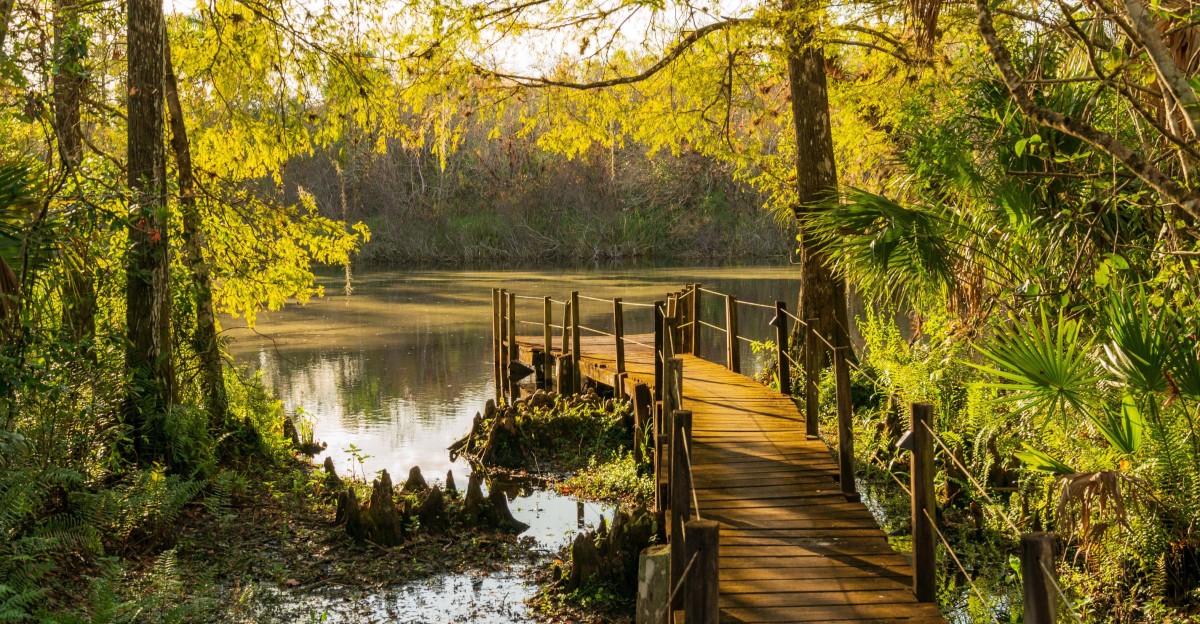
Fakahatchee Strand Preserve State Park near Copeland protects one of Florida’s wildest swamp landscapes, and hidden within it is one of the state’s most elusive flowers: the ghost orchid. When it blooms, the pale white flower seems to float in midair because its roots blend so naturally into the surrounding trees. The display is brief and unpredictable, which makes spotting one feel especially rare.
The park’s humid strand swamp, towering cypress, and dense tropical vegetation create the exact conditions these orchids need to survive. Visitors may also encounter other unusual plants, birds, and wildlife while exploring this remote corner of South Florida. For nature lovers, Fakahatchee is more than a scenic stop.
It is one of the few places where Florida’s most mysterious orchid still grows in the wild, making a well-timed visit feel like catching a secret moment in the swamp.
A Wild South Florida Preserve Where Rare Orchids Still Grow Naturally
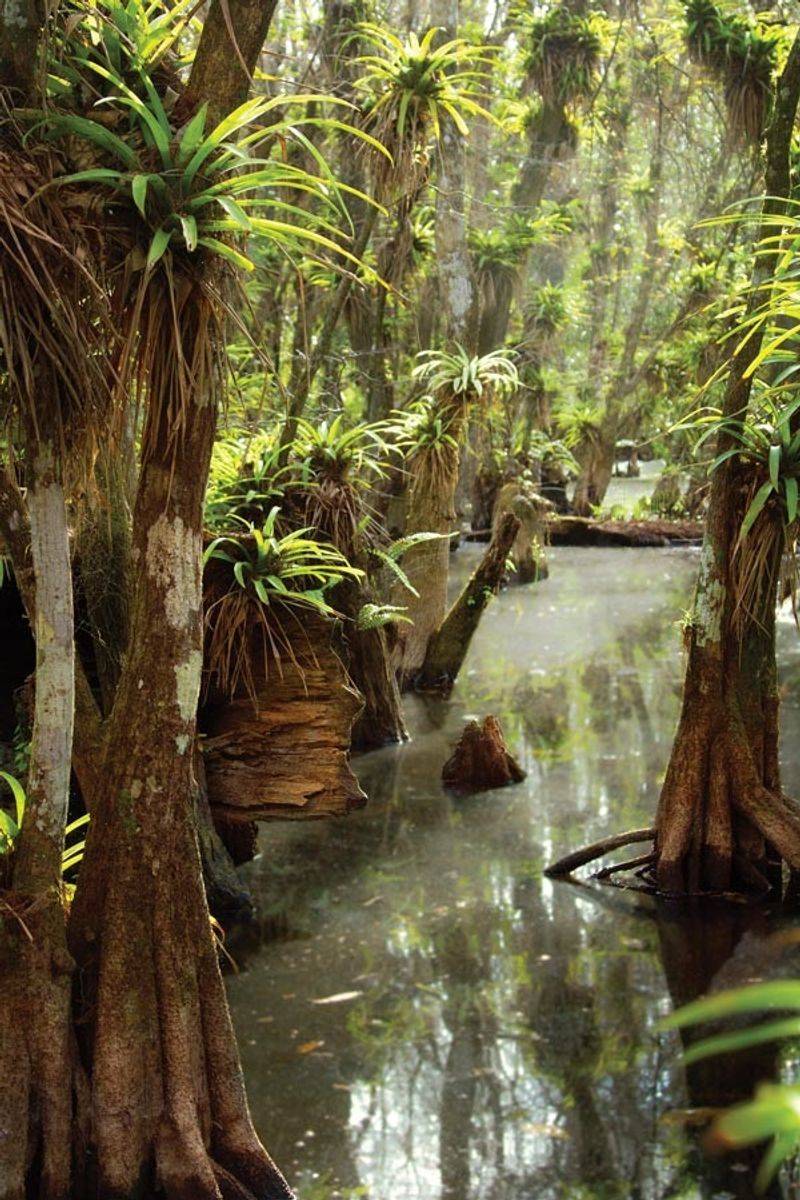
A forest where tall bald cypress trees stand shoulder to shoulder with royal palms. Now add dark water, hanging air plants, and a quiet so deep you can hear a heron land. Welcome to Fakahatchee Strand Preserve State Park, just off the road in tiny Copeland.
Many visitors call it Florida’s largest state preserve. Local fans also love pointing out that this mix of cypress and royal palm is extremely unusual, a meeting point between cooler-climate trees and tropical ones. That blend is a big reason orchids still grow here on their own, without anyone planting them.
Wild orchids are the real stars of the canopy. The preserve is widely known for having one of the richest collections of native orchids and bromeliads in North America. Some of these species are Caribbean plants that barely reach the edge of the United States.
Here is the fun part. Most of these plants are not growing in dirt. They cling to tree bark and branches, soaking up moisture from the humid air like little sponges.
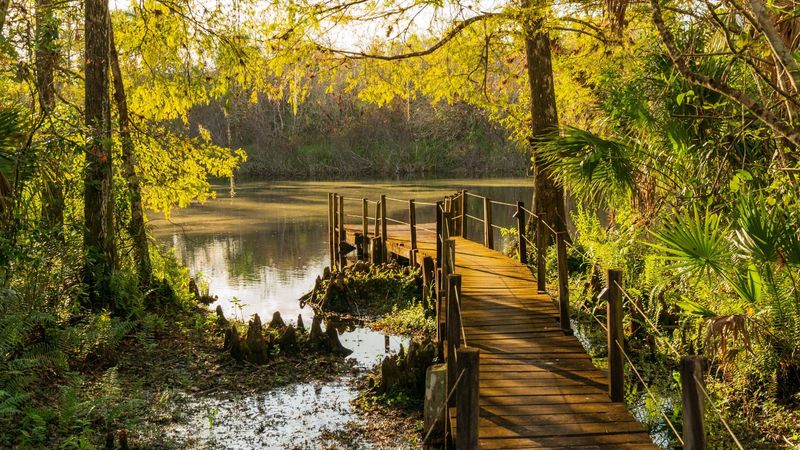
Getting a feel for the place is easy, even if you never step into the swamp itself. The Big Cypress Bend Boardwalk sits along the main highway and offers a flat, shaded walk with signs that explain the trees, birds, and plants. Volunteers are sometimes on hand with exhibits and pamphlets, which is a great bonus for curious kids.
For a deeper look, head to Janes Memorial Scenic Drive. Expect a slow, bumpy dirt road with potholes, so a higher clearance vehicle helps. Several visitors say it can take a while to cover just a few miles, and that is honestly part of the charm.
Bring water, snacks, sunscreen, and serious bug spray. Restrooms are limited deeper in the park, and there are no trash cans out on the trails, so pack out what you bring.
Hours generally run from 8 am to 8 pm, but always check the official Florida State Parks website before you go. Conditions in a wild swamp can change quickly, and rangers know best.
The Ghost Orchid’s Short Blooming Window Makes Every Sighting Feel Special
Blink, and you might miss it. That is not an exaggeration when it comes to the ghost orchid, a flower famous for showing up and vanishing like a magician’s assistant.
Each bloom is known to last only a short time, often around a week or two. So a single flower gives you a small window, and the timing shifts a bit from year to year. Most reports point to the warm, wet summer months as the season to watch.
So what makes it look so spooky? The plant has no regular leaves. It is mostly a tangle of gray-green roots wrapped around a tree trunk, which makes the white flower look like it is floating in midair.
The petals stretch out in two long curly tails, and many people say it resembles a tiny leaping frog.
That ghostly floating effect is how it earned its name. In dim swamp light, the white bloom seems to hover with nothing holding it up.
Here is a fun fact for your next trivia night. The ghost orchid became even more famous thanks to the book The Orchid Thief and the movie Adaptation, which pulled a lot of public attention toward this very swamp.
Because blooms are so brief, every sighting feels like winning a small lottery. Photographers share their shots with pride, and rangers sometimes hear stories from visitors who waited years for one good look.
Want to boost your odds? Call the park office at 239-961-1925 and ask politely about current conditions. Rangers may not share exact locations, since protecting these plants matters, but they can point you toward good habits and safe trails.
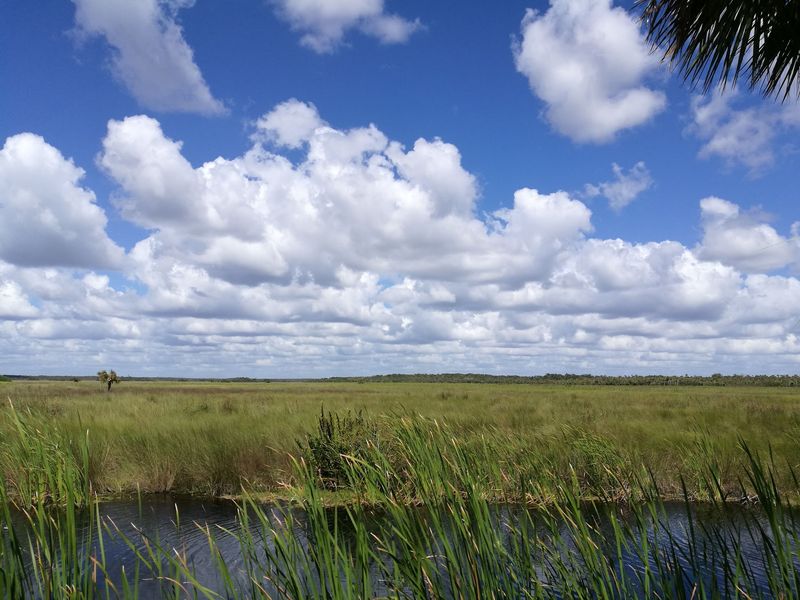
Also, keep your expectations relaxed. Even if you do not spot a ghost orchid, you will likely see gators, wading birds, and plenty of other air plants dangling from branches.
Treat the hunt like a bonus, not a guarantee. That mindset makes the trip fun either way, and it makes the rare win feel even sweeter.
Fakahatchee’s Swamp Forest Creates the Conditions These Orchids Need
Think of the Fakahatchee Strand as a giant natural greenhouse. Nobody built it, and nobody turns on the sprinklers, yet it stays humid, shady, and warm for much of the year.
A strand is a long, narrow swamp forest that follows a slow channel of water. Water moves gently through it, and the trees grow thick along that path. The result is a protected pocket where the air stays moist and the temperatures stay steadier than the open land nearby.
Orchids like the ghost orchid depend on that moisture. With no leaves to speak of, the plant relies on its roots to do the heavy lifting, grabbing water and making food from sunlight. Dry air would be a big problem for a plant built like that.
Shade matters too. The tall canopy filters harsh sunlight, so the lower trunks get softer, dappled light. Many epiphytes, which are plants that grow on other plants without harming them, love this setup.
Science bit time. The ghost orchid is often linked with certain host trees in swamps, and researchers have also studied the large night-flying sphinx moths believed to help pollinate it. That long, skinny flower tube suits a moth with a long tongue.
Seasons shape everything here. In the wet summer months, water spreads across the swamp and the air feels thick enough to drink. During the drier winter months, water pulls back into deeper pools, which is often when gators gather and become easier to spot.
Visitors notice this rhythm right away. One reviewer described the air as earthy and full of life, and that is a good way to describe what orchids need, too.
If you visit, take a moment to stand still on the boardwalk and look up. You will notice ferns, bromeliads, and lichens crowding every branch.
That crowded, living canopy is the clue. Where the swamp stays healthy, the orchids have a fighting chance.
Finding One in Bloom Takes Patience, Timing, and a Little Luck
Ask any seasoned swamp walker about ghost orchids and you will probably get a knowing grin. They will tell you it is less like a scavenger hunt and more like fishing. You show up, stay patient, and hope the timing lines up.
Start with the calendar. Summer is generally when blooms are reported, which also means heat, afternoon storms, and plenty of mosquitoes. Plan your outing for the morning when the air is a bit kinder.
Gear makes a huge difference. Visitors repeatedly warn about mosquitoes, and one reviewer even suggested head nets like the rangers wear. Long pants, closed shoes, sunscreen, a hat, and lots of water should all come along.
Next, think about access. Janes Memorial Scenic Drive is a rough dirt road with deep ruts, so drive slowly. Some people report going under 10 miles per hour, and a few say smaller cars struggle.
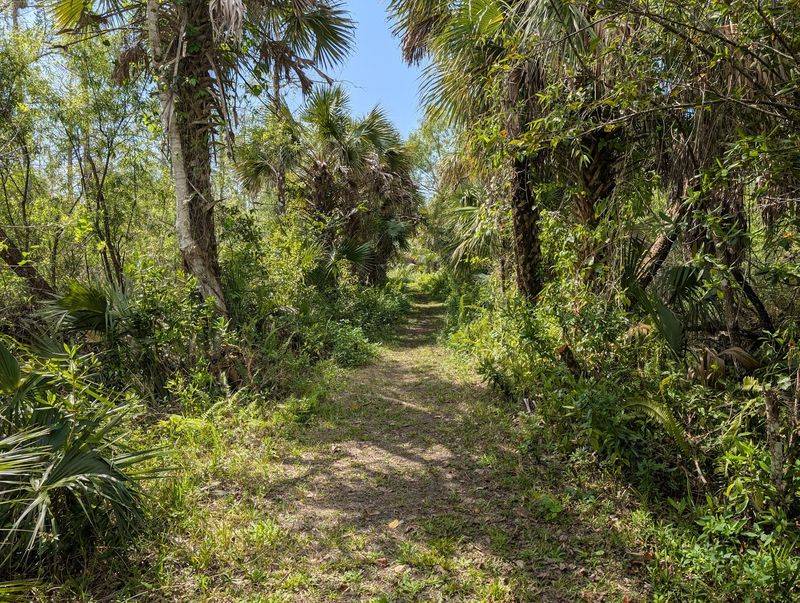
At the end of the drive, grassy tram trails stretch farther into the preserve. The East Main Tram is a popular walk, flat and fairly easy. Just remember the trails can look the same after a while, so stick to marked routes and track your direction.
Here is a smart move. Look into ranger-led programs or guided swamp walks offered through the park or its supporters. Going off trail into deep water on your own is not a good idea, and a guide knows the safest ways in.
Binoculars and a zoom lens are your best friends. Orchids often grow high on trunks, and you will want a clear look without trampling anything.
Respect is part of the deal. Never touch, pick, or move an orchid, and do not share exact locations online, since poaching has harmed these plants in the past.
Luck still plays a role. Some folks come back year after year before spotting a bloom. Those who keep going usually say the waiting made the moment even better.
This Park Protects Far More Than Just One Famous Flower
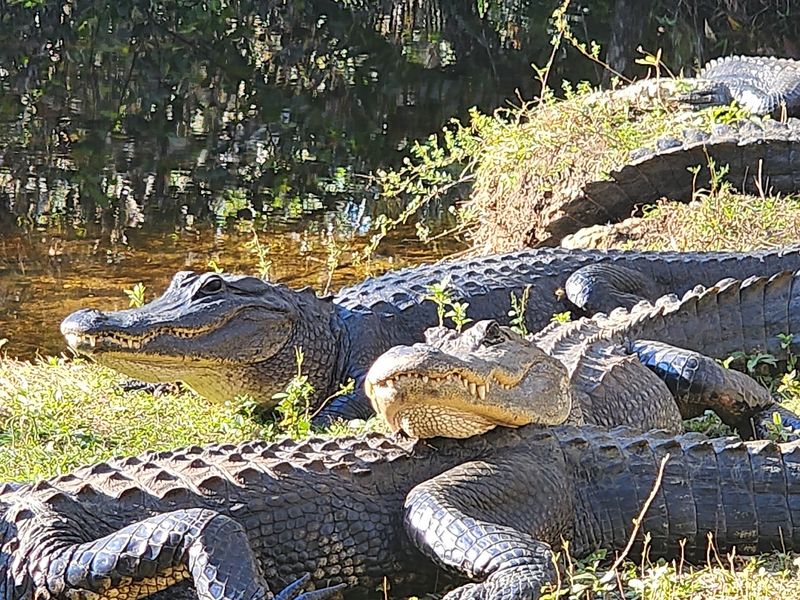
The ghost orchid gets the headlines, but the supporting cast here is massive. On any given day, visitors leave with stories about gators, deer, hawks, and maybe even a rare mink.
Alligators are the most talked-about residents, by far. Reviewers describe mother gators guarding several babies, big ones sunning on the trail, and a small lake near the cabin often called the Fakahatchee Hilton packed with them. Keep a respectful distance and never feed wildlife.
Birds are everywhere, too. Egrets, ibises, herons, and red-shouldered hawks show up often, and turkeys sometimes stroll across the road. Migratory birds add even more variety during the cooler months.
Then come the shy ones. White-tailed deer appear at dawn and dusk, and black bears live in the region. The endangered Florida panther also uses this habitat, although actually seeing one is extremely rare.
Small wonders count as well. A few lucky visitors mention the Everglades mink, a secretive animal many Floridians have never heard of. Turtles, fish, frogs, and huge grasshoppers fill in the rest of the scene.
All of these creatures need what the orchids need, which is clean water and a big, connected wild space. Protecting the swamp helps everything that lives in it.
Plant life deserves a shout-out too. Beyond orchids, the preserve hosts many types of bromeliads, ferns, cypress, royal palms, and pond apple trees. Each layer creates food and shelter for something else.
A friendly reminder about safety. Snakes, including venomous ones, live here, so watch your step on trails. Pets are allowed in some areas, but one reviewer noted their dog got very excited by deer, so think carefully before bringing yours.
Best viewing tip? Go early when the park opens or later toward the evening. Drive slowly, roll the window down, and keep your eyes moving between the water and the tree line.
You might come for one flower. You will probably leave talking about a whole wild neighborhood.
Why Orchid Lovers Keep Returning to the Fakahatchee Strand
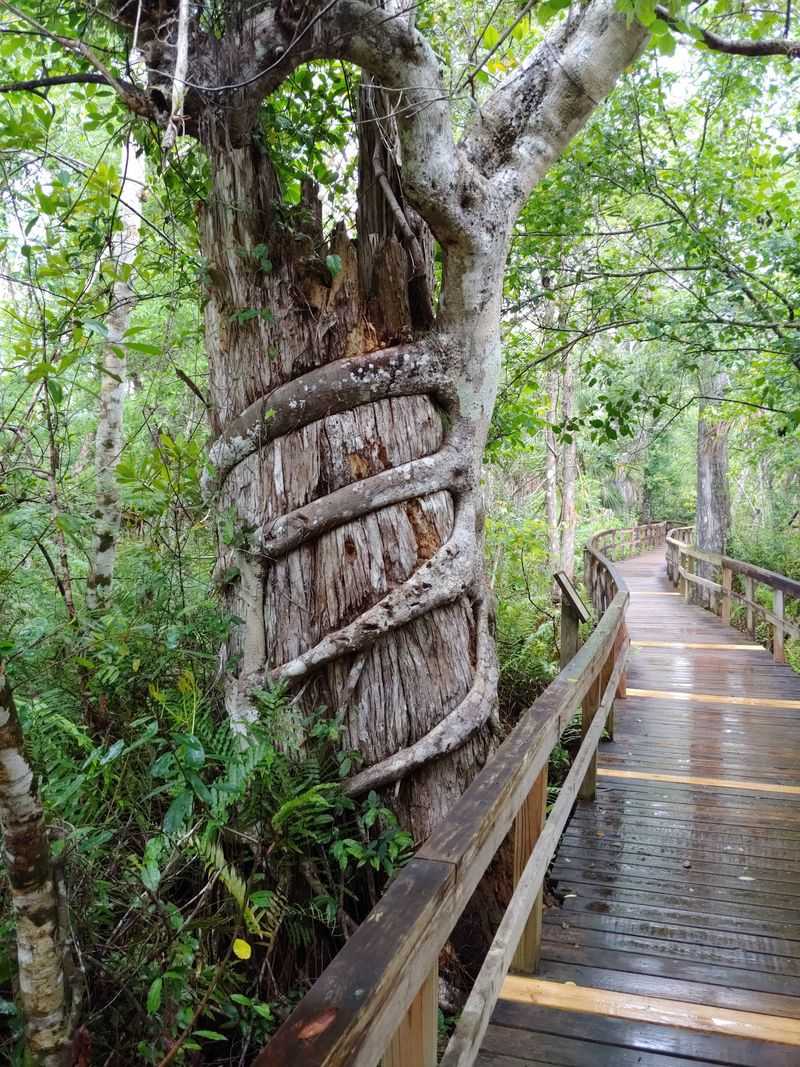
One visit rarely feels like enough. Plenty of nature fans describe their first trip as a teaser, the kind that leaves you planning the next one before you even reach the car.
Part of the pull is variety. The swamp looks totally different from season to season. A lush green September trip feels nothing like a dry March walk when the water shrinks and wildlife crowds the remaining pools.
Orchid lovers also know the preserve holds dozens of native orchid species, not just the ghost. Different ones bloom at different times, so every visit offers a fresh chance to spot something new on a branch.
Then there is the peace and quiet. Reviewers often mention no crowds, no noise, and no polished theme-park feel. It is raw, old Florida, the way the region looked before big development arrived.
Easy options keep people coming back, too. The Big Cypress Bend Boardwalk works for families and older visitors who want a flat, shaded stroll with educational signs. Hikers and gravel bikers can explore the long tram trails beyond the scenic drive.
And yes, food is part of the ritual. One local shared a favorite routine: a short hike on a cool, dry day, followed by a stone crab lunch in nearby Everglades City. That small fishing town is well known for stone crabs, which makes a tasty finish to a swamp day.
A few practical notes help repeat trips go smoothly. Fill your gas tank before heading out, since this area is remote. Bring cash or a card for the park fee, and pack everything you might need.
Many returning fans also join volunteer events or guided programs. Learning from people who know the swamp turns a nice walk into a much richer experience.
Every trip adds a new memory, whether it is a gator family, a perfect bird photo, or a blooming orchid high in a cypress. That steady stream of small surprises is what keeps bringing folks back.
The Ghost Orchid Is One of Florida’s Most Elusive Natural Treasures
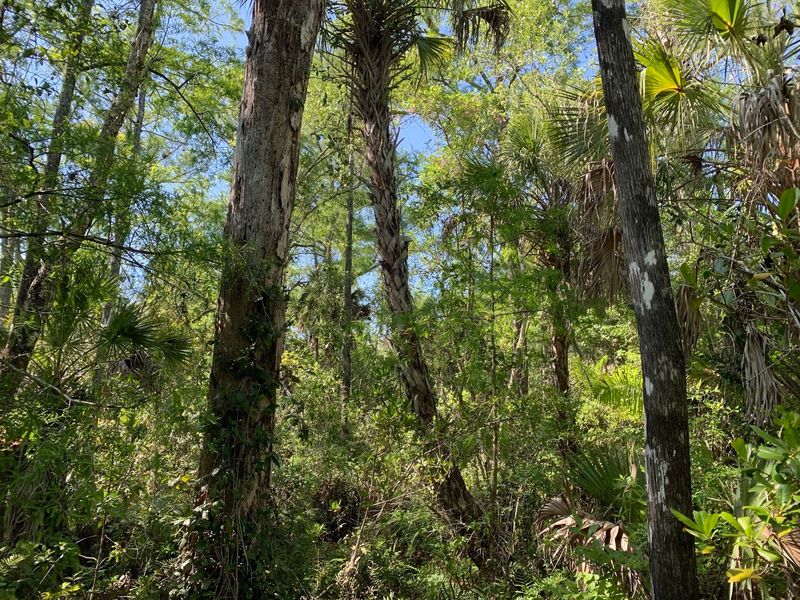
Some treasures sparkle in museum cases. Florida’s favorite one hides in a swamp, wrapped around a tree, and only shows off for a few days at a time.
The ghost orchid is considered endangered in Florida, and its wild numbers are small. That makes it one of the most sought-after plants in the state, both for good reasons and bad ones.
Poaching has been a real threat in the past. People have taken orchids from the wild, hoping to sell them or grow them at home. Sadly, wild ghost orchids are known to be very hard to keep alive outside their swamp home.
That is why rangers and researchers guard location details so carefully. If you are lucky enough to find one, enjoy it, take a photo, and keep the exact spot to yourself.
Climate and water changes add more pressure. Shifts in rainfall, drainage, and storms can affect the humid conditions these plants rely on. Healthy swamps protect orchids, and protected land like Fakahatchee gives them their best shot.
Scientists continue studying how the ghost orchid lives, what pollinates it, and how to help it survive. Some groups have worked on growing orchids in labs to support wild populations. That kind of hopeful science is worth cheering for.
Here is how you can help, even as a casual visitor. Stay on trails, follow posted rules, pay your park fee, and leave plants exactly where they are. Small choices add up in a fragile place.
You can also support Florida State Parks and local nonprofit groups that care for the preserve. Volunteering, donating, or simply spreading respectful awareness all make a difference.
Planning a visit? The park is at 137 Coast Line Dr in Copeland, with hours typically from 8 am to 8 pm. Check the official website for alerts before heading out.
Whether you spot the ghost or not, you are walking through its home. That alone makes the trip feel a little bit magical.