This Florida Bakery Makes Everything Gluten-Free and Dairy-Free
For anyone avoiding gluten or dairy, walking into a bakery can feel like a long list of things you cannot have.
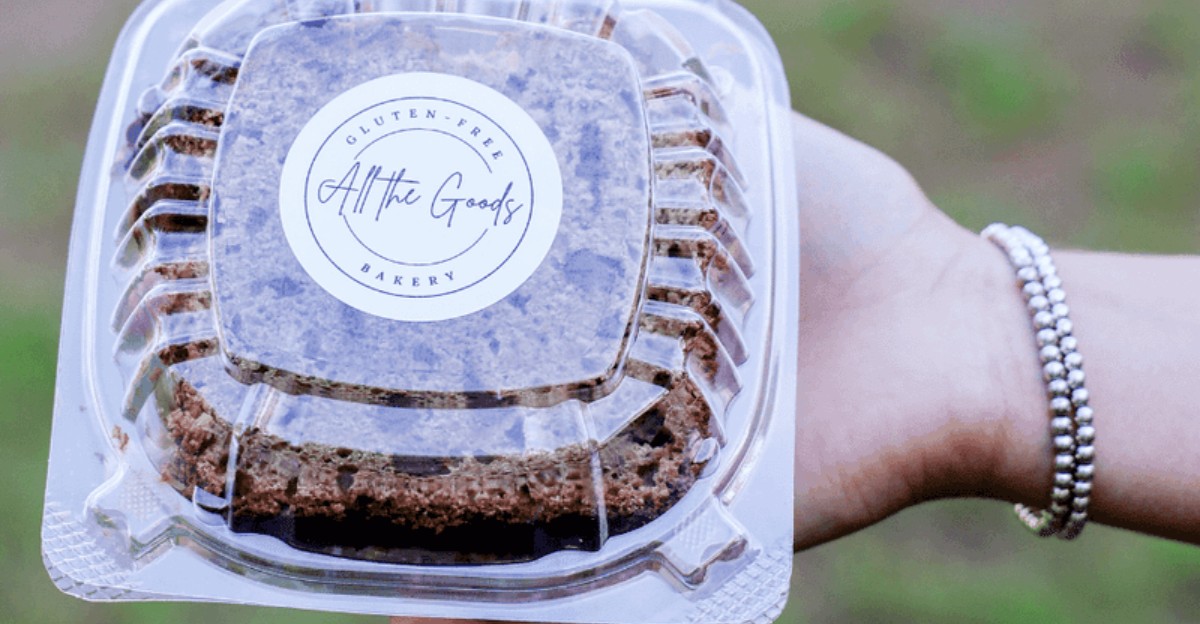
That is what makes All The Goods Bakery in Tallahassee such a refreshing find. The entire shop is built around gluten-free and dairy-free baking, with cookies, breads, cakes, pastries, and other treats designed so more people can enjoy the same dessert instead of settling for a separate option.
From soft sandwich bread to celebration cakes and grab-and-go pastries, this little Florida bakery is proving that “free from” does not have to mean missing out.
Here are eight reasons it deserves a spot on your Tallahassee food list.
1. A Kitchen Where Nobody Has to Ask
Picture walking into a bakery and never once having to ask, “Does this have wheat or milk?” At All The Goods Bakery in Tallahassee, that nagging question goes away, because the whole kitchen is built around gluten-free and dairy-free baking.
For many families, that is a big deal. A regular bakery can feel like a minefield when someone has celiac disease, a wheat allergy, or a dairy sensitivity. Even one crumb or one splash of butter can cause trouble, so people often leave empty-handed or settle for a sad packaged cookie.
A bakery that skips both gluten and dairy changes the whole mood. Kids can point at anything in the case without a lecture first. Parents can relax and enjoy the treat right along with them.
Tallahassee has plenty of coffee shops and sweet spots, but a fully free-from bakery fills a gap that many locals feel every week. Birthday parties, office snack days, and quiet Saturday mornings can finally include everybody at the table.
Here is a handy tip. Before your first visit, make a short list of the foods you miss most, such as donuts, soft bread, or frosted cake. Then ask the team what they bake that matches.
You might be surprised how many old favorites are back on the menu.
2. Cookies That Crumble in All the Right Ways
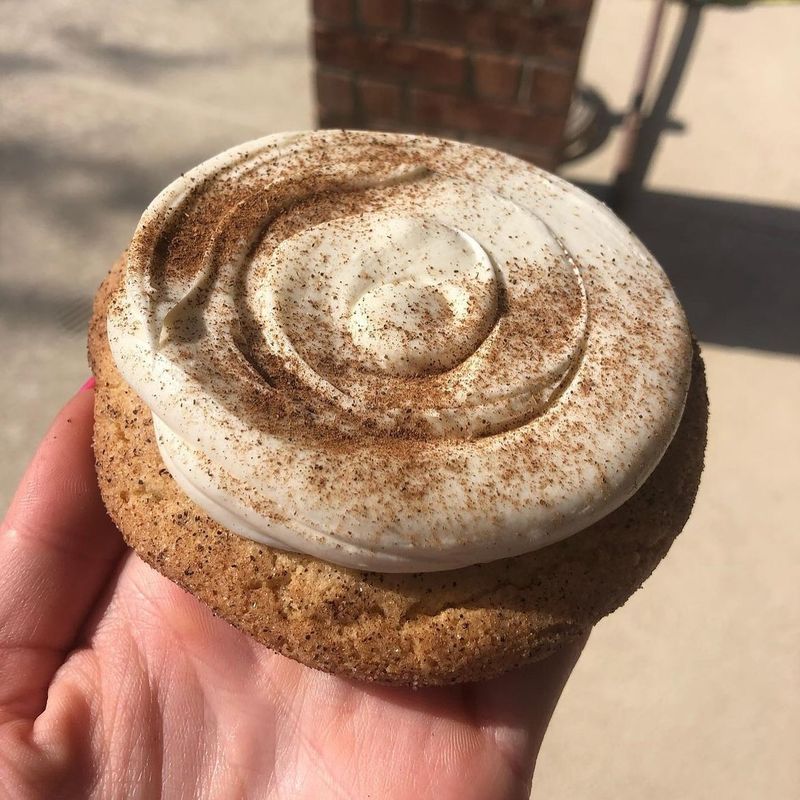
Cookies are the great test of any bakery. If they are dry, sandy, or weirdly gritty, word travels fast. Free-from baking has a bad reputation for exactly that, which is why a really good cookie feels like a small victory.
Gluten-free dough behaves differently from regular dough. Without wheat flour, bakers lean on blends of rice, oat, tapioca, or almond flours to build structure. Without butter, they turn to oils or plant-based spreads to get that rich bite.
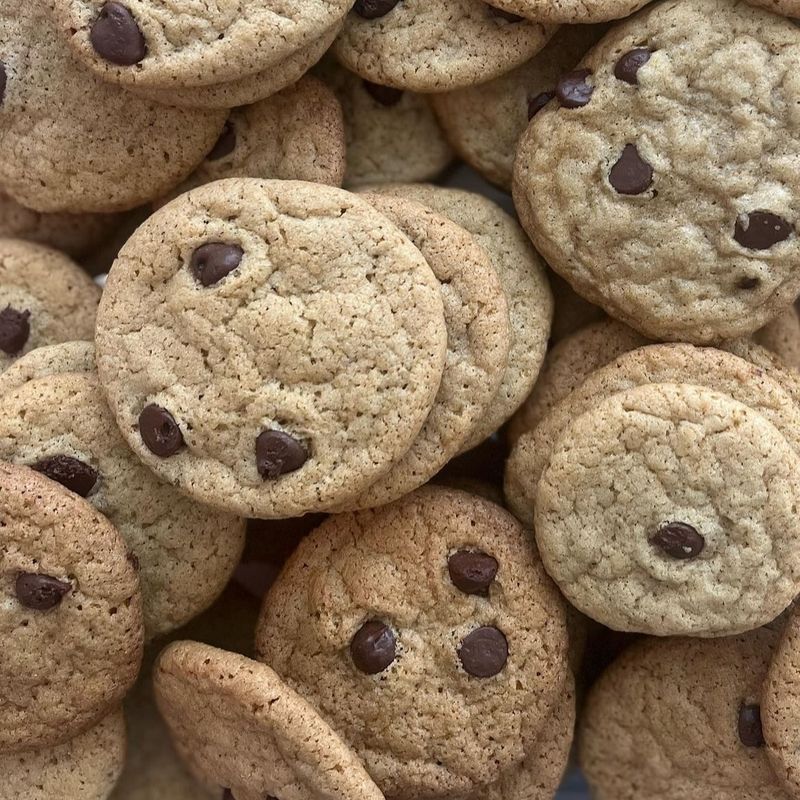
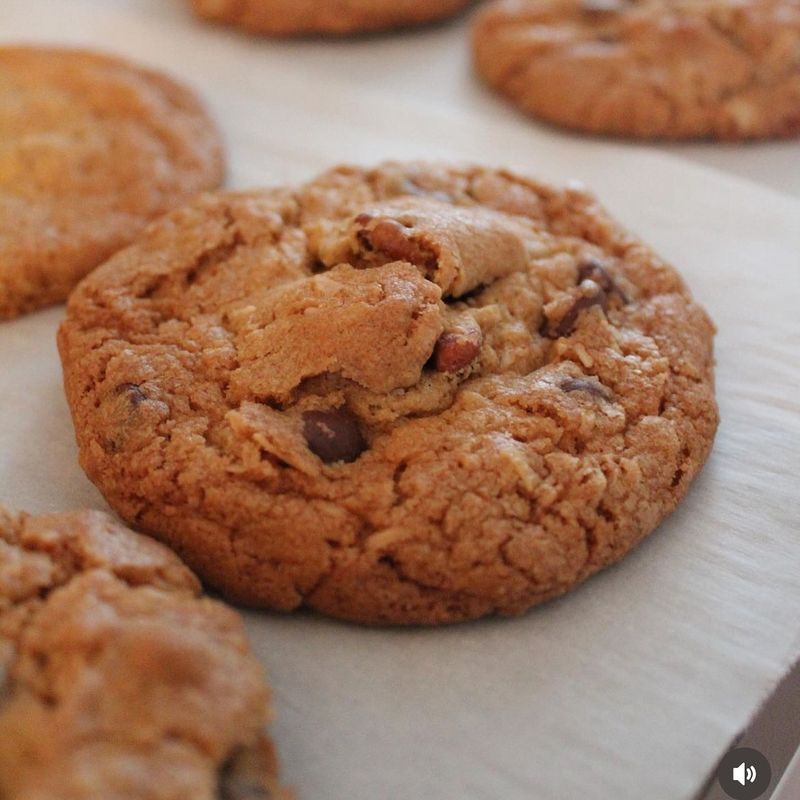
When the balance is right, you get edges that snap a little and centers that stay soft. Chocolate chip is the classic place to start, since the melty chips hide any flaws and show off the dough at the same time. Oatmeal, peanut butter, and sugar cookies are also smart picks.
Plan for the day, too. Cookies are easy to pack for a lunchbox, a beach bag, or a long drive down I-10. Ask what is fresh that morning, because menus can change from day to day.
One friendly trick is to buy a few different flavors and split them with a friend. That way you taste the whole range without committing to a full dozen of just one.
3. Bread You Can Actually Make a Sandwich With
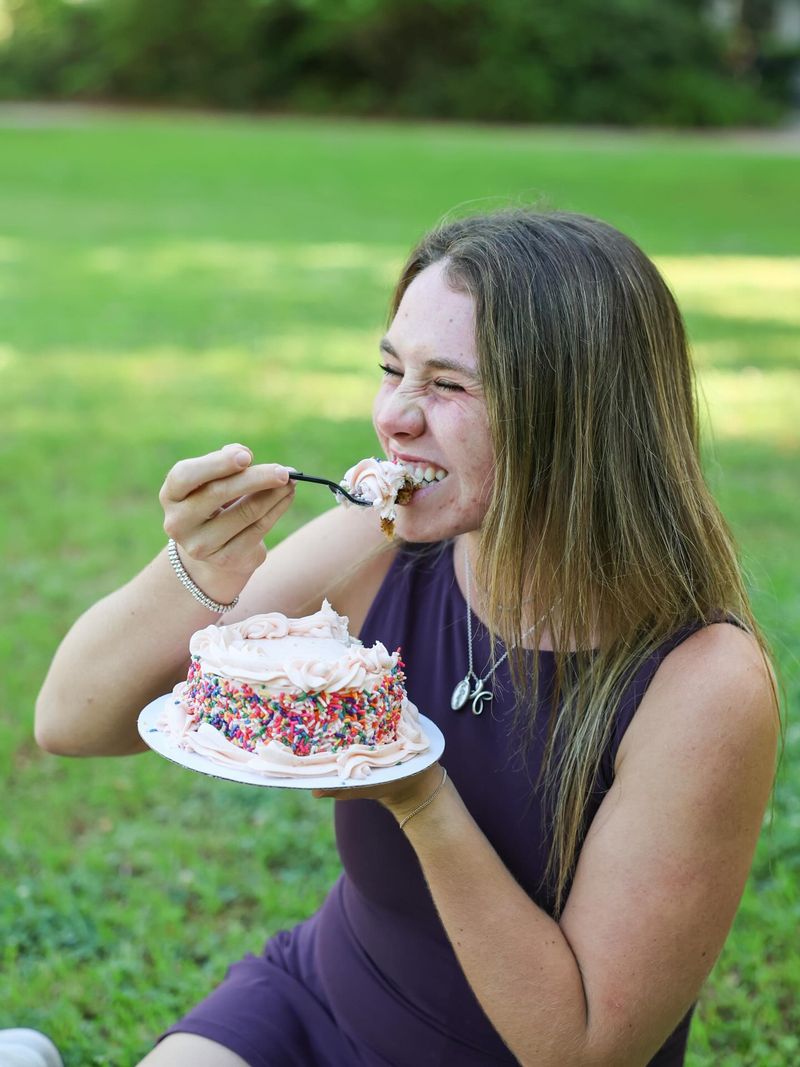
Anyone who has gone gluten-free knows the heartbreak of the sandwich that falls apart on the first bite. Store-bought loaves are often dense, dry, or crumbly. A good bakery loaf is a totally different story.
Bread is hard to get right without gluten, because gluten is the stretchy stuff that holds regular dough together. Bakers have to replace that stretch with ingredients like psyllium husk, flaxseed, or xanthan gum. Dairy-free baking adds another puzzle, since milk and butter usually bring softness and flavor.
That is why fresh bread from a dedicated bakery is worth hunting down. A loaf with a tender crumb can handle turkey and tomato, a thick spread of nut butter, or a hot grilled sandwich. Rolls and buns are great for burgers at a cookout.
Try this when you bring a loaf home. Slice it right away, then freeze the slices in a zip bag with parchment between them. Pop a slice in the toaster straight from the freezer, and it tastes freshly baked.
Gluten-free bread also dries out faster than the regular kind, so eat it within a couple of days if you can. Your breakfast toast game is about to improve.
4. Celebration Cakes for the Whole Guest List
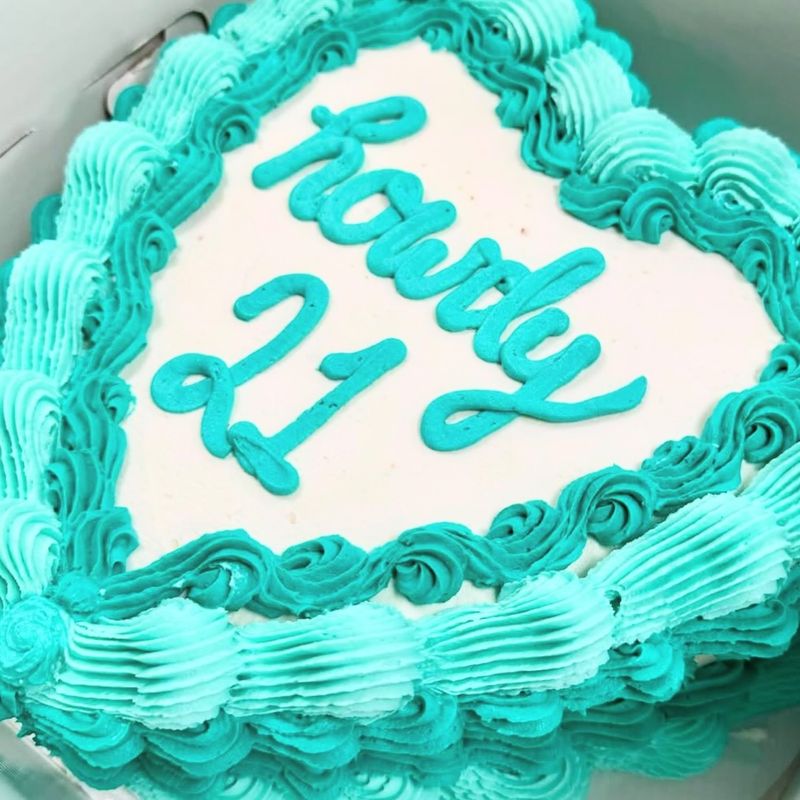
Birthdays have a way of exposing food allergies. Someone always ends up with a separate plate, a store-bought cupcake, or a polite “no thanks.” A cake from a gluten-free and dairy-free bakery fixes that awkward moment before it starts.
The best part is that everyone eats the same dessert. The birthday kid with a milk allergy gets the same slice as Grandpa and the cousins who have no restrictions at all. Nobody feels singled out, and nobody asks what is in it.
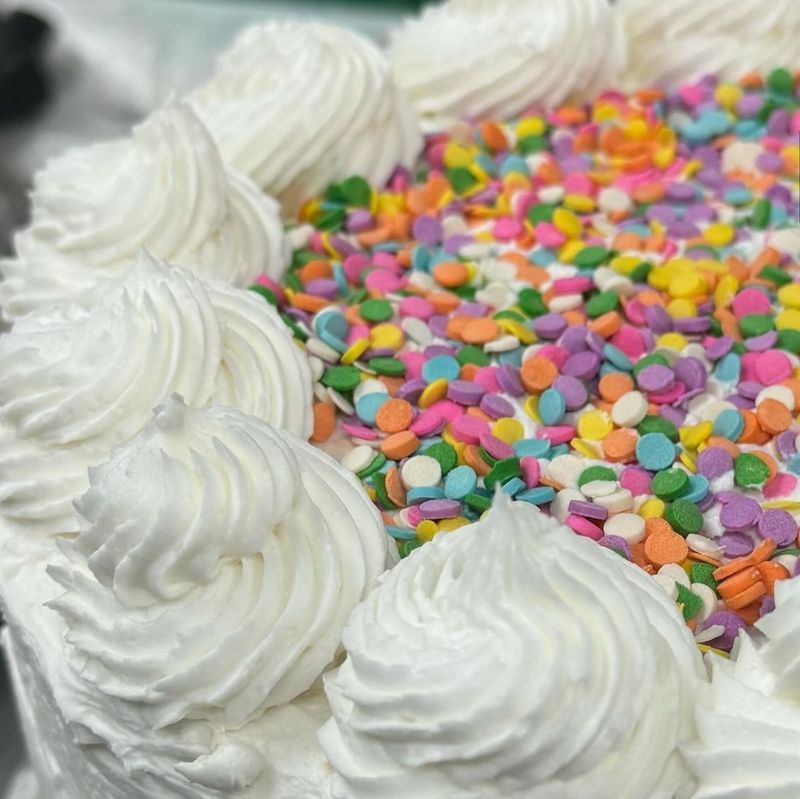
Dairy-free frosting is a quiet hero here. Bakers use plant-based fats and powdered sugar to build fluffy swirls that hold their shape, even in Florida heat. Moist layers come from ingredients like applesauce, oil, or nondairy milk.
If you are planning a party, give the bakery plenty of notice. Custom cakes take time, and weekends fill up fast, especially around graduation season and holidays. Call ahead to ask about flavors, sizes, and pickup times.
Also think about the weather. A cake sitting in a hot car in a Tallahassee summer can wilt quickly, so bring a cooler or drive straight to the party. A little planning keeps the candles and the smiles in place.
5. Breakfast Pastries Worth Waking Up For
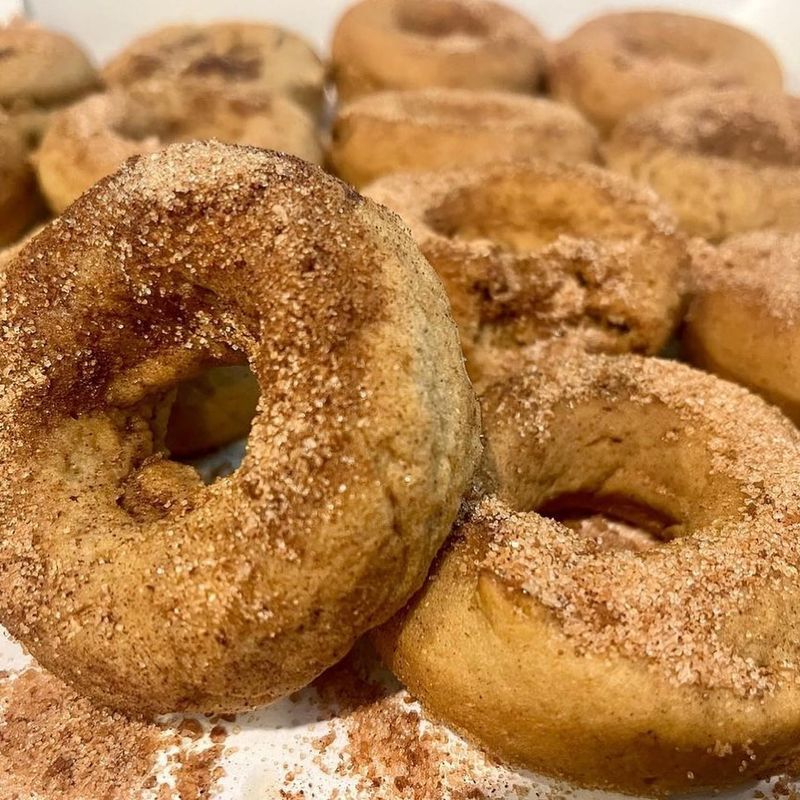
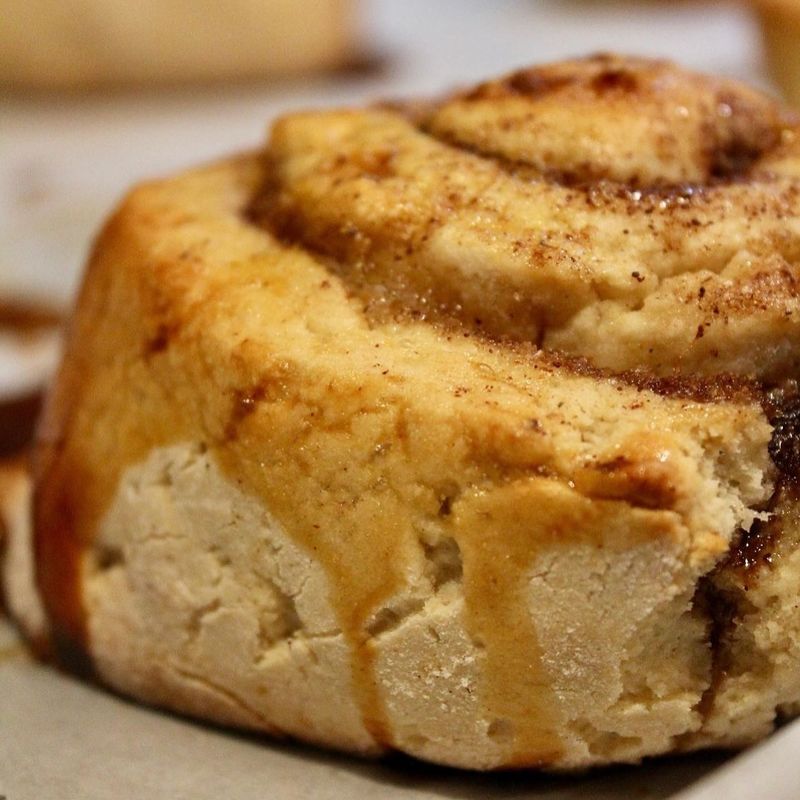
Mornings are tough when breakfast options shrink to a plain banana. Pastries are usually the first thing to disappear from the menu for people avoiding wheat and dairy. A bakery that makes muffins, scones, and sweet rolls on purpose is a gift.
Think of a warm muffin with a crackly top and a soft, fruity middle. Think of a scone that flakes apart when you tear it. Those textures take real skill without butter or regular flour, and a fresh batch is a treat for the senses.
Breakfast pastries are also easy to grab on the move. Pick one up before work, before school drop-off, or before a long walk around the city. They pair nicely with fruit, tea, or your favorite coffee from somewhere nearby.
Here is a smart move for busy weeks. Buy a few extra pastries on a weekend and freeze them individually. Then warm one in the oven for a few minutes on a weekday morning, and the crust crisps right back up.
Arrive early if you can. Fresh pastries tend to sell out first, and the best flavors rarely last past mid-morning. Early birds usually get the pick of the case.
6. Peace of Mind for Serious Allergies
Food allergies are not a trend or a picky habit. For some people, they are a daily safety issue that shapes every restaurant choice and every party invite. That is what makes an all-free bakery feel so special.
When a kitchen never uses wheat or dairy, the risk of cross-contact drops a lot. There are no shared mixers with butter-laden batter, no flour dust floating around, and no confusion about which tray is which. That kind of simplicity is a big relief for families who have learned to double-check everything.
Still, smart habits matter. Allergies come in many forms, including nuts, soy, and eggs, and a bakery that skips gluten and dairy may still use some of those. Always ask about the ingredients in the item you want, especially if you have other restrictions.
Staff members who work in free-from kitchens tend to be used to these questions. They often know the recipes by heart and can point you to the safest picks. Do not be shy about asking, since good bakers welcome it.
Bring your own list of concerns, and you will walk out with both a treat and a little confidence.
7. Clever Swaps That Still Taste Like Home
Ever wonder how a cupcake can taste buttery without any butter? The secret lives in the swaps. Bakers who work without gluten and dairy have a whole toolbox of ingredients that do the same jobs.
Almond flour adds moisture and a nutty sweetness. Tapioca starch makes treats chewy, while rice flour gives a lighter crumb. Coconut oil or plant-based spreads stand in for butter, and oat or almond milk replaces the carton from the fridge.
Flavor boosters help too. Vanilla, cinnamon, citrus zest, and good cocoa can make a simple recipe taste rich and layered. A pinch of salt wakes everything up, just like in any kitchen.
Fun fact: baking without wheat is not new. People have used chestnut, corn, and rice flours for centuries in dishes around the world. Modern bakers just fine-tune those old ideas for cupcakes and cookies.
You can borrow a few of these tricks at home. Try swapping a cup of regular flour for a gluten-free blend in a muffin recipe, then let the batter rest for ten minutes before baking. That short rest helps the flours soak up liquid, and the texture turns out smoother.
8. Planning Your First Tallahassee Visit
A little prep makes a bakery trip smoother. Start by checking the current hours and menu, since small bakeries can change them for holidays or special events. A quick call or a peek at the shop’s website or social pages can save you a trip.
Next, think about what you want to bring home. If you need a custom cake or a large order, ask about lead times. Popular items can sell out, so a pre-order is a smart move for parties and gatherings.
Bring a cooler bag if you are heading far, because Florida sun is not kind to frosting. Pack napkins and a small box of wet wipes for sticky fingers. Those little extras make a car snack feel like a mini picnic.
Make a day of it, too. Tallahassee has lovely spots for a treat in hand, like shady parks and walking trails near the capital area. Grab your goodies, find a bench, and enjoy.
Finally, go with an open mind. Free-from baking has come a long way, and a bite might change your opinion for good. Bring a friend who has never tried it and watch their reaction.