This Hidden Florida Hiking Trail Leads to Rocky Cliffs and a Surprisingly Beautiful Lake
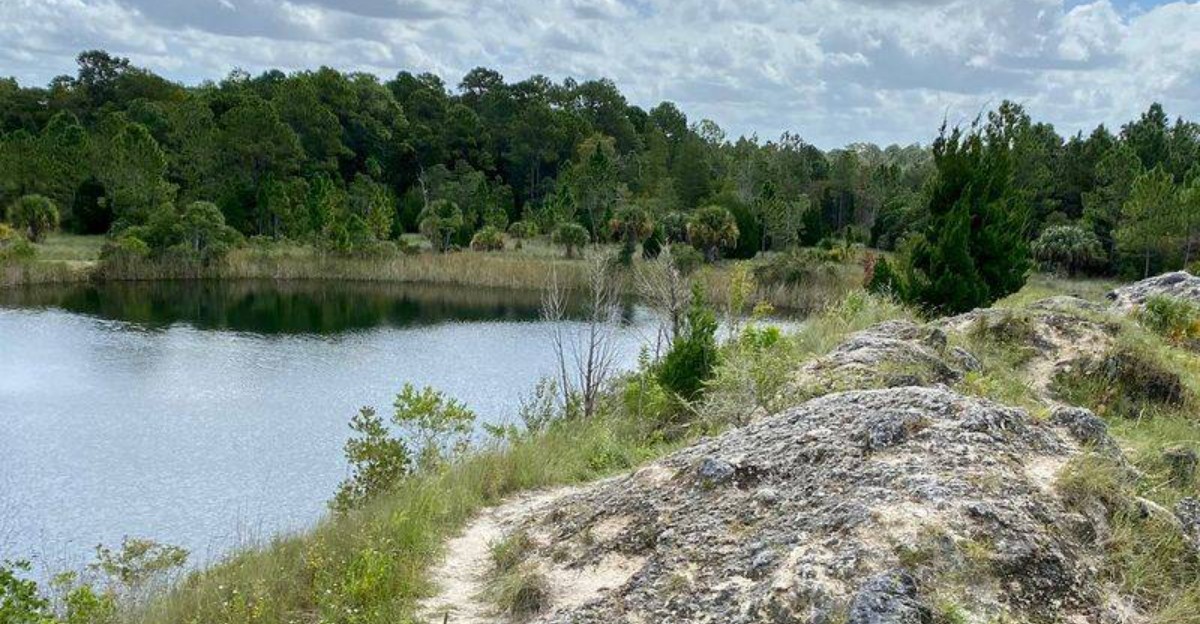
Rocky cliffs in a state famous for being flat as a pancake? Yes, and they sit right beside a clear lake that used to be a limestone quarry.
The rugged hills were left behind by old mining work. Nature slowly reclaimed the land, and now pines, native grasses, and wildflowers frame the water. Some boulders stand about 10 feet tall, and you can scramble right up them.
I like how this spot feels almost northern, even though it sits in sunny Florida. The sandy loop trail circles the lake, and the climb to the top pays off with a wide view. Entry costs nothing at all.
I can’t imagine a better excuse to lace up your sneakers on a slow weekend. So how did an old mine turn into one of the prettiest little walks around?
1. Florida Has Cliffs, and You Can Climb Them
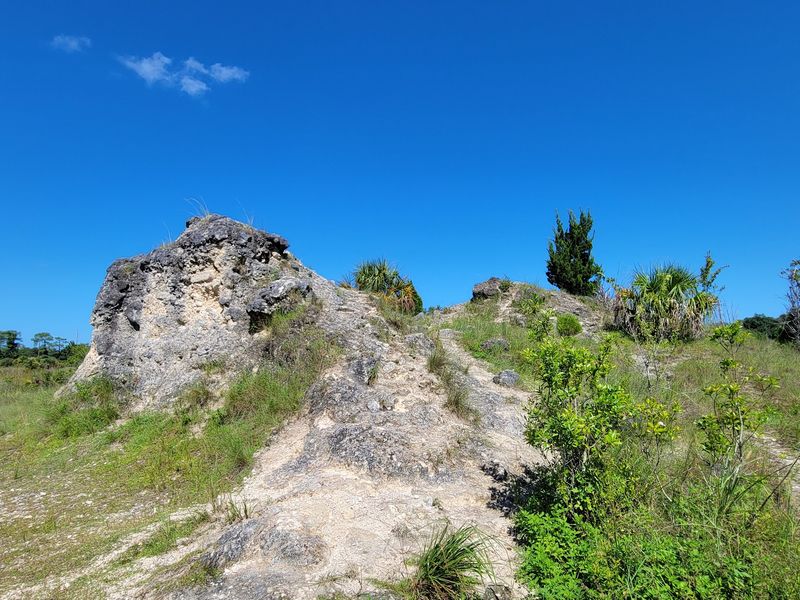
Flat land usually defines a Florida hike, so the rocky hills here feel like a plot twist. Aripeka Sandhills Preserve sits in Hudson and shows off rugged limestone outcrops you rarely see in this state.
Many of the rocks rise around 10 feet tall. That’s tall enough for a fun scramble, yet short enough for most families to handle with care.
The hills near the entrance give you a quick payoff. A short climb opens up a wide view over the lake and surrounding trees.
Wear real shoes, not flip-flops, for this part. Limestone can be uneven, and loose sand on top can make footing tricky.
Kids will probably treat the boulders like a natural jungle gym. Keep an eye on little climbers, though, since there are no railings or padded landings out here.
The rocks look a bit out of place, which is half the charm. They stand pale and chunky among green pines and grasses, like something borrowed from another region.
Bring a phone or camera for the top. Golden hour light turns the stone warm and makes the whole scene glow.
2. An Old Mine Became a Crystal-Clear Lake
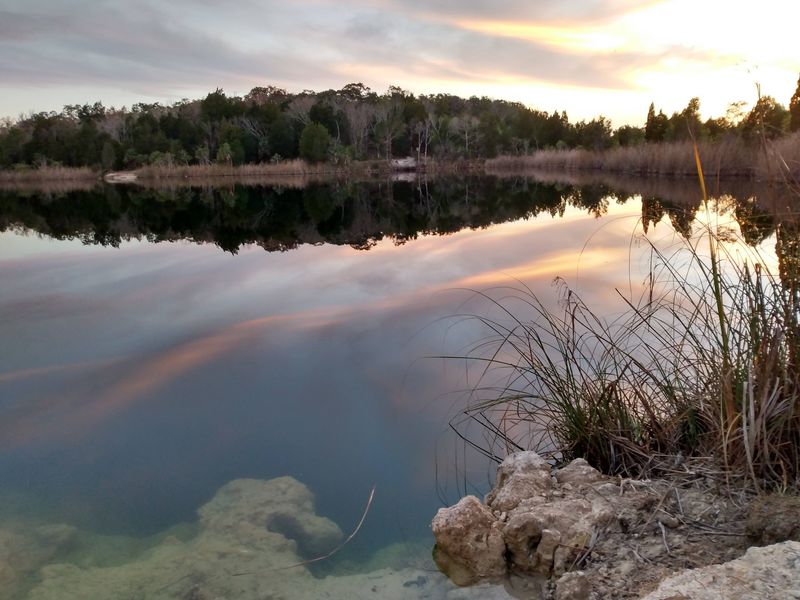
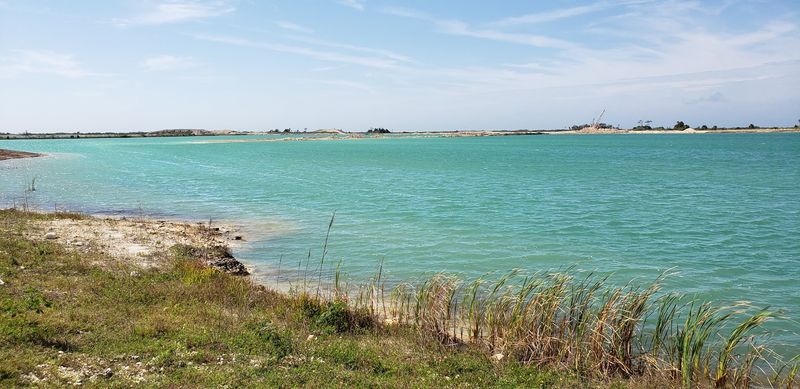
Long ago, crews dug limestone from this land. When the work ended, the quarry pit filled with water and slowly turned into the lake you see today.
Time has done a lot of healing here. Plants have crept back along the banks, and the water now looks remarkably clear on calm days.
That clarity is what surprises many first-timers. In a region known for tea-colored swamps, a see-through lake feels like a small bonus prize.
The lake sits at the heart of the preserve. Trails loop around it, so you get different angles of the water as you walk.
Standing on the rocky banks gives the best view. From up high, the shoreline curves and the cliffs reflect on the surface.
I believe the history makes the beauty even better. A place once used for digging now feeds birds, turtles, and anyone who needs a quiet hour.
Treat the shoreline gently while you’re there. Stick to paths, pack out trash, and let the water stay as clean as nature intended.
3. A Sandy Loop That Works Your Calves
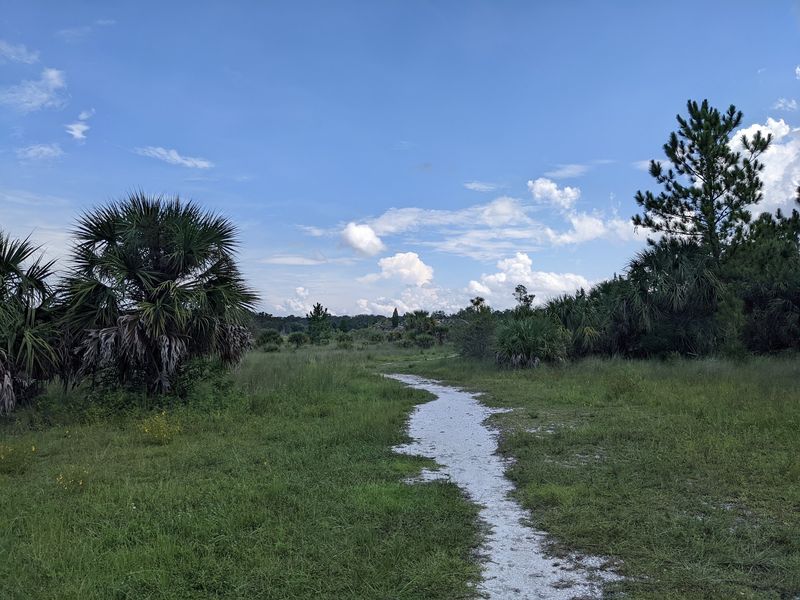
Soft sand makes up much of the main trail, and your legs will notice. Walking on it feels a bit like a beach stroll with extra effort.
The outer loop runs roughly a mile and a half to two miles. It follows the edge of the property and circles the lake area.
Side paths branch off the main route in several spots. Some are worn mostly by foot traffic, so pay attention to where you turn.
Trail markers exist but can be easy to miss. A quick screenshot of the map at the entrance can save you some guesswork.
Parts of the trail can get soggy after heavy rain. Low areas sometimes flood, so waterproof shoes or boots are a smart choice.
Strollers can be a challenge on the deep sand. Older kids and steady walkers usually manage fine with a few breaks.
The loop is short enough for an easy morning outing. Still, the sand turns two miles into a sneaky little workout, which feels like a fair trade for the views.
4. Keep Your Eyes Peeled for Gopher Tortoises
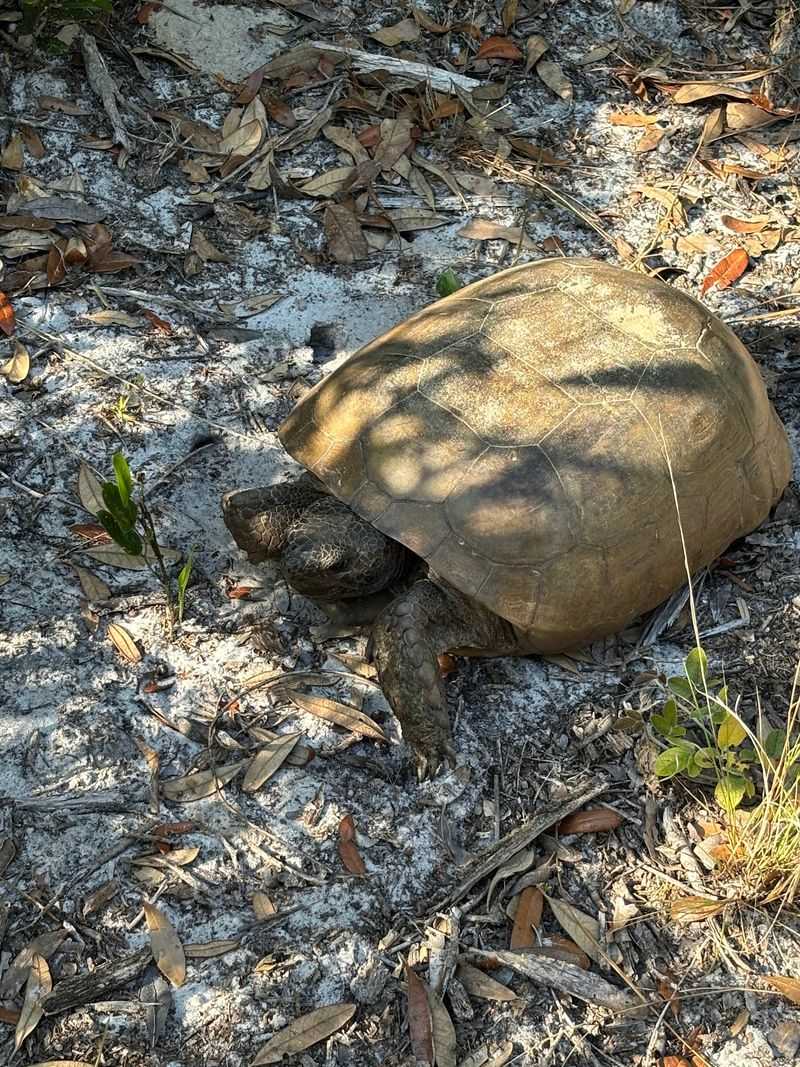
Wildlife likes this place as much as hikers do. The sandhill habitat is ideal for gopher tortoises, which dig burrows in the loose, dry soil.
Look for half-moon shaped holes along the trail edges. Those openings often belong to tortoises, so admire them without poking around.
Deer roam the preserve too. Quiet walkers sometimes catch one bounding through the pines.
Armadillos, snakes, and even alligators near the water are all part of the mix. Give every animal plenty of space and enjoy them from a distance.
Birds bring constant sound to the trail. Bring binoculars if you have them, because the open sky makes spotting easier.
Early mornings tend to be the best time for sightings. Animals move more before the Florida heat builds.
Here’s a fun fact for the kids. Gopher tortoise burrows shelter hundreds of other species, so one little hole works like a busy apartment building underground.
Walk softly and talk low for better luck. The quieter you are, the more the preserve reveals.
5. Cast a Line Where the Water Runs Clear
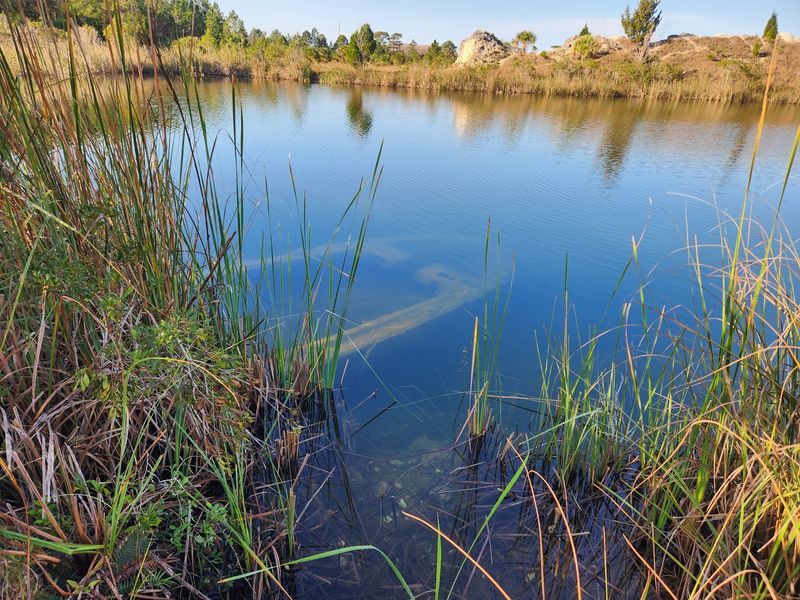
Got a fishing rod gathering dust in the garage? This lake gives it a reason to come out.
The Southwest Florida Water Management District lists fishing as one of the main activities here. Hiking and fishing are the two big draws of the preserve.
A Florida freshwater fishing license is required for most anglers. Check state rules before your trip so you stay on the right side of the law.
The shoreline offers several spots to settle with a rod. Some areas sit lower and easier to reach, while others perch on rocky edges.
Bring a small folding stool if you plan to stay a while. There aren’t fancy fishing piers here, just natural banks and patience.
Watch your footing near the water. Limestone and sand can shift, and wet rocks get slippery fast.
Keep an eye out for alligators too. They live in many Florida waters, so stay alert and never feed wildlife.
Even if nothing bites, the view makes up for it. Clear water and quiet pines are a pretty good consolation prize.
6. Part of a Much Bigger Wild Neighborhood
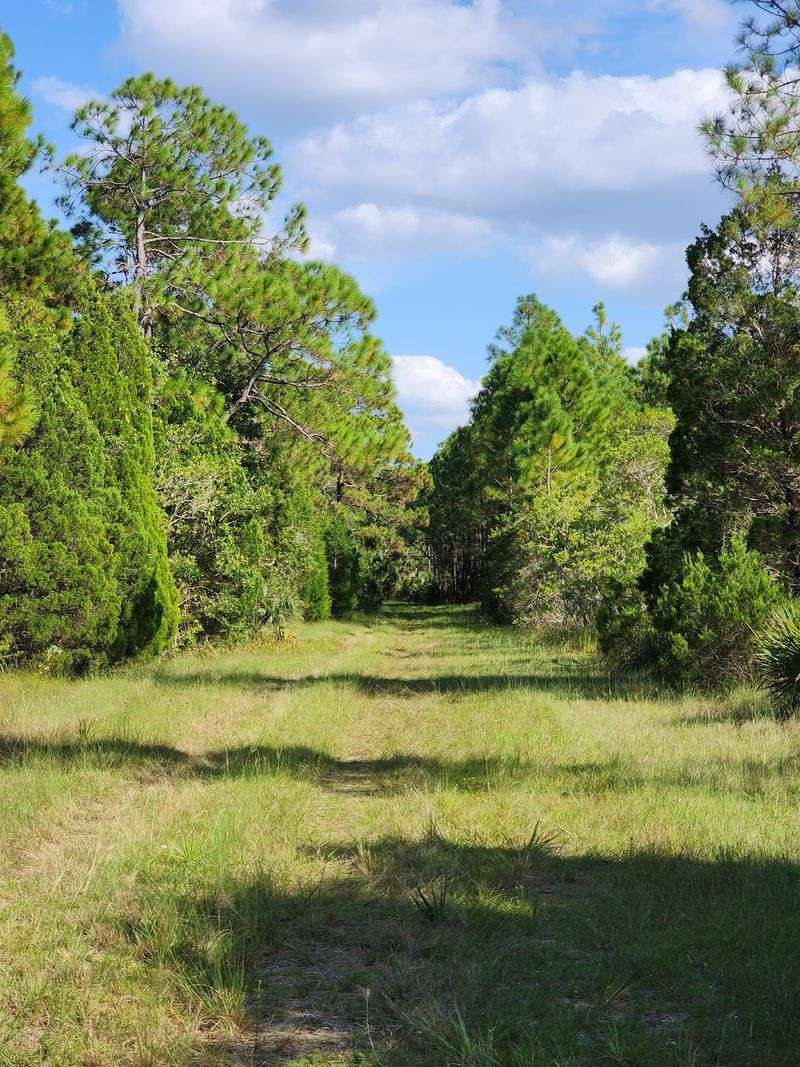
Small on the map, big in importance. Aripeka Sandhills Preserve belongs to the larger Weeki Wachee Preserve, a protected area managed by the Southwest Florida Water Management District.
The bigger preserve covers thousands of acres along the Gulf Coast. It protects wetlands, uplands, and water resources across the region.
The sandhills section offers a different flavor than the coastal marshes. Here you get dry, sandy ground, pines, and native grasses.
Botany fans will enjoy the variety. Native grasses, wildflowers, and trees fill the landscape in a way that feels refreshingly untouched by lawns.
Protecting land like this keeps Florida’s natural systems healthy. Sandhills help water soak back into the ground, feeding the aquifer many people rely on.
That makes each visit a little more meaningful. You’re walking on land set aside to keep wild Florida around for future hikers.
Respect the rules posted at the entrance. Motor vehicles and off-trail damage hurt fragile habitat, so stick to foot traffic.
Leave only footprints behind. The tortoises will thank you, quietly.
7. Golden Hour Turns the Rocks Into a Painting
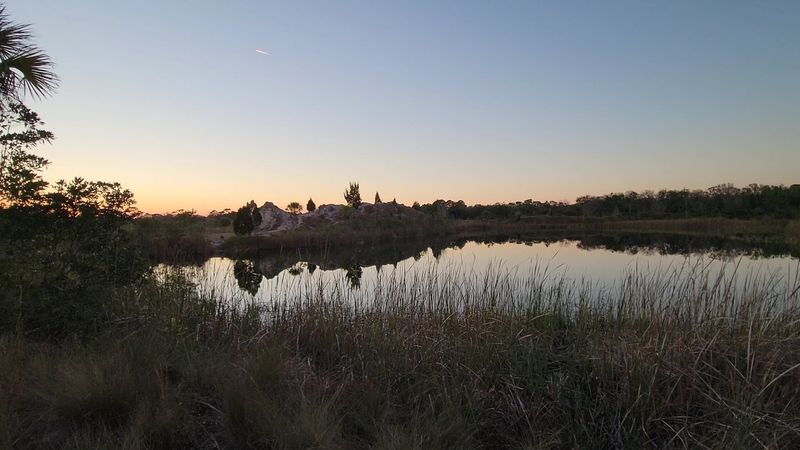
Late afternoon is when this preserve really shows off. Low sunlight hits the pale limestone and turns it warm gold.
The lake picks up those colors too. Reflections of the rocks and sky can make the water look almost glassy.
Photographers already know the secret. Weekend photo shoots happen here regularly, thanks to the dramatic rocks and water backdrop.
You don’t need fancy gear to grab a great shot. A phone camera and a spot on top of the hills will do just fine.
Plan your timing around the hours. Aripeka Sandhills Preserve opens 30 minutes before sunrise and closes 30 minutes after sunset daily. Plan your hike around daylight hours, since closing times change throughout the year.
Bring bug spray as evening rolls in. Florida mosquitoes love a good sunset almost as much as people do.
A small flashlight helps for the walk back to the car. Sandy paths can be tricky once the light fades.
I like the idea of ending a busy day up on those rocks. Watching the sky change color beats scrolling on the couch any night.
8. Easy to Find, Free to Enjoy
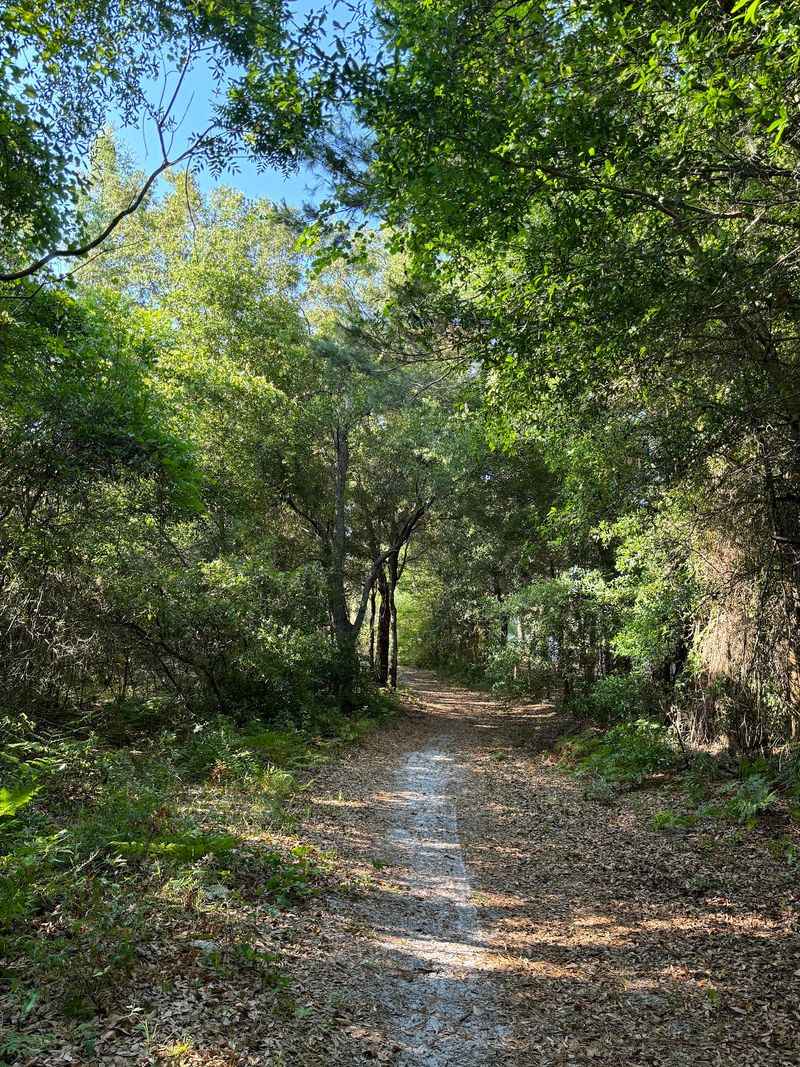
Finding this spot takes almost no effort. The preserve sits just a couple of minutes off U.S. 19 in Pasco County.
The address is 18000 Aripeka Rd, Hudson, FL 34667. Plug it into your phone, and you’ll reach the small parking area quickly.
Entry is free, which makes it a great budget outing. No ticket booth, no gate fee, just a trail waiting for you.
Parking is limited, so arriving early helps. Weekends can fill up with photographers, hobbyists, and families.
The lot itself can be bumpy. Drive slowly if you have a low car.
Don’t expect restrooms or snack stands. Use facilities before you arrive and pack everything you need.
Water is the most important item on that list. The open trail has limited shade, and dehydration can sneak up even on breezy days.
Toss some snacks in your bag too. Protein bars or trail mix keep energy up for the sandy loop.
A hat and sunscreen round out the kit. Florida sun doesn’t take days off, even in winter.
9. Pair Your Hike With More Nature Nearby
One short hike might leave you wanting more. Luckily, this corner of Florida’s Nature Coast has plenty to round out a day.
Weeki Wachee Springs State Park sits a short drive north. Famous for its mermaid shows and clear spring water, it pairs nicely with a morning on the rocks.
The tiny fishing village of Aripeka sits nearby too. Its Gulf views and old Florida feel make for a peaceful drive.
Plan your order wisely. Hike the sandhills early while it’s cool, then head to the springs as temperatures rise.
Visitors who arrive too late for the springs sometimes end up here instead. It’s a happy accident that works out well.
Keep a towel and spare shoes in the car. Sandy feet and spring water both have a way of following you home.
Aripeka Sandhills Preserve makes a fine warm-up or a quiet finale. Either way, it shows a rugged side of the state many people never expect.
Not bad for a free stop off the highway. Your legs and camera roll will agree.