This Florida Town Is Known as the Winter Strawberry Capital, and It’s Sweeter Than You Think
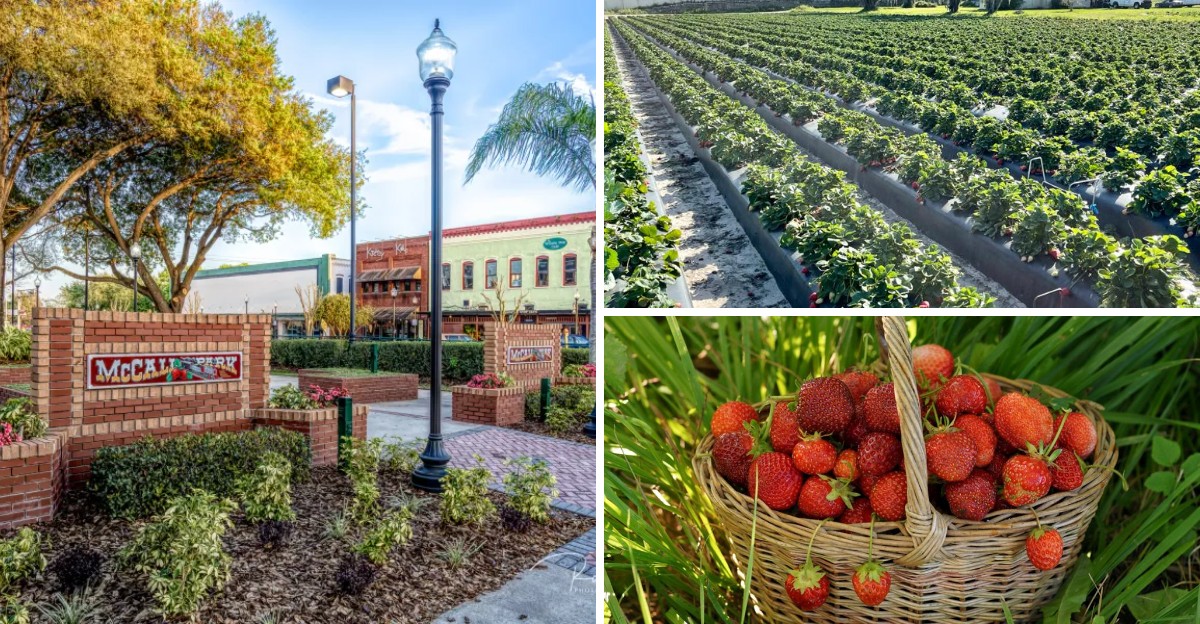
There’s a little Florida town where strawberries are practically royalty, and every winter, the entire place turns into a berry lover’s paradise. Welcome to Plant City, the Winter Strawberry Capital of the World, where juicy red berries fill roadside stands, strawberry shortcake is practically a local obsession, and one of Florida’s most beloved festivals draws visitors from near and far. But here’s what most people don’t realize: there’s much more to this charming town than its famous fruit.
From historic railroad landmarks and antique-filled streets to family-run restaurants and countryside farms where you can pick your own berries, Plant City has the kind of old-fashioned charm that’s getting harder to find. And once you discover everything hiding beyond the strawberry fields, you might wonder why you haven’t visited sooner.
1. The Berry Fields That Earned the Crown
Picture this: it is January, and farmers are hauling in thousands of pounds of fresh strawberries. That is normal life in Plant City. The area around town grows a huge share of the strawberries eaten in the United States during winter.
The secret is the weather. Mild days and cool nights let the plants keep making fruit while northern fields sit frozen. Growers set plants in the fall, usually around October, and picking can run from December into April.
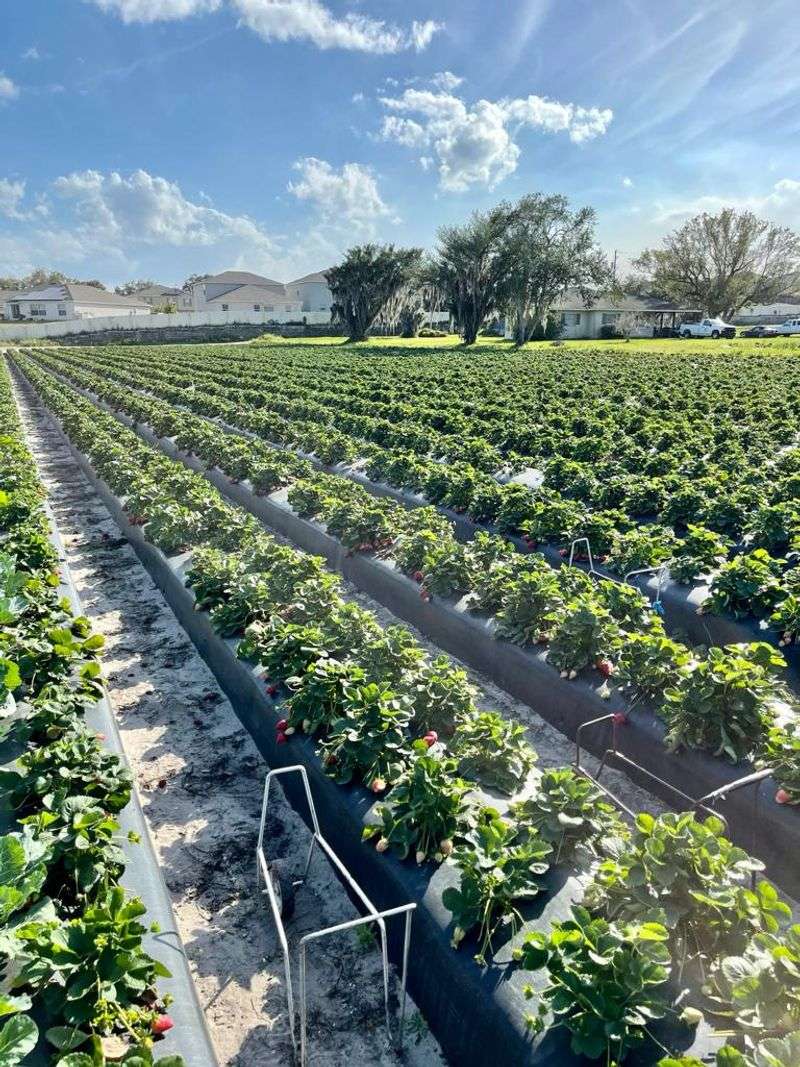
Fields here are built in neat rows of raised beds covered in plastic. The plastic keeps weeds down, holds in moisture, and keeps the berries off the dirt. Walk past a field and you may spot workers moving fast, filling flat after flat by hand.
If you want a closer look, many farms are working businesses, so it pays to stay on roads and public areas unless a farm invites visitors. Several growers run roadside stands or u-pick days, which are a friendlier way to see the rows up close.
Here is a handy tip. Berries that are fully red all the way to the top taste the sweetest, because strawberries do not ripen after they are picked. Choose bright, shiny ones with fresh green caps, and eat them soon.
That is the heart of the town’s fame: simple fruit, grown at the right time, in the right place.
2. Florida Strawberry Festival Fun
Every year, for eleven days in late winter, the whole town seems to move toward one place: the fairgrounds. The Florida Strawberry Festival has been running since 1930, and it brings in hundreds of thousands of visitors. Locals plan their calendars around it.
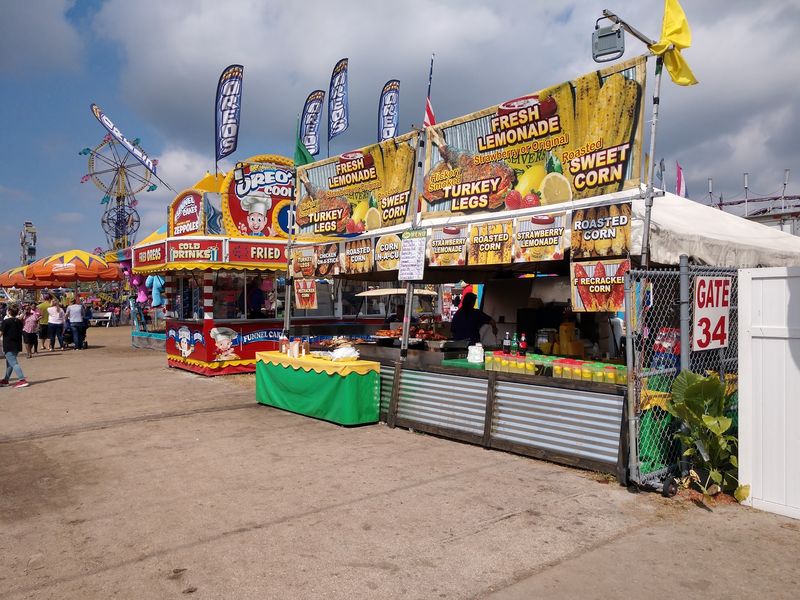
The festival mixes a classic fair with a berry celebration. There are rides, livestock shows, a parade, and rows of food booths. Big-name concerts take the main stage, and country, rock, and pop acts have all played there.
Of course, the real star is the food. You can find strawberry shortcake, dipped berries, strawberry lemonade, and fried treats that look a bit wild. Lines for the shortcake can be long, but they move quickly.
Plan ahead to make the day easier. Go on a weekday if you can, since weekends fill up fast. Wear comfortable shoes, because parking can mean a bit of a walk, and bring a little cash for smaller vendors.
Kids will love the midway and the animal barns. Adults tend to love the people watching and the steady smell of sugar in the air.
It is loud, sweet, and a little chaotic, which is exactly why people keep coming back.
3. Strawberry Shortcake Showdowns
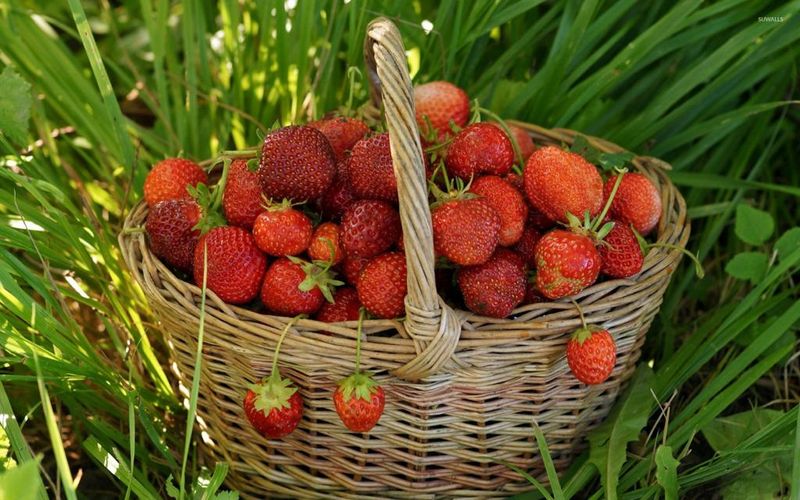
Ask ten locals for the best strawberry shortcake and you may get ten different answers. Some swear by a tall, fluffy biscuit. Others want sponge cake, and a few insist the cream must be real, whipped by hand.
What they agree on is the berries. Strawberries picked a day or two earlier have a flavor that store-bought fruit rarely matches. They are juicy, a little tart, and deeply sweet.
Roadside stands and small bakeries around town serve shortcake in the season. You will also find strawberry milkshakes, fresh jam, pies, and ice cream. Many places sell flats of berries too, so you can make your own at home.
Want to build a winning shortcake yourself? Slice the berries and toss them with a spoonful of sugar. Let them sit for about twenty minutes until they make their own syrup.
Then spoon them over a warm biscuit and add cold whipped cream.
Here is a small trick that makes a big difference. Do not wash the berries until right before you use them, since water makes them go soft fast.
Fun fact: a single strawberry has around 200 tiny seeds on the outside, which makes it one of the few fruits wearing its seeds on its skin.
4. Pick Your Own Berries
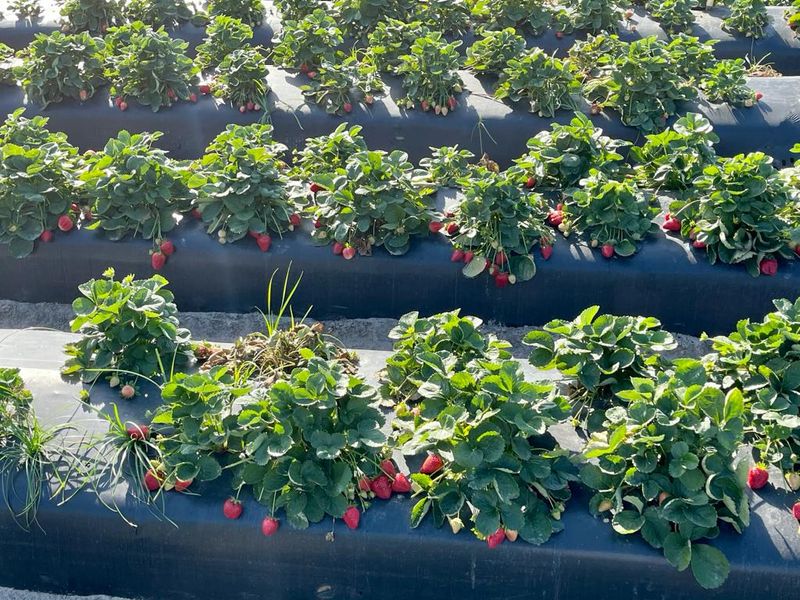
There is something oddly satisfying about finding the perfect berry yourself. U-pick farms near Plant City let you do just that, and the season runs through the cooler months when walking outside feels great.
You usually get a container at the entrance, then head to the rows you are assigned. Pickers tend to bend or kneel, so bring a hat, sunscreen, and shoes you do not mind getting dusty. Mornings are best, since the fruit is cool and the crowds are thinner.
Look for berries that are deep red with no white or green shoulders. Pinch the stem just above the fruit and give a gentle twist, leaving the green cap on. Squeezing the berry itself bruises it.
Before you go, check the farm’s social media or phone line. Fields can close after heavy rain or when the rows have been picked clean, and hours change through the season. Many farms take cards, but some prefer cash.
Back home, keep berries in the fridge in a single layer if you can. Eat the softest ones first and freeze extras for smoothies.
For kids, this is a mini adventure with a built-in snack. For adults, it is a quiet reminder of where food really starts.
5. Downtown Plant City Stroll
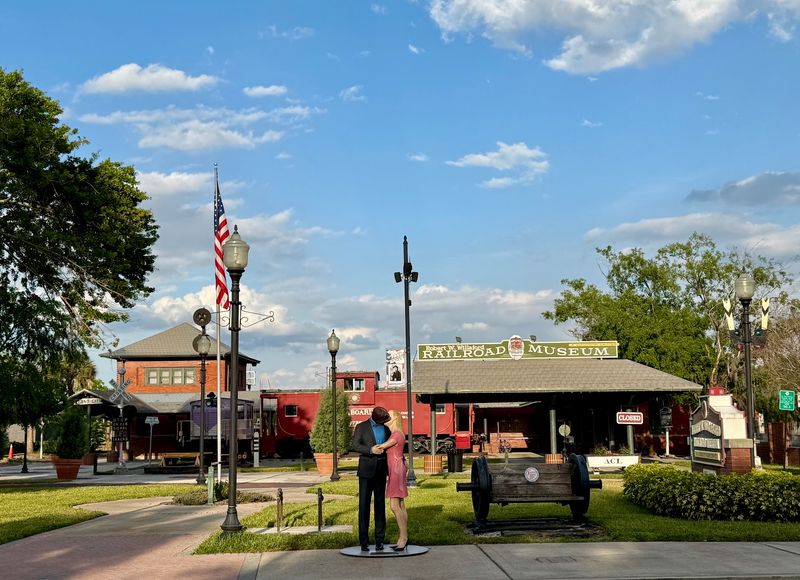
Step off the highway and the pace changes right away. Downtown Plant City feels like a small-town postcard, with brick storefronts, wide sidewalks, and shop owners who wave at passersby.
The historic district is compact, so you can cover it on foot in an easy afternoon. Antique shops are a big draw, packed with vintage signs, old tools, glassware, and the occasional odd treasure. Boutiques and small galleries add a bit of local flavor.
Hungry? Cafes and diners serve things like sandwiches, burgers, and homemade desserts. Strawberry items pop up on menus all through the season, from pancakes to pies.
The downtown area also hosts events through the year, including markets, car shows, and holiday gatherings. Check the city calendar before you go, because a parade or street fair can turn a quiet visit into a lively one.
One thing to try: look up at the buildings. Many of them keep old brick details and painted signs from decades ago, and they tell a story that shop windows alone miss.
Parking is usually easy and often free, which is a refreshing change if you are used to big city lots. Leave yourself a couple of hours and wander without a plan.
6. Railroad Roots and the Train Depot
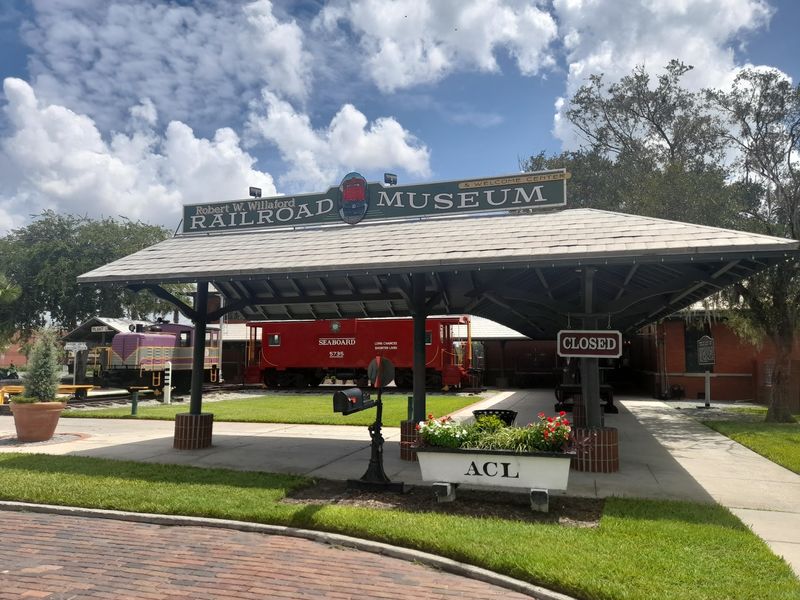
Before strawberries made it famous, Plant City was a railroad stop. The town got its name from Henry B. Plant, a businessman whose rail line ran through the area in the 1880s.
Trains brought in settlers and carried citrus, phosphate, and later berries out to northern markets.
The old depot still stands today, and it is one of the best places to feel that history. Built in the early 1900s, the restored station now acts as a museum and community space. Inside, you can see photos and artifacts that show how the town grew.
Freight trains still roll through, so be ready for a loud horn at some point during your visit. Locals barely notice, but visitors tend to smile when a long train rumbles past.
If you like history, ask about the Plant City Photo Archives and History Center, which holds pictures and records about the area. Old farm photos and family stories give you a better sense of who built this place.
Here is a quick fun fact: Henry Plant never lived in the town that carries his name, yet his railroad shaped its future more than almost anything else.
A short stop here adds context to everything else you see around town.
7. Small-Town Eats Beyond Berries

Here is a secret: not every great bite in Plant City involves a strawberry. The town has a lively food scene built on comfort cooking, family recipes, and big portions.
Barbecue joints, Southern kitchens, and Mexican restaurants share the map with burger spots and bakeries. Many are family-run, and the owners often know their regulars by name. Ordering the daily special is usually a smart move.
Plant City also has deep roots in Hispanic culture, thanks to generations of farmworkers and families who settled here. That shows up in local taquerias, bakeries, and markets, where you can find tamales, fresh tortillas, and sweet breads.
For a lighter stop, look for places that serve fresh juice, smoothies, and salads. A berry smoothie in February tastes especially good when the fruit came from a field a few miles away.
Timing matters during festival season, when restaurants fill quickly. Arrive early for lunch or dinner, or be ready to wait a bit. Call ahead for large groups.
Do not skip dessert, even if you ate shortcake earlier. Small bakeries often sell cookies, cakes, and pastries that make perfect treats for the road home.
Come hungry and curious, and you will leave happy.
8. Planning Your Plant City Trip
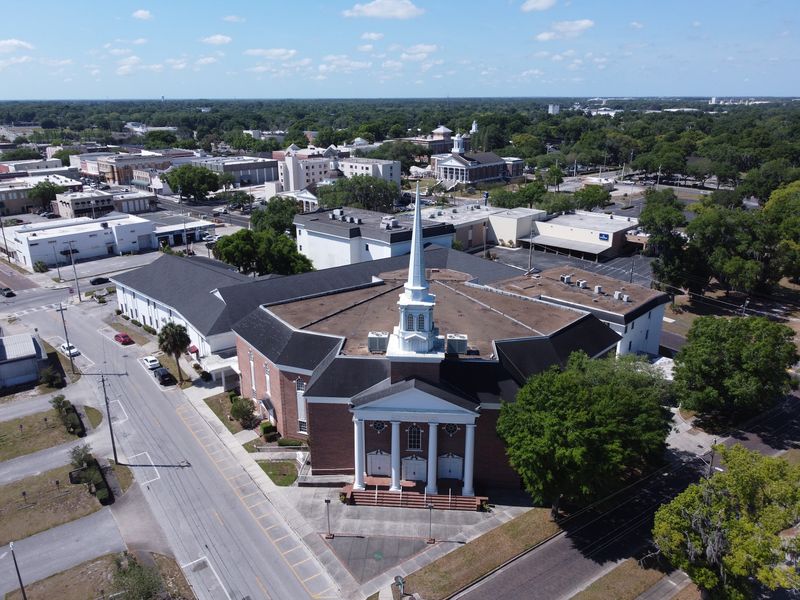
Plant City sits right along Interstate 4, about halfway between Tampa and Lakeland, which makes it an easy day trip. From Tampa, the drive usually takes around 30 minutes with light traffic. Orlando is roughly an hour and fifteen minutes away.
The best time to visit is from December through March, when berries are at their peak. If you want the festival, check the dates early, since it usually lands in late February or early March. Hotels in the area fill up, so book ahead if you plan to stay overnight.
Weather is mild in winter, but mornings can be chilly and afternoons warm. Dress in layers, and bring sunscreen even when it feels cool. A cooler in the car is a smart idea if you plan to buy berries, since heat can spoil them fast.
Fitting several stops into one day works well. Start with a farm stand in the morning, wander downtown at midday, and finish at the depot before heading home. That leaves time for a long lunch without rushing.
Summer is quieter, but fields are mostly empty and the heat is stronger. Still, the town keeps its charm, and the local shops and museums stay open year round.
Bring an appetite, a little patience for traffic during events, and room in the trunk for berries.