This Hidden Florida Trail Takes You to the Highest Natural Point in Palm Beach County
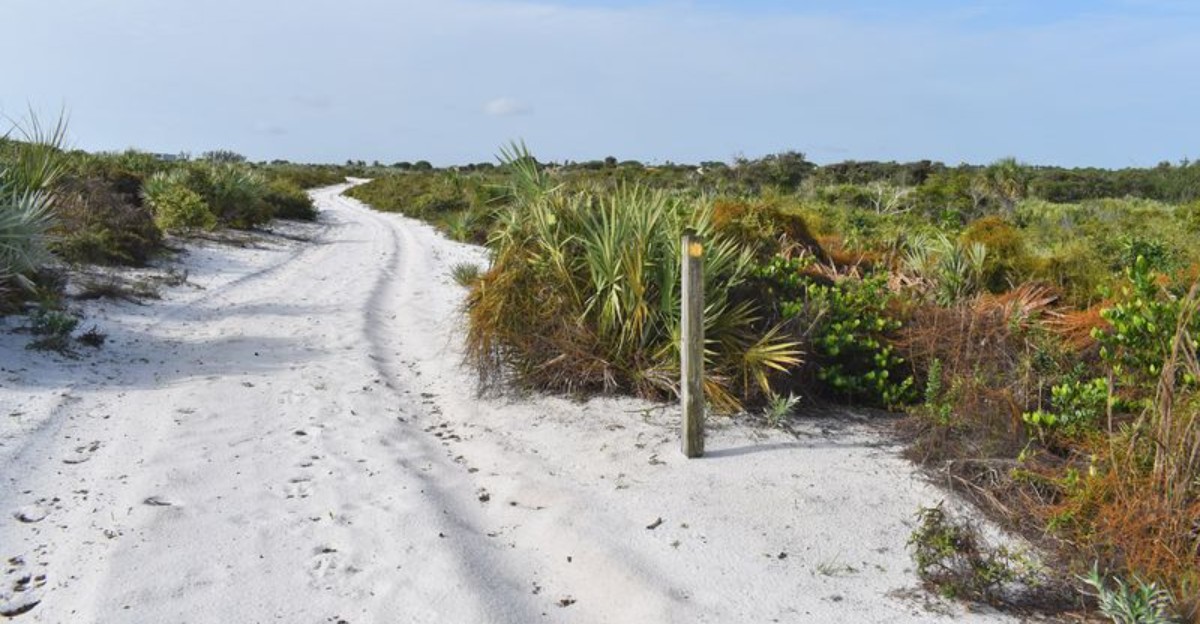
A sand dune in South Florida climbs higher than anything else nature built in its entire county. That surprised me, because this part of the map feels as flat as a pancake. Yet here it is, a soft white ridge rising over scrub and saw palmetto.
The preserve stretches across roughly 569 acres. It runs from the Atlantic side all the way to the Intracoastal Waterway. You get ocean views, a pond, an observation tower, and miles of sandy trails in one stop.
I like how wild it feels next to a busy highway. Gopher tortoises dig burrows beside the paths. Ospreys circle overhead, and prickly cactus pops up where you least expect it.
Florida hides plenty of surprises, but this one makes your calves work for it. So how high can a Florida hill really go?
1. Yes, Florida Has A Summit And Your Calves Will Notice
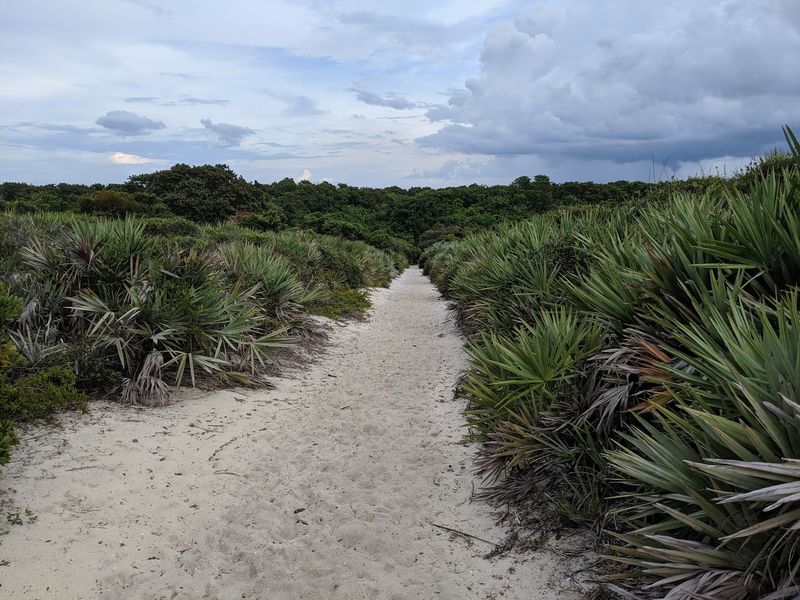
Mountains are not the first thing anyone pictures in South Florida. Juno Dunes Natural Area changes that with an ancient dune ridge that ranks as the highest natural point in Palm Beach County.
Nobody will need oxygen tanks up there. Still, the climb feels real once your feet start sinking into soft sand with every step.
The ridge formed long ago from wind and waves piling sand along the old coastline. Over time, tough plants took hold and helped lock the dune in place. That is why it still stands today, while so much of the coast has been flattened and built over.
Here is the fun part about the height. In a state where many people joke that speed bumps count as hills, standing on the crest feels like a small victory. You can look out across the scrub and spot the landscape rolling away in every direction.
The trails lead up and down the ridge rather than straight to a single peak. That means you get several little climbs instead of one big push. Each one gives you a fresh angle on the preserve and a reason to catch your breath.
Plan your climb with smart timing. Cooler mornings make the sandy uphill sections much more pleasant. Midday heat in summer can turn a fun climb into a sweaty slog.
Bring a phone or camera to the top. Friends back home may not believe Florida has anything worth calling a summit. A photo from the ridge settles that debate fast and gives you bragging rights.
2. Sugar Sand Turns An Easy Stroll Into A Sneaky Workout
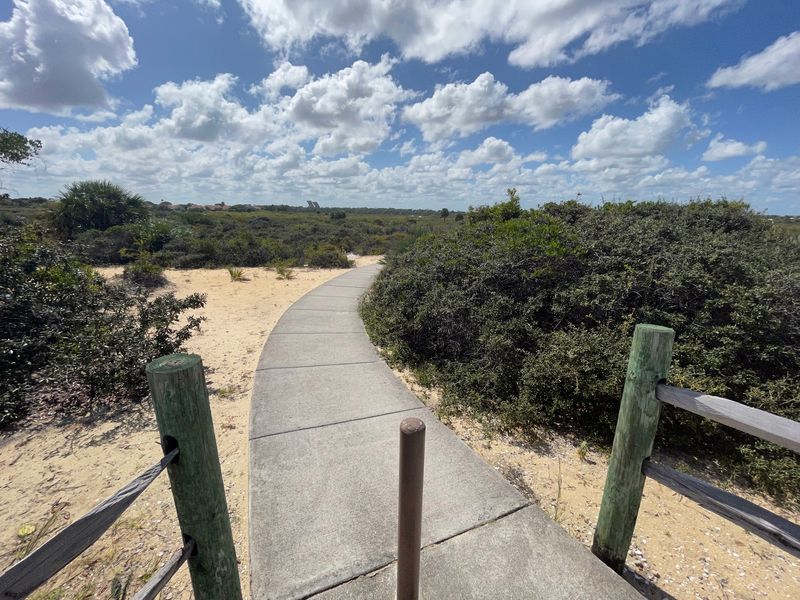
Picking the right shoes matters more here than at most Florida parks. The trails at Juno Dunes Natural Area are mostly loose, white sugar sand, the kind that slides and shifts under your feet.
Walking on it is a little like walking on a beach that goes uphill. Your legs work harder than you expect. By the end, you may feel muscles you forgot you had.
The good news is that the start is gentle. A short paved path covers the first section, which makes it easy to ease into the hike. After that, the concrete ends and the real sandy adventure begins.
Skip the flip-flops completely. Cactus grows close to the trail in spots, and its spines can surprise bare toes. Closed sneakers or light trail shoes give you better grip and protection.
Conditions also change with the weather. During dry stretches, the sand stays loose and powdery. After heavy rain, some low trails can hold standing water, so a little splashing might be part of the deal.
Pace yourself and treat the sand as part of the fun. Short steps help you keep your balance on soft slopes. Stopping often lets you look around instead of just staring at your feet.
Many hikers see the tough footing as a bonus, not a problem. It turns a simple nature walk into a solid workout without any gym fees. Think of it as leg day with much better scenery and way more lizards.
3. Gopher Tortoises Run This Neighborhood, Slowly
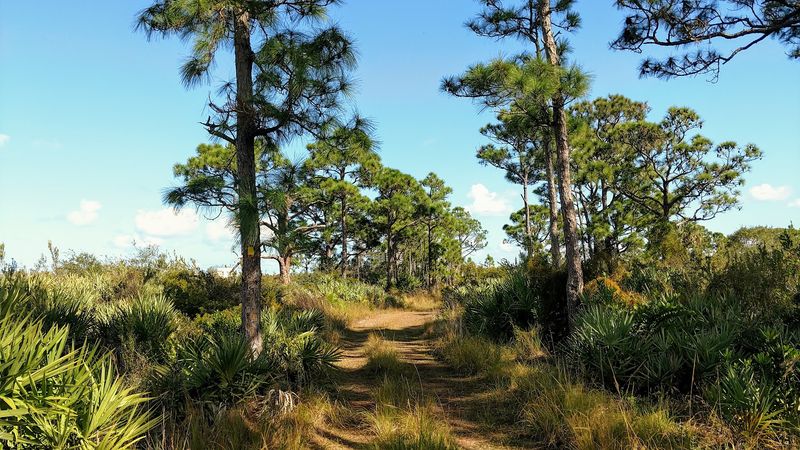
Some of the most important residents here live underground. Gopher tortoises dig deep burrows in the sandy soil of Juno Dunes Natural Area, and spotting one is a real treat.
These tortoises are a big deal in Florida. Their burrows give shelter to hundreds of other animal species, from mice to snakes to frogs. Scientists call them a keystone species because so many creatures depend on their digging.
Keep an eye out for half-moon shaped holes near the trail. A burrow often has a mound of loose sand at the opening, like a front porch. If you see one, give it plenty of space and never block the entrance.
The tortoises are protected by state law. That means no touching, picking up, or bothering them in any way. The best move is to stay quiet, watch from a distance, and let them go about their slow business.
Patience pays off with these animals. Warm, sunny mornings are often when they wander out to munch on low plants. Move too fast and you might walk right past one without noticing.
Kids especially love the hunt for burrows. It turns a regular walk into a treasure search. Counting burrows along the way can keep young hikers busy for the whole loop.
Seeing a tortoise up close feels like meeting a tiny dinosaur. They have been around for millions of years. Here, they still have room to dig, munch, and nap in peace.
4. A Rare Scrub Habitat That Florida Keeps Losing
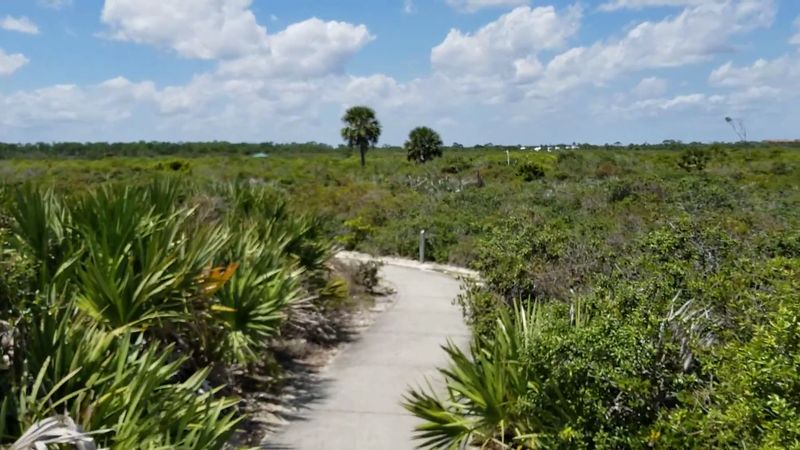
Florida scrub looks scruffy, and that is exactly what makes it special. At Juno Dunes Natural Area, you walk through one of the rarest plant communities left on the coast.
Scrub grows on dry, sandy ridges where water drains away fast. Only tough plants survive here. Think scrub oaks, saw palmettos, sand pines, and prickly pear cactus soaking up the sun.
Much of this habitat along the Atlantic coast has been replaced by homes, roads, and shopping centers. That is why protected spots matter so much. Palm Beach County preserves this land so plants and animals have a place to stay.
The preserve holds more than just scrub. You will also find coastal strand near the ocean side and wetland areas toward the west. Each zone has its own mix of plants, so the scenery shifts as you hike.
Take time to look closely at the small stuff. Lichens, wildflowers, and twisted little oaks reward a slower pace. Some of the best details are knee-high rather than eye-level.
Fire plays a role in keeping scrub healthy, believe it or not. Land managers sometimes use controlled burns to clear old growth and help new plants sprout. If you notice blackened trunks, that is often part of the plan.
Walking here feels like stepping back to what this coast looked like long ago. It is a quiet reminder of how Florida used to be. And honestly, it makes the nearby traffic feel a world away.
5. Climb The Observation Tower For A Bird’s-Eye Payoff
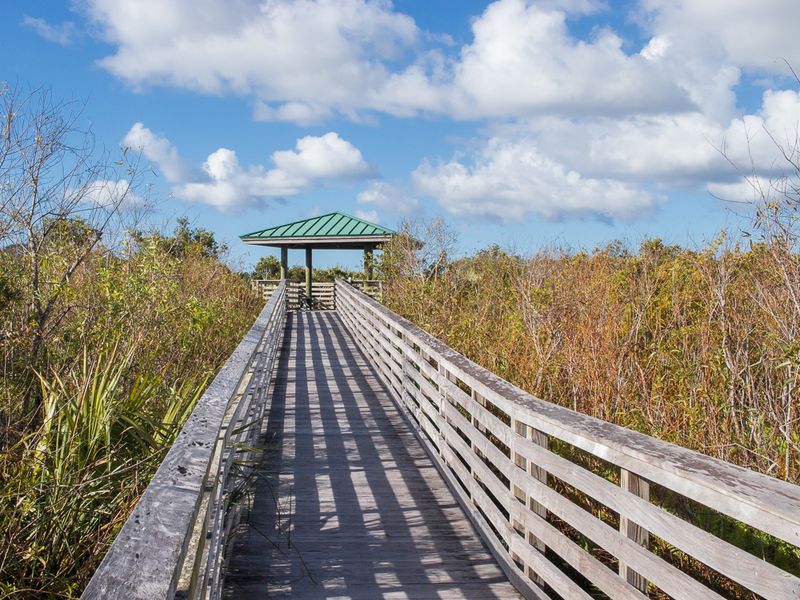
Out on the west side of the preserve, a pond sits quietly among the trees. Beside it rises an observation tower that gives you a fresh view over Juno Dunes Natural Area.
The tower is a great reward after trudging through sand. Climbing up lets you look across the water and surrounding wetlands. It is a nice change from staring at the trail ahead.
Bring binoculars if you have them. The pond area attracts wading birds, and ospreys often soar overhead looking for fish. Raccoons sometimes poke around near the water, too, so watch the shoreline.
The pond also has a small dock that feels calm and peaceful. It is a nice spot to sit, rest your legs, and listen. You may hear birds calling long before you see them.
Getting there takes some effort, which keeps it feeling quiet. The west loop and its side trails lead you toward the pond. Follow the trail markers and you will find your way without much trouble.
Morning and late afternoon are ideal times to visit the tower. The light is softer and wildlife tends to be more active. Midday sun can make the open trails feel extra toasty.
Treat the tower like a halfway snack break with a view. Sip some water, snap a few photos, and enjoy the stillness. Then head back down, ready for the sandy return trip with a little more spring in your step.
6. Sunset Here Comes With No Power Lines Getting In The Way
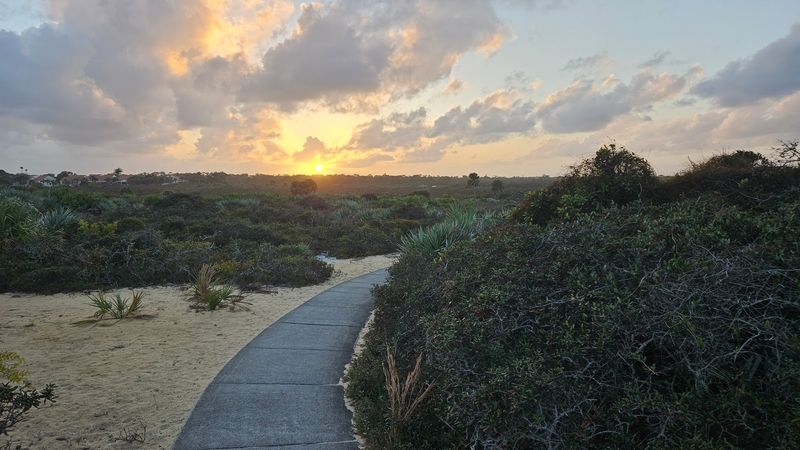
Golden hour might be the best-kept secret of this preserve. Wide open skies at Juno Dunes Natural Area make sunset photos look almost too good to be real.
The west side faces the Intracoastal Waterway. As the sun drops, the sky fills with orange, pink, and purple over the water. With few power lines in view, your shots stay clean and simple.
Timing matters if you want the full show. Arrive with enough daylight to walk out and find a good spot. Rushing through soft sand while racing the sun is not anybody’s idea of relaxing.
Check the preserve hours before you go. Natural areas in Palm Beach County are generally open from sunrise to sunset. That means you should plan to head back as the light fades, not linger long after dark.
Pack a small flashlight or keep your phone charged anyway. The trail can feel different as the shadows stretch out. Being prepared keeps the evening fun instead of stressful.
Photographers will love the silhouettes. Twisted scrub oaks and palmettos make great outlines against a glowing sky. Even a basic phone camera can capture something worth posting.
Cloudy days can still deliver drama, too. Some of the best sunsets happen when clouds catch the color and spread it across the sky. So don’t cancel just because the forecast looks a little gray.
You might end up with the most colorful evening of your whole Florida trip.
7. Paddlers Get Their Own Way Into The Wild Side
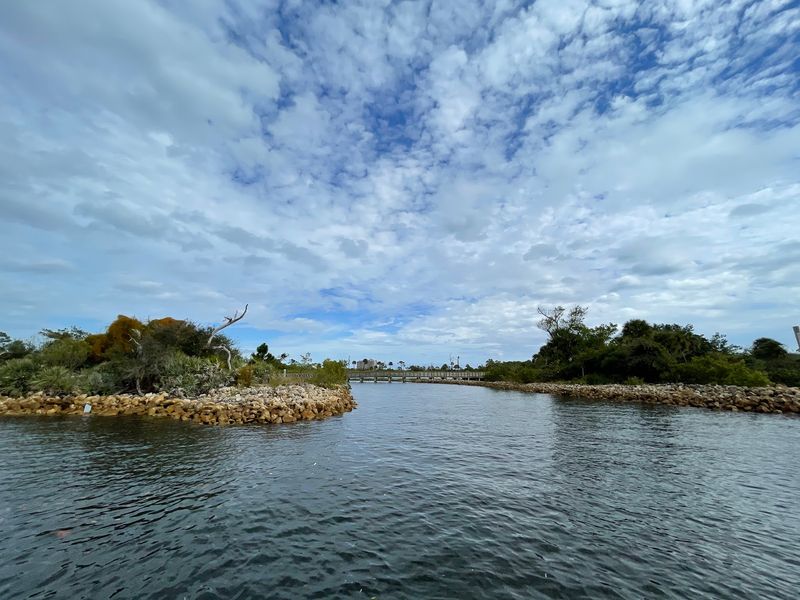
Hiking boots are optional on this adventure. Juno Dunes Natural Area also offers canoe and kayak access, giving paddlers a different way to enjoy the preserve.
The western edge touches the Intracoastal Waterway. That waterway connects to plenty of calm stretches perfect for a relaxing paddle. Seeing the shoreline from the water feels completely different from the dry ridge above.
You will need to bring your own boat, so plan ahead. Lightweight kayaks are easier to carry from the parking area to the water. A cart with wheels can save your arms a lot of grief.
Safety comes first out on the water. Always wear a life jacket and check the weather before launching. Boat traffic on the Intracoastal can create wakes, so stay alert and keep to the edges.
Wildlife watching from a kayak can be amazing. Birds perch along the shore, and fish sometimes jump nearby. Keep your movements slow and quiet, and you may spot more than hikers do.
Sunscreen and water are must-haves for paddlers, too. The sun reflects off the water and can burn faster than you expect. A hat with a brim makes a big difference on long outings.
Combining a paddle and a hike makes a full day of fun. Start on the water when it is calm in the morning. Then explore the dunes later and brag that you conquered both land and sea.
8. Smart Packing Beats Sand, Sun, And Surprise Cactus
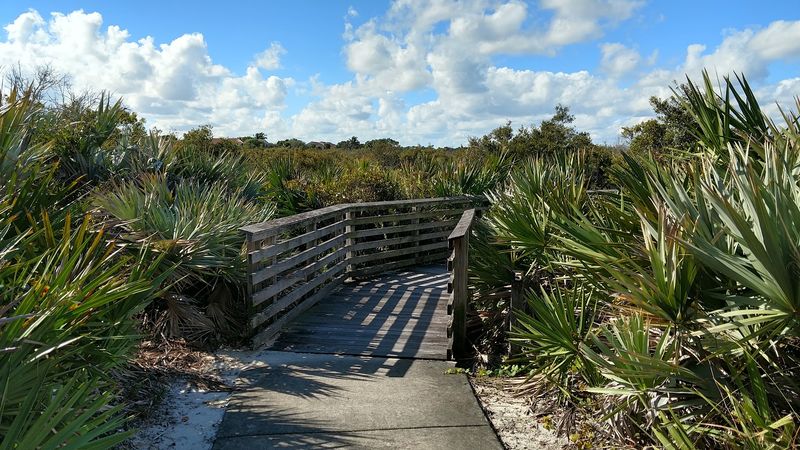
A little planning goes a long way at Juno Dunes Natural Area. You will find it at 14501 U.S. Hwy 1, Juno Beach, FL 33408, right along a busy stretch of road.
Parking is free, which is always a win. The lot is on the small side, though. Weekday visits or early mornings give you a better shot at grabbing a spot.
Water is the number one item on any packing list. Shade is limited on the sandy ridge, and Florida heat can sneak up fast. Bring more than you think you need, especially in summer.
Sun protection comes next. Sunscreen, sunglasses, and a hat will keep you comfortable on open stretches. Bug spray helps too, particularly during warmer, wetter months.
Leave your dog at home for this one. Pets are not allowed in the preserve, which helps protect the sensitive wildlife. Bikes also stay off the trails here.
Restrooms are not something to count on along the trails. Plan a stop before you arrive so nobody ends up doing an emergency speed-walk through sugar sand. Trust me, that is not a fun race.
Covered spots and a few benches give hikers places to rest along the early part of the walk. Use them to cool down and reapply sunscreen. Pacing yourself makes the whole hike more enjoyable.
Best of all, admission is free. That makes this preserve an easy pick for families and budget travelers. All you spend is a little energy and maybe some sunscreen.
9. Pair Your Hike With Sea Turtles And Beach Time Nearby
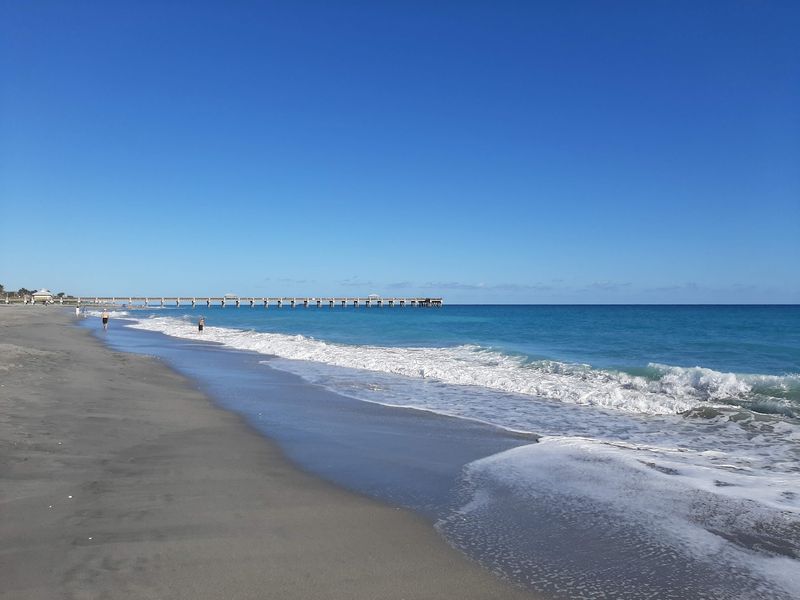
Sea turtles live just minutes from the trailhead. Loggerhead Marinelife Center in Juno Beach makes a perfect add-on after exploring Juno Dunes Natural Area.
The center focuses on rescuing and caring for injured sea turtles. Visitors can learn about these ocean travelers and see conservation work in action. It fits nicely with a day spent protecting and appreciating nature.
Juno Beach is also famous for its sea turtle nesting season. Loggerheads, greens, and leatherbacks all lay eggs on these sandy shores. Nesting season generally runs from spring into fall along this coast.
The preserve itself includes land on the ocean side of the highway. That means the beach is never far away. A quick swim or barefoot stroll can cool you down after a sweaty hike.
Follow beach rules during nesting season. Stay away from marked nests and keep lights low at night near the shore. Bright lights can confuse hatchlings trying to reach the ocean.
Hungry after all that walking? The surrounding Juno Beach and Jupiter area has plenty of spots to grab a bite. Refueling after trudging through sand tastes extra good.
Putting it all together creates a full Florida nature day. Climb the highest natural point in Palm Beach County, meet some turtles, and finish on the beach. Not bad for a stretch of coast that most drivers zoom right past.
Next time you head down U.S. 1, maybe tap the brakes and say hello.