This 310-Acre Florida State Park Feels Like One Of America’s Best-Kept Secrets
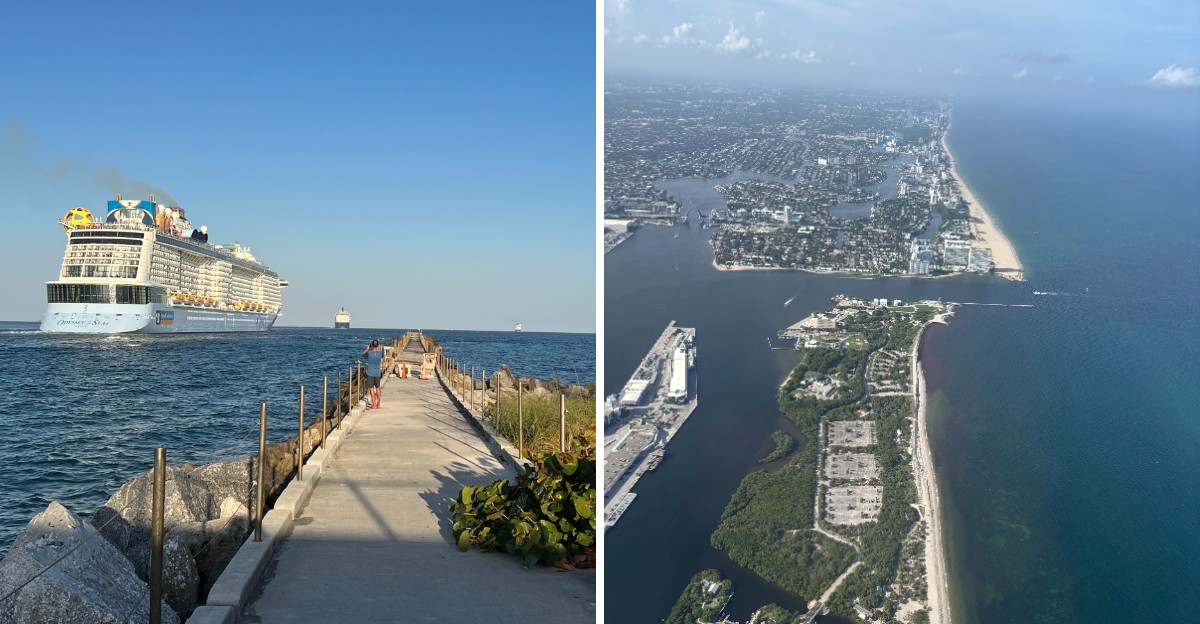
Cruise ships glide past this beach so closely that you can practically wave at the passengers. Behind you, a calm creek waits for kayaks and paddleboards. That combo alone sounds made up, right?
It gets better. This Florida park was once the only beach in the area open to Black residents during segregation. Today it celebrates two civil rights leaders who fought hard to make that happen.
I like how history, wildlife, and pure beach time all share the same strip of sand here. Sea turtles nest on the shore. Fishing lines drop off a jetty while planes from a nearby airport drift overhead.
I can’t imagine a better escape squeezed between a busy port and a busy city. So how does a place this good stay so quietly under the radar?
The Story Behind The Name Will Stick With You
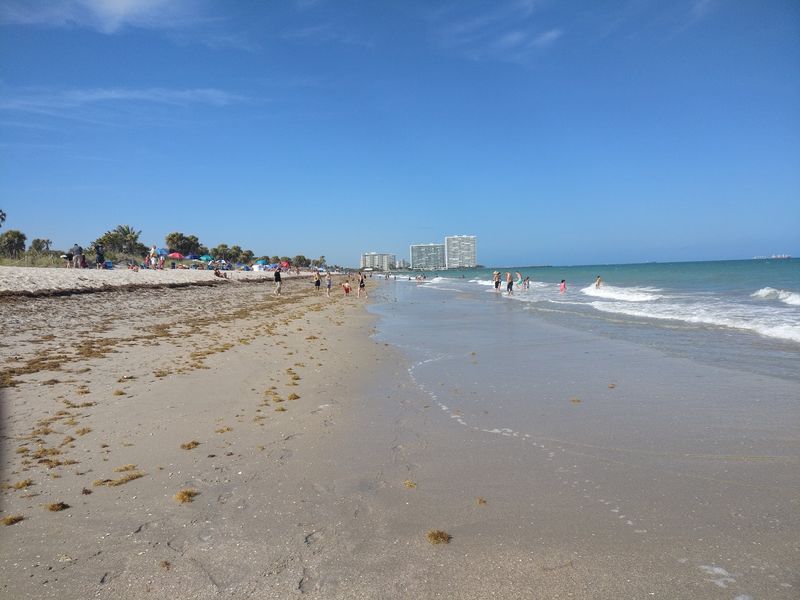
Two names sit on the entrance sign, and both earned their spot. Dr. Von D. Mizell-Eula Johnson State Park honors a physician and an NAACP leader who pushed for beach access in the 1950s.
Back then, Black residents of Broward County had no legal place to swim in the ocean. In 1954, the county acquired and designated a beach here for Black visitors, but with no road built to reach it, access was by boat.
Dr. Von D. Mizell was a Fort Lauderdale doctor and civil rights activist. Eula Johnson led the local NAACP branch and helped organize wade-ins at whites-only beaches in 1961.
Those wade-ins pressured officials to change. Within a few years, area beaches opened to everyone, a major win for South Florida.
For decades, the park carried the name John U. Lloyd Beach State Park. In 2016, Florida renamed it to honor Mizell and Johnson.
That history changes how the sand feels under your feet. Look for the interpretive signs while you visit, because they share the story in clear, simple detail.
Kids especially benefit from reading them. It’s a quick history lesson that lands better with ocean waves as the soundtrack.
Wave At A Cruise Ship From Your Beach Towel
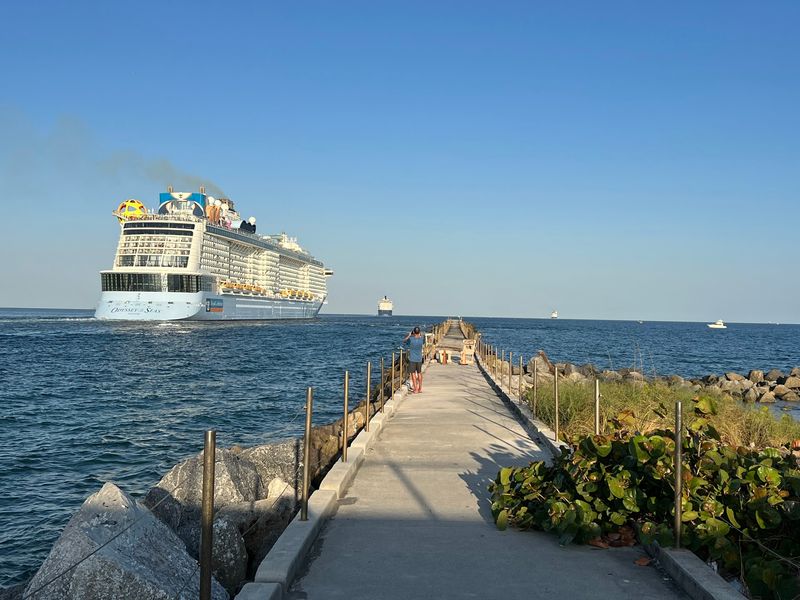
Few beaches come with a parade of floating hotels. The park’s northern tip borders the channel into Port Everglades, one of the busiest cruise ports anywhere.
That means massive ships slide out to sea while you sit on your towel. Weekend afternoons are prime time for spotting departures, so plan your snacks accordingly.
The scale is hard to describe. These ships look like apartment buildings that decided to go on vacation.
Cargo ships and tankers use the channel too. Kids who love big machines will lose their minds in the best way.
Look up, and the show continues. Fort Lauderdale-Hollywood International Airport sits nearby, so planes pass overhead often throughout the day.
Some folks find the planes distracting. Others treat them like free entertainment, especially little aviation fans who can name every airline tail.
Bring binoculars if you have them. They make ship names and harbor activity much easier to read from shore.
A camera with decent zoom helps too. Sunset light on a departing ship makes for a photo that looks way fancier than your effort level.
Honestly, where else does a nature preserve come with a harbor view like this?
Two And A Half Miles Of Sand Without The Hotel Wall
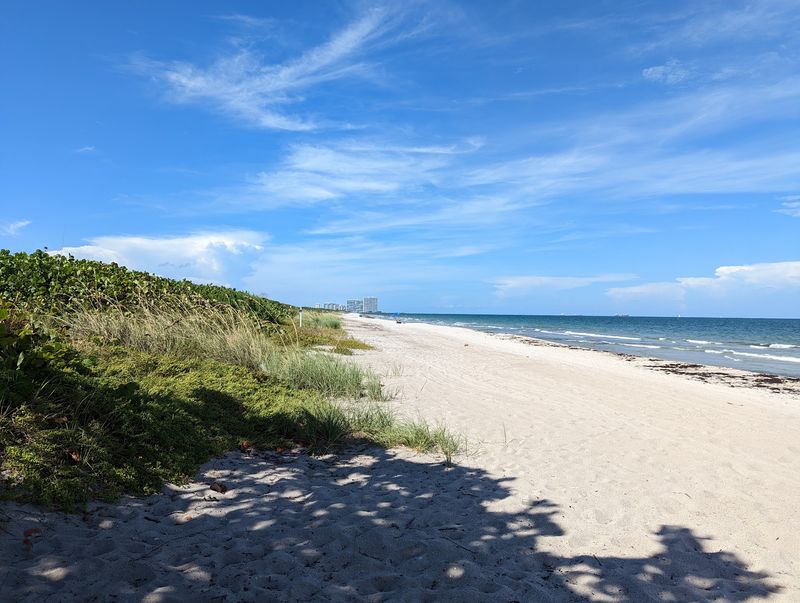
Hotels and condos crowd most of the coast around Fort Lauderdale. Here, the shoreline stays natural for roughly two and a half miles.
Sea oats and dune plants line the beach instead of high-rises. That open view makes the Atlantic feel bigger and calmer.
The beach is wide, which leaves plenty of room to spread out. Swimming, sunbathing, shelling, and long walks all fit easily here.
One honest tip will save you a surprise. As a natural state park beach, seaweed called sargassum isn’t raked away when it washes ashore.
Some seasons bring heavy piles of it, especially in summer. Checking conditions before you go is smart, and calling the park is easy.
The seaweed actually helps the beach. It feeds tiny creatures and helps hold sand in place.
Dune areas are protected, so stick to marked boardwalks and paths. Those plants keep the beach from washing away during storms.
Pets are welcome in some park areas but not on the beach itself. Leave Fido at home if sand time is your main plan.
Bring water shoes for shells, plus shade. Nature here doesn’t come with a cabana guy.
Whiskey Creek Is Your Calm-Water Backup Plan
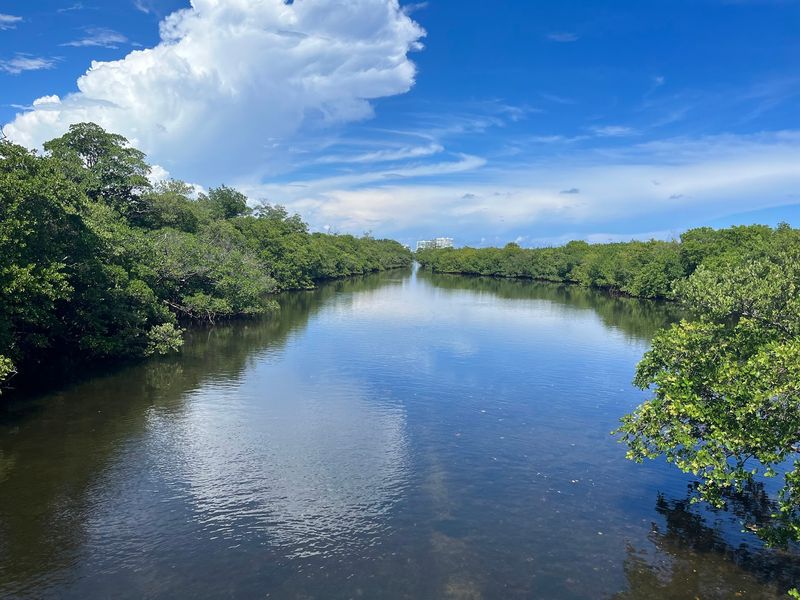
Rough ocean today? No problem, because a peaceful creek runs right behind the beach.
Whiskey Creek stretches along the park’s western side, lined with mangroves. Its water is usually calmer than the Atlantic, which makes it a favorite for paddlers.
Kayak and paddleboard rentals are available inside the park. You can explore the creek at your own pace without hauling gear from home.
Mangroves are fun to paddle past. Their tangled roots shelter young fish, crabs, and wading birds hunting for lunch.
Families with little ones often like the creek for gentle play. Shallow spots and slower water feel less intimidating than ocean waves.
Boaters also tie up along the creek and walk over to the beach. It’s an easy way to enjoy both waters in one day.
Go early if you can. Whiskey Creek is popular, and weekend crowds build as the day warms up.
Sunscreen matters out on the water. The sun reflects off the surface, so you’ll burn faster than you think.
Pack a dry bag for your phone, too. Nobody wants their vacation photos taking a swim with the mullet.
Cast A Line Off The Jetty And See What Bites
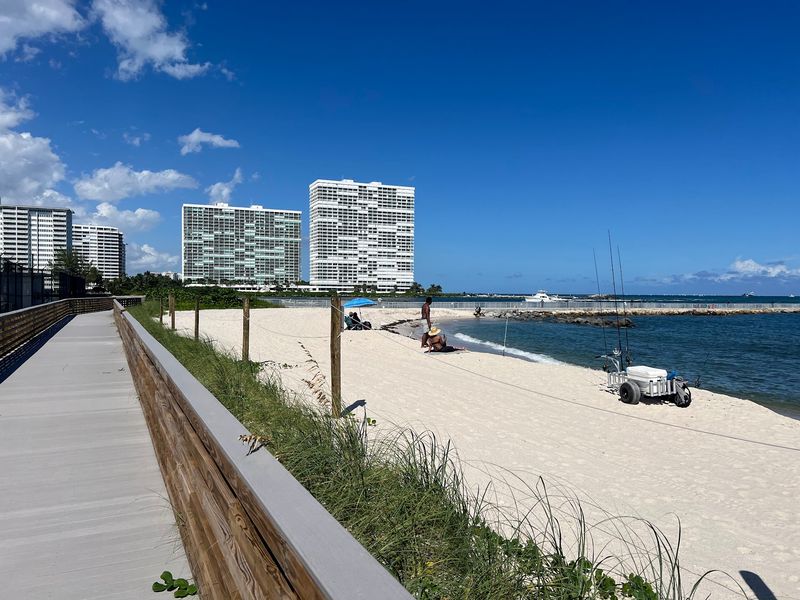
Anglers get a sweet setup at the park’s northern end. A jetty along the Port Everglades inlet gives fishermen access to deeper, moving water.
Fishing is allowed from the jetty, the beach, and along the creek. That variety means you can switch spots when the fish stop cooperating.
A Florida saltwater fishing license is generally required for anglers. Check state rules before your trip, since some residents and ages are exempt.
Bring your own gear and bait. The park provides the scenery, and the fish decide the rest.
The inlet sees strong currents and big boat traffic. Keep a close eye on kids near the rocks, which can be slippery.
Fishing near the far parking area also brings fewer crowds. It’s a more relaxed corner of the park for patient people.
Morning and evening often feel cooler and more comfortable for long sessions. Your sunburn will thank you for skipping the noon heat.
Even if nothing bites, the view delivers. Watching a cruise ship pass while waiting for a tug on your line is a decent consolation prize.
Just don’t blame the ship for scaring the fish.
Snorkelers Get A Bonus Reef Right Offshore
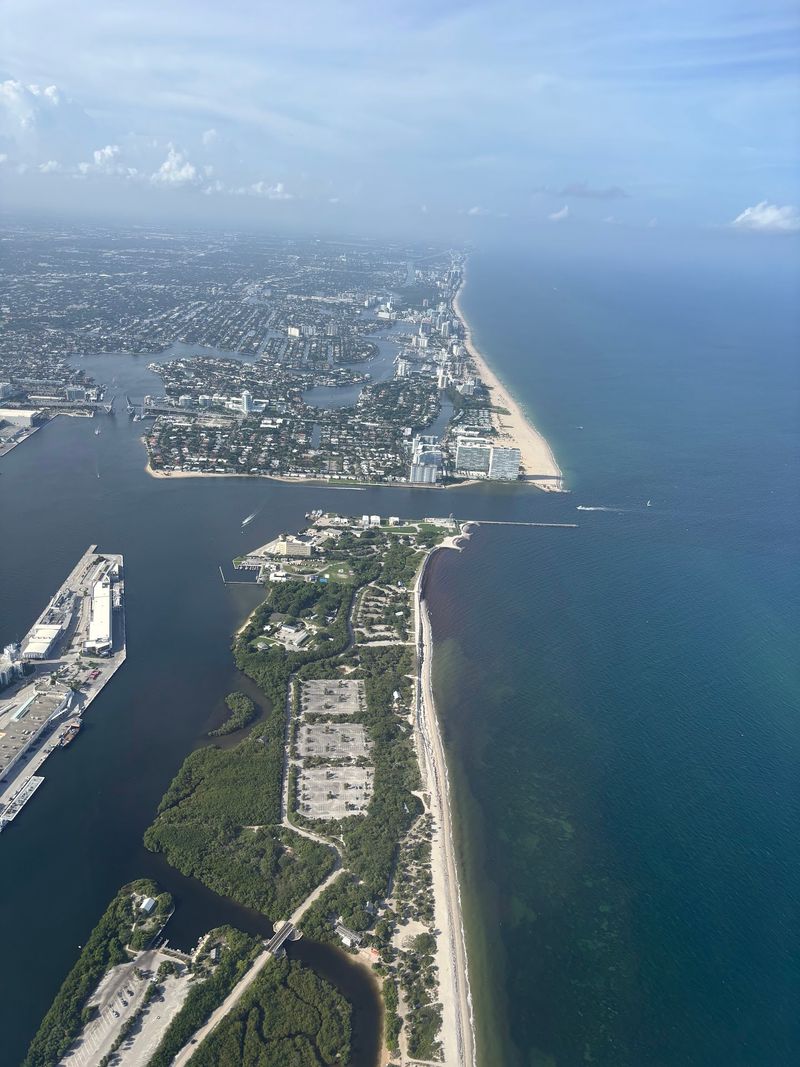
Concrete blocks don’t sound exciting. Underwater, though, they’ve become homes for fish and other sea life.
Artificial reef structures sit in the water off the park’s beach. Over time, marine life has moved in and turned them into a busy neighborhood.
Snorkelers and divers can explore these spots from shore. You don’t need a boat to get a peek at the underwater world.
Conditions matter a lot here. Calm, clear days give the best visibility, while choppy surf can stir everything into a sandy blur.
Always use a dive flag when snorkeling or diving in Florida waters. It warns boats that someone is below the surface.
Swim with a buddy and know your limits. The ocean doesn’t care how confident you felt in the parking lot.
Bring reef-safe sunscreen to protect the creatures you came to see. Avoid touching or standing on the structures, too.
A short-sleeve rash guard is handy for sun protection. Your back won’t turn lobster-red after an hour face-down in the water.
For first-timers, this setup is pretty friendly. Shore access and nearby restrooms make the whole adventure much easier.
Sea Turtles Run The Night Shift Here
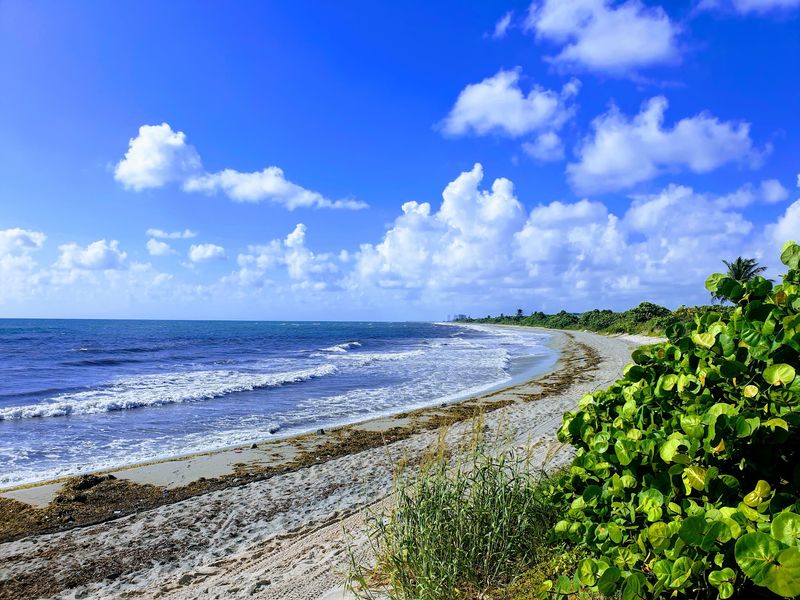
From spring through fall, some very important guests visit the beach after dark. Sea turtles crawl ashore here to lay their eggs.
Loggerheads, green turtles, and leatherbacks all nest along this part of Florida’s coast. Park staff and volunteers mark nests with stakes and tape to protect them.
Spotting a marked nest is pretty cool. Just admire it from a distance and never disturb the sand inside the barrier.
Fill in any holes you dig before leaving the beach. Hatchlings can get stuck in them on their way to the ocean.
Knock down sandcastles too. Little turtles have enough obstacles without climbing a kid’s masterpiece.
Birds also love this park. Herons, pelicans, gulls, and smaller songbirds show up along the beach, creek, and coastal hammock.
Early morning tends to be the best time for birdwatching. Bring a camera with zoom if photography is your thing.
Raccoons live here as well, and they’re bold. Keep food sealed so they don’t throw their own picnic with your sandwiches.
Respecting wildlife keeps this park healthy for the next visitors. Turtles have been doing this longer than any of us.
Fire Up The Grill And Make A Whole Day Of It
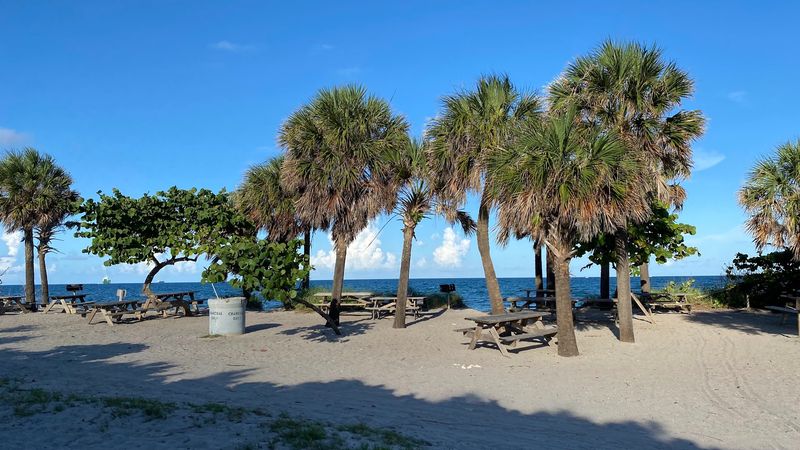
Packing a cooler pays off at this park. Picnic tables, pavilions, and charcoal grills sit in shady spots close to the beach.
Pavilions can be reserved for bigger gatherings like birthdays or family reunions. Booking ahead is smart, especially for weekends.
Bring charcoal and lighter fluid if you plan to grill. The grills are there, but supplies are on you.
Hungry without a plan? Whiskey Creek Hideout serves food and snacks inside the park, so lunch is covered either way.
Restrooms and outdoor showers are available near the beach areas. Rinsing off sand before the car ride is a real gift to your upholstery.
Beach wheelchairs are offered, which helps visitors with mobility needs reach the sand. Ask staff about availability when you arrive.
Several large parking lots spread across the park. Different lots lead to different beach areas, so pick one based on your plans.
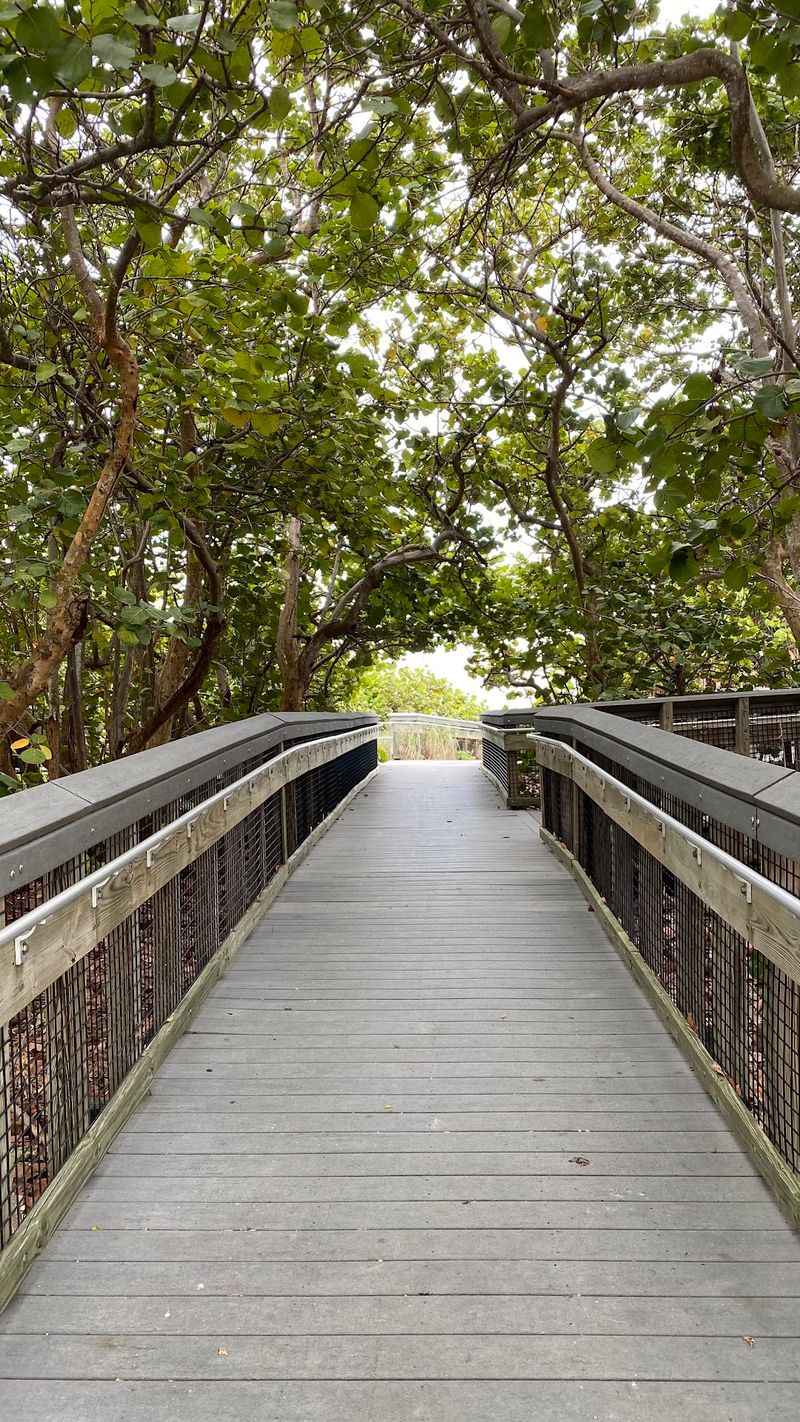
A shaded nature trail also winds through the coastal hammock. It’s a nice break when the sun gets intense.
Trash bins fill fast on busy days. Pack a bag for your own garbage and leave the spot better than you found it.
Getting In Is Easier Than You Think
Finding paradise next to a shipping port sounds tricky. Luckily, the drive is simple once you know where to look.
Dr. Von D. Mizell-Eula Johnson State Park sits at 6503 N Ocean Dr, Dania Beach, FL 33004. It’s just south of Hollywood and north of Port Everglades.
The park opens daily at 8 a.m. and stays open until sundown. Posted closing times shift with the seasons, so check before heading out late.
Entry works on a per-vehicle fee, with separate rates for pedestrians and cyclists. Having exact payment ready keeps the gate line moving.
Arriving early is your best strategy. Weekend afternoons can bring lines at the entrance and fuller parking lots.
RVs and trailers can fit in the larger lots. A boat ramp also gives boaters direct access to the water.
Since it’s a Florida state park, some rules differ from city beaches. No glass containers, and pets stay off the sand.
Bring sunscreen, water, and bug spray for the trail. Mosquitoes near mangroves are basically the park’s tiny toll collectors.
Once you’re through the gate, the busy city melts away fast. That quick switch is half the magic.