This Hidden Florida Preserve Has Boardwalks Winding Through a Forgotten Piece of the Everglades
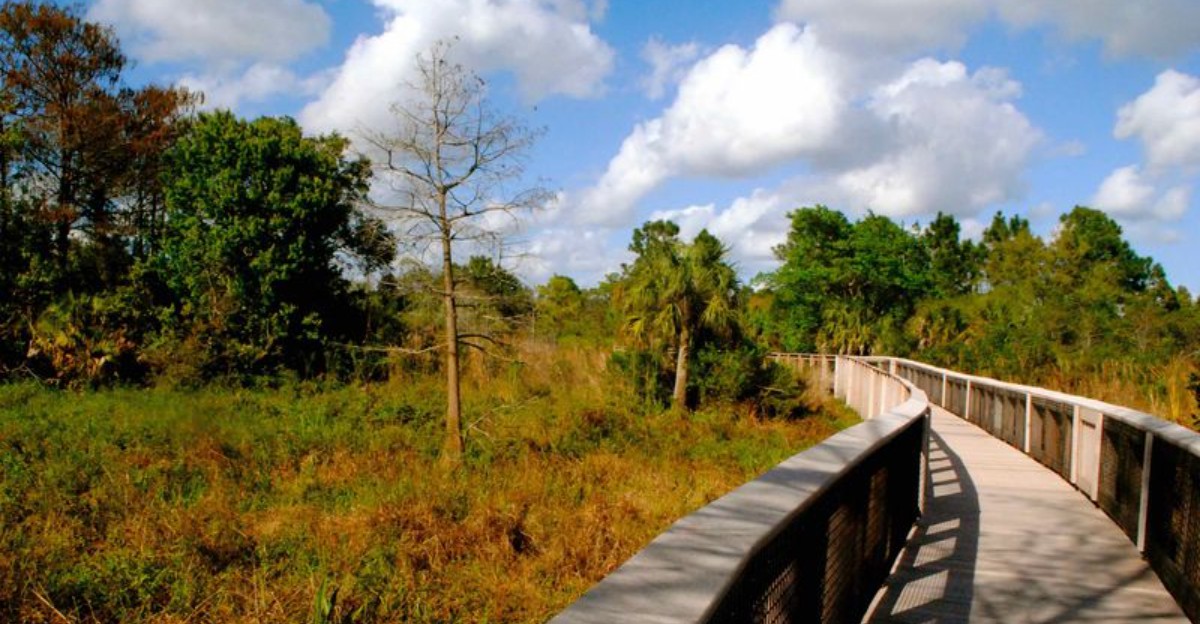
A boardwalk loops over a real wetland pond, and apartment buildings sit just past the trees. That contrast alone made me want to learn more about this little Florida preserve.
The land holds slash pine woods and marsh, the kind of wild ground that once spread across South Florida. Paved trails, gazebos, and signs about local plants and animals make it easy to explore.
I like how small it feels in the best way. You can stroll the loops at an easy pace and still spot birds, butterflies, and maybe a turtle soaking up sun.
I can’t imagine a simpler way to see what this region looked like before the shopping plazas showed up. So how does a quiet piece of old Florida survive right next to busy neighborhoods?
1. A Slice of Old Florida Survived Right in the Middle of Town
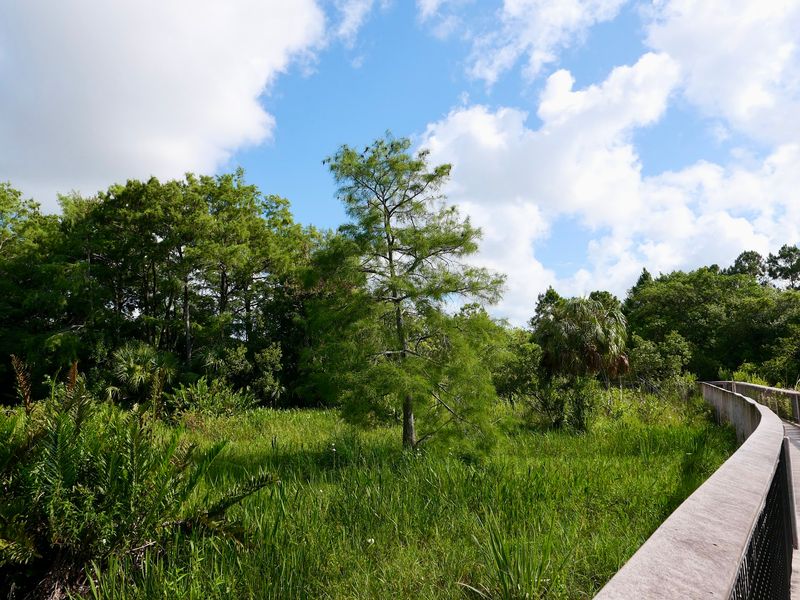
Kristin Jacobs Natural Area at Hillsboro Pineland is a Broward County preserve that kept its wild side. Neighborhoods grew all around it, yet the pine woods and wetland stayed put.
The preserve sits in Coconut Creek, a city in northern Broward County. Think of it as a time capsule with a parking lot attached.
Its main habitats are pine flatwoods and wetland marsh. Both were once common across this part of Florida before roads and rooftops took over.
The park carries the name of Kristin Jacobs, a longtime public servant from Broward County. She served as a county commissioner and later in the Florida House of Representatives.
That name feels fitting for a place built around protecting land. It reminds visitors that someone had to care enough to save this spot.
The preserve isn’t huge, and that’s part of its charm. You won’t need a full day, hiking boots, or a survival kit.
A short visit still lets you see slash pines, native plants, and the animals that depend on them. For a place surrounded by suburbs, that’s a pretty impressive trick.
Plan to slow down here. The quiet is the main event.
2. The Boardwalk Over the Wetland Is the Star of the Show
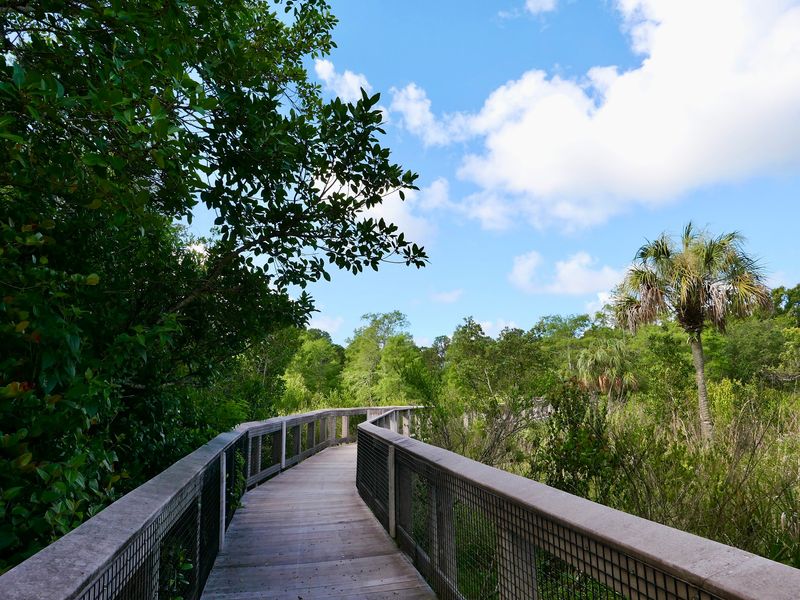
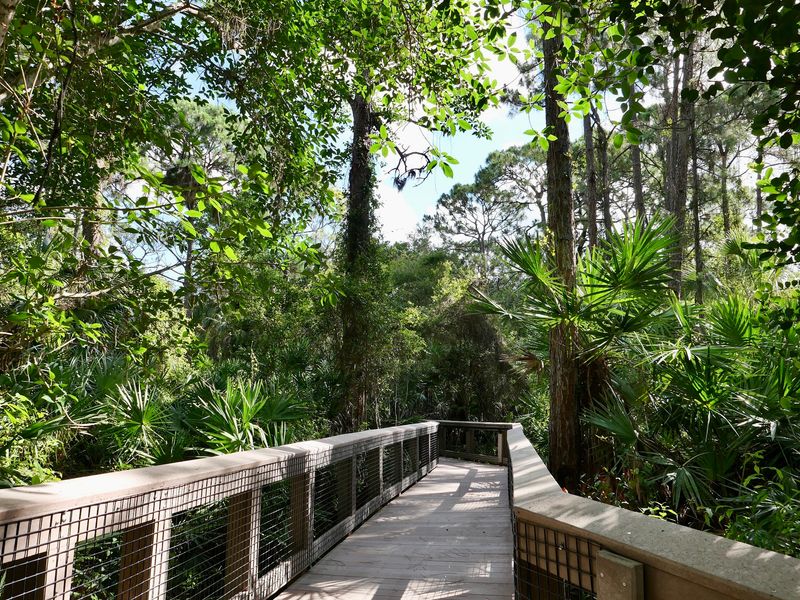
Water changes everything on a walk. At this preserve, a boardwalk carries you right over a wetland pond instead of around it.
The wooden path loops above marshy ground filled with grasses and aquatic plants. It’s a close look at a habitat most people only see from a car window.
This wetland area echoes the wider Everglades system that once shaped South Florida. Water levels rise and fall with the seasons, so the view shifts through the year.
During drier months, the pond may look lower than you expect. That’s normal, and it’s part of how these wetlands work.
Keep your eyes on the edges of the water. Wading birds, dragonflies, and turtles all fit right into this kind of setting.
A gazebo along the route gives you a shady place to pause. It’s a smart stop for photos or just a few quiet minutes.
Walk slowly here, even if the loop feels short. Rushing a boardwalk like this is like speed-reading a comic book.
Small details, like a ripple or a flash of wings, are easy to miss. Patience pays off nicely.
3. Tall Pines Turn the Second Loop Into a Shady Escape
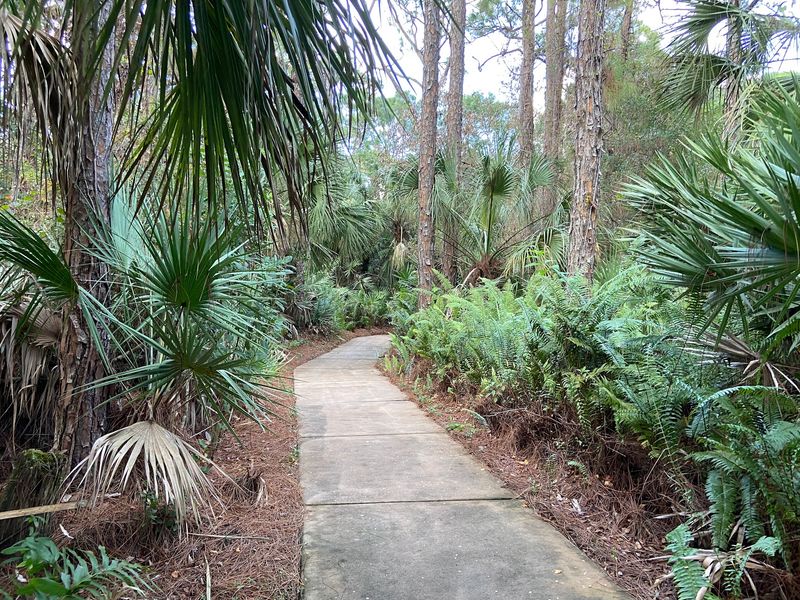
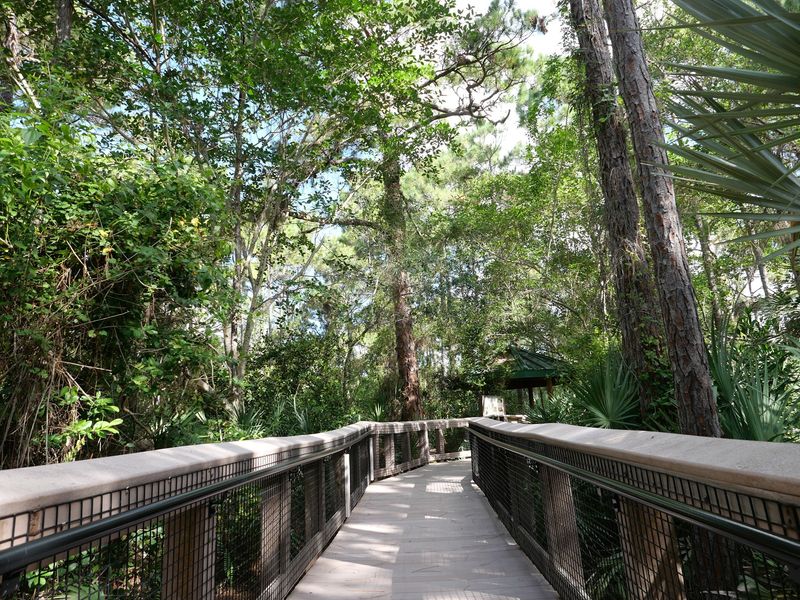
Slash pines don’t grow in neat rows here, and that’s the whole point. The pineland trail winds through woods that look a lot like Florida did long ago.
Pine flatwoods have sandy soil, tall trees, and a thick layer of low plants below. Saw palmetto and native shrubs often fill those lower spaces.
This loop feels very different from the wetland side. One minute you’re over water, and the next you’re under a canopy of pine needles.
The trail is paved, so the woods stay easy to explore. You get the wild look without wrestling roots or mud.
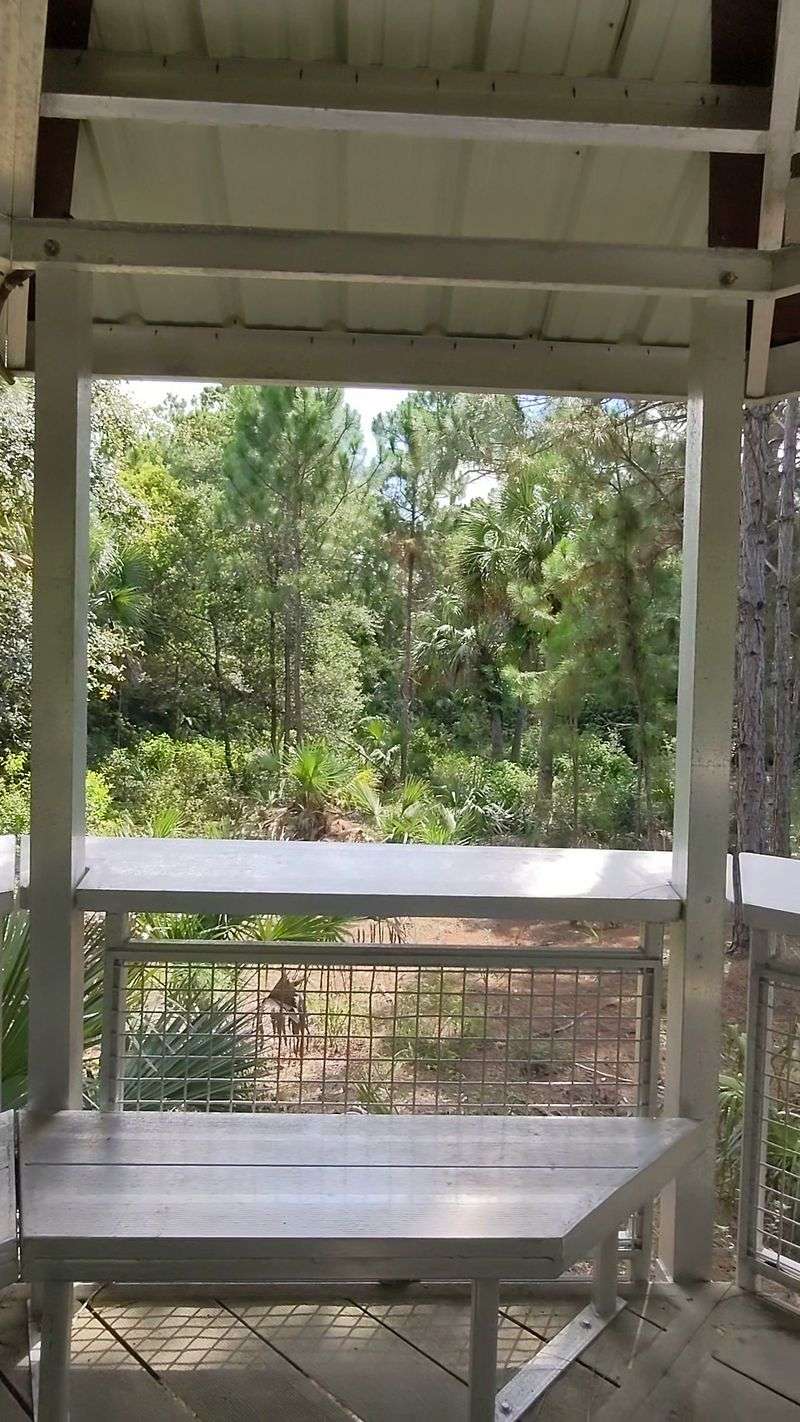
A gazebo sits along this route, too. It’s a pleasant midpoint where you can sit, sip some water, and listen.
Pine forests in Florida rely on fire to stay healthy over time. Land managers often use controlled burns in habitats like this to help native plants thrive.
That fun fact makes the woods feel a bit tougher than they look. These trees are built for Florida’s rough, sunny conditions.
Bring a hat on bright days. Shade comes and goes as the path curves.
4. Paved Paths Make This an Easy Win for Almost Everyone
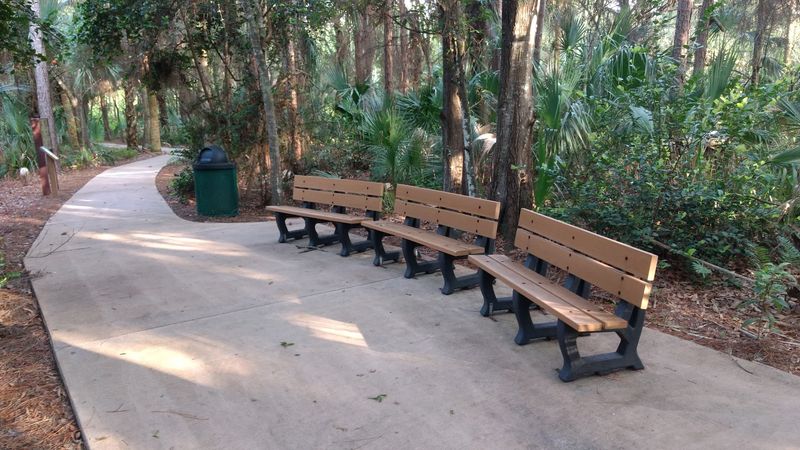
Good news for anyone who dislikes tripping over tree roots. The trails here are paved, which makes the whole preserve friendly and simple to navigate.
That smooth surface helps strollers, wheelchairs, and folks walking with a cane. It opens up nature to people who often get left out of rugged hikes.
Benches appear along the routes, giving everyone a chance to rest. Restrooms are available on site, too, which is always a relief.
The loops are on the short side. Most people can see the main trails in an easy hour or less.
That makes the preserve a nice pick for grandparents, little kids, or a lunch-break stroll. Nobody needs to train for this adventure.
Short trails also mean you can repeat a loop without getting bored. Light and wildlife change, so a second lap can feel new.
Wear comfortable shoes anyway, since Florida heat can sneak up on you. Water is a must in summer.
Here’s a tip for families. Turn the walk into a game of spotting birds, lizards, and butterflies along the way.
5. Bring Your Binoculars Because the Locals Have Feathers and Scales
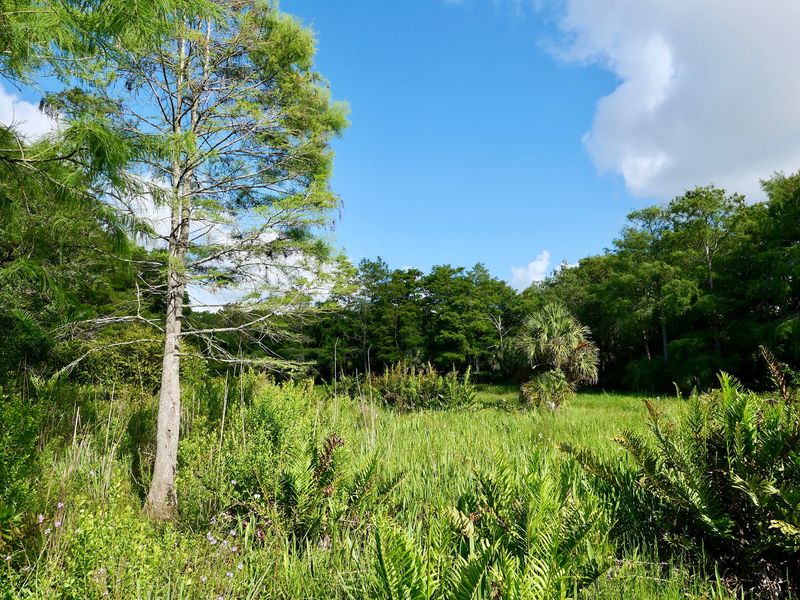
Wildlife here tends to be small, quick, and easy to miss if you’re staring at your phone. Look a little closer, and the preserve starts showing off.
Birds move through both the pines and the wetland. Wading birds may stalk the water, while smaller birds flit through branches.
Anoles are everywhere in South Florida, and this place is no exception. These little lizards love sunny rails and tree trunks.
Butterflies drift around native plants on warm days. Cicadas often provide the soundtrack, buzzing like a tiny orchestra that never takes a break.
Turtles sometimes sun themselves near the water. Spotting one feels like winning a small, quiet lottery.
Quiet steps help a lot. Animals are more likely to stay put if you move slowly and keep voices low.
Morning is a smart time to visit, since the park opens at 8 a.m. Cooler air often means more activity and fewer sweaty brows.
Remember that this is a protected natural area. Keep your distance from wildlife, and never feed the animals, no matter how cute they look.
6. Little Signs Along the Trail Turn a Walk Into a Lesson
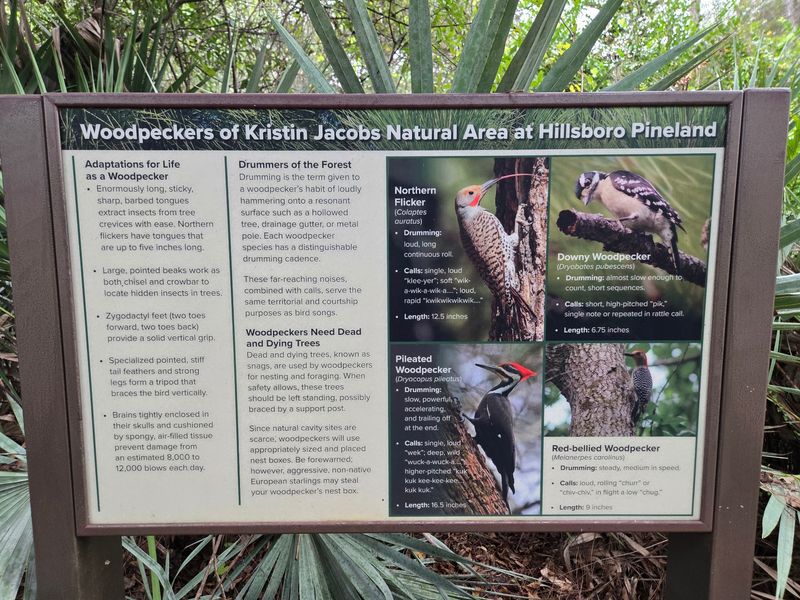
Ever wonder what that scrubby plant or buzzing bug actually is? Kristin Jacobs Natural Area at Hillsboro Pineland answers plenty of those questions for you.
Informational signs appear along the trails. They explain the plants, insects, and animals that call this habitat home.
It’s like a field guide that stays outside so you don’t have to carry one. Kids can read along, and adults might learn something, too.
These signs help connect the dots between the pine woods and the wetland. You start to see why each habitat matters.
Understanding a place often makes you care about it more. A simple pine tree suddenly becomes a survivor with a story.
Stop and read a few as you go. They slow your pace in a good way and point out things you’d likely miss.
Bring a curious kid, and the walk may take twice as long. That’s honestly a win.
Snap a photo of signs that interest you most. Later, you can look up more about the species you spotted that day in Florida.
7. Naturalist Programs Make Return Visits Worth Planning
Broward County runs nature preserves with staff naturalists, and this one hosts programs throughout the year. That adds another layer beyond a self-guided stroll.
Programs can include guided nature walks and activities for children. Some offerings focus on families, while others appeal to adults who love learning outdoors.
Schedules change, so check the Broward County Parks calendar before you go. Many programs need advance registration.
A guided walk can reveal details that signs can’t cover. A naturalist can point out tracks, calls, and plants you’d walk right past.
Kids especially tend to light up with a guide leading the way. Questions get answered on the spot, which beats a search engine any day.
Programs also show how much work goes into caring for this land. Preserves like this need steady attention to stay healthy.
If you visit often, a program can make the same trail feel brand new. Seasons shift, and so do the lessons.
Consider this your sign to plan a weekend morning around one. Your future self might thank you, mosquitoes aside.
8. Finding the Gate Is Half the Fun in Coconut Creek
Plug the address into your map and trust it. The preserve sits at 5591 NW 74th Pl, Coconut Creek, FL 33073.
It’s set back among residential streets, so it can surprise you. One turn you’re near apartments, and the next you’re at a gated nature area.
Parking is inside the gated park. That makes arriving simple, even for a quick visit.
The park is open daily from 8 a.m. to 6 p.m. Plan accordingly, because the gate won’t wait for your sunset photo.
Being away from the main road helps keep things calm. Traffic noise fades enough that you can hear birds and rustling leaves.
This location makes it easy to fit into a regular day. Running errands nearby? A short loop can reset your mood fast.
The preserve works well as a pit stop on a South Florida drive, too. It’s far more refreshing than a gas station snack aisle.
Go early on hot days. Florida afternoons can feel like walking inside a warm mug of soup.
9. Pack a Quiet Lunch and Let the Gazebos Do the Rest
Quiet is the real luxury at this preserve. No playground, no ball fields, and no blaring music compete for your attention.
That makes Kristin Jacobs Natural Area at Hillsboro Pineland a lovely place to unwind. A gazebo by the water or in the pines is ideal for a calm break.
Bring a simple snack and a reusable bottle. Pack out everything you bring, so the habitat stays clean for the wildlife.
Sit for a few minutes without your phone. You’ll notice wind in the pines, bird calls, and maybe the plop of a turtle.
Many people use spots like this to stretch, journal, or just breathe. It’s a free mini vacation that doesn’t need a suitcase.
Remember to pack bug spray during warmer months. Florida mosquitoes are enthusiastic about lunch, too, just not yours.
Sunscreen and a hat help on open stretches of trail. Comfortable clothes make lingering much easier.
When you leave, the neighborhoods will be right where you left them. Somehow, though, they’ll feel a little less loud after this peaceful pause.