Once a Month, This Historic Florida Lighthouse Opens for a Magical Full-Moon Climb

A brick tower that has stood since 1887 lets people climb 203 steps in the dark, guided by a full moon. Yes, on purpose. And yes, it is the tallest lighthouse in Florida.
The climb only happens around the full moon each month. Spots are limited, so tickets go to the people who plan ahead. That alone makes it feel like a secret club with very good cardio.
I like how the whole thing flips a normal museum visit upside down. By day, the grounds feel like a history lesson. After dark, the Atlantic glows silver from 175 feet up, and the tower becomes something closer to a story.
I can’t imagine a better excuse to stay up late. So what does it actually feel like to stand at the top of a lighthouse under the moon?
1. The Full-Moon Climb Is the Night Out You Did Not Know You Needed
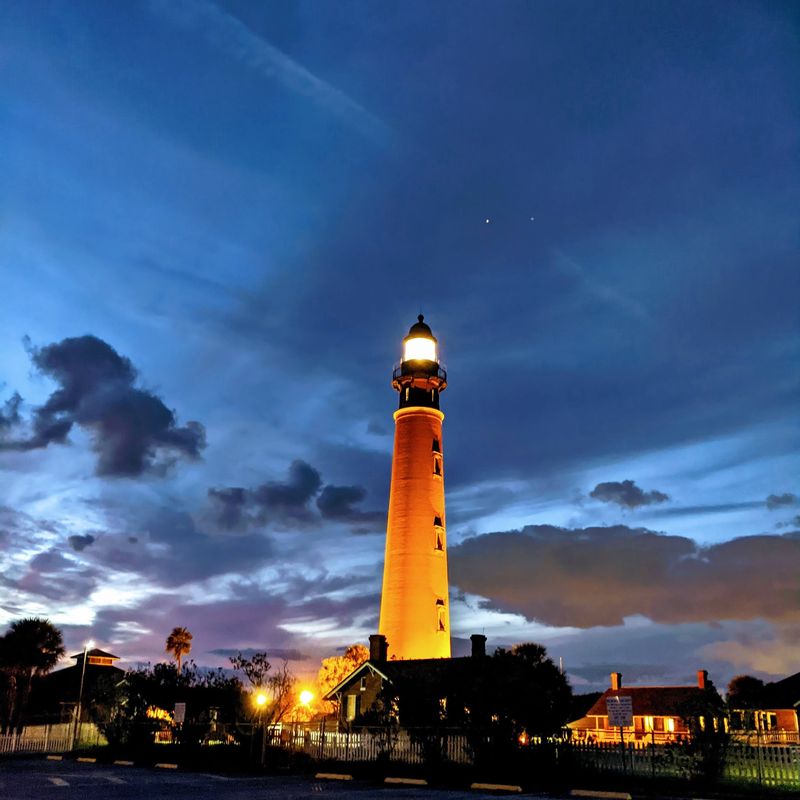
Most lighthouse visits end when the sun goes down. At the Ponce de Leon Inlet Lighthouse & Museum, the monthly Full Moon Climb is the reason to stick around after dark.
The event is scheduled around each month’s full moon. Groups are kept small, so the tower never feels like a crowded elevator with no elevator.
You still face all 203 steps, just with a moody nighttime twist. At the top, the gallery opens up to the ocean, the inlet, and the moon hanging over everything.
That view is the whole point. The coastline looks calm and silver, and the lights of nearby towns twinkle below like someone sprinkled glitter on the map.
Planning matters here. Reservations are required, and the limited spots tend to go quickly once dates are posted.
Weather also gets a vote. Storms or high winds can change plans, since nobody wants to argue with Florida lightning from 175 feet up.
Wear shoes with grip and leave the flip-flops in the car. Your knees will thank you on the way down, which is honestly the trickier half of the trip.
Bring a camera, but also take a minute to just look. Some views don’t fit on a phone screen.
2. Your Legs Will Count All 203 Steps, Even If You Don’t
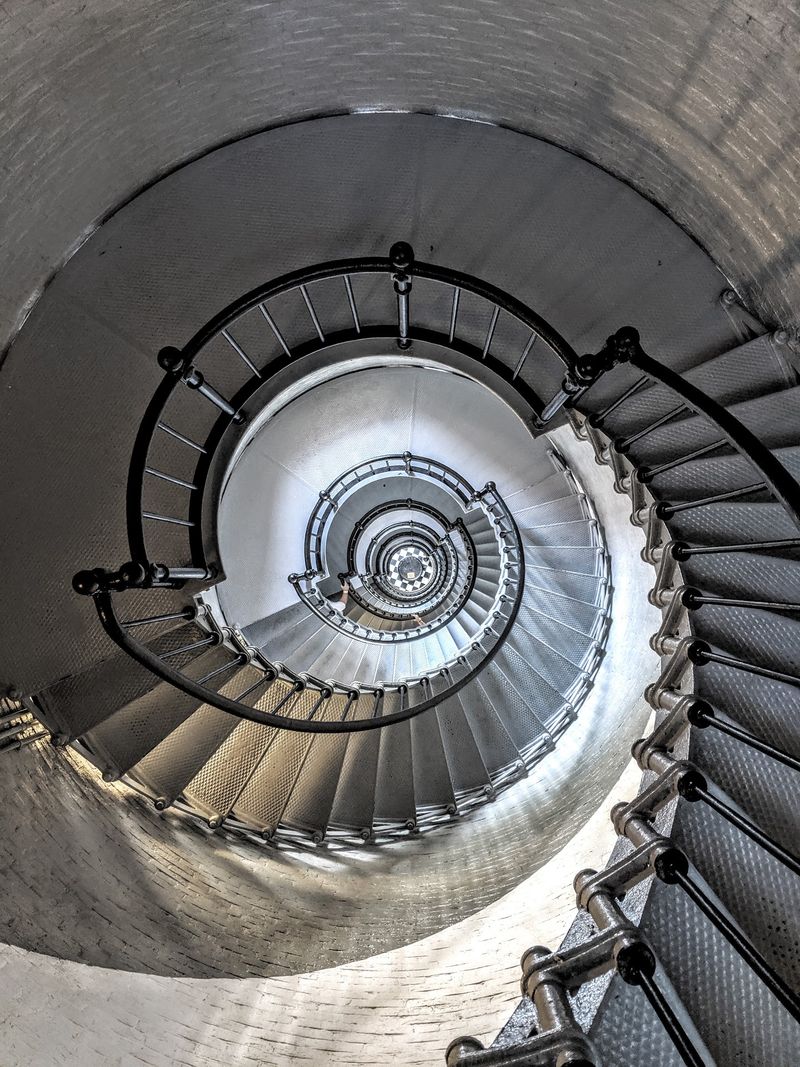
Two hundred and three steps sounds like a number from a math test. Inside the tower, it feels a lot more personal.
The staircase spirals up through the brick shaft in tight, steady loops. People climb up and come down on the same stairs, so a little patience and a friendly nod go a long way.
Good news for anyone who isn’t a marathon runner. Landings along the way give you spots to pause, catch your breath, and pretend you’re admiring the brickwork.
Small windows break up the climb too. Each one offers a peek at how high you’ve gotten, which is either motivating or slightly alarming.
A few honest tips help a lot. Hold the railing, take it slow, and skip carrying small children up the narrow stairs.
People who don’t love heights or tight spaces should think it over first. There’s no shame in enjoying the tower from the ground.
Going down can be harder than going up. Your legs get wobbly, and the steps feel steeper on the return trip.
Still, reaching the gallery is a genuine victory. Few staircases in Florida pay you back with a view this big.
3. Florida’s Tallest Lighthouse Has Been Showing Off Since 1887
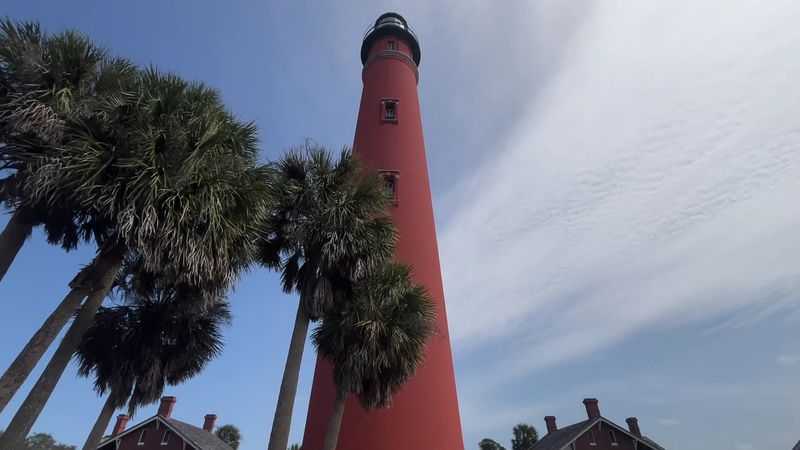
Height is the first thing that grabs you. The tower rises 175 feet, making it the tallest lighthouse in Florida and one of the tallest in the country.
Workers built it from brick and granite in the 1880s. The light was first lit in 1887, guiding ships along a stretch of coast that badly needed help.
Back then, the inlet carried a different name. It was called Mosquito Inlet, which is about the least inviting name a beach could have.
The name changed to Ponce de Leon Inlet in 1927. Tourism folks everywhere probably cheered.
Time brought plenty of changes. The Coast Guard turned off the light in 1970, and the town of Ponce Inlet later took over the property.
Then came a happy comeback. The light was relit in 1982 and still works as an active aid to navigation today.
Recognition followed too. The lighthouse was named a National Historic Landmark in 1998, a big honor for any old tower.
Standing at the base, you can almost feel all those decades stacked up in the bricks. It’s history you can climb, which beats reading about it any day.
4. These Glass Giants Will Make You Rethink the Word Lens
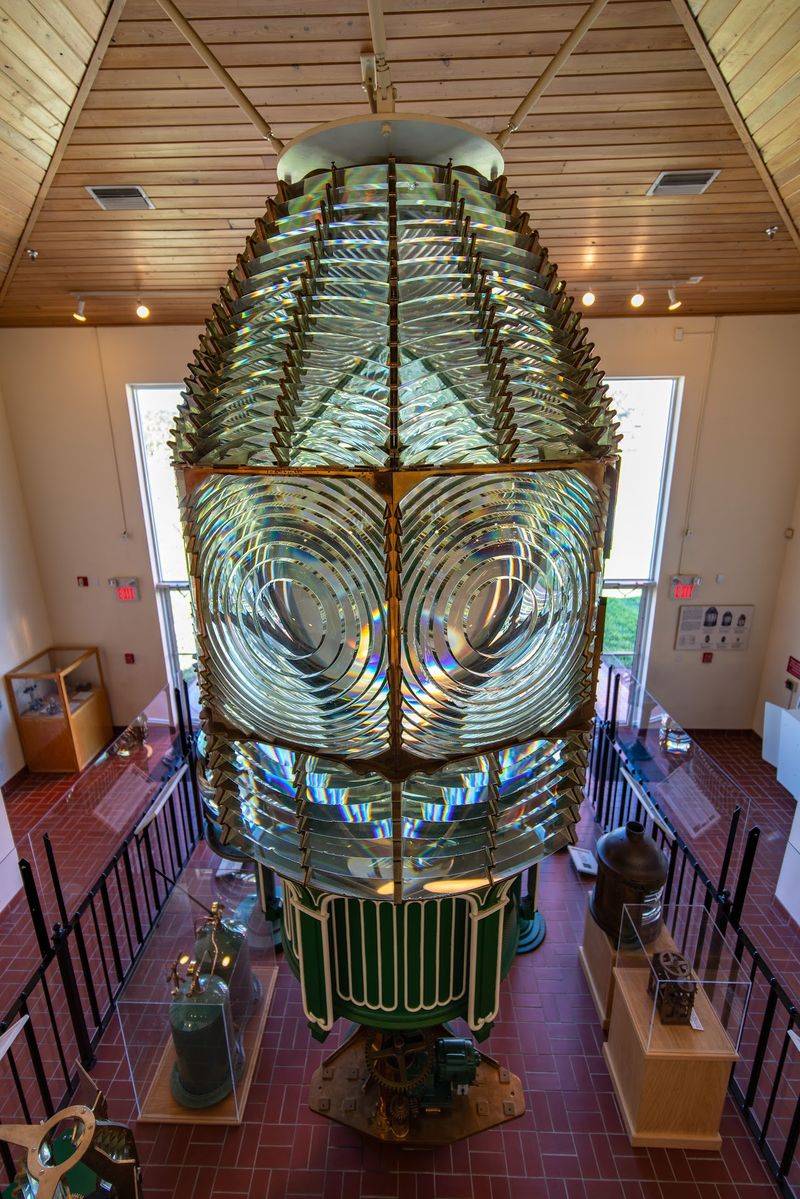
Glasses, cameras, magnifying glasses. Then you see a first-order Fresnel lens, and every other lens suddenly looks tiny.
The museum is known for one of the most impressive Fresnel lens collections in the country. Exhibits explain how these rings of glass prisms bend light and throw it miles out to sea.
The star of the show is a restored first-order lens. It’s the biggest and most powerful type, built for major coastal lighthouses like this one.
Seeing it up close is a little dizzying. Dozens of glass pieces catch the light, and the whole thing glows like a giant beehive made of crystal.
Science fans get plenty to chew on. The displays walk through light refraction and how lighthouse technology changed over the years.
Kids often love this part more than expected. It’s basically a physics class where the teacher is a sparkly, room-sized jewel.
Give yourself time here before or after the climb. Knowing how the lens works makes the view from the top feel even more impressive.
A full-moon visit makes the connection extra fun. You learn how light guided ships, then watch moonlight do its own show across the water.
5. Peek Into the Homes Where Keepers Kept the Light Burning
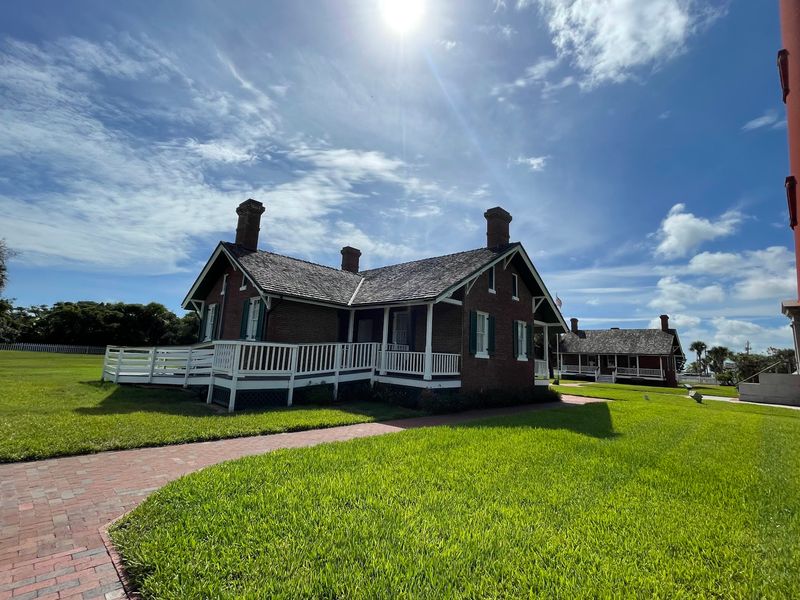
Life as a lighthouse keeper was no vacation. The restored keepers’ dwellings on the grounds show exactly how these families lived beside the tower.
Three historic houses once belonged to the head keeper and two assistants. Today they hold exhibits, artifacts, and rooms that bring old daily routines back to life.
Picture hauling fuel up the tower every single night. Keepers trimmed wicks, cleaned glass, and stayed alert so ships could pass safely.
The stories here are rugged and real. You learn about the work, the weather, and the patience it took to keep that light shining.
Wandering from house to house feels relaxed. Exhibits are spread out, so you can take your time without bumping elbows.
Families with curious kids get a lot out of this part. Old tools and furniture spark questions like how anyone survived summer before air conditioning.
A short history video also plays on the grounds. It gives quick background that makes the rest of the visit click into place.
Rainy afternoons aren’t wasted either. If weather closes the tower, the buildings still offer plenty to explore and learn.
6. A Famous Shipwreck Story Ties This Tower to American Literature
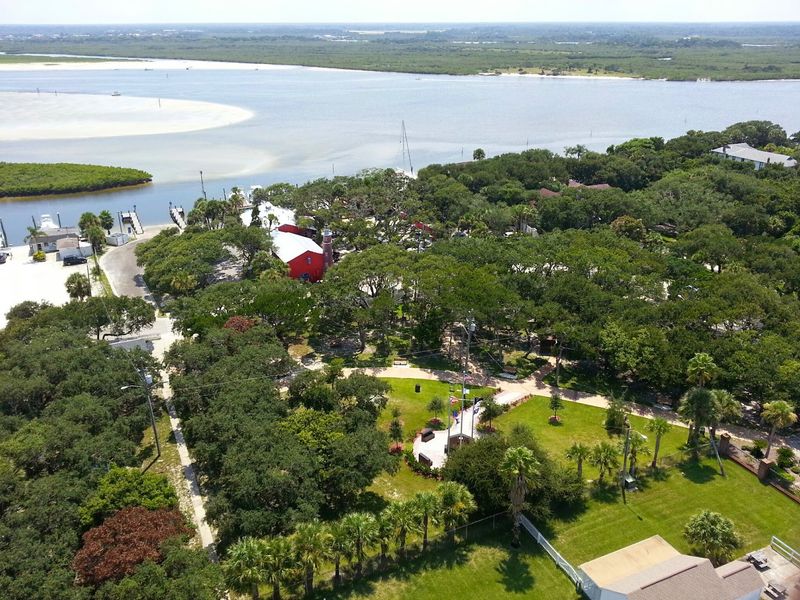
In January 1897, a steamship called the Commodore sank off the Florida coast. One of the men aboard was writer Stephen Crane.
Crane and a few others spent hours in a tiny boat fighting the waves. During that ordeal, they could see the tall lighthouse on shore.
That experience became his famous short story, The Open Boat. The lighthouse appears in it as a far-off tower the men keep watching from the water.
Plenty of students read that story in school without knowing this place inspired it. Now you can stand on the very coast Crane stared at from the sea.
The museum shares this connection as part of the site’s history. It adds a fun literary layer to a visit that’s already packed with stories.
Bookworms, this one’s for you. Reading the story before your trip makes the view from the top hit differently.
It’s also a reminder of why lighthouses mattered so much. For sailors in trouble, that light meant land, help, and hope.
Looking out at the inlet under a full moon, that idea feels very real. The tower still keeps watch, just with fewer dramatic rescues these days.
7. Cross the Street for a Historic Hotel With Its Own Tales
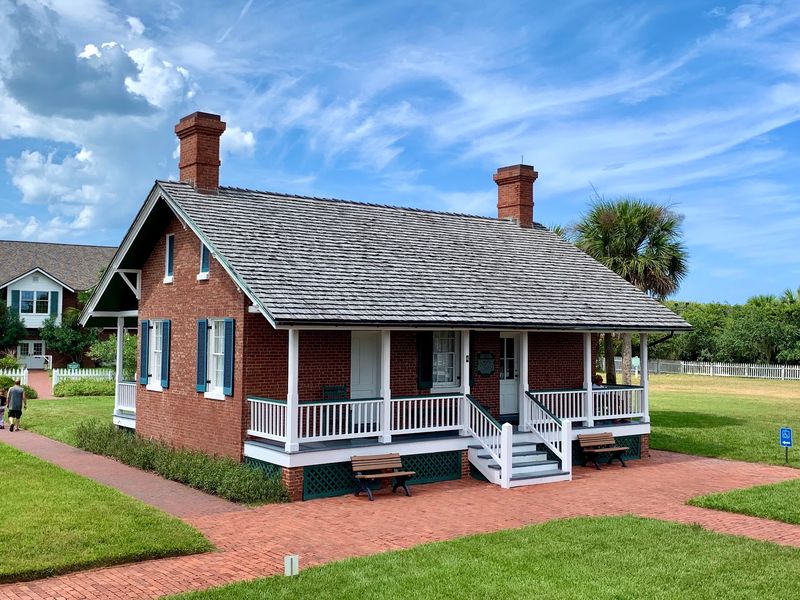
Your ticket covers more than the tower and the keepers’ houses. Across the street sits the Constance D. Hunter Historic Pacetti Hotel Museum.
The Pacetti family has deep roots in the area’s early days. Their old hotel now shares local history from a time when this corner of Florida was wild and remote.
Fans of old buildings will love poking around here. It’s a different flavor of history than the lighthouse, focused more on the people who settled nearby.
Walking over is easy for most visitors. There’s also a small parking area for anyone who’d rather drive the short distance.
It’s worth leaving time for this stop. Many people race to the top of the tower, then skip the hotel without realizing it’s included.
That would be a mistake. Seeing both sides of the street gives you a fuller picture of life around the inlet.
Exhibits here pair nicely with a calm afternoon pace. No stairs to conquer, just stories to soak up.
Think of it as dessert after the main course. A little sweeter, a little quieter, and still very satisfying.
8. Good Planning Turns a Fun Visit Into a Smooth One
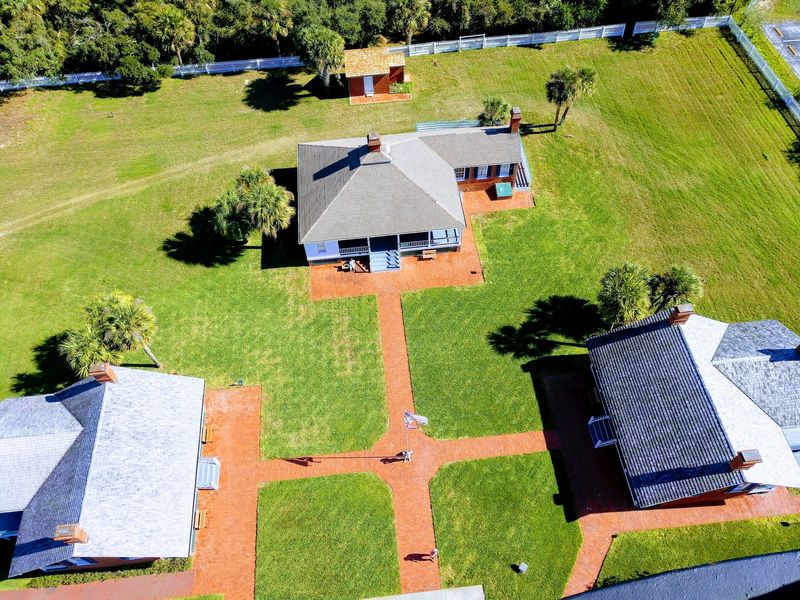
Finding the place is the easy part. The Ponce de Leon Inlet Lighthouse & Museum sits at 4931 S Peninsula Dr, Ponce Inlet, FL 32127, near the southern tip of the peninsula.
Daytime hours run from 10 a.m. to 6 p.m. every day. That gives you plenty of room to plan around beach time or lunch.
Everything starts at the gift shop, which also serves as the entrance. That’s where you buy tickets and grab maps of the grounds.
Leave pets at home if you can. They aren’t allowed past the gift shop, so furry friends won’t make the climb.
Admission is affordable and covers the tower, museum buildings, and the Pacetti Hotel. Donations help support ongoing restoration work.
Florida summer is no joke inside a brick tower. Go earlier in the day, bring water, and dress for heat.
Afternoon storms can close the climb on short notice. Keep an eye on the sky and have a backup plan for the indoor exhibits.
For the Full Moon Climb, check dates early and book fast. Daytime visits are flexible, but moonlit spots are a different story.
9. Save Some Energy for the Trail, the Shop, and the Inlet Views
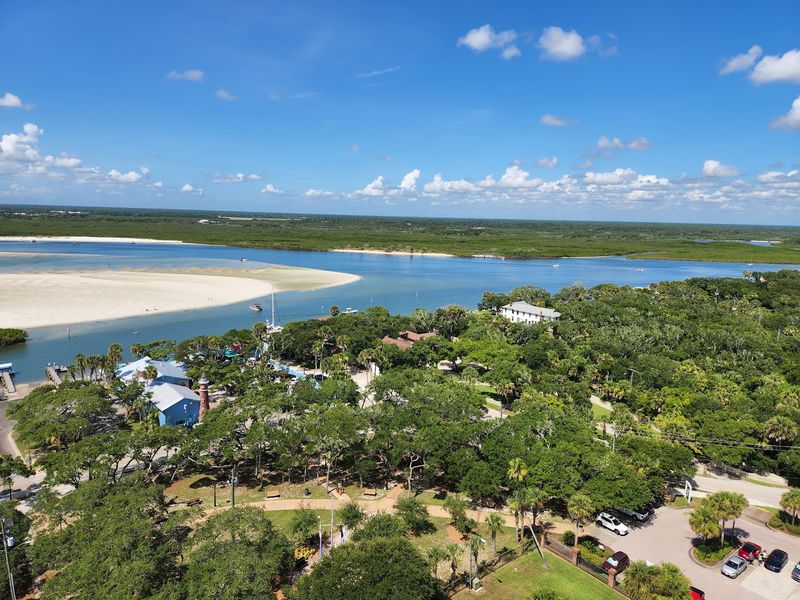
The climb gets the headlines, but the grounds deserve some love too. A nature trail offers a peaceful stroll once your legs stop shaking.
It’s a nice way to cool down after all those stairs. Shady greenery makes a pleasant contrast to the bright brick tower.
Then comes the gift shop, where souvenirs range from books to lighthouse trinkets. Budget collectors can even snag a pressed penny.
Up top, the views stretch across the inlet, the Atlantic, and the surrounding coastline. Boats zip in and out of the channel like toy models.
The inlet itself is a big part of the charm. Ponce Inlet sits right where the Halifax River area meets the ocean, giving the whole spot a busy, breezy feel.
Beaches nearby make it easy to turn one stop into a full day. Climb in the morning, then trade bricks for sand by afternoon.
Honestly, that’s a pretty great Florida combo. History, exercise, and ocean air all fit in one trip.
And if you time it right, the moon handles the grand finale. Not many museums can promise that kind of lighting.