A Hidden Florida Beach Where Shark Teeth Wash Up Like Tiny Treasures
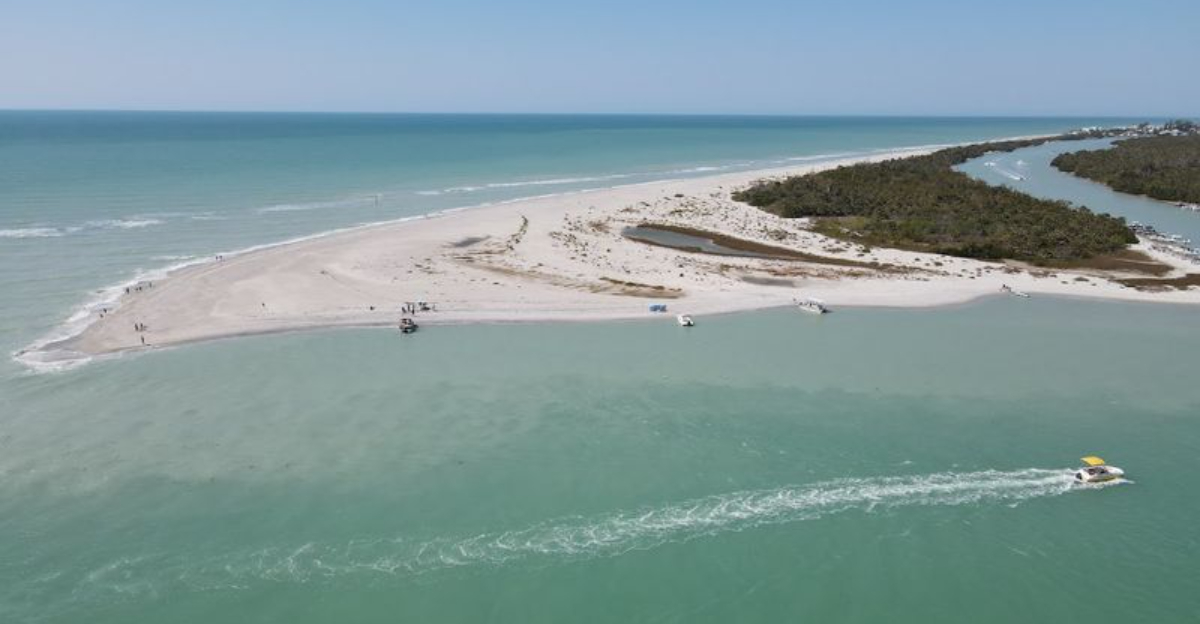
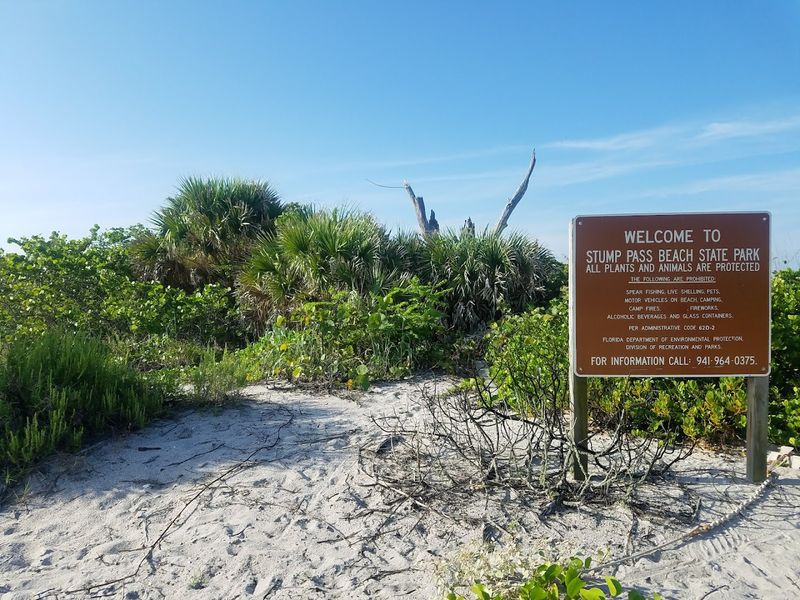
Stump Pass Beach State Park sits tucked away on Manasota Key in Englewood, Florida, where the Gulf of Mexico meets the Intracoastal Waterway. This secluded beach is famous for its incredible shark teeth finds, with visitors regularly discovering dozens of these prehistoric treasures during a single visit. Beyond the thrill of hunting for shark teeth, the park offers a mile-long stretch of pristine shoreline covered in shells, calm shallow waters perfect for families, and a peaceful atmosphere that feels worlds away from crowded tourist beaches.
1. The Shark Tooth Bonanza That Makes This Beach Famous
Shark teeth hunting at Stump Pass isn’t just a possibility—it’s practically guaranteed if you know what to look for. Visitors regularly find 50 or more small shark teeth in just an hour of searching along the waterline. These ancient treasures wash up constantly, especially after high tides or storms when the ocean churns up sediment from offshore.
The teeth range from tiny triangular specks to larger specimens, most appearing dark gray or black against the lighter shells. Early morning visits right after high tide give you the best chance at fresh finds before other beachcombers arrive. Look closely at the shell line where the waves recede, and train your eyes to spot the distinctive triangular shapes.
What makes this spot so productive is its location at the pass where currents concentrate fossils naturally. The teeth you’re finding aren’t from modern sharks but ancient species that lived millions of years ago when Florida was underwater. Kids especially love the treasure hunt aspect, and it turns a regular beach day into an adventure.
Bring a small mesh bag or container to collect your finds, and consider downloading a shark tooth identification guide to learn what species you’ve discovered.
2. Mountains of Shells That Create a Beachcomber’s Paradise
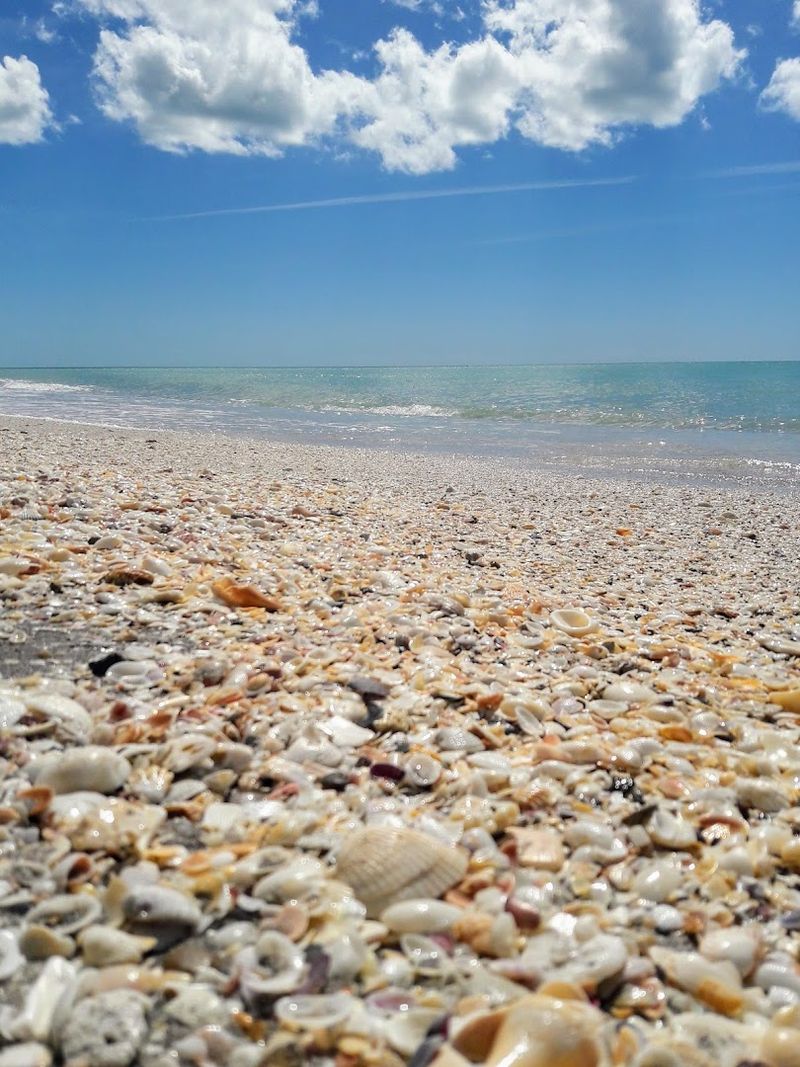
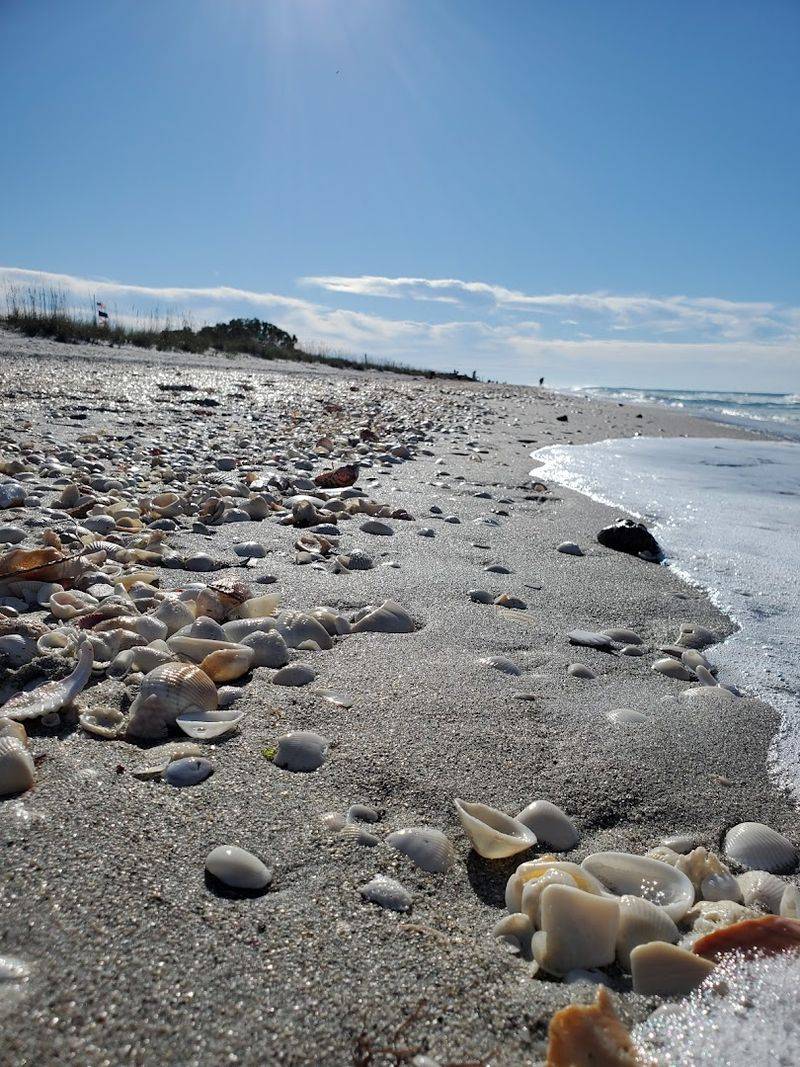
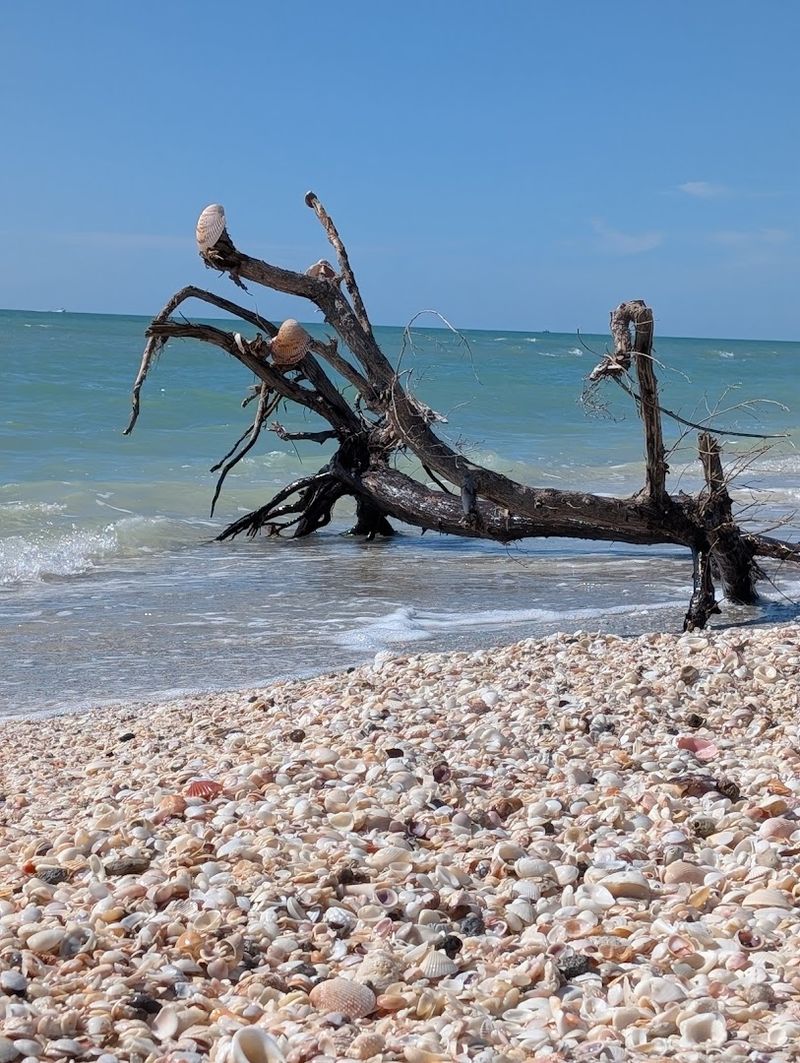
The shell accumulation at Stump Pass is genuinely jaw-dropping. Recent visitors describe finding shells piled three feet deep in some areas, creating what looks like a natural treasure trove stretching along the shoreline. You’ll see varieties you won’t find at other Florida beaches, from delicate coquinas to larger conchs and everything in between.
Hurricane activity actually enhances the shelling here by churning up deeper deposits and depositing fresh specimens on shore. The diversity is remarkable—you can spend hours just examining different shapes, colors, and patterns. Many shells arrive in pristine condition, not broken or worn down like at busier beaches.
The best shelling happens during low tide when more beach is exposed and after storms when nature restocks the supply. Serious collectors arrive at dawn to get first pick, but even afternoon visitors find plenty to admire. The abundance means you can be selective and take home only your favorites.
Remember that Florida law allows you to collect empty seashells, but live shells with creatures inside must stay on the beach. Bring a bucket or bag, wear water shoes for comfortable walking, and prepare to be amazed.
3. Getting In Early Before the Small Parking Lot Fills
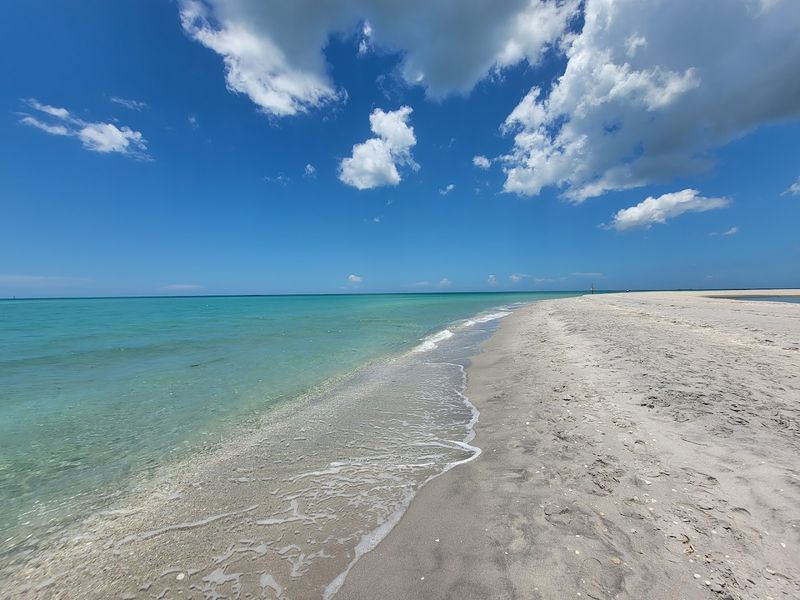
Here’s the reality about Stump Pass: parking is extremely limited, and this hidden gem isn’t quite as hidden as it used to be. The small lot fills fast, especially on weekends and during peak season. Cars often line up before the 8 AM opening time, with dedicated beachgoers waiting to snag one of the coveted spots.
The $3 entrance fee is incredibly reasonable, but that bargain pricing combined with the beach’s growing reputation means competition for parking is fierce. If you arrive mid-morning or afternoon, you might find yourself turned away until someone leaves. Staff can only allow as many vehicles as there are spaces.
Your best strategy is arriving right at opening or even a few minutes before to join the queue. Weekdays offer better odds than weekends, and winter months see slightly less pressure than summer. Some visitors opt to kayak in from nearby launch points, completely bypassing the parking challenge.
The limited access actually preserves what makes this beach special—it never feels overcrowded even when the lot is full. Those who make the effort to arrive early are rewarded with a peaceful, uncrowded beach experience that’s increasingly rare in Florida.
4. Crystal Clear Shallow Waters Perfect for Families
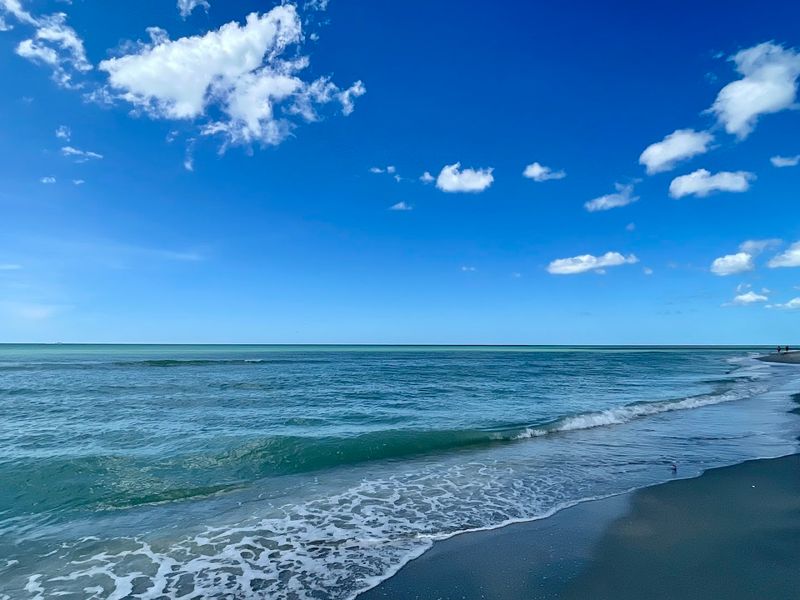
The water at Stump Pass stays remarkably shallow for a long distance offshore, creating an ideal swimming environment for families with young children. During low tide, you can walk out what feels like forever and still only be waist-deep. The calm conditions make it perfect for kids learning to swim or anyone who prefers gentle waters.
The clarity of the Gulf here is stunning—you can often see straight to the sandy bottom and watch small fish darting around your feet. The gentle wave action means less turbulence and better visibility than at many other beaches. Parents appreciate being able to relax while children play safely in the shallows.
Dolphins frequently swim through the pass, sometimes close enough to shore that you can watch them surface and play. The combination of clear water and abundant marine life creates natural entertainment without needing any beach toys. Sea slugs, baby fish, and other small creatures fascinate curious kids exploring the shallows.
The sandbar location means the beach sits between the Gulf and the bay, offering different water experiences on each side. The Gulf side provides the classic beach experience while the bay side offers even calmer conditions for the littlest swimmers.
5. Old Florida Atmosphere Without Tourist Crowds
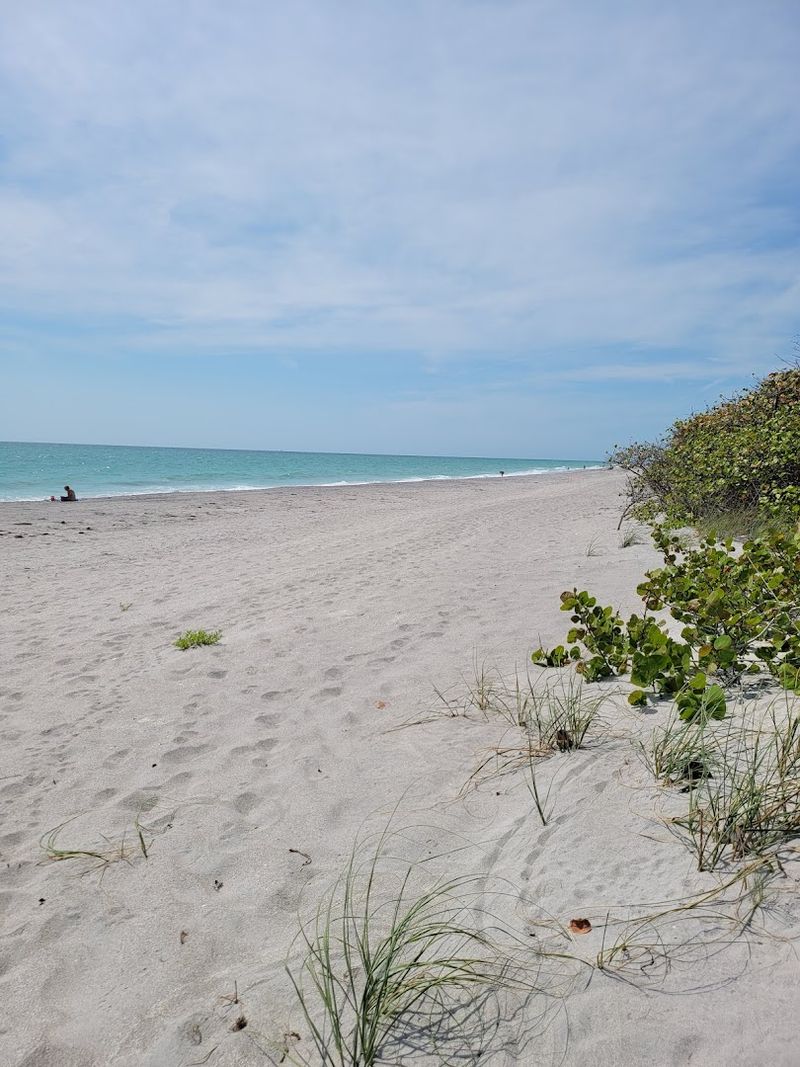
Stump Pass feels like stepping back to what Florida beaches looked like decades ago before high-rise condos and commercial development took over. The natural setting remains beautifully undeveloped, with native vegetation and wide-open views that let you actually see the horizon. Even when the parking lot is full, the beach never feels packed.
Visitors consistently describe it as their “happy place” where they can truly slow down and breathe. The lack of nearby hotels, restaurants, and shops means you’re experiencing pure nature rather than a tourist destination. It’s the kind of place where you might see 40 people spread across the entire beach, each group with plenty of space.
This peaceful quality attracts locals who return weekly and visitors who make it their annual tradition. The vibe is relaxed and friendly, with none of the spring break energy or party atmosphere found at more commercial beaches. People come here to shell, swim, walk, and simply exist in a beautiful natural space.
Hurricane Milton impacted the park, but recovery efforts have preserved the beach’s essential character while making necessary improvements. The resilience of this natural area proves why protecting such spaces matters—they offer something irreplaceable in an increasingly developed state.
6. The Trail Through Five Different Natural Communities
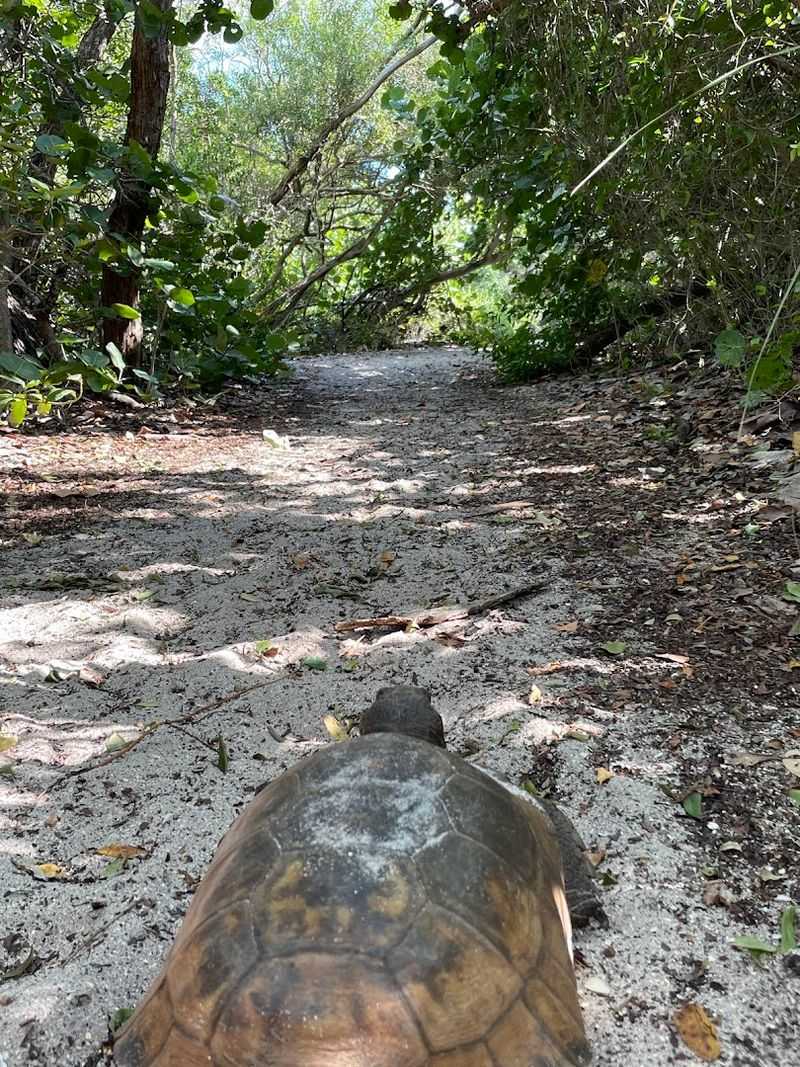
Beyond the beach itself, Stump Pass State Park protects a diverse trail system that winds through five distinct natural communities. This isn’t just a beach park—it’s a complete ecosystem where you can observe coastal hammock, mangrove swamp, salt marsh, and other habitats within a short walk. Bird watchers particularly love this feature.
The trail offers a completely different experience from the beach, with shade, wildlife viewing opportunities, and a chance to see Florida’s natural diversity up close. You might spot wading birds in the marshes, songbirds in the hammock, and various shorebirds along the edges. The vegetation changes noticeably as you move between communities.
This ecological variety explains why the park feels so rich and alive compared to beaches that are just sand and water. The different habitats support different species, creating a complex web of life that makes every visit interesting. Educational signs along the trail help you identify what you’re seeing.
Combining beach time with trail exploration makes for a fuller day and appeals to visitors who want more than just sunbathing. The trails aren’t strenuous, making them accessible for most fitness levels while still providing that sense of adventure and discovery.
7. What to Bring for a Successful Shark Tooth Hunt
Coming prepared makes all the difference between finding a few teeth and taking home a serious collection. Water shoes are essential—they protect your feet and let you wade comfortably while searching the shallows where teeth concentrate. A small mesh bag or plastic container keeps your finds safe and visible so you can admire your growing collection.
Many experienced hunters bring a sand sifter or small colander to quickly sort through shell piles, though your eyes and fingers work fine too. Sunscreen is absolutely critical since you’ll be hunched over staring at the sand, exposing your back and neck to intense Florida sun. A hat provides additional protection and reduces glare.
Bring plenty of water and snacks since the park has limited facilities, especially while still recovering from hurricane damage. The portable restrooms currently available work fine but aren’t as convenient as the permanent building that’s out of commission. Pack everything in and pack it out to help preserve this pristine environment.
A smartphone with a shark tooth identification app or guide helps you learn what species you’re finding, turning the hunt into an educational experience. Some people bring magnifying glasses to examine smaller specimens, though this is optional. The key is being comfortable enough to spend time bent over searching—your patience will be rewarded.
8. Best Timing for Finding the Most Teeth and Shells
Serious shark tooth hunters arrive right after high tide when the receding water leaves fresh deposits exposed along the wrack line. Check tide charts before your visit and plan to be searching within an hour or two after high tide peaks. This timing gives you first access to newly washed-up treasures before other beachcombers arrive.
Morning visits offer multiple advantages beyond just tide timing. The light is better for spotting the dark triangular shapes against lighter shells, the sun isn’t as brutal, and you’ll beat both the heat and the crowds. Many regulars report their best finds happen before 10 AM when the beach is freshest.
Storms and rough weather actually improve your chances by stirring up bottom sediments and depositing more material on shore. The day or two after a storm system passes through can be incredibly productive for both shells and teeth. Hurricane activity, while destructive to facilities, often creates spectacular shelling conditions.
Winter months bring different shell varieties and sometimes less competition for parking, though the water is cooler. Summer offers warm swimming but more visitors. Each season has advantages, and repeat visitors develop their favorite times based on what they value most—solitude, swimming comfort, or peak hunting conditions.