Giant Gators Steal The Show At This Century-Old St. Augustine, Florida Zoo
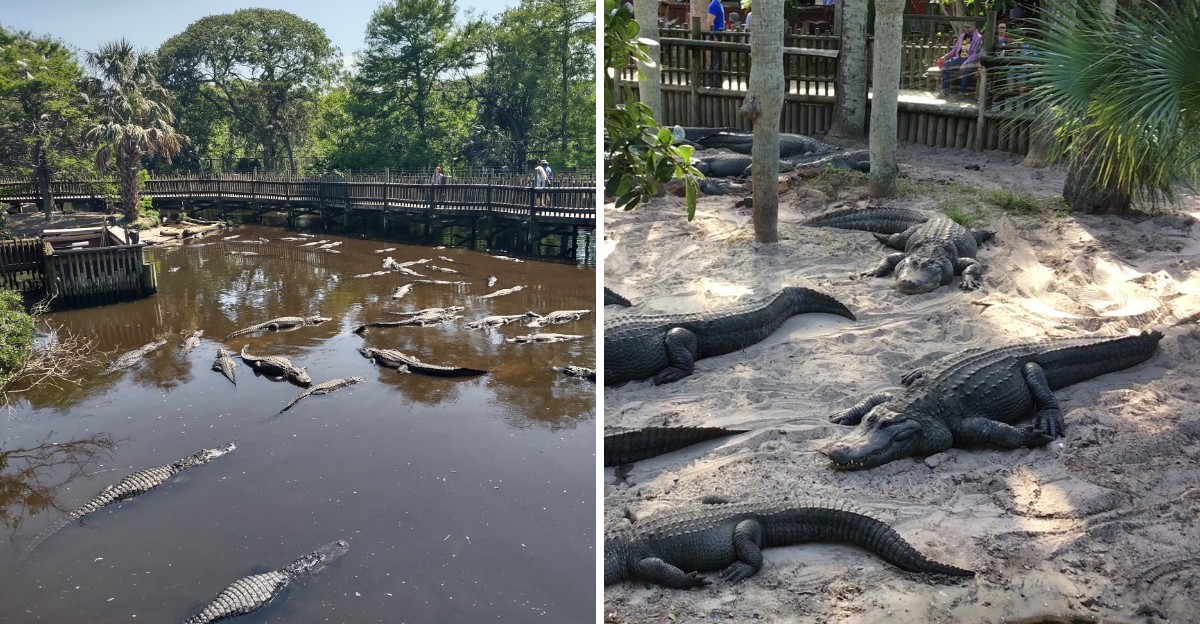
Every species of crocodilian on Earth lives at one zoo. Alligators, crocodiles, caimans, and gharials all share the same address, and it’s the only place in the world that can make that claim.
Then there’s the albino alligator. Pale white gators look like they belong in a fantasy novel, yet here they are, soaking up the Florida sun.
I like how this spot mixes old-school roadside charm with serious science. Wild wading birds even choose to nest above the gator swamp each spring, which feels like a very bold life choice.
Add zip lines over the reptiles and a legendary giant croc story, and you’ve got a day trip that’s hard to beat. So which would you see first, the gators or the birds brave enough to live above them?
A Zoo That Has Been Wowing Visitors Since The 1890s
Back in 1893, the St. Augustine Alligator Farm Zoological Park opened as a small roadside stop near the beach. A few gators drew curious tourists, and the idea simply stuck.
That makes it one of the oldest continuously operating zoos in Florida. Plenty of attractions come and go, but this one has outlasted trends, fads, and a whole lot of postcards.
Today, the park is an accredited member of the Association of Zoos and Aquariums. That means it meets strict standards for animal care, education, and conservation work.
I love that a place with such humble beginnings grew into a respected scientific zoo. It still keeps its fun, friendly spirit, though, so it never feels stuffy.
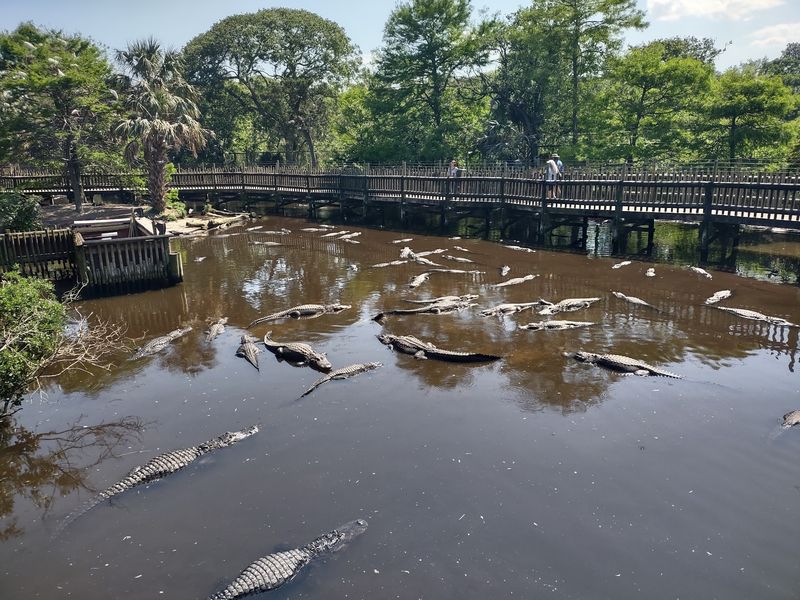
The grounds now cover a large area of shaded boardwalks, swamps, and habitats. You’ll find far more than the handful of gators that started the whole story.
Knowing the history adds a little extra magic to your visit. Every boardwalk you cross connects you to more than a century of curious travelers.
Take a moment near the entrance to appreciate that legacy. Then get ready, because the gators are waiting, and they’ve had plenty of practice impressing people.
Every Crocodilian Species On The Planet Calls This Place Home
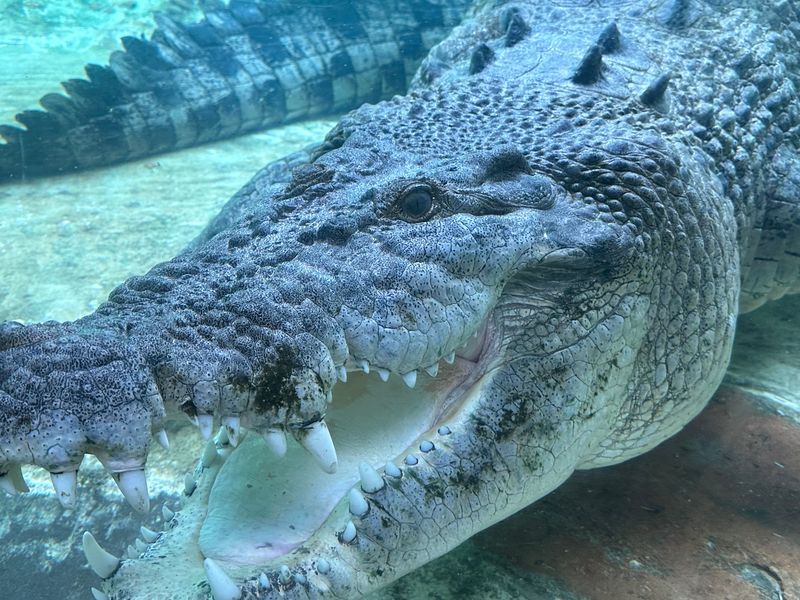
Here’s a fun bragging right. This zoo is the only one in the world that displays every known species of crocodilian.
That includes alligators, crocodiles, caimans, and gharials from across the globe. Some look tough and bulky, while others look downright strange.
Gharials are a real treat to spot. Their long, skinny snouts look built for snapping fish, which is exactly what they do in the wild.
Caimans tend to be smaller and a bit flashier. Crocodiles, on the other hand, often wear a toothy grin that seems to say they know something you don’t.
Each exhibit comes with signs that explain where the species comes from. You can learn which ones face trouble in the wild and why conservation matters so much.
I believe this is the best classroom in Florida for reptile fans. Kids can compare snout shapes, scale patterns, and sizes all in one afternoon.
Bring a phone or camera and make a game of it. Try snapping a photo of every species you find, then count them at the end. Bragging rights go to the sharpest-eyed explorer in your group.
The Legend Of Gomek Still Looms Large
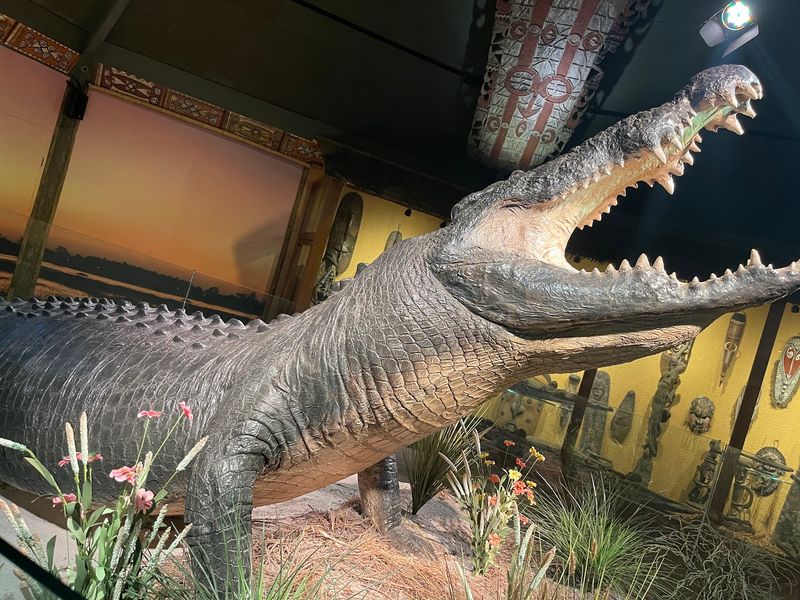
Nearly 18 feet long and close to a ton in weight. Those numbers belonged to Gomek, a giant saltwater crocodile who once ruled this park.
Gomek came from New Guinea and lived at the Alligator Farm in the 1990s. He quickly became a superstar, pulling crowds who wanted to see a true living giant.
His size earned him a spot in reptile history. Even after his time at the park ended, the zoo kept his memory alive with a special display.
Visitors can still learn about Gomek and see his preserved form today. It gives you a real sense of just how massive saltwater crocs can grow.
Standing next to his display, most people suddenly feel very small. That’s a healthy reaction, honestly.
I can’t imagine meeting a croc like that out in the wild. Seeing his story told safely behind glass is about as close as I’d ever want to get.
The exhibit also shares facts about saltwater crocodiles and their wild habitats. It’s a great stop for kids who love record-breaking animals and dramatic tales.
You’ll Want Front-Row Seats For Feeding Time
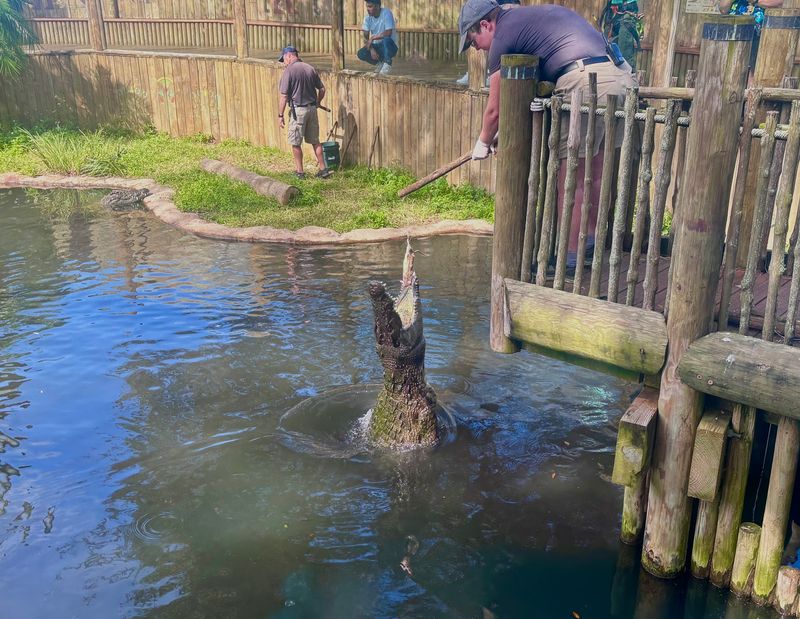
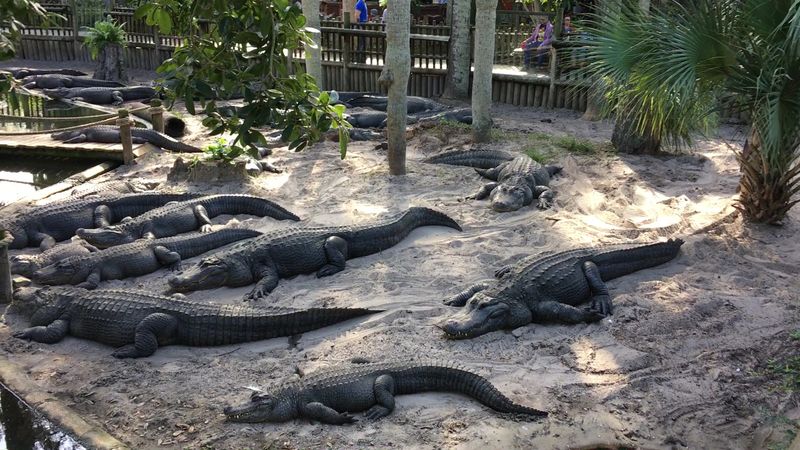
Splash, snap, and a whole lot of teeth. Feeding time at the main alligator lagoon is pure action.
Keepers toss food to dozens of hungry gators while sharing facts with the crowd. The gators seem to know the routine, which makes the show even more fun.
The park posts a daily schedule of feedings and animal presentations. Checking it early helps you plan your walk so you don’t miss the big moments.
Shows go beyond gators, too. Reptile talks and bird presentations give you a closer look at the other residents and how keepers care for them.
Staff members explain behaviors in a way that’s easy to follow. You’ll walk away knowing why gators bask, how they hunt, and what they really eat.
For extra fun, the park sells gator food you can toss from certain spots. Bring some quarters, since the food dispensers take coins.
It’s a small detail, but it makes a big difference. Watching a gator glide over for a snack you tossed is the kind of moment kids talk about for weeks.
Pale, Rare, And Totally Unforgettable White Gators
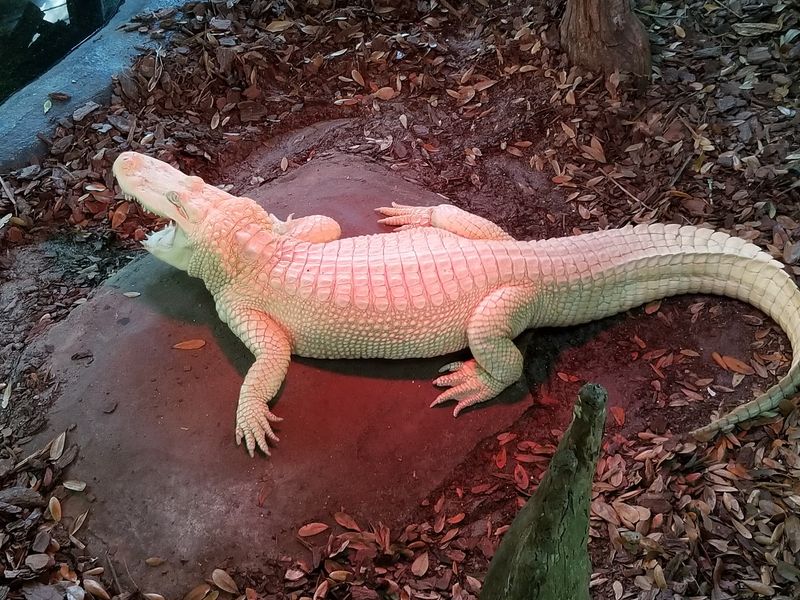
Most gators blend into the mud. The albino alligators here do the exact opposite, glowing bright white against dark water.
Albino gators lack normal skin pigment, so they look almost ghostly. Their pale color would make survival in the wild very tough because predators could spot them easily.
That’s why seeing one up close feels so special. They’re rare, and the park gives them a safe, shaded habitat suited to their sensitive skin.
Many visitors list the white gators as a favorite stop. It’s easy to understand once you see their pink eyes and creamy scales in person.
Photographers, this is your moment. The contrast between the white gator and its surroundings makes for striking pictures, even with just a phone.
Kids usually have a million questions here, and that’s a good thing. Signs nearby explain albinism in clear, simple terms that young readers can follow.
Spend a few extra minutes at this exhibit. These gators often lie very still, so patience pays off if you want to catch a tail flick or a slow, sleepy blink.
Wild Birds Build Nests Right Above The Gators
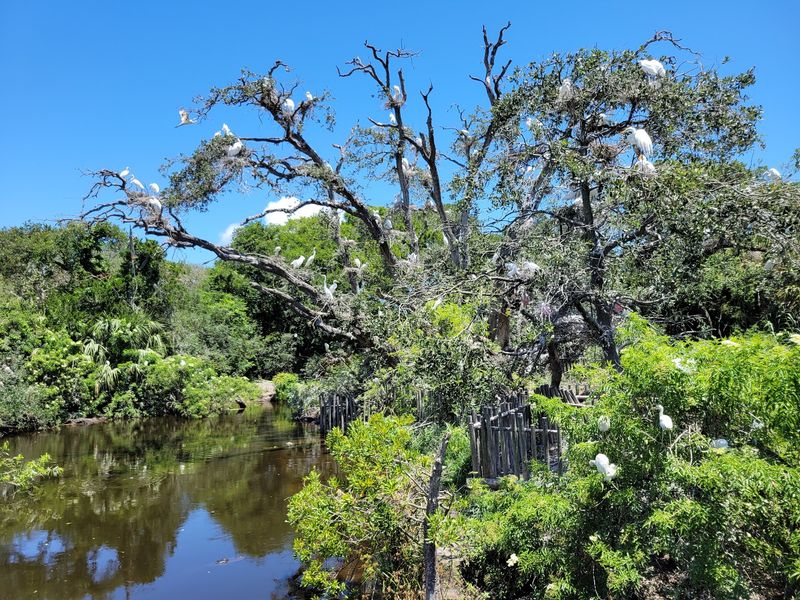
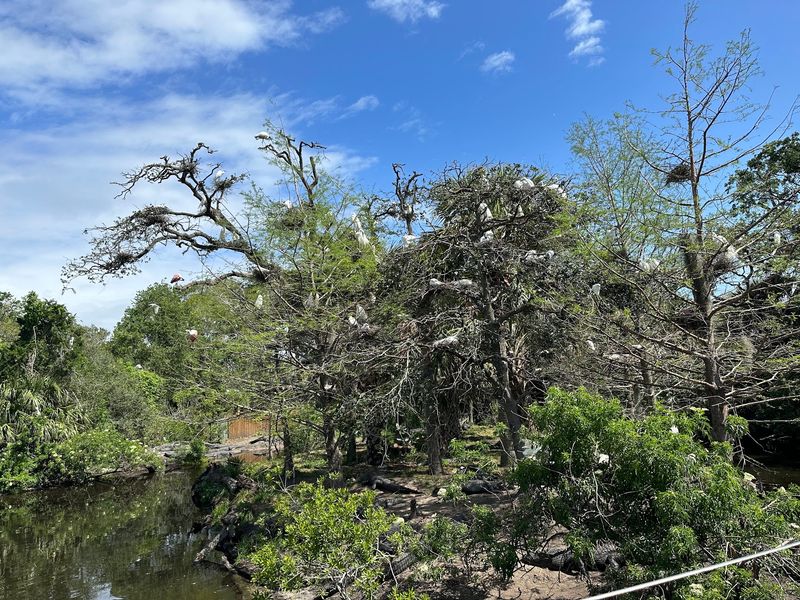
Nesting right over a swamp full of alligators sounds like a terrible plan. For wild wading birds, it’s actually brilliant.
Each spring, egrets, herons, wood storks, and roseate spoonbills fly in on their own to raise chicks in the rookery. The gators below keep raccoons and other egg thieves away.
These birds aren’t zoo residents. They’re wild, and they return year after year because the setup works so well.
Nesting season usually runs from about spring into summer. During that time, the trees fill with nests, squawking chicks, and busy parents.
The boardwalks let you watch all this from a safe, close distance. It’s one of the best spots in Florida to photograph wading birds in breeding colors.
Spoonbills are the showstoppers with their bright pink feathers. Great egrets, with their lacy breeding plumes, aren’t far behind.
A friendly tip: look up before you stop to stare. Busy bird colonies can leave little surprises on railings and decks, so a hat might be your best friend here.
Brave Souls Can Zip Line Over The Swamp
Flying over a pit of alligators is either your dream or your nightmare. Crocodile Crossing makes it possible either way.
The park’s zip line and aerial adventure course stretches above several animal exhibits. You’ll glide over gators, crocs, and treetops while safely harnessed in.
There’s more than one course, so different comfort levels have options. Some routes include rope bridges and obstacles before the big zips.
Zip line tours are booked separately from regular park admission. Reservations are a smart move, since spots can fill up on busy days.
Guides handle the safety gear and walk riders through each step. There are also age, height, and weight rules, so check them before promising the kids a ride.
Not into heights? No shame there at all. The view from the ground, watching friends scream over the swamp, is entertainment in its own right.
I think this is the boldest way to see the park. It flips the usual zoo experience upside down, letting the gators look up at you for a change.
More Than Reptiles Live Along These Boardwalks
Lemurs at a gator farm? Absolutely, and they’re adorable.
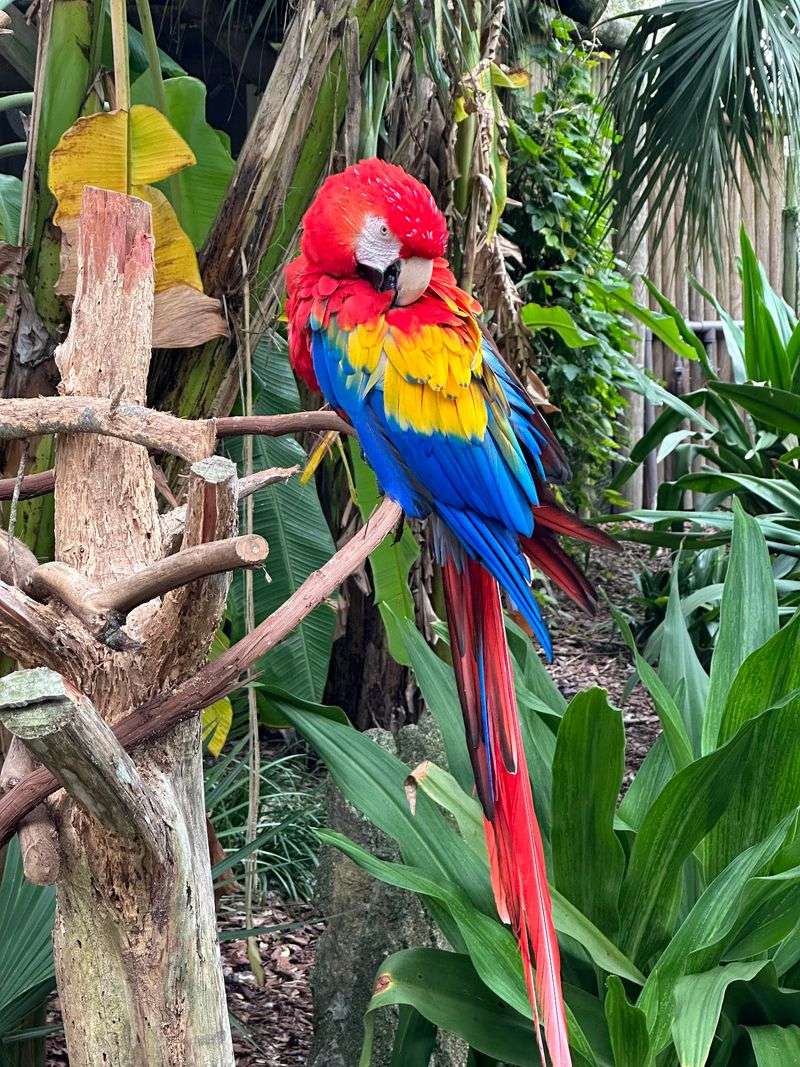
Beyond the crocodilians, the park houses lemurs, sloths, tortoises, snakes, lizards, and colorful birds. The mix keeps the walk interesting for everyone in your group.
Sloths win the prize for most relaxed resident. Lemurs, on the other hand, bring plenty of curious energy to their habitat.
The reptile collection also includes some impressive snakes and turtles. Reading the signs helps you learn where each animal lives in the wild.
Shaded wooden boardwalks connect much of the park. That shade feels wonderful on hot Florida afternoons, and the paths work well for strollers.
Families with little ones can also check out the kids’ play areas. Young explorers can burn off energy before heading back to the reptile exhibits.
Plan on a few hours to see everything at a comfortable pace. A snack bar offers quick bites and drinks, and the gift shop is stocked with plush gators and souvenirs.
Wear comfortable shoes and bring water. You’ll cover more ground than you expect, mostly because every corner holds another critter.
An Easy Stop On Anastasia Island Near The Lighthouse
Getting here is easy, which is great news for road-trippers. The St. Augustine Alligator Farm Zoological Park sits at 999 Anastasia Blvd, St. Augustine, FL 32080.
That puts it on Anastasia Island, just across the Bridge of Lions from the historic downtown. You can explore old Spanish streets in the morning and gators by lunch.
The St. Augustine Lighthouse and Maritime Museum is only minutes away. Pairing the two makes a full, satisfying day of local fun.
Beach lovers have options too. Anastasia State Park and St. Augustine Beach are both a short drive down the road.
The zoo is open daily from 9 a.m. to 5 p.m. Arriving early often means cooler temperatures and active animals.
Since most of the park is outdoors, check the weather before you go. Sunscreen, a hat, and a light rain jacket are all smart additions to your bag.
Florida has plenty of attractions, but few come with this much history and personality. Your gator-spotting adventure is waiting, and the residents have been practicing their best toothy smiles for over a century.